
Last updated: Apr 19, 2026
Vail sits in the Sonoran Desert southeast of Tucson, where intense sun exposure and long hot seasons accelerate surface aging on exposed roofing materials. That UV on the surface is not just cosmetic-it penetrates deeper, stiffening underlayment and degrading flashings long before a storm test arrives. The real risk comes when the monsoon season hits: sudden heavy rain, strong outflow winds, and dust can expose weaknesses in roof details you can't see from the ground. If a roof looks sound after summer, that's not a guarantee it will withstand July through September's gusts and downpours.
The peak monsoon window stretches from July through September, and in those weeks the roof becomes a frontline defense against wind-driven rain and blowing dust. Edge details-hip shingles, valleys, flashing at chimneys and vents-can fail when surface sealing has already degraded from prolonged sun exposure. Watch for hairline cracks in sealants, loose or lifted shingles, and any discoloration or softening around penetrations. Your goal is to prevent water from finding a path through the most vulnerable seams during a sudden downpour.
In this climate, material choice matters for longevity when storms arrive. Asphalt shingles can perform well if they're UV-hardened and installed with secure, wind-resistant fasteners, but J- and W-type curves in edge detail matter more here than in cooler climates. Metal roofs resist monsoon winds and can shed rain efficiently, but improper flashing or underlayment gaps near edges and penetrations become critical failure points under wind-driven rain. Clay and concrete tiles offer excellent UV and heat resistance, yet their weight amplifies the need for a solid, well-framed install to avoid crack propagation during rapid temperature swings and gusting winds. Wood shingles and shakes bring a natural look but demand meticulous maintenance to prevent rapid deterioration under dust and sun exposure. Synthetic or composite shingles can offer a balanced mix, but ensure they're rated for high-desert heat and have robust edge and flashing detailing.
Start with a surface evaluation that prioritizes edge details, penetrations, and flashing. If any underlayment shows signs of aging or moisture intrusion, address it before July. Refasten shingles or tiles in a pattern that accounts for anticipated summer winds, and upgrade sealants at all penetrations and along eaves to resist wind-driven rain. Ensure soffit and vent details provide unobstructed moisture drainage and proper attic ventilation to mitigate heat buildup that expands and contracts roofing components. Consider a roof coating or UV barrier where appropriate, focusing on high-sun exposure areas to slow surface aging.
Spring and fall emerge as the safer windows for reroof projects, because extreme summer heat and monsoon interruptions narrow safe installation windows. If planning a project, align work with calm, dry spells and avoid the heart of monsoon season. Ensure crews prepare for rapid weather changes and have contingencies for wind-restricted days. A roof that's well-sealed before July reduces the risk of water intrusion during the peak monsoon weeks and minimizes emergency fixes that can derail your season.
Clay and concrete tiles are a popular desert-leaning choice for the Tucson-area look, but Vail's monsoon winds can turn that aesthetic into a maintenance headache. When gusts rip through Foothill slopes, tiles can shift, crack, or even dislodge if the roofing system isn't fully secured. Foot traffic during service calls compounds the risk, with loose or chipped tiles turning into projectiles or creating weak points that trap water. The practical move is to inspect the roof after the first strong post-monsoon rain and after any reported wind event. Check for cracked runners, loose battens, and any signs that tiles have moved from their original alignment. If displacement is found, prioritize stabilizing or replacing those tiles before the next monsoon cycle to reduce the chance of leaks or further damage.
Asphalt shingles in this climate endure accelerated granule loss and brittleness from the sustained UV load and heat reflected off the roof surface. In Vail, shingles may curl at edges, shed granules into gutters, and become susceptible to wind-driven uplift sooner than expected. The practical approach is to monitor granule loss patterns across the roof face, especially on southern exposures, and to replace distressed shingles promptly to protect the underlayment. If a roof has a history of heat-induced curling, consider reinforcing the fasteners in high-stress zones or upgrading to a shingle product with better heat resistance and longer UV stability when replacement is due.
Because many desert homes use tile as the visible roof covering, the waterproofing performance in Vail often depends heavily on the condition of the underlayment beneath the tile rather than the tile itself. If underlayment deteriorates, leaks can appear at seams or penetrations long before visible tile issues surface. The practical practice is to routinely verify that underlayment remains intact and free of breaches in areas around vents, chimneys, and roof-to-wall transitions. In a tile installation, a robust underlayment acts as the primary defense against monsoon rain intrusion, with tile serving as a secondary, exterior layer. When work is done on or around tiles, ensure fasteners and flashing are compatible with the existing underlayment system and that any replacement tiles align perfectly to preserve a continuous, waterproof surface.
A frequent failure pattern in this area is blown-out fasteners where wind pressure concentrates at edges and ridges. Visual cues include lifted edges, loose fasteners, and visible nail heads on the tile or shingle plane. During inspections, you should test for edge lift along overhangs and at hips and ridges, and listen for hollow sounds when tapping suspected panels. A practical preventative measure is to reseal or replace compromised edge fasteners and to reseal penetrations where flashing meets the underlayment. In monsoon-prone seasons, schedule a targeted inspection of joints, chimneys, and skylights to catch creeping leaks early, before water damage tracks into attic spaces or wall cavities.
During service calls, tread carefully on tile surfaces and avoid applying brute force that could crack or dislodge surrounding pieces. If movement is detected, isolate the affected area and document the extent of displacement for prompt re-seating or replacement. When tile repairs are necessary, prioritize matching the existing desert aesthetic while ensuring the new components provide the same wind uplift resistance and UV durability as the original installation. The goal is a seamless, water-tight roof that can withstand Vail's combination of radiant heat, wind, and monsoon rain without inviting ongoing maintenance headaches.
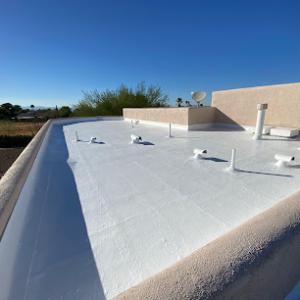
Master Tech Roofing
(520) 991-6244 www.mastertechaz.com
9320 S Whisper Ranch Way, Vail, Arizona
4.9 from 57 reviews
As a locally owned and operated company proudly serving Tucson, Vail, and the surrounding communities, we are committed to delivering dependable roofing solutions tailored to your needs. Timely roof repair is essential—small issues can quickly escalate into major problems if left unaddressed. Whether you need minor repairs, a full roof replacement, or roofing for new construction, our experienced team is here to help extend the life of your roof and protect your home for years to come.

Wittman Roofing
(520) 221-5535 www.wittmanroofing.com
9420 S San Esteban Dr, Vail, Arizona
5.0 from 12 reviews
Licensed, bonded, & insured.
Enhanced Roofing Tucson
(520) 380-8948 www.enhancedroofingaz.com
Serving
4.7 from 32 reviews
At our roofing company in Tucson, we understand the unique challenges that Tucson residents face when it comes to their roofs. Our team of experienced professionals is equipped to handle all types of roofing repairs, replacements, and maintenance services to ensure that your home is protected from the elements.
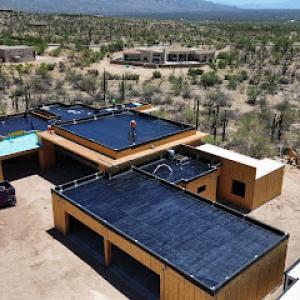
Copper Valley Roofing
(520) 788-8110 www.facebook.com
Serving
5.0 from 6 reviews
Family Owned business with over 15 year experience. We are here for all of your roofing needs. Give us a call or text for a free estimate!

Clint's Handyman Services
Serving
5.0 from 30 reviews
Hi. We are a local roofing and home repair company in Green Valley Arizona. Specializing in flat roof coatings, tile roofs, and we also do skylight replacement. Looking to get the exterior of your home painted? We got you covered ! We are Liscenced, Bonded, Insured. We have over 24 years experience in the roofing field. We have been voted best contractor award with the green valley news 2019,2020,2021,2022. Free estimates and the best warranties in the industry! Hire the best to keep you at rest !!! Thank you and god bless
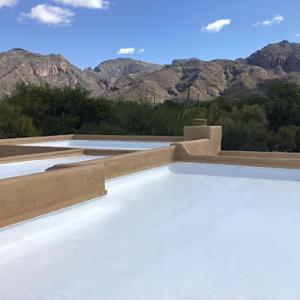
Desert Sun Roofing & Reflective Coating
(520) 370-1039 desertsunroofing.com
Serving
5.0 from 105 reviews
Desert Sun Roofing is a family-owned and operated business proudly serving the Tucson area for nearly two decades! We specialize in expert roof coating, leak detection, repairs, maintenance, and complete roof restoration systems. In addition to roofing services, we also offer skylight repair and replacement to keep your home protected and energy-efficient. Our team of roofers is dedicated to superior workmanship and complete customer satisfaction. Call today for a free estimate and trust us with all your roofing and skylight needs!

Lynch Roofing
(520) 214-8051 lynchroofingaz.com
Serving
4.9 from 475 reviews
Lynch Roofing is a trusted roofing contractor serving Tucson and Phoenix, AZ, specializing in residential and commercial roofing solutions. Our services include roof repair, roof replacement, new roof installations, flat roofing, spray foam roofing, roof coatings, and detailed roof inspections. We work with shingles, tiles, metal, TPO and flat roof systems to deliver long-lasting protection and quality craftsmanship. Known for our honest approach, timely service, and attention to detail, Lynch Roofing helps property owners protect their homes and businesses with reliable roofing solutions built for Arizona’s climate.
Arizona Pristine Roofing
(520) 614-7663 www.arizonapristineroofing.com
Serving
5.0 from 115 reviews
Arizona Pristine Roofing, LLC. is a licensed residential and commercial roofing contractor that provides 1st class customer service. All work comes with a 100% satisfaction guarantee. Why Choose Us? Over 100 +Five Star Reviews A+ Rating with BBB 90 Building Zoom Score Licensed, Bonded and Insured ROC #332702 Arizona Pristine Roofing, LLC. Get a Free Roof Inspection by an Insurance Claim Specialist Queen Creek / East Valley: 623-257-ROOF (7663) Tucson: 520-614-ROOF (7663)
Tucson Rubberized Coatings | Roof Coatings Tucson
(520) 293-3444 www.rubberized.com
Serving
4.8 from 37 reviews
Tucson Rubberized Coatings sells high-quality roof coating in Tucson. All our products are tested for quality and meet the standards of energy star, thus helping homeowners lower their energy bills. We provide customers with various options to choose—ranging from a 5 year to a 15-year product also we are the best companies for purchasing elastomeric emulsions to get off water leakage problems. So, get your roof coated by roof coating specialists in Tucson because we provide the best Elastomeric Reflective roof coatings for your home. In addition, we sell emulsions & primers, TRC paints, driveway & parking repair, roofing materials & supplies, etc.

Rob's Roofing
(520) 679-8201 www.robsroofingaz.com
Serving
4.8 from 145 reviews
Rob’s Roofing is Arizona’s Elite Roofing Company. Whether you need a free roof inspection or a full roof replacement, we’ve got you covered. This location proudly serves the Greater Tucson Area
DC Roofing of Arizona
(520) 979-9095 www.dcroofingarizona.com
Serving
4.8 from 104 reviews
DC Roofing of Arizona is southern Arizona's go-to roofing contractor for high quality, affordable roof repairs and installations for your residential and commercial roofing needs. Whether you have a flat roof, tile roof, asphalt or any other material, we provide services to make sure you're satisfied with the work we do. David Contreras, owner and the "DC" in DC Roofing, has been roofing in and around Tucson since 2012, working from being the ground guy up to lead foreman at 2 different companies. Seeing the strengths and weaknesses of different business models, DC Roofing has pulled from the best, including providing quality workmanship, team development, affordability and ultimately customer satisfaction for your business or family.
Canyon Roofing
(520) 288-8282 www.canyonroofing.com
Serving
4.9 from 566 reviews
Canyon Roofing offers free roofing inspections in and around the Tucson, Arizona area. We're licensed, bonded and insured for your protection. Check us out today!
Vail is an unincorporated community, so residential reroof permitting is generally handled through Pima County rather than a standalone City of Vail building department. Because Vail sits outside central Tucson, the exact path for permit routing depends on the property's governing county or local authority rather than a city hall specific to Vail. Before any lifting of shingles or removal begins, confirm which authority will issue the permit by checking the parcel in your county records and talking to the county's building division or planning counter. If the property sits in a small pocket with a different local agreement, that jurisdiction may route permits through a district office rather than a storefront city hall. In practical terms, start with a call to Pima County Development Services to verify that a residential reroof requires a permit and to learn the correct submission channel for the address.
Once the right authority is identified, gather the standard reroof documents you will need: a reroof plan showing underlayment type and ventilation strategy, roof vent locations, flashing details at vents, chimneys, skylights, and valleys, and a nailing pattern diagram appropriate to your chosen roofing material. In Vail's high-desert environment, plans often emphasize durability against UV exposure and wind-driven rain, so have manufacturer spec sheets ready for underlayment, ridge and power vents, and any approved seismic or wind-rated fasteners. If you work with a contractor, make sure they submit both the permit application and the project specifics, including a concise scope of work, materials list, and a compliance statement aligning with local wind and moisture provisions. Expect inspections to be scheduled at key milestones; the counter will guide you to the earliest possible inspection window after the permit is issued.
During installation, inspections in this jurisdiction focus on underlayment installation, ventilation strategy, flashing details, and nailing patterns. Ensure underlayment is installed per manufacturer and code requirements, with correct overlaps and fastener spacing. Ventilation must be verified for proper intake and exhaust to prevent heat buildup and moisture issues under the roofing, which is particularly important in high-desert conditions and during the monsoon season. Flashings at valleys, roof-to-wall interfaces, chimneys, and vent penetrations should be continuous and sealed to resist wind-driven rain. The nailing pattern should reflect the chosen roofing material and local wind uplift provisions; improper nailing is a common failure point in Vail's gusty afternoons. Schedule inspections promptly after each major phase-underlayment and ventilation, flashing, and nail patterns-to avoid rework and delays caused by monsoon weather windows.
After installation completes, a final inspection closes the permit. The inspector will verify that the installed roof matches the approved plans, that all penetrations are flashed and sealed correctly, and that the ventilation and underlayment meet the project's specifications. If any item is found noncompliant, address it in a timely fashion to secure permit closure. Because permit routing can vary by county, keep a copy of the approval notice and any posted inspection stickers, and store them with your home records for future reference or if you ever resell. If the project encounters a weather-related delay, contact the county inspector to reschedule in a way that protects the roof assembly from prolonged exposure to sun or monsoon moisture.
When you shop for a roof here, you'll encounter cost quotes that reflect the local option mix and climate demands. Asphalt shingles typically run about $350-$650 per square, while metal roofs span roughly $700-$1200 per square. If clay tile is on your shortlist, expect $900-$1700 per square, and concrete tile to land in the $800-$1350 per square range. For wood shingles or shakes the range is roughly $500-$900 per square, and synthetic or composite shingles sit around $450-$900 per square. These figures reflect the high-desert sun, exposure to monsoon moisture, and longer-term UV exposure that pressure-test your roof materials differently than colder regions. In Vail, a given product may cost more if it's selected for its durability against heat and wind-driven rain, not just for its original price tag.
Tile-heavy roof designs are common in the broader Tucson and Vail area, and that shapes labor costs here as well. Reroofs often involve tile removal, careful stacking, and the replacement of broken pieces, plus underlayment-focused work beneath the field tile. This isn't a quick swap; the labor footprint is larger, more intricate, and requires specialists who understand tile behavior under heat and wind. Expect higher labor time and incremental material handling costs when a roof uses clay or concrete tile rather than more modular, flat-sky products. If your home currently has tile, budgeting for potential additional tiles and replacement pieces is prudent.
Monsoon season brings a spike in demand and can tighten contractor availability in both Vail and the Tucson metro area. When storms roll through, crews may be tied up with urgent repairs or emergency reroofs in neighboring homes, pushing your project start date or extension of the schedule. With summer heat, daily production hours can shrink as crews hit safety limits and system temperatures rise, which can increase labor complexity and duration. Plan for potential delays and secure a firm start window well before the high-activity months.
Given these dynamics, a practical budgeting approach is to price your roof using the local ranges above and then add a contingency for tile-related reroof work if you expect a tile system. If a reroof is needed after a storm, allow extra days for material staging and tile matching. In Vail, choosing a mid-range material with proven UV durability usually delivers a favorable balance between initial cost and long-term performance against sun and wind.
The Vail area experiences monsoon-driven storms that can deliver sudden, powerful winds and localized hail hits, often in a single afternoon. Insurers generally cover roof damage, but the scrutiny is sharper for losses tied to wind and hail events. That means a roof that looks "minor" on the surface may be dissected for underlying issues like prior UV wear or pre-existing flashing failures. When a storm hits, the insurer will weigh whether the damage is isolated hail impact or wind-blown debris, and whether both occur in tandem. You should expect adjusters to ask for a clear link between the event and the damage, rather than a broad claim for weather in general.
Damage in this region can be a blend: a hail strike that reveals UV-accelerated granule loss, or wind-driven shingle lift that exposes underlying deterioration. Documentation becomes your strongest ally. Dated photos taken before and after the storm help establish the true scope, especially when the roof shows aging or wear from the high-desert sun. A well-kept maintenance history can make the difference in how an insurer views mixed conditions-whether it's a new roof, a mid-life installation, or an older surface with recent repairs. The more concrete your trail of evidence, the better you can resist claims that are dismissed on the basis of age alone.
Some carriers may require a code-compliant reroof installation or wind and hail endorsements to fully cover storm-related losses. That makes meticulous record-keeping crucial: keep permit records, inspection approvals, and before-and-after storm photos readily accessible. In Vail's landscape, where hail can puncture shingles and wind can peel back edges, insurers will look for proof that the roof was brought up to current standards at the time of the claim. If a roof shows both recent improvements and signs of UV wear, clarity about what caused the damage helps prevent disputes over responsibility and coverage.
Start with a cautious, non-confrontational report to your insurer, outlining what you observed during the event and the condition of the roof beforehand. Gather photos from multiple angles, including attic or interior signs of water intrusion if present. Have a trusted local roofing professional inspect the roof promptly to distinguish between emergent safety fixes and repairable wear. The goal is to present a coherent story: the storm caused new damage that is separate from existing UV-related degradation, while also highlighting any upgrades that support a longer-term, storm-resilient solution.
Spring and fall stand out as the most manageable windows for reroofing in this foothill desert area. The air is dryer, temperatures are moderate, and you can align roof work with calmer conditions after the peak heat of summer and before the winter winds pick up. Scheduling projects in these seasons helps crews hit dry-in targets more reliably, reduces the risk of material warping from heat, and minimizes disruption from late-season storms that can roll through during monsoon season. For best results, aim for mid-season days with a stable forecast and plan a buffer period for any unexpected weather shifts.
June through August can create dangerous roof-surface temperatures that affect crew productivity and material handling on exposed desert roofs. Heat slows drying times for underlayment and sealants, and elevated surface temperatures can shorten the working window each day. If summer reroofing is unavoidable, prioritize early starts, shade-aware material staging, and frequent hydration and break scheduling. Monsoon winds and sudden rain can also compromise freshly installed footwear and rapid detailing work, so build in extra time for inspections and temporary protection during afternoon thunderstorm alerts.
Winter in southern Arizona is milder than many markets, but cooler and occasionally wetter periods can still slow dry-in and inspection timing. Expect fewer long, dry sunny days and opportunities for a slower pace of progress. If a winter roof is needed, coordinate around the wetter spells to minimize poaching of adhesives and to ensure shingles and underlayment can achieve proper seal. Despite the slower cadence, winter still offers the benefit of lower heat exposure and more comfortable working conditions for crews, especially on south-facing slopes and exposed sections.