
Last updated: Apr 19, 2026
In this desert corridor, prolonged sun exposure and roof-surface temperatures routinely push shingles, tiles, and underlayment beyond their comfort zone well before monsoon season arrives. The result is accelerated aging: cupping or curling shingles, faded color, brittle underlayment, and faster fastener corrosion. The combination of relentless heat and high daytime temps bakes the roof deck, drying out sealants and flashing membrane. Before the rains show up, you're already evaluating a roof that's safer to replace than to patch. This is not a distant concern; the cycle is real and it's visible in the courtyards and alleys where summer heat lingers.
The city's favorable replacement window is mid-fall through early spring, deliberately avoiding the brutal June-through-August heat that slows crews and can compromise dry-in timelines. July through September storms test every seam, flashing detail, and fastener pattern. If a replacement is scheduled during and immediately after monsoon season, you'll encounter gusty winds and sudden downpours that threaten exposed decks and unsealed underlayment. In practical terms, plan to complete the dry-in and set fasteners before monsoon onset, and leave ample lead time for a second crew to address any late-season shingle or tile movement caused by wind-driven rain. This rhythm-hot season prep, fall dry-in, winter cure, then spring assessment-is the real-world tempo you'll feel on every roof project here.
March and April bring dusty winds that deposit grit on every exposed surface. For tile and shingle homes, clean underlayment and waterproof flashing are not luxuries; they're prerequisites before the monsoon rain arrives. Debris lifting and surface contamination can compromise adhesive bonds, masking slow leaks until a major rain event. Expect to see paint specks, windblown sand, and plant matter accumulate along eaves and ridges. A proactive homeowner recognizes these cues: if debris blankets the roof deck, the underlayment should be inspected and cleaned before any tear-off or dry-in begins in earnest.
Begin with a careful walk-around after the last spring wind, focusing on edge flashing, metal drip edges, and any visible fastener corrosion. Look for lifted shingles or tiles, hairline cracks in clay or concrete tiles, and any soft spots on the deck that indicate moisture infiltration or decking deterioration. On the interior, check ceilings for new stains after a rain event and note any areas that dripped or pooled water during heavy storms. If you're seeing early signs of aging-edge wear, granular loss from shingles, or scuffed flashing membranes-the risk of a sudden failure increases as heat returns and monsoon moisture becomes imminent.
First, schedule a roof assessment with a trusted local contractor who understands the Sonoran Desert cycle and can map out a replacement or major repair timeline that aligns with the mid-fall window. Second, prioritize a pre-monsoon dry-in plan that seals underlayment and flashing with reinforced fasteners and high-quality sealants, ensuring clean, debris-free surfaces. Third, establish a post-monsoon inspection to catch wind-driven damage early, so minor issues don't escalate into costly leaks after the next monsoon. Finally, choose materials and fastening methods proven to endure this climate-materials that resist heat-induced expansion and contraction, with flashing details that stay watertight under dynamic monsoon winds. The right preparation now pays off when the first storm rolls through.
Clay and concrete tile dominate local neighborhoods, and you'll see many replacement plans hinge on what's underneath the reusable field tile. The surface tile itself often looks solid years into service, but the underlayment can fail long before you notice a roof deck problem. In this climate, UV exposure and the intense sun bake underlayment and flashing, so the weakest link tends to be the layers that sit between the deck and the tile. When you're evaluating replacement, focus on the condition of the underlayment, the fastening pattern for the tiles, and whether moveable field tiles reveal compromised felt or synthetic underlayment beneath.
South-central Arizona bakes in the heat for months, then the July-September monsoon storms arrive with wind-driven rain and rapid temperature swings. Those storms stress flashings, pipe penetrations, and tile edge details. It's common to find brittle flashing gaskets or cracked sealants at vents and penetrations after a monsoon pass. If underlayment has lifted or degraded near these penetrations, water can bypass the surface tile long before you notice visible leaks. When planning a repair or replacement, expect that the flashing and underlayment detail work to be the deciding factor for long-term performance, not just the tile surface.
Casa Grande uses both clay/concrete tile and asphalt shingles or metal roofs, so homeowners routinely compare keeping a tile appearance with adopting a lighter system that could simplify ongoing upkeep. A tile-look finish with lighter underlayment and simpler flashing details might reduce future maintenance headaches if the underlayment is upgraded to a modern, UV-stable membrane. On the other hand, metal or asphalt options can offer easier inspection access and faster heat dissipation, potentially cutting the frequency of certain maintenance tasks in extreme heat. The choice should balance the desire for traditional tile aesthetics with the practicality of fast, predictable access for inspections after the monsoon season.
Start by checking exposed edge tiles for cracks, lifting, or loose fasteners. Inspect visible flashings around chimneys, vents, and transitions to walls; look for dried sealant cracks or corrosion at the metal components. If you can access the attic or crawl space, examine the underside of the deck for staining, mildew, or soft decking near penetrations, which signals underlayment failure. Pay particular attention to areas beneath reusable field tiles, as those spots often fail first and drive replacement timing more than the tile surface itself. When planning replacement, prioritize a system that pairs durable underlayment with robust flashing details to withstand both desert sun and sudden monsoon impact.
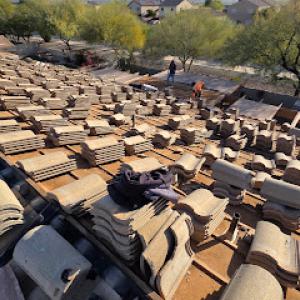
Red Bull Roofing
(520) 709-9880 redbullroofing.com
2016 N Pinal Ave Ste 8, Casa Grande, Arizona
4.8 from 114 reviews
Family-owned & operated, Red Bull Roofing serves Casa Grande, AZ, and surrounding areas. Our expert services include re-roofs, repairs, inspections, and installations of asphalt shingles, tile, metal, awnings, and more. Our Claim Specialist excels at navigating roofing claims, even denied ones. Trust us for quality work and personalized service. Licensed, bonded, and insured! Give us a call to schedule a FREE Inspection!!!
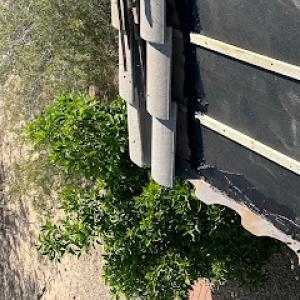
Roofing Repair Specialist
(520) 858-3503 maricoparoofrepair.com
Casa Grande, Arizona
5.0 from 15 reviews
At Roofing Repair Specialist, we have refined our services to meet the specific needs of tile , flat and shingle roof homeowners in Maricopa, Casa Grande, and the surrounding areas. With over a quarter-century of experience, our mission is to deliver exceptional small-scale roof repairs and restorations, particularly for Arizona homes with classic tile roofing that has stood the test of time. We are the go-to experts for fixing leaks, addressing wear and tear, and restoring the integrity of your 15, 20 or 30-year-old tile roofs. Our dedication to precision, reliability, and customer satisfaction makes us the trusted partner for preserving the beauty and functionality of your home's crowning glory.
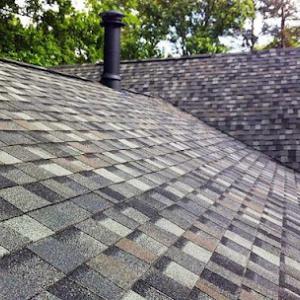
Roofing Specialists
(520) 836-3404 roofingspecialistinc.com
1505 N V I P Blvd, Casa Grande, Arizona
4.5 from 17 reviews
Roofing Specialist tackles residential and commercial roofing projects in Casa Grande, Arizona. Our team of experts offers roof repairs and replacements, ensuring the longevity and integrity of your roof. Kim Myers and his crew have proudly served Casa Grande, Maricopa, Coolidge, Eloy, Florence, Arizona City and surrounding areas of Pinal County since 1993.
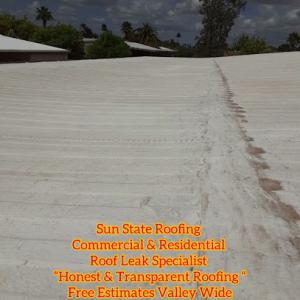
Sun State Roofing
(623) 206-6620 sunstateroofingaz.com
Serving
5.0 from 46 reviews
Commercial & Residential Roofing Contractor established in 2021 the owner is a 2nd generation roofer who has seen it all and actually has a passion for roofing.
Complete Roofing Systems
Serving
4.5 from 23 reviews
Complete Roofing Systems provides repair and replacement services for all roof types throughout the Phoenix & Tucson Arizona areas. Call today for roof repair, roof replacement, skylight installation, and maintenance services.

Roof Geeks
(602) 679-2957 roofgeeksaz.com
Serving
5.0 from 70 reviews
Roof Geeks, located at 43830 W Wolf Dr, Maricopa AZ 85138, specializes in expert roof repairs, replacement, and preventative roof maintenance in Maricopa, Casa Grande, Chandler, Gilbert, Mesa, Tempe, Sun Lakes, Arizona City. Our skilled team is dedicated to ensuring the durability of your roof, whether it features tile, shingle, foam, or patio roofing. We provide a comprehensive range of services, including repairs and replacement, gutter cleaning, roof coatings, and solar panel cleaning. Trust Roof Geeks for high-quality solutions tailored to your roofing needs. With our attention to detail and commitment to customer satisfaction, we reinforce and maintain the integrity of your home's roof. Choose Roof Geeks for all your roofing services!
Arizona Sky Roofing Consultants - Roofing Contractor & Roof Repair Mesa
(602) 881-6073 azskyroofing.com
Serving
5.0 from 15 reviews
Arizona Sky Roofing Consultants is a trusted Local roofing company in Mesa, AZ, providing professional roofing services for residential and commercial properties. Our experienced roofers specialize in roof repair, roof replacement, new roof installation, emergency roof leak repair, and roofing inspections. We work with asphalt shingles, metal roofing, and flat roofing systems. Whether you need residential roofing, commercial roofing, or urgent roofing repairs, our roofing contractors deliver reliable workmanship and honest guidance. Homeowners and businesses in Mesa rely on us for quality roofing solutions, long-lasting materials, and dependable service.
S&R Roofing
(602) 653-4338 www.srroofingaz.com
Serving
4.8 from 145 reviews
S & R Roofing offers residential and commercial roofing services in Maricopa County, AZ, including tile, metal, foam, and shingle roofing, plus blow-in insulation and skylight installation.
Maverick Roofing & Exteriors | Gilbert, AZ
(480) 703-2584 maverickroofingaz.com
Serving
5.0 from 40 reviews
Maverick Roofing & Exteriors is a family owned roofing company proudly serving Gilbert, AZ and surrounding areas. Founded by JT Fulton, who began his career in 2015, our business was built on genuine relationships, quality workmanship, and a deep commitment to our community. We specialize in roof repairs, new roof installations, and tile underlayment replacement for both residential and commercial properties. With every project, we focus on communication, craftsmanship, and care delivering results that stand the test of time.
Master Roofing
(520) 256-4068 masterroofingllcaz.com
Serving
5.0 from 3 reviews
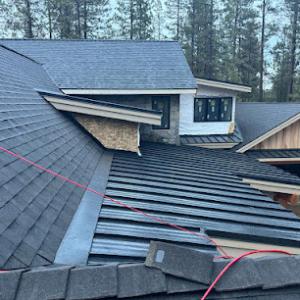
For over three decades, Master Roofing has stood as a monument to roofing excellence in Oro Valley, AZ. Founded on the principles of quality, reliability, and customer satisfaction, we have grown from a passionate local roofing contractor into a benchmark of professionalism and craftsmanship in the industry. Our journey, driven by a relentless pursuit of perfection, has been marked by countless successful projects, satisfied customers, and a portfolio that showcases the breadth of our expertise.
Kw Roofing Services
(602) 327-2992 kwroofingservices.com
Serving
4.9 from 10 reviews
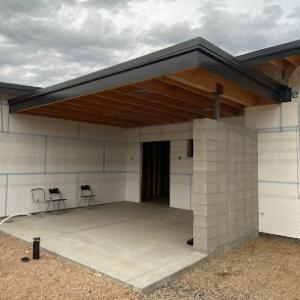
KW Roofing Services is a newly opened roofing company that specializes in roof repair, replacement, and installation. We offer the highest quality of service at the most competitive prices. We are committed to providing our customers with a great roofing experience. Contact us today to learn more!

Chandler Heights Aztec Ascend Roofing
(623) 432-9222 desertroofs.com
Serving
4.9 from 8 reviews
Aztec Ascend Roofing offers unparalleled roofing services in the Queen Creek, AZ area, delivering expertise in residential and commercial roofing projects. Our commitment to quality workmanship and customer satisfaction ensures that every roof we install, repair, or maintain meets the highest standards of durability and performance. Trust Aztec Ascend Roofing for your roofing needs and experience the excellence and reliability our team brings to every project.
Extreme desert heat stretches roofing materials and underlayment in this part of the valley, so timing your reroof to avoid the peak heat is a practical move. Mid-fall to early spring brings cooler days that reduce heat stress on crews and materials, while still giving you a window before the first heavy monsoon rain. A roof replaced in this shoulder season spends less time exposed to direct sun during installation and cures more evenly after installation, which helps long-term performance of tile or shingle systems.
Summer monsoons from July through September can create stop-start scheduling that drags projects out. Thunderstorms, sudden wind, and blowing dust interrupt tear-off and installation, complicating underlayment work and flashing integration. If you wait to replace an aging roof until storm season, you'll often face longer timelines and more weather-related delays. Plan on a tighter, more predictable schedule by aiming to start and finish before the first storms roll in, or push the project window to the mild weeks of late fall.
Wind in March and April can complicate tear-off and underlayment work by blowing dust across exposed decking and around roof penetrations. That dust can wear on newly installed underlayment and obscure fastener placement, which means work days may feel less efficient and require extra protective steps. On a practical level, a fall kickoff helps you avoid the gusty spring period while still catching a favorable weather stretch before winter. Expect crews to take longer than a calm, cool fall week due to wind-driven debris and the need to keep the site clean and free of grit that can affect adhesive and sealant joints.
Coordinate with a contractor to schedule a fall kickoff that targets a completion before winter rains, with a contingency for a brief warm spell if needed. Prepare the site by pruning surrounding branches and securing loose objects that could become project hazards during a windy, dust-prone period. If a monsoon late in the year is anticipated, build a buffer into the plan so you're not caught paying premium for rush-day fixes or rework caused by unexpected rain. In practice, a well-timed start in the cooler months minimizes heat-related stress on crews and reduces exposure to mid-summer weather swings, while still leaving you confident about roof coverage before the next monsoon season.
Provided local cost ranges are $350-$700 per square for asphalt shingles, $700-$1300 for metal, $800-$1500 for clay tile, $700-$1200 for concrete tile, $400-$900 for wood shingles or shakes, and $400-$800 for synthetic or composite shingles. In practice, those bands reflect Casa Grande's desert conditions: hot stretches that bake underlayment and fasteners, followed by sudden monsoon demand that can tighten schedules and push material costs up. If you're eyeing a reroof, start with asphalt or synthetics for a budget-friendly, fast install, but anticipate a longer-term payoff from tiles in the heat.
Tile reroof costs can rise when crews must remove and reset existing tile while replacing heat-aged underlayment and flashings common on Southwestern-style homes. When that happens, the labor load increases, and so do disposal and reusability considerations for the tile itself. If your roof is clay or concrete tiles, expect a higher price delta tied specifically to tile handling and reinstallation requirements, not just the cap sheet or shingles beneath. Planning for underlayment replacement is a sensible step in early budgeting, given how heat and sun degrade waterproof layers over time.
Project pricing can move upward during monsoon-related demand spikes or when summer heat reduces daily production, while simpler shingle roofs on lower-pitch homes may price toward the lower end of the local range. Summer heat also shortens job days, so crews may spread work longer than anticipated. For homes with low slopes, consider longer-span scheduling windows and confirm crew availability for the monsoon window, when wind-driven rain tests flashing and edge details.
Asphalt shingles offer the most adaptable entry point for quick restoration in this climate. Metal roofs resist heat but can incur higher upfront costs. Clay or concrete tile delivers long life but demands careful tile handling and precise flashing to withstand monsoon winds. Wood shingles bring a distinct look but weather quickly in the desert heat. Synthetic or composite shingles balance cost and performance, often edging toward the middle of the price spectrum.
When budgeting, include a contingency for heat- or monsoon-related schedule shifts, which can compress or extend project timelines. If heat-aged underlayment or flashing is suspected, set aside extra funds for full underlayment replacement and flashing upgrades. For homeowners prioritizing longevity in this climate, a tile system with upgraded underlayment and corrosion-resistant fasteners often proves most cost-efficient over the life of the roof, even if the upfront price is higher.
A full re-roof in Casa Grande typically requires a permit through the City, with submittals handled online through the local Building Division. That means you'll need accurate project details, including roofing material type, ventilation changes, underlayment specs, and flashing plans. The online portal is convenient, but it also means screens, documents, and signatures must be in order before the review starts. If anything missing slows the process, the project can stall, and delays can push a replacement into hotter months when the desert heat intensifies wear on new materials. Plan proactively, and double-check that your chosen contractor is prepared to provide every document the Building Division requires.
Casa Grande inspections are conducted during and after installation, with attention to underlayment, flashing, ventilation, and overall code compliance. The sand and sun in this region demand robust underlayment and properly secured flashing to withstand sudden monsoon winds and heavy rain. Inspections don't just verify a sheet is fastened; they look at how the roof breathes-proper attic ventilation-and how components meet current code standards. If any detail is off, corrective work may be required, extending the project and exposing your home to desert conditions in the interim. Expect an inspector to check alignment, fastening patterns, and seam integrity from eaves to ridge, not just a surface look.
A licensed contractor is generally required for permitted reroof work in Casa Grande, making permit status and inspection sign-off especially important for homeowners planning insurance claims or future resale. Your insurer will want to see that the work was performed to code and that all inspections were completed. A clean permit closure can simplify claims after a monsoon-season event or severe heat exposure, and it helps maintain resale value by showing adherence to local rules. If you're financing through a loan or home equity line, lenders often require documentation of permits and signed-off inspections before closing.
The sequence matters. Starting without a permit or skipping inspections can save a few days in the short term, but it creates risk when a storm hits or when you file an insurance claim later. The intense heat that precedes the monsoon season accelerates aging for temporary repairs or non-compliant installations. Align your reroof plan with the Building Division timeline, have your contractor ready to address any issues promptly, and keep all permit-related paperwork together for easy access if questions arise from insurers or future buyers.
Arizona insurers scrutinize roof age and prior damage, and Casa Grande homeowners should expect requests for dated photos, maintenance records, and documentation after wind or hail events. When a storm rolls through the monsoon, carriers will want a clear trail showing what happened and when. A sharp eye is kept on whether damage appears linked to a recent blow or to long-term wear from months of Sonoran Desert heat. Have your files organized so that photos from last year, last monsoon, and any preventive maintenance are easy to reference. If a claim looks like it blends long-term aging with a single event, the adjustment can hinge on which factor dominates the assessment.
Because roofs in this area are often heat-aged before storm season, carriers may closely examine whether damage is sudden storm loss versus long-term wear in a desert climate. The heat preconditions materials-shingles, underlayment, flashing, and fasteners-so that a monsoon blow can expose preexisting vulnerabilities that insurers interpret as cumulative wear. The result can be a contested claim or a premium-related reevaluation if the roof has endured multiple extreme summers. Documenting routine maintenance, including sealant re-dressings, tile fastening checks, and flashing inspections, becomes part of the defense in a fair claim review.
Some policies may adjust premiums or require impact-resistant upgrades depending on claim history and roof condition, so homeowners should document monsoon and hail damage immediately. Take fresh photos from multiple angles, note the date and weather conditions, and capture close-ups of damaged underlayment, cracked tiles, or visible granule loss. If possible, secure expert opinions from a local roofer with monsoon-season experience and keep receipts for any temporary repairs. Prompt, thorough documentation helps prevent a long drawn-out adjustment and supports a straightforward determination of what occurred and when.
Casa Grande's dominant roofing mix leans toward asphalt shingles, metal roofing, clay tile, concrete tile, wood shingles or shakes, and synthetic or composite shingles. Each material meets different priorities when the desert sun has baked a roof all season, then the July-September monsoon tests flashing, underlayment, and fasteners. Asphalt remains a budget-friendly, easy-to-repair option, but it bears the brunt of heat's aging effect in stretchs of yearlong sun. Clay and concrete tiles stay popular for their shade and durability, yet they demand careful attention to underlayment and cant strips where tiles meet walls or hips. Metal roofing appeals for heat reflectivity and wind resistance, but the fastener pattern and roof edge details matter more here than elsewhere. Wood shakes bring a Southwestern character, but the sun can grind them down if coatings aren't renewed consistently. Synthetic or composite shingles provide a middle ground, blending some longevity with lighter, heat-tolerant performance.
Tile remains common because it fits the Southwestern housing stock, but homeowners must weigh the long-term maintenance reality that underlayment and flashings often age faster than the tile itself in desert sun. In practical terms, expect more frequent checks of roof-to-wall transitions, penetrations, and edge detailing after monsoon cycles. Synthetic underlayments can help, but the flashing around vents, chimneys, and skylights should be inspected annually and resealed if cracking appears. Metal roofs benefit from continuous seam seals and corrosion-resistant fasteners, while asphalt needs a careful look at shingle edges, granule loss, and valley protection. Wood shingles require moisture barriers and periodic re-staining to resist sun warping and checking.
Extreme desert heat accelerates material aging, and the subsequent monsoon deluge can expose weak points in underlayment and flashing. This sequence shortens the practical service life for some assemblies more than others, influencing when you plan a replacement or major refresh. If a chosen material shows disproportionate signs of heat-related wear-granule loss, warping, or flashing failures-schedule proactive replacement ahead of the next monsoon season. The goal is to minimize the risk of storm-driven leaks when the skies open up and winds drive debris. In this climate, a planned replacement cycle that aligns with the hottest months and the post-monsoon checks often delivers the least disruption and best long-term performance.