
Last updated: Apr 19, 2026
Woodland Hills sits in the western San Fernando Valley, where summer heat is notably intense and prolonged compared with many coastal Los Angeles neighborhoods, accelerating UV and thermal aging of exposed roofing materials. Shingle and tile surfaces bake through long dry stretches, and you will see fascia and flashing materials cracking and losing their seal as cycles of extreme daytime heat and cool nights wear them down. The result is premature brittleness, coating delamination, and rapid color fading that signals deeper material fatigue. If your roof is older or has already shown micro-cracks, expect those weaknesses to widen during a single brutal heatwave. The risk isn't theoretical: it compounds year after year, quietly, until a small flashing gap becomes a full-on leak after a winter rain.
Santa Ana wind events are a real roofing concern here because they can lift vulnerable edges, disturb ridge components, and turn small flashing defects into active leaks once winter rain arrives. Dry-season gusts can peel up shingles, lift underlayment, and push fasteners loose, leaving fast tracks for water intrusion. You may notice intermittently lifting shingles, loose ridge caps, or blown-out vent boots after a windy afternoon. If you ignore these signs, a narrow wind channel that seems inconsequential can become a big problem once seasonal rain returns. The key warning sign is edges that feel lighter or flappier than the rest of the roof, especially around dormers, chimneys, and transitions to low-slope sections.
The local reroof calendar is strongly shaped by the dry season because open roof sections are more vulnerable when winter storms reach the Valley after months of heat-related material fatigue. By mid-fall, roofing materials have already endured months of UV burn and thermal cycling, so any lingering vulnerabilities show up early in the rainy season. If you see powdery residue on shingles, granular loss from asphalt products, or clay/ concrete tiles that sound hollow when tapped, don't wait for a rainstorm to verify integrity. An inspection before anticipated winter weather can stop a small issue from becoming a costly failure once the first storm hits.
Low-slope areas and heavy tile roofs present particular failure pathways in this climate. Water can pool or travel slowly across flatter sections, misdirected by degraded underlayment or marginal drip edges. Tile roofs can spall or crack under intense sun exposure, while underlayment beneath can fail where heat has overstressed it. You'll want to watch for displaced tiles, cracked glaze on clay, broken concrete tiles, and softened or curling underlayment at transitions. On low-slope portions, inspect for seepage around fasteners, flashing laps, and parapet walls, especially after those Santa Ana gusts.
Schedule a targeted inspection after the peak heat of summer but before the first heavy rains. Prioritize quick edge repairs, ridge cap stabilization, and flashing reseal where wind and UV have stressed seams. If you're planning a reroof, align your project with the end of the dry season to minimize exposure during construction. For existing trouble spots, consider upgrading edge detailing, improving underlayment quality, and selecting a roof system that resists UV aging and wind uplift more robustly, rather than relying on a like-for-like replacement. In between events, keep debris cleared from valleys and scuppers to maintain drainage and reduce the chance that a small clog becomes a leak after a cold front.
In Woodland Hills, many homes blend steep tile roofs with attached low-slope garages, patios, or additions. Those transition zones are where leaks often hide. Start by inspecting the intersection between a field tile plane and any low-slope segment. Pay close attention to flashing at parapet-wall joints, step flashings where tiles meet flats, and the kickout where a gutter or drip edge ties into the tile system. The goal is to create a continuous rain barrier that can move with sun, wind, and seasonal temperature swings without tearing or lifting. Ensure the integration uses compatible materials that won't abrade tile laps or underlayment seams as the sun bakes the clay or concrete. In practice, this means accurate sheet-metal flashing that extends under the first row of tiles and up the wall, plus properly sealed joints at any metal-to-tile interface.
Clay and concrete tile dominate the landscape here, and the real leak risk often comes from aged underlayment beneath otherwise reusable field tiles. Even if tiles look solid, a compromised underlayment can fail when a heavy winter downpour arrives. Inspect or replace underlayment beneath the entire cycle of field tiles rather than spot-treating only obvious trouble spots. In hot, UV-heavy summers, the underlayment can dry out, crack, or lose its grip, especially where tiles have settled or where clips and battens have shifted with wind. Choose an underlayment rated for high heat and UV exposure, and confirm it remains breathable enough to manage condensation under a fully tiled roof. Remember that the underlayment forms the first line of defense against spring rains and Santa Ana blows that drive wind-driven rain into any small gap.
The presence of low-slope sections increases the chance of water bridging if flashing is not detail-accurate. Tie-in flashings at roof-to-wall transitions must be continuous and corrosion-resistant, with proper termination above the tile line so UV exposure doesn't prematurely wear the seal. Use counter-flashing that overlaps the base flashing and tiles to prevent capillary action from drawing moisture into the roof deck. For low-slope pockets, use a vetted membrane beneath the tiles if the local condition calls for it, ensuring that tile laps don't pinch or trap the membrane. Check vent and skylight penetrations for a secure seal that remains intact after wind gusts, especially near exposed ridge lines or exposed edges.
Heavier tile reroofs in this jurisdiction may trigger added structural notes or plan review, making tile replacement more administratively complex here than a simple shingle tear-off. Before committing to a full reroof, confirm the structure can handle the extra load and that the roof deck is in good condition to receive new tiles. Look for signs of deck rot or sag in the overhangs, and address any structural concerns early in the project. A well-planned, properly flashed, and fully underlayment-backed tile system will resist the Santa Ana winds and long heat waves that define this climate and reduce the frequency of leak-related repairs down the line.
Find contractors who specialize in clay and concrete tile roofs, known for their durability and curb appeal.
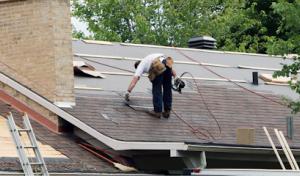
Total Roofing Woodland Hills
21700 Oxnard St, Woodland Hills, California
4.8 from 77 reviews
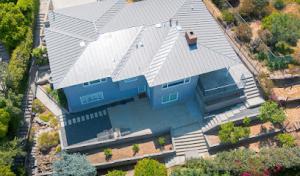
DLS Development
(818) 857-2124 dls-development.com
21243 Ventura Blvd, Woodland Hills, California
5.0 from 89 reviews
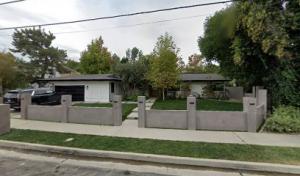
Roof Installation Pros
(818) 864-1350 roofinstallationprosca.com
5323 Blanco Ave, Woodland Hills, California
5.0 from 59 reviews
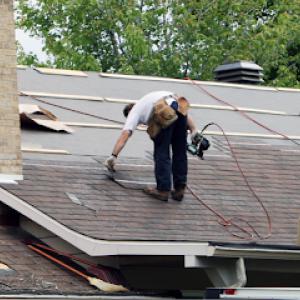
Total Roofing Woodland Hills
21700 Oxnard St, Woodland Hills, California
4.8 from 77 reviews
Total Roofing Woodland Hills is your comprehensive roofing solution provider in the Woodland Hills area. With years of experience, we deliver top-quality craftsmanship and attention to detail in every project. Whether you need installations, repairs, or maintenance, our team of skilled professionals is equipped to handle it all. We understand the importance of a well-maintained roof, and our goal is to provide reliable solutions that exceed your expectations. Using high-quality materials and proven techniques, we ensure that your roof is built to last and withstand the elements. Trust Total Roofing Woodland Hills for expert craftsmanship and professional roofing services.
DLS Development
(818) 857-2124 dls-development.com
21243 Ventura Blvd, Woodland Hills, California
5.0 from 89 reviews
DLS Development is a family-owned roofing company in Los Angeles with more than 25 years of experience serving Southern California. We specialize in roof replacement, solar installation and full home remodeling. Our licensed and insured team provides high-quality workmanship in shingle, tile, flat, and metal roof installation, including standing seam metal roofs. Beyond roofing, we offer rain gutter installation, insulation, windows, painting, and pavers. With free estimates, competitive pricing, and a commitment to customer satisfaction, DLS delivers durable, energy-efficient solutions that protect your property and add long-term value.
Roof Installation Pros
(818) 864-1350 roofinstallationprosca.com
5323 Blanco Ave, Woodland Hills, California
5.0 from 59 reviews
Roof Installation Pros proudly serves Woodland Hills, CA, and nearby areas with over 19 years of professional roofing expertise. Our skilled team specializes in roof installation, roof replacement, shingle roofing, tile roofing, flat roof systems, roof leak repair, storm damage restoration, and more. We are dedicated to delivering durable, energy-efficient, and cost-effective roofing solutions that protect and enhance your home or business. With a focus on quality workmanship and customer satisfaction, our roofing contractors ensure every project is completed to the highest standard. Contact Roof Installation Pros Woodland Hills today for a free roofing estimate and dependable service you can trust.
Roofing Angels
(818) 239-7390 roofingangels.com
4869 Topanga Canyon Blvd Suite #4, Woodland Hills, California
5.0 from 60 reviews
Roofing Angels is a top-rated roofing contractor proudly serving Woodland Hills and nearby communities in Los Angeles. We specialize in residential and commercial roofing, offering expert roof repairs, full roof replacements, storm damage restoration, and energy-efficient roofing systems. As a GAF Master Elite and Owens Corning Platinum Preferred contractor, we deliver exceptional quality backed by industry-leading warranties. Our services also include gutters, skylights, fascia boards, and flat or tile roof installations. Known for our transparency, fast turnaround, and 5-star service, Roofing Angels is the go-to choice for homeowners and businesses in Woodland Hills. We also offer flexible financing to make roofing more accessible.
RAA Roofing
20350 Ventura Blvd #135, Woodland Hills, California
5.0 from 49 reviews
Since 2014, RAA Roofing has been a trusted name in roofing solutions for the Los Angeles area. Specializing in a wide range of services, their skilled team expertly handles everything from asphalt shingle and tile roof repairs to complete replacements and flat roof installations. They are dedicated to delivering exceptional quality with every project, utilizing premium, contractor-approved materials and managing all necessary permits. RAA Roofing is committed to providing reliable, professional service and ensuring the highest level of customer satisfaction for both residential and commercial clients.
Smart Roofing
(818) 805-0628 lasmartroofing.com
22120 Clarendon St #140, Woodland Hills, California
4.9 from 60 reviews
Smart Roofing is a trusted roofing company based in Woodland Hills, CA, specializing in residential and commercial roof repair, replacement, and maintenance. We work with all types of roofing systems including shingles, tile, flat, and metal roofs. Our team is fully licensed, insured, and committed to high-quality craftsmanship, honest pricing, and exceptional service. Whether you need a small leak repaired or a full roof replacement, we offer free estimates, financing options, and 24/7 emergency service. Proudly serving Woodland Hills and surrounding areas.
AHI Roofing
(866) 861-9410 ahi-roofing.com
20335 Ventura Blvd Suite 422B, Woodland Hills, California
5.0 from 27 reviews
We are the perfect solution to all your roofing problems For over 25 years, AHI Roofing has stood as a trusted and seasoned roofing company, serving clients in the Greater Los Angeles area. Our unwavering commitment to superior workmanship and outstanding customer service has solidified our esteemed reputation in the area. Specializing in roof installation, repair, maintenance, and roof replacement, we expertly cater to a variety of roof types including shingle, flat, and tile roofs. Trust us to be your go-to solution for enduring, beautiful roofing that stands the test of time.
Dna Roofing
(877) 958-7373 www.dnaroofinginc.com
22120 Clarendon St #225, Woodland Hills, California
4.7 from 48 reviews
Choosing an honest and reliable roofing company whom you can trust isn't easy, but DNA Roofing is the one company that will solve all your roofing problems and needs. Your roof is the first line of defense against wind, rain, and hail, that's why having a roofing problem is not to be taken lightly. We at DNA roofing provide you the best craftsmanship, with the best quality materials from the industry's top manufacturers.
NEMA ROOFING - Woodland Hills
(818) 528-6412 nemaroofing.com
Serving
5.0 from 144 reviews
Whether you’re a domestic or commercial client, what you need is a team of roofers who have the skills and experience to fix any problem that your roof is suffering from. That’s exactly what you’ll get from NEMA Roofing, a job well done for a fair and affordable price. With over years of experience in all aspects of the roofing industry, NEMA Roofing is the best roofing contractor in All Woodland Hills, CA. NEMA Roofing has the knowledge and expertise in all aspects of roofing. Whether you need traditional asphalt shingles, metal roofing or a flat roof application, we will provide you a finished product you will be happy with for years to come.

Safari Roofing
(855) 772-3274 safariroofing.com
Serving
5.0 from 109 reviews
Roofing Installation ( Tile, Metal, TPO, Asphalt Shingles, Cool Roof, Torch Down, Slate, Flat Roof, TPO, PVC Installation for Comercial, Residential, Government Customers) Solar Installation Providing Services in Greater Los Angeles County & Orange County, Riverside, Thousand Oaks, Oxnard, Santa Clarita, Malibu, Beverly Hills CA
United Home Painting & Roofing
(323) 228-3466 unitedhomeservicesca.com
Serving
5.0 from 26 reviews
Honest, skilled and experienced are just a few words that best describe United Home Painting & Roofing. Locally owned and operated, we have extensive design-build experience in making Greater Calabasas, CA homes even more beautiful. We are fully licensed and insured, general contractors serving cities such as Thousand Oaks, Westlake Village, Agoura Hills, Reseda, Van Nuys and Sherman Oaks, CA. United Home Painting & Roofing is committed to providing our customers with the very best products and quality installations by knowledgeable craftsmen. Our owner has 20+ years of experience and supervises all jobs. We specialize in roofing repairs and replacements | interior and exterior painting and home remodeling.
Global Roofing Specialist
(877) 345-7223 globalroofingspecialist.com
Serving
5.0 from 287 reviews
WHO WE ARE & WHY WE’RE HERE As a homeowner, Global Roofing Specialist recognized there was a market need for roofers who could not only provide an excellent job with low-cost, long-lasting materials but also live up to their promises. Global Roofing Specialist was created to meet that need, and we have been doing just that since our founding in 2006.
California's current insurance environment matters directly in Woodland Hills because carriers are scrutinizing roof age, condition, and defensibility more closely in wildfire-exposed parts of Los Angeles. The combination of extreme summer heat, Santa Ana winds, and occasional rapid-fire events means every roof carries a risk profile that insurers weigh carefully. When a roof shows obvious wear or deferred maintenance, underwriting can tighten, and renewal options may become more burdensome. The consequence is not just a higher premium, but potential coverage gaps when a wildfire or wind event strikes.
Homeowners should expect underwriters to consider how well a roof stands up to radiant heat, wind-driven debris, and occasional winter rain. Visible wear-cracked or curling shingles, granule loss, lifted edges, or discolored roofing underlayment-can signal accelerated aging. Tile roofs, common in the area, may crack or loosen with heat cycling and wind stress, while low-slope sections can trap moisture and deteriorate faster if the underlayment is compromised. For asphalt and metal roofs, wind uplift resistance and flashing integrity are essential evaluation points. In short, a roof that looks aged or poorly maintained is more likely to face tighter underwriting or higher scrutiny during claims.
Because claims in California are elevated for wildfire, wind, and hail, Woodland Hills owners should keep date-stamped photos, inspection records, and material details before and after any repair or reroof. Documentation should capture the roof's condition from multiple angles, note any existing damage, and record the exact materials installed. If a repair is performed, retain contractor notes, product specs, and warranty information. Consider a simple, routine photo timeline after major weather events or seasonal inspections so changes are easy to verify if a claim is filed later.
Take clear, time-stamped images after installation, after significant weather events, and during routine maintenance. Photograph attic or crawlspace access points where insulation and underlayment are visible, as well as flashing, seams, and penetrations. When possible, document measurements and overlaps for tiles or shingles, and note any corrosion or deterioration on metal components. Keeping these records organized in a bound log or digital folder makes it easier to present a concise history to an insurer should the need arise, and helps support a defense against unnecessary coverage decisions in wildfire-prone years.
Connect with contractors who help homeowners navigate the claims process from damage assessment to final approval.
Total Roofing Woodland Hills
21700 Oxnard St, Woodland Hills, California
4.8 from 77 reviews
Roof Installation Pros
(818) 864-1350 roofinstallationprosca.com
5323 Blanco Ave, Woodland Hills, California
5.0 from 59 reviews
RAA Roofing
20350 Ventura Blvd #135, Woodland Hills, California
5.0 from 49 reviews
Reroof projects in this neighborhood are governed by the Los Angeles Department of Building and Safety (LADBS), not a separate suburban building department. A full reroof typically requires a LADBS permit, and the process is designed to verify that the new roof assembly meets local wind uplift, fire, and structural requirements. Before work begins, you'll need a permit plan set that reflects the roof type, underlayment, flashing details, and any changes to roof construction. Expect the plan review to consider how the new roof integrates with existing roof-to-wall connections, parapets, and any vents or skylights that are present.
LADBS inspections commonly include rough-in and final checks that focus on underlayment installation, flashing details, and wind uplift compliance. The rough-in stage typically confirms that the roof deck is sound, underlayment is properly installed, and flashing at penetrations and roof-to-wall junctions is correctly integrated. The final inspection verifies that the roof assembly, fasteners, and edge details conform to the approved plan and meet wind-resistant standards. Plan on coordinating timing with the inspector, especially if weather windows or access to the attic and roof line are limited.
Tile projects can face extra review in this area when roof weight or assembly changes raise structural questions. A heavier tile swap or modifications to the roof's supporting structure can trigger structural questions that affect scheduling more than a like-for-like reroof. If you are switching from lighter materials to heavier concrete or clay tile, you may encounter additional engineering checks, uplift calculations, or fastening criteria. This review tendency means communication with the plan reviewer should occur early, so any required joist reinforcement, deck reinforcement, or seismic considerations are anticipated rather than discovered mid-permit processing.
Ensure the permit package clearly documents the reroof scope, including tile type, underlayment, flashing, penetrations, and any vent or skylight rework. If you expect weight changes or a low-slope section, flag these in advance to the plan reviewer to avoid project delays. During the project, keep a visible record of inspection appointments and any issues raised by LADBS so scheduling gaps don't push work into adverse weather or high-wind days. Finally, organize all contractor certifications and installers' wind uplift credentials, as these are commonly requested during final clearance.
In this market, roof material costs swing a lot depending on whether you're simply reroofing asphalt shingles or tackling a tile job that needs lift equipment, tile handling, and possible structural documentation. If you're replacing with asphalt shingles, expect the low end around four hundred dollars per square up to about nine hundred in more complex setups. Metal roofing sits higher, roughly seven hundred to fifteen hundred per square. Tile options-clay or concrete-carry the heaviest price ranges, with clay from about eleven hundred to twenty-six hundred per square and concrete from roughly nine hundred to eighteen hundred. Synthetic or composite shingles sit in the mid-range, about five hundred to eleven hundred per square. These figures reflect labor intensity in this valley, not just material cost.
Scheduling during the dry season tightens contractor availability, and that pressure can push lead times and labor pricing upward. Homeowners often aim to avoid winter rain delays, but in a busy market like this, a straightforward reroof can still slip into a crowded window with modest pressure on both timing and cost. If a project needs quick turnaround or prefers off-peak crews, you may see premium quotes, especially for high-demand tile crews who must coordinate equipment and skilled tile handlers.
Homes with complex valley configurations, skylights, chimneys, and low-slope tie-ins add labor hours, even if the field material is common. The flashing details and transitions demand meticulous installation to resist Santa Ana winds and summer heat. In Woodland Hills, those labor-intensive details frequently add a meaningful bump to the total, sometimes eclipsing simple material differentials. Structural checks or modifications tied to tile or low-slope work further elevate the project, particularly when lift equipment or additional safety measures are required.
If a straight asphalt reroof is on the table, plan for the lower end of range and allocate extra for a potential upgrade to a tile system if long-term durability is a priority. For tile or low-slope projects, set aside contingency for equipment needs, enhanced flashing, and possible permit-leaning documentation, since those elements are commonly triggered by the project scope here. Finally, solid communication with the contractor about dry-season availability can help lock in a schedule and a more predictable price.
The most popular roofing material in the US. Find pros who install, repair, and replace asphalt shingles.
Total Roofing Woodland Hills
21700 Oxnard St, Woodland Hills, California
4.8 from 77 reviews
DLS Development
(818) 857-2124 dls-development.com
21243 Ventura Blvd, Woodland Hills, California
5.0 from 89 reviews
RAA Roofing
20350 Ventura Blvd #135, Woodland Hills, California
5.0 from 49 reviews
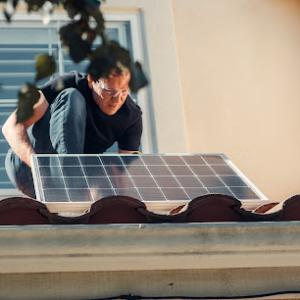
Woodland Hills' strong sun exposure makes solar-related roof work especially relevant, so reroof planning often has to account for existing or future panel attachments and the condition of penetrations. When evaluating a roof with panels in mind, map every penetration: racking feet, conduit passes, and seal transitions. Heat and UV exposure can age seals unevenly, so anticipate resealing or replacement of certain penetrations during a roof replacement or major repair. Inspect the scaffold or mounting surfaces for any signs of settlement, and confirm that flashing remains continuous around each penetration where the roof meets metal railings or mounts. Maintain a habit of checking fasteners for loosening after the first full summer season.
Skylights are a meaningful local service category, and in this climate they can become leak points when seals, curbs, or surrounding flashing age under prolonged heat and UV exposure. When a skylight seal or curb shows cracks, replace the sealant and reflash as needed, not just when a leak is evident. Pay close attention to the insulation around the skylight opening; heat can migrate into attic spaces and compromise interior finishes if the seal is not solid. In dry, hot months, inspect for rubber gasket hardening or glazing that has become opaque, and plan timely resealing or curb replacement to prevent moisture intrusion during occasional winter rains.
On mixed-material roofs common in Los Angeles homes, penetrations at skylights, vents, and solar mounts are often where heat movement and winter moisture first expose workmanship problems. Inspect flashing transitions where different roof surfaces meet, and verify that step flashing remains tight against the roof deck. If a penetration sits on or near a low-slope section, watch for ponding and membrane wear. Schedule targeted resealing or flashing replacement around penetrations before a wet season, and keep an eye on any metal-to-hot-magon transitions that can corrode under heat and UV exposure.
Find contractors who integrate solar panels or solar shingles into your roof for long-term energy savings.
DLS Development
(818) 857-2124 dls-development.com
21243 Ventura Blvd, Woodland Hills, California
5.0 from 89 reviews

Asphalt shingles remain common in Woodland Hills, but the prolonged Valley heat can shorten appearance life and intensify granule loss compared with cooler coastal microclimates. In sun-drenched zones, you'll notice shingles aging faster along the southern exposures, with more color fading and accelerated granule wear. To extend performance, choose superior granule-coated options and ensure proper attic ventilation to offset heat buildup under the deck. Regular inspections after the hottest months help catch early edge deterioration or lifted tabs before leaks develop.
Clay and concrete tile fit the area's characteristic style and sun exposure well, offering durable, long-lived options. However, homeowners here need to evaluate underlayment life separately from the visible tile surface. The heat and occasional wind-driven rain can push underlayment wear, which may fail before the tiles themselves. When selecting tile, prioritize underlayment with high UV resistance and consider a ventilation plan that supports moisture management under the tile. Routine inspection should focus on flashing at valleys and hips, where heat-driven expansion can stress seals.
Metal and synthetic/composite options are relevant for those seeking lighter-weight systems or alternative heat performance compared to traditional tile. Metal roofs can reflect a significant portion of solar radiation if finished with a cool, light-colored coating, helping reduce attic temps. Synthetic shingles offer flexibility against expansion and contraction in windy Santa Ana conditions, but choose products with UV-stable fibers and proven long-term color retention. For both metal and synthetic routes, closely monitor fastener seals and edge details where wind exposure is strongest.
Valley heat and wind pressure affect low-slope sections differently, often accelerating membrane aging and wear-prone seams. In mixed roofs, ensure a coordinated system approach: tile overhangs, underlayment, and flashing compatibility should be reviewed as a package. Seasonal checks after peak heat and wind events help identify small issues before they escalate into widespread damage.