
Last updated: Apr 19, 2026
In the San Fernando Valley, the inland summer heat hits hard and early, and the roof is the first line of defense. Exposed surfaces bake, and that relentless sun accelerates aging of shingles, underlayment, and any surface coatings. In practical terms, that means asphalt shingles may curl or granules can shed faster, while metal panels expand and contract, potentially speeding fastener loosening if the system isn't designed for high-heat swings. The roof plan matters here: shallow slopes catch more radiant heat than deeper, pitched backs, and tile surfaces absorb and store heat differently than asphalt. When a roof is already showing signs of aging-soft spots, lifted edges, granule loss, or obvious granule migration-expect those issues to progress more quickly under a heat load. If a replacement is on the horizon, plan for a product that tolerates heat-induced movement and provides adequate UV protection. Local homes with tile or composite membranes should be inspected for heat-related stress around flashings, vent penetrations, and roof-to-wall transitions, where expansion can reveal hidden leaks.
The wet season in this area arrives with a charge of weather that can disrupt a crowded replacement schedule. Full tear-offs and replacements are typically easier to execute during the long dry stretch that follows the winter rains. This region does not have a single, uniform rainy season; it's intermittent, but when more than a few days of steady rain show up, staging a tear-off becomes trickier because you're juggling tarp coverage, underlayment exposure, and wind-blown debris. Practically, if your roof is nearing the end of its life and you can time the project for late spring or early summer, you gain clearer skies and a dryer work environment. The goal is to avoid prolonged exposure of roof deck during potentially convective weather spells, which minimizes the risk of leaks and simplifies the installation process. If you must schedule in late fall or winter, expect tighter windows and more on-site weather contingency planning, including rapid tarping and temporary water barriers.
Santa Ana winds can complicate teardown and re-covering even when the sky looks clear. Those dry, gusty shifts push debris, dust, and tools around, and they can lift tarps or underlayment if not properly secured. When a replacement is planned, anticipate wind-protected staging areas and robust debris containment. Wind can also affect underlayment exposure time during a tear-off, so crews typically aim to minimize open deck exposure to reduce the chance of wind-driven debris causing damage or debris intrusion into the building envelope. If a replacement is scheduled in a windy period, ask the crew to set up a temporary windbreak or shield system to protect freshly installed underlayment or insulation layers until the final weatherproofing is complete. For homeowners, this means being flexible with start times and ensuring that exterior areas adjacent to the roof-trees, shrubs, and vehicles-are secured or relocated to reduce wind-related risks.
When planning, align the replacement window away from the hottest part of the year and the wettest weeks, balancing heat tolerance with typical Santa Ana patterns. A mid-spring or early fall start often yields a favorable combination of moderate temperatures, manageable humidity, and fewer storm surprises. If the current roof shows advanced signs of heat aging or has recurring leaks, a proactive schedule that avoids peak summer heat and the winter rain corridor reduces the chance of weather-driven delays. For tiles, concrete and clay variants respond differently to heat; some may require longer acclimation periods on-site before the final set, while asphalt or synthetic shingles can be staged more quickly with proper ventilation and roof protection. A well-timed plan also coordinates insulation and ventilation work, so the roof assembly remains effective at controlling attic temperatures and moisture during and after replacement. In a neighborhood where homes blend tile-heavy ranches with low-slope configurations, the choice of replacement window, in terms of heat resistance and weather-tight performance, should reflect not only the material's aging profile but also the typical Santa Ana wind exposure that can stress the envelope during and after installation. If a homeowner can stay flexible, the result is a roof that holds up longer under the inland heat and the wetter winter bursts, with a more predictable schedule and fewer weather-related surprises.
Van Nuys hosts a mix of mid-century ranch and postwar homes, many with concrete tile or clay tile and several low-slope roof sections added during later renovations. That combination shapes how roofs wear out: tile looks solid while underneath, waterproof layers can age faster than the visible surface. When a roof uses low-slope portions for patios, additions, or multifamily buildings, the risk profile shifts, especially after periods of long dry weather followed by winter rain. Understanding these patterns helps homeowners plan for better longevity and fewer surprises.
Tile surfaces in this climate often outlast their underlayment and flashings. High heat, Santa Ana winds, and occasional heavy rains take a toll on the bands, hips, and valley flashings, even when field tiles still appear serviceable. In the Valley, the real maintenance leverage comes from the layers you don't see: the waterproofing membrane, flashings around chimneys and vent pipes, and the seam details where tiles meet vents and skylights. When those layers fail, leaks can show up as ceiling stains or attic moisture despite a tile roof that looks intact from the ground.
Low-slope roofs located on additions, patios, or multifamily units face distinct challenges. Dirt and debris accumulate quickly after dry spells, choking drains and scuppers. Snowmelt and rain can pool at the edges or in corners if gutters are clogged or scuppers are undersized. In winter, that pooling concentrates ponding stresses and accelerates membrane deterioration. The combination of dirty surfaces plus irregular drainage increases the likelihood of slow leaks that migrate before they become obvious from above.
For tile roofs, schedule a targeted inspection that focuses on the flashings around chimneys, ventilators, and skylights, plus the condition of underlayment where tiles overhang eaves. Confirm that ridge and hip tiles aren't cracked or loose, and check valley metal for corrosion or gaps. For low-slope sections, clear all debris from drains, scuppers, and gutters, and examine the membrane at transitions to tile-covered areas. Look for signs of ponding, blistering, or edge shrinkage. Pay attention to discrepancies where patios or additions meet the main roof line, as those junctions often hide aging waterproof layers.
When evaluating a replacement, consider how the combination of heat, wind, and episodic heavy rain stresses the system. Concrete tile or clay tile can deliver long life, but the roof assembly under those tiles matters just as much as the surface. In settings with low-slope components, pairing a durable membrane with appropriate slope drainage and robust flashing details reduces the risk of water intrusion. For practical durability, plan for regular inspections after winter rains and after any significant wind event to catch aging waterproof layers early, before they impact interior spaces.
Find contractors who specialize in clay and concrete tile roofs, known for their durability and curb appeal.
(213) 523-3145 www.roofreplacementca.com
7034 Van Nuys Blvd Suite #200, Van Nuys, California
5.0 from 193 reviews
Van Nuys Dependable Roofing
7600-7614 Balboa Blvd, Van Nuys, California
4.8 from 67 reviews

Power Style Roofing & Construction in Van Nuys, CA
14416 Hamlin St, Van Nuys, California
4.9 from 76 reviews
Roof Replacement
(213) 523-3145 www.roofreplacementca.com
7034 Van Nuys Blvd Suite #200, Van Nuys, California
5.0 from 193 reviews
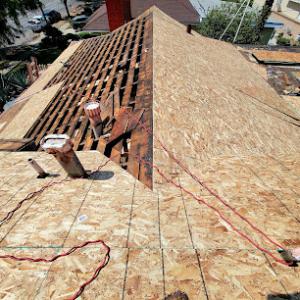
Roof Replacement is a well-established local company, boasting over 15 years of experience in the roofing industry. Our team prides itself on efficient project completion, typically wrapping up jobs within 4 to 5 days, ensuring 100% satisfaction for our valued customers. We offer complimentary estimates and are proud to be recognized as Owens Corning preferred contractors. This designation guarantees our clients the best warranties on both workmanship and materials. Our comprehensive service catalog encompasses a wide range of roofing solutions, including residential and commercial roof installations, flat roofs, shingle replacements, as well as repair and new roof replacement services. Rest assured, we are committed to delivering e
Van Nuys Dependable Roofing
7600-7614 Balboa Blvd, Van Nuys, California
4.8 from 67 reviews
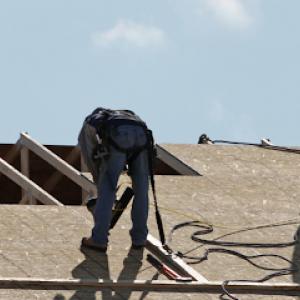
Van Nuys Dependable Roofing is your trusted partner for all your roofing needs in the Van Nuys area. With years of experience, we provide professional and reliable roofing services tailored to your specific requirements. Our team of skilled professionals is equipped to handle everything from installations to repairs with precision and attention to detail. We understand the importance of a well-maintained roof, and our goal is to deliver exceptional craftsmanship and customer satisfaction. Using quality materials and proven techniques, we ensure that your roof is restored to its optimal condition. Count on Van Nuys Dependable Roofing for trustworthy and expertly executed roofing solutions.
Power Style Roofing & Construction in Van Nuys, CA
14416 Hamlin St, Van Nuys, California
4.9 from 76 reviews
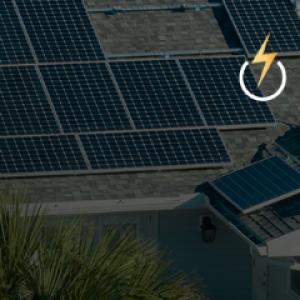
Power Style Roofing, located in Van Nuys, CA, is a leading roofing contractor specializing in a variety of roofing solutions, including asphalt, tile, metal, and flat roofs, as well as solar installations. With over 16 years of experience, we pride ourselves on delivering high-quality workmanship and exceptional customer service. Our licensed team ensures compliance with all California regulations, and we back our services with a 30-year warranty for your peace of mind. Contact us for reliable roofing solutions tailored to your needs.
Eclipse Remodeling & Roofing
(818) 497-3449 eclipseremodelingaroofing.com
7733 Densmore Ave #4, Van Nuys, California
5.0 from 48 reviews
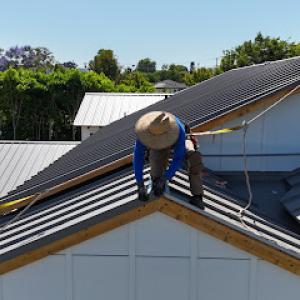
Eclipse Remodeling & Roofing, established in 2006, is a trusted Los Angeles roofing specialist with 200+ verified five-star reviews. We hold C39 roofing and C43 Sheet Metal license focus on expert metal roofing fabrication and installation, including standing seam systems made in-house for precision and durability. Our licensed team also provides high-quality roof replacements, shingle, tile, and flat roofing services. Known for craftsmanship, transparency, and reliability, we deliver roofs that protect, perform, and last along with an exceptional customer experience from start to finish.
Helios Roofing & Solar
7023 Valjean Ave, Van Nuys, California
4.7 from 110 reviews
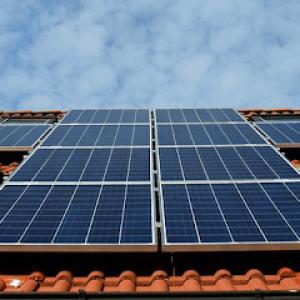
Helios is a leading Roofing and Solar Energy Installation team in Los Angeles. Our solar installation professionals create a custom solar solution for every home. Helios' technicians are here to guide you through every step. If you have a project that needs working on contact us to see how we can be of service today.

Skyline Energy Roofing
(818) 940-9330 skylinenergyroofing.com
13615 Victory Blvd #201, Van Nuys, California
5.0 from 30 reviews
With over 20 years of experience, Skyline Energy Roofing is a Los Angeles-based roofing contractor specializing in residential, commercial, and solar roofing solutions. Their team of skilled professionals are committed to providing exceptional customer service and craftsmanship, ensuring that every project exceeds expectations. Skyline Energy Roofing prioritizes quality materials and transparent pricing, making them a reliable choice for homeowners and businesses alike.
Foothill Roofing
(747) 777-2226 foothillroofing.com
6308 Woodman Ave STE 215, Van Nuys, California
4.9 from 44 reviews
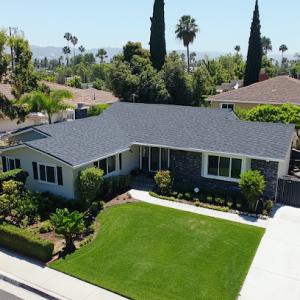
Foothill Roofing is a licensed and insured roofing company proudly serving residential and commercial clients throughout Southern California. Since opening our doors in 1979, we’ve built our reputation on integrity, precision, and customer satisfaction.
Artizmo Builders
(818) 922-2226 artizmobuilders.com
7220 Woodman Ave #201, Van Nuys, California
5.0 from 26 reviews
As a family-owned business with over 20 years of experience, Artizmo Builders provides full-service residential and commercial roofing and construction solutions, which include project management, consulting, and customized work.
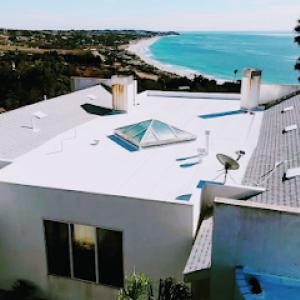
Golden Coast Roofing
(213) 657-4242 www.goldencoastroofing.com
6000 Woodman Ave Unit A, Van Nuys, California
4.8 from 50 reviews
Welcome to Golden Coast Roofing, your trusted roofing contractor in Los Angeles. We provide top-notch residential and commercial roofing services with a commitment to excellence. From installations to repairs, we use high-quality materials and expert craftsmanship. Trust us for all your roofing needs. Visit us at 6000 woodman ave #A Van Nuys CA 91607. Contact us today for exceptional service and results.
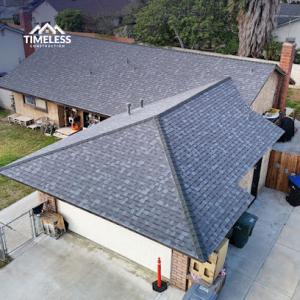
Timeless Construction & Roofing
(844) 880-0099 timelessconstructiongroup.com
6945 Van Nuys Blvd, Van Nuys, California
4.6 from 68 reviews
Timeless Roofing is your trusted partner for all your roofing needs. As one of the premier roofing company in Los Angeles with over 25 years of experience, we have established ourselves as one of the leading roofing contractors in Los Angeles dedicated to delivering top-notch roofing services. Our commitment to customer satisfaction & quality craftsmanship is unwavering, making us the best roofers for residential and commercial roofing solutions in Los Angeles, Orange County, and Riverside County. Our services range from new roof installation to roof replacement and repair. We also offer roof maintenance & upgrades such as attic insulation, rain gutter installation, and skylight installation. Contact us today for all your roofing needs.
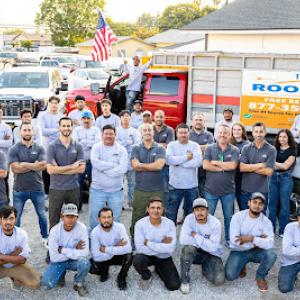
Top Roofing
(877) 353-6688 www.latoproofing.com
15500 Erwin St, Van Nuys, California
4.6 from 70 reviews
Top Roofing provides quality residential & commercial roofing services in Los Angeles and the surrounding communities.
Build Up Home Improvement
(888) 231-9991 builduproofing.com
6356 Van Nuys Blvd #225, Van Nuys, California
4.8 from 23 reviews
At Build Up Home Improvement, we are a family-owned and operated business proudly serving the Los Angeles County area. With years of experience in the industry, we’ve built our reputation on a foundation of trust, quality craftsmanship, and a dedication to customer satisfaction. Whether it’s a simple repair or a full roof replacement, we treat every project with the same level of care and attention to detail as if it were our own home. Our commitment to excellence ensures that we meet the unique needs of every client, offering customized solutions that enhance both the beauty and durability of their property. When you choose Build Up Home Improvement, you’re not just getting a roofing service—you’re becoming part of our family, and we work
In this climate, the roof must weather scorching summer sun, sudden winter storms, and Santa Ana winds without prematurely deteriorating. Asphalt shingles remain a common budget choice in Van Nuys, but prolonged Valley sun and heat can make granule loss, curling, and brittle tabs a bigger concern than in cooler nearby areas. The taller skyline and mixed stock mean that the roof line and structure interact with radiant heat differently across neighborhoods, so choosing a material that handles heat gain and seasonal rain without excessive maintenance pays off in the long run.
Asphalt shingles work well for everyday repairs and replacements when a modest upfront investment is a priority. In a valley environment, heat exposure accelerates aging: you'll want shingles with a robust granule integrity and a manufacturer warranty that covers accelerated aging from sun exposure. Take note of the roofing system as a whole; in older homes with marginal deck conditions, asphalt overlays can mask underlying issues, but they won't fix them. For your neighborly use, schedule an inspection of the underlayment and ventilation to prevent heat-related deck damage that can undermine a new shingle layer. If you opt for asphalt, consider a design that supports improved airflow and a reflective granule finish to reduce heat buildup on sunny days.
Concrete and clay tile fit the area's architecture and heat profile, but their weight and the condition of the deck and underlayment matter on older homes common across the San Fernando Valley. Concrete tiles handle heat well and resist fading, while clay tiles provide a classic look and strong weather resistance. The weight burden is real here; ensure the structure can bear the load, and verify that the underlayment and roof deck are in solid shape to support long-term performance. For rooftops with existing framing or water intrusion history, reinforcing or replacing the deck beneath is often a prerequisite to a tile installation. In homes with older plywood or damaged sheathing, upgrading the deck before tile installation helps prevent post-replacement issues.
Metal roofing and synthetic products appeal to homeowners looking for heat performance and lower maintenance, while wood shakes face more scrutiny in the broader Los Angeles wildfire insurance environment. Metal presents excellent reflective options and fast installation, which can help inside attic temperatures and indoor comfort. Choose panels or shingles with high thermal Reflectance and a durable coating that resists scratches from wind-blown debris. For synthetic shingles, look for products that mimic natural textures but offer enhanced impact resistance and mold resistance, which matters after heavy winter rains. If opting for metal, plan for compatible flashing, proper attic ventilation, and careful consideration of wind zones to prevent wind-driven damage.
Wood shakes bring a distinctive look, but they require regular maintenance and are more sensitive to heat-related drying and weather cycles. In this market, they face increased scrutiny due to insurance considerations and the ongoing need for meticulous treatment against moisture and pests. If choosing shakes, ensure proper after-installation sealing, high-quality fasteners, and a maintenance plan that includes periodic resealing and checks for cupping or splitting after heavy winter rains.
Whatever material is selected, prioritize a roofing system that balances heat resistance with reliable waterproofing. Regular inspections after the peak heat season and the wet season help catch issues early, especially in older homes with mixed roof lines. Ventilation, underlayment quality, and attic insulation play pivotal roles in reducing heat buildup and extending roof life in this climate.
The most popular roofing material in the US. Find pros who install, repair, and replace asphalt shingles.
Van Nuys Dependable Roofing
7600-7614 Balboa Blvd, Van Nuys, California
4.8 from 67 reviews
Power Style Roofing & Construction in Van Nuys, CA
14416 Hamlin St, Van Nuys, California
4.9 from 76 reviews
Clear Shield Roofers
(424) 343-1300 clearshieldroofers.pro
14526 Sherman Cir, Van Nuys, California
4.9 from 48 reviews
A full roof replacement in this area typically requires a permit through the City of Los Angeles Department of Building and Safety rather than a separate Valley city office. The process is started with LADBS, and the paperwork will travel through their plan check and inspection steps. That means your contractor may collect documents, but the city's review governs whether the project can begin and how long approvals take. Expect that any changes to the roof's structure, ventilation, or drainage will be reviewed for code compliance before work can proceed.
Roof work is commonly inspected during the project and again at final, so scheduling with LADBS affects how quickly a re-roof can be dried-in and closed out. Inspections are not a single step; you'll typically see a pre-inspection, a mid-project check, and a final verification. Delays in any of these steps can push back the moment the roof is fully weather-tight, which matters a lot when the Santa Ana winds or unexpected rain bursts appear. Build in a contingency for inspection timing, and coordinate with your contractor to align shingle removal, underlayment, and final flashing with the anticipated inspection milestones.
Processing times and permit turnaround in Los Angeles can vary with department workload, which matters when homeowners are trying to time work before winter storms. In peak periods, plan for longer windows between application, plan check, and approval, especially if the project involves structural changes or updates to attic ventilation and roof ventilation ducts. Factor in a realistic timeframe for resubmissions if plans need tweaks. For homes with tile or low-slope roofs, ensure that the plan includes proper staging for temporary protection during rain risks; LADBS has expectations for how a roof is secured as work proceeds.
Before starting, confirm your contractor's license and confirm that the project scope matches what LADBS will approve. Have a clear timeline showing inspection checkpoints and the anticipated dry-in date. Keep a dedicated contact list for LADBS communications and your contractor, so any hold-ups are addressed promptly. If a winter storm is forecast, discuss with the contractor how to isolate portions of the roof and protect interior spaces while awaiting final approvals. In this city, getting the permit process aligned with weather realities is a critical part of a reliable re-roof outcome.
In this neighborhood, replacement projects rarely look like a single, flat board-and-shingle swap. The mix of tile-heavy homes, detached garages, patio covers, and low-slope add-ons means many Van Nuys roof scopes end up more complex than a simple one-plane replacement. You're often balancing multiple elevations, varying roof lines, and different materials on the same property, all before you even pick a product.
Local pricing spans a broad spectrum, driven by the homeowner's aesthetic and the fast-climbed summer heat that ages roofs unevenly. Asphalt shingles sit in the range of about 350 to 750 USD per square, a practical baseline for a steady job that can close out before the winter rains arrive. Metal roofing runs higher, typically 700 to 1200 USD per square, rewarding you with longer life and better hail resistance but demanding careful detailing around flashing and overhangs common on low-slope sections. Clay tile soaks up budget, at 1200 to 2700 USD per square, while concrete tile sits around 650 to 1200 USD per square, offering durability with a heavier weight that needs structural checks. Wood shingles or shakes run 700 to 1500 USD per square, favored for a traditional look but requiring more maintenance in Santa Ana wind seasons. Synthetic or composite shingles sit 600 to 1100 USD per square, delivering low maintenance with a broader color palette.
In Van Nuys, the heat accelerates aging for many roof systems, particularly lighter or organic products. If you have a lot of sun exposure on the ridge line or a history of shingle granule loss after heat spikes, you might lean toward metal or high-quality synthetic options to get longer service life without frequent repairs. For tile, ensure the roof deck and underlayment are prepared to carry the weight and to handle occasional winter rain bursts. With low-slope add-ons, flashing details and water control become critical; even a small pitch change can shift drainage and leak risk. Detached garages and patio covers aren't afterthoughts-they can drive material and seam choices, shaping both price and installation sequence. Schedule considerations around the winter wet season can tighten labor availability, so plan ahead to align material delivery, crew time, and any site access needs. In Van Nuys, a well-scoped plan that accounts for these local touches helps keep replacements on track and within expected costs.
Get a clear picture of your project costs upfront - no commitment required.
Roof Replacement
(213) 523-3145 www.roofreplacementca.com
7034 Van Nuys Blvd Suite #200, Van Nuys, California
5.0 from 193 reviews
Clear Shield Roofers
(424) 343-1300 clearshieldroofers.pro
14526 Sherman Cir, Van Nuys, California
4.9 from 48 reviews
Artizmo Builders
(818) 922-2226 artizmobuilders.com
7220 Woodman Ave #201, Van Nuys, California
5.0 from 26 reviews
In the Los Angeles market serving Van Nuys, carriers routinely ask for roof age, material type, scope of work, and before-and-after photos when evaluating claims or renewals. You should have a clear, dated record of the roof's condition prior to any incident, and be prepared to show how a repair or replacement will address the damage. When you submit, include notes about any interior staining or attic moisture that points to a leak, not just a popped shingle or displaced tile. This helps avoid misinterpretation and speeds the process.
Although the neighborhood is urban, underwriting can still reflect broader wildfire risk tied to hillside and brush areas in Los Angeles County. If your home sits near vegetation or slopes, expect the insurer to scrutinize fuel modification around the property and the roof's defensible features. Document what you've done to create defensible space and how repairs will reduce exposure to embers or heat transfer during hot months. This context matters for renewals as well as new claims.
Wind events and rain intrusion are more relevant triggers than hail for many homes here. Documentation of lifted materials, broken tiles, interior staining, and temporary tarping is especially important. Take photos after a windstorm, during a rain event, and after temporary tarping is installed. Keep a simple log showing dates of events, visible damage, and any temporary measures you've taken so claims can be evaluated quickly and accurately.
Connect with contractors who help homeowners navigate the claims process from damage assessment to final approval.
Van Nuys Dependable Roofing
7600-7614 Balboa Blvd, Van Nuys, California
4.8 from 67 reviews
Eclipse Remodeling & Roofing
(818) 497-3449 eclipseremodelingaroofing.com
7733 Densmore Ave #4, Van Nuys, California
5.0 from 48 reviews
Clear Shield Roofers
(424) 343-1300 clearshieldroofers.pro
14526 Sherman Cir, Van Nuys, California
4.9 from 48 reviews
Leaks in Van Nuys often show up first around transitions between low-slope additions and the main roof, a common condition on older Valley homes that have been expanded over time. Those transition zones can resemble a patchwork of angles, materials, and flashing that never quite lines up. Pay attention to any staining near eaves or along rake edges where a flat or low-slope section meets a steeper surface. Over time, sealants crack, fasteners loosen, and the shared flashing loses its effectiveness. To address this, inspect the seam where the two roof geometries meet after wet weather, and look for gnarly caulk lines or thin metal flashing layers that have buckled. A practical step is to verify that valley and parapet flashings shed water cleanly and to keep an eye on dry spots after a storm.
Skylights, chimneys, and aging flashing details are recurring trouble spots after long dry periods are followed by the first winter storms. In this climate, heat expands metal and flashing around these penetrations, then cold snaps contract it, which can cause hairline cracks to widen. Inspect around skylight collars for damp bands or staining at the joint where the curb sits. Chimney flashings should be checked for loose mortar and for base flashing that has pulled away from the chimney. When dry spells end and rain begins, water often travels along fasteners or through deteriorated mastic rather than pooling on the surface. Proactive resealing and replacing compromised step flashing around these features prevents bigger leaks down the line.
On tile roofs, cracked or slipped pieces may be visible, but the underlying issue is often deteriorated underlayment rather than the tile field alone. In the high-heat periods, underlayment membranes can dry out, becoming brittle and losing their ability to shed water at the edges. When winter rains return, water finds any loosened tile or edge where the underlayment has thinned. Look for soft spots near hips and ridges, and for mortar joints that have settled away from the substrate. If tiles look sound yet dampness appears inside, the problem likely lies beneath the surface-behind the tiles, in the underlayment, or around newly added vents and penetrations. Regular satellite checks and prompt re-covering of compromised sections help maintain a watertight roof.
Find contractors experienced in skylight installation, flashing, and leak repairs to bring natural light into your home.
Van Nuys Dependable Roofing
7600-7614 Balboa Blvd, Van Nuys, California
4.8 from 67 reviews
Eclipse Remodeling & Roofing
(818) 497-3449 eclipseremodelingaroofing.com
7733 Densmore Ave #4, Van Nuys, California
5.0 from 48 reviews
Clear Shield Roofers
(424) 343-1300 clearshieldroofers.pro
14526 Sherman Cir, Van Nuys, California
4.9 from 48 reviews