Last updated: Apr 19, 2026
Nestled in the Coachella Valley desert, Indio sits where scorching summers press on every roof surface. The brutal heat acts like a relentless oven for exposed materials, drying sealants, pushing shingles and tiles to fatigue sooner than you'd expect in milder climates. Asphalt shingles become brittle, underlayment dries out, and reflective coatings lose their sheen and protective value faster than planned. When crews work in the height of summer, the heat can also slow installation times, increase the risk of tool burnouts, and raise the chance of improper seating or flashing damage that ripples into leaks months later. In practical terms, roofs here often reach a tipping point earlier in their life cycle, demanding closer monitoring and a tighter window for reroofing projects to minimize additional heat-related stress on your home.
Dust is a constant companion in Indio, carried on dry winds that scour ridges, penetrations, and flashing. Abrasive wind exposure gnaws at exposed components, from ridge vents and sealants to boot flashings around vent pipes and HVAC penetrations. The result isn't always obvious at first glance: micro-abrasions can open pathways for water infiltration, while sealants lose elasticity and fail under rapid daytime heating and nighttime cooling cycles. When dust sits on a roof, it holds heat and accelerates aging of surface coatings, diminishing the protective properties of shingles or tiles. If you notice more dust buildup than usual after wind events, that's a sign to prioritize inspection and consider resealing or reseating problem areas before a leak forms.
If your roof is already showing age, plan reroof work during the cooler shoulder seasons when temperatures permit safer, faster, and more precise installation. Summer heat not only speeds up material aging but also makes working conditions harder on crews, which can leave you with quality gaps or missed flashing details. Schedule inspections in late fall or early spring, and set a baseline assessment for every spring that includes a close look at every flashing seam, penetrations, and vent boots. Pay special attention to the locations where dust tends to settle first-rake lines, valley corners, and under-eave drip edges. Routine maintenance should include cleaning debris from roof valleys and gutters, checking for loose or damaged tiles or shingles, and testing sealants around penetrations for elasticity and adhesion. If a seasonal inspection reveals granule loss on shingles, lifted tiles, or degraded sealants, address them promptly before heat ramps back up.
A proactive stance in this desert environment means treating roof longevity as a year-round concern rather than a once-a-decade event. Track how your roof responds to each season: does the attic feel hotter than it should, does you notice more dust intrusion after windy periods, or do you see fresh granules in gutters? Those signals help you time maintenance or replacement more effectively. In practical terms, you'll want to align maintenance windows with milder days, ensure crews have ample time to seal penetrations correctly, and insist on proper flashing installation that can resist the combined assault of heat and wind. Stay vigilant about wear on sealants and flashings-after all, in this climate, the smallest leak is enough to invite bigger problems quickly if left unaddressed.

Hart Roofing
(951) 256-6355 www.roofreliable.com
Indio, California
5.0 from 11 reviews
With over 28 years of experience, Hart Roofing delivers expert residential and commercial roofing services. Our hands-on approach ensures every job is done right, from leak repairs to full roof replacements. We don’t believe in quick fixes—every repair is carefully diagnosed and guaranteed in writing. Our owner personally supervises each project to ensure top-quality workmanship. If you need reliable, long-lasting roofing solutions, trust Hart Roofing to get the job done right the first time. Whether you need a full roof replacement, expert repairs, or thorough inspections, trust Hart Roofing to get the job done right the first time. Your satisfaction is our priority, and our workmanship is backed by a written guarantee.
Cal Coast Roofing
Serving
5.0 from 10 reviews
We specialise in installing durable roofs using premium materials such as asphalt shingles, metal, tile and flat roofing systems. We quickly diagnose and resolve issues with effective, long lasting repairs. Our team helps you select roofing solutions that balance durability, aesthetics and budget.
Desert Roofing Solutions
(760) 777-5345 desertroofingsolutions.com
Serving
4.9 from 7 reviews
Desert Roofing Solutions safeguards residential and commercial properties in La Quinta, California with a comprehensive suite of roofing services. From leak repairs and inspections to new roof installations and re-roofing projects, their team of experts tackles all roof types, including tile, shingle, foam, built-up, single-ply, and coatings.
HP Roofing Pro
(909) 521-1285 hproofingpro.com
Serving
5.0 from 6 reviews
HP Roofing Pro in Palm Desert specializes in reliable commercial roofing services in Palm Desert and Palm Springs. Our experienced contractors ensure your project is completed on time and within budget, providing quality workmanship you can trust.
Care Roofing Inc of Palm Desert
(760) 463-9921 careroofingsolutions.com
Serving
5.0 from 29 reviews
Care Roofing is a fully licensed and insured roofing company located in Palm Desert, CA. We are dedicated to providing high-quality roofing solutions to our customers. We understand that your roof is one of the most important parts of your home or business, and we work hard to ensure that it is always in top condition. Our services include repair, maintenance, and installation of new roofs. We use only the best materials and techniques to ensure that your roof is durable and long-lasting. We also offer free estimates, so you can get an idea of the cost of your project before we begin. Call us today to schedule a consultation and see how our experienced roofers in Palm Desert can help you protect your property.
Vision Roof Services
(844) 348-7663 visionroofservices.com
Serving
4.8 from 39 reviews
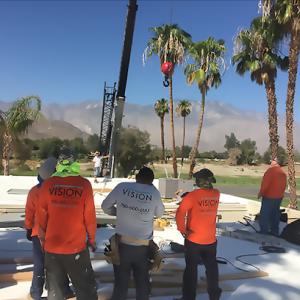
Vision Roof Services (VRS) is a licensed and insured roofing contractor serving Palm Desert, Palm Springs, Coachella Valley, Orange County, Riverside County, San Diego, Los Angeles, and surrounding Southern California areas. We specialize in commercial and residential roofing; spray foam, tile, flat, solar, and more. Our polyurethane spray foam (SPF) systems deliver superior insulation, leak prevention, and energy efficiency for long-term protection. VRS works closely with property owners, builders, and managers to deliver precision workmanship and reliable roofing solutions that raise property value and ensure structural integrity for all desert roof concepts. Call or message Vision Roof Services today for your free inspection!
DRS Diversified Roofing Services
(760) 895-4465 diversifiedroofingservices.com
42-933 Madio St, Indio, California
3.0 from 2 reviews
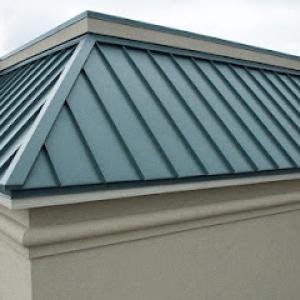
DRS Diversified Roofing Services, Inc Provides Residential Custom Home Roofing, Light Commercial Roofing and Custom Sheet Metal Roofing to the Indio, California Area.
Suntech Consulting & Roofing
(760) 275-4749 suntechroofing.net
Serving
4.2 from 10 reviews
Team with the best roofers in the Palm Desert, California and surrounding areas Your roof is what stands between your family and the elements, so it should be strong. Suntech Consulting & Roofing, Inc. will keep it that way. Whether you’re in need of a new roof or just need repairs on your existing one, our roofers will provide a prompt and effective solution perfect for your needs. You can count on us to use premium materials, effective tools and proven techniques to ensure that your roof lasts for years to come. Our roofing services include: • Installation of tiles including slate and concrete slab • Whole home roofing installation, whether for a new home or to replace your existing roof • Repair and restoration for roofing of all types
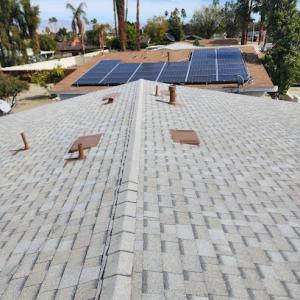
Becerra Brothers Roofing
(760) 636-1099 www.becerrabrothersroofing.com
Serving
4.6 from 31 reviews
Serving the Coachella Valley since 1978, we are a Family Owned and Operated Business and have 3 generations working together. We service the entire Coachella Valley and Mountains communities. We install Shingle, Tile, Metal, Self Adhering Bitumen, Polyurethane Foam Systems and Energy Efficient Coatings. We also Repair and Maintenance Residential and Commercial Roof. We are Licensed and Insured.
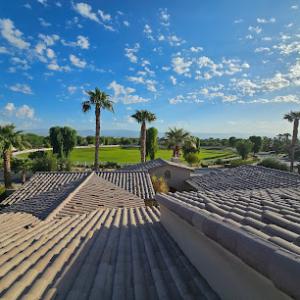
Southern Tech Roofing
(619) 587-0692 southerntechroofing.com
Serving
4.4 from 7 reviews
servicing the Coachella valley
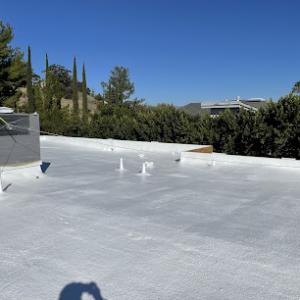
RB Roofing
(760) 898-2434 rbroofingllc.com
Serving
5.0 from 42 reviews
RB Roofing is your trusted partner in top-quality roofing solutions. With a commitment to excellence and unmatched expertise, we specialize in providing comprehensive roofing services tailored to meet the unique needs of our clients
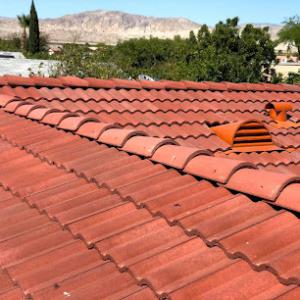
Supreme Roofing
(760) 485-8218 www.supremeroofingofpalmdesert.com
Serving
5.0 from 10 reviews
Top quality roofing work in the Coachella Valley. Why wait for a leak ? Give us a call now for a free estimate.
The roof across this desert landscape endures more than heat: wind-driven grit and sudden late-summer storms test the integrity of edge, ridge, and flashing every season. When a storm rolls in with gusts, even a modest edge or flashing weakness can become an active leak point in minutes. The combination of heat fading sealant and abrasive dust sweeping across surfaces accelerates wear on exposed parts, making routine maintenance feel urgent rather than optional. This is not a once-in-a-while risk; it's a constant rhythm that shapes how long a roof can hold without intervention.
Dust storms in the area tend to load rooftops and gutters with gritty material that acts like sandpaper on shingles, tiles, and underlayment. The abrasive action wears protective surfaces, loosens fasteners, and can fill valleys or through-roofs with debris that traps moisture. When debris stays unmanaged, it invites moisture retention in places it should drain freely, posing hidden risks that aren't always obvious from the ground. Clean gutters and scuppers regularly, especially after windy periods, to keep drainage paths clear and to reduce the chance that wind-blown dust hides small leaks until a heavy rain highlights them.
In this environment, minor gaps around flashing or along the ridge can turn into significant leaks after a wind event. A small wound in the flashing seam, a loose fastener, or a slightly lifted shingle edge can become a conduit for water once the rain arrives. The consequences aren't just cosmetic staining; they can compromise decking and insulation over time if left unchecked. The pattern is predictable: a windy afternoon, a dusty bloom, then a delayed storm can reveal a leak that wasn't obvious on the previous inspection.
Focus on pre-storm checks that target edges and flashings, and schedule a mid-season inspection to catch small issues before they grow. After every dust storm, walk around the perimeter with a keen eye for lifted shingles, missing caulk, or loose metal trim. Keep the roof surface clear of debris that can trap moisture in afternoon heat, and ensure that gutter hangers and fasteners are secure so that wind can't pry them loose. When a late-summer storm warning is issued, anticipate delayed scheduling-plan ahead for timely repairs rather than waiting for a roof to fail during the first hard rain. An informed homeowner notices the signs early and avoids the cascade of problems that desert weather can unleash.
Find local contractors experienced in assessing and restoring roofs after hail, wind, and severe weather events.

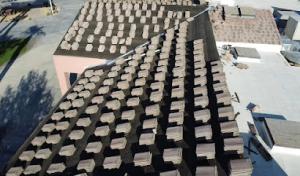
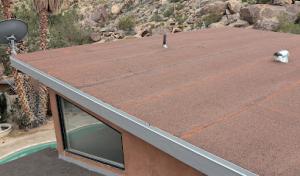
When budgeting a roof replacement, you'll see a spread that reflects material choice. Asphalt shingles run roughly from $350 to $650 per square, metal from $600 to $1100, clay tile from $900 to $2000, concrete tile from $700 to $1500, wood shingles or shakes from $600 to $1300, and synthetic or composite shingles from $450 to $800 per square. In practice, you'll notice the desert heat and dust push the final number toward the higher end when you're comparing lighter shingle systems to heavier tile options.
Tile reroofs in this market cost more because heavy roof systems and tile handling add labor complexity. The weight and fragility of clay or concrete tile mean more rigging, careful staging, and potentially more sections to replace in a single go. A lighter shingle roof can be quicker to pull and reflashe, which helps keep labor hours down. If your home has a tile roof already, you'll want to plan for a longer renewal window and a higher budget, even if the surface condition looks similar to a shingle replacement.
Labor availability in the peak heat of summer can be limited, so many reroofs are scheduled to avoid the worst temperatures. In practical terms, that means you might see more crews booked in the milder months, which can push timing into late fall or early spring. If you're targeting a tile or high-end roof, expect some flexibility in start dates and a potential premium for expedited scheduling during shoulder seasons.
Start with a material choice that fits your home style and long-term plan, not just the upfront price. Factor in underlayment and flashing quality, especially with tile systems, because desert dust and heat accelerate wear. Get three written quotes and ask how they handle dust control, tile handling, and scupper or vent replacements. If your roof is tile, specify that you want a tested deck attachment method and a reputable tile installer to minimize future leaks and maintenance.
The most popular roofing material in the US. Find pros who install, repair, and replace asphalt shingles.
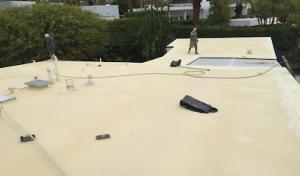
Valley Urethane Foam Roofing
(760) 321-0830 valleyurethanefoamroofing.com
Serving
5.0 from 8 reviews
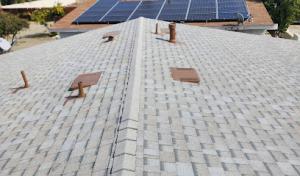
A full reroof in Indio generally requires a permit. That permit is typically issued through the Riverside County building department after plan review. The local climate and tile-heavy housing in this area mean the plans you submit should show underlayment choices, flashing details, and roof vent placement that can stand up to extreme heat and dusty conditions. If you're replacing only a portion of the roof, confirm whether a partial permit is allowed, but most full reroofs end up needing the standard process so the county can verify bulk components, venting, and drainage align with code.
Before any work begins, you'll need to submit a set of scaled roof plans and product selections for review. In practice, this means detailing the roof's slope, material type, underlayment, and flashing transitions around chimneys and skylights. Since Indio experiences intense sun and sand, specify high-heat underlayment ratings and corrosion-resistant flashings that can tolerate blowing dust. Expect the plan review to check eave overhangs, attic venting adequacy, and compliance with local climatic adaptations. Having a contractor who understands Riverside County requirements can shorten the back-and-forth and prevent delays caused by missing specs.
Indio reroof projects commonly receive an underlayment or rough-in inspection followed by a final roof inspection. The rough-in or underlayment check verifies that the decking, fasteners, and starter courses are properly installed before the visible roofing materials go on, which is crucial in a desert setting where heat exposure can affect material behavior. The final roof inspection confirms that ventilation, flashing, and material installation meet code and that penetrations are properly sealed against dust and wind-driven debris. Scheduling the inspections promptly after the corresponding work is completed reduces the risk of weather-related delays and ensures the project proceeds smoothly through Riverside County's review cycle.
In the desert heat, timing your permit and inspection windows around the hottest parts of the day helps crews work safely and keeps materials from being exposed to extreme temperatures during critical steps. Coordinate with your contractor to align the rough-in stage with a dry, calm day so underlayment and decking are not compromised by wind-blown dust. Keep a dedicated contact at the county or registrar's office handy in case plan notes need quick clarification to prevent repeat inspections. If you're in a community with a homeowner association, confirm any additional paperwork or approvals that could affect the inspection sequence.
The extreme desert heat and blowing dust that shape the Coachella Valley climate put unusual stress on roof systems. In this environment, insurers are more cautious about replacements, even when damage seems limited. A roof that looks "okay" from the ground can hide wear under heat exposure, accelerated granule loss, or compromised underlayment. When underwriting tightens in California, Indio owners feel the effect in how aggressively a claim is evaluated and how quickly a reroof decision is reached. The result is a more deliberate path to replacing a roof, with greater emphasis on documented condition and proven workmanship.
Because the market has tightened, a straightforward repair may no longer be enough to satisfy an insurer's risk model. Insurers may push for a full reroof when the roof's age, material type, or evidence of wind-related damage suggests future claims risk. In drought-tinged, high-heat settings, wind uplift and dust intrusion can be treated as ongoing risk rather than isolated incidents. That means timing your replacement around weather patterns and filing windows becomes part of the strategy, not just a logistical choice. Expect a slower, more documentation-heavy process that rewards clarity over anticipation.
Homeowners who stay ahead of the curve keep detailed records: high-resolution photos from multiple angles, date-stamped and organized by year, plus clear notes from a qualified inspector about current condition and any observed wear. After any significant dust storm or wind event, capture the roof's condition again and note missing or loosened components. Have a reputable roofer prepare a written assessment that outlines material quality, underlayment integrity, and signoffs for completed reroof work. This documentation serves as the bridge between observation and approval, reducing the chances of disputes later.
With tighter underwriting, the advantage goes to those who can demonstrate a proactive, well-documented approach. Maintain an ongoing file of inspection notes, photos, and receipts for any reroof activity. If an insurer requests additional proof, you'll have a ready, coherent package that speeds decisions and minimizes back-and-forth. In the end, the goal is to protect your home's desert resilience while navigating the insurance landscape with confidence.
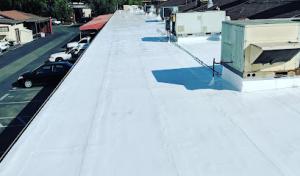
Although tile is prominent in Indio, the local contractor market also shows meaningful demand for flat-roof and low-slope work. Flat and low-slope assemblies in this desert climate face unique challenges from blowing dust and extreme sun. When planning a replacement or major repair, prioritize roof systems with proven compatibility to hot, dry conditions-especially those with reinforced underlayment and durable membrane choices. In flat exterior spaces, the edge detail becomes a critical point for wind-driven debris, so reinforce seam transitions and edge flashing during installation to resist dust intrusion.
In Indio's intense sun, roof coatings are a relevant maintenance and restoration option for some low-slope roof assemblies. A reflective coating can buy time between full replacements by minimizing heat buildup and extending membrane life. For best results, select coatings designed for desert exposure and compatible with the existing substrate. Schedule re-coating cycles around the hottest months when possible, and ensure surface preparation includes thorough cleaning to remove dust, loose granules, and debris before application.
Skylight penetrations in this desert climate need careful flashing and sealant maintenance because heat and dust exposure can accelerate failure at openings. Inspect flashing boots and curb seals annually, paying close attention to fastener corrosion and cement or sealant joints that may have dried or cracked in extreme heat. When replacing skylights, choose units with high-performance glazing and a flashing kit rated for hot, dusty environments, and confirm drainage around the perimeter to prevent water pooling.
Tile-heavy homes remain common, yet a practical mix supports Indio's climate. For flat or low-slope roofs, consider membranes with robust heat resistance and UV stability, paired with reflective surfaces to reduce surface temperatures. For renovators, coordinating flat-roof work with compatible coatings and precise flashing around penetrations minimizes heat and dust-related leaks. In all cases, ensure installation aligns with local sun exposure patterns and wind-driven dust behavior to maximize service life.
Find specialists in TPO, EPDM, and built-up flat roofing systems for residential and commercial properties.