Last updated: Apr 19, 2026
Mission Viejo's Mediterranean pattern of long dry summers and mild wetter winters means many roofs age from prolonged UV and heat exposure before leaks become obvious in the rainy season. The intense sun can dry out asphalt shingles and synthetic products, causing them to lose flexibility and crack earlier than expected. Clay and concrete tiles endure sun differently, but they still expand and contract with daily temperature swings, which over time can stress grout lines, nail slots, and fasteners. If your roof sits on a southern exposure or near reflective surfaces like light-colored stucco, you may notice surface granule loss or chalking sooner than neighbors with slightly different orientation. The practical takeaway is to inspect after peak heat periods-look for lifted edges, hairline cracks near flashing, and any color fading that signals the material is nearing the end of its optimal life. Proactive micro-sweeps of the roof after particularly hot weeks can catch early signs before they snowball into leaks.
Santa Ana wind events in South Orange County can shift tiles, lift aging shingles, and blow debris into valleys and flashings even when a roof looks intact from the ground. The risk is greatest along exposed ridgelines and the windy sides of no-fail fasteners. Shingle tabs can peel at their edges, and clay or concrete tiles may crack or misalign under gusts. Debris carried by the wind-pine needles, leaves, and gravel-can accumulate in valleys and under shingles, abrading edges and masking slow leaks until a rain comes. The practical action here is to perform a focused wind-season check: walk the roof only if safe, inspect ridge caps and edge rows for lift, and clear debris from gutters and valleys. When you see lifted edges or loose fasteners, address them promptly before the next windy stretch. In addition, ensure valley flashings are sealed properly and that any sealant at the roof penetrations remains intact, as wind-driven movement can exploit small compromises.
Because most neighborhoods are built with sloped residential rooflines rather than urban flat-roof stock, homeowners here commonly face material expansion, underlayment aging, and wind-driven edge damage rather than ponding as the main lifecycle issues. Sloped roofs magnify daily thermal expansion in shingles and tiles; you may notice small gaps forming at the eave line or near hip-and-rake edges over time. Underlayment-whether felt or synthetic-ages beneath clay, concrete, or asphalt layers and can lose its waterproofing integrity even if surface shingles look fine. The risk concentrates at the string of joints along edges where wind can pry fasteners and peel back edge lights. Plan periodic checks of edge metal or drip edge, along with any nail heads that show corrosion or pop loose. If flashing around chimneys or vent pipes shows signs of movement, a reseal or clamp-up before a heavy rain season prevents a slow, hard-to-detect leak.
Winter rain in Mission Viejo tends to reveal leaks that were incubating through the dry season. A roof that has aged under layers of sun and wind may not drip visibly until a heavy rain hits, then a small seam or nail hole becomes a pathway for water. The key is to differentiate between a surface cosmetic issue and a true structural vulnerability. If gutters overflow during a storm, it's often a sign that underlayment or edge flashing is modularly compromised. If you notice staining on interior ceilings near the highest points of the roof or around penetrations, treat it as a symptom rather than a single event. A methodical approach after the rainy season-inspect valleys, around skylights, and along flashing lines-helps catch problems before they expand.
Tile and shingle-heavy roofs dominate here, and each material type responds differently to this climate. Asphalt shingles tolerate heat but suffer granule loss and potential curling with age; metal roofs resist wind damage but can dent and lose coating; clay and concrete tiles excel against heat yet crack under severe shifts if not properly supported or fastened. In practice, pay particular attention to edge fasteners and fastener backs-where the wind first tests the roof-along with the integrity of the underlying underlayment. A thoughtful, seasonally-tocused routine helps keep the roof resilient through Mission Viejo's signature sun, wind, and rain.
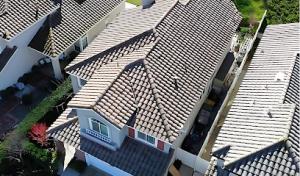
Clay and concrete tiles are a common sight across the hillside neighborhoods with planned, uniform designs. Cracked field tiles show up after Santa Ana winds slam through narrow streets and onto sunbaked slopes, especially where roof pitches are moderate and underlayment has aged. Slipped tiles aren't unusual on roofs that have settled or where the clipping hardware has fatigued, and aging underlayment becomes a frequent culprit behind leaks that show up after a heavy rain or a quick warm-to-cold swing. Because these roofs sit on exposed elevations, broken or displaced tiles can lead to rapid water intrusion if not addressed promptly. The repair pattern you'll encounter locally often begins with a few cracked field tiles followed by a closer look at the underlayment and flashing around vents, chimneys, and hip joints. In this climate, tile roofs demand timely matching of color and profile to preserve curb appeal while maintaining performance against wind-driven rain and relentless sun.
Asphalt shingles remain a common, lower-cost option for many homes with tile-inspired exteriors or updated, mixed-style facades. The inland heat of South Orange County accelerates granule loss, brittleness, and thermal cycling compared with the cooler coastal strip. That means you may see more finicky edges, curling at the eaves, and early granule shedding on shingle roofs that face direct sun for most of the day. The combination of intense sun exposure and Santa Ana winds can shorten the practical life of shingles, particularly on roofs with modest attic ventilation or inadequate insulation that amplifies heat transfer. Expect that routine maintenance will include scouring for lifted edges, resealing around penetrations, and checking for any hidden moisture damage in the sheathing where heat stress has aged the roof's layers unevenly.
A few older homes still wear wood shakes or shingles, which contribute a distinct texture to the area's architectural character. In a wildfire-conscious insurance environment, these materials can create underwriting friction because they offer a higher surface burn risk than Class A options. Even if a wood roof has a long service life, the local exposure to dry Santa Ana conditions and onshore gusts increases flame exposure potential along eaves and overhangs. When wood roofs remain, expect closer scrutiny from insurers and more frequent inspections to ensure that ember resistance is up to current standards. Replacements or retrofits often steer homeowners toward Class A alternatives that resist ignition and provide compatibility with the area's design language.
A disciplined seasonal inspection routine makes the most sense in this market. Start with the tile or shingle line along the midsection of the roof to spot hairline cracks, slipped tiles, or lifted edges. In clay or concrete tile setups, pay particular attention to field tiles away from the high-traffic zones, as those receive more stress from wind gusts and foot traffic during maintenance. For shingle roofs, look for granule loss on the steepest sun-facing planes, and examine flashing around dormers and vents for signs of weathering. Underlayment health is often the first weak link after a major storm or during extended heat waves, so a careful interior inspection after significant rainfall can reveal hidden leakage paths. If moisture intrusion is suspected, a professional assessment should include a close look at the roof deck, the integrity of the underlayment, and the condition of ventilation and insulation to support long-term performance.
Because Mission Viejo roofs endure a triad of stressors-strong sun, Santa Ana winds, and winter rain-maintenance should emphasize both UV protection and wind resistance. Tile roofs benefit from ensuring clips and fasteners are secure and that matching tiles are on hand for field repairs. Shingle roofs benefit from moisture management and attention to granule retention, especially on sun-exposed elevations. For wood, regular inspections tied to insurance expectations can guide timely mitigation if re-roofing becomes the most cost-efficient option. In all cases, a proactive plan that blends material compatibility, weather-aware inspections, and alignment with the home's design language helps sustain performance through Mission Viejo's distinctive climate and terrain.
Find contractors who specialize in clay and concrete tile roofs, known for their durability and curb appeal.


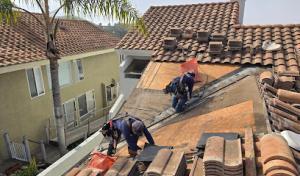
In Mission Viejo, re-roofing projects are most safely scheduled during the dry season. Winter rainfall raises moisture risk for tear-offs and can delay underlayment exposure windows. If a tear-off lands in late fall or winter, expect interruptions from unexpected showers that stall work and leave exposed layers vulnerable. Planning for dry periods sharpens the crew's ability to complete underlayment and flashing work before the next rainfront, reducing the chance of interludes that allow water intrusion to take hold.
Short but intense Southern California rain events often spotlight long-hidden defects around flashing, penetrations, and tile underlayment after months of dry weather. A Mission Viejo home with tile or shingle roofs typically shows water entry at penetrations where sealants have aged, around vent stacks, skylights, and chimney pairings, and along ridge lines where wind-driven rain forces moisture under the laps. After a dry spell, moisture may linger unseen behind underlayment or concrete tile substrates, so a focused inspection after the first strong winter storms is essential. Expect scrapes, cracks, or loose flashing to surface quickly when the skies finally open.
Santa Ana wind periods create urgent leak and blow-off conditions that make temporary dry-in and rapid response especially important for exposed slopes and ridge areas. On Mission Viejo homes with high-tilt roofs or long exposed ridges, winds can peel back shingles or tiles and drive rain under the edges. When a wind event accompanies a sudden leak, the priority is securing a dry-in quickly-covering openings, resealing flashings, and coordinating temporary protection while permanent repairs proceed. Do not delay addressing wind-driven damage, as the next gust can worsen the breach and compromise neighboring sections.
Inspect roof edges and ridge cap after any notable storm, focusing on seals around vents and penetrations. If a leak is detected, document with photos and contact a local roofer who understands the Mission Viejo microclimate and housing stock. For ongoing projects, set clear expectations about staged work windows that align with dry spells, and insist on diligent flashing and underlayment checks before any tile or shingle installation resumes. In periods of high Santa Ana activity, arrange a rapid response plan with your contractor to ensure temporary dry-in is in place at the first sign of wind-driven leakage.
When you can't wait, these contractors offer fast response times to stop leaks and prevent further damage.
Stay Dry Roofing
(949) 528-7663 staydryroofingmissionviejo.com
26040 Acero Suite 202, Mission Viejo, California
4.5 from 16 reviews
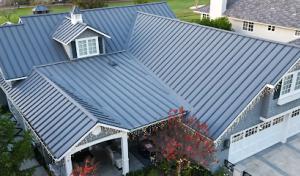
In this hillside-heavy community, pitched roofs with tile or shingles are the norm. A full re-roof often runs longer than a flat-slope job because tile handling, underlayment replacement, and the logistics of setting up safe access add real labor hours. Tile projects in this area frequently involve removing and sorting existing pieces, replacing any broken components, and addressing the waterproofing layers beneath. All of these steps compound the base material price and push the final bill higher than simpler installs elsewhere.
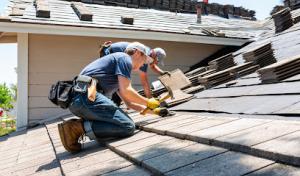
When planning, expect labor to dominate the price in Mission Viejo. The crew must carefully remove tiles without cracking intact pieces, then install or reseal underlayment, and re-seat or replace tiles to maintain a watertight valley and eave line. Access setup is not optional in many districts; ladders, scaffolding, and sometimes crane or lift work are needed to reach steep pitches, which adds time and risk premiums to the project. These labor components are particularly pronounced after a long winter or during a stretch when Santa Ana winds stress the roof seams, increasing the likelihood of additional repairs mid-project.
The typical cost spectrum for common roof coverings reflects both material and labor considerations in this market. Asphalt shingles range from 420 to 750 USD per square, while metal roofs run higher per square. Clay tile and concrete tile projects can be especially pricey in this area due to tile handling, broken-piece replacement, and the waterproofing work beneath. Expect concrete tile to land in the higher end of the range compared with other locations because heavy tiles demand careful handling and more robust underlayment. Synthetic or composite shingles sit mid-range, but on Mission Viejo projects they still share the same labor-intensive pattern if a full tear-off and reinstallation are required.
Demand tends to tighten after winter storm periods and during the dry-season window, which is the preferred time for full re-roofs. That cycle can shift lead times from weeks to months in busy years, especially for tile-heavy homes. If a project is staged across multiple days with partial tear-offs and staged tile replacement, the schedule becomes a critical cost driver. Planning ahead, budgeting for a realistic staging period, and securing access arrangements early helps prevent last-minute price shifts or material hold-ups that commonly occur when crews are juggling several Mission Viejo homes at once.
Get a clear picture of your project costs upfront - no commitment required.
Stay Dry Roofing
(949) 528-7663 staydryroofingmissionviejo.com
26040 Acero Suite 202, Mission Viejo, California
4.5 from 16 reviews
Stay Dry Roofing Company is a 3rd generation roofing company based in Mission Viejo. We are Mission Viejo's local and highly requested roofing team dedicated to protecting your home and business and keeping you Dry during winter. Our skilled team specializes in high-quality roofing solutions from new installations, roof repairs, 24 hour emergency roofing services, Metal Roofs to meticulous repairs and much more. We use only the finest materials, ensuring every project is built to last against the elements. Trust us to deliver professional expertise and a secure, long-lasting roof for your property. (949)-528-7663 (ROOF) Stay Dry Roofing Company License #911019
Atkins Roofing & Roof Repair
(949) 456-0777 www.atkinsroofing.com
23401 Madero, Mission Viejo, California
3.7 from 3 reviews
Atkins Roofing is your local roof repaitr specialist. We specialize in fixing roof leak and roof repair.

B.P. Custom Roofing
(949) 390-3627 www.bpcustomroofing.com
Serving
5.0 from 75 reviews
Quality residential roofing company in business since 1992 (License #652641 C-39)
Purpose Roofing & Waterproofing
(949) 409-5450 www.purposeroofs.com
Serving
4.4 from 23 reviews
Purpose Roofing & Waterproofing is a full service Residential, HOA and Commercial roofing and waterproofing contractor based in Orange County, CA. We are fully licensed, bonded and insured, serving all of Southern California. It's more than just a name, our PURPOSE is to service our clients and ensure the best possible result for each and every project. PURPOSE is dedicated to meeting the specific needs of our clients with services tailored to the individual project. We are small enough to insure hands-on involvement by key personnel, yet able to offer a degree of professionalism and attention that is unsurpassed.
South County Roofing
(949) 597-0192 southcountyroofing.com
Serving
4.7 from 27 reviews
South County Roofing is a roof repair–only company located in Lake Forest, California, specializing in tile roof leak repair and tile roof maintenance for homeowners throughout Orange County. We focus on identifying the source of roof leaks and performing permanent, targeted repairs rather than recommending unnecessary roof replacement. Our work commonly addresses leaks caused by localized issues in valleys, skylights, chimneys, roof transitions, and field areas where water is concentrated. Services include professional roof inspections, roof leak detection, broken tile roof repair, flashing repair, and preventive roof maintenance. Our approach is based on experience, clear evaluations, and practical repair solutions tailored to each roof’s
Pacific Roofing Systems
(949) 495-4200 pacificroofingsystems.com
Serving
4.7 from 47 reviews
For over 25 years, Pacific Roofing Systems has been Orange County's trusted roofing expert. Specializing in all roofing types, from classic tile and composite shingles to modern metal and innovative green roofing solutions, they deliver premier roofing services for every need. As a VELUX 5-Star certified installer, Pacific Roofing Systems expertly installs and services the complete VELUX product line for both residential and commercial properties. Experience the difference of superior craftsmanship and dedicated customer service; Pacific Roofing Systems takes pride in using only the best products to exceed your expectations with every project.
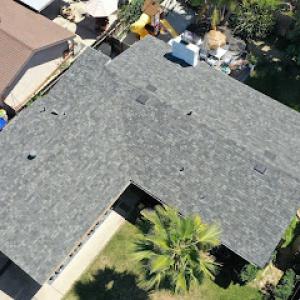
Peak Builders & Roofers of Orange County
(949) 787-2555 www.peakbuildersoc.com
Serving
5.0 from 5 reviews
Peak Builders & Roofers of Orange County is your premier choice for top-quality roofing services and exceptional remodeling projects. With a steadfast commitment to excellence, we specialize in providing comprehensive roofing solutions, from new roof installations to thorough roof repairs, ensuring your home is protected and looks stunning. Our expert team also excels in home remodeling, bringing your vision to life with meticulous attention to detail and superior craftsmanship. Whether you're looking to upgrade your kitchen, renovate your bathroom, or undertake a complete home transformation, we deliver results that exceed expectations.
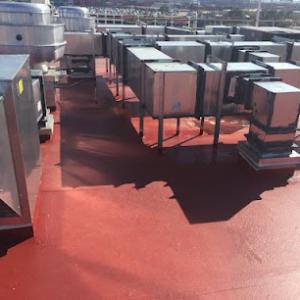
OC Custom Roofing
(949) 431-2220 occommercialroofing.com
Serving
5.0 from 7 reviews
TAKE IT TO THE EXPERTS When installing a new roof on your commercial building, you want the best fit for your budget and building needs. There are many roofing companies to call on, but not all roofing companies are the same. OC Custom Roofing has a reputation for designing and installing quality roofs, custom fit for your commercial or industrial buildings. Our roofing experts and installers will answer any questions you may have throughout the roofing project, and will guide you through the process so that you are comfortable and knowledgeable of your new roofing system. Call today and set up an appointment with one of our experienced roofing consultants. You can be sure that you are getting a quality roof installed by a company you ca...

Single Ply Roofing Experts
(949) 966-7819 singleplyroofingexperts.com
Serving
4.3 from 18 reviews
When working with Single Ply Roofing Experts, you know that you are working with a company that is highly advanced in the field of commercial roofing. We have specialized in Single Ply Roofing for nearly 2 decades, so when it comes to the unique challenges and opportunities that this type of roofing presents, you can count on the fact that we’ve got it all figured out! We are a California Licensed Contractor, and possess the proper training and certifications to do the job right, and to do it safely.

Rod's Roofing Company
(949) 212-3557 www.roofingsanclementeca.com
Serving
4.7 from 14 reviews
If your roof is in a state of disrepair or looking worn-out, you need a local roofing company you can trust to restore it or replace it. That's where Rod's Roofing Company comes in. We offer professional roof replacement, repair and reroofing services to homeowners throughout San Clemente, CA and the surrounding areas.
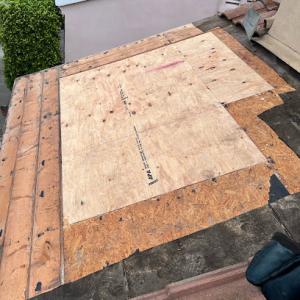
Di Rock GC & Roofing
(949) 545-1976 www.dirockgc.com
Serving
5.0 from 49 reviews
Established in 2010, DiRock General Contracting & Roofing safeguards Orange County homes with expert roof care. Their licensed and insured team offers a complete range of services, from inspections and repairs to replacements. DiRock prioritizes client collaboration and utilizes skilled craftsmanship to ensure your roof's long-lasting protection. Please reach out and make the call!
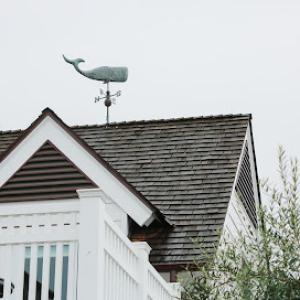
City Roofing & Maintenance
(949) 500-3980 www.cityroofingandmaintenance.com
Serving
5.0 from 31 reviews
The integrity of your roof, on a personal residence, rental property or business, is vital. Choosing the best roofing contractor should be simple. At City Roofing and Maintenance, (CR&M) our philosophy is also simple: "Your satisfaction is our priority." We ensure our clients a seamless and professional experience regardless of job size, material installation, timeline or price. CR&M clients always feel respected and appreciated.
A full re-roof in this city commonly requires a permit through the City of Mission Viejo Building & Safety Department. Treat a re-roof as a formal project, not casual "maintenance." The permit process is designed to ensure the roof system meets local wind, fire, and drainage standards, which is especially important given the area's Santa Ana winds and the sun-driven wear on tile and shingle roofs. If your project skips the permit, you risk work stoppages, fines, and potential trouble securing future financing or insurance. Know that pulling a permit is not a hurdle to endure-it's the framework that helps protect your home.
Homeowners and contractors should expect to submit roofing plans or specifications for review and to coordinate inspections rather than treating a re-roof as informal work. A complete package typically includes product specs, underlayment details, flashing diagrams, and venting plans. In Mission Viejo, where hillside layouts and HOA design control are common, the plans may need to show how the new roof integrates with gutters, skylights, and any approved color or texture requirements. Work with your contractor to assemble a clearly labeled package early, so the plan review doesn't stall the project once dry windows narrow.
Typical local inspections occur during and after installation to verify items such as underlayment, flashing, and vent work. Inspections are not a one-and-done check; they're a series of checkpoints that confirm the roof is sealed and weather-ready before wet-season exposure. Scheduling ahead matters because crews try to stay within dry-weather windows, and last-minute rework to fix rejected items can push timelines into Santa Ana season or winter rains. Coordinate with the inspector, the contractor, and any HOA requirements to avoid delays and keep the project on track.
Flag inspection dates early and build buffer time into your plan for weather delays. In Mission Viejo, dry spells can be brief, so align the permit submission, plan review, and anticipated inspection timeline with forecasted weather. If moves or edits are needed after an inspection, address them promptly to avoid re-inspection fees or additional hold-ups. Confirm access logistics for crews, especially on hillside lots with narrow driveways, and ensure venting and plumbing penetrations are clearly identified on the plan so inspectors see the intended details at a glance.
In the master-planned neighborhoods that define many hillside horizons, HOA architectural rules shape what you can see from the street. Colors, profiles, and material choices for visible roof replacements are often tightly governed, with even small deviations triggering review cycles. That means your project may hinge less on what you want and more on meeting a predefined palette and silhouette that the community has curated over years. If the roof is a prominent feature of the home's curb appeal, the HOA review becomes a deeper gatekeeper than you might expect.
When replacing tile with another material, the scrutiny can intensify. HOA boards frequently prefer to preserve the traditional look that neighbors expect, and switching to metal or asphalt can require a convincing rationale and careful documentation. The approval process tends to consider not only color and finish but also how the new material will sit in relation to surrounding homes and sightlines from common areas. If the current tile profile is distinctive, there is a real risk that a different material won't harmonize with the neighborhood's established rhythm.
Because neighborhood roof appearance is tightly managed, matching existing tile profiles and colors can be a practical project constraint. Even if the new material performs well in Mission Viejo's sun, wind, and winter rains, a mismatch in profile height, ridge line detail, or edge detailing can trigger disapproval. Plan for a design alternative that mirrors the current aesthetic, and prepare to adjust timing or materials to satisfy both city-wide expectations and HOA preferences. A thoughtful, HOA-friendly path reduces delays and keeps the project moving.
Find contractors who specialize in clay and concrete tile roofs, known for their durability and curb appeal.
California insurers commonly want current roof-condition documentation, and Mission Viejo homeowners should expect photos, maintenance records, or post-loss reporting when filing or renewing. In this hillside-friendly city, many plans hinge on a clear, up-to-date snapshot of roof health. If your shingles or tiles show weathering, or your gutters and flashing reveal aging wear, anticipate requests for recent photos and a concise maintenance log. Having these ready can smooth conversations with your agent and reduce surprises when a policy index or renewal is under review.
In Southern California wildfire-sensitive underwriting conditions, Class A roofing materials can matter not only for safety but also for eligibility, credits, or carrier appetite. If your roof meets Class A certifications, you may gain favorable positioning with some carriers, particularly after a wildfire season or wind event. Conversely, if your system isn't Class A, you may encounter tighter underwriting and more scrutiny during renewal. This city's mix of tile and shingle styles means a practical approach is to document any upgrades or repairs that shift a roof toward higher fire resistance, and to keep records that show proactive maintenance.
Wind-related damage from Santa Ana events and any storm-created openings should be documented quickly because claim handling often depends on clear before-and-after evidence. Santa Ana gusts can lift loose edges or expose fasteners, while winter rains can reveal hidden leaks. Take dated photographs as soon as it's safe, and compile a simple timeline of what was observed, what was repaired, and when. This practice helps insurers assess responsibility and accelerates any needed adjustments to coverage after a storm.
Connect with contractors who help homeowners navigate the claims process from damage assessment to final approval.
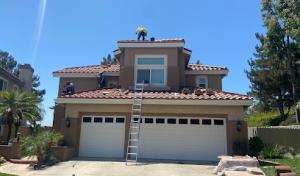
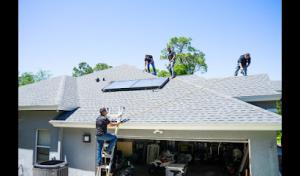
In this inland Orange County climate, solar isn't just an add-on; it's a coordinated roofing project. When a roof is nearing the end of its life, plan panel installation to line up with a full roof replacement rather than chasing after a retrofit. A fresh roof provides clean attachment points, proper underlayment coverage, and a reliable surface for mounting hardware. If panels are already in place and the roof needs replacement, coordinate the panel removal and re-installation with the contractor so no flashing is left exposed or compromised. The goal is to avoid a scenario where solar work uncovers weak spots or damaged decking that would require additional penetrations after panels are mounted.
Tile roofs here call for careful flashing and attachment detailing around solar mounts to prevent cracked tiles and hidden underlayment leaks. Use mounting hardware that minimizes tile penetration-low-profile rack systems and standoff brackets help keep tile integrity intact. Ensure the flashing around every penetration is compatible with the tile profile and that sealant choices withstand Santa Ana winds and seasonal heat. An integrated plan should address potential tile breakage during panel removal for later maintenance, with a spare tile or two set aside. Confirm that the roof deck is solid and the underlayment is continuous under all mounts, because a small leak under a large, heat-exposed solar array can quietly become a big problem.
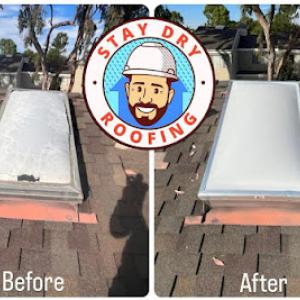
Skylights and other penetrations often become leak points during winter rains if sealants and flashing have been stressed by years of heat and UV exposure. Before any solar or roof work, inspect traditional penetrations for aging sealant and flashing. Replace brittle sealants and reflash where needed, using materials rated for sun exposure and temperature swings. Consider upgrading vent and skylight flanges to ones with improved UV resistance and wind resistance. Plan a thorough inspection after the first heavy rain of the season to confirm that all penetrations, including solar mounts, sealants, and flashings, remain watertight. Regular checks help catch renewals needed before a small drip becomes a stain.
Find contractors who integrate solar panels or solar shingles into your roof for long-term energy savings.

In Mission Viejo, flat-roof work exists but is secondary to the city's dominant sloped residential roof stock, so it is more often relevant for patios, additions, and some commercial properties than for the typical home. When a low-slope section is present, it should be treated as its own assembly rather than a simple continuation of the main tile or shingle roof. The performance and lifespan of these areas can diverge quickly from the pitched roof above.
If your home includes any low-slope or flat sections, evaluate them as distinct systems with their own drainage, flashing, and substrate. The materials and fastening methods in these areas differ from the steep roof, and the way they shed water can create unique stress points. Do not assume that the same maintenance approach or replacement interval applies to both roof types. A dedicated assessment helps catch issues before they compromise adjacent structures.
Winter rain emphasizes weaknesses in low-slope assemblies, making drainage and flashing more vulnerable in Mission Viejo's climate. Poorly draining zones, interior leaks, or ponding water near transitions between flat and pitched areas can appear quickly after a rainstorm. Inspect these connections after storms and after seasonal rains, focusing on seams, edge flashings, scuppers, and parapet terminations.
Develop a routine that targets flat sections separately from the main roof. Keep a close eye on membrane integrity, seam durability, and any signs of standing water or dampness. Promptly address peripheral cracks, blistering, or edge deterioration, especially where the flat portion meets vertical walls or cornices. For additions or patios, confirm that waterproofing is continuous under any surface decks or protective coatings.
Expect potential failures at flashing transitions, drainage outlets, and perimeter edges. Snow or wind-driven debris can accumulate in low-slope zones, stressing seals and membranes. If you notice recurrent leaks around parapets, conduits, or penetrations, treat them as separate repair projects rather than attempting a single fix across the whole roof. Engage a professional experienced with Mission Viejo-style construction details to ensure proper detailing and long-term reliability.
Find specialists in TPO, EPDM, and built-up flat roofing systems for residential and commercial properties.