
Last updated: Apr 19, 2026
This area sits in the northern Coachella Valley, where the dominant roof-aging forces are relentless sun and dry heat, not snow or freeze-thaw cycles. Prolonged summer heat and intense solar exposure speed up the breakdown of exposed roofing components. You'll notice surface cracking, faster fading, brittleness, and sealant fatigue sooner than in cooler inland markets. In practical terms, a roof here spends more of its life under strong UV light and high thermal swings, so material selection and protective details matter more from day one.
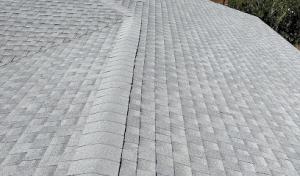
Shingles and tiles sit under constant sun, so the top surface takes the brunt of UV rays and heat cycling. Asphalt shingles may chalk and curl quicker, while clay or concrete tiles can show color loss and micro-cracking along edges where heat stress concentrates. Metal roofing reflects a portion of the sun, but expands and contracts with temperature swings, which can eventually loosen fasteners or seam seals if the system wasn't designed with Desert heat in mind. Wood shingles or shakes, already more sensitive to drying and wind, can warp or curl as sunny days multiply. Synthetic or composite shingles blend some benefits, but long-term UV stability varies by product-and all will fade visibly in this sun-drenched climate.
Monitor for a few telltale signs that go beyond leaks. Surface granules washing away from asphalt, a chalky or washed-out appearance on darker shingles, or noticeable color fading on tiles indicate heavy UV exposure. Look for edge cracking or micro-cracking along ridges on tile roofs, which can allow dust and heat to penetrate the underlayment. Check sealants around flashing, vents, and skylights for fatigue or separation, as hot days repeatedly pushing and pulling expands gaps. If you notice increased attic heat or unusually high home interior temperatures in the summer, it can reflect rising roof heat transfer rather than a single leak, signaling cumulative sun damage.
Replacement timing in Desert Hot Springs is often driven by cumulative sun damage and thermal expansion stress, not just visible leaks. A roof can appear sound but be approaching the end of its effective life as asphalt granules thin, tiles lose their glaze, or metal seams begin to show signs of fatigue. In practical terms, plan for sooner replacement or retrofit decisions when the material exhibit age-related brittleness, extensive color fading, or pronounced heat-related deformation. That is, a roof that looks functionally worn and feels unusually warm to the touch after a long summer deserves closer inspection, even without a fountain of leaks.
Prioritize reflective and protective measures that specifically address Desert heat. Consider a reflective or cool-roof coating compatible with your roof type to reduce surface temperature and slow UV degradation. If color stability matters to you, select materials with UV-stable pigments and proven performance in hot, dry climates. For tile roofs, ensure proper underlayment and proper venting along eaves and high ridges to manage heat-driven expansion. Ensure flashing and sealants around penetrations are in good condition-these are common failure points when heat cycles repeatedly stress joints. Clean debris that traps heat and dust that abrades surfaces, especially in wind-prone neighborhoods.
Tile roofs (clay or concrete) perform well in heat when properly installed and vented, but require attention to glaze integrity and discoloration over time. Metal roofs can be a strong heat-resilient option if a desert-specific panel profile and fastener system are used to handle expansion and contraction. Asphalt shingles remain common for cost and ease, but expect more frequent maintenance or replacement cycles under this sun; color choices with higher reflectivity and UV resistance help but do not eliminate aging effects. Synthetic shingles can offer improved UV stability, yet verify product literature for long-term performance in our climate.
This climate-specific lens-heat, UV exposure, and thermal expansion-drives many homeowners in these neighborhoods to think twice about rapid replacement strategies and to favor products with proven performance in hot, sun-soaked environments. A roof that respects these dynamics will hold up longer and perform more reliably year after year.
In this market, tile roofs are a familiar sight on desert-style homes, with clay and concrete tiles forming a natural shield against the extreme sun. The long, blistering heat and heavy UV exposure can push underlayment and flashings to the limit, so tile is not just about curb appeal-it's about managing heat cycling for the entire roof system. When tiles remain in good condition, they shed heat well and help keep attic temperatures lower, but gaps, cracks, or broken tiles quickly undermine that advantage. The underlayment beneath can deteriorate even if the visible tiles appear intact, so a roof that's been living under high daily heat needs periodic checks of both the surface and what's hidden.
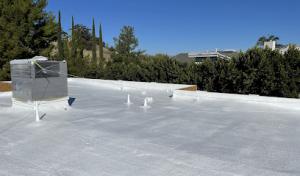
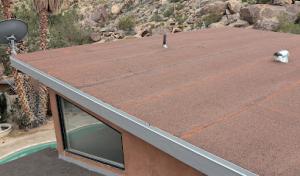
Low-slope and flat roof areas are common on patio covers, carports, and mixed residential-commercial structures in this area. These sections face a different set of stressors: wind-blown dust can abraze membranes, and winter rain events test drainage and seam integrity. In Desert Hot Springs, a well-planned low-slope system prioritizes reliable drainage to prevent ponding, which accelerates membrane degradation and increases the risk of leaks. For those sections, the condition of the edge details, drip edges, and termination bars matters almost as much as the primary waterproofing layer. A durable, heat-resistant membrane paired with proper slope and clear drainage pathways is essential to avoid water sitting where it shouldn't.
Homeowners often need a careful evaluation that separates broken field tiles from the hidden condition of the underlayment beneath them. A single cracked or loose tile might not seem alarming, but the underlayment directly beneath could be worn, dried, or punctured by trapped heat and dust. Signs to watch for include not only cracked tiles but also soft or bubbled spots on the underside of the roof sheathing, unusual warmth after a hot day, and any musty or damp smells inside the attic or ceiling near tile locations. In many desert homes, underlayment damage is the stealth culprit behind leaks that appear to begin far from a visible break in the tile surface.
Regular inspections should target both tile integrity and the roof's drainage plan. Look for loose, cracked, or chipped tiles, and check the proximity of foliage or debris that can trap moisture against underlayment. Clean drainage paths and confirm that flashings around penetrations-vents, skylights, and roof-to-wall transitions-are sealed and flashing is intact. For low-slope areas, inspect seams and overlaps for signs of silicone or asphalt sealant deterioration, especially after winter rains or windy periods when dust can abrade exposed membranes. In both tile and low-slope zones, plan for a coordinated assessment of tile condition and underlying materials, because the health of the surface tiles often mirrors the health of the underlayment and insulation beneath.
Desert conditions stress the roof assembly in stages: tile surface, underlayment, and the structural deck. If multiple tiles are cracked in a concentrated section, or if underlayment shows advanced wear, a targeted repair may not restore long-term performance. A replacement strategy that prioritizes high-quality, heat-resistant underlayment paired with durable tile selections can extend life in the face of intense heat cycling. For low-slope areas, upgrading to a more robust, UV-resistant membrane and ensuring proper overlap and drainage can prevent costly water intrusion during winter rain events.
Find contractors who specialize in clay and concrete tile roofs, known for their durability and curb appeal.

Gilbert's Roof Services & Repair
(760) 660-3444 gilbertsroofservices.com
Palm Dr, Desert Hot Springs, California
4.4 from 7 reviews
Servicing the Coachella Valley for over 40 years! Business & Residential👍 License #C39-930145 PO Box 442 Desert Hot Springs Ca. 92240
BYLTup
18342 Blue Dream Xing, Desert Hot Springs, California
3.8 from 19 reviews
We build high quality roofing and solar systems for residential and commercial applications with a niche commercial tenant improvement division. Serving all of Long Beach and the surrounding areas of Los Angeles and Orange Counties, as well as the Coachella Valley, our crews are certified and trained at the highest levels in the most advanced roofing and building materials. Our expert team of technicians have been recognized by the industries leading manufacturers for their quality and service, allowing us to offer our customers unparalleled warranties on new solar roofing systems.
Rancho mirage roofing
(760) 832-2013 www.ranchomirageroofing.com
Serving
4.8 from 31 reviews
A family of local roofing professionals serving the Coachella Valley since 1976 Installing all types of roofing systems on residential and commercial properties
RB Roofing
(760) 898-2434 rbroofingllc.com
Serving
5.0 from 42 reviews
RB Roofing is your trusted partner in top-quality roofing solutions. With a commitment to excellence and unmatched expertise, we specialize in providing comprehensive roofing services tailored to meet the unique needs of our clients

Foam Roofing Experts of The Desert - Best Foam Roofing Services in Palm Desert, Indian Wells, Palm Springs & Rancho Mirage
(760) 333-3556 thefoamexperts.net
Serving
5.0 from 130 reviews
Welcome to Foam Roofing Experts of The Desert, your top Roof Inspection Company in Palm Springs. We deliver premier foam roofing repair, reconditioning, and installation services for commercial and residential properties at the most affordable rates. Our foam roofing solutions provide excellent protection from heat during summer and moisture in the rainy seasons, enhancing your property’s aesthetic appeal. Also, we offer comprehensive solar panel cleaning and expert roofing certifications to ensure safer home buying and selling processes. Renowned for the best roof inspection services in Cathedral City, we are dedicated to ensuring the longevity and safety of your roof. Trust Foam Roofing Experts of The Desert for all your roofing needs.
First Division Roofing
(760) 534-3902 www.firstdivisionroofinginc.com
Serving
5.0 from 15 reviews
First Division Roofing provides top-tier commercial and residential roofing solutions for homes and businesses in Cathedral City, California and surrounding communities. Specializing in everything from roof inspections, new roof installations to expert roof repairs, advanced coatings, and comprehensive waterproofing, we offer cutting-edge roof solutions designed for both affordability and efficiency. First Division Roofing prioritizes quality and durability while ensuring your property remains protected from the elements. Experience personalized attention and expert guidance throughout the entire process, knowing your roofing project is in the best hands. Invest in a roof that will endure, providing lasting peace of mind.
Quality & Secure Roofing,Inc
Serving
5.0 from 13 reviews
Quality & Secure Roofing is a licensed roofing contractor (License #1120120) serving Riverside County and San Bernardino County. We specialize in shingle roofing, foam roofing, roof repairs, and re-roofing services. With over 11 years of experience, we provide fast, honest, and secure roofing solutions in Cathedral City, Palm Desert, Indio, and surrounding areas.”
Desert Roof Concepts
(760) 417-6292 desertroofconcepts.com
Serving
4.9 from 87 reviews
Waterproofing
Supreme Roofing
(760) 485-8218 www.supremeroofingofpalmdesert.com
Serving
5.0 from 10 reviews
Top quality roofing work in the Coachella Valley. Why wait for a leak ? Give us a call now for a free estimate.
Reliable Roofing
(760) 568-1673 reliableroofingbytgy.com
Serving
4.2 from 45 reviews
Reliable Roofing serves the entire Coachella Valley including Palm Desert, Palm Springs, Indian Wells, Rancho Mirage, Indio, Indio Hills, Bermuda Dunes, Desert Hot Springs, Sky Valley and La Quinta areas with new or replacement roofs for residential and commercial properties. Every project we take on is performed by a small dedicated team of highly skilled roofers. Contact us today!
Superior Roofing Pros
Serving
5.0 from 6 reviews
Locally owned and operated. Whether you're seeking a full roof replacement, a repair, or even a roofing concern you need assistance with, feel free to reach out to our team of diligent resourceful individuals! Superior Roofing Pros!
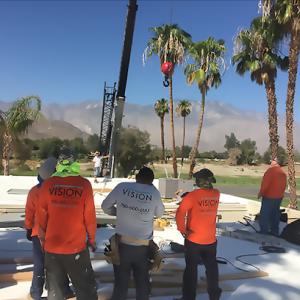
Vision Roof Services
(844) 348-7663 visionroofservices.com
Serving
4.8 from 39 reviews
Vision Roof Services (VRS) is a licensed and insured roofing contractor serving Palm Desert, Palm Springs, Coachella Valley, Orange County, Riverside County, San Diego, Los Angeles, and surrounding Southern California areas. We specialize in commercial and residential roofing; spray foam, tile, flat, solar, and more. Our polyurethane spray foam (SPF) systems deliver superior insulation, leak prevention, and energy efficiency for long-term protection. VRS works closely with property owners, builders, and managers to deliver precision workmanship and reliable roofing solutions that raise property value and ensure structural integrity for all desert roof concepts. Call or message Vision Roof Services today for your free inspection!
Spring brings a steady shove of airborne grit across the roof, and that grit is not forgiving. In Desert Hot Springs, exposed surfaces take a direct beating from the Coachella Valley's famous sun, and windblown dust can scour shingles, tiles, and flashing. The grit not only wears the surface, it migrates into valleys, drainage paths, and joints, where it can abrade sealants and clog vents. This isn't a one-time annoyance; over the course of a season, you can see accelerated wear and more frequent small leaks if debris isn't routinely cleared. If you notice a dusty film along eaves or inside roof valleys, that's a signal to inspect for early wear and missing granules or feathered edges on tiles.
Despite long dry spells, winter rain events test the roof's last residual defenses. Heat exposure during the summer weakens flashings, sealants, and underlayment, so when a storm finally arrives, leaks tend to show up in places that seemed fine after months of sun. In this climate, patches that seemed solid after a warm spell can fail after a heavy rain if the protective layers have already thinned. The lesson is practical: dry-season months are not a free pass for neglect. A cautious homeowner keeps an eye on dripping corners after a rare rain, checks for moisture in attic spaces, and treats every spring rain as a stress test for the roof's waterproofing after the heat cycle.
Local damage calls rarely come from dramatic events, but from wind-displaced materials and debris piling up where it can create overhangs, gutters, or roof-to-wall transitions that fail under pressure. Debris in valleys and along drainage paths acts like sandpaper, or it can push shingles and tiles out of alignment, opening tiny gaps that become larger leaks when rain returns after weeks of sun. You may notice wind-blown strips of flashing or loose fasteners that loosen further with heat cycling. If a storm is forecast, secure loose items and do a quick sweep of the roof and gutters beforehand. Afterward, inspect flashing joints, sealants, and underlayment edges for telltale cracking or shifting.
Keep pathways and roof edges clear of seasonal debris and plant matter that can trap moisture or trap heat at critical joints. Schedule a mid-season inspection focusing on valleys, penetrations, and transitions between different roof materials. When you see minor granule loss, micro-cracks at flashing corners, or displaced tiles, address them promptly before the next heat spike or rain event. If you notice recurring leaks after long dry periods, treat the underlying heat-weakening of sealants and underlayment as a priority, since that combination is what often drives sudden leaks during the first heavy rain after an extended sun exposure. This approach helps preserve the roof's life in a climate where sun, wind, and rare storms work in concert.
Find local contractors experienced in assessing and restoring roofs after hail, wind, and severe weather events.
Gilbert's Roof Services & Repair
(760) 660-3444 gilbertsroofservices.com
Palm Dr, Desert Hot Springs, California
4.4 from 7 reviews
In this market, cost differences are strongly shaped by material choice. Tile systems are common locally and typically involve heavier materials, more accessory pieces, and more labor than basic shingle replacements. That means a switch from shingles to tile can add noticeable heft to both material and tear-off costs, and it also tends to extend project timelines. When budgeting, expect Concrete Tile or Clay Tile to sit well above asphalt shingle equivalents per square, with additional charges for ridge caps, underlayment, and flashing that are more common with heavy tile systems. Synthetic or composite options can bridge some of that gap, but the best-tolerance, long-life choices still trend toward tile or concrete in this climate. For a typical 1,000-square-foot roof, the range you'll see reflects weight, complexity, and the need for compatible fasteners and underlayment.
Extreme heat can stretch installation timelines in this desert market. High daytime temperatures slow crew performance, limit outdoor work windows, and push schedules into early morning or late afternoon slots. That scheduling pressure can influence labor availability and lead to higher daily rates during the peak heat months. If a project spans summer, plan for potential rescheduling or temporary protective measures that add to overall cost. You'll also see higher demands for shade canopies, heat protection, and longer material handling times, all of which contribute to labor cost and scheduling risk.
Homes with brittle sun-aged components, damaged underlayment beneath tile, or windblown debris issues can see added tear-off and repair scope beyond the visible roof covering. Underlayment checks are essential, because a compromised layer can require additional material and labor once the roof is opened. Wind exposure can lift tiles or shingles, necessitating extra fasteners and sometimes replacement of damaged components. Factor in possible cleanup, debris haul-off, and re-sealing of flashing where wind damage or sun aging has accelerated deterioration. These contingencies tend to appear more often with tile installations and in projects that involve removing older, sun-baked layers.
Asphalt shingles remain the most economical upfront option, but their shorter lifespan under extreme heat can lead to higher long-term maintenance costs in this climate. Metal roofs offer durability with lighter installation demands than tile, though fastener and coating choices matter for heat reflectivity. Clay or concrete tile delivers excellent durability and heat resistance but carries higher initial costs and a more intricate installation. Synthetic shingles can provide a middle ground, balancing weight and cost while offering improved UV resistance. When comparing quotes, verify included labor for underlayment, flashing, and any necessary roof deck repairs, as these line items often drive the most swing in Desert Hot Springs projects.
The most popular roofing material in the US. Find pros who install, repair, and replace asphalt shingles.
Valley Urethane Foam Roofing
(760) 321-0830 valleyurethanefoamroofing.com
Serving
5.0 from 8 reviews
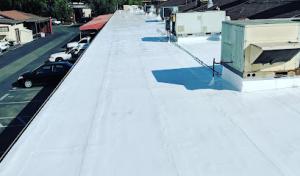
The City of Desert Hot Springs typically requires a building permit for a full roof replacement rather than treating it as minor work. That means your project should begin with the contractor submitting the permit package to the city, including details about the planned roofing system, attic ventilation, underlayment, and any unique features of the home's current structure. Because the sun and wind in this valley can accelerate material aging, the permit package should clearly outline the selected materials and the rationale for installing components that suit the local climate. Plan ahead so the city has time to review, since the long, hot days and dusty winds can complicate scheduling if approvals are delayed. Contractors commonly attach a scope of work, manufacturer specifications, and a contact person for follow-up questions, which helps keep the process moving on the desert calendar.
Inspections are performed at staged points throughout the project, with a final inspection required before final payment release. The first stage typically occurs after roof removal and basic deck prep, confirming that the roof deck is sound and ready for new underlayment. A mid-project inspection often checks underlayment installation, flashing details around penetrations, and the alignment of ridge and hip components. The final inspection verifies that the installed system meets local code and the manufacturer's requirements, then confirms that attic ventilation paths, intake, and exhaust vents are properly integrated with the new roof. Expect the inspector to review roof framing, vent stacks, and any roof-to-wall terminations, especially in homes with low-slope sections common to Desert Hot Springs. Weather-related scheduling can affect inspection timing, so maintain open communication with the contractor about upcoming inspection windows.
Some Desert Hot Springs roofing projects may also require verification of attic ventilation and underlayment standards during the approval and inspection process. Heat cycling and UV exposure increase the importance of a properly vented attic to prevent moisture buildup and heat soak in the attic space. Ensure the plan specifies a Ventilation strategy that meets current code and manufacturer guidelines, including the balance of soffit intake and ridge or ridge-vent exhaust. Underlayment should be rated for high heat and UV exposure, with installation that avoids gaps or misalignments that could trap heat or allow moisture intrusion. The inspector will look for continuous underlayment coverage, secure fasteners, and proper sealing around penetrations to protect against blowing dust and occasional rain that can occur during winter. Your contractor should provide product data sheets and installation details to support approval and pass-throughs at each staged check.
Prepare a complete, organized package for the permit submittal, including material specs, warranty information, and roof plan diagrams that show vent locations. Keep a dedicated schedule aligned with inspection dates, and have the contractor mark any weather-related constraints that could affect staged inspections. Because local conditions can stress roof systems quickly, verify that attic ventilation and underlayment choices are explicitly documented in the permit package and on inspection checklists. Finally, maintain good communication with both the contractor and the building department, so any corrections identified by the inspector can be addressed promptly and the project remains on track.
Tightening underwriting in California has rippled into desert neighborhoods, and that includes the heat-hardened roofs you see around town. Homeowners in this area face more scrutiny when a claim is filed or a renewal comes up, and the condition of the roof can tilt terms even though the climate is dry most of the year. The reality is that heat cycling, UV exposure, and windblown dust wear roofs differently, and insurers are paying close attention to that wear before backing coverage.
Insurers may request detailed roof condition reports, contractor estimates, and photo documentation before approving claims or renewing policies after roof-related issues. In practice, that means a simple note about a leak usually isn't enough to keep a claim moving or a policy intact. Expect requests for up-to-date inspections, records of previous repairs, and verified measurements of roof age and material condition. The goal is to show a clear, auditable trail of roof health and ongoing maintenance.
Because policy terms can vary and roof replacements may influence eligibility or premiums in certain zones, local homeowners need stronger documentation than a simple leak invoice. Photos should capture the entire expanse of the roof, edge conditions, flashing, and any signs of weathering or hail impact, if applicable. Written summaries from licensed contractors, dates of service, and a concise explanation of material condition versus expected life help insurers assess risk more reliably than scattered notes or informal estimates.
Practical documentation you'll want on hand includes a current, dated roof inspection report, a detailed contractor estimate for any needed work, and a chronology of maintenance tasks. Keep a consistent photo log showing seasonal changes and after-storm or wind events that may have affected the roof. When you communicate with your insurer, present this package as a cohesive, marketable record of roof health tailored to the harsh realities of local sun, dust, and occasional winter rain.
Connect with contractors who help homeowners navigate the claims process from damage assessment to final approval.
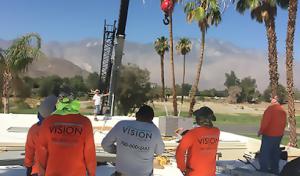
In this climate, the roof you replace is a signal that sun and heat have done more than age a few layers. Heat and UV exposure shorten material life and accelerate aging, so timing matters: install before the hottest stretch and before the first serious winter rain. A pre-season schedule gives you a window to inspect deck, flashings, and attic vents while you still have predictable weather to dry in a new roof.
Summer days in this valley press crews, materials, and sealants hard. Heat can make shingles soft, adhesives cure too quickly or unevenly, and handling asphalt or metal can become hazardous. If you must install in peak heat, plan early starts, frequent shade breaks, and a contingency for afternoon heat setbacks. Discuss with the contractor how tarps, storage, and material staging will work to minimize sun exposure on exposed edges.
Winter rain can delay tear-off or dry-in work, which makes pre-season planning important even though the city isn't a high-rain market. A rain front can stall sheathing checks, wrap flashing, or force a delayed roof deck inspection. If a dry-in is scheduled in late fall or early spring, build in a couple of weather contingency days and confirm tarps or temporary coverings are ready.
Many roofs fail gradually from sun exposure and only become obvious when weather shifts. A spring or early summer lull may reveal curling shingles, faded sealant lines, or loose flashings that were masked in dry, hot stretches. Seeing these signs early helps avoid a rushed summer job.
Set your target window at least a few weeks before peak heat or pre-winter rain. Coordinate with a contractor to align material orders and crew availability, and confirm that ventilation, underlayment, and sealants chosen are rated for the season. Build flexibility into your plan to accommodate a sudden weather shift.
Get a clear picture of your project costs upfront - no commitment required.
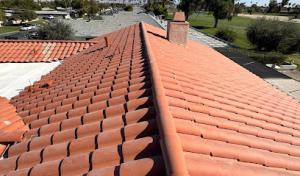
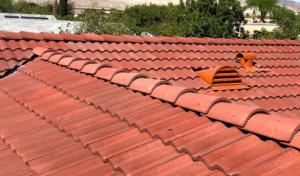
In this climate, leaks often pop up after long dry spells when the first heavy rain hits. Look for a contractor who can respond quickly, not just as a general fix-it crew but as a team that prioritizes prompt assessments and temporary protection if needed. Check how they communicate an initial ETA, diagnostic method, and expected timeline for a repair or replacement.
The local market shows a clear tilt toward re-roofing over new construction, so your best bet is a crew with documented replacement experience on the same or similar roof systems your home uses. Ask for recent projects that mirror your situation-tile-heavy desert architecture or low-slope surfaces. Confirm crew size, crew turnover, and whether the same lead supervisor will stay on the job from start to finish.
Because tile roofing and emergency repair are both highly represented here, verify the contractor's primary specialty matches your actual roof. If you have clay or concrete tiles, request photos and references from tile installations and replacements. If the roof is low-slope with membrane or overlay considerations, confirm experience with those materials as well. A specialty mismatch can mean longer downtime, improper overlaps, or brittle edge details under intense sun.
Ask about on-site logistics: how they secure a roof during a storm, how they protect interior spaces from dust and heat, and what temporary coverings they use. Confirm a clear plan for contingencies-unexpected wind, dust storms, or quick rain events-that keeps interior damage to a minimum and reduces the likelihood of urgent callbacks. A straightforward, written response plan is a strong signal of reliable, city-appropriate service.