Last updated: Apr 19, 2026
In this area, marine humidity and salt air attack metal flashings, fasteners, vents, and edge components more aggressively than inland markets. The salt can accelerate corrosion on aluminum and galvanized steel, making a once-simple flashing replacement into a recurring maintenance item. When you're inspecting a roof, start by focusing on where metal meets roof deck or wall transitions: rake edges, chimney crickets, vent bases, skylights, and along eave channels. Look for subtle signs of corrosion, pitting, or a chalky residue that indicates salt exposure seeping into coatings. If any flashing shows wear, plan for earlier servicing rather than waiting for a leak to appear. For new work, specify coatings and sealants rated for coastal chloride outdoor environments, and choose fasteners with corrosion resistance suitable for salt-laden air. In practical terms, you may want to favor stainless-steel or corrosion-resistant aluminum flashings and fasteners, especially around roof penetrations and edge details that catch salt spray during coastal winds.
The coastal air also brings higher humidity that can affect roof edge components more quickly. Valleys, eaves, and fascia boards benefit from a robust sealant plan that includes UV-stable, mold-resistant products. Edge metal should be continuous and properly sealed at joints to prevent salt-laden moisture from creeping under layers. When replacing or upgrading, consider heat-reflective coatings on metal elements to reduce thermal cycling that can loosen seals and accelerate corrosion. For asphalt or composite systems, ensure that edging and drip edges are compatible with coastal climates and do not rely on thin, easily corroded metals. A proactive approach is to inspect twice a year-after winter rains and before the first sustained Santa Ana winds-to catch early signs of wear before it culminates in leaks or flashing failures.
Santa Ana wind events in this county create uplift pressure on exposed edges, ridges, and lighter roofing assemblies, making fastening quality and edge detailing a bigger issue than in calmer inland markets. The wind forces can pry shingles or tiles at the upper edge and along ridges, especially on low-slope roofs or systems with longer, lighter profiles. When selecting materials, appreciate how weight, attachment, and interlocking details perform under gusts. Clay and concrete tiles, while durable, must be properly bedded and clipped to resist wind uplift; low-slope roofs and single-ply membranes need mechanical fastening or ballast designed for high-wind exposure. For metal roofing, ensure panel seams are double-locked and that fasteners feature pressure-sensitive sealing caps that resist air pressure fluctuations.
Reroofing timing, given Santa Ana risk, benefits from a staged approach. If a roof shows torn, curled, or missing edges, address those sections first to reduce uplift pathways. In a full reroof, plan for edge detailing that minimizes uplift: install continuous edge drip channels, use wraparound edge fasteners at the corners, and incorporate ridge and hip closures that tie into the deck with tight, weathered seals. When live winds are forecast, you want a system that stays watertight during a short-term event, not one that fails under a day's push. Have a clear plan for temporary protective measures during installation in windy periods-consider drift protections for loose debris and secure all components promptly to avoid wind-driven project delays.
Beyond the roof deck, ventilation matters. The coastal climate makes roof vents and ridge vents more critical for preventing heat buildup that accelerates material aging. Inadequate ventilation compounds UV exposure and wind-driven water infiltration risk. On reroofs, confirm that soffit intake and ridge exhaust are balanced for your roof geometry. A well-vented roof reduces the risk of composite or asphalt underlayment breakdown and helps maintain shingle or tile integrity under Santa Ana heat spikes. If you're upgrading venting, choose rust-resistant louvers and flashing that maintain their seal under temperature swings and wind load.
UV exposure and dry summers contribute to aging long before any freeze-thaw cycle shows up. Laminated asphalt shingles and some synthetic products perform well in heat, but edge detailing and fastener corrosion remain critical. When choosing a material, consider not only the aesthetics and short-term cost but also how the product handles heat cycling, wind uplift, and coastal exposure over the life of the roof. For tile systems, ensure the profile and clips accommodate wind loads in exposed coastal corridors. For low-slope replacements, select underlayment and roofing membranes rated for UV resistance and high wind uplift, with attention to edge seams and penetrations.
Finally, routine inspections should align with Costa Mesa's climate pattern: dry summers and mild winters mean the roof ages more from UV and wind than from frost. Schedule mid-season checks to catch UV-degraded sealants, cracked edge membranes, and uplift-prone fasteners before a Santa Ana event pushes them past their limit. A neighborly, proactive approach-tending edge detailing, sealing vulnerable joints, and choosing coastal-grade materials-keeps the roof resilient through the season's stressors.
Costa Mesa's housing stock leans into a diverse mix: clay tile, concrete tile, asphalt shingles, metal, wood shakes, and synthetic shingles. Tile remains especially relevant given Orange County's architectural styles and coastal climate. The mix means you'll often see transitions where a tile or shingle roof meets a low-slope section over a patio, garage, or modern addition. This layering isn't just aesthetic; it changes how water moves across a roof plane and where failure is most likely to begin. If you're evaluating reroof options, know that a tile roof doesn't always mean a tile-only rebuild-often the underlayment, flashing details, and the transition to flat membranes drive the long-term performance as much as the visible tiles.
Santa Ana winds and salty marine air can accelerate wear in ways that aren't obvious from the surface. In practice, this means material choices should favor systems with good wind uplift resistance and durable underlayment beneath the tiles or shingles. Tile roofs typically outlast the underlayment beneath them, so you may encounter lift-and-reset scenarios where the tiles are reusable but the underlying layer has reached the end of its life. When planning a reroof, consider the wind exposure paths across the roof-valleys, ridges, and transitions to low-slope areas where water can pool or shear forces concentrate. This is especially true for remodels that add low-slope sections; the new membrane must integrate seamlessly with existing tile or shingle surroundings to avoid hidden leaks.
Many homes feature low-slope areas over patios, garages, or contemporary additions. Leaks often originate at the junctions between a curved tile field and a flat membrane, or along the edge where tile overhangs a low-slope plane. A practical approach is to plan for a careful inspection of the edge details, flashing layers, and the interface where tile or shingles meet the membrane.
During diagnosis, expect to evaluate both the visible surface and the hidden seams. Tile and concrete tile roofs shed heavy rains well, but the underlayment beneath can wear out sooner in coastal conditions. When a roof is patched rather than fully replaced, the likelihood of ongoing water intrusion tends to rise if the underlayment has failed. If tiles are still sound but the underlayment age is uncertain, budget for possible lift-and-reset work or partial replacement of the membrane in high-risk zones like overhangs and transitions.
In this climate, metal and synthetic shingles offer high wind performance and good resistance to salt exposure, while clay and concrete tiles provide durability and a classic look that suits the local architectural language. Asphalt shingles remain a capable option for blends or additions, though their long-term performance in coastal wind exposure depends on fastener quality and roof-to-wall detailing. Costs vary by product class: asphalt shingles generally present a lower upfront price; clay and concrete tiles tend to run higher, with metal and synthetic options occupying a middle-to-high range depending on profile and finish. For low-slope areas, membrane choices and proper seamless integration with tile or shingle planes are critical to prevent recurring leaks.
If the budget allows, target a plan that combines a robust underlayment system with well-sealed transitions between tile or shingle fields and low-slope membranes. Invest in precise flashing at all penetrations, including vents, skylights, and roof-to-wall interfaces. Consider a test patch approach for marginal areas to verify wind uplift performance before committing to a full replacement, especially when tile is still in good condition but adjacent membrane work is necessary. This city's distinctive mix rewards thoughtful detailing that respects both the coastal environment and the architectural palette.
Find contractors who specialize in clay and concrete tile roofs, known for their durability and curb appeal.
Terrazas Roofing
(714) 951-0292 terrazasroofing.com
3200 Park Center Dr #1400, Costa Mesa, California
5.0 from 38 reviews
American Supreme Roofing
(714) 973-0000 www.americansupremeroofing.com
Costa Mesa, California
4.9 from 87 reviews
Dls Construction
(949) 270-5023 www.dls-construction.com
555 Anton Blvd suit 150, Costa Mesa, California
5.0 from 5 reviews

Terrazas Roofing
(714) 951-0292 terrazasroofing.com
3200 Park Center Dr #1400, Costa Mesa, California
5.0 from 38 reviews
Since the day we opened our doors, Terrazas Roofing has been dedicated to making sure our community is always protected from the weather outside.
American Supreme Roofing
(714) 973-0000 www.americansupremeroofing.com
Costa Mesa, California
4.9 from 87 reviews
American Supreme Roofing welcomes you. We are a third generation roofing company, that is family-owned and operated revolutionizing the roofing industry with modern high-quality roofing solutions. Although this is a new generation our team and crew members have over 30yrs of experience in this industry. Our main office is located in Santa Ana, CA, 92704, but we serve all of Orange County. With American Supreme Roofing we prioritize your safety and satisfaction above all.

Master Roofing
(949) 392-6853 master-roofinginc.com
2131 Placentia Ave Unit A, Costa Mesa, California
4.7 from 148 reviews
The experts working for Master Roofing have a combined experience of more than 30 years in residential and commercial roofing. We are proud to be one of California’s most notable residential & commercial roofing companies. It’s only been possible for us to reach this level of success due to the dedication of our employees and the relationships they have developed with our clients. In the Southern California region, we serve Los Angeles, Orange, Ventura, San Bernardino, Riverside, and San Diego Counties. Our headquarters are located in Irvine however we utilize satellite facilities located in Northern Los Angeles County, San Bernardino County, and Northern California.

ANR Roofing & Waterproofing
(949) 836-2479 www.anrroofing1.com
670 W 17th St Suite 36, Costa Mesa, California
5.0 from 15 reviews
At ANR Roofing and Waterproofing we pride ourselves on being amongst the best roofing contractors around. With over 15 years in the industry, we have successfully tackled a wide range of roofing challenges. From repairs to installations, we have the expertise needed to handle any job, no matter how complex.

HP Commercial Roofing Pro Costa Mesa
(909) 521-1285 hproofingpro.com
2458 Newport Blvd #C, Costa Mesa, California
5.0 from 7 reviews
As a premier commercial roofing contractor in Costa Mesa, we specialize in reliable roofing services tailored for businesses in Orange County. Count on us for on-time and budget-friendly solutions to protect your investment and enhance your property's value.
Dls Construction
(949) 270-5023 www.dls-construction.com
555 Anton Blvd suit 150, Costa Mesa, California
5.0 from 5 reviews
Transform your home's protection and curb appeal with our expert roofing solutions! We specialize in delivering top-notch service. As an authorized Owens Corning installer, our skilled team ensures durable, weather-resistant roofs that stand the test of time. Experience peace of mind and unmatched reliability with our warranties.
ARROW ROOFING SERVICES Costa-Mesa
2208 Placentia Ave unit b, Costa Mesa, California
4.6 from 9 reviews
Arrow Roofing Service in Costa Mesa, California, is your trusted provider for comprehensive roofing solutions. With years of experience serving the local community, we are committed to delivering top-quality craftsmanship and exceptional service for all your roofing needs. Whether it’s a new roof installation, repair, or routine maintenance, our skilled team ensures every project is completed with precision and care. Why Choose Arrow Roofing Service? Expert Craftsmanship: Our team of experienced professionals brings unmatched expertise to every job. Quality Materials: We use only the highest-grade materials to ensure your roof stands the test of time. Reliable Service: Known for our punctuality, clear communication, and dedication
Jason Smith Roofing
(949) 922-0512 jasonsmithroofing.com
Serving
5.0 from 44 reviews
Have you been told you need a new roof? Nearly 90% of our inspections justify repairs before a replacement. Got a small job that was turned down by the big guys? We’re on it. If it’s a problem for you, it’s a problem for us. Trust is everything when it comes to who you hire to keep your family safe. That’s why your roof inspection will always include pictures with detailed marks and notes of our findings. In many cases, we use aerial (drone) photography to inspect steep or fragile roofing systems. Considering buying or selling your home? We work with home inspectors and real estate agents regularly as their go-to roofer they can trust.
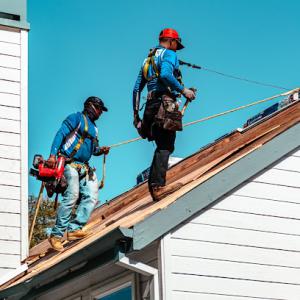
Antis Roofing & Waterproofing
(949) 461-9222 www.antisroofing.com
Serving
4.8 from 429 reviews
At Antis Roofing, we’ve spent 35 years keeping families safe and dry with expert roofing solutions for HOAs across SoCal. Our commitment goes beyond just great workmanship—we believe in making a difference. From blood drives to supporting Ronald McDonald House and disaster relief efforts, we’re here to protect both homes and communities. If you’re looking for a trusted roofing partner in Southern California that delivers quality, integrity, and heart, we’re ready to help!
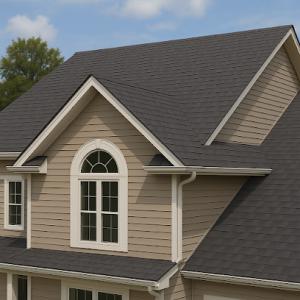
My Home Performance
(949) 797-6207 myhomeperformance.co
Serving
5.0 from 25 reviews
My Home Performance offers premium roofing and HVAC solutions, elevating the comfort and efficiency of your Irvine home. As a trusted local contractor, we specialize in a comprehensive range of services, ensuring your living space is perfectly insulated and climate-controlled. Our dedicated team is committed to delivering exceptional craftsmanship and unparalleled service, giving you peace of mind with every project. We're proud to be a cornerstone of the community, providing reliable home performance upgrades that stand the test of time.

Fox Roofing Company
(949) 520-1555 foxroofingteam.com
Serving
5.0 from 69 reviews
Fox Roofing Company is the leading roofing contractor in Irvine, providing premium roof replacements, leak repairs, and inspection services throughout Orange County. Our team delivers fast, high-quality roofing solutions designed for long-term protection. With years of experience and a reputation built on trust, our Irvine-based roofing contractors combine skilled workmanship with quality materials to protect your home from Orange County weather. Local homeowners choose Fox Roofing Company for fast response times, clear estimates, and an expert roofing team. If you’re in Irvine and searching for a roofing contractor who gets it done right the first time, we are the team to call.
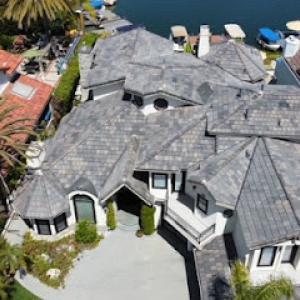
One Stop Roofing
(714) 277-4555 1stoproofing.com
Serving
5.0 from 151 reviews
Welcome to One Stop Roofing, a locally owned and operated business proudly serving Anaheim, Covina, Downey, Fullerton, Garden Grove, Santa Ana, and surrounding California areas for over 14 years. Known for upholding the highest industry standards, we specialize in Roofing Contractor services, including Metal Roof Service, Asphalt Shingle Installation, Roof Replacement, and Residential Roofing. Our commitment to quality is backed by a 5-star rating and glowing client testimonials. Whether you need repairs, replacements, or maintenance, our expert team is here to provide durable, weather-resistant solutions tailored to your needs. Contact us today for reliable roofing expertise you can trust!
Spring to early summer is generally the most favorable replacement window in Costa Mesa because conditions are drier and more predictable before peak summer heat and later wind events. This timing helps maximize shingle and underlayment life, reduces the chance of sudden weather interruptions, and gives your roof a solid cure period before the hottest days. When planning, target the stretch from late March through early June to align with calmer Santa Ana risk and to avoid the late-summer heat spike that can stress new materials.
Winter rain in coastal Orange County can interrupt tear-off schedules and leave exposed decking or underlayment vulnerable if crews are delayed between inspection stages. In practice, that means you want a window with a dry forecast for the bulk of the work and for the critical sequences-tear-off, dry-in, and final inspection passes-to line up without backtracking. If a storm rolls in mid-project, expect staged delays to minimize deck exposure and to protect underlayment from moisture intrusion. In Costa Mesa, that usually means watching the weekly forecast and locking in a block of work days rather than chasing a single dry day.
Coastal air and Santa Ana wind exposure change the math on material choice and installation details. Heavier tile systems (clay or concrete) fare better against gusts when fasteners and battens are installed with high-quality seals and proper nailing schedules. If your home is susceptible to afternoon wind shifts, you'll notice the value of reliable underlayment and well-sealed flashing during the dry season ramp-up. In practical terms, talk through fastener type, clip or interlock systems, and sealant compatibility with your contractor so the roof can resist wind-driven leakage as soon as you're back to daily temperatures climbing into the 70s and 80s.
Hotter summer periods can accelerate wear on sealants and underlayment when attic ventilation is poor, making ventilation upgrades especially relevant during reroofing. If the attic currently has limited air movement, plan for vent improvements as part of the reroof project. Roofs with tile or metal coverings benefit from integrated soffit and ridge vent strategies that keep the underside of the roof cooler and reduce moisture buildup. This is not only a comfort upgrade but also a durability move that protects the new roof's seals in the long run.
Begin with a tight, dry stretch in spring, align tear-off with forecasted dry days, and avoid mid-summer heat spikes. If winter rain threatens, schedule flexible windows to absorb weather delays without exposing bare decking for too long. For homes with low-slope reroofs, lock in a ventilation upgrade plan early in the project so the attic can breathe as soon as the new roof is in place. In all cases, coordinate with a local crew familiar with coastal moisture and wind patterns to ensure fasteners, underlayment, and sealants work together under Costa Mesa's specific conditions.
When you can't wait, these contractors offer fast response times to stop leaks and prevent further damage.

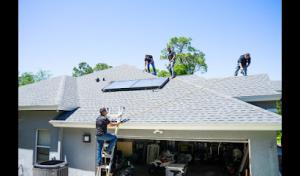
In this coastal mix of salty air and Santa Ana winds, the roof you pick isn't just about curb appeal-it affects durability, energy use, and how long between reroofs. Asphalt shingles sit in a sweet spot for cost, but coastal conditions can push outcomes toward more durable options if wind exposure or salt intrusion is high. Metal roofs resist wind and salt but cost more upfront. Tile roofs, whether clay or concrete, handle heat and wind well but come with higher installation and potential maintenance considerations, especially when the roof is older or sits low-slope in a tie-in. Synthetic or composite shingles offer a middle ground with decent longevity at a moderate price. The local ranges below give you a baseline, and you'll see how those numbers shift when you factor removal, tie-ins, or fastener work.
For asphalt shingles, expect a typical spread of 350 to 650 per square. Metal roofs run higher, about 700 to 1100 per square, reflecting the need for corrosion-resistant fasteners and longer spans. Clay tile is at the upper end, roughly 900 to 1700 per square, driven by material stiffness, weight, and the labor required to reboard and reseal properly on a coastal home. Concrete tile sits in the 800 to 1300 per square range, offering good wind performance but also demanding careful installation. Wood shingles or shakes land around 700 to 1200 per square, where decay resistance and careful sealing matter in coastal air. Synthetic or composite shingles are the most affordable among the premium options, typically 450 to 900 per square, with the advantage of lighter weight and easier handling.
Costs in Costa Mesa often rise when older tile roofs require careful removal and reset, when low-slope tie-ins are present, or when corroded coastal fasteners and flashings must be replaced rather than reused. The salt air accelerates fastener corrosion, which means more hardware changes and sometimes rework to ensure a watertight finish. If your home has a wrap-around parapet or multiple penetrations for vents and skylights, expect additional labor. Additionally, Orange County labor pricing, permit processing, and demand spikes after winter storms or wind events can push reroof bids upward compared with less coastal inland markets.
Start with a material-backed budget using the per-square ranges above, then build in a contingency for removal or refastening of old tile, plus any necessary reseal of edge metal and drip edges. If you're weighing tile versus metal, factor in weight and structure: clay and concrete tiles demand a stronger deck and possibly reinforcement, which affects bid timing and overall cost. For low-slope sections, pay attention to the transition details where water sits longer and flashing needs extra attention. In the end, you'll want a plan that balances wind resilience, coastal durability, and the long-term energy performance your home expects.
The most popular roofing material in the US. Find pros who install, repair, and replace asphalt shingles.
American Supreme Roofing
(714) 973-0000 www.americansupremeroofing.com
Costa Mesa, California
4.9 from 87 reviews
Dls Construction
(949) 270-5023 www.dls-construction.com
555 Anton Blvd suit 150, Costa Mesa, California
5.0 from 5 reviews
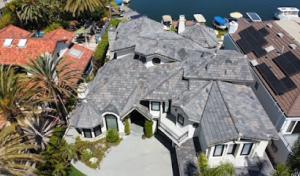
Full reroofs in this market are often treated as more than routine maintenance. The Building Division typically requires a formal permit and plan review for a complete roof replacement, not just a patch or cosmetic update. That means you should budget real lead time for a plan review, not a quick drop-off and go. Reroof projects carry expectations for material performance and installation details that align with local conditions-coastal salinity, wind exposure, and stringent energy checks for ventilation and insulation. Enter the process prepared with roof measurements, product specs, and a clear ventilation strategy tailored to the home's attic layout.
After plans are submitted, plan review will assess attachment methods, roof deck condition, and how the new system integrates with existing vents and attic spaces. Once a permit is issued, inspections occur at key milestones. The first inspection is typically at underlayment or rough stage to verify deck integrity, underlayment choice, and proper starter and edge detailing. A second inspection happens at final completion, when the installer should demonstrate proper fastener patterns, flashing transitions, and vent connections. Delays can arise if the review uncovers gaps between the intended tile or shingle system and the home's roof geometry or existing penetrations. Expect some back-and-forth to align with local wind and energy requirements.
Ventilation and insulation are not afterthoughts in this climate. Inspectors commonly verify venting adequacy for the attic, ensuring soffit and ridge vents, baffles, and insulation levels meet code and energy checks. Local wind-uplift compliance is another critical focus, given Santa Ana exposures and marine air that can affect fastener performance and tile or shingle seating. If the house uses tile or low-slope systems, fastener patterns and sealant choices will be scrutinized to withstand salt air and wind-driven rain. Missing or improper venting, insufficient insulation, or misaligned underlayment can trigger rework requests, not just a re-inspection fee. Prepare for potential coordination with a licensed HVAC or insulation contractor to satisfy the inspection checklist and avoid cascading delays.
Find contractors who integrate solar panels or solar shingles into your roof for long-term energy savings.
Dls Construction
(949) 270-5023 www.dls-construction.com
555 Anton Blvd suit 150, Costa Mesa, California
5.0 from 5 reviews
DK Commercial Roofing of Irvine
(949) 541-5706 www.dkroofingorangecounty.com
Serving
5.0 from 12 reviews
California's insurance market has tightened in both wildfire-prone and coastal areas, so homeowners in this city may face more scrutiny over roof age, condition, and material type during renewals or claims. A roof nearing the end of its expected life or one with visible wear can trigger higher premiums or even non-renewal notices, especially if the roof uses older or less durable materials in a high-salt, windy environment. When you shop or renew, be prepared to discuss recent maintenance, sealing, ventilation, and any upgrades that reduce risk from moisture intrusion and wind uplift.
After a storm, insurers often want thorough photo documentation, maintenance history, and a clear timeline showing when leaks or visible damage first appeared. Coastal air accelerates corrosion on metal fasteners and underlayment, and Santa Ana winds can create micro-damage that isn't obvious at first glance. Proactively keeping a dated photo log: the condition before a storm, preventive measures you took, and any temporary protects can streamline the claim process. If you've recently reroofed in a material like clay tile or concrete tile, have records showing tile installation, fastener types, and flashing improvements to support your case.
Higher deductibles and narrower coverage terms make it more important in Costa Mesa to distinguish sudden storm damage from long-term coastal corrosion or deferred maintenance. A wind-driven shingle or tile displacement may be treated differently than gradual rust, salt seepage, or lime buildup that weakens the roof deck over years. When evaluating replacement timing or discussing options with insurers, consider how coastal exposure and marine air influence degradation rates for your chosen material-tile and metal behave differently under Santa Ana gusts and salty spray, which can affect both coverage decisions and out-of-pocket costs.
Connect with contractors who help homeowners navigate the claims process from damage assessment to final approval.
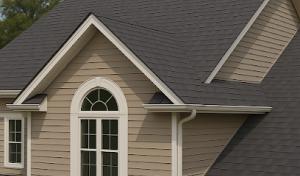

In Costa Mesa, salty air can shorten the life of exposed metal accessories such as valley metal, flashing, drip edge, vents, and fasteners even when the main roof covering still looks serviceable. The combination of marine salinity and humidity accelerates oxidation, so you may notice dulling, staining, or small bloom around metal junctions long before you see deterioration on the tile or shingles themselves. Focus on the exposed metalwork where wind-driven spray or sea breeze can deposit salt directly onto surfaces.
Fastener corrosion is especially important on metal roofs and on tile systems where accessory metals and attachment points may fail before the field material does. Look for rust on screws, nails, and the clips that hold underlayment and tile in place. In tile roofs, fasteners can be buried under overlapping tiles, so occasional concrete- or mortar-like staining around penetrations can signal hidden corrosion. If you see staining around fasteners or hear a slight movement of loose tiles in windy spells, it's a strong cue to inspect the attachment system more closely.
Homes closer to the coast or with stronger marine exposure often need closer inspection of penetrations and roof-edge metals than inland Orange County homes. Valleys and drip edges near eaves and rake edges are particularly vulnerable to salt-laden spray and Santa Ana gusts. Pay attention to corrosion around vent collars, plumbing vents, skylights, and chimney flashings where wind-driven moisture can concentrate salt at contact points. Early signs-tiny rust specks, calcium-like buildup, or loose flashing-warrant proactive replacement rather than waiting for a full reroof.
Because corrosion can progress invisibly, schedule targeted inspections after significant coastal wind events or heavy sea breezes. When you inspect, test for softness or movement around flashings and fasteners, and check for discoloration at any seam lines. If metal components show even light corrosion, plan for replacement with corrosion-resistant options or upgraded attachments before the next reroof cycle. This combination of vigilant edge detailing and timely fastener upgrades helps shield the more resilient roof field from premature wear.
Explore specialists in steel, aluminum, and standing seam metal roofs built to last 50 years or more.