Last updated: Apr 19, 2026
The relentless desert UV and brutal summer heat hit roofing materials with a force that cooler inland California cities don't experience. In this climate, asphalt shingles, tiles, and membranes bake daily for months on end, accelerating chalking, granule loss, and color fading. The result is a much shorter window of reliable service life if aging isn't accounted for in selection, installation, and maintenance. The high daytime highs and intense sun also push sealants, underlayment, and fasteners toward premature degradation, increasing the odds of leaks or wind-driven damage after only a decade or so in some cases. When a roof in this area reaches the middle of its expected life, you must treat the remaining service as a heat-accelerated time bomb rather than a long, easy stretch.
In a hot, sun-drenched climate, replacing a roof is not a project to schedule haphazardly. Cooler shoulder seasons are the smart window, because extreme summer heat can affect installation quality and material performance. You'll want to align replacement with days that allow crews to work in comfortable temperatures, maintain precise sealants, and perform critical tasks-like bedding, rafter-to-sheathing nailing, and shingle or tile setting-without the heat-induced expansion and contraction fighting you. Planning ahead for fall or early spring installation helps ensure longer-lasting performance and minimizes the risk that heat-induced delays or onsite weather swings push your project into rushed, lower-quality outcomes.
Very hot summer temperatures shorten workable daylight hours for roofing crews and force changes in how materials are staged, handled, and sealed on the roof. Heat can soften asphalt and some underlayment products, making them more susceptible to wrinkling or back-rolling mistakes if installation crews rush to beat the clock. Tile and concrete systems are not immune: heat can affect grout setting, mortar consistency, and fastener seating. When temperatures spike, crews may need to pause during the peak heat window, shift to moisture-guarded staging, or adjust ventilation and temporary shading on the job site. These adjustments aren't cosmetic-done properly, they preserve the roof's long-term performance and limit early-life failures.
In this climate, the long game favors materials with proven UV resistance and heat tolerance. Light-colored or reflective surfaces help reduce heat gain, while robust granule or glaze finishes resist baking away. For tile roofs, ensure ASTM-rated underlayment and high-sealing methods to counter continual sun exposure. Metal roofs, clay tiles, and concrete tiles each respond differently to UV and heat; a local pro can tailor choices to your home's slope, exposure, and prevailing winds. If you anticipate a near-term replacement, consider systems designed for accelerated aging in desert environments, coupled with installation practices that emphasize sealant longevity, fastener corrosion resistance, and wind uplift resilience.
Heat-and-UV wear doesn't stop after installation. Regular inspections should target the most sun-exposed surfaces, flashing integrity, and any signs of granule loss or tile cracking. In the dry, dusty environment, dust buildup becomes a performance factor that can trap heat and hide small leaks. Schedule quarterly checks during hot months and after any major dust events or windstorms. Early detection of small issues translates into smaller repair scopes and preserves the roof's life in a climate where aging accelerates quickly. If you're approaching a replacement window, tighten inspection cycles to catch wear before it undermines your chosen system's long-term resilience.
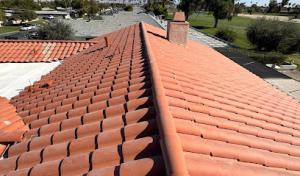
Tile roofing stands out as a major local specialty, matching the prevalence of clay and concrete tile on Spanish, ranch, and desert-resort style homes. The combination of relentless desert UV and blistering summer heat accelerates wear on tile and the underlayment beneath. In this climate, your roof isn't just a shield from sun and dust; it's a climate-control system that has to endure frequent temperature swings and wind-driven debris. The result is a roof that often looks good from the street but hides aging underlayment or slipped field tiles, especially on roofs with a strong mid-century or desert-modern aesthetic.
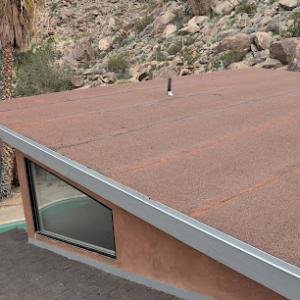
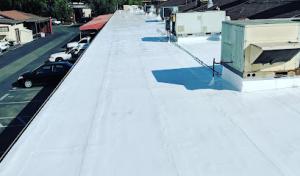
Desert-area homes typically pair tile with low-slope or flat sections. Clay and concrete tiles are common in the more traditional barrel-and flat-tile mix, while flat-roof and low-slope work is a meaningful local niche for mid-century modern and desert contemporary designs. Those low-profile rooflines handle heat and airflow differently than steep tile roofs, so the maintenance mindset shifts toward drainage, membrane condition, and fastener integrity rather than purely cosmetic tile care.
Start with a careful walk-through after the dry season when heat has baked out most moisture. Look for broken, chipped, or slipped field tiles across the main plane and along ridge lines. A single cracked tile can allow heat and moisture to travel into the underlayment, accelerating deterioration. Check for mortar or sealant joints that appear cracked or darkened, signaling water ingress or UV degradation. On tighter, low-slope sections, inspect for perched water rings or sags that could indicate drainage problems or debris buildup.
For underlayment aging, you'll often see signs on the attic side: stained or wavy sheathing, or a musty odor indicating moisture past the tiles. On tile roofs, underlayment failure can sneak up under a seemingly sound surface, especially where tiles aren't fully covering the slope or where undersized fasteners have loosened over time. Drainage, meanwhile, matters just as much as tile condition: if dry debris blocks valleys or scuppers, water can back up on the low-slope areas, underscoring the need for timely cleaning and proper flashing.
Low-slope sections in Palm Springs homes demand particular attention to drainage. Valley gutters, scuppers, parapets, and edge details should shed water away efficiently without ponding. If the membrane shows blisters, cuts, or granule loss from UV exposure, it's a sign that the protective surface is thinning and needs attention before leaks develop. Inspect flashings at transitions between tile and low-slope membranes; gaps or puckering in metal flashings, sealant failures, or loose fasteners are common failure points in the desert sun.
1) Do a visual sweep of the roof, noting any cracked, chipped, or displaced tiles and any darkened or powdered areas indicating UV wear. 2) From below, check for staining or soft spots in the ceiling or attic that hint at hidden leaks or underlayment aging. 3) Clear debris from valleys, scuppers, and edge gutters to maintain proper drainage on low-slope sections. 4) Examine flashing at roof joins, chimneys, and transitions between tile and membrane; reseal or replace as needed to preserve watertightness. 5) On a schedule aligned with heat cycles, plan a professional roof evaluation that distinguishes field tile issues, underlayment aging, and low-slope drainage concerns so replacement timing can be accurately determined.
Because tile roofs are so prevalent here, it's common to see a mix of tile ages on the same home. A thoughtful approach recognizes that a portion of the roof may be performing well while another area shows early signs of underlayment aging or drainage stress. Prioritize the sections most exposed to sun and wind-often the southern and western exposures-and maintain a cadence of inspections that aligns with the harsh desert season. This targeted care helps extend life and maintain the distinct, sunlit character of Palm Springs roofs.
Find contractors who specialize in clay and concrete tile roofs, known for their durability and curb appeal.
Desert Roof Concepts
(760) 417-6292 desertroofconcepts.com
180 W Oasis Rd, Palm Springs, California
4.9 from 87 reviews
Desert Roof Concepts
(760) 417-6292 desertroofconcepts.com
180 W Oasis Rd, Palm Springs, California
4.9 from 87 reviews

Foam Roofing Experts of The Desert - Best Foam Roofing Services in Palm Desert, Indian Wells, Palm Springs & Rancho Mirage
(760) 333-3556 thefoamexperts.net
Serving
5.0 from 130 reviews
Welcome to Foam Roofing Experts of The Desert, your top Roof Inspection Company in Palm Springs. We deliver premier foam roofing repair, reconditioning, and installation services for commercial and residential properties at the most affordable rates. Our foam roofing solutions provide excellent protection from heat during summer and moisture in the rainy seasons, enhancing your property’s aesthetic appeal. Also, we offer comprehensive solar panel cleaning and expert roofing certifications to ensure safer home buying and selling processes. Renowned for the best roof inspection services in Cathedral City, we are dedicated to ensuring the longevity and safety of your roof. Trust Foam Roofing Experts of The Desert for all your roofing needs.
Classic Roofing
Serving
5.0 from 4 reviews
Roofing Contractor serving the Coachella Valley.
Quality & Secure Roofing,Inc
Serving
5.0 from 13 reviews
Quality & Secure Roofing is a licensed roofing contractor (License #1120120) serving Riverside County and San Bernardino County. We specialize in shingle roofing, foam roofing, roof repairs, and re-roofing services. With over 11 years of experience, we provide fast, honest, and secure roofing solutions in Cathedral City, Palm Desert, Indio, and surrounding areas.”
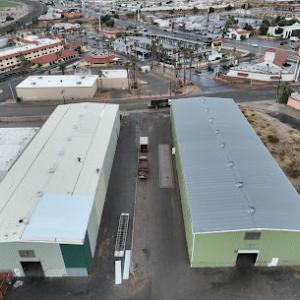
First Division Roofing
(760) 534-3902 www.firstdivisionroofinginc.com
Serving
5.0 from 15 reviews
First Division Roofing provides top-tier commercial and residential roofing solutions for homes and businesses in Cathedral City, California and surrounding communities. Specializing in everything from roof inspections, new roof installations to expert roof repairs, advanced coatings, and comprehensive waterproofing, we offer cutting-edge roof solutions designed for both affordability and efficiency. First Division Roofing prioritizes quality and durability while ensuring your property remains protected from the elements. Experience personalized attention and expert guidance throughout the entire process, knowing your roofing project is in the best hands. Invest in a roof that will endure, providing lasting peace of mind.
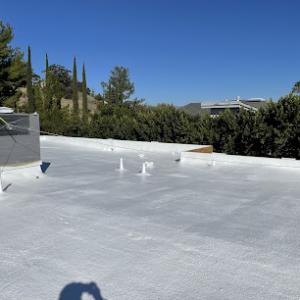
RB Roofing
(760) 898-2434 rbroofingllc.com
Serving
5.0 from 42 reviews
RB Roofing is your trusted partner in top-quality roofing solutions. With a commitment to excellence and unmatched expertise, we specialize in providing comprehensive roofing services tailored to meet the unique needs of our clients
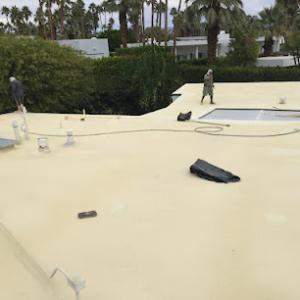
Valley Urethane Foam Roofing
(760) 321-0830 valleyurethanefoamroofing.com
Serving
5.0 from 8 reviews
SPECIALIZING IN ENERGY-EFFICIENT FOAM ROOFS! Valley Urethane Foam Roofing is a leading provider of sprayed urethane foam roofing. We can service any project large or small. We provide service for the entire Coachella Valley area from Indio, Palm Desert, La Quinta, Palm Springs, Cathedral City & nearby cities! We’ve been in the roofing business for more than 30 years. With decades of experience in the industry, we focus on providing responsive and informative customer service. In addition, we are personally invested in every job we do – we make sure that your home and property are safe from over spray, construction debris and other damage. We take pride in being 100% accountable for our work.
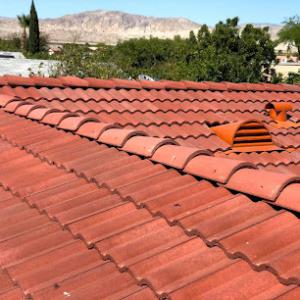
Supreme Roofing
(760) 485-8218 www.supremeroofingofpalmdesert.com
Serving
5.0 from 10 reviews
Top quality roofing work in the Coachella Valley. Why wait for a leak ? Give us a call now for a free estimate.
Care Roofing Inc of Palm Desert
(760) 463-9921 careroofingsolutions.com
Serving
5.0 from 29 reviews
Care Roofing is a fully licensed and insured roofing company located in Palm Desert, CA. We are dedicated to providing high-quality roofing solutions to our customers. We understand that your roof is one of the most important parts of your home or business, and we work hard to ensure that it is always in top condition. Our services include repair, maintenance, and installation of new roofs. We use only the best materials and techniques to ensure that your roof is durable and long-lasting. We also offer free estimates, so you can get an idea of the cost of your project before we begin. Call us today to schedule a consultation and see how our experienced roofers in Palm Desert can help you protect your property.
Rancho mirage roofing
(760) 832-2013 www.ranchomirageroofing.com
Serving
4.8 from 31 reviews
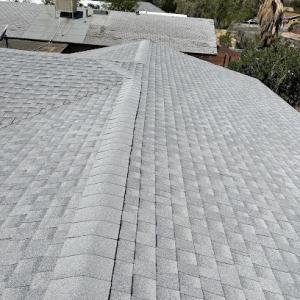
A family of local roofing professionals serving the Coachella Valley since 1976 Installing all types of roofing systems on residential and commercial properties
Vision Roof Services
(844) 348-7663 visionroofservices.com
Serving
4.8 from 39 reviews
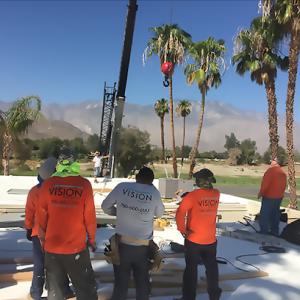
Vision Roof Services (VRS) is a licensed and insured roofing contractor serving Palm Desert, Palm Springs, Coachella Valley, Orange County, Riverside County, San Diego, Los Angeles, and surrounding Southern California areas. We specialize in commercial and residential roofing; spray foam, tile, flat, solar, and more. Our polyurethane spray foam (SPF) systems deliver superior insulation, leak prevention, and energy efficiency for long-term protection. VRS works closely with property owners, builders, and managers to deliver precision workmanship and reliable roofing solutions that raise property value and ensure structural integrity for all desert roof concepts. Call or message Vision Roof Services today for your free inspection!

Reliable Roofing
(760) 568-1673 reliableroofingbytgy.com
Serving
4.2 from 45 reviews
Reliable Roofing serves the entire Coachella Valley including Palm Desert, Palm Springs, Indian Wells, Rancho Mirage, Indio, Indio Hills, Bermuda Dunes, Desert Hot Springs, Sky Valley and La Quinta areas with new or replacement roofs for residential and commercial properties. Every project we take on is performed by a small dedicated team of highly skilled roofers. Contact us today!
Palm Springs experiences fall wind events that can disrupt staging and handling of roof materials during active projects. As the furnace-like heat settles and the Santa Ana-like gusts shift into the valley, soft underlayment, exposed fasteners, and loosely staged components become easy targets. This is not a generic wind advisory-it is a call to anticipate how desert-air dynamics can flip a small vulnerability into a full-blown leak crisis within just a few hours. If a crew is tacking underlayment or hauling shingles on a ladder while a mid-afternoon gust hits, the chance of a misaligned edge or a feathered tile seam goes from manageable to dramatic. You and your crew should schedule critical staging and material movement for calmer morning or late-evening windows and secure any loose bundles immediately.
Wind in the Coachella Valley can turn minor roof vulnerabilities into urgent leak situations by lifting edges, shifting tiles, and driving dust into roof penetrations. Tile and low-slope desert-modern roofs are especially susceptible when fasteners loosen or small gaps widen. The moment dust carries grit into penetrations or a lifted edge exposes underlayment to the sun, you're looking at accelerated degradation. In these conditions, what seemed like a routine wind gust can create a pathway for water intrusion that travels along rafters and into attic spaces. In short, the desert wind is a leak amplifier: a tiny flaw becomes a major risk quickly, and you must treat any loose edge, chipped tile, or opened seam as an active emergency.
Emergency repair is a strong local service category in Palm Springs, reflecting homeowner demand for fast tarping and leak response after wind-related roof problems. When a gust hits, immediate tarping and temporary sealing can stop the cascade of damage while you arrange a permanent fix. Keep a ready-to-deploy tarp kit and a weather-ready plan: know who to call for 24/7 tarping, where to stage tarps so they won't blow away, and how to seal around vents or penetrations without trapping moisture. After a wind event, perform a quick but thorough inspection: walk the perimeter, check for lifted edges, cracked tiles, loose penetrations, and any dust-filled seams. If you notice any immediate leakage or active pooling, treat it as urgent and activate the emergency repair chain without delay.
When you can't wait, these contractors offer fast response times to stop leaks and prevent further damage.

Foam Roofing Experts of The Desert - Best Foam Roofing Services in Palm Desert, Indian Wells, Palm Springs & Rancho Mirage
(760) 333-3556 thefoamexperts.net
Serving
5.0 from 130 reviews
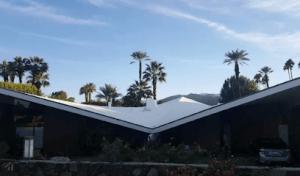
In this climate, roof life is shortened not just by heat but by the combination of relentless UV and high daytime temperatures. The best long-term outcomes hinge on scheduling reroof work when installation conditions are stable and predictable. Shoulder seasons-when daytime highs are comfortable and nights are cooler-offer better adhesion for underlayment and faster, safer work, especially for crews handling tile or metal systems common on desert-modern homes. Planning for these windows helps avoid unnecessary heat stress on workers and on the materials themselves.
Aim for projects to begin during the late spring or early fall, when temperatures are moderate and roof coverings can dry in more evenly. This approach reduces the risk of rapid expansion or warping from extreme daytime heat, and it minimizes the chance of heat-related challenges during tear-off. If a stormier week is forecast, shifting a day or two can prevent tarps from battling wind-driven dust or sudden downpours, preserving the integrity of the roof deck and new layers as they go down.
Extreme heat and seasonal wind are constants in this area. Wind can complicate tear-off and material delivery, blowing dust into exposed fasteners and delaying progress. Even though the desert is drought-prone, occasional winter rain in Palm Springs can slow progress and require tarping and waterproofing adjustments. When planning, build a buffer for wind shifts and the possibility of a rain event that necessitates additional drying-in time or temporary waterproofing measures.
Coordinate tear-off to start after the coolest part of the day in shoulder-season windows, with a dry-in phase scheduled before the hottest weeks arrive. Material delivery should be consolidated to a few tight windows to reduce exposure of exposed roofing decks to sun and dust. For tile or shake installations, ensure the underlayment and fasteners are compatible with high-UV exposure and potential thermal cycling. Align crew shifts to avoid the peak heat of day, and plan for contingency days to absorb wind or brief rain delays without compromising the project timeline.
Get a clear picture of your project costs upfront - no commitment required.
Desert Roof Concepts
(760) 417-6292 desertroofconcepts.com
180 W Oasis Rd, Palm Springs, California
4.9 from 87 reviews
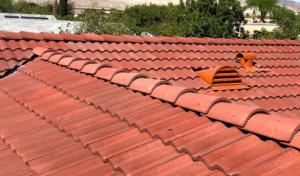
In this desert environment, clay tile and concrete tile are the common language of reroofing. They're heavier systems that require accurate weight support, specialized fasteners, and careful installation on sun-bleached structures. When you compare costs, note that these materials often come with higher labor requirements, longer lead times for delivery of large tiles, and more careful handling to prevent breakage. As a result, the typical cost per square foot for clay tile or concrete tile tends to sit higher than basic asphalt shingle work, reflecting both material and the skilled labor needed to install durable, heat-tolerant roofs in a sizzling climate.
Palm Springs summers push production toward cooler seasons because very high daytime temperatures slow concrete and clay tile setting, and can age underlayment more quickly if installed in peak heat. That means labor crews often schedule reroofing projects for shoulder seasons, which can extend the overall project timeline and impact pricing due to scheduling and overtime considerations. When planning, expect underlayment and tile-specific components to be priced with heat-related labor adjustments in mind. The result is a tendency for longer install windows and, over the life of the roof, a shift toward heavier, more labor-intensive systems that can drive up both cost and maintenance needs.
Low-slope or gently pitched desert-modern homes are common in this area and change the math. Tile underlayment replacement becomes more frequent than on steeper homes because wind-driven dust and UV exposure accelerate wear at joints and fasteners. Wind handling adds logistics: safer tile transport, careful staging on roofs, and sometimes temporary protective measures. These factors increase handling labor and material waste, nudging overall costs higher than a straightforward steep-slope reroof. In practice, expect underlayment upgrades and meticulous seam work to be a recurring cost driver for these styles.
The combination of heavyweight clay or concrete tiles with the region's heat cycle means crews must plan for slower production in peak heat and more precise, labor-intensive installation. This translates to higher labor hours per square and, in turn, a higher price tag compared with lighter systems. If a project lands during late spring or early fall, timing can still be favorable, but summer heat can push crews to work in cooler windows, affecting schedule and total reroof cost. Materials like clay and concrete tile typically command longer lead times and more careful handling, influencing both bids and final invoices.
The most popular roofing material in the US. Find pros who install, repair, and replace asphalt shingles.
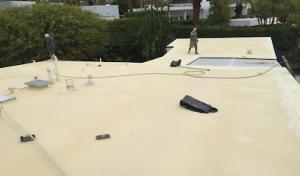
Valley Urethane Foam Roofing
(760) 321-0830 valleyurethanefoamroofing.com
Serving
5.0 from 8 reviews
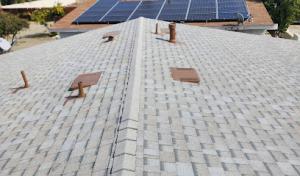
A permit is typically required for a full reroof in Palm Springs through the local Building & Safety Department in Riverside County. The permit process ensures that the reroof system meets the desert climate realities-UV exposure, heat, and wind-driven dust-while aligning with the region's building codes. The permit application in Palm Springs generally includes the scope of work submitted by the contractor or homeowner before reroofing begins, so review the document carefully for completeness. Expect the plan to summarize roof type, underlayment choices, venting strategy, fastener standards, and any changes to roof pitch or drainage. Submitting a thorough scope helps prevent delays caused by missing details on fastener types, flashing transitions, or attic ventilation requirements. In a climate with relentless sun, the blueprint often emphasizes high-heat materials, ventilated attics, and roof penetrations that minimize heat buildup and risk of accelerated deck deterioration.
Palm Springs reroof inspections are scheduled during and after installation to verify underlayment, ventilation, fasteners, and code compliance. Inspections typically begin with blueprints or the approved permit set on site and proceed in stages: underlayment installation, flashing integration at eaves and chimneys, alongside proper nailing patterns for the chosen roofing material. The inspector checks that ventilation provisions keep attic temperatures within acceptable ranges, reducing heat-induced deck warping and moisture concerns common in desert environments. Fastener length, sealant durability, and proper adhesive use are scrutinized to ensure wind resistance against notorious Santa Ana winds. After installation, a final inspection confirms that all components-from ridge vents to drip edges-meet current code requirements and are compatible with the roofing material selected. If any deficiency is identified, a clear corrective action notice will outline steps and a timeframe to bring the roof into compliance, helping prevent future warranty disputes or water intrusion, particularly in areas where sun exposure is most intense.
Because the desert is unforgiving to imperfect detailing, keep a close eye on the permit approvals and inspection checklists as you plan, select durable underlayment and venting that cater to extreme heat, and verify that fasteners are appropriate for the roof slope and material type. Choosing a contractor familiar with Riverside County processes can streamline the filing, plan review, and inspection cadence. Scheduling adherence reduces the risk of misaligned materials or missing venting specifications that could shorten roof life under harsh sun and wind. Remember that the permit and inspection process is intentionally designed to protect your home against rapid UV degradation and heat-related stresses typical of this climate.
Desert heat and relentless UV exposure in this area have sharpening effects on roofing durability, and the broader California-wide insurance market is reflecting that with tighter underwriting in wildfire and high-wind zones. When renewals roll around, you may notice insurers scrutinizing roof condition more closely, even if the roof looks sound from the ground. This isn't about fearmongering; it's about understanding that premium decisions can hinge on the perceived resilience of your roof against heat, sun, and blowing dust.
Insurers serving this market often request detailed roof documentation, precise material specifications, and wind-mitigation details before issuing or renewing coverage. Be prepared to provide product labels, installation dates, and notes on any retrofits that improve wind resistance. The more organized your records, the smoother the process can be when a carrier reviews your policy. In a town where tile, concrete, and metal roofs are common, matching documentation to the exact roof type in place matters a lot.
After roof damage, documentation should clearly separate wind-related events, emergency mitigation, and pre-existing desert wear. Wind damage may look different from sun-cracked shingles or accelerated wear from heat, and insurers may scrutinize each element closely. If you've performed temporary repairs to prevent further damage, keep receipts and photos that show the sequence of events. Clear, labeled photos and a dated narrative help demonstrate what happened, what was mitigated, and what existed before any new incident.
This market reality means maintaining current, accurate records pays off when you need coverage decisions or claims processed. Keep a central folder with product specs, installation dates, and any wind-related upgrades. When storms threaten or damage occurs, you'll be better equipped to show insurers that your roof's condition reflects both desert wear and any proactive improvements, not only the most recent incident.
Connect with contractors who help homeowners navigate the claims process from damage assessment to final approval.
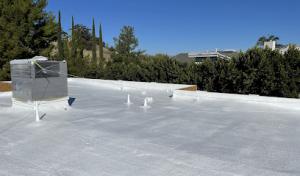
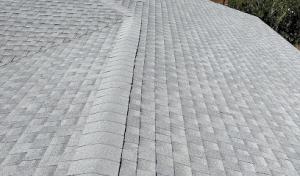
Palm Springs homes often prioritize daylight and roof-mounted solar because of the city's architecture and intense year-round sun exposure. That means skylight and solar penetrations sit in the hot zone longer, facing more UV stress and higher thermal cycling than in milder climates. When planning reroofing, treat these penetrations as core components of the roof system, not afterthought add-ons. Align flashing details with the prevailing wind patterns and dust exposure, and ensure the flashing materials and sealants are UV-rated for extended desert use.
Roof work in Palm Springs should account for skylight flashing and solar roof penetrations that face prolonged UV stress in desert conditions. Inspect all flashing for cracks, softened corners, or lifting edges, especially where the skylight or racking passes through. For skylights, verify curb integrity and sealant compatibility with the chosen roofing surface. For solar, confirm rail penetrations are properly flashed and that sealant joints resist temperature-induced expansion and contraction. Use UV-stable sealants and consider additional sealing measures where dust and grit accumulate.
Local contractor signals show dedicated skylight and solar-roofing experience in Palm Springs, making these penetrations a practical planning issue during reroofing. Coordinate timing so that flashing replacement or reinforcement precedes or accompanies the new roof membrane. Ensure fasteners used for solar mounting are corrosion-resistant and compatible with the chosen roof material. Have a clear plan for re-sealing after cleaning or debris management, since desert dust can compromise seals over time.
With year-round sun exposure, skylights and solar penetrations require more frequent inspection. Schedule biannual checks focusing on sealant integrity, flashing wear, and debris buildup around the curb or mounting rails. In the dry heat, gradual material degradation can occur without obvious signs; proactive replacement of aging flashing and compatible sealants extends roof life and preserves energy gains from solar installations.
Find contractors experienced in skylight installation, flashing, and leak repairs to bring natural light into your home.