
Last updated: Apr 19, 2026
Anaheim's hot, dry summers create sustained UV exposure that accelerates surface aging, color fade, and brittleness in sun-exposed roof coverings. That means if a roof is approaching the end of its useful life, a quick transition to a cooler, more reflective option isn't just about comfort-it's about reducing heat soak into attic spaces and limiting accelerated wear on the roof surface. When planning reroofing, consider how long a material will hold up under relentless sun. A tile-heavy neighborhood often benefits from a system that pairs high solar reflectance with strong solar heat resistance, so you don't end up chasing accelerated fading and edge deterioration year after year.
Santa Ana wind events in inland Orange County can lift vulnerable edges, dislodge tiles, and blow debris into valleys and flashings even outside the winter rainy season. If your home has historically seen wind-driven edge lift or tile gaps, prioritize roof assemblies that emphasize secure fastenings, wind-rated underlayment, and robust edge protection. In practice, this means selecting fasteners and clips designed for high-wind exposure, and checking that the ridge and rake areas have proper closure to prevent tiles from catching drafts. For homes with flat-to-slightly-slope transitions or older tile layouts, ensure that valley and vent flashing are placed to divert wind-driven debris rather than funnel it toward vulnerable seams.
Tile roofing is especially relevant in suburban housing stock, so homeowners often need to evaluate not just the tile surface but underlayment aging beneath older clay and concrete systems. Older installations can hide degraded underlayment, damaged sheathing, or compromised ventilation paths. Before replacing tile, have the roof inspected for signs of underlayment wear, dry-rot, or missing battens beneath the surface. If the underlayment shows wear, you're not just buying new tiles-you're renewing the roof's entire protective stack. Pay attention to any signs of moisture intrusion around penetrations, flashings, or valleys that could indicate long-term underlayment failure beneath a once-sturdy tile layer.
California energy-code reroof requirements place ventilation and cool-roof compliance at the center of replacement decisions. A tile roof can still perform well if paired with an appropriate venting plan and a reflective underlayment or coating strategy. When choosing materials, consider a breathable underlayment that works with a tile system and complements attic ventilation. A well-ventilated attic reduces attic temperatures, which helps preserve tile color and reduces heat transfer to living spaces. In practical terms, look for vented soffits, ridge vents, and possibly turbine or powered vent options if the attic is restricted by tight ceiling lines or obstructions.
Between reroof cycles, establish a simple inspection cadence that accounts for climate stressors. After Santa Ana events, check for displaced tiles, loose fasteners, and exposed underlayment at edges and valleys. In summer, keep an eye on color fade and surface brittleness that could precede microcracking. For tile-heavy homes, also inspect the underlayment condition and the integrity of balcony and porch connections that share roof lines. Address minor issues promptly to prevent small problems from becoming wind-driven failures during storms or heat waves.
If multiple seasons show accelerated wear-edge lift, crackling surface, faded color, and signs of underlayment aging-plan for a full reroof that prioritizes a combination of wind-resilient tile layout, high-reflectance surfaces, and a robust underlayment system. The local climate makes these factors more than cosmetic choices; they influence long-term durability and energy performance.
In this climate, the window from late spring through early fall is the practical sweet spot. The dry weather minimizes rain interruptions, keeps underlayment exposure to a minimum, and helps you avoid delays that push the project into the unpredictable fall. When you plan, lock in start dates to hit that stretch and avoid shoulder-season volatility, especially if the home has a tile-heavy roof that needs careful handling. If a schedule slips into the shoulder months, you'll want a contingency plan for possible weather hiccups and longer staging times.
Southern California storms can pause tear-off work abruptly, and the risk isn't just a few hours of rain. If leaks have already reached decking or insulation, delays become a real safety and drying concern. A paused project can cause decking to soak up moisture, extend dry-out times, and compress the window for proper ventilation and insulation reinstallation. When rain threatens, crews may need to cover exposed areas, reseal temporarily, or pause until the deck dries. That interruption is especially costly if your roof is already vulnerable or if the attic and ventilation components are not fully protected.
Anaheim's heat isn't cosmetic-it changes how a crew moves, what materials tolerate on-site, and how long doors and garlands of ventilation stay effective. High daytime temperatures demand tighter staging, planned noon breaks, and shaded or shaded-exposure work zones to keep both people and shingles safe. Start times matter: a morning kickoff can keep you ahead of the peak heat, while midday work should pause when temperatures spike. You'll notice a longer overall project duration if the crew must pace themselves for safety or retry delicate handling of tiles and underlayment in the heat.
With a tile-heavy stock common in many homes, laying out the sequence to minimize exposure of underlayment is critical. A well-ordered plan reduces the number of exposed days, lowers the risk of wind-driven debris, and helps protect attic spaces from heat gain during installation. In peak heat, you may stage materials in the shade, use reflective covers, and schedule fewer daily crew hours to maintain quality. A proactive approach to weather forecasting, material accommodations, and daily work windows helps keep the project on track through the hottest months without sacrificing safety or durability.
Your best defense against weather and heat is a tight coordination plan. Confirm daily start times, define clear daily targets, and ensure staging areas stay organized to keep the crew moving efficiently while staying safe. If a storm looms or heat peaks, be ready to adapt-protect exposed decking, secure loose materials, and maintain ventilation pathways. A timely, well-communicated schedule during Anaheim's dry season not only minimizes risk but also secures a durable, properly ventilated, and energy-conscious roof that stands up to the Santa Ana winds and hot inland sun.
When you can't wait, these contractors offer fast response times to stop leaks and prevent further damage.
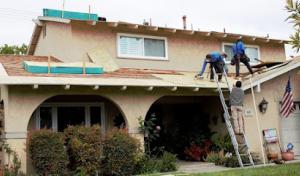
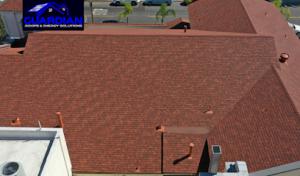

On many tile roofs in this area, leaks don't usually start at the colorful surface itself. Instead, aging underlayment, compromised flashings, and damaged penetrations are the common culprits that quietly work their way into living spaces. The heat and sun can bake the roof deck and seams over years, making the underlayment brittle and less able to shield against moisture. If you notice damp spots near vents, chimneys, or where roof penetrations meet the tiles, the issue is more often the layer beneath than the tile surface. Addressing those vulnerable joints and transitions early can prevent bigger problems after the next Santa Ana wind gusts.
Concrete and clay tile systems dominate the local landscape and carry a substantial roof load. That weight makes the surrounding structure more sensitive to condition changes in battens and decking. When replacement is needed, it's wise to inspect batten spacing, fasteners, and the decking for signs of sag, softness, or moisture damage. After strong wind events, broken field tiles are more common, and those gaps can invite wind-driven rain into the roof system if not promptly repaired. Planning for core repairs alongside replacement helps keep the roof's integrity intact and reduces the chance of new leaks sooner than expected.
Santa Ana winds can turn the ridge lines and hips into debris-catching funnels. Leaves, grit, and small branches tend to collect in hips, valleys, and around penetrations, creating localized drainage blocks and water pooling on tile roofs. This debris can trap moisture and accelerate underlayment wear right where it matters most. Regular clearing of debris from these high-risk zones reduces the chance of water seeping under tiles during a heavy rain or wind event. If drainage paths are obstructed, even a small leak can become a noticeable stain or soft spot along the eave line.
Start with a careful inspection of the roof edge and around any vent stacks, skylights, and chimney flashings. Look for lifted or cracked tiles that might allow wind-driven moisture to reach the underlayment. Inspect in the attic for signs of moisture staining or lingering humidity near penetration points. After Santa Ana events, walk the attic with a flashlight to spot any daylight or sagging around the deck that could indicate underlying damage. If the tile surface looks intact but moisture appears inside, that's a hint to evaluate the underlayment and flashings before more severe damage develops.
Find contractors who specialize in clay and concrete tile roofs, known for their durability and curb appeal.

Superior Roofing Systems
(714) 557-5077 www.superiorroofingsystems.com
1101 E Gene Autry Way, Anaheim, California
4.9 from 80 reviews
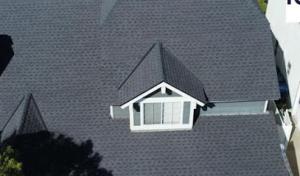
Top Roofing Services
(866) 828-1886 www.toproofingservices.com
2051 E Cerritos Ave STE 8C, Anaheim, California
4.9 from 48 reviews
Over & Above Roofing
(949) 867-9733 www.overandaboveroofingoc.com
1149 S Hilda St, Anaheim, California
4.8 from 21 reviews

Superior Roofing Systems
(714) 557-5077 www.superiorroofingsystems.com
1101 E Gene Autry Way, Anaheim, California
4.9 from 80 reviews
Superior Roofing Systems is a trusted roofing contractor in Anaheim, CA, serving homeowners, property managers, and businesses across Orange County, Los Angeles, Riverside, and San Diego Counties. With more than three decades of experience, we specialize in roof repairs, restorations, re-roofs, new installations, spray foam systems, silicone coatings, and ongoing maintenance programs. Known for reliability, precision, transparent pricing, and honest communication, our team delivers long-lasting roofing solutions for both residential and commercial properties. Proudly serving Southern California, Utah, and Montana, Superior Roofing Systems is your premier choice for expert roofing across the Western U.S.
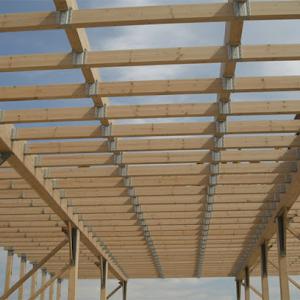
1st Roofing Solution Anaheim CA
(657) 202-1183 1stroofingsolutionanaheimca.com
3638 W Savanna St, Anaheim, California
5.0 from 35 reviews
1st Roofing Solution Anaheim CA delivers reliable, high-quality roofing services throughout Anaheim, CA, seven days a week. We handle roof inspections, roof repairs, roof installations, shingle replacement, storm and wind damage repair, gutter installation, gutter cleaning, attic venting services, and ongoing roof maintenance. Our team focuses on durable workmanship, honest recommendations, and long-lasting protection for your home or business. Whether you need a small fix or a full roof upgrade, we provide fast service, clear communication, and solutions built to withstand Southern California weather. Homeowners in Anaheim trust us for dependable, affordable, and professional roofing care.

Top Roofing Services
(866) 828-1886 www.toproofingservices.com
2051 E Cerritos Ave STE 8C, Anaheim, California
4.9 from 48 reviews
Professional Roof installation with warranty on all of our jobs. Shingles, Tile and Flat Roof and Leak Repairs.
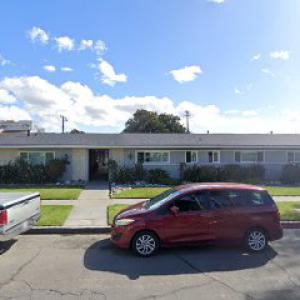
Anaheim Roofing Services
(657) 300-4156 anaheimroofing.pro
2228 E Westport Dr, Anaheim, California
5.0 from 14 reviews
With years of industry experience, our dedicated team is committed to delivering high-quality roofing solutions with a simple and straightforward approach. At Anaheim Roofing Services, we understand the importance of a reliable and durable roof for your home or business. Whether you need repairs, replacements, or new installations, our experienced professionals will work closely with you to assess your specific requirements and provide practical solutions that meet your budget and timeline. With an emphasis on simplicity, our process is designed to make the entire experience hassle-free for our customers.
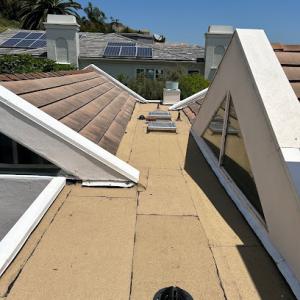
Over & Above Roofing
(949) 867-9733 www.overandaboveroofingoc.com
1149 S Hilda St, Anaheim, California
4.8 from 21 reviews
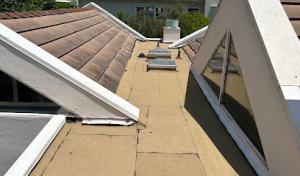
Over & Above Roofing, based in Anaheim, CA, is your go-to roofing contractor, specializing in roof installations, repairs, and replacements. With over 50 years of combined experience, our team of expert roofers delivers high-quality, reliable, and affordable services. Whether you need a simple roof repair or a complete roof replacement, we have the expertise to handle it all. As a trusted roofing company in Anaheim, we’re committed to professionalism, efficiency, and customer satisfaction. Contact us for all your roofing needs today!

California roofing & repair construction
(657) 551-4639 californiaroofingrepairconstruction.com
3921 E La Palma Ave, Anaheim, California
5.0 from 10 reviews
California Roofing & Repair, located in Anaheim, California, is your premier choice for all roofing and construction needs. With a dedicated team of experienced professionals, we specialize in a full range of roofing services, from installation and repair to maintenance and inspections. Our commitment to quality and customer satisfaction sets us apart, ensuring that every project is completed with the utmost attention to detail and craftsmanship. Whether you're a homeowner looking to enhance your property’s curb appeal with a new roof or a business owner needing reliable repair services, California Roofing & Repair is here to provide tailored solutions that meet your specific requirements. We use only high-quality materials.

Anaheim Roofers
(714) 462-1282 roofersinanaheimca.com
713 S Pepper St, Anaheim, California
5.0 from 9 reviews
Anaheim Roofers provides professional roofing services for residential and commercial properties in Anaheim, California, and nearby areas. Our skilled team specializes in roof installation, roof replacement, roof repair, roof inspection, and roof maintenance. We also handle roof leak repairs and fix damage caused by storms or high winds. With deep knowledge of Anaheim’s weather patterns and roofing needs, Anaheim Roofers delivers durable, dependable solutions tailored to local homes and businesses, ensuring long-lasting protection and quality craftsmanship on every project we complete.
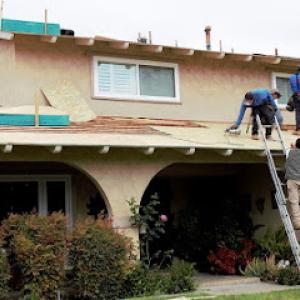
Prestige Roofing
(714) 603-7103 www.prestigeroofingca.com
Anaheim, California
4.7 from 13 reviews
Prestige Roofing is a leading company in the industry, renowned for its unwavering commitment to quality and customer satisfaction. With a proven track record of effectiveness and efficiency in every project, we take pride in delivering exceptional roofing solutions within an approximately 80-mile radius around Fullerton, CA. Our highly trained and dedicated team works tirelessly to ensure that each roof is built to the highest standards, reflecting our commitment to excellence in every shingle laid and every detail attentively catered to

Western Roofing Systems - Solar & Roofing Experts
(714) 778-5163 www.westernroofingsystems.com
1440 S State College Blvd suite 4b, Anaheim, California
4.4 from 14 reviews
As company founders, we are excited to provide a service to our customers that we believe they would not find with any other contractor. We realize that we need to provide a service that is competitively priced, but beyond the cost of any project, we intend on earning respect and trust in our clients by performing to meet or exceed their expectations. We believe that the decision-maker; a homeowner, building owner or contractor doesn’t need a story…they need a job well done! That means good communication, follow through with expectations and leaving our job sites cleaned up better than when we arrived. Over 30 years of construction management gives us a keen understanding of what you want and how to execute.

Atlas Roofing - Anaheim
(714) 699-9009 www.atlasroofinganaheim.com
9351 Thistle Rd, Anaheim, California
4.6 from 14 reviews
Atlas Roofing is Anaheim and the surrounding area’s premiere roofing company providing a variety of roofing and gutter services. We offer residential roofing services including roof repair and roof replacement, including asphalt shingles roofing, wood roofing options, metal roofing, tile roofing, and low slope roofing. We are experts at helping you navigate through insurance issues.
Weatherline ReRoofing & Repairs
(714) 731-3425 www.weatherlineroofing.com
Serving
4.9 from 28 reviews
Weatherline ReRoofing & Repairs in Orange, CA offers top-notch roofing services. Specializing in roof repairs and replacements, your home is in safe hands.
Sadler Roofing
(800) 575-5095 www.sadlerroofing.com
Serving
5.0 from 30 reviews
Sadler Roofing, Inc. has been Orange County’s trusted commercial roofing company since 1963. As a family owned business, we’ve built our reputation on honesty, hard work, and delivering exceptional results. From small repairs to large scale projects, building owners and corporate teams rely on us for unmatched service and lasting quality. With decades of experience, our team sets the industry standard in commercial roofing, ensuring every project is completed with integrity and excellence. Contact Sadler Roofing, Inc. today, your go to experts for commercial roofing solutions in Orange County and beyond.
Anaheim's housing stock features a strong tile presence, with clay and concrete systems common on suburban lanes. In practice, that means replacement and repair tend to run higher than a basic asphalt package. Clay and concrete tiles cost more to install and fix, largely due to heavier weight, extra handling, and the labor that tile work requires. If your roof uses or transitions to tile, anticipate higher upfront materials plus potential additional work to ensure proper underlayment and ventilation for long-term performance under the Inland Empire sun. Asphalt remains a viable option if the budget is tight, but tile-heavy homes often push the average project cost upward.
When planning, consider that the typical cost per square (100 square feet) varies by material. Asphalt shingles run roughly from $420 to $860 per square, a level that often suits homes with simpler roof decks or lower weight concerns. Metal roofing is a middle ground for many inquiries, priced from about $600 to $1,150 per square, offering durability and decent energy performance in Santa Ana-adjacent heat pockets. Clay tile projects tend to land around $1,000 to $2,300 per square, while concrete tile sits near $900 to $1,900 per square; both are heavier and demand careful framing and ventilation checks. Wood shingles or shakes generally range from $750 to $1,800 per square, and synthetic or composite shingles can be found from $550 to $980 per square. These figures reflect the local reality where tile systems, if chosen, pull the project into the upper end of the spectrum due to handling, rafter safety checks, and longer installation times.
Projects can cost more when older roofs require tear-off, deck repairs, upgraded ventilation, or Title 24-compliant cool-roof selections during reroofing. In practice, a teardown and re-deck or roof ventilation upgrades can add meaningful labor hours and materials, especially on tile structures that demand careful removal and reinstallation to prevent tile breakage and to preserve waterproofing integrity. If a cool-roof strategy is pursued, expect slightly higher material costs but potential energy savings over time.
Scheduling after winter storms or during peak warm-season demand can tighten contractor availability in the local market and affect pricing and lead times. Storm aftermaths may drive a short-term spike in demand for roof repairs, while August heat pressure can stretch crews thin. For planners, building a 6-8 week cushion during high-demand months helps secure crews and minimize delays, particularly when tile replacements or extensive ventilation work is in the mix.
A full reroof in Anaheim typically requires a building permit, with the contractor or homeowner submitting the application to the city. The permitting process ensures that the project plan meets local zoning, structural, and drainage requirements, and that the proposed roof system will perform safely under the Inland Valley climate. When applying, you'll need detailed roof plans, venting details, and a construction schedule. Expect these items to be reviewed for compliance with the California Building Code, and be prepared for potential plan edits if the city flags any fit or weight concerns specific to tile-heavy homes common in the area.
Anaheim reroof inspections commonly verify underlayment, ventilation, and overall compliance with the California Building Code and Title 24 energy standards. Inspectors will check that the underlayment is appropriate for the local heat and Santa Ana wind exposure, that roof vents and soffits are properly installed for continuous attic airflow, and that attic access and ridge vents are sized correctly for effective cooling. In homes with tile, inspectors may pay particular attention to how flashing transitions are integrated with existing tiles and parapets to prevent leaks after a storm. Plan for multiple inspection touchpoints-dry-in, mid-construction, and final-you to ensure everything lines up with code.
Because California reroof work can trigger energy-compliance requirements, material choice in Anaheim is not only aesthetic but also tied to code acceptance and inspection approval. Title 24 emphasizes cool roof performance and adequate ventilation as part of overall energy efficiency. When selecting materials, consider not just color and texture but how the roof's reflectivity and thermal mass will interact with the inland sun and Santa Ana winds. Tile-intensive neighborhoods may favor packages that integrate ventilated attic spaces and high-quality underlayment to support long-term energy savings and code compliance. If you're re-sheathing or changing roof geometry, be mindful of how vent placement, soffit detailing, and ridge line height affect both cooling load calculations and the ability to pass the required inspections.
Coordinate with your contractor early to align permit submission with the project's ventilation strategy and underlayment choice. Have documentation ready that demonstrates compliance with Title 24 requirements, including any specific calculations for cool-roof performance. If you're replacing tiles, discuss with the supplier how the new system will integrate with existing flashings, eave details, and parapets to minimize call-backs after the inspection. In hot, windy conditions, ensure temporary protection measures are in place during work, so the installation remains clean and meets inspection expectations, avoiding delays.
In Anaheim, homeowners face California's broader insurance pullbacks, especially when wildfire exposure or higher home values complicate policy availability and renewals. That reality isn't abstract: it changes how you plan for a roof replacement after a loss and how insurers view any wind, fire, or storm-related claim. When coverage is tentative or limited, the timing of a claim and the reliability of a policy can hinge on how clearly you demonstrate the roof's condition and the damage's cause. If a claim stems from Santa Ana winds or a storm, every detail from the onset of damage to the final repair can influence valuation and settlement.
For roof claims tied to wind, fire, or storm-related damage, insurers may expect detailed documentation including pre-loss photos, date-stamped damage images, and clear contractor estimates. In practice, that means you should catalog the roof's condition before the wind season and after any event. Take wide shots and close-ups of damaged tiles, flashing, soffits, and eaves, and keep a dated log of observations. Store copies of receipts and any prior roof work. If a claim pauses or is questioned, that documentation becomes the bridge between what you observed and what the adjuster sees on site.
Claim handling in California increasingly relies on tighter review and outside evaluations, so homeowners benefit from documenting roof condition before Santa Ana wind events and winter storms. If a hail or wind event rattles your area, you want a current, objective assessment on hand. A trusted local contractor can provide a written condition report with photos and notes that align with insurance expectations, helping you avoid back-and-forth delays when the winds roar and the rains come.
Connect with contractors who help homeowners navigate the claims process from damage assessment to final approval.


Anaheim's contractor market shows strong low-slope and roof-coating activity, reflecting the city's mix of commercial buildings and residential additions with flatter roof sections. You'll see steady availability of seasoned crews who understand the unique demands of flat or near-flat roofs on patios, sunrooms, and secondary structures. When planning work, verify that the crew has recent experience with spray- or roll-on coatings, as well as thermo-widetrack details that show up on mixed rooflines. In hot sun and Santa Ana-driven wind cycles, coatings need careful surface prep and proper adhesion strategies to stand up to thermal cycling. Expect scheduling that accounts for extreme afternoon heat, with options for early-morning or late-afternoon work windows to protect coating cure quality.
Hot sun in this climate makes reflective coatings and restoration options particularly relevant on eligible low-slope roofs where full replacement isn't yet necessary. For patio covers and ancillary roof decks, a UV-stable reflective membrane can reduce heat gain and extend the life of underlying substrates. On surfaces with prior coatings, a prep-first approach matters: clean, abrade, and test adhesion before applying any roof-coat system. Address any lip edges, transitions, or penetrations with compatible detailing to prevent early failure from wind-driven debris or thermal movement. If existing insulation or ventilation is limited, consider a coating that accommodates breathability while maintaining a watertight skin. In practice, plan for a staged assessment: evaluate substrate condition, confirm flashings, and choose a coating that matches climate exposure and expected Santa Ana wind impact.
Low-slope sections around patios, additions, and mixed rooflines need careful drainage and flashing review before the winter rain season in Southern California. Check that deck drains, scuppers, and parapet terminations direct water away from living spaces and foundation. Inspect penetrations for proper sealing at edges, vents, and skylights to prevent ponding and leaks. Reflash transitions where roof sections meet walls or raised surfaces, ensuring continuity with the primary roof system. If a restoration option is chosen, confirm compatibility with any existing tack coats or primers and plan for a thorough dry-out period before the first heavy winter rainfall.
Find specialists in TPO, EPDM, and built-up flat roofing systems for residential and commercial properties.
Superior Roofing Systems
(714) 557-5077 www.superiorroofingsystems.com
1101 E Gene Autry Way, Anaheim, California
4.9 from 80 reviews
1st Roofing Solution Anaheim CA
(657) 202-1183 1stroofingsolutionanaheimca.com
3638 W Savanna St, Anaheim, California
5.0 from 35 reviews
Top Roofing Services
(866) 828-1886 www.toproofingservices.com
2051 E Cerritos Ave STE 8C, Anaheim, California
4.9 from 48 reviews