
Last updated: Apr 19, 2026
Clay and concrete tiles are a familiar sight across the housing stock in this area, with their distinctive profiles marching up ridges and over hips. In practice, that popularity comes with a practical downside: broken, slipped, and uplifted tiles show up more often than you'd expect after a season of Santa Ana winds or a heavy winter downpour. Because tiles rely on interlocking shapes rather than full-coverage fastening, even a few loose or cracked pieces can create a cascade of trouble-from leaks to water intrusion into eaves and walls. The typical failed tiles aren't just cosmetic; they're maintenance flags that signal underlying support and underlayment may have shifted long before you notice moisture staining.
Fall Santa Ana wind events in inland portions of the county punch above what the marine-cooled coast sees, and the effect lands squarely on ridges, hips, and older mechanically fastened tile systems. If your roof sits on a high ridge or slopes toward a prevailing wind corridor, you'll likely see more uplift stress, especially after a long dry spell followed by a windy storm. Mechanical fastening helps, but it has its limits when tiles age, fasteners loosen, or seals dry out. In practical terms, you want to inspect prominent wind-facing surfaces after a storm, focusing on the topmost tiles near ridges and the first row of hips where uplift is strongest. If you notice any loose fasteners, cracked tiles, or gaps at the ridge caps, address those issues promptly before a subsequent wind front compounds the problem.
Orange's older neighborhoods feature tile profiles that aren't always produced anymore. When a tile breaks or is lost, finding an exact match can be a practical reroofing challenge. The best approach is to keep an inventory of a few spare tiles from the same batch or from a similar run, and to document the tile profile and color as it exists on your roof. If a match proves elusive, plan for a blended repair approach that minimizes visible differences while preserving the roof's overall performance. In some cases, a professional roofer may recommend a compatible substitute tile with a similar shape and weight that still maintains proper wind uplift resistance and drainage. Having a local supplier you trust can dramatically shorten the time to restore both appearance and protection.
A proactive maintenance routine pays dividends in this climate. Start with a seasonal inspection that includes clearing debris from roof valleys and around any penetrations, testing for cracked or sun-damaged surface tiles, and inspecting underlayment where tiles have lifted or shifted. Pay particular attention to the condition of ridge caps and hips, since those are common stress points for uplift. After storms, perform a targeted check of high-wind exposure areas and inspect for moisture in attic spaces that could indicate a failed seal or damaged underlayment. Clean gutters and downspouts to ensure proper drainage, because pooling water near eave lines can soften underlayment and invite leaks in the wetter months.
Because this climate swings between a dry, hot summer and a wet, cooler season, timing projects around the typical Santa Ana lull in fall and the gentler winter spell can minimize disruption and exposure. If a tile repair is needed, prioritize securing ridges and ensuring that any replaced tiles are properly fastened and sealed to resist uplift. Longer-term planning should consider the availability of matching or compatible tiles, especially in older neighborhoods where discontinued profiles are common. A well-timed reroofing or repair strategy keeps the roof resilient against Santa Ana winds, heat, and winter rain, while preserving the historic character of notable blocks.
Find contractors who specialize in clay and concrete tile roofs, known for their durability and curb appeal.

Specialist Roofing & Repair
(714) 452-1989 specialistroofing.com
586 N Batavia St, Orange, California
4.9 from 248 reviews
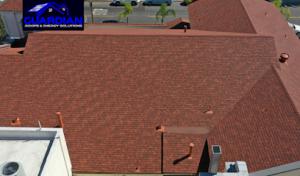
Guardian Roofs
(562) 632-5965 guardianroofs.com
1010 N Batavia St Suite F, Orange, California
4.7 from 294 reviews

C&S Construction Enterprises
(714) 912-3815 csconstructionenterprises.com
11841 S Rancho Santiago Blvd, Orange, California
5.0 from 21 reviews
Specialist Roofing & Repair
(714) 452-1989 specialistroofing.com
586 N Batavia St, Orange, California
4.9 from 248 reviews
Specialist Roofing & Repair is Orange County's trusted choice for residential and commercial roofing services. Backed by over 10 years of experience, we specialize in roof repairs, replacements, and new installations using premium materials from Owens Corning, GAF, Polyglass, and CertainTeed. As an Owens Corning Platinum Preferred Contractor, we deliver long-lasting, weather-resistant solutions with transparency and integrity. Our licensed, BBB-accredited team proudly serves Orange County, Irvine, and Anaheim with free inspections, honest assessments, and fast emergency response. Protect your home or business with expert roofing you can count on—call today for a free estimate! C39 License #1007386
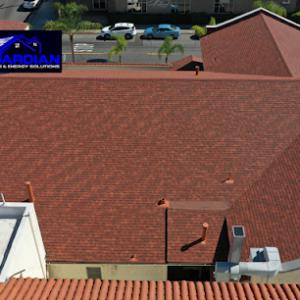
Guardian Roofs
(562) 632-5965 guardianroofs.com
1010 N Batavia St Suite F, Orange, California
4.7 from 294 reviews
With over 36 years of experience, Guardian Roofs is a natural choice for all your residential and commercial roofing needs. We are the seasoned Southern California roofing company with the skills needed to help you protect your property from the elements in every season. Our Integrity is Our Promise Whether you are looking for help with new construction or need roof repairs on an older property, your project represents a big investment. You need to know you are working with a licensed roofing contractor you can trust to provide the absolute best quality work on budget and on time. This is exactly what you get when you choose Guardian Roofs.
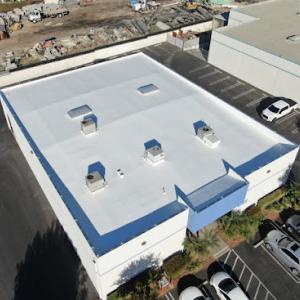
Sadler Roofing
(800) 575-5095 www.sadlerroofing.com
2280 N Batavia St, Orange, California
5.0 from 30 reviews
Sadler Roofing, Inc. has been Orange County’s trusted commercial roofing company since 1963. As a family owned business, we’ve built our reputation on honesty, hard work, and delivering exceptional results. From small repairs to large scale projects, building owners and corporate teams rely on us for unmatched service and lasting quality. With decades of experience, our team sets the industry standard in commercial roofing, ensuring every project is completed with integrity and excellence. Contact Sadler Roofing, Inc. today, your go to experts for commercial roofing solutions in Orange County and beyond.
C&S Construction Enterprises
(714) 912-3815 csconstructionenterprises.com
11841 S Rancho Santiago Blvd, Orange, California
5.0 from 21 reviews
A professional roofing company with over 20 years of experience in both residential and commercial roofing, C&S Construction Enterprises is your best choice for all things roofing. We specialize in taking care of our clients and ensuring a waterproof home that will stand the test of time. Our number one priority is delivering quality that you can trust. We ensure all our clients that they have peace of mind when they trust us with their roof! We are both licensed and insured, and always making sure to work well within your budget. Please do not hesitate to give us a call if you are in need of professional roofing services for both your residential or commercial properties! Serving all of Orange County and surrounding areas!

Red Pointe Roofing
(714) 685-0010 www.redpointeroofing.com
1814 N Neville St, Orange, California
4.8 from 30 reviews
Commercial Roofing
Weatherline ReRoofing & Repairs
(714) 731-3425 www.weatherlineroofing.com
202 W Lincoln Ave Unit Z, Orange, California
4.9 from 28 reviews
Weatherline ReRoofing & Repairs in Orange, CA offers top-notch roofing services. Specializing in roof repairs and replacements, your home is in safe hands.

TG Roofing & Roof Removal
(714) 637-1530 www.tgroofs.com
960 N Enterprise St, Orange, California
4.9 from 12 reviews
Established 1988. We specialize our work with the installation of fiberglass-asphalt shingles, concrete tile, clay tile and Built-Up Roof systems.

Medina Pro Roofing
(657) 379-1932 medinaproroofing.com
157 S Woodlawn Dr, Orange, California
4.8 from 16 reviews
Medina Pro Roofing is your trusted partner for exceptional roofing services in Orange, CA. Dedicated to quality and backed by a reputation for excellence, we take pride in protecting and enhancing homes and businesses with top-tier roofing solutions. Whether you’re a homeowner or a business owner, our team is here to deliver tailored services with precision and care. Our expertise covers a wide range of needs, from residential roof installations that bring your dream home to life, to specialized commercial roofing solutions designed to support your business. No matter the size or scope of your project, our experienced team is equipped to handle it all with professionalism and attention to detail.

Cert-A-Roof®
(888) 766-3800 www.certaroof.com
1421 N Wanda Rd, Orange, California
4.3 from 55 reviews
Since 1993, Cert-A-Roof® has remained committed to protecting your home and family through their exceptional and reliable roofing inspection, certification, and repair services. Equipped with state-of-the-art tools and premium-quality roofing materials, they deliver personalized roofing solutions that stand the test of time. From minor roof repairs to re-roofing and roof replacement, they are prepared to tackle any service that comes their way. They specialize in working with a variety of roofing materials, including shingle, tile, and composite roofing for residential and commercial properties alike. And, as an NRCIA-certified company, they are qualified to offer LeakFREE® roof inspections and certifications. Give them a call today.
RESCUE ROOFER - Orange
(714) 542-5222 www.rescueroofer.net
2440 N Glassell St STE F, Orange, California
4.5 from 28 reviews
Rescue Roofer, established in 1993, is a GAF-certified roofing company serving the Orange County and South Bay areas while expanding to the Decatur, TX, area. They specialize in commercial roofing, repairs, restorations, roof inspections, replacements, gutter services, and skylight installations. Known for its commitment to quality and efficiency, Rescue Roofer is recognized for its 24/7 availability with a 1-hour response window, highlighting its dedication to quick and reliable service. The firm offers a unique 4-Phase Roof Inspection, ensuring clients are informed of their options for repair and restoration without needing prior roofing knowledge. Call them today to schedule your roofing project. License #: 1137524
Galla-Rini Roofing
(714) 244-6567 www.gallariniroofing.com
8502 E Chapman Ave #371, Orange, California
5.0 from 8 reviews
Galla-Rini Roofing, Inc. is a family owned and operated business. We've been serving the Southern California area for over 35 years now. We value integrity, honesty, and quality craftsmanship. Feel free to give us a call with any questions.
Roof Rx
333 City Blvd W #1700, Orange, California
4.1 from 121 reviews
Our team is focused on providing our customers quality service through responsible repairs rather than inefficient, wasteful re-roofing. A typical home has a roof designed to last over 30 years, yet on average rooftops across the U.S. end up in our landfills only halfway through thier life cycle. You can help make a difference to the environment by choosing solutions that are designed to maintain the longevity of your rooftop. Since our founding in 1998, the impact of our services can be measured in the thousands of pounds in roofing material we have kept out of our landfills. The average home has a rooftop that weighs about 6,000 pounds, you can help reduce this waste by repairing your rooftop instead of re-roofing prematurely.
Orange's Mediterranean pattern means most annual rain arrives in winter, so tear-offs in this area often need tighter scheduling, dry-in planning, and tarping contingencies during that season. If a reroof is necessary, align the project so the critical dry-in occurs during a stretch of true dry days, with a realistic buffer for late-winter showers. Plan for a compact window: high-probability dry spells, short-changeover periods, and a hard stop if a storm materializes. The goal is to keep underlayment and exposed decking from lingering wet, which compounds deterioration under tile or dark asphalt systems.
Orange's hot, dry summers can intensify attic heat loads and accelerate underlayment aging when ventilation is weak, especially under tile and dark asphalt systems. Homes with clay or concrete tiles demand solid ventilation strategy to avoid heat buildup that can bake underlayment and warp sheathing. Before work begins, verify attic ventilation is capable of moving heat and moisture efficiently. If soffit vents or ridge vents are underperforming, address that during the project to prevent premature underlayment failure. If the roof deck is dark or lacks reflective barriers, consider lightweight cooling measures and ensure the crew uses adequate tarping and moisture protection to keep in-progress areas from absorbing heat and cooking the interior.
The Santa Ana season in fall adds both wind risk and airborne debris, which affects crew safety, exposed underlayment, and project timing on partially opened roofs. Be prepared for sudden gusts that can shove lightweight materials or loosen temporary coverings. Secure tarps with higher-grade fasteners and edge protections, and maintain a clean, organized rooftop workspace to minimize debris intrusion into the attic and interior. Plan for more frequent inspections of exposed underlayment after windy days and avoid leaving exposed decking overnight if a storm is forecast. On partially opened roofs, install wind breaks or temporary barriers to shield vulnerable sections from airborne grit until the final seal is in place.
A timely dry-in is non-negotiable in this climate. Use tight tarps and rapid-stage transitions from deck to underlayment to shingles or tiles, with a clear sequence that minimizes exposure. Contingency planning should include near-term weather monitoring, a rapid tarp setup protocol, and clearly defined backup dates to preserve the integrity of the underlayment and flashing assemblies. Communicate an explicit plan for protecting vent outlets, chimneys, and skylight flashings during wind events, and ensure crews double-check all wrap and sealant interfaces before calling a day.
Coordinate close proximity staging-lifts and material carting should minimize long rooftop travel in heat. Inspect fasteners, screws, and clip systems for tile compatibility and wind resistance, especially around hips and ridges where movement stress concentrates. If a roof is tile-heavy, prioritize a meticulous underlayment inspection before tile reinstallation, and schedule final inspections after a few dry days to confirm there are no hidden drips or gaps that could become issues during the first winter rain.
When you can't wait, these contractors offer fast response times to stop leaks and prevent further damage.
Specialist Roofing & Repair
(714) 452-1989 specialistroofing.com
586 N Batavia St, Orange, California
4.9 from 248 reviews
Guardian Roofs
(562) 632-5965 guardianroofs.com
1010 N Batavia St Suite F, Orange, California
4.7 from 294 reviews
C&S Construction Enterprises
(714) 912-3815 csconstructionenterprises.com
11841 S Rancho Santiago Blvd, Orange, California
5.0 from 21 reviews
Tile remains a strong aesthetic fit for many homes in this area, reflecting the mix of tract, custom, and older neighborhoods. The look of clay or concrete tiles often aligns with the mid-century and Old Towne character you see around town. However, tiles are heavy and rely heavily on a robust waterproofing layer, especially on aging roofs. In practice, that means the underlayment and roof deck need careful evaluation before any tile replacement or retrofit. In Santa Ana wind zones, loose or poorly fastened tiles can become projectiles, so your fastener pattern and edge details should be reviewed to withstand blow-off events. A weather-resilient underlayment, plus a properly installed closeout at roof transitions, helps keep water from sneaking under tiles during winter rains.
Orange homeowners commonly choose among asphalt shingles, metal, clay tile, concrete tile, wood shakes, and synthetic/composite products. Each material has a distinct performance profile under local conditions. Asphalt shingles can be a straightforward, weight-light option with solid wind resistance when installed with modern laminated products and upgraded fasteners. Metal roofs offer excellent wind performance and cooler attic temperatures, which helps in hot months, but flashing quality and panel laps matter for long-term watertight integrity. Clay and concrete tiles deliver timeless curb appeal and excellent durability in heat, yet their weight demands a reinforced structure and careful detailing around skylights, chimneys, and transitions. Synthetic or composite shingles provide a lower-weight, maintenance-friendly alternative that mimics traditional looks while offering moisture resistance and ease of installation in tighter spaces.
Tile-heavy roofs depend more on the waterproofing layer than some other options. In aging systems, any sign of deck movement, reduced underlayment performance, or previous water intrusion demands a thorough check before re-roofing. The underlayment should be rated for tile roofs and installed with proper coverage and sealing detail at hips, ridges, and penetrations. For heat and sun exposure, consider a underlayment with good UV resistance and a ventilation plan that minimizes condensation under the tiles. In environments with winter rain, ensure gutters, drip edges, and valley linings are well-maintained to channel water effectively away from the underlayment and wood substrate.
Wood shingles and shakes convey a distinctive look that can enhance historic or craftsman-style homes, but they draw more insurer scrutiny in California than other common materials. That scrutiny can influence repair and replacement decisions, even when the existing roof remains serviceable. If choosing wood, plan for fire-safe treatments at the wood-adhesive joints and a robust wind-averse installation. For many Orange homes, a well-installed synthetic or composite alternative can deliver a similar aesthetic with improved moisture resistance and a lower risk profile for insurance discussions.
Full reroofs generally require a building permit in the City of Orange, as they do in most Orange County jurisdictions. That means the work isn't just about shingles or tiles-it's about how the entire roof structure, underlayment, and venting come together to keep the house dry and safe through Santa Ana winds and winter rain. When planning a reroof, expect the permit process to involve plan review for roof deck integrity, attic ventilation, and water intrusion details. The city's permitting stance favors a careful, code-driven approach rather than a quick cosmetic swap.
In practice, the roofing contractor typically pulls the permit rather than the homeowner, which makes permit status a key screening question before work starts. You should confirm who holds the permit before any contract is signed, and request the permit number and the issuing authority's contact. If a contractor hesitates or cannot provide this information promptly, that delay is a red flag. Keep a clear line of communication with the contractor about inspection milestones tied to the permit, so the project doesn't stall mid-work.
Local reroof inspections commonly focus on underlayment, nailing, and ventilation installation before a final inspection confirms code compliance. Expect inspectors to verify proper underlayment type and laps for your specific tile system, confirm fastener patterns match the chosen material, and check that ventilation in the attic aligns with code requirements to manage heat and moisture. In Orange's climate, proper venting and tile-related wind uplift details are as critical as the surface material itself. If any element seems nonstandard for your roof type, raise the issue with the contractor and request an on-site walkthrough with the inspector.
Weather windows matter here. Plan around the wet-winter, dry-summer cycle to minimize rain-driven delays, especially for underlayment installation and tile setting. The permit timeline can influence when you can safely remove old materials and bring in roofing crews, so align project milestones with a realistic weather forecast. If a weather event interrupts, discuss with the contractor how that will be reflected in permit-related inspections, and ensure temporary protection is in place to avoid water intrusion.
Once the final inspection passes, ensure you receive a certificate of completion from the jurisdiction and maintain copies of all permit documents for your records. Local reroofs also intersect with neighborhood codes and historic districts in some blocks, so confirm any block-specific or HOA-related requirements early. A well-documented permit trail helps future property transactions and reduces surprises if a subsequent roof issue arises.
In Orange, the mix of Old Towne charm and mid-century rooflines means many projects involve heavier materials, more labor, and underlayment-focused tear-off work. Tile systems often push a project above a simple shingle reroof because the deck, battens, and compatible underlayment must be prepared to support and seal the tiles. Heavier assemblies can also extend installation time, which translates to higher labor costs. If a home has steeper decorative rooflines, multiple ridges and valleys, or the cut-up geometry common in local subdivisions, expect both material and labor costs to rise. That extra complexity shows up in waste handling, precise tile placement, and more frequent trips up and down for measurements and adjustments.
Seasonal winter rain and post-wind repair demand can affect scheduling pressure and dry-in needs, pushing project pricing upward compared with straightforward dry-season installs. In practice, that means bidding windows may tighten after a windy spell or a wet spell, and crews may prioritize projects with efficient dry-in windows. For tile-heavy jobs, temporary dry-in is critical, so extra tarping, temporary weatherproofing, and expedited sequencing can add to the bottom line. Planning ahead in the drier months but anticipating possible rain-driven delays can help stabilize costs.
For tile-centric replacements, costs tend to be higher than standard asphalt reroofs. Concrete tile and clay tile are common in this market, with concrete tile generally a bit less per square than clay tile, but both sit well above many shingle options. In this neighborhood context, you'll frequently see concrete tile and clay tile projects priced in the higher mid-to-upper ranges due to weight, scaffolding needs, and meticulous alignment. Other materials like metal or synthetic options can offer different value propositions, but the decision often hinges on long-term durability in wind exposure and heat.
Underlayment focus matters on tile systems: tear-off work often reveals damaged decking or failed underlayment that must be replaced before tile install. In Orange, careful inspection of vents, transitions, and flashings around skylights and dormers is essential to prevent future leaks. Expect crews to spend extra time on sealing penetrations and matching ridge and valley details to the local roof geometry. The higher complexity drives both efficiency losses and improved long-term performance, influencing the overall cost.
If the roof has multiple ridges, valleys, or ornate shapes, request a line-item breakdown that highlights tear-off, decking prep, underlayment, tile installation, and flashings. Compare tile vs. alternative heavy-look options to gauge value relative to potential maintenance. Consider scheduling during a dry spell but with contingency for a brief later rain window, and discuss staged work options that minimize long periods of exposure. For budgeting clarity, ask for a realistic dry-in plan and how weather-related disruptions could affect your timeline and price.
Don't let upfront costs delay a critical repair - these contractors offer payment plans to fit your budget.
RESCUE ROOFER - Orange
(714) 542-5222 www.rescueroofer.net
2440 N Glassell St STE F, Orange, California
4.5 from 28 reviews

California's insurance market has tightened, and homeowners in this area may see more underwriting attention on roof age, maintenance history, and higher-risk materials such as wood shake. If your roof shows aging tiles or irregular wear, expect insurers to scrutinize it closely. Honest maintenance records and recent professional assessments can help you present a solid case when coverage decisions are made after a claim. The goal is to avoid messy disputes that leave you paying for repairs you believed were covered.
For wind- and rain-related events, insurers often want clear documentation of the damaged slope, underlayment exposure, interior staining, and any emergency tarping performed after the event. Take time to note which sections of the roof were affected, how the underlayment appears beneath the tiles, and whether attic or ceiling stains indicate moisture intrusion. If tarps were used, photograph both before and after, and keep receipts or contractor notes. A consistent filing of dates, photos, and weather conditions will streamline the claims process and reduce back-and-forth with the adjuster.
Because this market is not a routine hail-loss environment, homeowners often need especially thorough photo and contractor documentation when claiming wind-driven rain or debris-related roof damage. Focus on the condition of clay or concrete tiles, the integrity of ridge cap tiles, and any cracked or displaced components after a storm. Document any gaps where underlayment is exposed and track any interior staining that corresponds with exterior damage. A clear, professional assessment that ties exterior findings to interior moisture can be decisive in securing a fair settlement.
Prepare a reliable before-and-after dossier: date-stamped photographs from multiple angles, a simple sketch of affected areas, and a written summary from a licensed contractor. If a temporary tarping solution is needed, ensure it is properly installed and weathered, with clear timelines and photos. Share this package promptly with your insurer, and keep a dedicated folder for all related correspondence. The goal is clarity, not certainty, so avoid assumptions and let the documentation tell the story.
Connect with contractors who help homeowners navigate the claims process from damage assessment to final approval.
Guardian Roofs
(562) 632-5965 guardianroofs.com
1010 N Batavia St Suite F, Orange, California
4.7 from 294 reviews

Cert-A-Roof®
(888) 766-3800 www.certaroof.com
1421 N Wanda Rd, Orange, California
4.3 from 55 reviews
In Orange's tile-heavy market, leaks often originate from failed underlayment, cracked field tiles, ridge and hip movement, and flashing transitions rather than from the tile surface alone. A long dry season can hide soft underlayment edges, but winter rain will reveal soft spots quickly. When you see staining near valleys or seams, investigate beneath the surface rather than chasing a single cracked tile on top.
Ridge and hip lines are high-stress zones where movement from heat and wind can crack seals and shift flashing. If a roof looks solid from the street but reveals water intrusion near ridges after a storm, the issue is frequently flashing that needs resealing or a more robust transition detail. Don't assume a neat tile bed is enough-the fasteners and overlaps at these edges are the real frontline for leaks.
Skylights are a meaningful specialty in this market, and in Orange they commonly become leak points where aging flashing meets tile or shingle systems after years of heat cycling. Inspect skylight curb flashing annually; heat-driven expansion and contraction can loosen seals, letting moisture migrate around the frame even if the glass stays dry. Consider upgrading flashing during replacement cycles rather than waiting for a failure.
Winter rain events tend to expose weaknesses at valleys, chimneys, and roof penetrations that may stay hidden through the long dry season. Valleys are especially vulnerable when metal or tile support beneath corrodes or shifts. Chimney flashing that looks intact can still leak if the surrounding cement or mortar has cracked.
Before spring storms, walk the roof with a طرف light to spot lifted tiles, loose flashing, or moss buildup that can trap water. Focus on transitions around skylights, vents, and penetrations, and test attic insulation for signs of moisture intrusion after a storm. If anything looks questionable, call a local roofer who understands how Santa Ana winds and heat cycles affect this specific roofscape.
Find contractors experienced in skylight installation, flashing, and leak repairs to bring natural light into your home.

Medina Pro Roofing
(657) 379-1932 medinaproroofing.com
157 S Woodlawn Dr, Orange, California
4.8 from 16 reviews
Cert-A-Roof®
(888) 766-3800 www.certaroof.com
1421 N Wanda Rd, Orange, California
4.3 from 55 reviews
RESCUE ROOFER - Orange
(714) 542-5222 www.rescueroofer.net
2440 N Glassell St STE F, Orange, California
4.5 from 28 reviews
Although pitched roofs dominate many neighborhoods, the local contractor market shows strong flat-roof activity, reflecting the city's mix of commercial buildings, additions, patios, and some low-slope residential sections. Flat and low-slope roofs are common on sunrooms, carports, and older additions, so understanding their quirks is key for durability in Orange's climate. The Santa Ana winds can expose edges and seams, and the dry summers push UV exposure onto membranes and coatings. Plan for accessibility, drainage, and regular inspection to keep these roofs performing year after year.
On low-slope roofs, prolonged UV exposure through dry summers can age membranes and coatings quickly if drainage and maintenance are neglected. Choose a membrane material with proven UV resistance and a reflective top coating if possible to reduce heat gain. In practice, schedule quarterly checks to look for surface cracking, color fading, or wear around curbs and penetrations. Reseal seams and refresh coatings promptly if you notice oxidative whitening or loss of sheen on the surface. If a roof surface feels excessively hot to touch during peak sun, that's a sign to inspect for compromised coatings or thinning membranes.
Winter rain in Orange County makes ponding, seam weakness, and edge flashing failures more visible on low-slope sections than during the long dry season. Ensure the drainage plan is clear: confirm that roof drains, scupper outlets, and internal gutters stay free of leaves, debris, and sediment buildup. Check that sump channels and edge channels are unobstructed and that flashing at penetrations is securely fastened with compatible sealants. After heavy rain, inspect for water staining or dampness along the parapet and at transitions to steeper roofs. If ponding persists for more than 48 hours after rain, a professional should evaluate possible slope corrections or flashing repairs to restore proper drainage.
Find specialists in TPO, EPDM, and built-up flat roofing systems for residential and commercial properties.
Specialist Roofing & Repair
(714) 452-1989 specialistroofing.com
586 N Batavia St, Orange, California
4.9 from 248 reviews

TG Roofing & Roof Removal
(714) 637-1530 www.tgroofs.com
960 N Enterprise St, Orange, California
4.9 from 12 reviews
Medina Pro Roofing
(657) 379-1932 medinaproroofing.com
157 S Woodlawn Dr, Orange, California
4.8 from 16 reviews
When planning solar on a tile-heavy roof, timing matters. In this inland climate, reroofing or adding solar should be scheduled to minimize weather risk and to fit within a practical installation window. Dry-season work reduces moisture exposure and keeps underlayment and flashing from sitting exposed during Santa Ana wind events. The practical goal is to reduce call-backs by coordinating all roof work in one window as much as possible, so the detach-and-reset process for solar can be matched to any tile replacement or resealing that the roof needs.
On tile roofs common in this area, solar work often requires careful coordination around tile replacement, flashing details, and underlayment condition before panels go back on. If tiles need removal, ensure the contractor verifies underlayment integrity, substrate dryness, and any potential tile-crack risks. Plan for a layout that preserves venting and maintains built-in drainage. A single crew handling both roof refresh and solar mounting reduces misalignments and minimizes the chance of tile damage that would trigger additional labor later.
Santa Ana winds and strong heat can impact fasteners, sealants, and flashing during installation. Schedule the heaviest lift during milder mornings or shoulder-season windows when panels are not adding weight during peak heat. Ensure penetrations for racking are sealed with compatible sealant and that flashing around penetrations is compatible with tile profiles common to the area. In winter, brief rain-safe coverage keeps underlayment moisture-free and helps maintain a uniform roof surface for panel mounting.
Ask for a single-detached-and-reset plan that includes tile handling, flashing details, and underlayment condition in one scope of work. Confirm tolerance for minor tile adjustments and the possibility of using matching or color-coordinated patches. Request a walkthrough to review where panel strings will land relative to existing venting, skylights, and chimney flashings, so the final layout preserves roof integrity while maximizing solar gain.
Find contractors who integrate solar panels or solar shingles into your roof for long-term energy savings.
Weatherline ReRoofing & Repairs
(714) 731-3425 www.weatherlineroofing.com
202 W Lincoln Ave Unit Z, Orange, California
4.9 from 28 reviews
Medina Pro Roofing
(657) 379-1932 medinaproroofing.com
157 S Woodlawn Dr, Orange, California
4.8 from 16 reviews
Cert-A-Roof®
(888) 766-3800 www.certaroof.com
1421 N Wanda Rd, Orange, California
4.3 from 55 reviews
In a market with a large reroofing footprint, you'll see contractors advertising rapid response, quick cleanup, and bargain pricing. When you compare bids, focus on what the project actually covers: debris containment and removal, proper tile handling to avoid breakage, guarantees on ventilation and underlayment, and a clear schedule aligned with the Santa Ana wind risks and our wet-winter season. Ask for a line-by-line scope and a written project plan that names materials, layers, and means of protecting your property during rain events.
Orange hosts a mix of long-standing, family-owned roofers and newer outfits promising fast turnaround. Deep local reroofing experience matters for tile-heavy systems, where matching profiles and colors matters for curb appeal and long-term performance. If you're considering a newer operator, request references and proof of recent complete reroofs in neighborhoods similar to yours. A firm with a multi-decade local track record can be a useful counterbalance to a flashy quick turnaround, especially for tile roofs exposed to our Santa Ana winds.
Ask specifically who pulls permits, who coordinates inspections, who oversees debris cleanup, and who matches tile profiles to your existing roof. On many projects, these items drive timelines and long-term satisfaction. In practice, you'll want a dedicated point person who can choreograph the sequence-roof teardown, underlayment install, tile recovery, and careful reinstallation-without letting tiles sit in the sun or in the yard awaiting a handoff.
A tile-heavy roof needs careful handling during windstorms and rapid temperature swings, with proper underlayment for winter rain and heat protection for long summer days. Your contractor should outline steps for securing loose tiles after a wind event, storage plans to prevent color mismatch, and a method for re-matching tiles if replacements are needed. Long-term durability hinges on a precise tile pattern and consistent mortar or set for concrete or clay options.
When evaluating bids, look for a clear sequencing timeline, a written cleanup plan, and a tangible warranty that covers both tiles and underlayment. Request a single contract that lists all materials, disposal arrangements, and the exact responsibilities of both sides. In the end, your best choice balances local reroofing know-how with a transparent process you can hold accountable.
Orange is shaped by Santa Ana winds, high summer heat, and a wet winter season that tests roofing systems in a way different from snow or hail-prone regions. The roofing mix here leans heavily on tile and a variety of mid-century and older-home systems, so decisions about tile-heavy roofs should center on wind resilience, heat management, and the aging of underlayment. For homeowners, the most practical questions revolve around wind-driven debris protection, edge fastener integrity, and how aging underlayment may affect moisture control during the winter rains. A well-sealed roof in this climate keeps attic temperatures steadier, reduces condensation risk, and helps long-term tile life.
Tile-heavy roofs are a hallmark of this area, with concrete and clay tiles standing out for their durability and aesthetic. Concrete tiles tend to handle heat well and offer good mass for cooling, but require careful fastener inspection near overhangs and edges where wind uplift is strongest. Clay tiles bring a classic look and excellent longevity but can be more brittle under extreme wind or rapid temperature swings. In older homes, underlayment condition often becomes the limiting factor long before tile material does, making an informed assessment of the decking and underlayment age essential. Mixed suburban roofs may also incorporate metal accents or synthetic shingles, which can complement tile where weight or wind considerations dictate lighter options.
Texuring and color choices aside, timing projects around Santa Ana wind patterns and the wet-winter-dry-summer cycle matters. Ideally, major replacements or resealing work are scheduled outside the peak Santa Ana wind period and before the winter rains intensify, giving underlayment and flashing a chance to settle. Regular inspections should target tile alignment, broken or slipped tiles, and corrosion on metal components, especially around rooftops with multiple levels, dormers, or vent clusters. In mid-century homes, flashing around chimneys and vents often reveals the most wear, so prioritize those junctions during maintenance checks.
A practical plan centers on proactive inspection after heavy winds and before the rainy season. Look for loose or cracked tiles, degraded mortar or sealants, and edge-fastener wear. Keep debris clear from valleys and along eaves to minimize water backup during storms. For underlayment aging, pay attention to any signs of dampness in the attic or attic vent areas and address potential leaks early. A well-kept tile roof in this climate balances the durability of tile with attentive maintenance of the surrounding systems, ensuring reliable performance through heat, wind, and rain.