Last updated: Apr 19, 2026
Murrieta's hot, dry summers accelerate heat stress on exposed roofing surfaces, making long-term thermal performance a central material-selection issue. In this climate, a roof isn't just about keeping rain out; it's about how well a surface sheds heat, resists rapid thermal cycling, and minimizes heat transfer into the attic. The material you choose should be able to withstand extended sun exposure, preserve color and surface integrity, and avoid warping or curling under high ambient temperatures. When evaluating options, check how each roof type handles repetitive heat cycles, the ease of flashing and edge detail maintenance, and the availability of color options that reflect rather than absorb heat.
Fall Santa Ana wind events are a real local concern, so attachment quality, edge details, and debris resistance matter more here than in milder coastal markets. Strong gusts can lift lighter shingles or shakes and can pry loose edge components if fasteners aren't robust or properly sealed. A roof system that performs well in Murrieta needs solid, corrosion-resistant fasteners, well-sealed perimeters, and reliable debris-blocking details around chimneys, vents, and fascia line. Consider fastener type, wind-rated underlayment, and whether the roof profile includes integrated wind screens or edge metal that reduces lift risk at the eave and rake edges.
The dominant reroof mix includes asphalt shingles, clay tile, concrete tile, metal, wood shakes, and synthetic/composite products. Homeowners commonly compare heat durability against weight and wind behavior. Lighter options like asphalt shingles can excel in heat resistance if the product is designed for high heat and has a durable, reflective coating, but they may require more frequent edge maintenance if wind-driven debris is common. Clay and concrete tiles bring excellent long-term heat tolerance and color stability, yet their weight demands careful structural evaluation and secure edge fasteners to counter wind uplift. Metal roofing offers strong wind performance and good heat reflectivity when finished with cool coatings, but wind-driven debris can cause surface denting or edge concerns if proper installation details aren't followed. Wood shakes provide natural insulation but require careful fire-safety and edge-seal considerations, plus they react noticeably to heat and wind with potential for faster wear if not properly maintained. Synthetic/composite shingles blend heat tolerance with lighter weight and can imitate other materials while delivering better wind resistance, depending on installation quality and edge detailing.
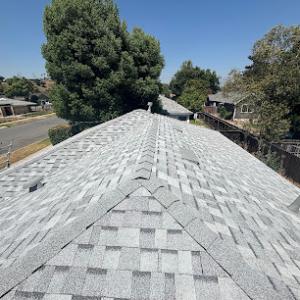
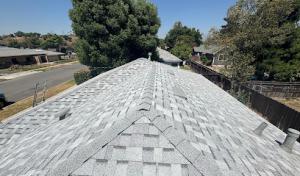
Asphalt shingles remain a common choice for Murrieta reroofs due to cost-to-performance balance and versatility. When selecting asphalt, prioritize advanced UV-resistant granules and a topology that minimizes thermal expansion. Ensure the shingle profile minimizes edge lift in Santa Ana gusts and that the installation uses corrosion-resistant, sealed metallic flashings at hips, valleys, and around penetrations. A high-quality underlayment with an adequate vapor barrier helps manage attic heat, and a well-sealed drip edge improves debris shedding during windy fall events. Regular inspection of ridge and hip cap shingles is wise, because those high-exposure areas bear the brunt of radiant heat and wind uplift.
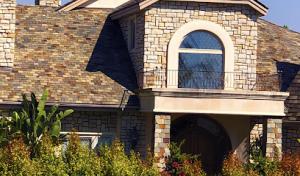
Clay tile brings strong heat resistance and a timeless look, but its weight requires a solid structural assessment and possibly reinforcement. In Santa Ana wind seasons, ensure a robust fastener pattern and edge details that resist lift at eaves and rakes. Concrete tile shares heat durability with clay but can be heavier and more prone to cracking under temperature swings or impact from high winds. Both tile types benefit from a weather-tight underlayment, corrosion-resistant clips or fasteners, and careful flashing around penetrations. Edge detailing and parapet detailing should be designed to resist wind-driven debris and to maintain water shedding paths even when tiles shift minutely in gusts.
Metal roofs perform well in heat and wind when installed with proper fasteners and continuous edge protection. A reflective or light-colored finish helps reduce heat absorption, and exposed-fastener panels should be weather-sealed to prevent leaks under Santa Ana conditions. Pay attention to panel seams, ridge caps, and spacing to maintain wind performance. If opting for metal, you gain the advantage of lower weight compared to tile systems, but you still need a solid structural assessment for long-term seismic and wind reliability, particularly in mixed-substrate roof decks.
Wood shakes offer excellent insulation but require sustained maintenance to resist heat degradation and moisture-related issues. In Santa Ana winds, ensure edge securement and protection against wind-driven debris are rated for your roof's exposure. Synthetic/composite shingles can strike a balance between heat resistance and wind performance, with the added benefit of lower maintenance in some cases. Choose products with proven heat stability and robust edge sealing to minimize curl, crack, and delamination risk over time.

Restoration Builders of California
(844) 404-7243 restorbuilders.com
41870 Kalmia St STE 165, Murrieta, California
5.0 from 15 reviews
The A B C's of wisely building with multiple contractors licenses: A l B l C10 l C39 l C46 With these licenses and our diverse, meticulous and sage wisdom, there is no project too large or small for Restoration Builders of California. We love the difficult jobs, which require 30,000 foot vision, creativity, experience and a little magic. CSLB LICENSE 1007674. BONDED & INSURED.
Fix Right Roofing
(877) 778-0067 www.fixrightroofing.com
41763 Ivy St, Murrieta, California
5.0 from 7 reviews
FixRight Roofing is a locally family owned and operated business based in Murrieta, California that services the Inland Empire, San Bernardino, & San Diego Region. Preferred Contractor w/ Owens Corning. We offer Residential Re-Roofing, Tile Lift & Relay, Standing Seam Metal, New Construction, Flat Roofs, Commercial Restoration, and all types of repairs. We value honesty and integrity in all aspects of our business. Our dedicated team of professionals have over 40 years of hands-on experience to provide innovative ideas and suggestions tailored to your projects. Our services are customized to your individual needs, paying close attention to the details of each project that we are involved with.

Local Construction Murrieta
(951) 494-6392 roofingcontractorsmurrieta.com
41856 Ivy St 2nd Floor, Ste 210, Murrieta, California
5.0 from 2 reviews
At Local Roofer Pro, we take pride in being the most reliable and trustworthy roofing contractors in Murrieta. Our team of experienced and certified roofers is dedicated to providing you with the best possible roofing services. We understand that choosing a contractor can be daunting, so we strive to make the process as easy as possible for you. We offer a range of roofing services, including roof repair, replacement, and installation. We also offer various financing options so that you can complete your roofing project quickly and affordably. Contact us today to learn more about our roofing services in Murrieta!

Rocket Roofing
(800) 720-0775 rocketroofingca.com
Serving
4.8 from 148 reviews
At Rocket Roofing Contractors our mission is to serve the community with the most qualified, uncompromising workmanship and service. We work with dedication and integrity, to bring our clients the best service possible including residential & commercial roofing, roof inspections, roof maintenance, and roof repairs.
Sutton Roofing & Solar
(951) 893-4598 suttonroofingandsolar-ca.com
Serving
5.0 from 40 reviews
Sutton Roofing and Solar is a name you can trust in roofing with 20+ years of experience in the industry. We cater to all commercial and residential roof needs, so give us a call today!

Haven Home Roofing
(951) 621-8088 www.havenhomeroofing.com
Serving
5.0 from 76 reviews
Haven Home Roofing & Remodeling is thrilled to announce the opening of its services to residential customers. We pride ourselves on providing unmatched customer service and start-to-finish excellence, ensuring a seamless experience for every homeowner. We are a one-stop shop for General Contracting & Roofing services. - Roofing - General Contractor - LVP Flooring - Concrete - Fencing - ADUs - Kitchen / Bathroom Remodeling We look forward to supporting you and your home needs. You're in good hands.
So Cal Roof repair
Serving
5.0 from 9 reviews
SO CAL Roof, based out of temecula CA, specializes in top-notch roofing solutions for residents of Temecula, Murrieta, Wildomar, Menifee, Fallbrook, San Diego, Inland Empire, Anza, De Luz, and within a 30-mile radius from Temecula. They provide superior leak repairs backed by a minimum 10-year warranty and offer straightforward consultations for both roof repairs with a 10-year minimum warranty and new constructions. SO CAL Roof operates as a licensed, bonded, and insured company, adhering to the highest industry standards. Trust their expertise to protect your property and enhance its aesthetic appeal.
Valdez Construction Roofing
(951) 987-5580 www.valdezconstructionroofing.com
Serving
5.0 from 120 reviews
Having a solid roof over your head is always important, whether you’re at home or at work. Roofs protect you from the elements, keep the structures of your property intact, and can even help regulate temperature. Over time, your roof may start to show signs of wear, or you may encounter an emergency that severely damages it. Address and prevent severe structural damage with help from Valdez Construction Roofing. Our comprehensive catalog of roofing services includes reroofing, roof repair, roof installation, pressure washing services, and more. We'll inspect your roof to determine what it needs, and then we'll get to work securing your property and keeping your loved ones safe and comfortable.
Frontline Roofing
(877) 587-3978 www.frontlineroofing.com
Serving
4.7 from 98 reviews
Frontline Roofing, located at 31796 Casino Dr ste j in Lake Elsinore, CA, offers top-tier roofing services for both residential and commercial properties in California. As the leading roofing contractor, we excel in roof repair, roof replacement, and shingle and flat roofing. Our dedicated team of local roofers ensures quality craftsmanship and customer satisfaction, making us your go-to for commercial roofing and any roofing services you may need. With a focus on energy-efficient and protective solutions, we stand out among roofing companies near me, proudly being a trusted local choice for a reliable and lasting roofing contractor.
Zenith Roofing Services
(858) 900-6163 zenithroofingservices.com
Serving
5.0 from 7 reviews
With years of experience serving the greater Southern California area, Zenith Roofing Services is the solution for all your roofing needs. We take great pride in our work and prioritize extreme professionalism, timeliness, and superior customer service on every job. We strive to develop lasting relationships with all of our customers by getting the job done so well, the next time roofing service is needed, there is no question who to call. Contact us today so we can discuss your needs and make a plan that fits your budget. Satisfaction guaranteed!
Latchford Roofing & Construction
(951) 600-7764 latchfordroofing.com
Serving
5.0 from 144 reviews
Latchford Roofing has been providing high quality roofing services in Murrieta and Temecula CA since 1988. We are dedicated to providing superior workmanship and excellent customer service, and pride ourselves on maintaining an outstanding reputation. At Latchford Roofing, we treat every roofing project - large or small - as a priority. We are owner-operated, and our clients appreciate that the owner, Brian Latchford, is personally involved in every project. Every member of Latchford Roofing comes well equipped with many years of experience in the roofing industry. They have the training, certifications, and expertise to properly install or repair your roofing system. We look forward to adding you to our list of satisfied clients.
TMH Roofing
Serving
4.9 from 41 reviews
TMH Roofing is a 3rd generation, family owned roofing company that specializes in residential and commercial roof applications. We are licensed, bonded, fully insured, and pride ourselves on our communication and customer service. With years of experience in composition, tile, silicone, and flat roof systems, no job is too big or too small.
When you're considering a heavier tile or certain metal roof systems, plan review may be required through the City of Murrieta Building & Safety before work proceeds. The stakes aren't simply about a new look-too much weight or an unaddressed structural mismatch can lead to unexpected failures or sagging, especially after a hot Inland Empire day or a gusty Santa Ana afternoon. This is not a generic caution; the local scale of homes and their framing often carries subtle differences from one neighborhood to the next. Before any tear-off or retrofit starts, you'll want to verify whether your project triggers an official check, and you'll want to have your structural assessment ready to substantiate the plan.
Because clay and concrete tile are common locally, homeowners changing roof type need to account for possible structural review rather than assuming a simple tear-off and replacement. Tile adds substantial weight, and not every existing roof deck is prepared to carry that load without reinforcement. Even if a contractor says "it's just a tile upgrade," the underlying rafters, beam spans, and attachments may require stiffening, additional fasteners, or adjustable rafter ties. A careful evaluation that maps load paths, attachment methods, and potential retrofits saves late surprises when inspections come around or after a wind event. In neighborhoods where tile resets are frequent, it's normal to encounter a mixed bag of retrofit needs-some homes sail through, others require targeted strengthening.
Tile remains a major local specialty among contractors, reflecting how common tile repair, reset, and full replacement work is in Murrieta neighborhoods. This isn't a one-size-fits-all job; the metrics that matter here include tile weight, interlock integrity, and how the system behaves in Santa Ana-level winds. Expect contractors to discuss not just the tile itself, but the underlayment, flashings, hip and valley details, and wind-rated fasteners. A well-executed tile job considers expansion gaps, thermal cycling, and movement at eaves and ridges, especially on homes with older framing. If a plan review is triggered, the review will look closely at these elements and how they integrate with the house's existing structure.
You'll benefit from mapping out the project with your roofer in terms of progression and staging. Heavier tile or metal systems may demand partial removals, shingle-by-shingle or strip-by-strip approaches, so the structural system isn't stressed during the work. Ask for a documented load-bearing assessment and a detailed construction sequence that shows how weight will be redistributed as sections are opened and closed. Pay attention to fastener patterns, especially around penetrations and openings, and ensure the plan accounts for wind uplift expectations in this climate. If a review is required, coordinate a clear line of communication with the building safety department so questions or notes are addressed promptly, avoiding delays that can compound during peak heat or windy spells.
Because tile work is so common here, rely on contractors who bring proven experience with Murrieta's housing stock and climate. A contractor who can show how they've solved weight, wind, and inspection challenges on similar setups will help keep your project on steady ground. The end result should be a roof that handles heat, resists wind uplift, and remains compatible with the home's existing structure, rather than a cosmetic update that leaves critical elements exposed to future stress.
Find contractors who specialize in clay and concrete tile roofs, known for their durability and curb appeal.
Fix Right Roofing
(877) 778-0067 www.fixrightroofing.com
41763 Ivy St, Murrieta, California
5.0 from 7 reviews
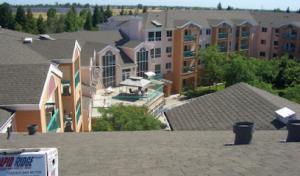

In Murrieta, winter rainfall can slow or interrupt the usual tear-off schedule, turning a planned multi-day project into a squeeze of dry-weather windows. That means every rain delay compounds exposure on old underlayment and deck sheets, increasing the risk of interior leaks once a new roof is finally installed. If a storm hits mid-tear-off, you're looking at a scramble to tarp, cover, and protect remaining sections while the next window opens. Plan for contingencies: schedule a conservative tear-off clock with your contractor, and insist on a clearly defined dry interval to prevent repeated weather-related delays. Ensure temporary water barriers and tarps are ready before the first cold front arrives.
Fall winds bring more than gusts; they bring debris, blown shingles, and strain on flashing seams. The first signs often show up at the edges, around rakes, hips, and chimney flashings, where weakened areas meet the wind's push. A risky reroof is evidenced by loose seals, lifted shingles, and undersized edge metal. If you've got existing edge details or nearby tree limbs, anticipate higher maintenance after Santa Ana events. Immediate post-storm inspections are critical: track any lifted edges, exposed nail lines, or compromised step and counter-flashings, and address them before wind re-accelerates damage. Proactive edge reinforcement saves costly fixes later.
Spring hail events are notable enough to merit extra attention from contractors and insurers after the skies clear. Even small hail can dent soft metals, bruise tiles, and stress granular surfacing on shingles. After a hail event, conduct a thorough exterior and attic check for dented panels, granule loss in gutters, and granule-backed roof lines. If damage is found, document with photos and obtain a professional inspection promptly, as insurers often scrutinize hail-related claims more closely. A vigilant, time-sensitive response helps prevent concealed leaks and accelerates any necessary repairs in the following weeks.
Find local contractors experienced in assessing and restoring roofs after hail, wind, and severe weather events.

A full reroof typically requires a permit issued by the City of Murrieta Building & Safety. Before any materials leave the shop or a crew shows up, get the permit process started with a clear scope of work and a proposed timeline. The department will want to know the roof type, underlayment, ventilation strategy, nail pattern, and flashing details. In this climate, where heat, Santa Ana winds, and tile-heavy configurations can influence structure and ventilation, having a precise plan helps prevent delays later in the project. A typical schedule aligns the permit review with the anticipated weather window, so you aren't stuck waiting on a storm or extreme heat.
Local inspections commonly occur during installation for underlayment, ventilation, nailing pattern, and flashing, followed by a final inspection. The underlayment stage checks for proper overlap, moisture barriers, and UV protection, which are critical under high heat. Ventilation inspections verify that ridge vents, soffit vents, or b venting are correctly installed to manage attic temperatures that spike in inland heat waves. The nailing pattern review ensures fasteners are spaced and driven to match the chosen roof system, especially important for wind resistance in Santa Ana conditions. Flashing inspections focus on transitions around chimneys, vents, and skylights, where failure to seal properly can lead to long-term leaks. Plan for the inspector's timing to coordinate with crew changes and material deliveries to avoid rework.
Scheduling with the building department can affect project timing in Murrieta, especially when weather delays and plan review overlap. Hot, windy weeks can compress windows for permission validity and inspection readiness. Keep the permit active by staying aligned with the inspector's preferred crew schedule and by addressing any plan review notes promptly. If a revision is requested, respond quickly to minimize total downtime. Ensure that the chosen roof system-whether tile, metal, or composite-has compatible underlayment and flashing details that meet local standards, so inspection findings remain straightforward rather than requiring backtracking.
Murrieta's Inland Empire heat can accelerate material expansion and drying times, so staging and sequencing matter. Coordinate deliveries to avoid sun exposure on underlayment and to limit material exposure to heat between removal and install. A well-ordered water management strategy, including temporary protection for openings and careful flashing installation around walls and overhangs, helps prevent weather-related setbacks during inspection windows. If Santa Ana winds are forecast, confirm that fastener counts and venting are locked in early to withstand gusts without triggering reinspection due to minor adjustments.
Before the final inspection, confirm that all components match the permit scope: roofing material type, underlayment specification, venting plan, nail pattern, and flashing details. Ensure the interior is protected from dust and debris, and verify attic access is clear for the final walk-through. Upon passing, obtain the final certificate of occupancy or permit closure and keep the documentation with the home records for future maintenance or resale.
Get a clear picture of your project costs upfront - no commitment required.
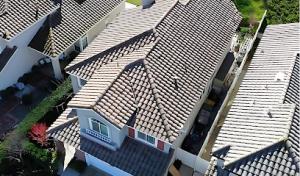
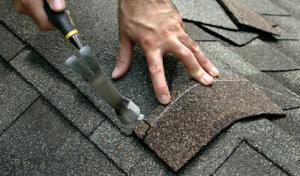
In Murrieta, asphalt shingles remain the baseline option, offering straightforward installation and a wide local service pool. Costs span roughly from 350 to 700 USD per square, reflecting simple reroofs versus upgrades like architectural shingles. Heat and Santa Ana winds can shorten life if ventilation isn't balanced, but asphalt stays flexible in the heat and installs quickly, helping you keep a lid on labor time. If your home is a mild two-story or ranch with standard attic access, this option tends to stay among the most predictable price-wise.
Metal systems are popular when you're aiming for long life and wind resistance, but they push price upward. Expect roughly 700 to 1200 USD per square. In our heat, metal panels shed heat efficiently and resist wind uplift well, though installation complexity can rise with overhead clearance and roof transitions. If your roof has multiple vent zones or a tall eave line, plan for a tighter schedule and a higher materials bill, which can influence overall project timing and budgeting.
Clay tile brings heat resistance and a classic look, but it's heavier and more technique-driven. Prices commonly run from 900 to 1600 USD per square. The weight increases structural considerations and can trigger longer project windows, especially on homes with older framing. For homes with existing clay or high-slope sections, the premium aligns with the need for careful framing and longer installation times.
Concrete tile sits between clay and asphalt in cost, roughly 800 to 1400 USD per square. It delivers durable performance in sun-drenched days and windy spells, though weight and cut complexity matter on mid-century to newer builds. Expect a steadier timeline if your home features complex roof geometry or multiple skylights.
Wood shingles or shakes run about 700 to 1300 USD per square. They create a distinctive look but contend with higher maintenance in sun and wind. Weight is less of a structural shock than tile, but you'll want solid attic venting and moisture control to prevent warping or mold, especially after winter rains.
Synthetic or composite options offer a middle ground: roughly 550 to 950 USD per square. They mimic appearance with improved impact resistance and might ride a shorter lead time than premium tile systems. In hotter months, the color choice and reflective properties can influence interior comfort and cooling costs, so coordinate with your energy plan. In Murrieta, project timing can shift with winter rain delays and storm-driven repair demand, impacting both price and availability across material types.
Don't let upfront costs delay a critical repair - these contractors offer payment plans to fit your budget.

Local Construction Murrieta
(951) 494-6392 roofingcontractorsmurrieta.com
41856 Ivy St 2nd Floor, Ste 210, Murrieta, California
5.0 from 2 reviews
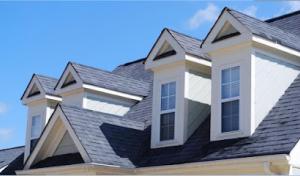
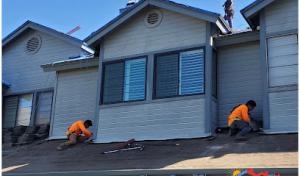
In Murrieta, homeowners operate in California's tightened insurance market, where carriers have reduced appetite in wildfire-prone areas and may scrutinize roof condition more closely. That means the moment you consider a reroof or major repair, you should expect closer inspection of every detail from the shingles to the underlayment and surrounding structural components. Insurance decisions hinge on clear, credible documentation that speaks to heat resilience, wind resistance, and overall roof health. A well-documented roof story can help prevent surprises when a carrier reviews your claim after a Santa Ana wind event or a summer hail episode.
For reroofs, insurers may ask for roof age documentation, notes on pre-existing damage, photo evidence, and confirmation of updated code-compliant underlayment. Start with a simple, precise inventory: age of the roof, the current underlayment type, and any known leaks or prior repairs. Include contractor observations about decking condition, venting adequacy, and whether a recent wind or hail exposure has altered the roof's performance. Take dated photos from multiple angles-ground level for overall condition, and attic shots if accessible-to demonstrate the roof's structural status and ventilation integrity. If you have any warranty letters, product specs, or installation notes, attach those as well. The clearer the chain of evidence, the smoother the insurer's review process.
After wind, rain, or hail events in Murrieta, adjusters may rely heavily on contractor estimates and photos, making documentation quality especially important. Prepare a straightforward summary that contrasts pre-event and post-event conditions, noting any vinyl or metal edge details, tile integrity, and indications of accelerated wear from heat exposure. Ensure contractor estimates clearly separate material costs from labor and specify new underlayment, flashing, and any retrofit needs tied to updated code recommendations. In the end, accurate, comprehensive records reduce back-and-forth and support a timely resolution when weather events stress the roof's resilience.
Connect with contractors who help homeowners navigate the claims process from damage assessment to final approval.
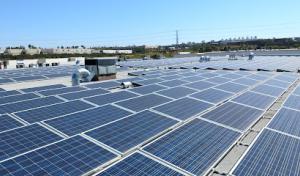
When choosing a roof system in this area, solar attachments are a real factor in planning. The contractor market shows meaningful activity in solar roofing, skylight work, and flat-roof service, so expect frequent penetrations and attachments. Plan for a robust seal where arrays, racking, and combiner boxes meet the deck, and choose flashing details that tolerate Inland Empire heat swings. If a future panel swap or relocation is needed, ensure the rafter and sheathing layout can accommodate it without undermining the primary waterproofing.
On these homes, leak risk often becomes more about transitions and penetrations than field material alone when skylights or solar attachments are involved. Prioritize high-quality crown and base flashing, plus a continuous curb that fits the selected skylight unit. In hot months, expansions can stress seals; pick insulated skylight assemblies with proven weather-ability and verify that drainage paths remain clear after installation. Sealants should be compatible with the chosen roofing surface and able to tolerate Santa Ana wind events without brittle cracking.
Low-slope sections and patio or addition tie-ins can require different detailing and inspection attention than the main pitched roof areas common in local subdivisions. Use a dedicated water control plan for these areas, including mullion ties, edge metal, and proper termination at the main roof valleys. Ensure flashing transitions from slope to slope are continuous, with reinforced membranes or metal pans where sediments or debris could trap water. Confirm access points and roof-penetration details align with typical yard or patio layouts to minimize hidden leakage paths.
Find contractors who integrate solar panels or solar shingles into your roof for long-term energy savings.