
Last updated: Apr 19, 2026
In this desert climate, the roof bears the brunt of scorching sun and relentless heat. The big factor is not just the daytime temperature but the intensity of UV exposure every day of the year. Over time, that constant sun reduces the protective seals, accelerates drying and brittleness, and compounds wear on surface finishes. Residential roofs with heavier tile or shingle coverage tend to show aging earlier in this setting, especially if the roof faces the brunt of afternoon sun. The name of the game in this area is recognizing that the sun's impact compounds with age, making replacement timing a matter of not just calendar years but cumulative sun exposure. If a roof has already endured a decade or more of desert heat, expect more pronounced signs of aging-fading, hairline cracks in coatings, and accelerated granule loss on asphalt shingles. The practical takeaway: track the roof's condition with a careful eye for UV-driven wear, and plan proactive replacements before leaks or structural issues emerge.
Long dry spells in the Coachella Valley intensify UV degradation because there's little humidity to slow surface drying. This effect is most visible on roofs with limited attic ventilation, where heat builds up under the deck and accelerates material fatigue. If attic spaces are poorly vented, shingles or tiles can curl, warp, or delaminate sooner than expected, even if the surface looks otherwise intact. In homes with better venting, heat can dissipate more effectively, but the desert sun still loves to break down sealants and surface coatings, especially on older installations. Regular checks should focus on edge bands, joints, and flashing for signs of dryness-induced cracking or loose seals. Since the desert environment can push aging timelines forward, a roof that still has many functional years left on a cooler climate can reach the end of its life sooner here if ventilation is substandard. The practical approach is to verify attic ventilation performance, and pair this with periodic surface inspections to catch UV wear early before leaks appear.
Scheduling reroofs in the hottest months presents its own challenges. The intense heat affects material handling, fastener behavior, and the willingness of crews to work at peak times. Asphalt shingles, clay or concrete tiles, and metal roofing each react differently under extreme heat: shingles can become brittle and crack if bent or walked on improperly, tiles can crack under sudden temperature shifts, and metal can expand enough to affect fastener seating. On the other hand, cool early mornings or late afternoons can improve workmanship and safety. For long-lived results, coordinate with contractors to minimize mid-day heat exposure during installation, plan for extended curing times for sealants or underlayment, and ensure crews take regular breaks to prevent heat-related fatigue that can compromise alignment and sealing. A practical tip is to schedule reroof work during shoulder seasons when possible and to confirm the crew uses proper walkways and padding for tile roofs, reducing the chance of breakage during removal and transport.
Desert aging indicators tend to show up in specific locations first: underlayment delamination, edge flashing wear, and near roof penetrations where sealants bear the most stress from heat cycles. If your roof has reached a point where surface discoloration, persistent granule loss, or repeated minor leaks appear after heat-driven expansion cycles, it's a sign that replacement timing should be revisited. Because heat accelerates aging, the decision to replace doesn't hinge on a single summer but on a pattern of wear over several seasons. The practical cue is to monitor for recurrent issues that recur after the dry season or after monsoon events; when a pattern emerges, a professional assessment can confirm whether a full replacement or targeted repair best preserves protection in the coming decades. In this environment, proactive planning and early assessment save more trouble than waiting for a noticeable failure.
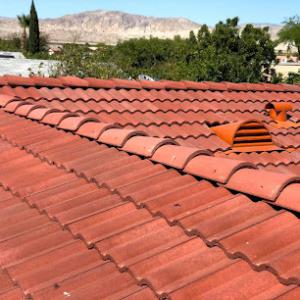
Clay tile and concrete tile are among the dominant roofing materials in La Quinta, matching the city's prevalent desert and resort-style residential architecture. The long, sun-scorched summers and the occasional monsoon spike put heavy emphasis on tile systems that can endure heat without expanding into cracks or leaks. Homeowners frequently see tile as a native look and a durable choice, but the desert environment also means the roof is exposed to relentless UV and reflected heat from stucco walls and bare desert landscaping. This combination makes tile roofing a recognized local specialty signal among contractors, indicating homeowners here frequently need tile-specific repair and reroof expertise. When evaluating a tile roof, expect that not just the visible tile matters, but the condition of the underlayment and flashings that live underneath the tiles and soak up desert heat.
Because tile roofs are common, the practical path is to treat tile problems as both cosmetic and structural. Cracked or chipped tiles in the heat of summer are more than a blemish; they can expose underlayment to sun and wind-driven moisture. Look for cracked ridge caps, loose field tiles after Santa Ana winds, and softened areas around vent stacks or skylights. In many La Quinta homes, a tile system relies on a durable underlayment that must remain waterproof despite repeated heat cycling. If underlayment shows signs of age, you're looking at a potential reroof scenario even if the tiles themselves seem intact. Contractors will often recommend replacing damaged tiles in order to reestablish a continuous weather barrier, and they'll check for bowed or warped tiles that trap heat and stress the underlayment. Tile-specific repair requires careful matching of tile profile, color, and curvature to avoid compromising the roof's appearance and function.
In this desert environment, underlayment doesn't just sit inert beneath the tiles; it actively fights heat, wind, and occasional monsoonal moisture. Prolonged sun exposure can dry out, crack, or delaminate synthetic or felt underlayments more quickly than in milder climates. If the underlayment shows signs of drying, cracking, or moisture intrusion behind a row of tiles, it's a strong signal that an inspection is due and that replacement might be warranted. The goal is a continuous, watertight barrier that can handle heat transfer without transferring it into the roof deck. A skilled roof crew will test for pinhole leaks, soft spots, and deck dehydration in addition to evaluating the tile condition.
Your best defense is a regular, heat-aware maintenance plan. Schedule a mid-year check after the peak of summer heat and before the next monsoon surge to catch heat-wardened wear early. During inspections, pay attention to fallen or displaced tiles after storms, ridge and hip tiles, and any signs of mortar failure around verges or coping. If multiple tiles crack after a seasonal heat spike, or if the underlayment shows age-related deterioration, it can be more cost-effective to reroof with an integrated tile system rather than patching repeatedly. In neighborhoods where curb appeal and shade lines matter, a reroof with the same tile type often preserves the design intent while upgrading the waterproofing layer to endure another cycle of desert seasons.
Find contractors who specialize in clay and concrete tile roofs, known for their durability and curb appeal.
Desert Roofing Solutions
(760) 777-5345 desertroofingsolutions.com
79125 Corporate Centre Dr #7314, La Quinta, California
4.9 from 7 reviews
Cal Coast Roofing
La Quinta, California
5.0 from 10 reviews
We specialise in installing durable roofs using premium materials such as asphalt shingles, metal, tile and flat roofing systems. We quickly diagnose and resolve issues with effective, long lasting repairs. Our team helps you select roofing solutions that balance durability, aesthetics and budget.
Desert Roofing Solutions
(760) 777-5345 desertroofingsolutions.com
79125 Corporate Centre Dr #7314, La Quinta, California
4.9 from 7 reviews
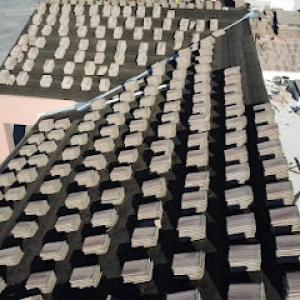
Desert Roofing Solutions safeguards residential and commercial properties in La Quinta, California with a comprehensive suite of roofing services. From leak repairs and inspections to new roof installations and re-roofing projects, their team of experts tackles all roof types, including tile, shingle, foam, built-up, single-ply, and coatings.
Gable Roofing
(951) 733-3108 www.gableroofinginc.co
La Quinta, California
5.0 from 1 review
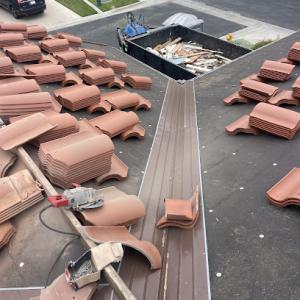
Gable Roofing is a professional roofing company proudly serving Corona, CA. With 25 years of experience in the roofing industry, I specialize in providing top-notch residential services. Whether you need roof repair, roof replacement, or a brand-new installation, you can count on me to deliver quality workmanship and dependable service. I offer expert installation of both tile and shingle roofing systems, tailored to fit your home's style and structural needs. Your roof plays a critical role in protecting your home and enhancing its curb appeal, and we take pride in keeping it in the best condition possible.
Care Roofing Inc of Palm Desert
(760) 463-9921 careroofingsolutions.com
Serving
5.0 from 29 reviews
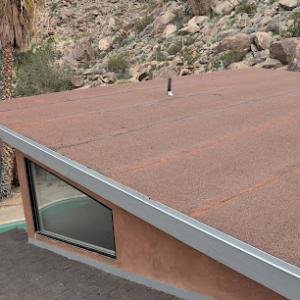
Care Roofing is a fully licensed and insured roofing company located in Palm Desert, CA. We are dedicated to providing high-quality roofing solutions to our customers. We understand that your roof is one of the most important parts of your home or business, and we work hard to ensure that it is always in top condition. Our services include repair, maintenance, and installation of new roofs. We use only the best materials and techniques to ensure that your roof is durable and long-lasting. We also offer free estimates, so you can get an idea of the cost of your project before we begin. Call us today to schedule a consultation and see how our experienced roofers in Palm Desert can help you protect your property.
Vision Roof Services
(844) 348-7663 visionroofservices.com
Serving
4.8 from 39 reviews
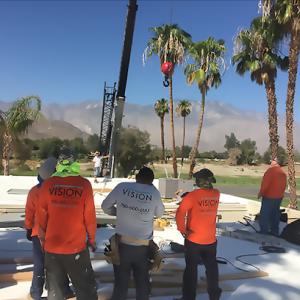
Vision Roof Services (VRS) is a licensed and insured roofing contractor serving Palm Desert, Palm Springs, Coachella Valley, Orange County, Riverside County, San Diego, Los Angeles, and surrounding Southern California areas. We specialize in commercial and residential roofing; spray foam, tile, flat, solar, and more. Our polyurethane spray foam (SPF) systems deliver superior insulation, leak prevention, and energy efficiency for long-term protection. VRS works closely with property owners, builders, and managers to deliver precision workmanship and reliable roofing solutions that raise property value and ensure structural integrity for all desert roof concepts. Call or message Vision Roof Services today for your free inspection!
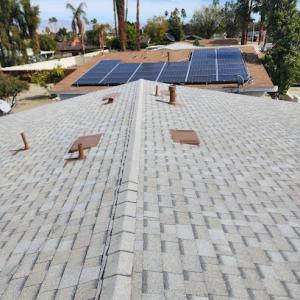
Becerra Brothers Roofing
(760) 636-1099 www.becerrabrothersroofing.com
Serving
4.6 from 31 reviews
Serving the Coachella Valley since 1978, we are a Family Owned and Operated Business and have 3 generations working together. We service the entire Coachella Valley and Mountains communities. We install Shingle, Tile, Metal, Self Adhering Bitumen, Polyurethane Foam Systems and Energy Efficient Coatings. We also Repair and Maintenance Residential and Commercial Roof. We are Licensed and Insured.

Hart Roofing
(951) 256-6355 www.roofreliable.com
Serving
5.0 from 11 reviews
With over 28 years of experience, Hart Roofing delivers expert residential and commercial roofing services. Our hands-on approach ensures every job is done right, from leak repairs to full roof replacements. We don’t believe in quick fixes—every repair is carefully diagnosed and guaranteed in writing. Our owner personally supervises each project to ensure top-quality workmanship. If you need reliable, long-lasting roofing solutions, trust Hart Roofing to get the job done right the first time. Whether you need a full roof replacement, expert repairs, or thorough inspections, trust Hart Roofing to get the job done right the first time. Your satisfaction is our priority, and our workmanship is backed by a written guarantee.
HP Roofing Pro
(909) 521-1285 hproofingpro.com
Serving
5.0 from 6 reviews
HP Roofing Pro in Palm Desert specializes in reliable commercial roofing services in Palm Desert and Palm Springs. Our experienced contractors ensure your project is completed on time and within budget, providing quality workmanship you can trust.
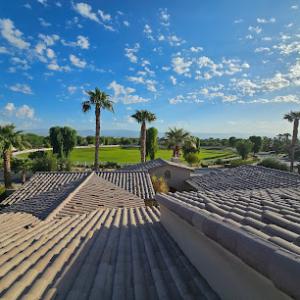
Southern Tech Roofing
(619) 587-0692 southerntechroofing.com
Serving
4.4 from 7 reviews
servicing the Coachella valley
Suntech Consulting & Roofing
(760) 275-4749 suntechroofing.net
Serving
4.2 from 10 reviews
Team with the best roofers in the Palm Desert, California and surrounding areas Your roof is what stands between your family and the elements, so it should be strong. Suntech Consulting & Roofing, Inc. will keep it that way. Whether you’re in need of a new roof or just need repairs on your existing one, our roofers will provide a prompt and effective solution perfect for your needs. You can count on us to use premium materials, effective tools and proven techniques to ensure that your roof lasts for years to come. Our roofing services include: • Installation of tiles including slate and concrete slab • Whole home roofing installation, whether for a new home or to replace your existing roof • Repair and restoration for roofing of all types
RB Roofing
(760) 898-2434 rbroofingllc.com
Serving
5.0 from 42 reviews
RB Roofing is your trusted partner in top-quality roofing solutions. With a commitment to excellence and unmatched expertise, we specialize in providing comprehensive roofing services tailored to meet the unique needs of our clients
Supreme Roofing
(760) 485-8218 www.supremeroofingofpalmdesert.com
Serving
5.0 from 10 reviews
Top quality roofing work in the Coachella Valley. Why wait for a leak ? Give us a call now for a free estimate.
Late-summer through fall monsoon weather in this desert oasis can derail roofing timelines fast. When sudden thunderstorms roll in, crews may have to halt work to protect exposed interior spaces, and tarps can fail under heavy downpours or strong winds. That pause isn't just inconvenient; it raises the risk of hidden leaks collecting behind attic insulation, around vent pathways, and along weakened flashing. If a project is interrupted during active monsoon bursts, you may be staring at water intrusion that isn't immediately visible from ground level. The key is to anticipate a longer-than-expected window for completion and to secure temporary waterproofing, especially around skylights, chimneys, and roof penetrations. Have a plan for rapid sealing if a storm approaches and know which areas can be temporarily shored while you wait for clear skies.
When Santa Ana season hits in fall and winter, roofs experience more debris impact and higher wind-related exposure. Palm fronds, pine needles from landscaping, and grit can abrade surfaces and lodge under loose shingles or tile edges. Tighten up all visible screws, secure ridge caps, and inspect for micro-fractures after each high-wind event. In areas with tile-heavy roofs, wind-borne debris can create micro-dams that funnel water toward vulnerable seams, flashing, and penetrations. After a storm, perform a careful once-over: look for lifted edges, popped fasteners, and any displacement of tiles, especially along eaves and sills where wind pressure is strongest. If any severe damage is found, do not wait for the next dry spell to address it-temporary stabilization and rapid professional assessment are essential.
Emergency repair and storm damage are strong local contractor specialties, reflecting real homeowner demand after wind-driven or storm-related roof events. When a sudden leak or rising water line appears, you need a contractor who can respond quickly, locate the source efficiently, and implement a durable fix that stands up to desert conditions. Look for crews with a track record of fast, on-site assessments, clear communication about what can be repaired temporarily, and a concrete plan for a more permanent fix once weather permits. In the wake of a storm, document damage with photos and notes, then contact your roofer promptly to prioritize safety-critical areas such as living spaces, electrical conduits, and attic ventilation paths.
Prepare a maintenance routine that emphasizes edge and flashing integrity before the monsoon season; ensure gutters and downspouts are clear to minimize water backup. Have a readily available emergency tarp kit and a contact list of trusted local responders who can mobilize quickly after a wind event. If you sense shifting tiles or hear unusual creaking during high winds, treat it as a warning sign and seek an immediate professional inspection to prevent expanding damage during the next storm surge.
Find local contractors experienced in assessing and restoring roofs after hail, wind, and severe weather events.
Desert Roofing Solutions
(760) 777-5345 desertroofingsolutions.com
79125 Corporate Centre Dr #7314, La Quinta, California
4.9 from 7 reviews
In this desert climate, asphalt shingles run roughly $350-$650 per square. That range reflects the daily pressures of extreme sun and heat, which can accelerate granule loss and reduce lifespan if the roof isn't properly vented or underlayment isn't upgraded. You'll notice a more predictable schedule here, since asphalt projects typically finish faster, but delays can creep in if the crew runs into stubborn underlayment or needs extra sealing around penetrations.
Expect $600-$1100 per square for metal. Metal can be a smart choice in a hot, sunny area because it reflects more sun and resists heat buildup, but installation still demands precision to seal seams and flashings against the Santa Ana winds. Labor costs rise when the roof has to be custom-fitted to angles or multiple planes, and if underlayment upgrades are needed beneath the metal to maintain insulation and moisture protection in monsoon season.
Clay tile typically runs $700-$1200 per square. Tile systems are common here, and that high tile presence pushes reroof costs higher because tile installation is labor-intensive. Underlayment work beneath the visible roof covering is often essential to prevent leaks in late-summer storms and to accommodate the weight of new tiles. Expect careful scheduling to align with the dry season and to allow for precise layout of battens and spacers.
Concrete tile comes in roughly $800-$1300 per square. The weight and stiffness of concrete tile require robust framing and accurate underlayment detail. In La Quinta, where sun exposure is intense, many homes with concrete tile also have higher attic temperatures, so consider upgrades to insulation and venting as part of the upgrade to maintain comfort and curb appeal.
Wood shingles or shakes run about $600-$900 per square. In this environment, treated wood and moisture barriers matter to resist rapid drying and expansion from heat. Expect longer labor times if the old roof has extensive sheathing damage or if resin-rich shakes need additional treatment after removal. The decision often hinges on aesthetic goals and the long-term maintenance plan in this climate.
EPDM is estimated at $4-$8 per square foot. This flexible option can be appealing for flat or low-slope sections, where reflective properties and quick installation help manage heat gain. In La Quinta, ensure the membrane is well-sealed at edges to withstand monsoon-season wind-driven rain and radiant heat.
Seasonal storm delays, extreme-heat scheduling constraints, and permit timing through the City of La Quinta can all affect project pricing and lead times. Start planning project windows around the late fall to early spring shoulder seasons when heat and wind are less punishing, and when crews can work longer days without as much heat stress. If reroofing involves significant underlayment upgrades, budget a contingency for additional materials and longer scheduling, since those steps are often the key to a durable, long-lasting roof in this desert climate.
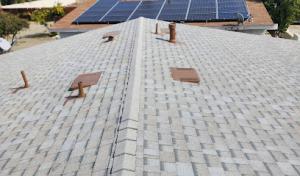
The most popular roofing material in the US. Find pros who install, repair, and replace asphalt shingles.
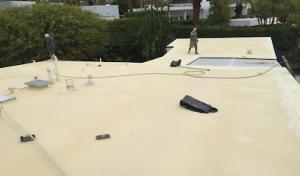
Valley Urethane Foam Roofing
(760) 321-0830 valleyurethanefoamroofing.com
Serving
5.0 from 8 reviews
In La Quinta, a building permit is typically required for a full reroof through the City of La Quinta Building & Safety. The desert environment with extreme UV and heat accelerates roof aging, so a formal permit helps ensure the new system is installed to current code standards and designed to withstand local conditions. Even if a partial roof replacement seems straightforward, most homeowners find that pulling a permit reduces the risk of later compliance issues and helps with insurance validations after a severe weather event.
Permit applications are typically pulled by the contractor or homeowner. Plan review can take a week or two depending on city workload, so it's practical to start the process early in the project timeline, especially if a roof replacement is tied to a larger renovation window. Having complete documentation-rooftop steel or underlayment details, venting plans, and material specifications for tile or shingle systems-speeds the review. In a hot, sun-baked climate like this area, the review may also flag ventilation and radiant barrier considerations that protect interior comfort and long-term roof life.
Inspections are generally scheduled at key milestones, including the underlayment or roof deck stage and the final installation stage. The underlayment inspection confirms proper nailing patterns, ventilation, and moisture barriers that are critical when desert heat can push underlayment to its limits. The final inspection verifies that the roof surface, flashings, vents, and penetrations are correctly installed and sealed against wind-driven dust and monsoon moisture bursts. Expect occasional interim checks if the project encounters weather-related delays or material substitutions.
Before submitting, ensure the plan set clearly identifies flashing details, valley configurations, and material choices suitable for Coachella Valley exposure. Given the late-summer monsoons and Santa Ana winds, show emphasis on wind-resistant edge details and proper insulation and underlayment for resilience against rapid temperature swings. Ask the permitting office about any local amendments specific to La Quinta, such as expedited reviews for reroofs that meet energy or irrigation efficiency requirements. Keep a dedicated file of stamped drawings, contractor licenses, and proof of insurance handy for quick access during review.
During inspections, the inspector will look for secure fastening in hot conditions, as roof decks expand and contract with the heat. In La Quinta, tile-heavy homes benefit from demonstrating that fixings and purlins are corrosion-resistant and that sealants maintain integrity after high-UV exposure. If a second inspection is needed due to corrective work, schedule it promptly to avoid project delays, especially when the monsoon season is approaching and crews must protect exposed decking and underlayment. A well-coordinated permit and inspection plan helps ensure a roof replacement stands up to the desert climate for years to come.
In La Quinta, the desert sun and long, hot summers relentlessly age roofing materials, and that heat exposure often accelerates wear on tile-heavy roofs. The insurance landscape has shifted as wildfire risk climbs, with many carriers pulling back in wildfire-prone areas. That shift affects how replacement timing is approached and which materials look most attractive on a policy page, so you'll want to plan with both sun exposure and risk in mind.
Claim handling has grown more meticulous, and you can expect stricter documentation and more frequent adjuster site visits. Photos that clearly show wear patterns, granular granules in the gutters, and roof penetrations are no longer a courtesy; they're part of the claim, especially after a late-summer monsoon or a windy Santa Ana episode that can reveal latent damage. Detailed replacement estimates matter too, including material spec sheets and warranty terms, to help the process move without unnecessary delays.
Homeowners should expect insurers to want proof of warranty documentation during roof-related claims. A solid warranty can influence what the insurer approves and for how long, so keeping track of both current and transferable warranties becomes a practical step. The combination of intense sun, heat cycles, and occasional intense wind means that a well-documented history of upkeep supports faster decisions when a claim is filed.
To navigate this environment, maintain a clear record of your roof's condition after extreme weather, keep all material specifications and warranty papers organized, and anticipate that the claims review may require iterative communication. If a replacement is in order, align choice of materials with projected life under desert conditions and with what a local insurer is most comfortable underwriting, recognizing that premium choices today can influence claim outcomes tomorrow.
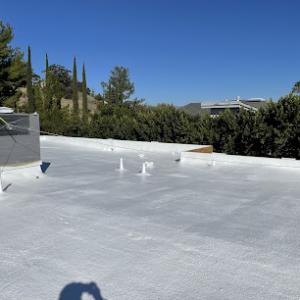
In this desert environment, flat and low-slope roofs are common on the resort-style homes you see around town. EPDM rubber roofing is one of the dominant materials, so you'll be balancing the benefits of a flexible membrane with the realities of heat, UV exposure, and seasonal monsoon bursts. The constant sun can push edge details and penetrations into quicker wear, making careful detailing at transitions essential.
EPDM offers good heat resistance and seam longevity when installed with proper lap joints and field sealants. In hot months, roof membranes expand and contract, so fasteners, edge trims, and flashing must be chosen for high-temperature cycles. Look for a contractor who uses reinforced seams in exposed areas and confirms that the roof deck is dry and shingle-free before application. Pay attention to the perimeter flashing where the membrane meets parapets or cap tiles, since UV and wind-driven rain can drive degradation there.
Skylights bring light but also potential leaks. Choose glazing and flashing options rated for intense sun and heat. Ensure curb flashing sits above the surface and that sealant joints are accessible for periodic inspection. On flat roofs, ensure proper drainage around skylight penetrations to avoid ponding that accelerates membrane wear. Have the flashing inspected with each two-year cycle, and replace any aging sealants before they dry out.
Solar installations add weight and penetration points, so the integration should be planned with the roof's slope and exposure in mind. Verify that racking systems are compatible with EPDM and that flashing around mounts remains watertight. Favor low-profile hardware and well-sealed penetrations to minimize UV-driven degradation over time.
Schedule biannual inspections focusing on seam integrity, flashing around skylights, and roof penetrations for solar mounts. After heavy storms, recheck for wind-driven debris or hail impact. In a high-UV climate, proactive sealant resealing and edge-cant maintenance extend the life of flat or low-slope roofs.
Find specialists in TPO, EPDM, and built-up flat roofing systems for residential and commercial properties.
Desert Roofing Solutions
(760) 777-5345 desertroofingsolutions.com
79125 Corporate Centre Dr #7314, La Quinta, California
4.9 from 7 reviews