
Last updated: Apr 19, 2026
Concord's climate pattern is defined by hot, dry summers and mild, wetter winters, which directly affects when tear-offs and installations can proceed efficiently. In the heat of late summer, roofing crews can push through asphalt or metal installs, but extreme inland heat can bake underlayment and shingles, shortening work windows and increasing risk of thermal expansion in the materials. The shoulder months of spring and early fall offer the most stable conditions for a full tear-off, roof deck inspection, and shingle or tile installation without the interruption of rain or oppressive heat. Plan ahead to target a window when several sunny days in a row are expected, and avoid scheduling during the peak heat of July or August if possible. You want firm daytime temperatures in the mid-70s to low-80s for best handling of underlayment and sealants, with nights cooling enough to reduce heat-induced deformation on membranes.
Fall wind events in inland Contra Costa County can create debris loading and scheduling disruptions, making pre-rain-season roof readiness especially important in Concord. Debris-leaves, branches, and the odd palm frond that somehow finds its way to a steep slope-can clog gutters and damage freshly installed surfaces during the first big wind gusts. If a fall wind event is forecast, it's wise to complete a thorough cleanup prior to the storm season and secure any loose fittings or flashings. The wind can also push contractor timing off schedule, as crews contend with blowing dust, dust devils, and shifting worksite conditions. Build a buffer into the month-by-month plan to accommodate potential delays, and ensure the crew has ample containment for tear-off debris to keep neighboring yards clean during gusty days.
A practical approach for scheduling is to target a lull between the last hot spell and the onset of stronger autumn winds. That window typically occurs after the peak dry months but before the first significant rain events, when daylight is still generous and temperatures are comfortable. By aligning tear-offs and installations to this stretch, you minimize the risk of heat-related material handling issues and reduce the chance of having to pause for rain or muddy conditions. If a fall wind event message comes through, you can use that forecast to compress the timeline, securing materials in advance and coordinating with the crew to minimize downtime.
Winter rain delays and muddy jobsite conditions are a known local scheduling issue, so homeowners in Concord often need to plan full reroofs before the wettest stretch. The winter months bring soggy decks, muddy access paths, and softened ground around the home, all of which complicate truck access, material staging, and tarping. A proactive approach is to complete the core tear-off and most of the installation on the dry days of late fall or early winter, so the most vulnerable layers-underlayment and first rows of shingles or tiles-are secured before the frequent storms arrive. When rain is forecast, crews will slow to protect the deck and avoid compromising the roof structure; this means you should avoid leaving the job mid-progress unless you have a clearly defined rain plan and cover system in place.
In Concord, sequencing matters. Start with a careful inspection of the deck to catch any delamination, dry rot, or protruding nails that could jeopardize a new install. If deck repairs are needed, address them in the dry, warm period before the first heavy rain. Next, install a high-quality underlayment suited to California winters, followed by the selected roofing material. For tile roofs, ensure battens and clips are properly seated and that flashing details at penetrations and along eaves are secure before the rain begins to fall. For asphalt or metal, verify seams are sealed and venting is lined up with the anticipated winter humidity. Finally, schedule a post-installation inspection after the first major rain to confirm seals hold and flashing remains watertight.
Because fall wind events and winter rains can disrupt timing, treat every reroof as a project with contingency built in. Have a backup crew or a flexible schedule to accommodate a sudden weather shift, and keep a mid-fall and late-fall inspection plan ready so any debris buildup or minor leaks are detected and addressed before the wet season peaks. In this area, a well-timed reroof that finishes before the wettest stretch yields fewer callbacks and a more durable result through the next hot inland summer.
Concord's mix of long, dry summers and sudden fall-wind events places a premium on roof systems that can handle heat, UV exposure, and gusty afternoons without compromising attic ventilation or underlayment integrity. The dominant residential roof materials in the area include asphalt shingles, clay tile, concrete tile, metal roofing, wood shingles/shakes, and synthetic/composite shingles. Tile remains especially relevant because many East Bay suburban homes use Mediterranean and ranch-style rooflines that commonly pair with clay or concrete profiles. That pairing not only matches esthetic preferences but also performance needs in a climate that swings from intense sun to windy spells. When selecting a roof, the timing and how a material behaves in heat and wind are as important as initial appearance.
Asphalt shingles are a common choice across many Concord neighborhoods because of the balance between cost, ease of installation, and broad availability. However, the hot inland summers can accelerate granule loss and accelerate aging on darker shingles, especially when attic ventilation is insufficient. Proper attic ventilation becomes a larger factor here: good intake and exhaust flow helps keep the roof deck cooler and reduces the rate at which shingles curl, blister, or soften under high daytime temperatures. If asphalt is the preferred route, look for shingles with better heat resistance and go beyond basic venting-ensure soffit intake, attic baffles, and ridge or turbine vents are sized to manage the local heat load. In neighborhoods with large trees that limit shade, shading strategies and reflective underlayment can modestly extend life. Maintenance also matters: if granules shed aggressively after a few hot seasons, an early inspection of the roof deck and flashing helps prevent leaks during the region's rainier months.
Clay and concrete tiles align well with Concord's traditional rooflines and Mediterranean-inspired aesthetics. They excel in heat resistance and UV stability, which helps them hold color and resist warping during arid summers. Tile roofs also shed water effectively, a benefit as the rainy season returns. The wind performance is a design consideration: many clay and concrete profiles require careful fastener patterns and occasional reinforcement in wind-prone fall periods. If the wind becomes gusty, check that hips, ridges, and valleys remain properly flashed, and consider sealed fasteners where regional wind events are common. The weight of tile is a factor; support structures should be evaluated to ensure the ceiling joists and rafters can bear the load, reducing movement and stress during hot, windy stretches. In style terms, tile roofs pair well with ranch and Mediterranean silhouettes-an important aesthetic in the neighborhood fabric.
Metal roofing offers strong resistance to wind-driven debris and high heat, particularly when installed with reflective coatings and underlayment designed for heat management. For homes with significant sun exposure, metal's reflective surface can reduce thermal gain and lower attic temperatures, which translates into gentler shingle or underlayment aging if a mixed roof is present. Metal also handles sudden wind gusts well when fasteners are properly chosen for the climate. If choosing metal, consider a profile with a subtle texture to mimic traditional lines that work with existing architecture and ensure attic ventilation remains robust to avoid heat buildup beneath panels. Metal can be a favorable upgrade for homes that want a long service life with relatively low maintenance in fall wind seasons.
Wood shingles and shakes provide a distinct texture that many Concord homes carry-from older ranches to newer craftsman-inspired designs. In dry summer conditions, wood can benefit from finishes and treatments that resist drying and cracking, while ensuring that ventilation around eaves remains ample to prevent moisture buildup and mold. Wind exposure can lift unsecured shakes if fasteners loosen over time, so periodic tightening and inspection of ridge lines, hips, and transitions is essential. If choosing wood, select treated or naturally rot-resistant varieties, and pair with a ventilation emphasis to avoid heat-induced warping.
Synthetic and composite shingles attempt to blend the best of both worlds: weather resistance with lighter weight and potential for improved UV stability. They tend to respond well to heat and wind when matched with proper underlayment and ventilation. Look for products designed to endure the local UV exposure and seasonal wind loads, and verify warranty terms cover heat aging and wind-driven wear. This option can mirror the appearance of traditional materials while offering some practical advantages in Concord's climate.
Hot inland summers and fall wind events shorten the window when a roof is in its prime for replacement. The ideal reroofing window is a dry spell in late summer to early fall, just before storms return, when temperatures aren't at the peak and the crew can work efficiently with predictable humidity. If a roof shows accelerated aging or granule loss during heat waves, planning a replacement ahead of the fall wind season helps protect the interior and aligns with the need for a watertight envelope before winter rains. Where tile or metal is chosen, the timing also aligns with ensuring proper installation of flashing and attic ventilation, so the roof system functions as a cohesive, weather-ready barrier through Concord's seasonal transitions.
In this market, leaks don't wait for a home to restock its rain gear. The Concord contractor scene shows unusually strong demand for emergency repair and quick-response reroofing, signaling that homeowners often need fast containment rather than long planning cycles. Heat-driven aging softens underlayment and shingles, while fall Diablo winds can wrench loose flashing and shave top edges of penetrations. If a leak pops up after a hot stretch or a windy night, treat it as a priority, not a puzzle to solve on the next dry spell. Immediate temporary containment-cover tarps, redirect dripping, and secure exposed creases-buys critical time while a skilled crew confirms the scope.
City inspections for reroofs commonly verify flashing, underlayment, ventilation, and nailing patterns, which points to these being critical failure points on Concord roof replacements. Flashing around chimneys, skylights, valleys, and verges is routinely the first weak link after a heat spike or wind event. Underlayment can fail where shingles bend or foot traffic concentrates, and improper nailing is a quiet killer during dry summers when shingles become brittle but wind gusts still deliver force. Ventilation matters because overheated attics accelerate material degradation and accelerate sealing stresses. When planning a reroof, your focus should be on a durable, properly lapped underlayment, continuous nail lines, and robust ridge ventilation to blunt the impact of long dry summers followed by sudden storms.
Skylight-related work is notably active in the local market, suggesting penetrations and surrounding flashing are a recurring repair concern on Concord homes. Skylight seals age differently than the surrounding roof and are a frequent source of both small drips and larger leaks after wind-driven debris or thermal expansion. Expect surrounding flashing to require careful resealing and, in some cases, flashing replacement where shingles have to be stripped back to re-seal the curb. If you notice any condensation, staining, or soft spots near a skylight after a heatwave or wind event, escalate to a prompt assessment rather than waiting for the next rain. A targeted repair around the skylight can prevent a broader reroof in the near term.
When a leak is suspected, do not delay calling a local contractor with a proven track record for fast mobilization. Request a same-day tarping assessment, a temporary leak stop plan, and an outline of the immediate repair steps. For ongoing maintenance, schedule a fall-season inspection that prioritizes flashing, underlayment integrity, venting performance, and nail pattern checks on your chosen roof system. If you have skylights, arrange a dedicated evaluation of their perimeter flashing and curb integrity, especially after hot stretches or wind events. In this market, early intervention and targeted repairs save more stress and exposure to the next storm.
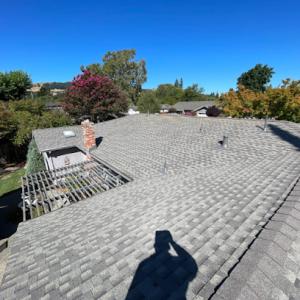
Acker Roofing
(925) 891-3331 ackerroofing.com
975 Detroit Ave ste c, Concord, California
4.9 from 142 reviews
Acker Roofing stands as the premier choice in Contra Costa, CA and its neighboring regions, delivering unmatched roofing services tailored for both residential and commercial needs. Whether you're seeking swift emergency roof repair, comprehensive roof replacement, or specialized solutions for a roof leak, we're your go-to experts in Contra Costa.Our legacy stems from years of dedicated service, ensuring local property owners benefit from the very best in residential roofing, commercial roofing, and gutter service.
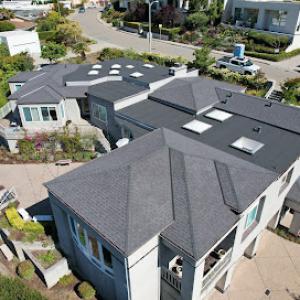
Paragon Roofing
(925) 678-5745 www.paragonroofco.com
1070 Concord Ave #180, Concord, California
4.9 from 38 reviews
Paragon Roofing in Concord, CA, is your trusted roofing contractor for all your residential and commercial needs. Specializing in new roof construction, replacement, repairs, and maintenance, we offer expert services for shingle, tile, and flat roofs. Our skilled team provides skylight and gutter installation, custom designs, and innovative solutions. As Owens Corning and GAF certified professionals, we deliver top-quality artisan roofing with a focus on classic and inventive styles. Choose Paragon Roofing for exceptional craftsmanship and reliable roofing services.
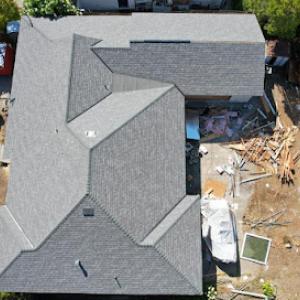
Green Group Roofing
(925) 203-5696 greengrouproof.com
2280 Diamond Blvd Suite 360, Concord, California
4.9 from 49 reviews
The time has come – you’ve finally decided to make changes to enhance your home. Now you need a qualified California Bay Area contractor and remodeler to make your dreams a reality. Green Group Roofing will work alongside you to bring your renovation plans alive while staying on budget and on time. We offer design-inspired solutions to create spaces that fit your style and daily living needs. Boasting a stellar reputation with repeat customers, we are 100% committed to our clients’ home remodeling projects. We are a full-service remodeling company specializing in new construction, room additions, garage conversions (ADU), kitchen remodeling, bathroom renovations, swimming pools, patio covers, and more!

GBR Roofing
(925) 438-7076 www.gbrroof.com
1170 Burnett Ave # S, Concord, California
4.9 from 18 reviews
GBR Roofing is a leading roofing contractor specializing in roof replacement in Concord, CA, and serving Alameda, Contra Costa, and San Francisco counties. We provide expert roof installation, complete roof replacement, and detailed roof inspections for residential and commercial properties. Our licensed team uses premium materials and proven techniques to deliver lasting protection, energy efficiency, and peace of mind. From your initial consultation to the final walkthrough, we focus on transparent communication and tailored solutions that fit your needs. Whether you’re replacing an aging roof or installing a new system, GBR Roofing is here to protect your investment. Contact us today for a free estimate and experience the GBR difference.
Enterprise Roofing Service
(925) 689-8100 enterpriseroofing.com
2400 Bates Ave, Concord, California
4.8 from 25 reviews
Commercial Roofing and Waterproofing Contractor. 24-Hour Emergency Leak Service. Used Roofing Tile Boneyard open Monday - Friday from 10:00am to 3:00pm.

Cosmic Renovation & Roofing
(877) 653-9899 cosmicrenovation.com
1070 Concord Ave #150, Concord, California
4.4 from 28 reviews
Cosmic Renovation & Roofing strives to break the mold when it comes to residential style, comfort and energy efficiency. We deliver money-saving replacement windows, solar roofing products and synthetic turf lawns that protect the environment without compromising the look of your property. We select the best products from the industry’s leading manufacturers. Our design team and technicians stay informed about the latest building innovations and continuously sharpen their skills with continuing education. The results are superior quality, improved function and your peace of mind.
Cornell Roofing
(925) 682-3473 www.cornellroofingco.com
3291 Monument Way, Concord, California
4.6 from 11 reviews
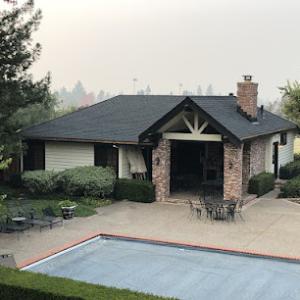
Cornell Roofing Inc in Concord, CA is your go-to roofing contractor for all your roofing needs. Our expert team specializes in roofing contractor services, including roof installation, repairs, and maintenance. We also offer top-notch gutter installation and cleaning services to keep your home protected. From roof cleaning to gutter and downspout supplies, we've got you covered. Trust Cornell Roofing Inc for quality workmanship and exceptional customer service. Contact us today to schedule a consultation and enhance the durability of your roof and gutters.
American Cool Construction
(925) 326-1828 americancoolconstruction.com
1320 Willow Pass Rd Suite 600, Concord, California
5.0 from 6 reviews
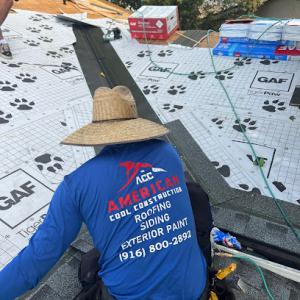
Highly rated and trusted roofing company in Concord, CA. We strive to deliver top quality roofing materials and workmanship. G.A.F Master Elite roofing company offering residential and commercial roof replacement and roof repair services as ell as siding, insulation, and exterior paint. Satisfaction guaranteed. We are proud members of the Google Guaranteed program. We also offer convenient financing options as well as generous seasonal discounts for your needed roofing project. Ask about our roofing discounts. We treat you and your home with respect and will provide you with an honest and hassle-free quote/estimate. Affordable roofing services at the highest quality.
Mortensen Roofing & Gutters
(925) 685-4613 www.mortensenroofing.com
4010 Folsom Ct, Concord, California
5.0 from 4 reviews
A family owned roofing business, specializing in reroofing, repairs and gutter replacement.
Rick's Quality Roofing
(925) 441-0200 ricksqualityroofing.com
2401 Stanwell Dr #320, Concord, California
5.0 from 3 reviews
For a seamless and professional roofing experience, look no further than Rick's Quality Roofing. Located in Concord, we are a premier contractor dedicated to delivering exceptional service and superior craftsmanship. Our team of skilled professionals specializes in a wide range of roofing solutions, ensuring your home is protected with the highest quality materials. Whether you need a new installation or expert repairs, trust us to provide durable and reliable results that stand the test of time. Your peace of mind is our priority, and our commitment to excellence shines through in every project we complete.
Black Diamond Roofing
(510) 775-5290 www.blackdiamondroofs.com
5051 Commercial Cir, Concord, California
4.0 from 4 reviews
Black Diamond Roofing, Inc. was established in 2014 and our knowledgeable staff boasts over 15 years of roofing experience. Committed to providing quality service at a reasonable price in Northern California, we are your go to roofing experts. Based in the East Bay, Black Diamond Roofing services the local and surrounding areas including: East Bay (incl: Concord, Dublin, Fremont, Pleasanton, Livermore), Bay Area (incl: San Jose, Santa Clara, Sunnyvale, Milpitas, Palo Alto, San Mateo, San Francisco) as well as the following counties Sonoma, Marin, Napa, Solano, Sacramento and Contra Costa.
Pacific Coast Roofing Service
(510) 912-5454 pcroofingservice.com
Serving
5.0 from 56 reviews
Pacific Coast Roofing Service has been servicing the Bay Area since 1996 with the very best roofing installation and repair services since 1996. Serving both homeowners and commercial properties, we offer free on-site estimates. Based in El Sobrante, CA we work all over the Bay Area including Oakland and Walnut Creek. Our team of experienced roofers can handle all manner of residential and commercial buildings at the right price with the very best in workmanship. If you have a roofing job needing done, you can depend on our crews to do it all. Serving both homeowners and commercial properties, we offer free on-site estimates.
Typical Concord material ranges run about $350 to $700 per square for asphalt shingles, $700 to $1500 for metal, $900 to $1800 for clay tile, $800 to $1400 for concrete tile, $500 to $900 for wood shingles/shakes, and $450 to $1000 for synthetic/composite shingles. When you're budgeting, use those ranges as a starting point and expect variants based on roof complexity, attic ventilation, and existing decking. If your home already has a solid deck and good flashing, you'll be closer to the lower ends; if you're replacing a heavier tile or adding underlayment and a ventilation upgrade, you'll push toward the higher end.
Costs in Concord can rise when homeowners replace heavier tile systems or need decking, flashing, and ventilation corrections to pass City of Concord inspections. Heavier tile projects may trigger additional structure work or retrofit requirements, so build that into your timeline and estimate. In practical terms, a tile reroof might land in the upper half of its range if decking needs replacement or if new flashing ties into complex roof intersections. Conversely, a straightforward asphalt or synthetic replacement on a simpler roof can stay near the lower end of its band.
Seasonal weather matters locally: winter rain delays, late spring showers, and fall wind-related scheduling variability can affect labor timing and reroof pricing in Concord. Dry summers push crews to complete projects quickly, but Diablo winds in the fall can pause high-steam roof work or create ordering backlogs for underlayment and fasteners. If you're aiming to reroof before winter rains, expect tight scheduling in late summer and early fall, with potential price bumps if a material shortfall or wind-related delays occur.
If you're choosing heavier tile, plan for longer installation windows and a possibly higher total cost due to decking or ventilation improvements. Start with a careful evaluation of existing decking, flashing, and attic ventilation; laying out a plan for upgrades now can prevent delays and additional visits later. Get multiple bids, explicitly asking each contractor to itemize decking, flashing, and ventilation work, along with the material costs. In Concord, coordinating timing with dry, warm days helps keep the project on track and reduces the risk of weather-driven price swings.
Don't let upfront costs delay a critical repair - these contractors offer payment plans to fit your budget.
American Cool Construction
(925) 326-1828 americancoolconstruction.com
1320 Willow Pass Rd Suite 600, Concord, California
5.0 from 6 reviews


Citywide Roofing & Remodeling
(888) 933-5939 www.citywide-remodeling.com
Serving
4.8 from 70 reviews
In Concord, a permit is typically required for full reroofs, and the City of Concord Building Division handles the permits and inspections for these projects. Starting the process early helps prevent delays that can stretch through the hot inland summer and fall wind season, when timing is tight and inspections may slow you down just as you're hoping to finish before the next round of storms. A licensed contractor will typically pull the permit, but you should confirm that the paperwork lists the exact roof scope, materials, and ventilation details that matter for California's climate.
A reroof permit isn't simply a yes or no mark on a sheet. It ensures the underlayment is appropriate for the dry heat and sudden cooling of the Diablo winds, that flashing around chimneys and vents is set up to resist wind uplift, and that the roof deck is adequately vented to avoid premature aging. The permit also confirms proper nail patterns and fastener spacing, which are critical when summer heat expands and contracts materials quickly. If the permit conditions aren't met in the field, you risk rework, added expense, and potential insurance issues.
Reroof inspections commonly occur during installation and again after completion. Inspectors verify underlayment quality and placement, flashing integrity around all penetrations, ventilation adequacy, and the correct nailing patterns across the entire roof surface. In summer and early fall, inspectors may pay particular attention to how attic ventilation is balancing heat load and moisture-two factors that influence roof longevity in this climate. It's not unusual for minor adjustments to be required, which can add a day or two to the schedule if fasteners or flashing need re-doing.
Timing your reroof around the seasonal wind events and dry heat reduces the risk of accelerated wear and catches you with inspections lingering into problematic weather. Stay in close contact with the building division and your contractor about allowable work windows, inspection timelines, and any weather-related holdbacks. If a permit lapses or inspections fail, the project can stall, leaving vulnerable underlayment exposed to sun and wind. A careful plan minimizes that exposure and keeps the project moving toward a durable, code-compliant roof.
Concord homeowners are affected by California's broader insurance pressures tied to wildfire risk and weather-related losses, even when the immediate roof issue is wind or rain driven. The inland heat and Diablo wind events that slam through autumn create a spotlight on roof integrity, and carriers increasingly scrutinize how those risks are documented and mitigated. A roof that shows aging, heat damage, or previous patchwork may trigger heightened review or even coverage questions, so understanding the insurance backdrop helps set expectations before a reroof.
Carriers commonly require documentation such as damage photos, pre- and post-installation photos, permits, and proof that the reroof met code requirements. In practice, that means you should assemble a clear visual story: how the roof looked before the issue, the exact damage or failure you're claiming, and how the replacement plan aligns with current standards. The problem claims that center on wind and rain can draw close attention to material aging, nail patterns, and flashing details, so a thorough, organized file matters. Keep digital backups and readable timestamps to avoid questions about when each image was taken.
Adjusters in this market may closely review roof age and replacement-cost estimates, so Concord homeowners benefit from detailed inspection records before work begins. A professional inspection that documents shingle condition, decking integrity, and any interior signs of water intrusion can shorten the path to approval and reduce back-and-forth. When an adjuster visits, be prepared with a concise summary of the roof's life history, notable weather events that stressed the system, and a clear explanation of why remediation to current-code standards is required. Honest, precise records reduce the risk of delayed settlements or later questions about the scope.
Create a centralized folder for all roof-related documents, including photos labeled by date and event, notes on weather conditions during any damage, and copies of correspondence with the insurer. Maintain a running timeline of inspections, repairs, and material choices, especially if a reroof is contemplated. In environments shaped by dry summers and fall winds, the goal is to present a coherent, defensible case showing proactive maintenance, observed deterioration, and a plan that aligns with the prevailing conditions and code expectations.
Connect with contractors who help homeowners navigate the claims process from damage assessment to final approval.
Acker Roofing
(925) 891-3331 ackerroofing.com
975 Detroit Ave ste c, Concord, California
4.9 from 142 reviews
Green Group Roofing
(925) 203-5696 greengrouproof.com
2280 Diamond Blvd Suite 360, Concord, California
4.9 from 49 reviews
GBR Roofing
(925) 438-7076 www.gbrroof.com
1170 Burnett Ave # S, Concord, California
4.9 from 18 reviews
Although the residential reroof market dominates, you'll notice a solid thread of flat-roof specialists in the area. That means you're not limited to one kind of contractor for low-slope projects-the pool includes competitive bids and flexible scheduling, especially for garages, additions, or commercial-style sections that tuck into the existing home footprint. Plan for a team that understands both roofing membranes and seamless edge details.
In many Concord homes, low-slope sections are tucked behind the main roofline or form on garages and utility wings. These areas heat up quickly under the inland sun, which ages membranes faster and can accelerate coating wear or seam degradation. Watch for blistering, loose flashings, or ponding that lasts more than a day after a rain. Addressing these early prevents small leaks from becoming larger issues.
Hot, dry summers shift the window for maintenance: you'll want the cooler transition months to minimize heat-driven adhesion problems and allow proper cure times for coatings or membranes. If a full replacement isn't required, consider a targeted coating or patch on select low-slope sections to gain additional service life without the disruption of a full roof replacement. Prioritize projects that affect garages or additions first, since they're more exposed to sun and wind.
Roof coating remains a practical option for extending life on select low-slope systems. It's often a smart compromise when full membrane replacement isn't immediately necessary. Choose coatings compatible with the existing membrane type, and ensure the surface is thoroughly cleaned and prepared. Regular maintenance cycles-cleaning debris and re-coating every several years-help resist heat-drying and wind-driven wear from fall events.
Concord's mix of homes means you'll benefit from a local crew with a track record on flat roofs and added attention to edge detailing and drainage. Ask about service history on nearby flat sections, as nearby projects can reveal how a system holds up during Diablo wind episodes and the subsequent seasonal transitions.
Find specialists in TPO, EPDM, and built-up flat roofing systems for residential and commercial properties.
Paragon Roofing
(925) 678-5745 www.paragonroofco.com
1070 Concord Ave #180, Concord, California
4.9 from 38 reviews
PrimeShield Roofing Dublin CA
1760 Willow Pass Rd, Concord, California
5.0 from 1 review
Local hiring patterns in Concord strongly favor reroofing specialists, quick response, and cleanup-included service, reflecting a market where homeowners want disruption controlled as much as price. A crew with a proven track record in reroof projects will understand the seasonal heat, wind exposure, and how fast work needs to move when a storm window opens. Look for teams that advertise on their trucks or in neighborhood reviews as dedicated reroofers, not general contractors who do everything but have limited experience with long roof lifespans in dry summers followed by winter rain.
A substantial share of area contractors market themselves as long-established or family-owned, which matters in a city where repeat neighborhood work and reputation carry weight. Ask for references from nearby streets with similar roof types and ages. Visit a few completed jobs if possible, focusing on how the crew protected landscaping, managed debris, and left a tidy site each day. A family-owned crew often communicates more directly and follows up on loose ends, which reduces callbacks during wet months.
Because permit compliance and inspection readiness are central, homeowners should favor crews that routinely handle City of Concord reroof inspections rather than only repair-only operators. Verify that the crew arrives with a solid plan for edge protection, water management, and debris containment that aligns with local expectations. Confirm they can coordinate with a third-party inspector or the city's inspection process, and that they can supply a detailed post-roofing checklist to ensure the roof passes the next mandatory check without surprises.