Last updated: Apr 19, 2026
Reroof planning in this valley hinges on a clear-eye view of the calendar. Spring and fall emerge as the windows that minimize heat stress for crews and reduce the likelihood of weather-related work stoppages. The goal is to complete the tear-off and installation during days when the asphalt won't slump, the adhesives can cure, and the crew can work at a steady pace without the peak heat forcing awkward safety precautions or rushed detailing. Summer days bring the kind of heat that slows hand-fastening and can bake underlayment layers, so timing a project to finish before or after the hottest stretch matters. Similarly, a fall schedule that avoids monsoon-like pressure from late-season storms helps protect interior spaces and keeps stray days from turning into tear-off setbacks.
During dry, blazing summers, the roof line often benefits from starting work when the morning air still has some bite but the sun hasn't beaten down for hours. Crews may push the start earlier or pause midday, which means the daily progress can hinge on how long the roof remains comfortable for workers and for temperature-sensitive materials. Since Modesto's heat can push surface temperatures well above comfort thresholds, plan for longer afternoons to manage heat stress and moisture control in the attic or vented spaces. This careful pacing reduces the risk of fasteners working loose from heat-softened deck boards and helps ensure proper nail seating and shingle alignment. If a project runs into late spring or early fall, the warmer shoulder days can still present workable conditions, but the safest bet is to target cooling-season rather than peak-summer intervals whenever possible.
Cool, wet winter periods from roughly November through February can delay tear-off schedules and expose open roof areas to rain interruptions. Rain not only halts progress but can also lead to water intrusion into underlayment or newly exposed decking if the job isn't secured promptly. When planning for winter work, build in contingency days for weather setbacks and ensure the contractor can cover exposed sections with temporary protection to keep interior spaces dry between rain events. The risk isn't just measured in minutes of rain but in how quickly a roof can dry out and whether accumulated moisture during a storm cycle can compromise decking or insulation. Expect shorter windows for continuous work and more frequent checks for moisture and fastener integrity when winter weather is unsettled.
Cold spring nights in the northern San Joaquin Valley can slow curing for some underlayment adhesives even when daytime conditions look workable. This means you might see longer cure times for peel-and-stick or composite underlayments, or you may notice slower reach of adhesive seals around flashing. When nights stay chilly, crews sometimes adjust by using products rated for cooler conditions or by implementing more careful sequencing to ensure seams and penetrations seal properly before sealing shingle tabs. It helps to confirm with the contractor which products are designated for the local diurnal swings and whether extra curing time is planned for marginal evenings. If a project begins in late winter or early spring, expect a buffer for curing in unusually cool nights, and coordinate with weather forecasts to avoid pushing into a stretch of unpredictable temperatures.
To keep a reroof on track, target spring or fall for the actual tear-off window and schedule a buffer around any late-season heat spikes or early-season rain chances. Communicate clearly with the crew about expected temperature ranges for the days of work, and discuss whether any underlayment products will require extended cure time due to cooler nights. Have a plan for quick tarp coverage if a surprise storm comes through, and align with the contractor on daily check-ins to confirm that fastening patterns, flashing placements, and alignment standards are holding steady as temperatures shift. By acknowledging Modesto's heat and winter cycle upfront, the reroof project stays safer, more predictable, and less prone to weather-driven delays.
Clay tile and concrete tile are the dominant roof types you'll see on Modesto-area homes, especially in Mediterranean- and Spanish-influenced suburban neighborhoods built after the postwar era and into the late-20th century. That style isn't just cosmetic-it drives how your roof ages, leaks, and how you plan maintenance and reroofing. When you're evaluating a tile roof, the look of the surface matters less than how the system behaves as heat and moisture cycle through a long valley summer and cool, damp winter.
In this climate, the heat of the Valley pushes materials to move and flex in ways that aren't a big factor on flatter shingle roofs. Movement around flashings, penetrations, and valleys can start to reveal weaknesses even when the field tiles still look solid. That means leak diagnosis often starts under the tiles rather than at the surface, because underlayment can wear out or fail long before you see a visible tile crack. If you have a roof that's a mix of older field tiles and newer replacements, expect the underlayment and fasteners under those tiles to be a primary target for leaks after a hot summer.
Begin with a careful hand-by-hand inspection of the valleys, where two roof planes meet. Check the flashings around penetrations-chimneys, vents, and skylights-for signs of lifting, creasing, or corrosion at fasteners. Gently lift a few tiles near suspected trouble spots to view the underlayment; a pre-teen or mid-age underlayment showing curling or damp spots is a red flag even if the tile surface looks intact. Look for staining on interior ceilings that aligns with a specific roof plane or penetration, then backtrack to the corresponding area on the roof. If you're climbing onto a clay or concrete tile, proceed with caution; the surface can be brittle and tiles can crack under foot or shift slightly, which itself can create secondary leaks.
Prioritize fixing leaks at the source of moisture rather than replacing tiles first. Since underlayment ages beneath otherwise reusable field tiles, a small repair here can extend the life of a larger tile section. When replacing tiles, try to match the original tile profile and color to maintain the roof's performance envelope and wind uplift resistance. Ensure that valley linings and flashing are integrated with the tile layout so that water shed stays within the designed drainage path. For aging systems, consider upgrading underlayment and resealing flashings as a proactive measure before the next heat spike or heavy winter moisture-this can prevent cascading failures that start with a single compromised seam or corner.
Find contractors who specialize in clay and concrete tile roofs, known for their durability and curb appeal.

Roofing Modesto Pro
(209) 279-5012 modestoroofingpro.com
501 Rose Ave #7, Modesto, California
4.8 from 85 reviews

Alba's Roofing
(209) 602-2795 www.albasroofingca.com
3009 Wyatt Way, Modesto, California
4.5 from 37 reviews

True Roof
(209) 718-7663 www.trueroofca.com
1125 Lone Palm Ave Suite F, Modesto, California
4.9 from 475 reviews
Third generation roofing contractor focused on inspecting and ensuring your roofing system is protecting what matters most. We strive to put integrity on top.

Roof Doctors Stanislaus County
(209) 846-2377 theroofdoctors.net
3601 Prescott Rd #71, Modesto, California
4.8 from 75 reviews
"Nobody inspects, repairs and certifies more roofs or solves more roof leak problems in the Central Valley Area." Over 300,000 roofs inspected. We do complimentary roof inspections with detailed reports that include pictures. Reports sent within 24 hours of inspection. We are a licensed roofing contractor that offer repairs, replacment bids, gutter cleaning bids, gutter guard installs, and general roof maintenance. Service in the following Central Valley counties: San Joaquin, Stanislaus, Merced, Madera, Fresno, Kings & Tulare Counties.
Roofing Modesto Pro
(209) 279-5012 modestoroofingpro.com
501 Rose Ave #7, Modesto, California
4.8 from 85 reviews
We are proud to be a locally owned small business that provides high quality roofing services to customers who need roof repairs, roof inspections or roof installations in Modesto, CA. Our company invests heavily in its employees and has been connecting people with professional and expert roofing contractors for a number of years now. We understand how roofing is done and are devoted to offering our services with open communication and straightforward honesty as our guiding slogans.
Peterson Roofing
(888) 596-4889 petersonroofingca.com
1509 K St suite 107, Modesto, California
4.9 from 40 reviews
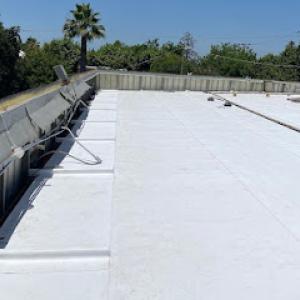
Peterson Roofing, Inc. provides expert roofing services in Modesto, CA. We specialize in roof installation, repair, and replacement for commercial properties. Our licensed and insured team ensures durable, high-quality roofing solutions using premium materials. We handle asphalt shingles, metal roofing, flat roofs, and emergency repairs with precision and care. We aim to deliver affordable, long-lasting, weather-resistant roofs that protect your home or business. Contact Peterson Roofing, Inc. for a free estimate and experience professional, reliable roofing services in Modesto.
A+ Roofing Services
(209) 353-9566 aplusroofingservicesca.com
Modesto, CA
4.8 from 34 reviews
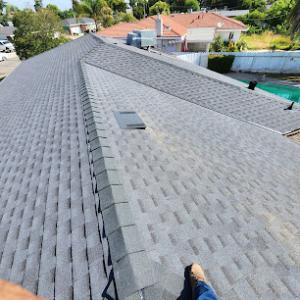
A+ Roofing Services is a local, licensed and insured roofing contractor (license# 1097759). Our expert team proudly serves the San Joaquin Valley from Stockton down through Madera and all the communities in between. We can handle everything from simple roof repairs to full roof replacements and more, including inspections, siding, skylights, gutters, and fencing. We do work for residential as well as commercial properties and we pride ourselves on exceptional customer service, treating each home and business as if it were our own. Call today to get your roofing project started!

Thomas Ford Roofing
(209) 988-8134 www.thomasfordroofing.net
500 Beard Ave, Modesto, California
5.0 from 11 reviews
Thomas Ford Roofing is your premier roofer in Modesto, CA. Trust Thomas Ford Roofing for top-quality roofing in Modesto, CA, Turlock, Manteca, and beyond! As a third-generation, Modesto-born roofer with over 15 years of experience, I personally oversee every project since 2005. We offer new roofs, re-roofing, leak repairs, and custom solutions tailored to your roof needs. Our commitment to excellence ensures your Modesto home stays protected with durable, high-quality craftsmanship. Choose a local roof expert like Thomas Ford Roofing Company who cares. Contact Thomas Ford Roofing today! We're not just another roofing company, we're part of the Modesto, CA community.
McLain's Roofing
(209) 924-7663 www.mclainsroofing.com
4220 Hallmark Way, Modesto, California
5.0 from 10 reviews
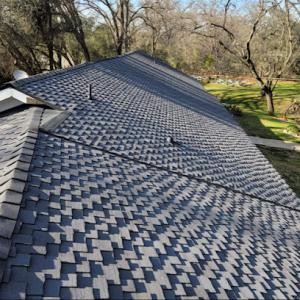
At McLains Roofing, we believe in offering personalized roofing solutions. Our comprehensive consultations ensure that you're fully informed about your roofing options, allowing you to select the plan that perfectly suits your home or business. Your needs are our top priority, and we'll maintain open communication throughout the entire project. With expertise in both residential and commercial roofing services, our commitment to exceptional customer service sets us apart. Whether you're embarking on a new construction project or in need of repairs, we're here to meet all your roofing needs.

Alba's Roofing
(209) 602-2795 www.albasroofingca.com
3009 Wyatt Way, Modesto, California
4.5 from 37 reviews
For over 20 years, Alba’s Roofing has been the trusted Roofing Contractor in Modesto, Ceres, and Riverbank, CA, known for our commitment to professionalism, integrity, and reliability. We specialize in Roof & Ceiling installations, Gutter Installation Services, and complete roofing solutions tailored to protect and enhance your property. Our team delivers exceptional craftsmanship, cost-effective results, and durable finishes that stand the test of time. Most of our business comes from referrals by satisfied clients who appreciate our attention to detail and outstanding customer service. Whether you need a new roof installation, roof repair, or gutter maintenance, Alba’s Roofing is your local expert for high-quality, long-lasting results.
Roofing Modesto CA
(209) 287-3204 www.roofingmodestoca.com
Modesto, CA
5.0 from 9 reviews
Unparalleled Residential And Commercial Roofing Services From Your Trusted Roofing Modesto Roofing Modesto CA is your dependable roofing services provider in Modesto California. We are renowned for our exceptional roofing solutions catering to commercial and residential properties. Our certified roofing Modesto have comprehensive expertise in installing various roofing components, including siding, skylights, gutters, and downspouts. Your Top Choice Among Roofers in Modesto. Maintaining open lines of communication is crucial to ensure your Modesto Roofing project is a success. We prioritize clear and effective communication from the initial consultation, discussing your roofing needs, to the final inspection, ensuring your satisfaction.
American Roofing services
(209) 495-5912 americanroofingservicesinc.com
2109 Glendale Ave, Modesto, California
4.7 from 20 reviews
Roofing contractor Roofing company
Martin Moran Roofing
623 Bitritto Ct St E, Modesto, California
5.0 from 7 reviews
Roofing Contractor
Loma Blanca Roofing
(209) 604-5348 lomablancaroofingco.com
Modesto, California
4.6 from 10 reviews
🏠 Loma Blanca Roofing Built on Trust. Driven by Excellence. 🔨 For over 16 years, Loma Blanca Roofing has proudly served the Modesto, CA community with reliable, high-quality roofing solutions 🛠️. 🏢 From residential homes to commercial properties, we’ve built a reputation for craftsmanship, integrity, and customer satisfaction. 🏗️ Founded on the principles of trust, quality, and excellence, our journey began with a simple vision: to deliver roofing services that not only meet—but exceed—our clients’ expectations. Over the years, we’ve: 🔧 Honed our skills through hands-on experience 📐 Adopted industry best practices and modern techniques 👷♂️ Built a team of dedicated professionals who treat every roof like it’s their own.
H3: Sudden damage spikes from hail and wind
When storms roll through the valley, hail and gusts don't just scare pets-they trigger a rush of roof damage calls and insurance activity. You'll notice more patchwork repairs after a high-wind event when shingles lift, flashing dents, or small leaks start threatening ceilings. In this market, a quick roof check after a storm is anything but optional.
H3: The winter cycle makes leaks harder to pin down
Winter rain following a wind event is especially disruptive. Small flashing or ridge failures can sit for days, then wake up into active interior leaks with the next storm cycle. This pattern means you must treat quiet sky days as warning windows. If a cap or ridge piece looks even mildly suspect, investigate now before the next front arrives.
H3: Distinguishing fresh storm damage from heat wear
Because many local roofs are older reroof candidates, inspections often have to separate fresh event damage from long-term heat wear. Heat accelerates shingle drying, warping, and edge curling, complicating the picture after a storm. A diligent assessment looks at the age and condition of the roof, then asks: did this fail suddenly or was it already near the end of its life?
H3: Immediate steps to take after a storm
After a storm, walk the roof only if it's safe, and document every issue with photos from multiple angles. Note lifted or missing shingles, torn flashing, and dented metal details. On the ground, inspect interior ceilings for new stains or bulges that match the storm timeline. Your next action is to contact a local roofer who understands how Modesto's heat and moisture cycle shapes damage patterns.
H3: Prioritizing durable repairs in a warm, thirsty climate
Choose repair or replacement strategies that address both heat aging and moisture infiltration. Metal accents, sealed flashing, and improved ridge ventilation reduce future risk from quick, repetitive cycles. If re-roofing is needed, select systems and installation methods known to perform well in hot summers and wet winters, rather than relying on a one-size-fits-all solution.
H3: Partnering with a trusted local contractor
Local experience matters: a neighborly contractor will know how sometimes a small patch is enough to ride out a storm season, while other homes benefit from a more robust, long-term fix. Ask for references that reflect Modesto's storm history, and request a detailed scope that clarifies what's addressed now versus what can wait for a calmer period.
Find local contractors experienced in assessing and restoring roofs after hail, wind, and severe weather events.
Roofing Modesto Pro
(209) 279-5012 modestoroofingpro.com
501 Rose Ave #7, Modesto, California
4.8 from 85 reviews
Alba's Roofing
(209) 602-2795 www.albasroofingca.com
3009 Wyatt Way, Modesto, California
4.5 from 37 reviews
Reroofing costs in Modesto follow a practical scale that mirrors local housing stock and the Central Valley climate. Asphalt shingles sit in the low-to-mid range, about 350 to 700 per square. Metal roofing tends to be mid-to-high, roughly 600 to 1100 per square. Clay tile calls for a higher budget, at about 900 to 1500 per square, while concrete tile lands around 700 to 1200 per square. Wood shingles or shakes run 650 to 1300 per square, and synthetic or composite shingles come in between, around 500 to 900 per square. These figures reflect typical installations rather than quick tear-offs, and they assume standard roof sizes with common pitch found on Modesto homes.
In practice, the material choice often changes the pacing of a reroof project in this valley. For example, clay and concrete tiles bring a longer lead time because of tile handling and the need for experienced tile setters in a densely tiled roofscape. Synthetic shingles, while cheaper upfront, may still require careful detailing at transitions and penetrations to hold up to heat and tule-fog moisture cycles. Underlayment and flashing add costs across the board, but those steps become noticeably more involved when older tile roofs are involved.
Costs in Modesto often rise when older tile roofs need underlayment replacement with careful tile removal and reset rather than a straightforward tear-off and install. If tiles are brittle or uneven, more labor is required to protect the deck and ensure a long-lasting seal. That extra labor shows up as higher bids, especially with concrete and clay tile where row-by-row handling becomes time-consuming. A reroof that includes meticulous underlayment work and tile reset will typically push the project toward the upper end of the material's price range.
This local nuance matters because many Modesto homes still wear aging tile or shake systems. When a contractor advises removing and resetting rather than a full tear-off, you are paying for precision and long-term performance in a climate with hot summers and damp winters. Expect the estimate to climb a bit if the underlayment needs upgrading to modern polymer or code-worthy layers to resist heat, moisture, and shifting rafters.
Seasonal demand can tighten scheduling and pricing when winter leaks stack up or when homeowners rush to reroof before the hottest part of the Central Valley summer. In Modesto, peak urgency tends to cluster around late spring and early summer, when dry days are scarce but heat stresses materials already on the job. If you can plan for a shoulder season-late spring or early fall-pricing may stabilize and crew availability improve.
For a homeowner, the practical takeaway is to align material choice with long-term durability and climate behavior rather than purely upfront cost. The heat of summer, coupled with the cool, moist winter cycle, shapes how long a reroof lasts and how often a roof needs attention in the years that follow.
Get a clear picture of your project costs upfront - no commitment required.

Roof Doctors Stanislaus County
(209) 846-2377 theroofdoctors.net
3601 Prescott Rd #71, Modesto, California
4.8 from 75 reviews
Peterson Roofing
(888) 596-4889 petersonroofingca.com
1509 K St suite 107, Modesto, California
4.9 from 40 reviews
Alba's Roofing
(209) 602-2795 www.albasroofingca.com
3009 Wyatt Way, Modesto, California
4.5 from 37 reviews
For a full reroof, the City typically requires a building permit. The usual path is that the licensed roofing contractor submits the permit application with the material details, so you don't have to chase down every spec yourself. This keeps the process moving, but it also means you should stay in the loop with your contractor about what materials are being proposed and any add-ons like ventilation or drip-edge upgrades. If a change is needed mid-process, expect a revision to the permit and possible inspection reschedule. In Modesto, the permit is not a quiet checkbox-you'll want to confirm that the paperwork reflects your house's actual roof type, dimensions, and any local code notes that affect your job.
Reroofs typically require inspections at critical milestones. One commonly scheduled check happens when underlayment is installed or the roof sheathing is being secured, to verify that the proper underlayment class and nailing pattern are in place. A second, final inspection confirms that the project is complete and that everything aligns with the permit, including any changes made during installation. The inspections serve two purposes: they help ensure the roof will perform through Modesto's hot summers and cool, foggy winters, and they provide a documented trail in case future repairs or replacements are needed. Coordinate with the contractor about dates and what to expect so there aren't unwelcome delays.
The local building department may apply wind-uplift requirements and specify ventilation needs relevant to the chosen roofing system. If the plan includes approved attic ventilation or radiant barriers, those details should be reflected in both the permit and the installation plan. Another practical obligation is proof that tear-off debris was disposed of properly. Depending on the scope, it might require a debris dumpster with a cover or a waste manifest showing where materials went. If the project generates old roofing material or debris, ask the contractor for a disposal receipt and keep copies for your records. Poor waste handling can trigger additional inspections or penalties, and it's a pain you'll want to avoid. Staying ahead with permits, inspections, and disposal receipts helps protect your roof investment as the seasons shift-from blazing summer heat to damp winter spells.
Modesto homeowners are affected by the broader California insurance environment, where carrier pullbacks in wildfire-prone areas have tightened underwriting and changed roof-related coverage terms. This means your policy may have narrower definitions of what constitutes a covered peril, limited recovery for certain roof types, or stricter timelines for filing claims after events. The heat of summer and the cool, wet winter cycle can exacerbate wear, and insurers are watching aging roofs more closely as they evaluate risk alongside climate-driven seasonality. Understanding that backdrop helps you set realistic expectations before a storm hits.
After weather events, adjusters may ask Modesto homeowners for roof-condition records, prior repair history, photos, and contractor invoices before approving claims. Having organized documentation ready can speed the process and reduce disputes about preexisting conditions. If you have a recent roof inspection, keep a copy handy. If a prior leak or unresolved damage exists, be prepared for questions about when it occurred and what repairs were done. The days after a storm are busy for adjusters, but thorough records are your best defense against coverage gaps.
Older roofs or roofs with unresolved prior damage can face tougher renewal or claim scrutiny even when the immediate loss is from a new storm event. Insurers may re-evaluate overall risk, especially if the roof has reached the point where material deterioration or failed underlayment could influence future performance. In practice, that means you may encounter tighter terms at renewal or tighter thresholds on what is considered repairable versus replaceable. The practical takeaway is to keep up with maintenance, document condition changes, and anticipate that long-standing issues can complicate coverage even if the current damage seems isolated.
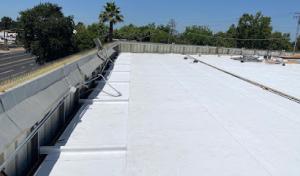
In Modesto's residential market, low-slope sections commonly show up on patio covers, additions, porches, and garage transitions rather than as the dominant whole-house roof form. These connections often involve a live edge between two roof systems, or a shallow-angled section tacked onto a larger steep-slope main roof. When planning an addition, you'll want to treat the low-slope piece as its own drainage zone, not just an afterthought seam.
These low-slope tie-in areas are vulnerable during winter rain because drainage is slower and leak points often form where different roof types meet. Inspect the transition seams for irregular or crowded drainage paths, and verify that fasteners and flashing are appropriate for two dissimilar systems. If a low-slope section channels toward a gutter or downspout, ensure the flow path remains clear and that flashing at the overlap is continuous and well-sealed.
Extended summer heat in Modesto can stress membranes and coatings on exposed low-slope sections, especially where ponding or poor drainage already exists. Choose membrane materials with proven heat resistance and consider enhanced UV protection for the top surface. In areas with potential ponding, thicker or more robust membrane options may help resist heat-induced degradation and reduce early maintenance needs.
Schedule a fall inspection to catch winter vulnerabilities before the rains start. Check for signs of blistering, seam separation, or lifted edges where the low-slope meets the main roof. Ensure any skylight or vent penetrations through the low-slope are fully flashed and sealed. Keep an eye on surface drainage near transitions after heavy summer days, when heat-driven expansion can stress seals. Address issues promptly to protect the adjoining roof planes.
Find specialists in TPO, EPDM, and built-up flat roofing systems for residential and commercial properties.
Peterson Roofing
(888) 596-4889 petersonroofingca.com
1509 K St suite 107, Modesto, California
4.9 from 40 reviews
In Modesto, the sunny Central Valley climate makes roof penetrations from solar installations a practical roofing issue because flashing quality matters as much as panel layout. When planning or inspecting a installation, verify that every penetration has a drip edge, properly sealed counterflashing, and a continuous weather seal around the mounting feet. High heat cycles expand and contract often, so choose flashing with good memory and material compatibility to prevent micro-leaks that can show up after a hot afternoon and a cool evening.
On tile-heavy homes, solar and skylight work often requires extra care at penetrations and replacement tiles to avoid creating hidden leak paths. Before panels go up, check that the roof surface around every penetration is sound and that matching replacement tiles are ready. If a tile breaks during mounting, replace it with a tile that matches the current roof profile to keep the envelope tight. Don't overlook the curb or skylight well flashing; these areas are common leak paths when tiles shift or flashings bend during installation.
Leak investigations in Modesto frequently need to distinguish between field-roof wear and failures at penetrations, curbs, or accessory flashings. Start with a tight up-close look at the flashing details around mounts, skylight frames, and curbs. If a leak sits above a tile seam, inspect both the tile laps and the flashing joints for signs of age or movement. Remember that heat-induced expansion can stress penetrations differently than flat field roof areas.
Find contractors who integrate solar panels or solar shingles into your roof for long-term energy savings.