
Last updated: Apr 19, 2026
Gentle春 weather in this area tends to open a long, workable reroof window from late spring through early fall, but that window isn't infinite. As the valley warms, days lengthen, and the roof dries out after the winter, you can plan a tear-off with minimal moisture risk if crews start when daily highs settle into the comfortable 70s. The key is to align tear-off and roof deck work with consistently dry days, avoiding the push to finish a full tear-off during a string of hot but humid days that can trap moisture under underlayment. Early scheduling helps ensure underlayment and sheathing stay dry, and avoids heat-strain on workers and materials. Set milestones that target dry, moderate days, not peak heat, to minimize the risk of buckling or adhesive failure on newer membranes.
During this period, attic heat becomes a real factor. If the home has limited venting or insufficient soffit and ridge intake, heat buildup can affect shingle seals and tile joints. Before you commit to a tear-off, verify attic ventilation and consider temporary radiant barriers or additional intake during the re-roof process. This isn't just comfort; it affects long-term performance. If a roof line needs a full replacement, coordinate crews to work from the top down, and prioritize days with cooler morning temperatures for deck work and more strenuous tasks. Ensure crews have shaded breaks and a reliable water supply to keep workers safe and materials from overheating. A well-ventilated attic also helps with asphalt shingles and certain tiles that rely on cooler substructure temperatures to seal correctly.
As the calendar nears fall, Stockton still offers a favorable period for reroofing, but the clock starts ticking as autumn fronts begin to roll in. The practical approach is to finish the critical tear-off and deck re-waterproofing before the first heavy rains if possible, then complete finish work after any exposed underlayment has a chance to set in dry weather. Fall here can carry variable mornings and warm afternoons, with the potential for quick-changing conditions. Use a staged plan: complete the most moisture-sensitive steps first, then wrap up with final shingle or tile installation when a stretch of dry weather is forecast. Keeping materials sheltered during overnight or unexpected wind-driven showers protects underlayment and fasteners from moisture exposure.
The wetter period roughly November through March can interrupt tear-off schedules and expose underlayment to repeated moisture if work is poorly timed. If a winter rain event comes mid-tear-off, crews may need to pause and reseal work areas, clean up siding or eaves, and store materials in a dry area. The practical approach is to build a flexible calendar with built-in buffer days for weather. When a forecast shows multiple rain days, shift focus to non-moisture-sensitive tasks, such as removing existing flashing, inspecting gutters, or detailing attic ventilation improvements. If a full tear-off is underway and a forecast calls for significant rain, it's prudent to protect exposed deck sections with moisture-resistant barriers and ensure any open penetrations are temporarily sealed.
Fall storm activity and wildfire smoke can create short-notice scheduling changes even outside the main winter rain season. Dust and ash can clog gutters and vent areas, so plan for quick-clean cycles and protective measures for ventilation. If a sudden weather event aligns with a critical phase of tear-off or tile work, have a contingency plan: protect exposed areas, reschedule non-essential tasks, and communicate with the crew about revised timelines. In Stockton, staying nimble means keeping a few backup days in the schedule and having a rapid-deploy supply kit ready-tarps, fasteners, sealants, and temporary edge protection-to minimize moisture exposure and keep the project on track when the forecast flips.
The Inland valley heat in Stockton puts sustained thermal stress on roof coverings, especially darker asphalt systems and poorly ventilated attic assemblies. Dark shingles soak up sun and transfer more heat into attic spaces, which shortens the time an underlayment and decking stay cool and dry. If the attic is already crowded with ductwork or insufficient insulation, that heat becomes a second layer of burden for the roof system. The result can be faster aging, more frequent expansion and contraction cycles, and greater risk of shingle curling or granule loss in hot spans. When planning reroofing, look beyond rain leakage and focus on how the attic behaves on July afternoons. A ridge vent or soffit intake that actually pulls air through the space can mean the difference between a roof that breathes and one that steams.
Extended June through August heat affects both roof lifespan and installation conditions, including crew fatigue and material handling challenges. In practice, that means softening a long project window, delaying certain materials, and requiring more on-site hydration and rest breaks. For tile or metal systems, heat can influence fastener performance and sealant cures, so scheduling with a local crew who understands Stockton's heat waves matters. If a roof is installed during the peak heat spell, material handling becomes a real constraint: bundles must be cooled, trenches and laps checked in cooler hours, and workers kept within safe working temps. Don't expect a flawless daily rhythm when the sun is relentlessly high; anticipate occasional halts and plan for a few extra interior protectants as the crew works. A well-timed project often means choosing a week with cooler mornings or late afternoons, and coordinating with crews who've built Stockton routes to minimize long drives between heat-heavy zones.
Homeowners in Stockton often need to think about summer attic heat buildup as part of the roofing decision, not just leak prevention. A roof that's chosen without addressing attic ventilation can trap heat, accelerating moisture issues and reducing the overall effectiveness of insulation. If the attic gains heat, moisture from daytime warming can condense at night, stressing plywood and underlayment. In that scenario, even a high-quality covering may show wear sooner than expected. Consider vents, attic baffles, and insulating upgrades as part of the overall reroof plan, especially when the existing ceiling insulation is older or compressed. A balanced system-with an adequately vented attic and a reflective or lighter surface option-tends to hold up better through Stockton's longest stretches of sun.
When evaluating options, think through how heat will move through the attic, how long crews will be exposed to peak temperatures, and how materials will behave in the hottest months. If choosing asphalt, look for products with mid-range or lighter coloration that still meet your climate's needs, and insist on proper attic ventilation as part of the package. For tile or metal, ensure fasteners and sealants are rated for high-heat environments and that installation teams execute during cooler parts of the day whenever possible. In the end, the roof is not only about keeping rain out; it's about managing sun, heat, and ventilation across Stockton's trademark long, hot stretches.
The most popular roofing material in the US. Find pros who install, repair, and replace asphalt shingles.
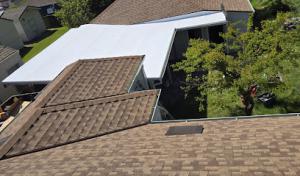
Gomez Diaz Roofing
(209) 298-1127 www.gomezdiazroofinginc.com
2456 E Washington St, Stockton, California
5.0 from 45 reviews
Ron Williams' Certified Roof & Inspection
(209) 252-0044 www.roofcertified.com
1625 Amanda Ct, Stockton, California
4.8 from 56 reviews

NorCal Roofing & Construction
(209) 676-2577 norcalroofing.com
110 N San Joaquin St, Stockton, California
4.7 from 29 reviews
J Roofing
1728 E Market St, Stockton, California
4.9 from 70 reviews
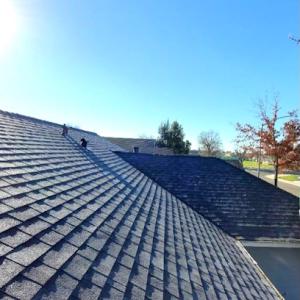
Welcome to J Roofing, where roofing expertise meets the warmth of a family-owned and operated company. With over 10 years of experience, we specialize in providing top-notch roofing solutions that are tailored to meet your unique needs. Our skilled team of professionals is dedicated to delivering exceptional craftsmanship and ensuring your complete satisfaction. Whether it's residential or commercial roofing, repairs, or installations, we go above and beyond to provide reliable and long-lasting results. As a family-owned business, we prioritize building strong relationships with our clients. Contact J Roofing for all your roofing needs, and experience the personalized touch that sets us apart.
Gomez Diaz Roofing
(209) 298-1127 www.gomezdiazroofinginc.com
2456 E Washington St, Stockton, California
5.0 from 45 reviews
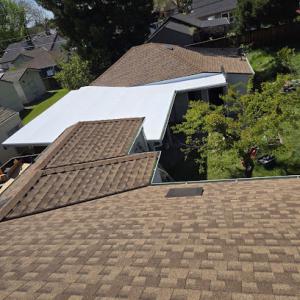
We offer Residential & Commercial Roofing Services In Stockton, California and Surrounding Areas. Get A Free Quote Now!

Phoenix Roofing & Solar
(209) 465-4377 phoenix-constgroup.com
2291 W March Ln Suite D 215, Stockton, California
4.8 from 112 reviews
Phoenix Roofing & Solar is a roofing contractor in Stockton serving Lathrop, Manteca, Tracy, Mountain House and nearby areas. Our roofing company offers roof replacement, roof repair, tile roofing, metal roofing and more. We also specialize in home insulation, window replacement and solar services. Customers love us because of our comprehensive roof warranties and our affordable roof financing options. We also have industry affiliations and certifications such as Master Elite GAF and Master installer with Certainteed Solar. If you want to experience how your most trusted Stockton roofing company embraces our motto “Phoenix Roofing and Solar, a contractor you can trust", call us now for a free estimate!

Roof Doctors San Joaquin County
(209) 957-7663 theroofdoctors.net
2431 W March Ln #200, Stockton, California
4.7 from 186 reviews
"Nobody inspects, repairs and certifies more roofs or solves more roof leak problems in the Central Valley Area." Over 300,000 roofs inspected. We do complimentary roof inspections with detailed reports that include pictures. Reports sent within 24 hours of inspection. We are a licensed roofing contractor that offer repairs, replacment bids, gutter cleaning bids, gutter guard installs, and general roof maintenance. Service in the following Central Valley counties: San Joaquin, Stanislaus, Merced, Madera, Fresno, Kings & Tulare Counties.
Claudex Roofing
(209) 598-5841 www.claudexroofing.com
839 N Commerce St, Stockton, California
5.0 from 28 reviews
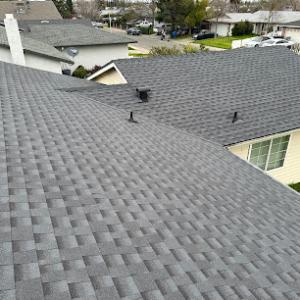
claudex roofing we specialize in all types of roofs that are leaking or in bad condition and need repair, service or complete replacement, there is no small or large job that we cannot do, we also replace your old gutters with new seamless gutters, you just have to call us for a appointment and FREE estimate

Ron Williams' Certified Roof & Inspection
(209) 252-0044 www.roofcertified.com
1625 Amanda Ct, Stockton, California
4.8 from 56 reviews
We offer roof repairs, new roof installations, roof replacements and inspections. We are licensed, bonded and insured professionals in the San Joaquin Valley. We are five-star rated on Yelp and every other online service, so you know you will get great service at a reasonable price - plus we're nice!
Silver Stone Roofing
(209) 817-7129 silverstoneroofing.net
Stockton, CA
5.0 from 26 reviews
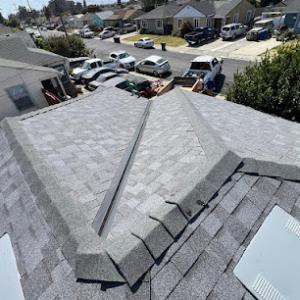
Silver Stone Roofing, with its 20-year legacy, is a name synonymous with roofing excellence in Stockton, CA. We are a locally owned and operated roofing company committed to providing top-tier roofing services. Our journey began in [Year] with a passion for craftsmanship and a dedication to integrity. Over the years, we've honed our skills, embraced innovation, and built lasting relationships with our clients. Our mission is simple: to offer roofing solutions that stand the test of time. With a strong foundation in experience and a commitment to Stockton's community, Silver Stone Roofing is your go-to partner for roofing needs.
Rango Roofing Company
(209) 513-4187 rangoroofing.com
1565 Bandoni Dr, Stockton, California
4.9 from 17 reviews
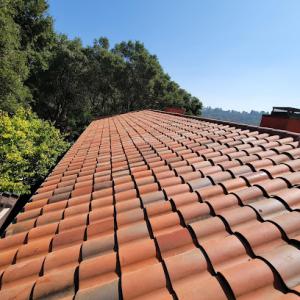
Rango Roofing Company has been a trusted name in roofing services in Stockton, CA, for 25 years. Our journey began with a simple mission: to provide high-quality roofing solutions to our community with a focus on integrity, reliability, and unmatched craftsmanship. Over the years, we've grown our business through hard work and a dedication to meeting the unique needs of each client. Our team of seasoned roofing professionals understands the challenges that come wit maintaining a roof in California's varied climate, and we are equipped to provide solutions that ensure lasting durability and aesthetic appeal.
Bautista Roofing Company
2105 E Mariposa Rd, Stockton, California
4.7 from 30 reviews
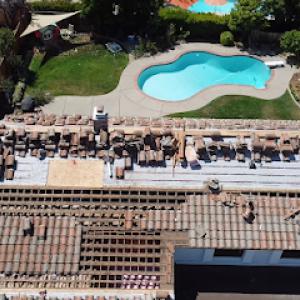
Established in 2012, Bautista Roofing Company provides comprehensive roofing solutions for residential and commercial properties in Stockton, California. Our team of experienced roofers utilizes the latest techniques and materials to ensure the durability and longevity of your roof. We specialize in all aspects of roofing, from repairs and replacements to new installations. Gutters: Properly functioning gutters are essential for protecting your home from water damage. Residential Roofing: We understand the unique needs of homeowners and provide tailored roofing solutions to meet your specific requirements. Commercial Roofing: We specialize in providing comprehensive roofing services for commercial buildings of all.

NorCal Roofing & Construction
(209) 676-2577 norcalroofing.com
110 N San Joaquin St, Stockton, California
4.7 from 29 reviews
NorCal Roofing & Gutters is an award-winning residential and commercial roofing contractor serving Sacramento and the Central Valley for over 30 years. We specialize in new roofs, re-roofs, roof repairs, gutter cleaning & repair, professional roof coatings and waterproofing to enhance durability & energy efficiency. We work with Metal, TPO, BUR, single-ply systems, composition, shake, and tile roofs, using only high-quality materials backed by the best industry guarantees. Our expert team has served homeowners, apartment complexes, HOAs, and industrial buildings, ensuring top-notch craftsmanship on every project. From repairs to full installations, we’re committed to protecting your home or business. Contact us today for a free estimate!
Baker Roofing Company
(209) 462-8179 bakerroofingco.com
3400 Petersen Rd, Stockton, California
4.4 from 25 reviews
Baker Roofing prides itself on safety, quality, and professionalism. Always pushing towards higher standards, our team members regularly attend training sessions to stay current on new products and installations. We take the safety of our personnel very seriously. Our Installers are all trained in OSHA safety standards and attend weekly training sessions.
Valley Roofing
1261 Chaparral Way, Stockton, California
4.1 from 7 reviews
Valley Roofing is a family-owned and operated company with over 20 years of experience. We specialize in full roof replacements and repairs. We are licensed, bonded, and insured for your peace of mind. Quality work. Honest pricing. Free estimates available!
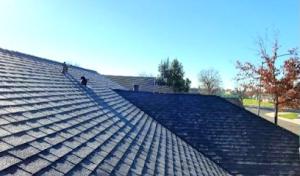
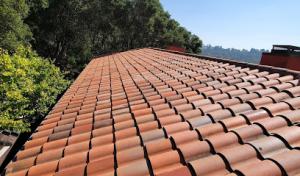
Clay tile and concrete tile are established roofing choices in Stockton alongside asphalt shingles, reflecting common Central Valley residential styles. The long hot season and the occasional winter rain window shape how these materials behave over time. Tile roofs excel when it comes to handling prolonged sun exposure: their dense profile and terra-cotta or pale finishes keep attic heat in check better than some lighter roofing options, helping interior temperatures feel more stable on blistering days. At the same time, tiles can be surprisingly resilient to heat-related expansion and contraction when properly installed, which matters in a climate that swings between sun and misty mornings. Homeowners with older homes will recognize the familiar silhouette of a tile roof and its low-slope compatibility, but the profile and color palette often need to be matched to preserve curb appeal.
Tile roofs in Stockton can offer durability in prolonged sun exposure, but repairs often involve matching existing profiles and colors on older homes. When a tile cracks or a fastener pulls free, replacement pieces must align with the established look. That means keeping an eye on the finicky details: the shape of each tile, the color mix that has aged with sun and pollution, and the way the edges meet the ridges. Replacing a single tile is rarely a quick swap; skilled crews often source stock or craft a close replica to maintain uniform shading and texture across the visible expanse. On homes with clay or concrete tiles, a contractor's ability to blend new pieces with the old can determine how seamless the repair appears from the street.
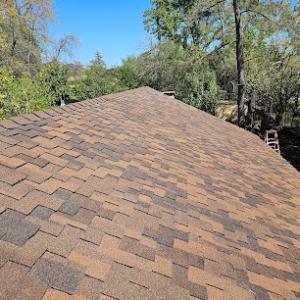
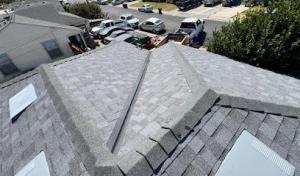
Asphalt shingles remain a dominant lower-cost reroof option in Stockton, making them common on homes where budget and turnaround speed matter. The material's versatility suits a broad range of house styles seen around the valley, from compact bungalows to more modern exteriors, and the installation crews can often complete a reroof within a tight window between dry spells and winter rains. When choosing asphalt, consider the local heat: some asphalt shingles can become noticeably brittle if the attic isn't adequately ventilated, so pairing shingles with effective attic cooling remains a practical step. In many cases, asphalt shingles provide a straightforward path to a refreshed exterior that still respects the neighborhood's varied rooflines and tones.
In a climate where heat dominates most of the year, tile offers appealing longevity and a distinctive regional appearance, but it comes with tighter matching requirements for repairs and a higher upfront investment. Shingles, prioritizing affordability and speed, can be a practical option for homeowners who want a reliable rebuild without the custom matching challenge. When evaluating the best fit, consider the age and style of the home, the likelihood of needing future repairs, and how the roof's color will interact with the attic's ventilation. For many Stockton homes, a thoughtful blend of materials-tile where the roof's profile and light-reflective color can define the architecture, and asphalt where quick upkeep and cost efficiency are priorities-provides a balanced approach to long-term performance and curb appeal.
Find contractors who specialize in clay and concrete tile roofs, known for their durability and curb appeal.
Gomez Diaz Roofing
(209) 298-1127 www.gomezdiazroofinginc.com
2456 E Washington St, Stockton, California
5.0 from 45 reviews

Phoenix Roofing & Solar
(209) 465-4377 phoenix-constgroup.com
2291 W March Ln Suite D 215, Stockton, California
4.8 from 112 reviews
Tile projects are priced with a blend that makes tile tasks more labor-intensive than asphalt. Tile crews must replace underlayment, address broken battens, and sometimes rework flashings to prevent leaks across clay or concrete tiles. This means a typical tile job costs more per square and carries higher disposal and crane or ladder access charges when required. That extra effort shows up in bids you receive.
A hot season and a winter rain window collide with homeowner timelines. If the spring and early summer are dry, contractors can fit reroofs in smoothly; once heat peaks, crews may charge a premium for daylight hours and safer shingle handling. After a storm, emergency leak repairs push demand higher and push bids higher. Scheduling becomes a practical mix of weather, material availability, and labor capacity, and affects how soon a project can start or finish-and the price you see.
On the ground, the city's mix pushes bids across several ranges. Asphalt shingles sit on the lower end, but the effort to seal and vent properly matters. Metal roofs come with faster installation yet higher material costs. Tile of clay or concrete leads the bill with heavier crews and more crane work. Wood shakes and synthetic shingles sit in between, with labor demands often tied to existing roof slope and deck condition.
When you compare bids, look for a clear statement of tile-related labor, underlayment, and removal of old decking if needed. Ask how crews will manage heat during a long summer and how they will schedule around expected winter rain. Include a realistic allowance for tarping and temporary repairs to avoid moisture intrusion. A well-timed reroof can extend life through several hot seasons and wet months.
Get a clear picture of your project costs upfront - no commitment required.
Gomez Diaz Roofing
(209) 298-1127 www.gomezdiazroofinginc.com
2456 E Washington St, Stockton, California
5.0 from 45 reviews
Phoenix Roofing & Solar
(209) 465-4377 phoenix-constgroup.com
2291 W March Ln Suite D 215, Stockton, California
4.8 from 112 reviews
A full reroof in Stockton typically requires a permit through the City of Stockton Building Department. This process ensures the work meets local codes for wind resistance, fire safety, and energy efficiency, which are particularly relevant for the hot inland climate and the mix of tile and shingle roofs common in the area. Knowing early that a permit is part of the project helps you plan around required timelines and inspections, especially when working with a contractor who is familiar with local code cycles.
Permit filing generally requires project scope and contractor information, and some reroof projects may trigger plan review in addition to standard permit processing. The project scope should outline whether the reroof includes full tear-off, addressing attic ventilation, and any structural or decking work. If any mechanical systems are altered or if the roof structure is upgraded to support heavier tiles, plan review may add a step or two to the timeline. Having a clear scope and updated contact details for your contractor streamlines the review process.
Not every reroof will need plan review, but in Stockton, certain conditions-such as significant changes to the roof's weight, ventilation strategy, or drainage layout-can prompt a closer look. If the plan reviewer requests adjustments, respond with revised drawings or notes from the contractor that demonstrate compliance with wind uplift requirements and local fire-rated assemblies. A thorough submittal helps avoid rework and keeps the project moving through the city's channels without unnecessary delays.
City inspections commonly occur during tear-off and again after completion, so homeowners should expect scheduling around those checkpoints. The tear-off stage is typically observed to verify the removal of old materials, proper disposal, and the secure installation of temporary protective measures. After the new roof is installed, a final inspection confirms that the work aligns with the permit approvals, building code, and any local amendments for eaves, vents, and flashing. Coordinating with your contractor to align with the inspector's windows minimizes delays and keeps the project on track inside Stockton's usual heating and rainfall patterns.
Start early by confirming the contractor is licensed, insured, and familiar with Stockton's permit expectations. Request a clearly defined submittal package that includes roof scope, venting plan, and a deck assessment if applicable. Track permit numbers and inspection dates, and keep a calendar handy for anticipated inspection windows, especially because the region's winter rain window can influence scheduling flexibility. If weather windows look tight, discuss with the contractor how temporary protective measures and work sequencing can protect both the interior and the completed roof during transit between tear-off and final inspection.
Because Stockton has long dry periods, some roof issues stay hidden until the winter rain season reveals active leaks. You may notice attic warmth or small drips only after a storm, but the real danger is a hidden problem that expands with each wet day. The heat in the valley pushes shingle and tile systems hard through summer, so gaps and failed flashing often start as quiet concerns that become urgent once the first storm hits.
Rainy-season interruptions can leave partially opened roofs vulnerable, making rapid dry-in and tarping especially important during winter projects. When weather stalls work, moisture finds every seam, and the risk of interior damage climbs quickly. If you've got a roof patch or a temporary fix underway, plan for a fast response to any new leak, not a delayed one. In-storm repairs usually need immediate sheltering and a clear priority path for crews.
The local contractor signal mix shows unusually strong emergency-repair demand, matching homeowner concern about leak response during storms. If a leak appears, do not wait for a perfect dry day. Safely place tarps over the affected area, protect valuables from potential water intrusion, and call a contractor with a track record of rapid storm response. Document leaks with photos for quicker triage and scheduling.
After the worst of winter storms, schedule a targeted inspection focusing on flashing, valleys, and ridge lines where moisture tends to hide. Early detection here can shorten dry-in timelines and reduce the likelihood of repeat leaks when next season's rains resume.
When you can't wait, these contractors offer fast response times to stop leaks and prevent further damage.
NorCal Roofing & Construction
(209) 676-2577 norcalroofing.com
110 N San Joaquin St, Stockton, California
4.7 from 29 reviews

California's current insurance environment affects homeowners in this valley by tightening underwriting around roof age, condition, and wildfire-related exposure concerns. In practice, that means insurers will look closely at how long a roof has been in service, what maintenance has been documented, and whether the structure sits in areas with higher ember risk or exposure to Santa Ana-style winds. The outcome can be steadier premiums or, in some cases, eligibility for coverage changes tied to risk assessment. If a roof is older or shows signs of wear, expect closer scrutiny and potential premium shifts that reflect the evolving risk profile rather than a static classification.
Insurers may ask for roof photos, installation age, maintenance records, and prior claim history before approving coverage changes or claims. In practice, gathering a current set of high-resolution images taken from multiple angles, along with dated maintenance notes and any past repair receipts, makes a difference. Keep a simple, ongoing log for seasonal checks-shingle granule loss, flashing condition, valley integrity, and any signs of moisture intrusion. If a claim becomes necessary after a winter rain window or a hot-season event, that ready dossier can prevent delays and help the adjuster move toward a fair, timely resolution.
Replacement outcomes can depend on roofing material and expected lifespan, which matters in a market where asphalt, tile, metal, and wood systems all appear. In this climate, the long hot season amplifies aging processes, while the winter rain window can expose vulnerable flashing or underlayment. Your choice of material will influence not only performance under heat and ember exposure but also how insurers perceive the longevity of the new roof. Being proactive with timely maintenance and documenting improvements helps align coverage expectations with the actual protection a roof provides through Stockton's seasonal extremes.
Connect with contractors who help homeowners navigate the claims process from damage assessment to final approval.
NorCal Roofing & Construction
(209) 676-2577 norcalroofing.com
110 N San Joaquin St, Stockton, California
4.7 from 29 reviews
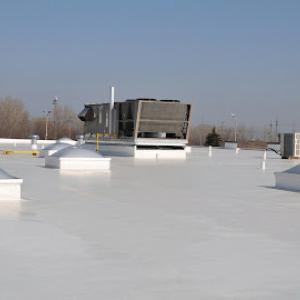
Although this market remains primarily pitched-roof, there is meaningful local demand for flat and low-slope roof work. In Stockton, low-slope sections show up on additions, some ranch homes, and commercial-style upgrades. The hot season pushes heat management to the front of choices, especially when tiles and shingles are already settled projects elsewhere on the house.
Roof coatings are a visible specialty around town, reflecting both heat management and restoration needs on low-slope sections. A quality coating can extend the life of a flat or low-slope roof by reflecting sun, sealing small penetrations, and reducing thermal movement that causes fatigue. Look for coatings that are compatible with the substrate (EPDM, TPO, built-up roofs, or metal) and that carry a proven two- to five-year performance window in local conditions. In addition to coating, consider a reflective top layer during the reroof cycle to cut cooling loads, especially on frequent summer use areas like porch roofs and carports.
Low-slope roof work must fit within Stockton's long hot season and winter rain window. Plan replacement or major sealing before peak heat when substrate dryness is highest, but avoid the wettest months if possible to prevent moisture entrapment. For coatings and restorations, aim for dry days with moderate temperatures to ensure proper cure and adhesion. If work must occur in shoulder months, allow for extended cure times and inspect after the first heavy rain to catch any penetrating leaks early.
Coordinate with a contractor who prioritizes substrate compatibility, proper drainage assessment, and a tested coating system. Confirm that temperature and humidity targets align with product data, and schedule follow-up inspections to verify long-term performance on the low-slope portions.
Find specialists in TPO, EPDM, and built-up flat roofing systems for residential and commercial properties.
NorCal Roofing & Construction
(209) 676-2577 norcalroofing.com
110 N San Joaquin St, Stockton, California
4.7 from 29 reviews
Stockton's sunny inland climate makes roof penetrations from skylights and solar-related work a practical roofing concern during reroof planning. The long hot season stresses roof decks and flashing differently than a milder coastal pattern, so decisions about where to place skylights or how many solar mounts to attempt should align with expected sun exposure, heat buildup, and the winter rain window. In a typical Stockton roof, penetrations near upper slopes or along long ridges will experience more thermal cycling, which can widen gaps around flashing if not properly addressed during installation. A thoughtful approach blends intersection points of daylight, solar orientation, and attic airflow to minimize heat transfer while preserving watertight integrity.
The local contractor market shows active skylight capability and a smaller but real solar-roofing specialty presence. When evaluating bids, homeowners should verify not just the finish of the flashing but also the compatibility of the flashing with the chosen roofing material. Whether asphalt, tile, or metal, the method of sealing around penetrations matters as much as the penetration itself. In Stockton, crews frequently coordinate penetrations with roof venting and attic insulation plans to keep peak-season attic temperatures from compromising seals. Expect a mix of traditional flashing approaches and flat-seal or bubble-seal techniques, with some shops offering integrated skylight flashings that sit flush against tile or metal courses for a cleaner, durable seal.
Homes adding or replacing roofing around penetrations need flashing coordination so winter rains do not expose weak points after summer installations. The summer heat can bake sealants, while winter rains test those seals anew. A practical strategy is to align skylight or solar array installation with the reroof project so flashing details are treated as an integrated system rather than as stand-alone add-ons. This means confirming the compatibility of curb flashing, counter-flashing, and roof-to-wall transitions across any material changes. If a new skylight is planned, specify its size and placement early so the surrounding field of roofing can be cut and fit to avoid awkward gaps. The goal is a continuous, sloped, layered seal that remains resilient through Stockton's seasonal cycles.
Post-installation inspections should focus on how penetrations age with heat and moisture. Regular checks after the first heavy winter rain help catch deteriorating seals before a leak develops behind a ceiling line. For solar arrays, keep an eye on mounting hardware and any micro-movements that could stress flashing over time. In homes with tile or metal roofing, ensure the flashing remains compatible with the roof's edge details and that any debris accumulation around skylight surrounds is cleared during seasonal trims. A well-coordinated approach between roof material choice, penetrations, and flashing design pays dividends for long-term performance in Stockton's climate.
Find contractors experienced in skylight installation, flashing, and leak repairs to bring natural light into your home.
Ron Williams' Certified Roof & Inspection
(209) 252-0044 www.roofcertified.com
1625 Amanda Ct, Stockton, California
4.8 from 56 reviews
Rango Roofing Company
(209) 513-4187 rangoroofing.com
1565 Bandoni Dr, Stockton, California
4.9 from 17 reviews