
Last updated: Apr 19, 2026
The northern San Joaquin Valley delivers long, hot summers with intense UV exposure. Roofs here age more from heat and sun than from coastal salt spray or mountain snow. That means shingles and tiles face rapidvare wear from sun exposure, with faster granule loss and surface drying in high heat. In winter, mild storms mingle with Central Valley fog, creating seasonal moisture that can seep into underlayment and roof decks even when total rainfall isn't dramatic. Relative humidity from fog and damp nights can trap moisture beneath edge flashing and around penetrations, accelerating deterioration of roofing materials and deck boards if ventilation isn't adequate. When planning replacements, expect that heat-driven aging will factor more into the life of the roof than in milder coastal climates.
Asphalt shingles in this climate perform well for many homeowners, but heat accelerates granule loss and can cause faster curling or warping of lower-quality bundles. Metal roofing handles heat better in some respects, but exposed fasteners and panel seams must be well-sealed to avoid moisture intrusion during fog-season dew and winter drizzle. Clay and concrete tiles resist heat but carry weight and require solid deck preparation; in winter, damp underlayment beneath the tile can stay damp longer than anticipated, which can affect fastener corrosion and tile integrity if ventilation is lacking. Synthetic or composite shingles offer decent heat resistance and quicker installation times, yet some blends may be more susceptible to UV wear over extended summers. Slate, while durable, is heavy and requires precise installation; in foggy winters, proper drainage and underlayment cure times matter to avoid micro-cracks from trapped moisture.
Local replacement timing is strongly affected by summer installation heat on shingles and by winter rain windows that can interrupt tear-off and dry-in schedules. During peak summer, actual installation work should consider mid-morning to late afternoon heat stress on crews and material handling. Prolonged heat can affect adhesive performance for some roof systems and may require additional curing time for underlayment and sealants. Plan tear-offs for early morning or late afternoon when temperatures are lower, and ensure shade or cooling strategies are in place for new materials that need heat-sensitive set times.
In winter, the fog-season moisture adds a second layer of scheduling complexity. Rains and lingering dampness can pause tear-off work or hinder proper dry-in of new underlayment, flashing, and shingles. Dry days following a rain event are the preferred windows, with attention paid to the time required for roof decking to dry before applying new underlayment or tar paper. If a replacement is staged, sequencing matters: remove the old layer first, then install underlayment and flashing in dry conditions, and finally lay the new roofing material when the deck and air beneath are dry enough to prevent mold or rot.
Ongoing inspections should align with seasonal transitions. After the hot months, look for curling edges, missing granules, and exposed fasteners. In the damp winter, check for residual moisture pockets around penetrations, flashing joints, and along eaves where fog deposition can linger. Early detection supports a smoother replacement cycle and preserves the chosen material's performance through another hot summer and fog-damp winter.
The dominant local material mix includes asphalt shingles, metal, clay tile, concrete tile, synthetic/composite shingles, and slate, reflecting both tract housing and Mediterranean-style Central Valley architecture. In a typical Turlock neighborhood, you'll see a wide range from affordable asphalt to premium tile and slate, each with its own maintenance rhythm. This variety means your roof choice should align not only with curb appeal but with how the local climate and older house framing interact with that material over time. Knowing what you're starting from helps you plan for the long haul, especially when you're re-roofing an aging system.
Summer heat in the valley accelerates aging for many coverings. Asphalt shingles endure thermal cycling and UV exposure that can cause granule loss and softer shingle edges sooner than you might expect. Metal roofs typically hold up well in heat, but fast temperature swings can stress fasteners and coatings if the system isn't properly installed or vented. Tile options-clay or concrete-often outlast the covering itself, yet the underlayment and sheathing underneath can be vulnerable to valley moisture and seasonal fog. When a tile roof ages, you may find underlayment failures that trigger re-roof projects even if the exterior tiles look sound. Understanding these dynamics helps you choose a material that balances immediate comfort with future reliability in this climate.
Heavier materials such as clay, concrete tile, and slate matter more on older valley homes where structural compatibility must be confirmed before changing roof type. In homes with traditional truss layouts and 1920s-1980s construction, the roof framing may not be designed for the added dead load of heavy tiles or slate without reinforcement. If a re-cover is tempting, you'll want a professional to verify ceiling joist capacity, rafter spacing, and anchor points. When structural upgrades accompany a roof refresh, you gain added protection against seasonal wind events and the weight of accumulated debris during tule-fog season. For many property owners, a careful evaluation of framing compatibility is a necessary precursor to any switching to heavier materials.
When deciding among options, consider how each material handles heat, moisture, and aging in this valley setting. Asphalt is familiar and easy to replace in stages, but may require more frequent maintenance in the hottest areas or on sun-exposed slopes. Metal can offer longevity with proper ventilation and corrosion resistance, especially on mid-slope applications. Clay and concrete tiles deliver excellent durability and a distinct architectural look, yet you must confirm structural suitability and ensure adequate attic ventilation to manage heat transfer. Synthetic/composite shingles provide a balance of weight and performance with a modern warranty, while slate is a premium choice that demands careful structural review and a precise installation approach. Matching the roof profile to the home's architecture-notably Mediterranean-inspired forms-will help you preserve curb appeal while optimizing performance in both hot summers and fog-season moisture.
On Central Valley homes with common clay or concrete tile, the visible tiles can look fine even as the real weakness hides under them. The underlayment and flashings carry the load when heat expands and contracts, and they bear the daily exposure to winter moisture. In many older tile-roof assemblies in this market, failures start where the underlayment dries out, deteriorates, or joints between flat and curved sections begin to leak. When planning a re-roof, focus on replacing the underlayment to a modern, moisture-resistant product and reworking all flashings at valleys, penetrations, and transitions. The goal is to restore a continuous, watertight barrier beneath the tile skin, not just replace the surface tiles.
In this climate, re-roofing is the strongest contractor signal you'll see in a mature stock area. If the structure has multiple layers, damaged underlayment, or recurring leaks near chimneys and vents, those are clear indicators that the system has aged out. Spring wind events can shift or crack individual tiles and scatter debris into valleys and drainage paths, exposing weaknesses in older roof systems. Even when tiles look serviceable, drainage paths and flashing bases may have degraded. Expect a re-roof to address both visible tile condition and the hidden, more permanent failures beneath.
On tile roofs, inspect the underlayment behind all tiles, especially at eaves, hips, and penetrations. Valleys are critical; a small tear there can lead to water tracking under tiles during winter storms. Look for signs of moisture wicking into plywood or sheathing, cupped or loose edge tiles, and rusted or cracked metal flashings. Choose a high-quality underlayment that performs in both high heat and winter dampness, and ensure the new installation includes properly integrated terminations at eaves, parapets, and penetrations. The underlayment should be tied into a continuous system with corrosion-resistant flashings to prevent seam failures that heat and sun exposure can accelerate.
Spring wind events in the valley can move tiles out of alignment and push debris into drainage paths. After a windy period, perform a quick walk around the roof to check for displaced tiles, lifted fasteners, and any clogging in the gutters and valleys. If debris is present, clear it promptly and re-secure any loose tiles. A re-roof in this market often pairs tile replacement with a revised underlayment and upgraded flashings, so wind-driven damage isn't hidden beneath a fresh layer of tiles.
When deciding timing, balance the age of the roof with the observed performance of the underlayment and flashings. If leaks recur after storms or if the attic shows signs of moisture intrusion despite intact tile surfaces, it's a strong signal to re-roof rather than chase minor repairs. In homes with aging tile and evidence of underlayment deterioration, a thoughtfully planned re-roof minimizes future vulnerability to both heat stress and winter moisture, extending the life of the new surface well into the coming decades.
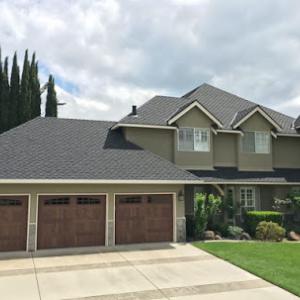
DeHart Roofing
(209) 667-7737 www.dehartroofinginc.com
525 N Tully Rd, Turlock, California
4.3 from 53 reviews
With over five decades of expertise, DeHart Roofing is a trusted name in roofing solutions for the Turlock community. Since 1975, this established contractor has been dedicated to protecting homes and businesses with a comprehensive range of services. From full-scale residential and commercial roofing projects to meticulous repairs and gutter services, DeHart Roofing delivers exceptional craftsmanship. Their team uses high-quality materials to ensure durable, long-lasting results, all while prioritizing customer satisfaction and clear communication. For reliable waterproofing and expert roofing solutions tailored to your needs, DeHart Roofing provides professional service you can count on.
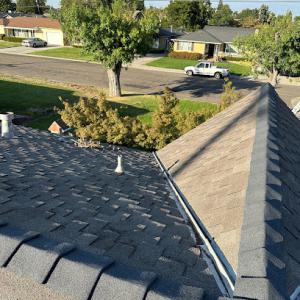
Turlock Premier Roofing
(209) 585-8792 premierroofers.net
1125 Countryside Dr, Turlock, California
4.5 from 8 reviews
Premier Roofing is a distinguished company that guarantees impeccable results. We provide high caliber roofing and waterproofing services. Our professional team is what allows us to stand behind and maintain our high standards in quality, giving you peace of mind.

Hensley's MFG Direct Metalroofing
(209) 632-2118 hensleysmfgdirectmetalroofinginc.com
1430 Ellerd Dr, Turlock, California
4.6 from 10 reviews
Manufacture Metal Roofing
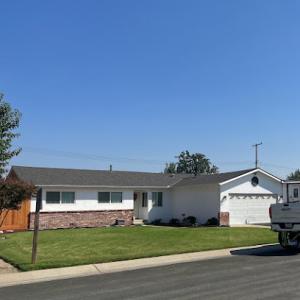
SQ Roofing
(209) 595-3908 www.sqroofinginc.com
Serving
5.0 from 20 reviews
Supreme Quality Roofing is a residential roofing company to provide the best quality service and customer experience for your roofing needs. With over 30+ years of inspecting, repairing, and installing residential roofs in the Central Valley, our technicians are experts in consulting with customers to install and repair their roofs to pass city and county inspections. Get your free consultation and estimate today.
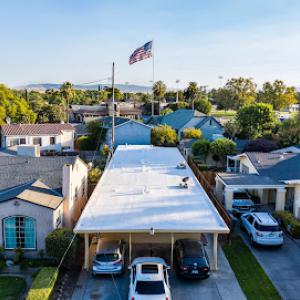
Benchmark Roofing
(209) 756-3019 benchmarkroofingca.com
Serving
4.9 from 196 reviews
We are a full service roofing company serving the San Joaquin valley and surrounding areas in California. With over 35 years in the industry, we have the experience, knowledge, and resources to get the job done right. Whether you have a residential home or a commercial building; we have a time proven system to meet your roofing needs and budget. We install new shingle and metal roof coatings. We also offer roofing repairs for residential and commercial roofs. We offer: New Roofs Roofing Installation Roof Coatings Commercial Roofing White Roofing Roof Repair Roof Replacement Storm Damage Repair Metal Roof Coatings
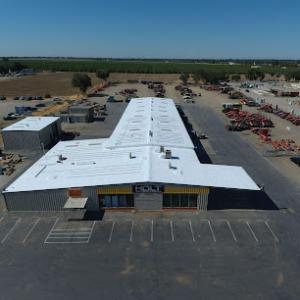
Straight Edge Roofing
(209) 262-8768 straightedgeroofing.com
Serving
4.9 from 261 reviews
Straight Edge Roofing is a team of experienced and dedicated roofing installation and roofing repair contractors committed to providing our clients with high-quality commercial and residential roof repair services. The roof is the most essential part of your property, and if you find yourself searching the internet for the "best roof repair services near me," our team of roofing repair contractors is here for you. We ensure that every home or business establishment's roof is well-maintained and functional for everyone's safety and comfort.
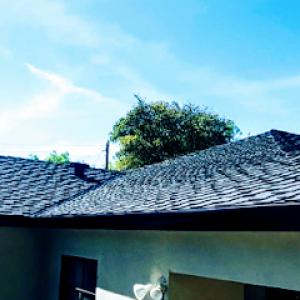
Regal Roofing Solutions
(209) 576-5500 regalroofingsolutions.com
Serving
5.0 from 19 reviews
We realize nobody wants to repair or replace their roof. Your calling roofing contractors because you are seeking honesty, quality and a fantastic reputation. You're probably dealing with an insurance company as well with lots of questions. We can help you with your roof restoration or replacement. At Regal Roofing Solutions, our promise is to give you 5 star service and workmanship on your new roof or roof repair. We have over 10 years experience building and repairing custom roofs. Every homeowner has questions, should I repair or replace my roof, what are my roof options, you may want to know what is roof replacement cost? Regal Roofing Solutions is your full service 5 star roofing contractor.
Roofing Modesto Pro
(209) 279-5012 modestoroofingpro.com
Serving
4.8 from 85 reviews
We are proud to be a locally owned small business that provides high quality roofing services to customers who need roof repairs, roof inspections or roof installations in Modesto, CA. Our company invests heavily in its employees and has been connecting people with professional and expert roofing contractors for a number of years now. We understand how roofing is done and are devoted to offering our services with open communication and straightforward honesty as our guiding slogans.
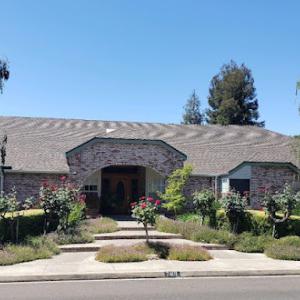
Thomas Ford Roofing
(209) 988-8134 www.thomasfordroofing.net
Serving
5.0 from 11 reviews
Thomas Ford Roofing is your premier roofer in Modesto, CA. Trust Thomas Ford Roofing for top-quality roofing in Modesto, CA, Turlock, Manteca, and beyond! As a third-generation, Modesto-born roofer with over 15 years of experience, I personally oversee every project since 2005. We offer new roofs, re-roofing, leak repairs, and custom solutions tailored to your roof needs. Our commitment to excellence ensures your Modesto home stays protected with durable, high-quality craftsmanship. Choose a local roof expert like Thomas Ford Roofing Company who cares. Contact Thomas Ford Roofing today! We're not just another roofing company, we're part of the Modesto, CA community.

True Roof
(209) 718-7663 www.trueroofca.com
Serving
4.9 from 475 reviews
Third generation roofing contractor focused on inspecting and ensuring your roofing system is protecting what matters most. We strive to put integrity on top.
Peterson Roofing
(888) 596-4889 petersonroofingca.com
Serving
4.9 from 40 reviews
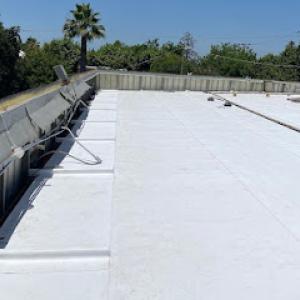
Peterson Roofing, Inc. provides expert roofing services in Modesto, CA. We specialize in roof installation, repair, and replacement for commercial properties. Our licensed and insured team ensures durable, high-quality roofing solutions using premium materials. We handle asphalt shingles, metal roofing, flat roofs, and emergency repairs with precision and care. We aim to deliver affordable, long-lasting, weather-resistant roofs that protect your home or business. Contact Peterson Roofing, Inc. for a free estimate and experience professional, reliable roofing services in Modesto.
Roofing Modesto CA
(209) 287-3204 www.roofingmodestoca.com
Serving
5.0 from 9 reviews
Unparalleled Residential And Commercial Roofing Services From Your Trusted Roofing Modesto Roofing Modesto CA is your dependable roofing services provider in Modesto California. We are renowned for our exceptional roofing solutions catering to commercial and residential properties. Our certified roofing Modesto have comprehensive expertise in installing various roofing components, including siding, skylights, gutters, and downspouts. Your Top Choice Among Roofers in Modesto. Maintaining open lines of communication is crucial to ensure your Modesto Roofing project is a success. We prioritize clear and effective communication from the initial consultation, discussing your roofing needs, to the final inspection, ensuring your satisfaction.
When planning a roof update, use the per-square ranges shown here as your baseline. Asphalt shingles run about 350 to 750 per square, metal about 700 to 1200, clay tile 800 to 1500, concrete tile 900 to 1500, synthetic/composite 500 to 900, and slate 1000 to 1800. These figures reflect the mix of aging tile and shingle systems common in town and the push to re-roof rather than full replacements when the structure is still sound.
In Turlock, costs often rise when a re-roof requires tear-off and disposal of old materials, or when heat-damaged decking sections must be replaced or when existing tile needs to be reset instead of simply installed over. If the crew finds soft roof decking or broken counter-flashings after removing the old surface, you'll see additional line items tied to structural repair and moisture mitigation. If your project involves replacing tile in place rather than a full tear-off, expect a higher labor component due to meticulous handling and reseating.
Scheduling can noticeably affect price and crew efficiency. Cooler, dry periods are preferred for installation because they reduce crew fatigue and material handling issues in the summer heat. Winter rain can shift timelines and cause delays, while peak summer conditions can squeeze crew productivity and push some costs up through overtime or mobilization needs. If you're balancing a tight budget, aim for a temperate window between late spring and early fall where feasible, and plan for a small buffer to accommodate heat-related delays or moisture-driven contingencies.
Begin by estimating with the provided ranges for your chosen material, then add a modest contingency for tear-off or heat-related decking work if your existing roof shows signs of damage. For homes with clay or concrete tile, factor in the potential need to reset and reseal accompanying flashing and edge details. If the house has synthetic or slate upgrades, round out the budget with specialty fasteners and underlayment suited to the region's heat cycles. A local crew can verify whether a full tear-off is unavoidable or if a resilient overlay is appropriate, which can shift the final price within the stated ranges.
Get a clear picture of your project costs upfront - no commitment required.
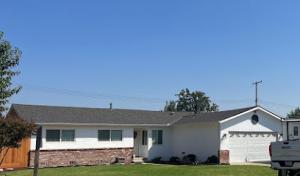

A full roof replacement in this area typically requires a permit through the City of Turlock Building Division. Before you lift the first shingle, confirm that your chosen scope matches the permit type the city expects for a complete replacement, especially when aging tile or shingle systems are involved. Starting without proper authorization can lead to fines, required rework, or non-compliant documentation that complicates future resale.
The local process generally includes plan check, permit issuance, and inspections during and after installation, commonly including rough-in and final inspection stages. Plan check lets the inspector confirm that the proposed underlayment, ventilation strategy, and flashing details align with climate realities and local code. Rough-in inspections focus on framing and underlayment installation as the roof goes on, while the final inspection verifies everything was completed to code and the design intent. Expect inspectors to review whether attic ventilation remains adequate after the new roof is installed and whether eave soffits, ridge vents, and soffit vents are properly integrated with the chosen materials.
Inspectors may ask for verification of underlayment and ventilation details, making documentation and visible sequencing important during re-roof work. Gather product data sheets for the underlayment, vents, and any vapor barriers you plan to use, and keep them accessible on-site in case the inspector requests them. For a re-roof, show how the new roof deck will be protected during installation, how ventilation will be maintained or improved, and where changes to ridge or soffit venting are implemented. Clear sequencing-such as staging the removal, deck preparation, underlayment installation, and flashing set-ups-helps inspectors follow the work logically and reduces the chance of a second visit.
Coordinate with your contractor to map out the inspection milestones and buffer times for weather interruptions. If you are replacing a tile or shingle system, ensure that the plan set clearly indicates underlayment type, nail patterns, ventilation routes, and any changes to the roof assembly that affect moisture control during Central Valley summers and tule-fog season winters. On the day of inspections, have access to a sample of the chosen materials and a concise board explaining the ventilation strategy, so the inspector can quickly verify that what is inside the attic will perform as intended once the surface is complete.
Turlock is not a hail-dominant market; more common claim scenarios involve winter rain intrusion, spring wind-related damage, and leaks exposed by aging materials. That mix means roofs often fail not in a single storm, but through slow wear, driven by moisture cycles and gusts that pry at weak spots. Pay attention to flashing, join lines, and any bidirectional cracks along tile or shingle seams after wet winters and breezy springs.
California insurers have tightened underwriting and deductibles in many areas, so Turlock homeowners should expect closer scrutiny of roof age, maintenance history, and pre-existing wear. When a claim is filed, expect questions beyond obvious damage: how long the roof has been in service, what maintenance has occurred, and whether prior repairs might influence coverage. This reality makes documenting routine upkeep more valuable than ever.
For local claims, homeowners should keep dated photos, contractor findings, and before-and-after documentation because adjusters may request roof age, contractor statements, and mitigation details. Create a simple timeline: note when leaks appeared, after which storms, and what corrective actions were taken. If a contractor issues a repair estimate or certificate of workmanship, store those records with timestamps and photos to show ongoing care rather than surprise failure.
Find local contractors experienced in assessing and restoring roofs after hail, wind, and severe weather events.
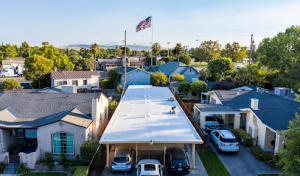
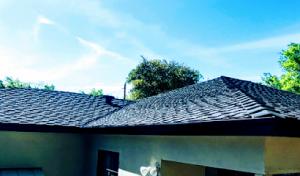

Prolonged Central Valley sun and winter moisture create a dual pressure on low-slope roofs. In commercial and light-commercial settings, membrane wear from heat becomes more apparent at corners, penetrations, and along seams. Standing moisture after winter storms encourages accelerated aging of the surface, particularly on exposed edges and any areas where drainage is slow. Expect faster wear on older or less robust membranes, and plan proactive maintenance rather than waiting for leaks to become obvious.
Flat-roof specialists are active locally, and you'll notice a mix of waterproofing membranes plus reflective or cooling options. In this market, the best long-term options balance heat resilience with reliable seam details. If replacement is on the horizon, consider sheet membranes with robust heat aging properties or EPDM/yet-other options designed for sun exposure. For existing roofs, a high-quality coating can extend life where full replacement isn't immediate, especially on visually less distressed surfaces.
Roof coatings are a visible but smaller specialty here, suggesting some owners pursue restoration or reflective upgrades instead of immediate full replacement. Coatings can seal minor seam imperfections, improve reflectivity, and slow heat absorption. When choosing a coating, prioritize UV stability, elasticity, and compatibility with the existing membrane. A proper surface prep plan-cleaning, fixing flashing, and addressing any ponding-delivers the best return.
Set a seasonal inspection rhythm focused on low-slope components: examine seams, flashings, and edge details after the winter season, check for fastener back-out in exposed zones, and evaluate ponding areas after storms. Document small fixes early, as this neighborhood's mix of commercial and light-commercial roofs means even minor issues can ripple through nearby properties. If you notice increasing moisture staining or seam wear, treat promptly to preserve membrane life.
Find specialists in TPO, EPDM, and built-up flat roofing systems for residential and commercial properties.
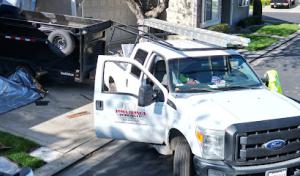
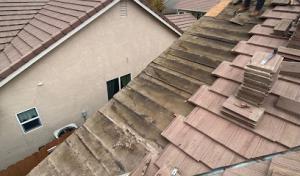
In this market, cleanup, affordability, and quick response shape most homeowner decisions more than niche luxury positioning. You want a crew that has seen countless occupied-home projects, not just a slick sales pitch. Long-standing, family-owned outfits often balance steady scheduling with predictable results, which matters when neighbors are watching and work spills into driveways or yards. A contractor who has handled tear-offs year after year understands the logistics of neighborly disruption and can keep you and your household comfortable while the roof is being redone.
Ask for a detailed tear-off plan that covers material removal, deck inspection, and dry-in sequencing. A good contractor will outline how they protect landscaping, prevent interior dust migration, and coordinate with neighbors on street access for dumpsters and crews. Look for proven dry-in practices: temporary weather barriers, secure fastenings, and tarping that holds up during Central Valley heat waves and occasional tule-fog moisture. Require references from projects that involved occupied homes and coordinated with surrounding streets, not just new-build or storm-driven jobs.
Prioritize crews with documented experience in tear-off logistics and final cleanup. You should see a clear timeline that handles a complete removal, inspection for decking and ventilation, and a clean, final surface without unfinished edges. Ask who will supervise daily progress, how often the site will be checked for safety, and how weather interruptions are managed without losing momentum. The right crew will minimize noise impacts and keep driveways clear during critical phases, especially in neighborhoods with older, tighter lots.
Discuss how your chosen material performs under hot summers and winter moisture. Asphalt, metal, clay and concrete tile each respond differently to heat expansion, moisture cycling, and the Valley's sweeping diurnal shifts. A practical contractor will tailor recommendations to your roof type, existing attic insulation, and ventilation, balancing energy efficiency with long-term durability and ease of maintenance.
Ensure the contract includes a detailed scope, a realistic completion window, and a robust cleanup plan. Confirm warranty coverage and who is responsible for post-work touch-ups if any shingles lift or nails back out after initial settling. When the crew leaves, you should feel confident that the re-roof is solidly finished, with no stray debris, and that it will stand up to the season's heat and moisture without recurring issues.
Get a clear picture of your project costs upfront - no commitment required.