
Last updated: Apr 19, 2026
The hot, dry summers in the Sacramento Valley push UV rays hard onto roof surfaces. Asphalt-based shingles absorb more heat and UV energy, which accelerates granule loss and surface aging on sun-exposed slopes. You may notice a faster fade in color and a rougher feel to the shingles on the southern and western exposures where the sun hits most of the day. As a homeowner, you'll see this most clearly on the main roof planes that face the afternoon sun, where the glare and heat stress compound for years.
In this climate, replacement work is most reliable when it avoids the peak heat and the winter rain windows. Crews tend to schedule replacements in spring or fall, when temperatures are milder and there's less risk of heat-related delays or weather interruptions. Planning your reroof for a shoulder-season window helps keep project days on track, minimizes heat-related labor fatigue for crews, and reduces the chance of weather-related damage or delays. If a roof shows signs of advanced aging before these windows open, talk through a temporary protection plan-like a lightweight underlayment or drip edge protection-so you're not caught in a sudden storm or a heat spike.
Exposure patterns in Elk Grove aren't equal. South- and west-facing roof sections bear the brunt of sun and heat, so granule loss, fading, and thermal distress tend to be more pronounced there. This isn't just cosmetic: UV degradation can shorten the perceived life of exposed slopes and create more rapid wear that signals the need for earlier replacement on those faces. When you're evaluating age, start with the most sun-exposed planes and work back toward shaded areas to gauge overall roof health and remaining service life.
Look for granules in the gutters, bald patches on the shingles, and a general chalky or faded appearance on the sunlit sides. If the attic feels warmer than it should with the attic vents working, that can indicate insulation or decking stress from heat transfer. Curling edges or cupping shingles on the south and west slopes are a clear flag that aging is accelerating in Elk Grove's heat regime. If you notice exposed felt or visible daylight through the sheathing at inspection points around dormers or vents, that's a sign the roof is closer to needing a full replacement rather than a patch-up.
Begin with a color-and-material assessment that accounts for local sun exposure. If you're choosing a replacement, consider a roof system that resists UV breakdown and maintains color stability in intense sun. For those with mixed exposures, plan for more frequent inspections on the hot sun-facing planes and schedule maintenance in a way that minimizes long stretches of vulnerability during peak heat. A deliberate, seasonally timed approach helps preserve the roof's appearance and performance through Elk Grove's signature hot summers and variable winter rains.
In this area, the combination of Sacramento Valley heat and the winter rain cycle shapes how homeowners approach re-roofing. Concrete tile, clay tile, and asphalt shingles populate many suburban lots, and each material behaves differently under Elk Grove's sun and seasonal moisture. A key local reality is that underlayment failure beneath tile is a major concern even when the tile itself looks reusable. Heat can bake out the bond between underlayment and deck, and heavy rains can exploit any weak spots that form when underlayment has compromised integrity. When planning a re-roof, think about not just the visible tiles, but the layer that protects the home from leaks.
Tile roofing is particularly common on medium-pitch roofs that were popular during subdivision growth. Those roof angles offer a pleasing aesthetic but also impose specific loads and ventilation needs. If the pitch is too shallow, you may see more wind-driven debris or faster wear on edge details; if it's closer to a true tile-friendly angle, the weight of tiles and any subsequent deck or underlayment concerns require careful assessment. The neighborhood mix-with clay and concrete tile alongside asphalt-means a re-roof project frequently involves choosing between preserving the current tile arrangement or switching to a different system that better suits long-term performance in this climate.
Homeowners often face a decision point: lift and reset the existing tile, or switch to a different roofing system such as asphalt or metal. In Elk Grove, that choice hinges on weight, appearance, and how much the roof has aged beyond the tile surface. Lifting and resetting can preserve the curb appeal of tile and might minimize disruption to interior finishes, but it requires a strong, intact underlayment and decking. If the existing underlayment shows signs of wear, delamination, or moisture intrusion, lifting may reveal more extensive repairs needed below the tile level. In contrast, asphalt or metal can offer a lighter or more weather-sealed option, sometimes with simpler underlayment requirements but a different look and roof silhouette.
Appearance matters in many neighborhoods where tile aesthetics complement the home's style. Clay and concrete tiles deliver a distinctive profile and color stability, yet their weight impacts structural loading and neighbor comparisons. Metal roofing can modernize the look and often improves wind resistance and longevity, but it changes the visual rhythm of a tile-dominated streetscape. Your decision should weigh how much the roof's appearance matters to you, how long you plan to stay in the home, and how the chosen system ages under the heat and winter rainfall cycle.
Start with a trusted local contractor who understands Elk Grove's climate and typical residential layouts. Have the deck and any existing underlayment inspected for moisture damage, adhesive failures, and prior patchwork from past repairs. If tile is reused, plan for careful removal to minimize tile breakage and ensure clean reapplication with appropriate fasteners and grout or bedding materials. If you opt for an alternate system, coordinate the transition so that the new layers align with the roof's existing ventilation, drip edge, and eave protection. Consider color and finish compatibility with neighboring homes to maintain curb appeal while respecting the neighborhood's tile-dominated identity. Finally, map out a schedule that balances heat-driven installation windows-favoring cooler months when possible-and anticipated winter rainfall to avoid exposure gaps that can complicate workmanship and warranty coverage.
Find contractors who specialize in clay and concrete tile roofs, known for their durability and curb appeal.
4 Ever Roofing
(916) 800-9962 www.4everroofinginc.com
4900 Elk Grove Blvd #402, Elk Grove, California
4.8 from 60 reviews
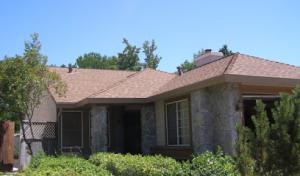
ACS Roofing
(916) 714-9660 www.egroofing.com
9255 Survey Rd #4, Elk Grove, California
4.7 from 55 reviews
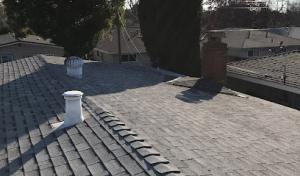
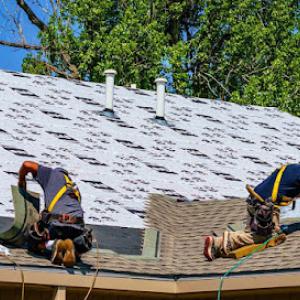
Paramount Roofing Solutions
(916) 586-8025 elkgrovecaroofing.com
9569 Oak Reserve Ln, Elk Grove, California
5.0 from 34 reviews
Paramount Roofing Solutions is Elk Grove's trusted roofing contractor, dedicated to delivering exceptional quality and service for all your roofing needs. Specializing in roof installation, roof replacement, and roof repair, we ensure your home or business is protected and looking its best. Our expertise includes durable metal roofing, classic asphalt shingle roofing, and energy-efficient commercial TPO roofing for businesses. Whether it’s a new construction roofing project or reliable solutions for flat roofing, our skilled team combines top-notch materials with precision craftsmanship. Paramount Roofing Solutions is committed to exceeding expectations with every project, ensuring long-lasting results that stand up to the test of time.

4 Ever Roofing
(916) 800-9962 www.4everroofinginc.com
4900 Elk Grove Blvd #402, Elk Grove, California
4.8 from 60 reviews
As a family owned roofing business, we empower each other to provide the best roofing services. Our values and commitment to each other strengthen the quality of work we provide to all of our clients. Ever started working in Southern California as a roofer with now over 16 years of top notch experience. Ever, his wife, and their children then moved to Sacramento to be closer to family. 4 Ever Roofing offers inspections, roof repairs, new roofing, maintenance, roof/gutter cleaning, and emergency services. We believe all families deserve to be safe and comfortable in their homes. A good honest family who cares.
ACS Roofing
(916) 714-9660 www.egroofing.com
9255 Survey Rd #4, Elk Grove, California
4.7 from 55 reviews
ACS is the only Roofing Contractor in Sacramento County to be HAAG certified, one of the highest qualifications in the industry. We are also an FAA licensed drone pilot and a Tile Roofing Institute certified inspector. Our services include: inspections, insurance inspections, escrow inspections, repairs, re-roofs, skylights, moss removal, roof and gutter cleaning, and leak repairs. We also help homeowners facing insurance non-renewal or cancellation notices. Our professional inspections include detailed written reports with photos of your roof. ACS offers certified inspectors, premium materials, skilled craftsmen, and responsive office support. Our BBB and CSLB records reflect our commitment to quality and customer service.
Valley Roofing Services
(209) 810-3456 valleyroofingservices.com
Elk Grove, California
5.0 from 11 reviews
Harry Spriggs has been in the foam industry for over 2 decades and has worked on jobs ranging from residential homes to large industrial projects. In 2009, Harry decided to open Valley Foam, Inc. which allowed him to perform the level of workmanship that he felt every job deserved no matter how big or small. Valley Foam, Inc. makes it a priority to meet every customer’s needs and exceed industry standards with the quality and craftsmanship that we put into each and every job.
Maginis Roofing
(916) 275-5923 www.maginisroofing.com
Elk Grove, California
4.7 from 16 reviews
Due to COVID-19 Maginis Roofing is doing everything we can to contribute to this not spreading through our community. We are happy to provide our customers with roof assessments and communicate electronically. Rest assured you are still being taken care of by the best Started from the ground up in Rancho Cordova, Maginis Roofing has been and always will be a local solution for a full range of roofing, siding, and gutter services. Our business is built on neighborly trust, quality work, and affordable prices. Your new roof is right around the corner - call Maginis Roofing today.
Jerry Stone Company
(916) 837-8848 jerrystonecompany.com
Elk Grove, California
5.0 from 1 review
Roofing Contractor Commercial and Residential Re-roofing Roof repairs Roof inspections Roof Certifications
Davis Roofing Group
(916) 900-7663 thedavisroofinggroup.com
Serving
4.8 from 58 reviews
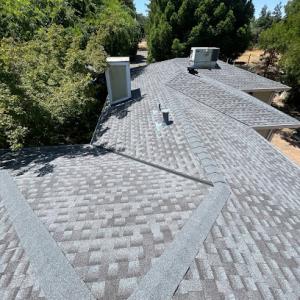
Davis Roofing Group is a locally owned and operated roofing company proudly serving Northern California from the Stockton area to Roseville / Rocklin area - Including Sacramento, Elk Grove, Lodi, El Dorado Hills and Davis. We specialize in residential and commercial roofing, roof repairs, roof replacements, and storm damage restoration. Our team is fully licensed, insured, and committed to honest inspections, clear communication, and quality craftsmanship. We treat every roof like it protects our own family — because it does. Homeowners choose Davis Roofing Group for reliable service, fair pricing, and long-lasting results. Contact us today for a free roof inspection and estimate.
Match Point Roofing
(916) 598-2469 matchpointroofinginc.com
Serving
5.0 from 52 reviews
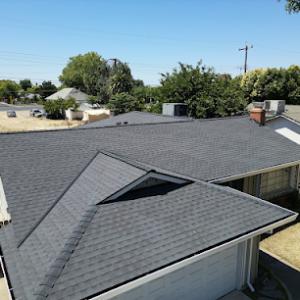
With years of experience in the roofing industry, we are the experts you need to take care of your home or business. We handle all of your roofing, gutter, repairs, rotting wood, maintenance, all types of material, Flat roof, any roof service needs with great care. We will treat your home as we would treat our own. Give Match Point Roofing, Inc. a call today, we look forward to working with you, Hi everyone I'm Luis I have more of 12 years experience I'm start my business because I know I'm qualified and trained to be roofer and waterproofer I'm certified person for California state I have a big motivation (my daughters) 🥰 I hope to see you soon I offering the best prices on the area guarantee Thanks!
Triple R Roofing
(916) 420-5635 www.triplerroofs.com
Serving
4.9 from 41 reviews
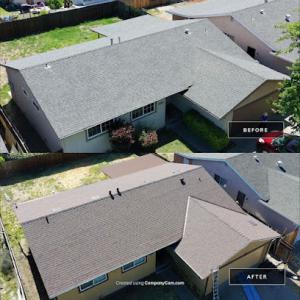
Triple R Roofing provides FREE estimates, FREE drone inspections, and full photo/video documentation for every job. We specialize in tile and shingle roof installation & repairs, leak detection, gutter cleaning, gutter installation, and dry rot repair. We identify the issue, fix it the right way, and keep you informed every step of the process. At Triple R Roofing, we make the entire experience simple and stress-free. Financing options are available. Call today to schedule your free roof inspection.
New Era Roofing
(916) 619-0425 neweraroofingllc.net
Serving
4.8 from 60 reviews
Welcome to New Era Roofing, LLC. We are a family-owned and -operated business providing comprehensive roof repair, restoration and installation services for homeowners and business owners throughout the greater Sacramento area.
Momentum Roofing
(279) 248-7876 www.momentumroofingca.com
Serving
5.0 from 4 reviews
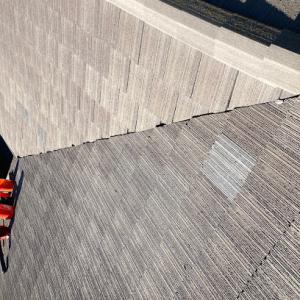
At Momentum Roofing, we will ensure your tile roof remains in top-notch condition. From fixing cracked tiles to meticulous maintenance routines, our skilled team is committed to delivering reliable, hands-on solutions. Sacramento's roofs face challenges, but with Momentum Roofing, you have a local partner ready to preserve the durability and charm of your tile roof.
Cisco's Roofing
(916) 731-8155 www.ciscosroofing.net
Serving
4.9 from 93 reviews
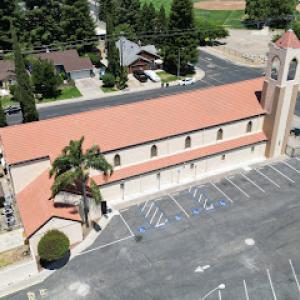
Specializing in composition re-roof's and TPO flat roof systems. We offer the best warranties, by the best.
Elk Grove's climate gives you a recognizable cycle: long dry spells followed by a mild but wetter winter. That pattern tends to push aging issues on roofs to the forefront just when a homeowner least wants to deal with them. Flashing at chimneys, vents, and valleys can stay tucked away through the dry season, only to show stress when the first cold rain hits. Underlayment that felt solid in late summer may begin to peel or sag as moisture hits, and that hidden weakness translates into leaks fast when storms arrive.
When the first meaningful winter storms roll through, roofs that looked fine in the heat suddenly reveal bad seams, loose fasteners, or worn valley metal. In neighborhoods with tile or asphalt re-roofs, stressing heat-age becomes obvious as hairline leaks creep along rakes and skylight edges. The mild, persistent rain can push water under shingles or beyond edge flashings, especially where previous repair work didn't address the root cause. If your roof feels dry all summer but leaks with winter downpours, that's a clear signal to inspect the flashing, the valley, and the underlayment closely.
Spring winds in the area can complicate tear-offs, underlayment staging, and tarp management, particularly on open suburban lots with limited shade. High gusts can lift exposed edge materials, blow debris into newly exposed valleys, and stress temporary tarps after a rain event. If a roof plan relied on dry-season intuition rather than a solid sequence, wind can disrupt crews and force risky interim fixes. Expect a tighter schedule and more careful staging, not a rush to finish, when spring wind cycles begin.
If winter storms have revealed anything, initiate a targeted inspection before the next heavy rain. Start with flashing around chimneys, vents, and transitions between roof planes. Check valley metals for cracks, gaps, or loose fasteners, and pull back a corner of the underlayment if moisture has penetrated to the deck. On a roof you're considering for replacement, plan a careful tear-off sequence that minimizes open exposures during windy periods. If leaks are suspected, place temporary tarps strategically to control water flow while a professional evaluates critical failure points.
Because most of the year is dry, Elk Grove homeowners often discover leaks only when the first meaningful winter storms arrive. That timing makes early detection essential. A proactive approach can prevent storm-driven damage from cascading into more costly repairs, and it helps avoid a pressure-filled scramble when spring winds pick up. Treat the winter rains as a diagnostic window, and schedule targeted repairs or a replacement plan while daylight and temperatures cooperate.
When you can't wait, these contractors offer fast response times to stop leaks and prevent further damage.
4 Ever Roofing
(916) 800-9962 www.4everroofinginc.com
4900 Elk Grove Blvd #402, Elk Grove, California
4.8 from 60 reviews
ACS Roofing
(916) 714-9660 www.egroofing.com
9255 Survey Rd #4, Elk Grove, California
4.7 from 55 reviews
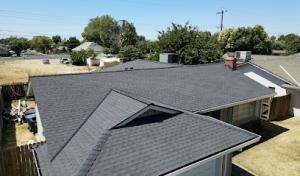
A full roof replacement in Elk Grove typically requires a permit through the City of Elk Grove Building Division. Before any nail is driven, you or your contractor should pull the permit, schedule plan review, and confirm any neighborhood HOA requirements if applicable. The Building Division often wants to see basic project scope, including roof type, venting plans, and any structural changes. Start by submitting a project description and a simple site plan showing roof extent and attic access. Keep copies of notifications for neighbors, because inspections are coordinated in a way that avoids surprises.
Elk Grove inspections commonly occur at key stages including underlayment or installation review and final completion, so homeowners should expect coordination with the city inspector during scheduling. The first inspection typically happens after underlayment is laid and some flashing is in place, to verify roof deck condition, underlayment type, and temporary weatherproofing. The final inspection occurs after all work is complete, including vents, flashing, and any penetrations sealed to code. If any issues are noted, a re-inspection will be scheduled, so plan for a short delay between stages.
Projects in this area may be reviewed for venting, flashing, and structural compliance rather than just surface material replacement. Expect the city inspector to check attic ventilation balance, ridge and soffit airflow, and the integrity of penetrations around vents and skylights. Flashing at intersections with walls, chimneys, and dormers should be installed to current code details. If your house has a metal roof, confirm through-fastener patterns and weatherproofing details during the installation review. The structural review may include attic rafter support, decking condition, and fastening patterns for the selected roofing material, especially in areas with hot summer exposure and seasonal rain windows.
Layout a calendar that aligns with the typical Elk Grove dry season and winter rains, so a replacement window avoids the peak heat while still meeting permit timelines. Ask the contractor to provide a checklist of required city items for each inspection so you know what to have ready the day of the visit. Keep a single point of contact at the contractor's office for scheduling changes and any inspector requests. If weather pushes delays, notify the Building Division promptly to avoid a failed inspection window.
During peak summer heat, plan inspections for early morning slots to keep material handling safer and more predictable. In winter, expect rain-related pauses; coordinate tarping and fastener storage to protect underlayment. Have your documents and access ready so inspectors can complete their checks without repeat trips. If questions arise, contact the Building Division early to avoid scheduling conflicts. Having permit ready smooths the process.
In this market, many homes still use tile systems, and Elk Grove homeowners often face a clear choice: can the existing tile roof be reset, or is a full replacement required? If the tile can be carefully reset and re-seated, you'll typically see lower costs than a complete teardown and reinstallation. When resets aren't feasible-due to broken tiles, persistent flashing issues, or underlying deck damage-expect to move toward a full replacement. This distinction is especially impactful for cost calculations: clay tile and concrete tile fall into the higher end of the range when you need full replacement, while a reset can keep costs closer to a mid-range figure. For reference, asphalt shingles stay in a lower overall bracket, but in tile-heavy neighborhoods, a retrofit decision can swing your overall project cost meaningfully.
Elk Grove experiences intense summer heat that ages UV-exposed surfaces quickly, followed by winter rains that compress scheduling windows. Spring and fall become the most practical times to plan a roof replacement, because crews are more available and the heat or rain won't stress materials during installation. If a reroof is urgent, expect tighter scheduling and potentially premium rates during peak demand months. For tile roofs, the window to coordinate tile work matters even more, since a proper reset or tile repair needs dry, moderate weather to avoid costly callbacks.
Costs rise locally when permit coordination, ventilation corrections, flashing upgrades, or structural review are required during a re-roof. These items add to the base material cost and labor, and they tilt the total toward the higher end of the listed ranges. Asphalt shingles offer the most budget-friendly entry, while metal and concrete or clay tile bring higher per-square costs. If you anticipate upgrades to underlayment, proper attic ventilation, or seismic/structural checks, plan for a larger contingency in the budget. In practice, expect a broader spread for tile-heavy homes that need more than a straight tear-off-and-replace.
Don't let upfront costs delay a critical repair - these contractors offer payment plans to fit your budget.
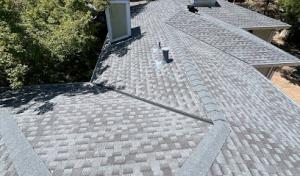
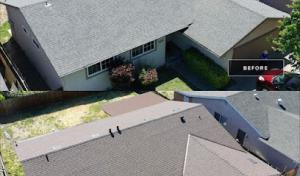
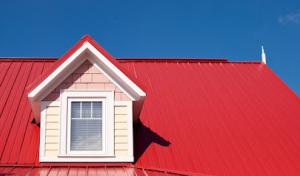
California's insurer pullbacks affect homeowners even outside the highest-risk foothill zones, making roof condition and documentation more important when seeking or keeping coverage. In this climate, exposure to summer heat and winter rain accelerates aging, so insurers scrutinize pre-existing conditions more closely. A well-documented roof reduces the guesswork and helps prevent coverage gaps when a claim is filed after a hot season or a rainy spell.
For Elk Grove roof claims, insurers often want clear pre-work photos, documentation of existing damage, and a detailed scope before approving repairs or replacement. Take high-resolution images from multiple angles, including close-ups of shingles, flashing, gutters, and any hail or impact marks. Note the date and weather conditions when photos were taken. Maintain a simple, dated log of known leaks, days when interior staining appeared, and any prior patch repairs. If a contractor identifies latent issues, request written notes that connect those items to post-work expectations.
Wildfire-related underwriting pressure in California can influence deductibles, endorsements, and how insurers evaluate roof age, material, and defensible-maintenance records for Elk Grove properties. Document defensible-maintenance activities such as regular clearings around eaves, debris removal, and timely replacement of aging components. Insurers may weigh these records when assessing risk, so keep a centralized file with dated maintenance receipts, service reports, and contractor correspondence. Clear, organized records can influence how an insurer views your roof's remaining life and its resilience during extreme conditions.
If a claim is in play, preserve every communication from the insurer and your agent, plus a temporary protective measure log (shingles that blew loose, tarps applied, leaks controlled). Request written confirmation of what the adjuster views as pre-existing versus newly caused damage, and ensure the scope of work matches the observed conditions. Misalignment between photos, notes, and the repair plan often triggers delays or disputes when time-sensitive weather windows narrow for a replacement or major repair.
Connect with contractors who help homeowners navigate the claims process from damage assessment to final approval.
4 Ever Roofing
(916) 800-9962 www.4everroofinginc.com
4900 Elk Grove Blvd #402, Elk Grove, California
4.8 from 60 reviews
ACS Roofing
(916) 714-9660 www.egroofing.com
9255 Survey Rd #4, Elk Grove, California
4.7 from 55 reviews
In a sun-heavy climate, roof penetrations tied to solar equipment and skylights deserve extra attention because flashing failures may not show up until winter rains arrive. Elk Grove homes often sit under long summer heat that ages seals quickly, so a small nail hole or mis-seated flashing can leak weeks after a sunny reroof. When inspecting, look for step and counter flashing around every skylight, vent, and mounting bracket, and stress-test with a light spray to verify seals.
Homes in newer subdivisions often have multiple roof penetrations and accessory installations that make flashing quality a bigger issue than surface material alone. Each penetration acts like a tiny dam for water flow, and mismatched flashing profiles can trap moisture behind the first layer. Focus on continuous shoulders and flashings where the solar racking or skylight curb meets the roof plane, not just the visible surface.
When re-roofing, homeowners should plan sequencing carefully if solar removal and reset is needed to avoid delaying dry-in before rain. Coordinate solar company work so that removal happens early and reset completes before the rainy season, and ensure the new roof underlayment is sheeted and sealed promptly around every penetration. If a full removal is not possible in one day, arrange a tight overlap with temporary weather protection to keep interior spaces dry while the crew re-seals penetrations during the dry spell.
Look for staining or peeling around skylights and vents, damp ceiling spots, or musty smells after rain. Sealed joints should not move or flex under light pressure, and flashing along valley lines should remain solid after heat cycles. If signs appear, have the flashing detail re-checked before the next winter wet period.
Find contractors who integrate solar panels or solar shingles into your roof for long-term energy savings.

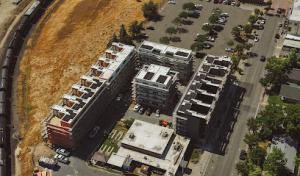
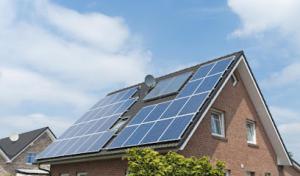
Even in a neighborhood dominated by pitched roofs, you will find low-slope sections that drift into patio covers, additions, porches, and some garage transitions. These spaces age differently than the main roof and often don't get the same attention during a re-roof. In this climate, the sun's UV and the winter rains stress sealants, flashing, and drainage details differently, so the transition zones deserve careful treatment. A slight misfit there can translate into a leak that gets noticed only after a heavy rain, long after the main roof has been renewed.
During winter storms, drainage on low-slope areas is less forgiving than on the primary pitched roof. Pitch helps shed water quickly; low-slope surfaces hold moisture longer, especially where flashing meets transitions. If a low-slope tie-in isn't perfectly integrated with the main roof, you may see slow seepage or sudden leaks at fastener lines, under trims, or along valley-like joints. Because these spaces often serve as extensions of living areas or storage, water intrusion can be quiet but consequential, creeping into ceilings, walls, or insulation.
When planning a main re-roof, flag the low-slope tie-ins for a dedicated inspection. Have the contractor verify that flashing around edges, penetrations, and transitions is continuous and properly sealed with compatible materials. Pay attention to any signs of staining, damp drywall, or warped trim near these joints after the first winter rain. If a retrofit is contemplated, insist on a seamless water-shed assessment that treats the low-slope area as a true siding-to-roof interface, not an afterthought. Regular maintenance should include targeted checks after the season's first heavy rains and before the heat of summer returns, ensuring that drainage around these areas remains unobstructed.
Find specialists in TPO, EPDM, and built-up flat roofing systems for residential and commercial properties.
Paramount Roofing Solutions
(916) 586-8025 elkgrovecaroofing.com
9569 Oak Reserve Ln, Elk Grove, California
5.0 from 34 reviews
The Elk Grove market shows strong demand for quick response and cleanup, reflecting a homeowner base that values efficient re-roofing with minimal disruption in residential neighborhoods. When a storm or aging roof hits, you want a crew that can schedule promptly, protect landscaping, and neatly remove old materials without dragging debris through yards. Local crews that prioritize staged replacement and on-time communication tend to outperform those with long lags or scattered crews.
Re-roofing is more prevalent than niche specialty work in this area, so homeowners should focus on crews with strong replacement logistics rather than only sales presentation. Look for teams that routinely convert tear-off days into a tight, one- to two-day project window, bring a full crew, and finish with clean-up that leaves driveways and gutters spotless. A well-organized crew keeps ladders, tarps, and waste bags ready, reducing the chance of daytime delays or weekend interruptions.
Established and family-owned operators are a meaningful part of the market, which matters for warranty follow-through and post-job service. Seek contractors who maintain local phone lines, provide clear post-installation check-ins, and stand behind workmanship with a solid follow-up plan. In this climate, a dependable partner helps ensure roof systems perform during hot summers and wet winters, with timely attention if any leakage concerns arise.
Shingle and tile decisions should consider how Elk Grove's heat accelerates aging and how winter rains affect brittle shingles or sliding tiles. Favor crews who explain venting, underlayment choices, and roof-penetration strategies that address heat-related expansion and contraction. A contractor that maps out a replacement sequence with these factors tends to deliver longer-lasting results and fewer mid-season fixes.