Last updated: Apr 19, 2026
Dry-season reroofing is the practical rhythm for homes with tile, asphalt, or wood in this climate. The dry season, roughly from late spring through early fall, is when most Walnut Creek homeowners plan full replacements to minimize the risk of winter rains interrupting tear-off, dry-in, and inspection scheduling. Planning around this window helps keep projects on track and reduces the chance of weather-driven delays that push critical steps into the wet season.
Begin by aligning a project start date with the dry stretch when forecasts show several weeks of sun and dry mornings. If a full tear-off is needed, the calendar should allow enough time for removal, surface preparation, underlayment, and initial roof assembly before the first significant cold front or fall rain. The dry-season alignment also supports material deliveries and staging, which is especially important for bulk orders of tile or shingles. If a delay is unavoidable, aim to reschedule within the same dry period rather than letting the project spill into winter, when rain becomes more likely and interruptions become harder to manage.
Summer heat in inland Contra Costa can shorten safe installation windows during the hottest parts of the day and can be especially hard on asphalt and wood products exposed to prolonged sun. Work should be scheduled to minimize daily exposure of sensitive layers and crews should plan to avoid peak heat hours. Early-morning starts followed by a midday pause can protect underlayment and fasteners from heat-related distortion. For asphalt shingles, ensure the install sequence respects adhesive and nailing requirements in the warmer hours, while for wood and composite products, check manufacturer guidance on heat thresholds to prevent warping or accelerated aging.
Spring and fall wind events in the Walnut Creek area can complicate material staging, underlayment protection, and debris control even outside the wettest months. A strong gust can topple unsecured bundles or blow debris into landscaping and vents. Use secured staging areas and crews should set up wind breaks or tarps to protect underlayment and exposed roof decks. Schedule in a way that allows a contingency day for an unplanned gust or a quick rain shower that doesn't threaten open decking yet could force a temporary sheltering of materials.
Choose a sequencing plan that minimizes deck exposure. For tile and concrete tile, ensure the scaffold setup and crane or hoist operations are timed to avoid late-afternoon heat build-up that can soften sealants and dry-in compounds. For asphalt or wood, prioritize weatherproofing steps early in the day and reserve heat-sensitive layers for cooler sessions when possible. In the dry season, the underlayment and flashing details should be completed with enough time to perform a thorough inspection while the roof is still dry, so inspectors (if scheduled) can verify integrity before any potential seepage risk.
Have a backup plan for an early-season rain front or an unexpected wind event. That plan includes a clear sequence for pausing work, securing materials, and resuming once conditions stabilize. Keep communication tight with neighbors, especially in windy months, when debris control can affect adjacent yards and driveways. A well-structured plan helps maintain momentum through the dry season while respecting the realities of Walnut Creek's climate.
Clay tile and concrete tile are dominant choices in this area, matching the common suburban architecture and making tile-specific repair and replacement knowledge unusually relevant here. When a tile roof is in place, the visible surface often continues to perform for decades while the underlying waterproofing layers age at a different pace. That split between surface durability and deck protection means inspection should start at the deck and underlayment, not just the tile. Look for signs of seepage near eaves, penetrations, and where flashing meets walls. Pay attention to nail heads that may have backed out or tiles that have shifted, creating small gaps that admit moisture. In many neighborhoods, well-installed clay or concrete tile gives you a long-lived roof, but a rushed or overlooked underlayment replacement can undermine that performance later. In practical terms, plan routine checks after heavy storms and after any seismic events, since movement can loosen tile alignment and expose vulnerable spots.
Strong sun exposure in this area is a key lifespan factor for asphalt shingles and wood shakes, making south- and west-facing roof slopes age differently from more shaded exposures. If a portion of the roof faces the afternoon sun, expect faster granule loss on asphalt shingles and more rapid drying and potential warping on wood shakes. On tile roofs, sun exposure translates into decisions about underlayment and deck condition rather than immediate tile replacement. A consistent, methodical approach to cleaning gutters and vents on sun-facing slopes helps delay moisture-driven problems. When reroofing tiles, consider color and surface texture choices that reflect heat and minimize heat absorption in attic spaces. For homes with mixed exposure, a staggered maintenance plan-addressing the sun-drenched side first-can keep the entire roof performing evenly and reduce the risk of accelerated wear on one section compared to another.
Tile reroofs in this market often require close attention to underlayment condition and deck review because the visible tile may outlast the waterproofing layers beneath it. The deck deserves a careful inspection for signs of rot, deck lath condition, and any prior patchwork that might compromise waterproofing continuity. When tile is removed for repair, replace any degraded underlayment with a modern, long-lasting material that resists UV degradation and provides a reliable moisture barrier. Look for dry rot or insect damage in roof sheathing and confirm that the soffits and drip edges direct water away from the interior. If the deck is sound but the underlayment shows age, anticipate the possibility of more extensive work once the tiles are lifted. A thorough reroof plan should map out the sequence: perimeter protection, tile removal, deck inspection, underlayment replacement, flashings refresh, and finally tile reinstallation with appropriate fasteners and sealants to ensure alignment and weather-tightness.
With the dry season as a practical window for reroof projects, timing is everything. In this climate, scheduling reroofs during the dry months minimizes weather-related delays and helps maintain interior comfort during winter rains. Build a maintenance calendar that prioritizes the most sun-exposed slopes and those areas with prior water intrusion history. After heavy storms or wildfire-season debris events, perform a quick but thorough inspection of tiles, gutters, and flashing. Clear debris promptly to prevent moisture retention that can accelerate wear at roof penetrations. For ongoing life extension, implement a routine that includes gentle cleaning of tile surfaces to remove accumulated dust, pollen, and smoke residues, which can affect both aesthetics and heat absorption. Keeping the roof surface tidy and the flashing intact supports a longer, more reliable service life for tile systems in this market.
Find contractors who specialize in clay and concrete tile roofs, known for their durability and curb appeal.

Equinox Roofing
(800) 880-6020 equinox-roofing.com
1801 Oakland Blvd # 210, Walnut Creek, California
5.0 from 135 reviews
Apollo Roofing Company
(925) 281-5504 www.apolloroofingcompany.com
1515 Oakland Blvd Ste 140, Walnut Creek, California
5.0 from 85 reviews

Precise Roofing
(888) 288-1885 www.preciseroofingca.com
1371 Oakland Blvd #302, Walnut Creek, California
4.8 from 111 reviews
Equinox Roofing
(800) 880-6020 equinox-roofing.com
1801 Oakland Blvd # 210, Walnut Creek, California
5.0 from 135 reviews
Equinox Roofing is the leading roofing company in Walnut Creek, CA servicing San Francisco, San Jose, Walnut Creek, and nearby areas. Our roofing company offers residential roofing, commercial roofing, roof repair, asphalt shingle roofing, and many more. Customers love us because of our comprehensive roof warranties and affordable roof financing options. We also have industry affiliations and certifications such as Owens Corning, Poly Glass, and CertainTeed. If you want to experience how your most trusted San Francisco roofing company embraces our motto “Building value”, call us now for a free estimate!
Apollo Roofing Company
(925) 281-5504 www.apolloroofingcompany.com
1515 Oakland Blvd Ste 140, Walnut Creek, California
5.0 from 85 reviews
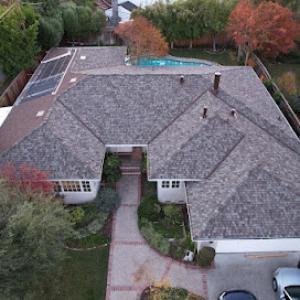
Apollo Roofing Company is one of the leading roofing contractors in Walnut Creek who takes pride in offering first-class services. Customer satisfaction is our top priority in every roofing service we deliver. And as such, we don’t rest until we give our customers the roofs their homes deserve and take their roof to the next level. We are made up of highly trained and experienced roofers providing multiple roofing solutions such as roofing system replacement, repair, and installation. For durable roofs, get a free estimate by contacting us today! "By Appointment Only"
NC Roofing Solution
(925) 255-7465 ncroofingsolution.com
2764 Camino Diablo, Walnut Creek, California
4.9 from 248 reviews
At NC Roofing Solutions, we know that finding a quality roofing company that fits your budget can be challenging. That's why we offer exceptional roofing services that won't break the bank. With our expert team, you can have peace of mind knowing your roof is in good hands. Don't let roof issues escalate. Choose NC Roofing Solutions for the best roofing services. Contact us today for a consultation and let us take care of your roofing needs!

Roof Doctors Contra Costa County
(925) 891-8200 theroofdoctors.net
Walnut Creek, California
4.8 from 177 reviews
"Nobody inspects, repairs and certifies more roofs or solves more roof leak problems in the SF Bay Region. Over 300,000 roofs inspected. We do complimentary roof inspections with detailed reports that include pictures. Reports sent within 24 hours of inspection. We are a licensed roofing contractor that offer repairs, replacment bids, gutter cleaning bids, gutter guard installs, and general roof maintenance. Service in the following San Francisco Bay Area counties: Alameda, Contra Costa, Marin, Napa, Solano & Sonoma Counties.
Symplify Roofing
(510) 288-6171 symplifyroofing.com
2815 Mitchell Dr #225, Walnut Creek, California
4.9 from 56 reviews
Symplify Roofing is your trusted roofing contractor based in Walnut Creek, proudly serving residential and commercial clients throughout the entire Bay Area. As an Owens Corning Platinum Contractor, we provide exceptional roofing services backed by industry-leading warranties—a 50-year material warranty and a 25-year labor warranty—for unmatched peace of mind. When searching for “roofing near me,” Bay Area residents and businesses rely on our expert team for professional workmanship, lasting quality, and reliable results. Whether you need commercial roofing or residential roofing solutions, choose Symplify Roofing, your trusted Bay Area roofing contractor, and experience excellence, integrity, and quality you can depend on.

Precise Roofing
(888) 288-1885 www.preciseroofingca.com
1371 Oakland Blvd #302, Walnut Creek, California
4.8 from 111 reviews
Our roofing company is your one-stop destination for a comprehensive range of roofing solutions, tailored to meet the diverse needs of residential and commercial property owners. We specialize in flat roofing, TPO roofing, PVC roofing, torch-down roofing, tile roofing, shingle roofing, and metal roofing installation and repair. With a team of highly skilled professionals, we bring expertise, dedication, and a commitment to quality to every roofing project. Whether it’s enhancing the curb appeal of your home with beautiful tile or shingle roofing, or ensuring the longevity and weather resistance of your property with flat, TPO, PVC, or metal roofing, we have you covered.

Golden Grove Roofing & Construction
(925) 272-8248 goldengroveco.com
1990 N California Blvd 8th floor Suite 872, Walnut Creek, California
5.0 from 28 reviews
Licensed Roofing and General Contracting Company
Roof By Tom
1990 N California Blvd 8th floor floor, Walnut Creek, California
4.8 from 46 reviews
Roof By Tom is your trusted source or all quality roofing work, as experts in residential and commercial roofing, based in Walnut Creek California and servicing all the bay Area down to San Jose, we specialize in shingles, tile, metal and flat roofs, whether you need a full replacement or meticulous repairs, we've got you covered. Fully licensed and insured and local based in Walnut creek and serving the entire Bay Area and around we prioritize communication and customer satisfaction, our team ensures high quality work and results with every project. Choose Roof By Tom for reliable roofing and for quality results

Ascend Renovation & Roofing
(925) 289-7600 www.ascendrenovationroofing.com
1212 Broadway Plaza STE 2100, Walnut Creek, California
5.0 from 9 reviews
At Ascend Renovation & Roofing, construction runs in the family. With over 9 years in the industry and deep roots in commercial real estate, this business was built on a foundation of experience, integrity, and hard work. Growing up, our founder was constantly surrounded by properties, tagging along with his dad and granddad, who were both involved in real estate. That early exposure sparked a lifelong interest in how homes are built, renovated, and improved. Though the company itself was recently launched, the journey behind it has been years in the making. We noticed a consistent problem in our area: too many contractors overpromise and underdeliver.
LB Harbors Roofing
712 Bancroft Rd, Walnut Creek, California
5.0 from 9 reviews
Commercial & Residential roofing contractor in the Bay Area for your roofing needs. We also work on gutter cleaning, new gutter installation, gutter guards. Habló Espanol.

Star Waterproofing & Roofing
(510) 710-4105 www.starwaterproofingco.com
2855 Mitchell Dr #100, Walnut Creek, California
4.3 from 16 reviews
At Star Waterproofing and Roofing, we specialize in delivering top-tier roofing and waterproofing services tailored to protect and enhance your property. With years of industry experience and a team of certified professionals, we are your go-to experts for a comprehensive range of roofing and waterproofing solutions.

Ultimate Walnut Creek Roof Repair
(925) 515-4446 walnutcreekrooffix.com
355 Lennon Ln 169 Ste 169, Walnut Creek, California
4.8 from 5 reviews
Ultimate Walnut Creek Roof Repair offers expert residential and commercial roofing services in Walnut Creek, CA and surrounding areas. We specialize in roof leak repairs, shingle replacement, flat roof repair, storm damage restoration, and preventative maintenance. Our experienced roofing professionals conduct thorough inspections and deliver high-quality workmanship to extend the life of your roof and protect your property. Whether you need emergency repairs, minor fixes, or ongoing roof maintenance, Ultimate Walnut Creek Roof Repair provides dependable, affordable, and professional roofing solutions designed to keep your home or business safe, secure, and weather-protected year-round.
Winter rain after long dry periods often reveals vulnerabilities that were hiding in plain sight. Aging flashings can become brittle, shingles crack or curl from sun and heat, and underlayment can degrade where old roof decks move with seasonal shifts. The unique sequence in this market-long dry spells followed by heavy downpours-means leak calls arrive with urgency: a single storm can expose multiple problem points at once. In this climate, a careful eye for the low spots, valleys, and transitions around chimneys, vent pipes, and dormers pays off fast. If a roof hasn't seen consistent maintenance, the first big rain becomes a test that uncovers where water wants to intrude.
The contractor market around here shows unusually strong emergency-repair and quick-response activity once a storm begins. Homeowners expect rapid tarping and a temporary dry-in to weather the worst of the downpour while a permanent fix is arranged. That means it's common to see crews dispatched within hours, with tarps and fast, temporary coverings appearing almost as quickly as leaks are confirmed. If a roof is actively leaking, prioritizing speed over perfection can prevent interior damage and reduce mold risk during a long-wet spell. Having a plan with a trusted contractor who can mobilize on short notice makes a real difference.
Skylights are a meaningful specialty in this market, which matters because leak tracing in Walnut Creek homes often has to distinguish between field roofing failures and skylight or curb flashing issues. A leak that shows up around a skylight can mimic a shingle or flashing failure elsewhere, so verification matters. When inspecting after a storm, check for moisture streaming along skylight perimeter seals, condensate within the glass units, and any staining that runs from the curb flashing onto the glass or around the frame. If signs point to skylight trouble, isolate that component in the diagnosis before a full roof-surface repair is planned. Quick tests-careful water tests around the skylight curb with a helper-can help separate ceiling leaks from rooftop sources.
If a leak is observed, prioritizing immediate protection is critical. Place a sturdy tarp over the most vulnerable area with enough overhang to shed runoff away from the valley and eaves. Secure tarps with roofing nails or weighted covers, checking for wind resistance-December storms can carry gusts that peel coverings loose. Clear gutters and downspouts of debris if possible to keep water from backing up and finding new entry points. Communicate with the responding crew about the exact location of the ingress and any interior damage already detected so the temporary fix aligns with an efficient, follow-up permanent solution.
Prepare a concise brief for the roofer: where water is entering, what interior signs appeared (staining, peeling paint, soft spots), and any skylight or vent-related uncertainty. Keep a log of storm dates, rain totals if known, and visible changes after subsequent rain events. This helps prioritize field investigations during the fast-moving window when weather shifts again, and supports a targeted, durable repair rather than a patchy fix.
When you can't wait, these contractors offer fast response times to stop leaks and prevent further damage.

Star Waterproofing & Roofing
(510) 710-4105 www.starwaterproofingco.com
2855 Mitchell Dr #100, Walnut Creek, California
4.3 from 16 reviews

Ultimate Walnut Creek Roof Repair
(925) 515-4446 walnutcreekrooffix.com
355 Lennon Ln 169 Ste 169, Walnut Creek, California
4.8 from 5 reviews
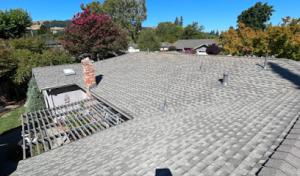
Typical Walnut Creek material pricing runs about $350 to $750 per square for asphalt shingles, $700 to $1200 for metal, $1100 to $1900 for clay tile, $900 to $1500 for concrete tile, $800 to $1500 for wood shingles or shakes, and $450 to $900 for synthetic or composite shingles. These bands reflect the local market where a good portion of homes mix tile, asphalt, and reroof needs around the dry season. The variation within each category comes from board quality, underlayment choices, and whether the job includes additional components like venting upgrades or flashing over existing metal accessories. In practice, expect structure-sensitive projects-such as a tile roof with delicate deck surfaces or a crowded ridge line-to push price toward the higher end, even for standard square-footage.
In this market, costs climb when a reroof requires tile tear-off and reset, since tile work in dry months is busy and scheduling tight. If the existing roof uses tiles, a tear-down can reveal deck damage, rotten fascia, or compromised underlayment that must be repaired before the new roof goes down. Those deck repairs add days to the schedule and dollars to the invoice, especially when access is limited or the roof is a multi-story layout. A straight asphalt replacement may stay closer to its lower price band, but a tile rebuild or a mixed-material job tends to sit higher due to labor intensity and the handling precautions required for fragile tile or shake components.
Weather pauses during the wet season can extend the project timeline and push labor costs higher overall because crews reroute work or resume after delays. Scheduling into the dry season when demand is stronger can mean faster start times but tighter crew calendars, which can influence material lead times and mobilization charges. In Contra Costa County, the combination of permit coordination, inspections, and weather-related pauses can affect the total project cost and timeline. If a project runs longer than planned due to rain or unexpected deck repairs, you may see incremental increases that compound across permit processing and follow-up tasks. In Walnut Creek, planning for these contingencies-plus a realistic cushion for tile or shake reroofs-helps keep surprises manageable.
Don't let upfront costs delay a critical repair - these contractors offer payment plans to fit your budget.
Equinox Roofing
(800) 880-6020 equinox-roofing.com
1801 Oakland Blvd # 210, Walnut Creek, California
5.0 from 135 reviews
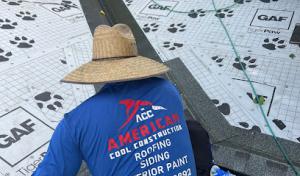
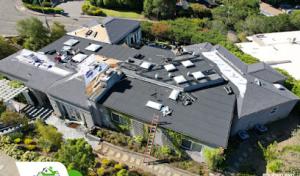
Citywide Roofing & Remodeling
(888) 933-5939 www.citywide-remodeling.com
Serving
4.8 from 70 reviews
A permit is generally required for a full reroof in this area rather than treating replacement as minor maintenance. Entering the process with that understanding helps you avoid delays, fines, or a stop-work order when the inspector shows up mid-tear-off. The plan review will look for a clear path from teardown through finish, and skipping steps almost always comes back to bite you when a storm window arrives or fire-season insurance checks loom.
The local process commonly requires a scope of work, roofing material details, and information about roof deck condition before approval moves forward. Having this ready before teardown begins saves days of back-and-forth. A well-documented deck condition, including any soft spots or rot, can prevent a sudden second phase of work after the roof comes off. Materials lists should match the planned installation, including underlayment, fasteners, and any vents or penetrations that will change with a new roof. If you are choosing a lighter or heavier roofing option than the existing system, plan check may flag load calculations and structural compatibility.
Homeowners should expect inspection coordination through the building department, with a rough-in inspection after teardown and a final inspection upon completion, and plan check comments may need to be resolved before work proceeds. Rough-in covers framing and deck access, enabling the inspector to verify that the roof's basic structure remains sound. The final inspection confirms that the installation aligns with the approved plans and local codes. In practice, delays often come from unresolved plan-check notes or missing documentation, so address those early. If wildfires or smoke-era debris are a concern, you may also encounter heightened scrutiny on venting, attic exposure, and ignition-prone details. Keep schedulers informed and coordinate around Santa Tans and occasional winter rain windows to minimize weather-driven hold-ups.
Before signing a contract, secure a clear scope of work, verified material specifications, and a documented roof deck assessment. Submit these with a permit application and maintain open communication with the contractor and the building department. Expect a defined rough-in and final inspection cadence, and budget a couple of extra weeks if plan-check notes require revisions or if a weather interruption pushes the schedule. This proactive stance helps avoid costly rework once the roof is already torn down.
In this market, insurers commonly scrutinize roof age and prior claims, so an older roof can affect renewal terms, coverage eligibility, or trigger requests for certification. That scrutiny is intensified after dry-season heat and during wildfire season, when adjusters view wear more conservatively and gaps in history can raise flags. You are buying time and protection when you understand how age correlates with risk, and you should plan repairs or replacement to align with the insurer's expectations rather than react after a loss.
A new roof can improve premium stability and insurability in California's tighter property-insurance environment, which is especially relevant for East Bay homeowners weighing repair versus full replacement. If the roof is nearing the end of its expected life, replacing it before the next renewal can simplify underwriting and reduce the chance of a policy drop during the wet season or when wind and fire risk spikes. Consider how a full reroof during the dry season might prevent multiple small claims from turning into larger coverage issues later.
Successful claims handling in this market depends on detailed estimates, date-stamped photos, and contractor documentation because adjusters may be cautious during wind, hail, or wildfire-sensitive periods. Gather contemporaneous records: annual maintenance notes, recent roofing contractor inspections, and any prior claim files. When a loss occurs, present a clear, itemized scope with photos showing the roof's condition over time, and secure a written certification from the roofing professional. Clear documentation helps the process stay focused and reduces back-and-forth during sensitive months.
Connect with contractors who help homeowners navigate the claims process from damage assessment to final approval.
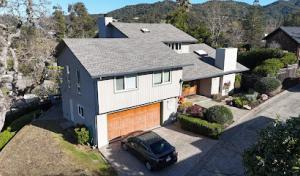
NC Roofing Solution
(925) 255-7465 ncroofingsolution.com
2764 Camino Diablo, Walnut Creek, California
4.9 from 248 reviews
Precise Roofing
(888) 288-1885 www.preciseroofingca.com
1371 Oakland Blvd #302, Walnut Creek, California
4.8 from 111 reviews
Walnut Creek's sunny inland climate makes solar coordination a practical reroof issue, especially when homeowners are deciding whether to replace roofing before panel work. If solar panels are part of the plan, consider sequencing that minimizes panel downtime and avoids a second roof cycle within a short span. A reroof that aligns with panel installation reduces the risk of membrane repairs or flashing adjustments later and helps ensure the system's electrical penetrations sit on solid, uninterrupted substrates. In dry months, confirm that the roof deck is dry and well ventilated before panels go on, to prevent adhesive or sealant failures that can compromise long-term performance.
The local contractor market includes a meaningful solar-roofing segment, so detach-and-reset planning and roof-life alignment are more relevant here than in markets without that specialty presence. When a roof already shows years of wear or aging underlayment, coordinating a future panel removal or temporary support during reroof can save weeks of downtime. Aim for a plan that accommodates both roof replacement and the anticipated life of the solar array, so a mid-life panel system doesn't force a premature tear-off or awkward membrane transitions.
Flat and low-slope roofing is present but secondary in Walnut Creek, reflecting a mixed housing and commercial stock where drainage details and membrane transitions still require specialist handling. For low-slope sections, ensure that drainage paths remain clear and that any membrane-to-wall transitions are reinforced to handle winter rain without edge failures. If a reroof involves a low-slope zone adjacent to higher-pitched sections, confirm that flashing between slopes is designed for seasonal rain loads and is compatible with future panel mounting hardware to prevent leaks around penetrations.
Timing the work for the dry season supports rapid surface readiness for panel installation and minimizes exposure to winter rain. Use high-quality underlayment and compatible flashing details from the outset, so the roof remains durable under the added weight and vibration of a solar system. In wildfire-era conditions, ensure that any vented or exposed areas near the solar array maintain protective clearances and robust sealant performance to resist smoke-related deposition and rapid temperature swings.
Find contractors who integrate solar panels or solar shingles into your roof for long-term energy savings.
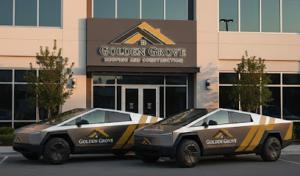
Golden Grove Roofing & Construction
(925) 272-8248 goldengroveco.com
1990 N California Blvd 8th floor Suite 872, Walnut Creek, California
5.0 from 28 reviews
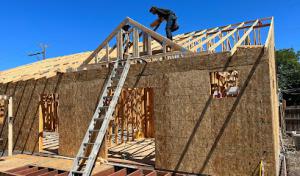
Roof By Tom
1990 N California Blvd 8th floor floor, Walnut Creek, California
4.8 from 46 reviews