
Last updated: Apr 19, 2026
In this climate, reroof activity typically clusters in spring and fall. Installers aim to steer clear of the hottest weeks of summer and the wetter winter window, so plan for a window that sits between major heat waves and rain squalls. If a project is scheduled for late spring, it benefits from cooler days yet still precedes the heavier storm season. Fall work often catches the first cool, dry stretch after summer heat has spent its worst, helping ensure a consistent pace from tear-off through completion. The pattern means asking crews for a firm plan that locks in dry days and avoids critical weather slots, especially when you're coordinating multiple trades around a reroof.
Roseville typically sees hot, dry summers that push roof surfaces to dangerous temperatures. Materials heat up quickly, and that heat translates to thermal movement in metal and clay or concrete tiles during installation. To minimize problems, schedule high-heat work for mornings and late afternoons when surfaces are cooler, and insist on reflective, heat-ready setup only if the crew offers it. Adequate shade during work breaks and a plan to keep the attic and interior spaces ventilated during the process help protect both the crew and the home. If a metal or tile system is chosen, confirm that fasteners, underlayment, and accessories are rated for heat cycling and that roofing laps are seated with proper expansion gaps. On occupied homes, ensure a clear path for debris and a weather-protected staging area to keep interior living spaces dry during long daylight hours of hot days.
Winter rainfall can interrupt tear-off schedules and complicate weatherproofing. The strategy for Roseville is to maintain continuity on dry days and to stage for fast dry-in when rain threatens. On occupied homes, that means setting up a weatherproof tarp plan, keeping entryways protected, and coordinating with the crew to finish edges, penetrations, and flashing in the same day whenever possible. If a storm comes in mid-project, have a prioritized list ready for the crew: secure vent stacks and chimneys, complete critical flashing details, and seal the most vulnerable joints first so interior spaces stay dry even if a snow-friendly shower rolls through. A well-communicated sequence-tear-off, underlayment, flashing, and final surface-minimizes the risk of weather catching the job mid-progress.
When spring or fall look favorable, align all moves with the forecast for long stretches of dry weather. Ask for a contingency plan in case a heat spike or unexpected rain arrives, including a buffer day or two for unexpected delays. Confirm material delivery timing, especially for tile or metal systems that require precise sequencing and acclimation, so the first day on roof is not wasted waiting for a long order. Indoor trades-insulation checks, venting adjustments, and attic access refinements-should be coordinated to avoid misalignment with exterior work. Finally, communicate a clear responsive plan for leak calls during the wet season, so quick action can be taken on the widest range of potential roofing issues without derailing the entire schedule.
Homes here often feature concrete or clay tile on the roofline, a styling choice that tracks with local climate realities and the way property aesthetics blend with foothill heat. Yet asphalt shingles remain a significant reroof option because of that lower upfront investment and quicker install. The decision rarely hinges on one factor alone; it blends heat exposure, winter rain performance, and the long-term behavior of underlayment and attic ventilation. If a property already has heavy tile present, it's common to lift and reset the existing material rather than choose a full replacement, since the tile itself can be many decades old while the underlayment has incurred more wear from attic heat and seasonal moisture. This practical approach helps manage attic temperatures while preserving the visual rhythm of the home.
In this climate, attic temperature control becomes a central comparison point among tile, shingle, and metal systems. Tile and metal both benefit from well-sealed, durable underlayment and robust attic ventilation to prevent heat soak that can accelerate shingle aging or cause warping in roof decks. Snow and rain in the winter aren't as punishing as summer heat for underlayment integrity, but a dry, well-ventilated attic reduces condensation risks and helps keep roof assemblies performing over time. For asphalt shingles, a high-quality underlayment paired with continuous soffit and ridge ventilation is a practical counterbalance to heat-driven wear. Ventilation choices influence comfort inside attic spaces and can extend the life of any roofing system by reducing peak temperatures where decking and fasteners meet the elements.
Tile roofs bring excellent durability in hot sun and resist wind-driven rain well when properly installed with metal flashings and watertight joints. Concrete and clay tiles are heavy; their success depends on an appropriately engineered roof deck and accurate tile setting that accommodates expansion and contraction with temperature swings. The flip side is that heavy tiles transfer more weight to the structure, which can affect the underside of the roof system and the protection offered by underlayment. Shingle systems, while lighter and lower in upfront cost, require careful attention to underlayment quality and venting to withstand long summers and wet winters. Metal roofing can offer excellent heat reflection and longevity, but the attic's air handling remains crucial for controlling heat transfer into the living space and for managing condensation beneath the metal panels. In all cases, attentive maintenance of fasteners, seals around penetrations, and flashing details helps sustain performance through seasonal storms and recurring heat spells. By prioritizing attic ventilation, durable underlayment, and appropriate tile or panel choices, homeowners can align material benefits with Roseville's distinctive mix of sun exposure and wet season challenges.
In this climate, price expectations span from about $350 to $650 per square for asphalt shingles, $800 to $1600 for metal, $1000 to $2100 for clay tile, $900 to $1900 for concrete tile, $1800 to $3500 for slate, and $600 to $1200 for aluminum roofing. Those figures reflect Roseville's typical mix of aging homes and newer builds, plus the energy and weather factors that drive material choices. Asphalt stays a common first pass for many homes, but the heat and glare of Sierra foothill summers can push owners toward lighter, cooler metal or tile options when upgrading. On tile homes, expect costs to skew higher because labor often includes tile removal, sorting, replacement of broken pieces, and underlayment work beneath reusable field tile. That added labor is a real part of the price when you're re-roofing over or replacing a tile system rather than simply reroofing with other materials.
Clay tile and concrete tile bring distinct pros and tradeoffs in Roseville. Clay tile tends to carry the higher end of the price spectrum, driven by longer installation times and the need to carefully match or replace underlayment and flashing components. Concrete tile sits a touch closer to asphalt in some seasons but still commands a premium when installers need to handle moisture control, tile cutting on-site, and potential substrate adjustments. If your home is on the hill or features a sun-facing roof slope that bakes in heat, concrete or clay tile can improve attic comfort and long-term durability, but you'll pay for that in upfront material and labor. As with any tile project, expect scheduling to stretch if seasonal rain arrives, since transporting and setting heavy pieces in damp conditions complicates both safety and workflow.
Seasonal demand can push pricing and scheduling in spring and fall, when many homeowners try to avoid both extreme summer installation conditions and winter rain delays. In practice, spring can bring tighter windows and higher bids as crews balance multiple tile and metal jobs, while fall can offer cooler days but a rush before the wet season. If a roof is failing during a storm season, the urgency can couple with these timing dynamics and create compressed timelines. Budget accordingly by building in a little cushion for the heavier labor components on tile jobs and for potential delays if contractors are juggling multiple high-demand projects.
Begin with a conservative estimate that includes removal, sorting, and underlayment work if you are on or upgrading from a tile roof. For asphalt, plan closer to the lower end, but keep a reserve for minor repairs to the roof deck that often show up during re-roofing in older homes. Compare at least two bids, focusing on the scope of tile removal (if applicable), the condition of the underlayment, and the compatibility of fasteners and flashing with your chosen material. If heat and attic performance are priorities, factor in cooler roofing options like metal or tile and consider color choices that reflect heat. Finally, align your material decision with the expected seasonal window to optimize scheduling and reduce premium lead times.

Triark Roofing
(916) 276-8632 triarkroofing.com
961 Washington Blvd STE 601, Roseville, California
5.0 from 130 reviews
Triark Roofing is a roofing contractor in Roseville, CA serving Placer County, Greater Sacramento Area, Sacramento County, Elderado County and nearby areas. Our roofing company offers residential roofing, commercial roofing, roof repair, asphalt shingle roofing, metal roofing, and more. We also specialize in roof related dry rot repairs, gutter install, and roof cleaning services. Customers love us because of our comprehensive roof warranties and our affordable roof financing options. We also have industry affiliations and certifications such as Malarkey Emerald Pro and Premium. If you want to experience how your most trusted Roseville roofing company embraces our motto “Roofing Done Right", call us now for a free estimate!

Loveland Roofing
(916) 761-7455 lovelandroofing.org
Roseville, California
4.9 from 792 reviews
Our mission is to give customers a Top 1% Experience without charging a Top 1% price. But don’t take our word for it! 70% of our current customers were referred by one of our 25,000+ past happy customers. With 40+ years of experience, we are A+ with the Better Business Bureau (BBB), Certified Factory-Trained, and all employees are drug tested and background checked. This is our culture. We like to call this “rolling out the Purple Carpet”
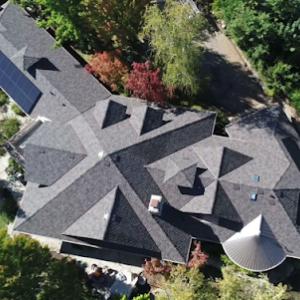
5 Star Roofing
(916) 702-3051 5starroofing-ca.com
1209 Pleasant Grove Blvd Suite 103, Roseville, California
5.0 from 75 reviews
5 Star Roofing is a trusted roofing company serving Northern California, specializing in both residential and commercial roofing services. Founded in 2015 by Michael Sperling, the company boasts over 18 years of experience in the roofing industry. Known for its dedication to quality and customer satisfaction, 5 Star Roofing offers comprehensive roof installation, repair, and maintenance services. The team is committed to using top-quality materials and providing durable, long-lasting solutions for every project. With a reputation for professionalism, reliability, and attention to detail, 5 Star Roofing ensures all projects are completed on time and within budget.

Spartan Home Services - Roofing & Solar
(916) 458-0685 www.spartanhomepros.com
7311 Galilee Rd #105, Roseville, California
4.8 from 285 reviews
At Spartan Home Services we specialize in premium roof and solar systems. Whether you're in need of roof repair or considering a roof replacement, our team is here to provide comprehensive solutions tailored to your needs. Extending beyond quality, we have a passion for creating lasting relationships with our neighbors, to listen, to hear, and to help. Trust Spartan Home Services for quality work that stands the test of time from a team that will nurture you through your whole project.
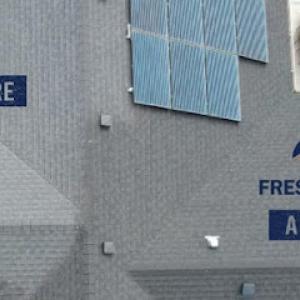
North West Fresh Roof
(916) 694-1911 www.cafreshroof.com
6770 Stanford Ranch Rd STE 1217, Roseville, California
5.0 from 32 reviews
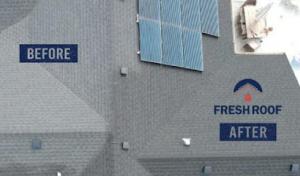
North West Fresh Roof is Roseville’s premier choice for eco-friendly roof restoration and exterior cleaning. Specializing in Roof Rejuvenation, we use patented GreenSoy Technology to extend the life of your asphalt shingles by 6+ years at a fraction of the cost of replacement. Our expert team also provides professional soft-wash roof cleaning, moss removal, and gutter clearing to protect your home’s structural integrity. Beyond the roof, we offer high-performance pressure washing for driveways and gentle house washing for siding and stucco. Proudly serving Roseville, Rocklin, Lincoln, Granite Bay, and the greater Sacramento area, we are committed to quality service, sustainable solutions, and a 6-year warranty on every rejuvenation.
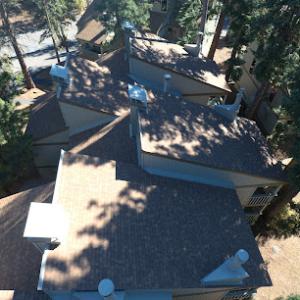
Prime Roofing
(916) 218-0222 primeroofingca.com
2201 Lee Way, Roseville, California
5.0 from 24 reviews
Local Roofing company. Licensed roofing contractor. Serving Roseville, Placer county, Sacramento county and its surrounding cities. Achieving excellence is our commitment to our community.
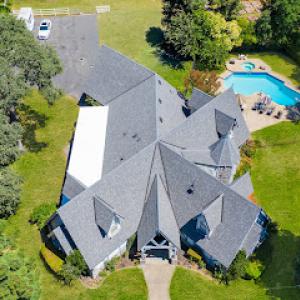
Cobex Construction Group - Roofing
503 Giuseppe Ct STE 4, Roseville, California
4.6 from 452 reviews
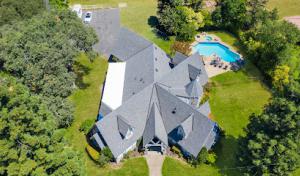
Cobex Construction Group is a trusted roofing company located in Roseville, serving Sacramento and surrounding areas. We specialize in residential roofing, roof replacements, and repairs, along with premium siding and energy-efficient windows and doors. As one of the top-rated roofing contractors near you, we’re committed to quality workmanship, honest communication, and treating every home like our own. If you're searching for reliable roofing companies in Northern California, Cobex Roofing delivers long-lasting solutions backed by strong warranties and expert service.
Wright Roofing
(916) 342-7971 wrightroofingca.com
309 Modessa Ct, Roseville, California
5.0 from 17 reviews
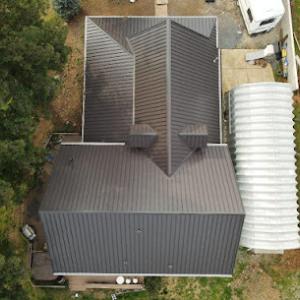
Wright Roofing is your trusted expert in residential roofing in Roseville, CA, offering reliable repairs, replacements, inspections, and maintenance for all types of roofs. Whether you have shingles, tile, metal, or another roofing material, our experienced team delivers high-quality workmanship using durable, top-grade materials. From storm damage to routine upkeep, we ensure your home stays protected and your roof performs at its best. Proudly serving Roseville and surrounding communities, Wright Roofing is known for honest service and dependable results. Call today for a free estimate—roofing done the Wright way!

Keystone Exteriors
(541) 653-4414 www.mykeystone.us
915 Highland Pointe Dr, Roseville, California
4.8 from 26 reviews
Keystone Exteriors provides homeowners with direct access to experienced roofing contractors. Their team cuts out middlemen by partnering directly with manufacturers and employing their own installers. This ensures quality work and competitive prices, while streamlining the process for a hassle-free experience.

Kodiak Roofing & Waterproofing
(916) 253-1900 www.kodiakroofing.com
8825 Washington Blvd STE 100, Roseville, California
4.6 from 60 reviews
Kodiak Roofing & Waterproofing Company is an award winning commercial roofing and waterproofing contracting firm based in Roseville, California. Since 1992, we have proudly provided the highest quality roofing and waterproofing solutions throughout the Western United States. Our strength lies in our ability to provide a single source installation for the entire protective envelope of our client's buildings. Our highly skilled team combines decades of experience with cutting edge technology to provide the most comprehensive roof repair and waterproofing results available. Our mission is to provide our client's with real asset protection through high quality, competitively priced, roofing and waterproofing solutions.
Bob Jahn's Roofing
(916) 879-5483 jahnsroofing.com
610 Commerce Dr, Roseville, California
4.4 from 104 reviews
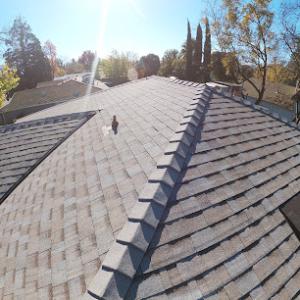
Serving Northern California since 1981, Bob Jahn's Roofing is a trusted name in residential and commercial roofing. Specializing in everything from small repairs to full installations, our team delivers expert craftsmanship and durable materials with every project. As an Owens Corning Platinum Preferred Contractor, we are committed to providing top-quality re-roofing and replacement services. With a dedication to honesty and precision, they ensure long-lasting results for every client, proudly serving the Greater Sacramento, Placer, and El Dorado County areas.
Roof Life Company of Northern California
(916) 988-9100 www.rooflifecompany.com
Roseville, California
4.3 from 6 reviews
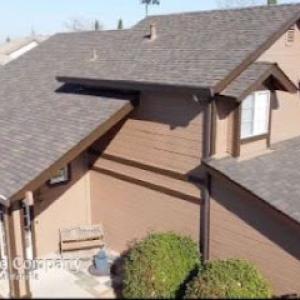
For more than 34 years Roof Life Company of Northern California has been performing roof repair, roof replacement and shake roof restoration in Sacramento and surrounding counties. At Roof Life Company we stand under our work with professionalism and quality throughout the project. And, with more than 5000 roofs in the Sacramento area, were well covered!
In this city, reroof projects generally require a building permit, and the permit issuance plus plan review are handled by the Building Division. That means you will interact with official checklists, not just a work order, and the clock can start long before a single shingle is lifted. Approvals are not just a formality; they set the framework for how your roof is attached, vented, and sealed against the Sierra foothill heat and winter rain. If a contractor tries to skip or rush this step, the risk isn't only a citation-it's a future leak or failure that could complicate insurance and repairs after a storm.
Roofing work in this area is typically inspected during installation and again after completion to verify the job meets code requirements. That means the process is more paper-driven than you might expect for routine maintenance. Inspections verify proper underlayment, fastener patterns, flashing, and ventilation, and they can catch issues that top off a quick tear-off won't. Expect the inspector to walk around the attic and the roof line, checking how the new materials interact with existing ventilation and attic heat control. If something looks out of spec, delays aren't about stubbornness-they're about long-term performance in high heat and heavy rains.
Local review comments often zoom in on wind uplift and underlayment requirements. Before you lift a single shingle, ensure your scope clearly documents wind-rated underlayment, attachment methods, flashing details, and any upgrades for attic ventilation. A thoroughly prepared plan that anticipates wind zones and potential drainage changes reduces back-and-forth and keeps the project moving. If you're coordinating color, tile, or metal choices, line those decisions up with the anticipated permit scope so a late revision doesn't stall the process.
In this city's commonly wet season, a leak is a problem to manage, not a single catastrophe. Exposed decking and an incomplete dry-in become major homeowner risks during active jobs, especially when rain moves in unexpectedly. If you notice dripping from the attic or ceiling, locate the closest active source-often a small pool near a seam or penetrations around vent pipes-and seal it temporarily with a clean, waterproof cover or tarp anchored securely to prevent further water intrusion. Keep drainage clear so water can flow away from the deck and fascia. When you call for help, insist on a crew that can diagnose the dry-in status quickly, identify any compromised decking, and prioritize a weather-tight patch before the next storm. The goal is to stop water at the first sign and prevent warp, mold, or rot from escalating costs and disruption once rain returns.
Spring and fall wind events in the Roseville area can blow debris onto roofs and create problems at ridges, edges, and any partially opened sections during reroofing. High gusts can lift flashing or loosen edge breach points, turning a routine reroof into a race to reseal every vulnerable seam. Inspect after windy days for loose shingles, curled edges, or granule loss in valleys and along eaves. If you detect lifted metal flashing or displaced ridge cap on a reroof, halt any activity near that area and call your roofer to re-secure before more wind shifts expose underlayment or decking. Debris accumulation at the roofline can also trap moisture and accelerate corrosion or rot, so clear gutters and check underside drip edges after storms.
Fast-response roofers are especially relevant here because local hiring patterns show strong demand for emergency repair and quick response service. When a storm passes, you want a crew that can mobilize, tarp exposed sections, and protect the interior while an inspection and dry-in assessment happens. Look for contractors who offer rapid on-site assessments, transparent communication about what can be secured today, and a plan to restore weather resistance promptly. In unsettled weeks, proximity and responsiveness separate temporary relief from ongoing damage, so choose a local team that prioritizes fast, thorough coverage and accountable follow-through.
When you can't wait, these contractors offer fast response times to stop leaks and prevent further damage.

Spartan Home Services - Roofing & Solar
(916) 458-0685 www.spartanhomepros.com
7311 Galilee Rd #105, Roseville, California
4.8 from 285 reviews
Cobex Construction Group - Roofing
503 Giuseppe Ct STE 4, Roseville, California
4.6 from 452 reviews
The volatility of California's insurance market shows up in Roseville with underwriters paying close attention to roof age and condition at renewal or when a home is listed for sale. Wildfire-related underwriting changes can tighten coverage or prompt higher deductibles if a roof is aging or exhibiting wear. That means the decision to replace or upgrade may be driven by long-term risk, not just immediate leaks.
Insurers increasingly want solid proof of timely updates, current condition, and clear records of repairs. Even when a seasonal storm only triggers a winter leak, the focus can shift to your roof's overall resilience and how recently it was maintained. Having a straightforward narrative about roof history-when materials were installed, what repairs were done, and what testing or inspections took place-helps expectations line up with what adjusters may look for.
Adjuster practices differ by carrier, so Roseville homeowners benefit from bringing a consistent dossier to the table. Dated photos that show current wear, clear permits or contractor reports, and material specifics (tile type, underlayment, fasteners) create a coherent picture. If the roof has had patch repairs or recent moisture issues, document location, extent, and responses. This clarity reduces the chance of delayed claims or underestimations during the claim process.
Think of your roof's history as part of the home's overall safety record. Maintain a simple, enduring file: yearly photos, notes on any storm-caused impacts, and a basic log of repairs with dates and contractor details. When talking with an insurer or buyer, it helps to present a straightforward timeline and supporting evidence rather than scattered memories. In this market, a well-documented roof story often translates to steadier coverage and fewer questions at the most inconvenient times.
Connect with contractors who help homeowners navigate the claims process from damage assessment to final approval.
5 Star Roofing
(916) 702-3051 5starroofing-ca.com
1209 Pleasant Grove Blvd Suite 103, Roseville, California
5.0 from 75 reviews
North West Fresh Roof
(916) 694-1911 www.cafreshroof.com
6770 Stanford Ranch Rd STE 1217, Roseville, California
5.0 from 32 reviews
Prime Roofing
(916) 218-0222 primeroofingca.com
2201 Lee Way, Roseville, California
5.0 from 24 reviews
In Roseville, sunny inland conditions make roof penetrations from solar installations a practical roofing concern, especially on homes being reroofed after years of heat exposure. When planning a panel array, position inverters and racking to minimize penetrations through the main field plane. Favor roof sections with the strongest deck and use approved flashing details that match the roof type. Ensure the mounting system allows for thermal movement without stressing underlayment or tiles. A common pitfall is misaligned collar flashings that leave small gaps where heat expansion concentrates, so verify alignment during installation and have the installer seal any residual seam.
Skylights and patio or room-addition tie-ins are common leak points on reroof projects because they interrupt otherwise straightforward field roofing. Treat every penetration as its own mini-flash problem. Use skylight flashed curb systems with a well-seated curb seal, and double-check joints at their bases where tile or shingles meet the curb. For additions over low-slope sections, select flashing and sealant compatible with that slope and material. Keep the transition from high-slope main roof to low-slope tie-ins clean, with continuous underlayment beneath both areas to prevent water tracking into the assembly.
Many properties mix steep main roofs with lower-slope sections over additions, garages, or patio covers, requiring different detailing than the primary roof plane. Plan for independent but synchronized flashings at the intersection. Use appropriate underlayment on the low-slope areas and ensure gutters and downspouts are sized for the added drainage load. When reroofing, verify that the fastener pattern and roof deck spacing for the low-slope portion match the chosen material to avoid gaps that could trap heat or moisture.
Proactive inspection after seasonal storms helps catch heat- or rain-related weaknesses early. A quick check around solar penetrations, skylights, and tie-ins can prevent small leaks from becoming big problems. Maintain a tight rhythm of resealing joints and replacing degraded flashing promptly, especially where multiple penetrations converge. In hot summers, monitor for thermal movement around roof penetrations and adjust flashing as needed to maintain a continuous seal.
Find contractors who integrate solar panels or solar shingles into your roof for long-term energy savings.
Spartan Home Services - Roofing & Solar
(916) 458-0685 www.spartanhomepros.com
7311 Galilee Rd #105, Roseville, California
4.8 from 285 reviews
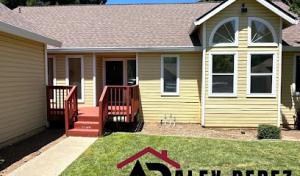
Alex Perez Roofing
(916) 910-5542 alexperezroofing.com
502 Giuseppe Ct STE 10, Roseville, California
4.9 from 162 reviews
Cobex Construction Group - Roofing
503 Giuseppe Ct STE 4, Roseville, California
4.6 from 452 reviews