
Last updated: Apr 19, 2026
Sacramento's climate pattern is dominated by hot, dry summers and wet winters rather than year-round moisture, so roofs age from UV and heat for most of the year and then get tested by seasonal rain. That means the roof you install is built to handle long hours of sun exposure, frequent heat-driven expansion and contraction, and then sudden stress from heavy winter precipitation. In practical terms, the protective layers-underlayment, flashing, and fasteners-must perform under two distinct regimes: ultra-dry heat for months, then soaking, possible wind-driven rain during the wet season. The season-to-season shift shapes every decision from material choice to tear-off speed.
The preferred reroof window is typically during Sacramento's dry months because winter rains from roughly November through February can interrupt tear-off, dry-in, and inspection scheduling. If you're planning a full replacement, aim for a stretch when days are reliably dry and evenings aren't heatedly hot but still mild. A practical rule is to target late spring through early fall within a multi-week window of dry weather, permitting continuous work without the weather-induced pauses that shorten crews' pace and compress the workday. This helps ensure shingles seal correctly, underlayment has time to set, and ridge vents can be tested for airflow before the first winter storm.
Extreme summer heat in Sacramento can slow installation pace and affect how crews handle shingles, sealants, and underlayment during the hottest parts of the day. Shingle manufacturers often warn about working temperatures that exceed comfortable thresholds, which can impact adhesive performance and the risk of dimensional changes in some products. On a hot day, crews may shift to early-morning starts and short, intense shifts, with mid-day breaks to prevent sealant sag or blistering. If a roof is being installed during peak heat, expect more frequent inspections of sealant lines, more careful handling of edges and hips, and closer attention to attic ventilation during the dry season to prevent heat buildup that complicates installation.
Material choice should reflect the split-year demands: UV-heavy exposure and sudden rain-ready periods. Asphalt shingles offer solid mid-range durability against sun, but clay and concrete tiles excel in heat resistance and long-term color retention, while metal roofs handle expansion and contraction under heat more predictably. In a cycle defined by dry heat and winter rain, tile and metal options often hold shorter-term advantages for UV exposure and leak resistance once properly installed, whereas organic materials can show quicker UV-related aging if not correctly protected. The key is pairing any chosen system with a high-quality underlayment and robust flashing details that resist both heat-induced movement and water ingress during winter storms.
Across Sacramento's cycle, attic ventilation plays a decisive role in how a roof ages. Proper soffit and ridge ventilation helps equalize attic temperatures, reducing heat transfer to the roof deck and slowing the thermal stress on underlayment and fasteners. In dry months, ventilated attics also reduce interior heat gain, which lowers indoor cooling loads and minimizes rapid expansion of components near the roof line. When winter arrives, that same ventilation helps manage humidity and condensation that can otherwise undermine insulation and underlayment performance. A well-ventilated roof is a resilient roof in a climate tuned to harsh sun followed by rain.
Ongoing maintenance should respect Sacramento's split-year demands. Clear debris after the dry season to prevent insulation blocking and water damming, and inspect after the first winter rains for signs of wear at drip edges, valley intersections, and flashing. After a hot season, check for lifted shingles, sealant separation, or any warping in metal panels that might have occurred under extreme heat. A proactive approach-seasonal inspections, timely resealing, and targeted repairs-helps the roof hold up through the sun-dominated months and withstand the winter test. This balance extends life and reduces the risk of leaks when the rains finally return.
Sacramento's roofing reality blends long, hot summers with periodic winter rain. The dominant residential roof mix-asphalt shingles, metal roofing, clay tile, concrete tile, wood shingles or shakes, and synthetic or composite shingles-reflects homeowners choosing durability, appearance, and energy performance in a tight climate window. The hot sun and UV exposure drive faster aging of surfaces, while winter rain tests seals and drainage. In this market, material selection hinges less on snow loads or coastal salt, and more on surviving prolonged attic heat, efficient cooling, and reliable shedding when storms roll through.
Tile remains a standout in neighborhoods with Mediterranean and Spanish-influenced exteriors. Clay and concrete tiles offer a timeless curb appeal and excellent UV resistance, but they come with specific upkeep: proper underlayment, solid deck preparation, and careful attic venting to prevent heat buildup that can shorten life and raise energy use. Because clay or concrete tiles are heavier, roof framing and fastener patterns must be matched to the tile system and the climate's wet-season loads. When tiles are well-installed, they shed rain effectively and resist wind-driven infiltration, which matters during the short but intense Sacramento storm events.
Asphalt shingles remain the most common choice in many Sacramento neighborhoods due to installation familiarity and versatility with various roof lines. They perform well enough in the heat when venting is adequate and the attic remains reasonably cool, but extended sun exposure accelerates granule loss and can shorten the practical lifespan if ventilation is neglected. Metal roofing, on the other hand, handles attic heat with minimal thermal transfer to living spaces and offers excellent longevity and leak resistance, especially when installed with a well-sealed panel system and proper flashing in transitions. Both materials benefit from thoughtful overhangs and flashings that direct summer runoff away from fascia and walls, reducing the risk of leaks after heavy winter showers.
Wood shingles or shakes provide a traditional texture favored in certain Sacramento neighborhoods, but they demand diligent maintenance. UV exposure can dry and curl fibers, increasing the risk of surface checking and decay if venting and moisture control aren't balanced. In areas prone to heavy condensation or rapid cooling after heat surges, ensuring a robust drip edge and underlayment helps mitigate moisture intrusion. Synthetic or composite shingles offer a modern alternative, often blending durable UV resistance with lighter weight and flexible design options. They can mimic the look of wood or tile while delivering predictable performance under Sacramento's sun-wet cycle, provided the installation adheres to manufacturer recommendations for attic ventilation and flashing detail.
With a climate that cycles from blistering heat to soaking rains, the installation window matters. A roof replaced during the peak heat of summer risks prolonged exposure for workers and potential heat-related delays, while late-fall or winter work can encounter rain challenges that interrupt sealing and underlayment performance. The best rhythm is selecting a dry stretch in late spring or early summer, paired with a plan that accounts for rapid cold snaps in winter. In all cases, proper attic ventilation, well-sealed penetrations, and high-quality underlayment are essential to prevent heat-related deck damage and to ensure that sheathing and rafters remain dry through the season's quirks. The choice of material should harmonize with the home's exterior style, fit the roof geometry, and deliver reliable shedding and ventilation across Sacramento's distinctive hot and wet cycles.
In this climate, prolonged sun exposure accelerates aging of asphalt shingles long before the first winter rain arrives. The Central Valley sun is harsh, and that relentless UV load bakes the surface, causing granule loss, fading, and brittleness. The result is a roof that looks worn and leaks sooner than expected if the underlayment and fascia aren't protected. You'll often notice small leaks showing up after a season of extreme heat, surfacing as water stains in the attic or along interior ceilings. The key takeaway: spot and address obvious granule loss early, and pay attention to flashing and pipe-penetration areas that can fail once the shingle layer loses its protective coating. When choosing a replacement or retrofit, consider a shingle design with better UV stability and a reflective coating to slow heat buildup, but don't assume a cooler look will equal longer life without proper ventilation and underlayment checks.
Tile looks sturdy and often survives past its visible lifespan, but the weak point is what you don't see. In Sacramento, tiles can outlast the waterproofing components beneath them, yet the underlayment and flashing can degrade from heat cycles and thermal movement. If the underlayment wears thin or the flashing around skylights and roof penetrations loses its seal, water intrusion can occur even when the surface tiles are intact. Regular inspection should include a close look at the underlayment condition, especially after winter storms. If you notice small damp spots or musty odors in the attic, investigate the junctions where membranes meet tile supports. Addressing these waterproofing layers early saves the interior from cascading damage during the wet season.
During wildfire season, smoke and poor air quality can interfere with coatings, sealants, and even some reflective finishes applied during repairs. When Sacramento homeowners schedule repairs or restoration work, expect temporary changes in curing times and bonding effectiveness if the air contains particulates or abrasive pollutants. Practical steps include scheduling rough weather windows with shorter cure requirements, choosing products known to perform in dusty conditions, and planning for additional cure time in outdoor coatings. If a wildfire event overlaps with a repair window, coordinate with the contractor to pause coating applications and resume when the air quality improves to ensure long-term adhesion and performance.
The hot-summer, wet-winter cycle makes timing critical. Leaks often reveal themselves after the first substantial winter rain, but by then the underlying deficiencies have been forming for months. Use a proactive maintenance plan that aligns inspections with seasonal transitions: pre-winter checks for flashing integrity, mid-winter checks for interior staining, and post-winter checks for granule loss or surface cracking. Treat roofs as living systems, where the visible condition tells only part of the story; the true health sits in the layers beneath the surface and in how well the system handles heat, moisture, and pollutants together.
When you can't wait, these contractors offer fast response times to stop leaks and prevent further damage.
Sacramento Roofing
(916) 579-2575 sacramento-roofing.com
2775 Cottage Way # 36, Sacramento, California
5.0 from 108 reviews
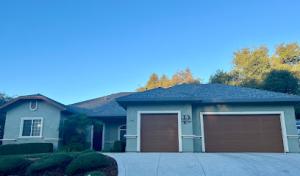
Straight Line Roofing & Construction
(530) 672-9995 www.straightlineconstruction.com
901 H St suite 201, Sacramento, California
4.9 from 234 reviews
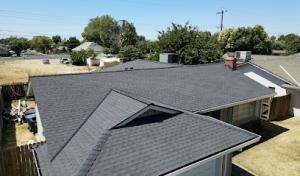
Match Point Roofing
(916) 598-2469 matchpointroofinginc.com
5224 Meadow Park Way, Sacramento, California
5.0 from 52 reviews
In this climate, a roof must survive long, hot summers and sharp winter rains. The Central Valley sun accelerates wear on coatings and underlayment, while winter moisture tests seals, fasteners, and drip edges. That means a reroof in a dry spell typically lasts longer before replacement is needed, but a rushed schedule in late fall or early winter can cut life expectancy if moisture stalls installation. When planning, expect a window where heat tolerance and UV resistance drive material choice, but rain risk pushes crews to dry-in and seal quickly. The long-term effect is that cycles of extreme heat followed by wet weather shave usable life from some options more than others, and that trade-off should guide selection.
Tile-heavy architecture common in parts of the valley adds replacement complexity versus a straightforward shingle job. Clay and concrete tiles resist sun and heat well but require precise framing and underlayment to handle weight and wind lift, especially on older structures. Shingle systems stay common for a reason: they're quicker to install, lighter on some homes, and typically easier to repair if the budget or timing won't stretch into a rainy spell. Metal roofs handle heat efficiently and shed rain well, but panels and fasteners must be matched to the attic ventilation and roof slope to avoid premature wear. Wood shingles or shakes bring a classic look but demand durable underlayment and careful maintenance to prevent moisture-related rot. Synthetic or composite shingles offer a middle path with higher impact resistance and easier installation in tight winter schedules.
Sacramento cost ranges provided for this guide are per square and span from lower-cost asphalt shingles to higher-cost clay and concrete tile systems. In practice, expect asphalt shingles to land in a lower-to-mid range, while clay and concrete tile sit toward the higher end due to weight, installation complexity, and long-term performance under hot sun and heavy rains. Metal roofing typically sits above asphalt but can be competitive when long life and cooling benefits are prioritized. Wood shingles, if chosen, sit between, with attention to treated timber and ventilation. Synthetic/composite shingles often blend durability with install ease, placing them near the mid-to-upper spectrum.
Costs in Sacramento can rise when projects are pushed into the rainy season, since weather delays can extend labor time and dry-in planning. To minimize risk, align the project with the late spring to early summer window when heat aids drying and crews can reliably complete metal, tile, or shingle installs before the peak of storm risk. If a winter reroof is unavoidable, anticipate possible weather-related delays and potential extra costs for longer mobilization, moisture control, and temporary coverings. For tile-heavy homes, factor in the added scheduling complexity and the potential for longer lead times on material deliveries. For simpler reroofs, expect a quicker turnaround and more predictable pricing, which remains a common scenario in this market.
Don't let upfront costs delay a critical repair - these contractors offer payment plans to fit your budget.

Titan Roofing Solutions
(916) 975-3811 titanroofingca.com
8167 Alpine Ave a, Sacramento, California
4.9 from 84 reviews

Grandmark Roofing
(916) 900-0187 www.grandmarkroofing.com
2708 Norbert Way, Sacramento, California
4.8 from 161 reviews

Sacramento Roofing
(916) 579-2575 sacramento-roofing.com
2775 Cottage Way # 36, Sacramento, California
5.0 from 108 reviews
Dealing with roofing issues can be stressful. Whether you have a few missing shingles or you need a whole new roof, Sacramento Roofing can help. Our licensed roofing contractor has the experience and skills needed to take care of your roofing and professional gutter services quickly and efficiently. Once our crew is done, your roof in Sacramento, CA will look better than ever.
Cisco's Roofing
(916) 731-8155 www.ciscosroofing.net
8400 84th St, Sacramento, California
4.9 from 93 reviews
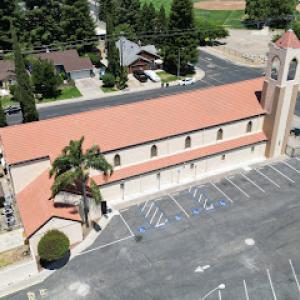
Specializing in composition re-roof's and TPO flat roof systems. We offer the best warranties, by the best.
Straight Line Roofing & Construction
(530) 672-9995 www.straightlineconstruction.com
901 H St suite 201, Sacramento, California
4.9 from 234 reviews
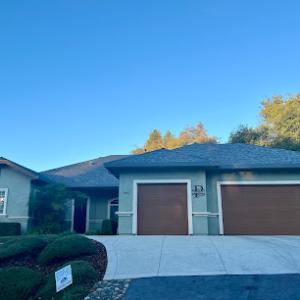
For more than 23 years, Straight Line Roofing has provided quality service that has been and continues to be the cornerstone of our business and our relation with our communities. We are proud to offer professional residential exterior home improvement services for roofing, solar and siding. Our services include, roof repairs, roof replacements, siding, gutters, and more. Need fast roof repairs? Our Quick Roof Repair Service is here to give you the quick repairs you need without having to wait. From roof inspections and estimates to repairs and clean up, you can enjoy fast repairs with one point of contact. Get the repairs you need within hours. Not days. Call today for professional Sacramento exterior home improvement services.
Match Point Roofing
(916) 598-2469 matchpointroofinginc.com
5224 Meadow Park Way, Sacramento, California
5.0 from 52 reviews
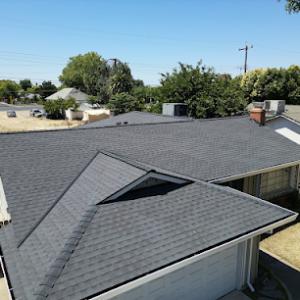
With years of experience in the roofing industry, we are the experts you need to take care of your home or business. We handle all of your roofing, gutter, repairs, rotting wood, maintenance, all types of material, Flat roof, any roof service needs with great care. We will treat your home as we would treat our own. Give Match Point Roofing, Inc. a call today, we look forward to working with you, Hi everyone I'm Luis I have more of 12 years experience I'm start my business because I know I'm qualified and trained to be roofer and waterproofer I'm certified person for California state I have a big motivation (my daughters) 🥰 I hope to see you soon I offering the best prices on the area guarantee Thanks!
PRC 13 Roofing
(916) 229-9243 www.metalroofingsacramento.com
Sacramento, California
4.9 from 73 reviews
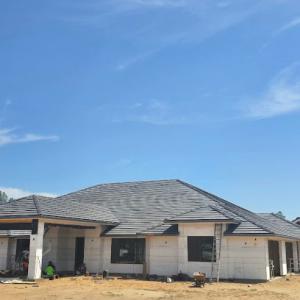
With more than 20 years of experience, we have developed tried and true processes that allow us to efficiently and effectively assist residential and commercial customers care for their homes and businesses. By working with only top-notch materials from brand names that you know and trust, we are able to guarantee our labor and offer long warranties on all of the products we sell. With many options for new gutters, siding and roofing, including shingle, tile and our specialty, DECRA metal roofing, we’re sure to have a selection that suits your style and your budget. Give our nearby construction company a call to learn more about our products, or to request an estimate for the cost of roofing, siding or gutters in Sacramento.
NRG Pros
(916) 578-2643 www.nrg-pros.com
3280 Ramos Cir, Sacramento, California
4.9 from 92 reviews
NRG Pros has been providing high quality roofing services for over 20 years. We're family owned and operated, so we understand that our customers have plenty of options when it comes to choosing who will work on their home. That's why we strive to provide exceptional service at an affordable rate with every job we do. Roofs are expensive, and the cost of repairing or replacing your roof can put a huge dent in your budget. Our goal is to provide you with peace of mind knowing that your home, or business, is well protected from the elements and looking great while doing it! When you choose NRG Pros for all of your Sacramento Roofing needs, rest assured that you'll get the best value around without sacrificing quality craftsmanship.

Elite Roofing Sacramento
(916) 713-5960 eliteroofingsacramento.com
1820 Diesel Dr, Sacramento, California
5.0 from 44 reviews
Elite Roofing Sacramento offers top-tier roofing services in Sacramento, CA and the surrounding areas. We specialize in roof repair, roof replacement, storm damage inspections, commercial roofing, emergency roofing, gutter and siding installations, metal roofing, and soffit and fascia services. Our experienced team is dedicated to providing exceptional craftsmanship and customer satisfaction. With a commitment to quality and reliability, we are the trusted choice for all your roofing needs in the Sacramento area.
Roofing Pros Sacramento
(916) 908-5938 roofingprossacramento.com
3400 Watt Ave # 200B, Sacramento, California
5.0 from 43 reviews
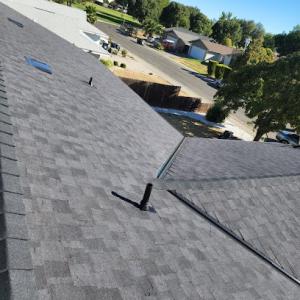
Roofing Pros Sacramento, located at 3400 Watt Ave ste 200b, is your top choice for expert roofing solutions in the heart of Sacramento. As premier roofing contractors in Sacramento, we specialize in delivering high-quality craftsmanship and reliable services that stand the test of time. Our dedicated team excels in various roofing projects, from repairs to new installations, ensuring your home's protection and aesthetic. When searching for roofers or roofing companies near you, look no further. We are committed to customer satisfaction and excellence. Choose Roofing Pros Sacramento for all your roofing needs and experience the best roofing contractors in Sacramento.
Titan Roofing Solutions
(916) 975-3811 titanroofingca.com
8167 Alpine Ave a, Sacramento, California
4.9 from 84 reviews
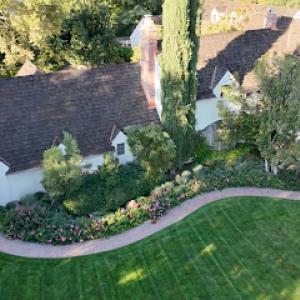
Titan Roofing Solutions is Sacramento’s most trusted roofing contractor. With over 36 years of experience, we specialize in residential and commercial roofing, including roof replacements, roof repairs, and new construction. Our team is skilled in asphalt shingles, standing seam metal roofing, TPO, PVC, wood shake, and synthetic shake systems. We proudly serve Sacramento, Fair Oaks, Carmichael, Orangevale, Rocklin, Folsom, Loomis, El Dorado Hills, and all the surrounding areas of the Greater Sacramento Region. We are obsessed with quality workmanship, honest pricing, and industry-leading customer service. Call (916) 975-3811 or email office@titanroofingca.com for a free roofing estimate today.

Grandmark Roofing
(916) 900-0187 www.grandmarkroofing.com
2708 Norbert Way, Sacramento, California
4.8 from 161 reviews
Established in 2014, Grandmark Roofing is a Sacramento-based roofing contractor serving California. Our experienced team tackles residential and commercial projects, from repairs and inspections to replacements and maintenance. Grandmark Roofing prioritizes quality materials, modern techniques, and exceptional customer service to deliver durable, long-lasting roofs.
NS1 Roofing
(279) 777-5512 www.ns1roofing.com
2360 Harvard St, Sacramento, California
5.0 from 34 reviews
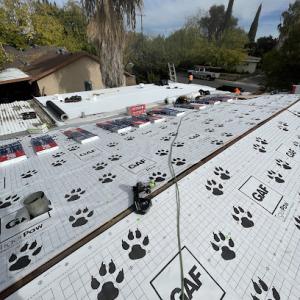
Non-stop Roofing, a distinguished roofing contractor in Sacramento, CA, specializes in providing top-notch roofing solutions. Our team, skilled in the latest techniques and equipped with cutting-edge tools, ensures every roofing project meets the highest standards of quality and durability. From minor repairs to complete roof overhauls, we have you covered. In addition, Non-stop Roofing excels in gutter installation services in Sacramento, CA. Understanding the importance of a well-functioning gutter system for your property's protection, our professionals deliver precise and reliable installations. We are your trusted partner for preserving the integrity and value of your property. Call us for all your roofing needs!
Solarado Roofing & Solar
(916) 345-3930 solarado-ca.com
8231 Alpine Ave #11, Sacramento, California
5.0 from 33 reviews
Your Premier Roofing and Solar Solution in the Greater Sacramento Valley and Foothill Areas! We specialize in commercial and residential roofing, solar installations, and home battery backup. With coverage across Sacramento and surrounding foothills, our top priorities are customer service, product quality, and workmanship excellence. Trust Solarado to care for your home or business as if it were our own. Elevate your property with unparalleled service and quality. #SolaradoRoofing #SolarServices #RoofingSolutions #SacramentoValley
A full reroof in Sacramento typically requires a permit pulled through the City of Sacramento Building Department. This isn't just a formality to check boxes; the permit ensures that the chosen roofing system, ventilation, underlayment, and flashing details meet local code requirements that address the Central Valley's intense sun and winter rains. The permit process helps confirm appropriate nailing patterns, required underlayment ratings, and flashing integration with chimneys, skylights, and vents. Because Sacramento's climate pairs high heat with wet winters, inspectors pay particular attention to cold-weather readiness, drainage, and attic ventilation strategies that help extend roof life.
Sacramento reroof inspections are commonly performed after installation stages involving underlayment or rough roofing components, flashing, ventilation, and then final approval. Practically, that means you can expect an inspection after the underlayment and any roof deck protection are in place, another check once vented soffits, ridge/vapor barriers, and flashing detail work are completed, and a final inspection when the roof is visually complete and within code for eave overhangs drip edge, chimney flashing, and termination details. The staged approach helps catch installation issues before they're hidden under shingles or tiles, saving you headaches if adjustments are needed.
Homeowners may encounter occasional plan-check requirements and inspection timing that varies with Building Department workload. In busy seasons-often spring into late fall when roof projects spike-inspection scheduling can shift, so it's wise to align project timelines with typical permitting cycles and conservative lead times. If the project involves mixed materials (for example, transitioning from one roof type to another, or adding a solar or attic venting retrofit), expect the plan-check to scrutinize compatibility, wind-zone considerations, and fire-rated details for exterior sheathing and flange connections. Keep a calendar handy for permit issuance, inspection windows, and potential re-inspection needs if adjustments occur.
Begin early by requesting any required plan submittals from the contractor and confirming the exact permit scope-whether it's a full reroof, a tear-off, or a re-cover. Ensure the contractor marks important details on the plan set, especially attic ventilation, underlayment type, nailing pattern, and flashing methods around penetrations. Maintain open lines of communication with the Building Department and your contractor so that inspection appointments are scheduled promptly after each milestone. After final approval, keep the permit card with the new roof warranty documentation, as it may be needed for future property records or maintenance planning.
California's insurance environment affects homeowners with wildfire-prone or higher-value properties, and Sacramento is no exception. Carriers have periodically narrowed coverage or adjusted eligibility criteria in areas where wildfire risk and long, hot summers intersect with heavy winter rains. That dynamic influences reroof decisions long before a claim is filed, making your roof choice and its anticipated lifespan a factor in policy options and future renewals. The heat, UV exposure, and occasional downpours shape how insurers view a roof's remaining life and resilience.
Sacramento-area roofing claims and underwriting reviews often require a clear, detailed scope, precise cost estimates, and proof of code-related upgrades when applicable. Keep an organized file that outlines the exact roof section affected, what materials are used, and the anticipated improvements in durability against sun and rain. Photos taken from multiple angles, dated drawings, and a stamped or sealed scope from a contractor help convey the actual condition. If upgrades were made to meet newer standards, document the specific code references and installation details that tie those changes to higher resilience.
Even when the immediate roof issue is rain-related, wildfire risk in the broader California insurance market can affect pricing, renewals, and how thoroughly Sacramento homeowners need to document roof condition. That means fields like hail, wind, and decay assessments can influence decisions beyond a single storm event. Prepare ahead by maintaining current roof notes, seasonal maintenance logs, and any evidence of weather-related damage, so when an insurer asks, you can respond quickly and thoroughly.
Connect with contractors who help homeowners navigate the claims process from damage assessment to final approval.
Straight Line Roofing & Construction
(530) 672-9995 www.straightlineconstruction.com
901 H St suite 201, Sacramento, California
4.9 from 234 reviews
Match Point Roofing
(916) 598-2469 matchpointroofinginc.com
5224 Meadow Park Way, Sacramento, California
5.0 from 52 reviews
Winter rains in Sacramento can delay scheduling and extend project timelines, especially for full tear-offs that need a stable dry window. Plan with a buffer for wet weeks and think in terms of dry blocks rather than exact dates. If you're targeting a complete replacement, aim for a stretch of several dry days in a row; single dry days can still stall progress when crews need to mobilize and protect interior spaces. Keep a tentative start window that often lands late spring or early fall, and be prepared for late-season rain interruptions if an unusually wet winter develops.
Fall wind events can complicate debris control and sheet-material handling during active roofing work. Have a plan for securing loose materials at the edge of the roof and around the yard, and confirm with the contractor how debris containment will be managed on windy days. If a wind event looks probable, use a pre-shift check to secure tarps, bundles, and scaffolding before crews arrive. This helps prevent project delays and protects landscaping and siding from stray shingles or nails.
Summer scheduling must account for extreme heat exposure on crews and materials, so homeowners often benefit from planning before the hottest stretch or well ahead of winter. If possible, schedule the hardest work for early morning or late afternoon shifts and keep mid-day tasks limited to shielding and material staging. Concrete or clay tile installations behave differently in heat and can require more cooling breaks for crews. Have a clear plan with the roofing team to maximize productivity while safeguarding worker safety and the integrity of underlayment and fasteners.
Coordinate a realistic start date with a built-in contingency for weather. Establish daily targets-install underlayment, then shingles, then cap accessories-so progress is measurable even if a weather hiccup occurs. Maintain open lines of communication with the crew about anticipated weather swings, and keep a short, flexible window in mind for rescheduling without losing the right dry conditions. A well-timed project aligns with Sacramento's heat cycles and rain patterns, minimizing downtime and material exposure.