
Last updated: Apr 19, 2026
In a California insurance market where wildfire exposure can affect underwriting, renewals, and documentation requests, the roof you choose matters beyond appearance or comfort. The Bay Area's microclimates-especially around the East Bay hills-create unique ember exposure and vegetation contexts. Homes perched on slopes face different scrutiny than flat-neighborhood structures, and insurers increasingly look at how a roof behaves under ember attack, how vents are protected, and whether surrounding vegetation remains defensible. This is not a generic decision; it hinges on the specific risks your dwelling encounters when a spark or ember storm travels uphill or across a chaparral edge.
Homes in and near the Oakland Hills face different roof-risk conversations than flatter neighborhoods closer to the Bay because ember exposure and vegetation context can change insurer scrutiny. A roof that survives a dry season with minimal ember intrusion can still pull more attention if the surrounding slope supports wind-borne embers or if nearby vegetation is dense and within two house lengths of eaves or vent openings. The conversation often centers on how quickly a roof can shed embers, how well attic and crawlspace vents resist penetration, and how robust the overall ignition-resistant detailing is around chimneys, skylights, and edge details. When you're evaluating a replacement, you're weighing not just material life but how the product stands up under a specific Bay Area fire weather sequence and how its installation supports a defensible envelope around the home.
Oakland homeowners are choosing roofing systems with an eye toward ember resistance, edge protection, and wind-driven weather resilience. Asphalt shingles can be a practical, familiar option, but the emphasis shifts to fire-rated underlayment, ridge lines, and proper venting with ember-proof screens. Metal roofing, while durable against hail and impact, prompts a careful look at seam details and ignition potential at fasteners in exposed hillside settings. Clay and concrete tiles bring their own defensible advantages and installation considerations for slope, weight, and wind uplift-yet require attention to flashing and overhangs to resist ember intrusion at the eave line. Slate offers longevity but demands precise installation and structural support on aging framing. If an EPDM rubber roof is contemplated, the choice should be anchored in a robust installation that integrates high-quality seam tapes and UV-resistant edging, especially where the home's microclimate leans toward frequent sun exposure and seasonal dew.
Material choice, roof age records, installation photos, and proof of code-compliant work matter more in Oakland because insurers increasingly ask for documentation before binding or renewing coverage. Build a dossier that captures each stage of the roof's life: the original installation plan, inspection notes, and any corrective work performed after weather events. When evaluating a replacement, organize a clear trail showing the current roof's compatibility with ember defense features, including vent protection, chimney and skylight shielding, and the completeness of edge detailing. Photos should document the condition of flashing, fascia, soffits, and gutters, as well as the status of surrounding vegetation within a defensible space radius. If recent additions or retrofits exist-such as a new chimney cap or ember-resistant vent screens-collect manufacturer specs and installation dates, as these details can influence underwriting decisions.
Take stock of exposure pathways that embers can exploit: gaps around vent pipes, unprotected attic vents, and imperfect edge detailing. Prioritize roofs and coverings that minimize ember entry points and that support a defensible space philosophy-both in how the roof integrates with the home and how surrounding vegetation is managed. Engage a contractor who understands hillside construction challenges in Oakland: slope-aware anchoring, wind uplift prevention, and precise flashing around perimeters and penetrations. For a replacement, insist on a design that pairs ember-resistant detailing with durable, fire-resilient materials suited to your microclimate. Document the final installation with a detailed builder's specification sheet, as well as before-and-after photos showing vent protection, flashing integrity, and any roof-to-wall connections. This level of clarity not only helps with ongoing coverage but also serves as a practical record for future home maintenance, inspections, and potential-value considerations when the next renewal cycle arrives.
Steeper sites in the Oakland Hills transform roof drainage from a background detail into a frontline risk issue. On slopes, overflowing gutters, undersized downspouts, and inadequately flashed ridge lines become dry-season problems that turn into active leaks with the first heavy rain. Runoff flows faster, and debris carried by wind and gravity can pile up at valleys, scuppers, and drip edges where you least expect it. Access becomes a practical hurdle too: reached from tight driveways or narrow switchbacks, even routine maintenance turns into a logistics challenge that delays critical repairs. If a roof sits on a slope or overhangs a steep shoulder, you cannot assume standard guttering will handle a sustained downpour. Plan for a drainage strategy that prioritizes reliable flow paths, verify that downspouts terminate away from foundation and under veranda overhangs, and size valley and scupper details to handle the steeper microdrainage that hillsides demand. In practice, that means oversized or additional downspouts, reinforced flashing at hips and valleys, and a contingency for temporary debris-blockage checks after storms when access is limited.
Oakland's wet winter pattern means leak discovery clusters around the first major rain events after the dry spell. Hidden failures in flashing, underlayment, and roof-to-wall transitions tend to surface quickly once moisture returns. This is not the time for mid-season improvisation. If flashing has been neglected or underlayment is past its prime, water will chase the simplest path-often through joints, fastener penetrations, or along unsealed seams-so you'll notice active leaks in the living spaces below or in ceilings first. The danger is cumulative: a small, recurrent leak today compounds into a larger interior intrusion after a few storms. Mitigate by inspecting roof-to-wall terminations, step and counter-flashing at chimneys, skylights, and dormers, and by confirming that all underlayment has the proper pitch line and is fully sealed at field seams. In the hills, even small faults are performance bottlenecks because gravity and wind carry moisture toward constraints in attic spaces. A proactive, weather-aware inspection cadence before and after the wettest weeks reduces surprise damage when the rain returns with full force.
Shoulder-season wind events in the East Bay drive rain under vulnerable details and scatter debris onto roofs and valleys before the main winter cycle. Wind-driven rain can penetrate at the micro-joints you may not think to recheck, lifting loose shingles, vent boot seals, and edge flashing enough to create leaks once the storm pressure builds. Debris like pine needles, leaves, and small branches can accumulate in valleys and gutters, acting as a dam that redirects water under shingles and beneath flashing. The fix is twofold: ensure that wind-driven water cannot find a bypass around compromised seals, and establish a straightforward debris clearance routine that coincides with expected wind patterns. In practice, that means reinforcing edge and corner details, installing mesh debris guards where appropriate, and testing the roof for water tightness during windy, dry spells so you can address weak points before the next multi-day rain event.
When you can't wait, these contractors offer fast response times to stop leaks and prevent further damage.
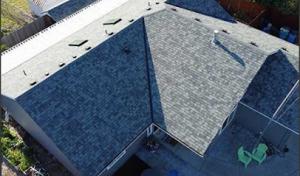
Oakland Roof Contractor - Repair & Install P.R.O
330 2nd St, Oakland, California
4.8 from 65 reviews

Master Roofing Company
(510) 523-5757 masterroofingcompany.net
2250 E 12th St, Oakland, California
5.0 from 42 reviews
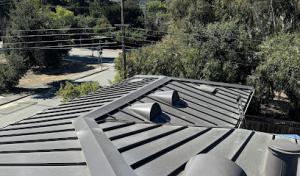
GTM Roofing Services
(415) 608-0857 www.gtmroofingservicesllc.com
8810 MacArthur Blvd, Oakland, California
4.9 from 39 reviews
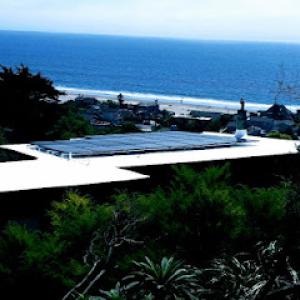
Foam Roof Solutions
(925) 433-1192 www.foamroofsolutions.com
Oakland, California
5.0 from 60 reviews
Spray foam roofing consulting & contracting
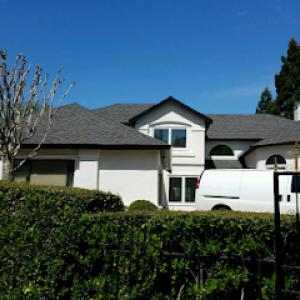
Master Roofing Company
(510) 523-5757 masterroofingcompany.net
2250 E 12th St, Oakland, California
5.0 from 42 reviews
Master Roofing Company is an Oakland roofing contractor serving Piedmont, Berkeley, Alameda and Orinda, CA. Family-owned & operated in the San Francisco Bay Area since 1980.
GTM Roofing Services
(415) 608-0857 www.gtmroofingservicesllc.com
8810 MacArthur Blvd, Oakland, California
4.9 from 39 reviews
Welcome to GTM Roofing Services At GTM Roofing Services, we bring over 15 years of experience in providing top-notch roofing solutions throughout the Bay Area and its surrounding regions. From replacing shingles, tiles, TPC, modified bitumen, and PVC to expert roof repairs, our experienced team delivers exceptional craftsmanship every step of the way. Whether it’s residential or commercial roofing, we are committed to durability, reliability, and customer satisfaction. Trust us to protect your home or business with strong, high-quality roofing that stands up to the elements. Rain or shine, GTM Roofing Services has you covered.
Oakland Roofing Pros
(510) 405-0869 oaklandroofingpros.com
1731 E 21st St, Oakland, California
4.8 from 52 reviews
Oakland Roofing Pros is the preferred roofing company in Oakland, California. If you want to be sure that you can receive the best quality of roofing services possible, rely on our experienced roofers. They have received the necessary training and have the skills needed to effectively address your service needs. Not every roofing company will offer the same quality of service that we do, as we always strive to live up to our reputation. We have established ourselves as the most reliable and effective roofing company, which we take pride in. We wouldn’t do anything to jeopardize our reputation, which is why you can be sure that you will always receive the best services possible.
Citywide Roofing & Remodeling
(888) 933-5939 www.citywide-remodeling.com
1999 Harrison St #1800, Oakland, California
4.8 from 70 reviews
CITYWIDE Roofing and Remodeling, where excellence meets reliability in roofing and remodeling services. As a family-owned business, we bring a personal touch and unwavering commitment to every project, ensuring that your home receives the care and attention it deserves. With years of experience under our belts, our team of skilled professionals excels in delivering top-notch roofing and remodeling solutions. We pride ourselves on our craftsmanship, using only the highest quality materials and the latest industry techniques to guarantee results that stand the test of time. Understanding the importance of affordability and convenience, we offer $0 financing options to make your home improvement projects more accessible.

Astro Roofing
(510) 604-5756 astroroofinginc.net
3529 66th Ave, Oakland, California
5.0 from 18 reviews
Astro Roong was founded many years ago under the values of professionalism, diligence, and integrity in the city of Oakland, CA. Our team is locally known for its professionalism and costeffectiveness. Our company grew from ground up thanks to the referrals from our clients. Our clients don’t hesitate to recommend us to their families, friends, and co-workers because they know what we deliver; an exceptional service with high-quality nishes and great customer service.
Epic Roofing Contractors
634 E 17th St, Oakland, California
4.8 from 20 reviews
Epic Roofing Contractors proudly serves the Oakland, CA area as a leading roofing contractor. Specializing in comprehensive roofing solutions, we bring unparalleled expertise and dedication to every project. From meticulous inspections to flawless installations and reliable repairs, our skilled team ensures your home or business is protected with a durable and beautiful roof. We are committed to delivering exceptional craftsmanship and peace of mind, making your roofing experience truly epic.
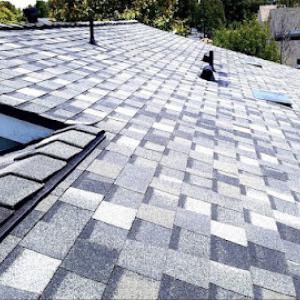
Any Roof Repair & Install
(341) 234-1799 www.anyroofrepairsanjose.com
1091 Calcot Pl g100, Oakland, California
4.9 from 12 reviews
Any Roof Repair & Install of Oakland Offers roofing contractor services in Oakland CA: From roof repair service in Oakland to new roof installation in Oakland the experts of Any Roof Repair & Install are ready for the task. From free estimate and inspection by a roofing contractor in Oakland CA. Any Roof service all types of roofs: commercial and residential roofing, and we do it all: We repair leaking roofs, we fix damaged roofs, and we install new roofs. With over 25+ years in the roofing industry, we can help you with any roofing issue.
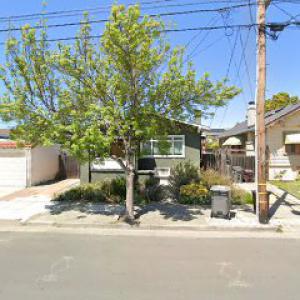
Oakland Roofing Repair & Replacement
(510) 953-6617 oaklandroofingrepairandreplacement.xyz
418 42nd St, Oakland, California
5.0 from 11 reviews
Discover premium roofing supplies for every project at IronStonePro Roofing. Located at 418 42nd St, Oakland, this leading roofing supply store provides a comprehensive selection of high-quality materials. Whether you're a professional roofer or a DIY enthusiast, find everything you need to build a durable and beautiful roof. With a commitment to quality and a wide array of products, IronStonePro Roofing is your ultimate destination for all your roofing needs.

Ben's Roofing
(510) 690-8570 www.bensroofing.com
40 Hegenberger Pl, Oakland, California
4.5 from 28 reviews
Ben's Roofing, Inc. is an accountable, professional roofing contractor specializing in commercial and residential roofing repairs and re-roofs, as well as skylight installation. We pride ourselves on being the most trusted Bay Area roofing company!
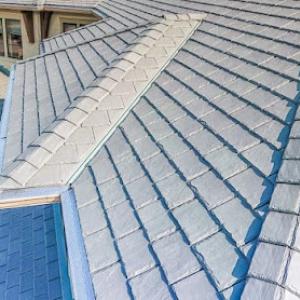
General Roofing
(510) 536-3356 generalroof.com
3309 Elmwood Ave, Oakland, California
4.4 from 39 reviews
General Roofing Company in Oakland, California, is a forward-thinking company that combines its rich history and experience with new technology and responsible roofing practices. Using high-quality, environmentally friendly products provides customers with sustainable options for their roofing needs. We meet and exceed the necessary requirements for choosing a reputable roofing company, ensuring all residential, commercial, and industrial roofing projects will be professionally completed on time and on budget.
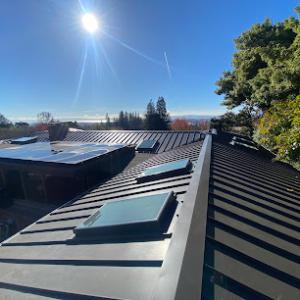
Berkeley Roof Services
(510) 524-2352 berkeleyroofservices.com
2700 E 7th St, Oakland, California
5.0 from 9 reviews
Berkeley Roof Services is a full-service residential and commercial roofing company based in Oakland, CA, and serving the entire Bay Area. We have over 30 years of experience in all forms of roofing installation and repair. We also have extensive experience with rooftop Solar PV system installation. We specialize in high-quality, detailed commercial and residential roofing. We like to work with clients who want the best quality for a fair price. We are very proud of our experienced employees' work and their thorough knowledge of the roofing industry. In our industry and area, a lot of roofers don't know how to work on detail and this is what makes a roof really last. We are both efficient AND detailed.
Oakland's housing mix tilts toward older homes with pitched roofs that pair well with asphalt shingles, metal, clay tile, concrete tile, and slate, as well as low-slope sections where EPDM is relevant. In practice, this means your replacement plan should respect the diversity of roof forms on the block. Asphalt shingles remain a common, straightforward choice for steeper sections, especially where mass and ease of repair are priorities. Metal roofs fit well on exposed hillside homes, offering UV resistance and rapid shedding of rain on slopes. Clay and concrete tiles suit Mediterranean and Mission-style elements, but heavier tiles demand careful framing checks and alignment with existing rafters. Slate provides long life, but its weight and installation precision require an experienced hand. For flat or low-slope areas, EPDM becomes a practical option, particularly where conventional shingles don't meet roof-to-wall transitions cleanly.
Oakland's dry summers and strong sun exposure accelerate surface aging and thermal stress. When choosing a replacement, consider a reflective or cool-roof finish for lighter color options on steeper sections, which can reduce heat buildup and extend membrane life on exposed elevations. For colored clay or slate, confirm colorfastness under persistent sun and wind-driven particulate. On surfaces with southerly or western exposure, the underlayment and flashing deserve extra attention during installation to prevent premature wear. Regions with microclimates that swing between warm sun and winter rain demand robust edge detailing, especially at eave lines and penetrations where flashing sits against the underlayment. A well-sealed ridge and valley detail helps resist wind-driven rain and sun-driven degradation in the longer term.
Heavier materials such as clay tile, concrete tile, and slate can trigger added structural review considerations in Oakland during permit processing, especially on older homes. If choosing one of these options, ensure the existing framing can handle the load, and plan for potential reinforcement if the roof deck or supports show signs of age. Tile and slate demand precise installation, bonding, and sometimes additional underlayment layers to handle the bay's moisture patterns. When hillsides and wind exposure intersect with heavier materials, look for installers who have experience with retrofit applications and hillside framing. For mixed roof types, ensure transitions between materials are flush and watertight to maintain performance across the entire roof surface.
Replacing a roof here isn't just about choosing shingles or tiles; it hinges on how easily crews can safely reach your steep streets, navigate narrow driveways, and stage materials without grinding the neighborhood's garage doors, fences, or parked cars. Hillside access slows crane and ladder setups, and staging on a tight lot often means longer crews, more trips up and down, and careful debris containment to keep street and hillside runoff from dragging shingles into yards. These logistics drive labor hours up, which shows up in the daily rate and the overall square-foot cost more than you'd expect from a catalog price. In practice, a straightforward asphalt replacement can end up costing more once staging is factored in, especially if a few extra feet of ladder work or a second crew is needed for the steepest sections.
When choosing tile or slate, the price impact goes beyond the material itself. Heavier roofs require additional structural checks, extra fasteners, and sometimes a revised decking plan, all of which can trigger more extensive inspection of framing and more design coordination. In Oakland, that extra coordination can translate into higher permit-related fees, plan review time, and contingency budgeting. If a homeowner shifts from standard asphalt to concrete or clay, expect not only higher per-square costs but a broader spread in the total due to staging, access, and the potential need for temporary shoring or upgraded underlayment and support details. The result is more cost variability than a straight material swap would imply, with crews scheduling around peak demand periods and the weather window.
Dry-season windows are the norm here, and demand tends to compress into those months. With many homes perched on slopes and limited staging, crews often book out weeks in advance, pushing scheduling decisions into hot, dry days when risk is lower but availability is tighter. Rapid weather changes or a late summer heat spike can cascade into delays, driving labor costs higher as crews juggle a tighter calendar. To mitigate surprises, book a realistic window that buffers for access challenges and potential debris cleanup, and keep a backup plan for off-peak sequencing if a heavier roof is pursued. You'll gain more predictable timing and fewer last-minute price shuffles when weather and hillside access are accounted for upfront.
Get a clear picture of your project costs upfront - no commitment required.

Citywide Roofing & Remodeling
(888) 933-5939 www.citywide-remodeling.com
1999 Harrison St #1800, Oakland, California
4.8 from 70 reviews
Any Roof Repair & Install
(341) 234-1799 www.anyroofrepairsanjose.com
1091 Calcot Pl g100, Oakland, California
4.9 from 12 reviews

A full re-roof in Oakland typically requires a permit through the City of Oakland Building Department. This isn't a "do-it-yourself" checkbox; every new roof needs official oversight to ensure the work complies with the current code, including how access, ventilation, and underlayment are installed. The permitting process starts with a clear scope of work and accurate roof measurements, which means having a trusted contractor who can pull the permit in your name or on your behalf. Plan to submit product data, a basic roof plan, and structural notes if any changes to loads are involved. This is not a one-and-done step; expect follow-ups if the plan reviewer has questions about the chosen materials or fastening methods.
Inspections are a routine part of the process, and in this climate, scheduling can hinge on municipal calendars more than crew availability alone. Inspections occur during the project and again after completion, with at least a final sign-off to ensure the work meets code and safety standards. Because East Bay hills can introduce unique wind, seismic, and fire-related considerations, inspectors will check flashing, seam integrity, underlayment, and attachment to the roof deck with attention to slope and weather exposure. Build a realistic timeline that accommodates potential delays tied to permit processing, weather windows, and inspection slots. If a seismic retrofit or hip-and-ridge detailing is involved, the inspector may request additional structural documentation before proceeding.
Plan review may be necessary in Oakland when a reroof involves heavier materials such as tile or slate, especially where structural loading is a concern. Heavier roofs demand a careful assessment of the existing deck, trusses, and connections to the eaves and hips. Your contractor should arrange for a structural evaluation if the new material would alter loads beyond what the existing framing was designed to carry. This can translate to modifications such as additional deck reinforcement, upgraded nailing schedules, or expressed approval notes from the planning or building department. In hillside neighborhoods with variable soil conditions and sway, plan reviews help ensure the roof can resist higher wind pressures and does not compromise the hillside geometry.
Keep copies of all permits, plan sets, and inspection notices in a accessible place during the project. After the job, store the final inspection record and any updated as-built information for future maintenance or a potential sale. If the project involves energy efficiency upgrades (ventilation, radiant barriers, or reflective underlayment), make sure those details are documented and included with the permit closure packet. Remember that the city's permit and inspection process is designed to protect people, property, and the distinctive wildfire risk profile of hillside neighborhoods.
Oakland homes often combine pitched main roofs with low-slope additions, porches, or rear sections, making transition details a common leak point. When planning replacement, inspect every junction where a flat or near-flat area ties into a steeper roof, parapet, or deck. Favor continuous, integrated flashing that transitions from the main roof under the low-slope surface, with properly seated edge trims and robust sealant joints. Use step-back flashing at edge intersections to chase water toward the drip edge rather than pooling. In tight spaces, prioritize a single, uninterrupted line of waterproofing across the transition rather than patching multiple small seals.
EPDM is part of the local material mix for low-slope areas, which matters because winter rain exposes seam, edge, and drainage weaknesses quickly. If choosing a low-slope membrane, ensure ample overlap at edges and a reinforced seam system that resists pooling. Check that drains and scuppers are sized for the expected winter downpours and that any parapet gutters have positive slope toward the drainage points. Edge trim should be corrosion-resistant and continuously secured to resist wind-driven water intrusion on hillside pockets where microclimates shift moisture patterns rapidly.
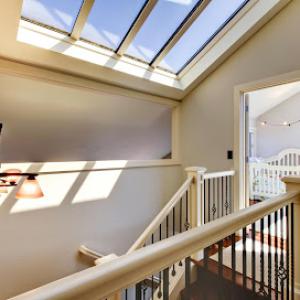
Skylights are a meaningful specialty in the contractor market, reflecting how penetrations and curb details are a recurring repair issue on older homes. When replacing a skylight, verify the curb is square and integrated with the surrounding roofing plane. Use a self-adhesive, weather-rated flashing boot around the curb, with a reinforced seal at the base and top. Consider curb height that minimizes visible glare while maximizing flashing overlap onto the field, and ensure interior flashing is compatible with the room's vapor controls to prevent condensation and rot behind the curb.
In hillside microclimates, wind-driven rain and shifting temperatures demand robust edge details. Regularly inspect seals at transitions after the first heavy rains and after any ground movement due to soil shift. Keep gutters and downspouts clear so water moves away from the transition lines rather than soaking into the joints. Choose color-and-material pairings that reduce thermal stress at sun-exposed edges, where heat cycles can loosen seals over time.
Find contractors experienced in skylight installation, flashing, and leak repairs to bring natural light into your home.
Foam Roof Solutions
(925) 433-1192 www.foamroofsolutions.com
Oakland, California
5.0 from 60 reviews
Oakland Roof Contractor - Repair & Install P.R.O
330 2nd St, Oakland, California
4.8 from 65 reviews
After winter leaks or wind events, you should review records with the care of someone keeping an emergency kit ready. In Oakland, insurers expect a clear trail: roof age, current photos, and evidence of condition before or during policy review. Photos taken after storms should be dated and organized by area of the roof, so a slip in shingles or flashing isn't easy to miss. If a leak shows up in the living space, capture both the ceiling stain and the attic side, since underwriting often looks for evidence of moisture pathways rather than a single event.
Code of roof life matters, and the local climate compounds it. When a claim or policy review comes up, dated photos paired with contractor findings can be decisive. A contractor report that notes nail patterns, shingle condition, and attic venting provides a professional baseline you can reference quickly. This is especially true after a winter with heavy rains or a wind event that tests hip and valley intersections, where damage can hide in plain sight along eaves and crown moldings.
A purposeful documentation habit helps mitigate insurance friction in a neighborhood where hillside microclimates drive micro-damages. Collect records that demonstrate ongoing maintenance-cleaned gutters, inspected flashing, and UV aging checks-so it reads as proactive care rather than reactive patchwork. When photos accompany a brief narrative of what was inspected and when, insurers interpret diligence as reduced risk, which can influence terms and coverage options.
Documentation surrounding replacement work holds particular value in this climate. If a roof is being replaced to address aging, damage, or heightened exposure, ensure the project file includes a detailed before-and-after scope, material specifications, and installation notes that reflect current best practices. In an environment where material and installation quality may affect coverage terms, having a complete, orderly packet anchored by current photos and a professional assessment makes it easier for the underwriter to see a defensible, well-managed decision path.