Last updated: Apr 19, 2026
Citrus Heights follows the Sacramento-area pattern of hot, dry summers and cool, wet winters, with most rainfall concentrated from November through March. That seasonal split makes reroof timing unusually important locally because winter rain can interrupt tear-off and expose decking, while prolonged summer heat can stress installers and heat-sensitive materials during installation. In this market, replacement timing directly affects lifespan because extended summer sun accelerates aging of asphalt shingles and underlayment more than in cooler coastal California cities. Knowing these rhythms helps you plan without surprises.
Begin with a practical inspection window aligned to the weather pattern. The ideal reroof window avoids the peak of the hot season and the heart of the rainy season. In practice, aim for late spring or early fall when temperatures are moderate, but before any late-season storms can roll in. If your roof shows obvious moisture staining, curling shingles, or unusual shingle granule loss, schedule a midspring or early fall assessment and plan around a recommended tear-off sequence. A staged approach-covering vents and possible skylights during the initial phases, then completing final insulation and flashing-helps reduce exposure risk to deck and fascia elements.
During hot months, asphalt shingles and underlayment can expand and bend in ways that complicate alignment and sealing. If a replacement must occur in the height of summer, prepare for longer installation days with extra hydration breaks for crews and mindful sun exposure on metal and flashing components. Prolonged heat can accelerate material aging even before the job wraps, so precise sequencing matters: detach old material during cooler parts of the day, protect exposed decking with temporary coverings, and finish critical waterproofing before the peak heat of afternoon. By staggering tasks, you minimize heat-related stress on both workers and materials.
Winter rain is the main disruptor you must plan around. A reroof project should not begin a forecast with multiple rainy days in a row. If rain begins mid-tear-off, your crew will pause to protect the deck, battens, and any exposed underlayment. This means your schedule should include buffer days, especially if December through February show multiple storms in a row. Access during rain can also delay inspections and the final coat, so coordinate closely with the crew to shift nonessential steps during wet spells and lock in critical waterproofing ahead of anticipated rain events.
Inspections tend to be tighter and more scrutinized when wildfire exposure concerns are present, so timing around inspection windows is essential. Plan for an initial scaffold or ladder safety check and a mid-project walkthrough when rough-in work is complete, followed by a final inspection after flashing, underlayment, and final shingles are in place. Allow for minor touch-ups or resealing if lingering heat has affected sealant performance. The cadence should accommodate potential weather-related delays without forcing a rushed finish that compromises long-term protection.
Review the last few winters to identify the months with the heaviest rainfall, then cross-check your preferred contractor's typical start times. If you have south- or west-facing slopes, consider scheduling earlier in the shoulder seasons to minimize sun exposure on high-sun days. Talk through ventilation needs and attic insulation adjustments so that the new roof stays within its expected performance envelope during the first hot season. Finally, align your interior protection plan with the roof work, ensuring windows and doors are sealed against dust and debris on days when wind carries grit from exposed roofing. This approach keeps every phase of the project moving smoothly through Citrus Heights's characteristic weather cycle.
Citrus Heights sits on inland Sacramento Valley ground, far from marine moderations. That means roofs endure long, scorching afternoons with little relief from shade or breeze. The sun's angle and the dry pattern outside of winter rain can push heat loading deep into the shingles and the underlayment. If a roof faces the afternoon sun, the damage compounds quickly: granules loosen, the surface becomes chalky, and the membrane below ages faster than you expect. This isn't a subtle drift in performance-it's a tangible decline in how long materials hold their protective value before you notice leaks or curled edges.
Asphalt shingle systems here carry a specific burden. Repeated high-heat exposure accelerates granule loss, which in turn reduces UV protection and accelerates surface wear. That accelerated aging also affects the asphalt's flexibility, increasing the likelihood of brittleness and cracking as temperatures swing between scorching days and cooler evenings. If the roof experiences frequent full sun exposure, the cycle tightens: the surface hardens, the granules shed, and the underlayment and deck are taxed sooner than expected. In practical terms, you may notice more color fading, more granules in gutters, and a steeper path toward membrane fatigue if the roof is not scheduled for timely maintenance or replacement when aging signs appear.
Homes with broad afternoon sun exposure face a sharper risk profile. The Citrus Heights pattern-long, dry, sunny spells-means UV exposure accumulates day after day, year after year. Shingles that start to lose their protective coating accelerate the aging process, and underlayment can reach fatigue thresholds faster when heat load stays high for extended periods. If your roof's south or west slopes catch the bulk of afternoon glare, you should treat them as high-priority areas for inspection after each hot season and plan for assessments that catch issues before they become leaks.
Plan reroofing work for shoulder seasons when temperatures are mild enough to protect installers and materials but still allow the surface to cure properly before the next heat peak. Avoid peak summer heat windows when asphalt and underlayment are most vulnerable to thermal cycling and rapid aging. If a roof has visible UV damage, brittleness, or granule loss after a hot season, consider scheduling an evaluation early in the fall to determine if protective measures or a full replacement is warranted before the next hot season. For roofs with broad afternoon sun, proactive maintenance-such as targeted inspection of the underlayment and flashing-can help extend life and prevent costly surprises when heat returns.
The most popular roofing material in the US. Find pros who install, repair, and replace asphalt shingles.
Nextop Roofing
(916) 914-8833 nextoproofing.com
6380 Tupelo Dr #5, Citrus Heights, California
5.0 from 66 reviews
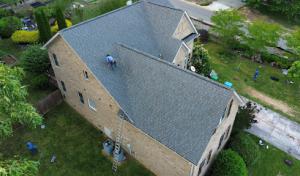
Heritage Roofing Solutions
(916) 829-7009 citrusheightsroofingservice.com
Citrus Heights, California
4.8 from 29 reviews
Bernardino Roofing - Citrus Heights Roofing & Repairs
(916) 920-0100 www.bernardinoroofing.net
7908 Stanford Ave, Citrus Heights, California
4.0 from 34 reviews
Nextop Roofing
(916) 914-8833 nextoproofing.com
6380 Tupelo Dr #5, Citrus Heights, California
5.0 from 66 reviews
At NexTop Roofing, we're your next stop for all roofing needs, delivering service that stands above the rest. As a licensed local roofing contractor, we specialize in new roofs, repairs, and installations, all backed by lifetime warranties for your peace of mind. We proudly serve Roseville, Rocklin, Lincoln, Granite Bay, Folsom, Auburn, and every city within Sacramento and Placer Counties. With a commitment to excellence in our community, NexTop Roofing provides reliable, long-lasting roofing solutions you can count on.

American Cool Construction
(916) 800-2892 www.americancoolconstruction.com
7625 Sunrise Blvd #213, Citrus Heights, California
4.8 from 59 reviews
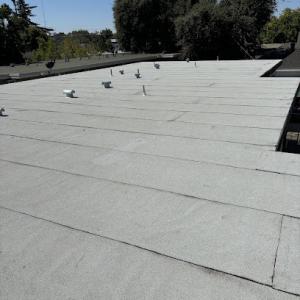
Welcome to American Cool Construction, your premier choice for roofing solutions. Specializing in replacements, installations, repairs, siding, and painting, we ensure your home is protected and looking its best. As a highly rated, licensed, and insured contractor, we deliver superior craftsmanship and customer service. We understand the importance of quality roofing that enhances your home's appeal and durability. Whether a complete overhaul or minor repair, our skilled team exceeds expectations. We also offer energy-efficient cool roofs, saving on bills and reducing environmental impact. Choose us for reliability, professionalism, and to preserve your home’s integrity. Contact us today for top-tier roofing solutions.
O.J.A Roofing
(916) 765-8663 www.ojaroofing.net
Citrus Heights, California
4.7 from 85 reviews
At O.J.A Roofing, we are committed to providing top-notch roofing services that meet and exceed your expectations. Whether you are in need of residential roofing or commercial roofing, our team of highly skilled roofing contractors is here to deliver quality roofing solutions. Specializing in everything from roofing installation to comprehensive roofing repair, we ensure that every project is handled with the utmost professionalism and efficiency. Our goal is to be recognized as the best roofing company in Sacramento, offering affordable roofing without compromising on quality.
Heritage Roofing Solutions
(916) 829-7009 citrusheightsroofingservice.com
Citrus Heights, California
4.8 from 29 reviews
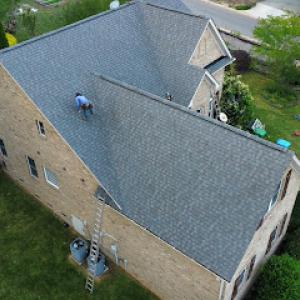
Heritage Roofing Solutions is the trusted roofing contractor in Citrus Heights, CA, delivering top-quality roofing services with professionalism and expertise. We specialize in roof installation, roof replacement, and roof repair, ensuring durability and long-lasting protection for your home or business. Our team excels in metal roofing, asphalt shingle roofing, and commercial TPO roofing, offering energy-efficient and stylish solutions. Whether you need new construction roofing or flat roofing, we provide superior craftsmanship and top-tier materials. At Heritage Roofing Solutions, customer satisfaction is our priority—count on us for reliable, high-quality roofing services that stand the test of time. Call today for a free estimate!
Bernardino Roofing - Citrus Heights Roofing & Repairs
(916) 920-0100 www.bernardinoroofing.net
7908 Stanford Ave, Citrus Heights, California
4.0 from 34 reviews
"Welcome to Bernardino Roofing, where we specialize in exceptional residential and commercial roofing services in Sacramento, CA, and the surrounding areas. With 34 years of experience, we genuinely have seen it all in the roofing space. Whether you need a quick roof repair or a complete replacement, our experienced team is here to deliver high-quality results you can count on.Why Choose Bernardino Roofing? When it comes to protecting your home or business, choosing the right roofing contractor is critical. At Bernardino Roofing, we pride ourselves on: Experience & Expertise: With years of hands-on experience, our team delivers reliable, durable, and aesthetically pleasing roofing solutions. Unmatched Customer Service."
N L Roofing
(916) 274-1724 www.nlroofingcompany.com
Citrus Heights, California
5.0 from 5 reviews
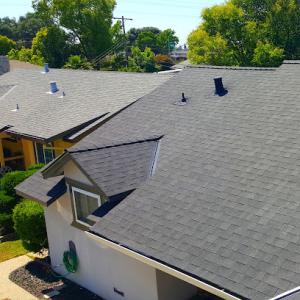
At N L Roofing we strive to provide reliable quality repairs, maintenance, and installations. We have 10+ years of experience, are licensed, insured, and provide FREE estimates. Contact us today!

Clark's Gables Roofing
(916) 791-0121 clarksgables.com
Serving
4.9 from 85 reviews
Clark's Gables Roofing — Roofing Excellence You Can Trust With over 30 years of experience, Clark’s Gables Roofing is proud to be a trusted name in residential roofing across Roseville, CA, and surrounding areas. Fully licensed, insured, and bonded (License #C39-696491), we deliver peace of mind along with expert craftsmanship. We specialize in: *Concrete tile roof repairs. *Installation of composition shingles, concrete tiles, and stone-coated steel roofs. *Gutter and gutter screen installation. Whether you need a minor repair or a full roof replacement, our team provides a complete range of roofing services tailored to your needs. At Clark's Gables Roofing, quality work and customer satisfaction are our top priorities. Call us today!!
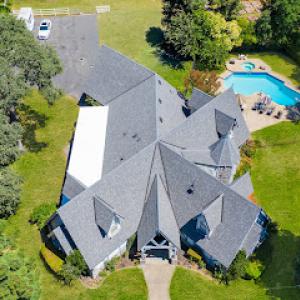
Cobex Construction Group - Roofing
Serving
4.6 from 452 reviews
Cobex Construction Group is a trusted roofing company located in Roseville, serving Sacramento and surrounding areas. We specialize in residential roofing, roof replacements, and repairs, along with premium siding and energy-efficient windows and doors. As one of the top-rated roofing contractors near you, we’re committed to quality workmanship, honest communication, and treating every home like our own. If you're searching for reliable roofing companies in Northern California, Cobex Roofing delivers long-lasting solutions backed by strong warranties and expert service.
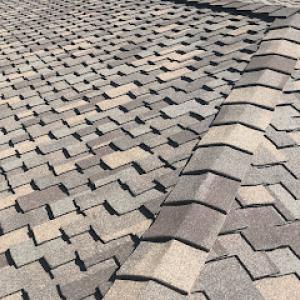
J. Ratch Construction
(916) 612-1582 www.jratchroofing.com
Serving
5.0 from 60 reviews
J. Ratch Construction, located at 4245 Hussey Dr., is your premier roofing contractor for all roofing needs throughout Sacramento County and beyond. As a leader among roofing companies, we specialize in roof installation, repair, and replacement, ensuring top-notch service tailored to homeowners and businesses. Our expert team is well-versed in addressing roof leak repairs, missing shingles, and water damage promptly to prevent further issues. We utilize high-quality materials, adhering to local codes for long-lasting results. With a customer-first approach and flexible financing options, trust J. Ratch Construction for providing the best roof solutions with unmatched reliability and professionalism. For roofers near you, contact us today!
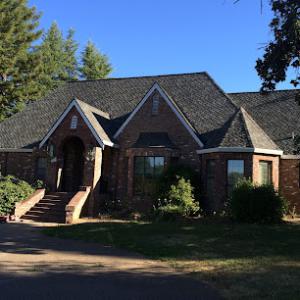
Porter Roofing
(916) 628-8088 www.porterroofs.com
Serving
4.7 from 66 reviews
Porter Roofing leverages its extensive experience to deliver exceptional roofing solutions in the greater Sacramento area. Their team's expertise ensures quality craftsmanship on every project, solidifying their reputation as a trusted choice for homeowners.
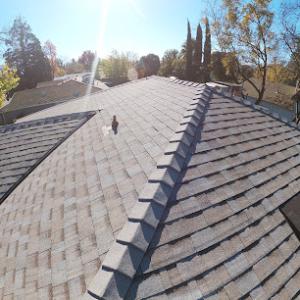
Bob Jahn's Roofing
(916) 879-5483 jahnsroofing.com
Serving
4.4 from 104 reviews
Serving Northern California since 1981, Bob Jahn's Roofing is a trusted name in residential and commercial roofing. Specializing in everything from small repairs to full installations, our team delivers expert craftsmanship and durable materials with every project. As an Owens Corning Platinum Preferred Contractor, we are committed to providing top-quality re-roofing and replacement services. With a dedication to honesty and precision, they ensure long-lasting results for every client, proudly serving the Greater Sacramento, Placer, and El Dorado County areas.
Noah's Roofing
(916) 704-2674 noahsroofing.net
Serving
4.9 from 118 reviews
Your go to family-owned roofing contractor. When it comes to quality roofing solutions, trust none other than Noah's Roofing. Our team is very concerned about your welfare as well as the future of our environment, so we strive to provide systems that are long-lasting and energy-efficient. Instead of just replacing your roof, we go the extra mile to identify and install the roofing system that best suits your needs and preferences. Noah’s Roofing is a licensed, insured, and bonded contractor to ensure we protect your home. Steve has over 20 years of roofing experience. We hire the best experienced roofers, most are certified Select Master shingle roofers with CertainTeed. Are you ready for the rain?
Clay and concrete tiles are the common sight on many homes around town, especially on the suburban and mid-century blocks where the rooflines hold up well against the Sacramento Valley heat. The visible tile may outlast the waterproofing below, so you will often notice aging underlayment or deck issues only after the tiles come off for inspection or replacement. That means a reroof in this neighborhood isn't just about replacing surface color or style; it's about validating the deck and the underlayment where it hides. When planning any tile project, expect to check for dry-rot, cupping, or soft spots around penetrations and along eaves where heat tends to bake the substrate.
The city's dry summers push the roof deck to work harder, and the winter rains can reveal where the waterproofing has started to fail. With tile roofs, the underlayment and ventilation become critical because the tiles themselves only shield the deck from the weather-not the waterproofing underneath. As tiles are removed, the contractor will need to assess the substrate for delamination, moisture intrusion, and fastener corrosion. In this climate, aging underlayment often shows up as damp patches or mold behind the tiles' edges once they're lifted. Expect temporary exposure of rafters or deck boards during the reroof, and plan to address any insulation gaps or vent blockages that show up as a result.
A practical approach favors preserving reusable field tiles when feasible. In tight-knit neighborhoods with varied roof lines, matching new material to existing color and texture helps maintain curb appeal and property value. When underlying flashings age, they become a focal point for water management, so plan to update flashing details while keeping the larger tile pattern intact. Pay attention to ridge and hip tiles as well; replacing just the visible field tiles can be part of a strategy to extend the life of the roof while minimizing waste. If the underlayment needs replacement, select a durable, compatible layer that works with the specific tile type in use. Ventilation remains a key consideration, so ensure soffit vents, eave intake, and any turbine or ridge ventilation restore effective air movement beneath the tile deck. This combination of careful tile preservation, targeted underlayment upgrades, and thoughtful ventilation fixes can produce a longer-lasting roof without a wholesale tile-to-tasings overhaul.
Find contractors who specialize in clay and concrete tile roofs, known for their durability and curb appeal.
Nextop Roofing
(916) 914-8833 nextoproofing.com
6380 Tupelo Dr #5, Citrus Heights, California
5.0 from 66 reviews
American Cool Construction
(916) 800-2892 www.americancoolconstruction.com
7625 Sunrise Blvd #213, Citrus Heights, California
4.8 from 59 reviews

The City of Citrus Heights requires building permits for reroofs in most cases. The permit review prioritizes whether the roof installation meets approved underlayment, adequate ventilation, and a solid roof deck condition rather than treating the project as a cosmetic replacement. Before work begins, verify whether your HOA or lender has additional requirements and gather the project details the city will ask for, such as deck condition notes and venting plans. Expect a concise plan review that focuses on structural and moisture-control integrity, not just the surface layer.
Multiple inspections are part of the local process. There is a pre-work inspection to verify access and safety measures, then an inspection after underlayment is installed to confirm proper seams, fasteners, and ventilation, and finally a post-completion check to ensure the roof meets code and project terms. Scheduling ahead helps, especially around seasonal rain windows. Be prepared to show that underlayment choices align with Citrus Heights' dry summers and wet winters, and that the roof deck is sound and dry before shingle or tile installation proceeds. Inspections can require access to the attic space and adjacent areas, so plan around any attic fan or vent work that might be installed as part of the project.
Weather patterns matter here. Extreme summer heat can complicate material handling and adhesive curing, while winter rain can slow or pause work and trigger additional inspection considerations. Align reroof timing with permitted work hours and the city's inspection calendar to minimize delays that insurers may scrutinize for wildfire exposure and overall roof integrity. A well-communicated schedule with the contractor helps ensure inspections occur promptly, reducing the chance of rework or hold times.
Coordinate closely with a licensed contractor who understands Citrus Heights' climate and permit expectations. Have materials and ventilation calculations ready for the pre-work review, and keep an up-to-date site plan available for the underlayment and ventilation inspection. Clear the work area to facilitate access for inspectors and to demonstrate that prior water intrusion risks are addressed before any new materials go on.
In Citrus Heights, the most common reroof materials align with what homeowners typically expect in the Sacramento Valley. Asphalt shingles sit at the lower end of the spectrum, roughly $350 to $700 per square, while metal Roofing often lands in a higher tier, roughly $700 to $1,200 per square. Clay and concrete tiles command premium pricing, with clay around $900 to $1,700 per square and concrete typically $900 to $1,500 per square. If wood shingles or shakes or synthetic/composite shingles are chosen, you're looking at approximately $600 to $1,000 per square for wood and $500 to $900 per square for synthetic or composite options. These ranges reflect the mix of local houses-from modest single-level ranches to taller, more ornate layouts-where the roof planes and even some attic configurations influence material choice and total cost.
The long, dry summers push asphalt and metal to be reliable standbys, with asphalt offering solid bang for the buck and metal delivering longer life and better resistance to the Santa Ana-like heat spikes. Clay and concrete tiles hold up well in the heat and can provide a distinct look for the area's older neighborhoods, but they come with extra weight considerations and higher installation complexity, which raises the total project price. Wood shingles or shakes bring traditional aesthetics to some homes but carry maintenance costs that can be higher in sun-drenched elevations where UV exposure accelerates wear. Synthetic or composite shingles deliver a balance between cost and longevity, often riding the mid-range in this market.
Winter rains can slow crews and extend project timelines, nudging daily labor costs upward if a schedule stretches or multiple crews are needed to hit a window. Summer demand spikes in the Sacramento area can tighten labor availability and push up day rates when heat makes daytime work challenging. In practice, a contractor may stack tasks or adjust sequencing to avoid peak heat hours, which can alter the total project duration and, indirectly, the price if higher-volume crews are needed later in the season. Expect variability around the shoulder seasons, where milder weather often yields steadier scheduling and potentially smoother cost progression.
If you're balancing upfront cost with long-term performance, asphalt or synthetic shingles typically deliver predictable value for most Citrus Heights homes. If long-term durability and minimal maintenance are priorities, metal, clay, or concrete tiles deserve closer consideration despite higher upfront costs. For period looks or specific architectural styles, wood shakes offer character at a premium. Understanding your roof's slope, exposure, and attic ventilation will help refine the exact square-foot pricing and avoid surprises as the project progresses.
Explore specialists in steel, aluminum, and standing seam metal roofs built to last 50 years or more.
Heritage Roofing Solutions
(916) 829-7009 citrusheightsroofingservice.com
Citrus Heights, California
4.8 from 29 reviews

Citrus Heights homeowners operate in California's tightened insurance market, where carrier non-renewals and stricter underwriting have increased scrutiny of roof age and condition. Even though the city is suburban, insurers may still ask for documentation of roof upgrades because wildfire-related exposure concerns now influence underwriting across many inland California markets. Missing or incomplete records can tilt risk assessments against you, leading to renewal delays or coverage gaps that are hard to bridge later in the season.
Homeowners should build a simple, organized folder of documentation you can present at renewal or after a claim. Start with recent roof inspection reports that clearly state the roof's age, remaining life, and any recommended maintenance or replacements. Include signed inspection sign-offs, date-stamped photos showing roof condition before and after upgrades, and material documentation that lists the exact product used, installation method, and contractor details. Store project receipts, warranties, and any permits or approvals that relate to roof work. Keeping the most current elevation shots and attic conditions helps, since some carriers request proof of attic ventilation and underlayment where wildfire exposure intersects with moisture and temperature risks.
Create a simple timeline that marks the roof's installation or upgrade date, plus upcoming maintenance milestones. Schedule major inspections before peak wildfire season and after significant weather events, so you have recent, verifiable notes to share. If your insurer requests additional proof, respond quickly with a concise packet: a current inspection summary, fresh photos, and a clear product/spec sheet. In tight markets, ready documentation often smooths renewals and claims, reducing the chance of coverage gaps when heat or rain pressures schedules.
Connect with contractors who help homeowners navigate the claims process from damage assessment to final approval.
Nextop Roofing
(916) 914-8833 nextoproofing.com
6380 Tupelo Dr #5, Citrus Heights, California
5.0 from 66 reviews
Bernardino Roofing - Citrus Heights Roofing & Repairs
(916) 920-0100 www.bernardinoroofing.net
7908 Stanford Ave, Citrus Heights, California
4.0 from 34 reviews
During Citrus Heights's November through March rainy season, active leaks and exposed decking become the most urgent concerns. Long dry summers may have left roofing felt stressed and seams dried out, so when the first storms roll in, small drips can turn into rapidly worsening water intrusion. Plan for a rapid response if you notice staining, musty smells, or new damp spots on ceilings after a storm. Temporary measures should prioritize keeping water out until a full repair can be safely completed.
Occasional high-wind events in this market can complicate tear-off, staging, and debris control even when storms aren't severe by coastal standards. Strong gusts can lift loose shingles, blow tarps loose, or shift tools and materials around the job site. Before a windy forecast, secure all loose debris, double-check edge vents and ridge lines, and ensure tarping is anchor-heavy and inspected after gusts. If crews anticipate a wind event, consider delaying nonessential work that would leave the roof open to wind uplift, and coordinate a quick-dry-in plan to protect interior spaces when a storm hits mid-tix.
Because the local contractor market strongly signals quick response and emergency work, homeowners here often prioritize fast tarping and temporary dry-in when winter weather interrupts roofing. If a leak is active, a professional should deploy a tarping strategy that covers the most vulnerable areas first-penetrations around chimneys, vents, and skylights-and maintain that cover until permanent repairs can proceed. Keep a clear path for emergency access, and document damage with photos in real time to streamline temporary fixes and the transition to long-term repair.
When you can't wait, these contractors offer fast response times to stop leaks and prevent further damage.
Nextop Roofing
(916) 914-8833 nextoproofing.com
6380 Tupelo Dr #5, Citrus Heights, California
5.0 from 66 reviews
In sunny inland Citrus Heights, roof penetrations tied to skylights and solar-related work deserve extra attention because long dry seasons and intense sun can age sealants before winter rains expose weaknesses. If a skylight or solar array sits on a south or west slope, the heat cycling can stress flashings more quickly than on shaded sections.
The local specialty mix shows meaningful demand for both skylight and solar-roofing work, indicating these penetrations are a real planning issue in this market rather than a fringe topic. When you map reroof timing, factor in anticipated skylight and panel additions or relocations, so you're not chasing leaks after the first heavy storm.
On reroofs in Citrus Heights, coordinating flashing and waterproofing around existing penetrations is especially important before the wet season begins. Inspect all step and vent flashings as you approach winter rains, and verify that boot and curb connections remain tight where sun exposure has caused edge drying or cracking.
Begin the dry season with a targeted inspection of skylight surrounds and solar mounts. Look for lifted shingle edges around penetrations, dried sealant joints, and any calcium or mineral deposits that indicate micro-leaks. Address small gaps now to prevent bigger problems when winter rains arrive.
If a full reroof is planned, schedule skylight and solar work to occur at the same time as flashing upgrades. This reduces the risk of misalignment and ensures a continuous waterproof layer around penetrations, giving you a smoother transition into the wet season without surprises.
Find contractors experienced in skylight installation, flashing, and leak repairs to bring natural light into your home.
Flat-roof specialization is active in the market even though pitched residential roofs dominate, suggesting a meaningful number of additions, patio covers, or low-slope sections need separate planning. When a low-slope or flat roof is woven into an existing home, the transition from wall to membrane becomes a critical detail that shapes long-term performance in the Sacramento Valley climate. The neighborhood rhythm often includes warm stretches followed by sudden winter rain, so a flat addition can quietly reveal its weaknesses when storms arrive.
Low-slope sections are especially vulnerable after long dry spells, when drainage can be skimped and membrane edges may bake and dry out. The first sustained rain after those dry periods tends to expose hidden defects in deck coatings and perimeter detailing. For Citrus Heights homeowners, timing reroofing around hot summers and the ensuing cool, wetter months reduces the window when membrane seams are stressed by heat and then suddenly challenged by moisture. Plan projects to avoid peak heat in July and August, and expect some rain risk to linger into late fall and early winter. A well-coordinated schedule keeps crews away from the most extreme heat while ensuring the new assembly has ample chance to cure and settle before wet conditions pressurize the system.
Because the reroof review focuses on underlayment and deck condition, low-slope transitions and tie-ins deserve close inspection during permit-driven reroof projects. If a flat addition ties into an older roof, pay particular attention to how the new membrane overlaps the existing waterproofing, how slopes are maintained for proper drainage, and how fasteners penetrate through any old decking. In practice, schedule extra time for cavity and edge detailing where water can pool or creep. A careful hand on these details helps ensure that a flat-to-pitched hybrid system remains durable through successive seasons and storm cycles.
Find specialists in TPO, EPDM, and built-up flat roofing systems for residential and commercial properties.
Heritage Roofing Solutions
(916) 829-7009 citrusheightsroofingservice.com
Citrus Heights, California
4.8 from 29 reviews