
Last updated: Apr 19, 2026
The San Gorgonio Pass is a corridor where gusty conditions hammer edges and push on roof assemblies. In this zone, wind moves fiercely between the Los Angeles Basin and the Coachella Valley, and those gusts don't take a day off just because it's hot or calm at street level. Edge fastenings, hips and ridges, and valley gutters take the brunt of uplift if underlayment, flashing, or sealant choices aren't matched to the local wind profile. When you're re-roofing, insist on demonstrating uplift resistance at the edge and on every seam that faces prevailing winds. Do not assume standard fastener patterns will survive the combination of high wind speeds and repetitive gusts. Your crew must verify anchor points, ply bonding, and the compatibility of sealants with the chosen roofing system in the context of strong crosswinds along exposed eaves and hips.
Banning sits in a hot, dry climate where roof surfaces soak up sun and reflectivity becomes a real performance factor. Summer temperatures push surface temperatures significantly higher, accelerating aging of underlayment and shrinking or expanding sealants and adhesives. That heat sensitivity matters not just for the material you choose, but for installation timing. If sealants cure in extreme heat or while the roof is still under direct sun, you risk compromised bonds and later leaks. Plan installation windows to avoid peak heat days, and ensure crews place reflective underlayments, breathable venting, and properly sealed penetrations before the surface hardens in the sun. A vigilant hand on material tolerances now prevents blistering, curling, or adhesive failure down the line.
Installation timing is more than a scheduling nuance here; it becomes a reliability question. The pass's wind profile can make even well-chosen sealants behave unpredictably if they're forced to set while gusts are active. Coordinate adhesive and sealant cure windows with calm afternoon or early-morning conditions when winds drop and surface temperatures are still manageable. Pacing the crew to respect wind-driven edge loads also matters: rushed edge detailing invites lift failures, especially on low-slope sections or complex ridge lines. Quality control should target consistent edge fastener seating, clean flashing seating against the deck, and verified compatibility of every primer, sealant, and cap shingle in the wind zone. If a gust spikes during work, pause at exposed edges and reevaluate the securing method before continuing.
In this pass city, tile roofs face particular uplift challenges. Tile securement must account for wind-driven uplift pressures at edges and around vents and chimneys. The combination of heat and wind can cause fasteners to loosen over time if the substrate isn't prepared to resist movement. When choosing tiles and underlayment, select systems with proven wind uplift performance for exposed locations and verify that battens, flashing, and ridges are installed to maintain a continuous, wind-resistant barrier. Inspect the deck and underlayment for proper drainage and dryness before tile application, since trapped moisture under heat can compromise both fastening and tile integrity. The right pairing of substrate, fasteners, and edge treatment is the difference between a roof that lasts the season and one that develops problems the instant the first Santa Ana-like gust hits.
Clay and concrete tiles suit the local architectural language-low-slung, warm tones, and a mass that helps ride out the desert heat. In the pass where Santa Ana wind gusts meet high daytime temperatures, weight and fastening details become central. If choosing tiles, you are looking at a roof that pays back in durability when kept dry and well-sealed, but only if the substrate is strong enough to carry the load and the fasteners are designed for high wind. The key is a reinforced deck, properly spaced battens, and fasteners rated for high uplift. Underlayment should be a robust, wind- and moisture-resistant layer, with sealed transitional membranes at hips, ridges, and penetrations. In Banning, anticipate sealing around vents, skylights, and attic access points with heat-rated, flexible sealants that won't crack under temperature swings. Consider deeper overhangs on clay or concrete tile to reduce heat gain on walls and to shield eaves from wind-driven rain.
Metal roofing stands out in this climate for its reflective surface and rapid heat dissipation. When the roof faces sustained sun and strong gusts through the pass, metal can perform very well-as long as detailing is intentional. Choose a profile that minimizes exposed fasteners or uses concealed fasteners, and ensure the panels are secured with wind-rated clips at the eave, ridge, and along intermediate supports. Pay close attention to edge detailing, gutters, and snow-break lines for wind-driven debris. The underlayment under metal should be a high-performance, vapor-permeable or vapor-impermeable layer rated for hot, dry climates, with flashing around chimneys and wall penetrations sealed to resist thermal expansion. In areas with frequent wind shifts, a standing-seam system reduces the risk of panel uplift. Ventilation remains critical to prevent heat buildup in the attic that translates into roof-assembly stress.
Wood adds a natural look that some homeowners want right at the foothill edge, but California's wildfire insurance environment places added scrutiny on these materials. If wood is on the radar, plan for a premium fire-rated underlayment and close attention to clearance from vegetation, ember exposure, and edge protection. In wind-prone zones around foothill entries, ensure fire-resistant treated wood, tight seam detailing, and continuous drip edge systems to discourage ember intrusion. Maintenance becomes more frequent: wipe clean any debris, trim nearby shrubs, and inspect for cupping or splitting after dry, hot spells. If wildfire risk is high, you may face stricter coverage criteria or higher premiums, so align expectations with your roofing team early in the design phase.
When evaluating options, test for uplift resistance at the eaves and rafters, and verify that the underlayment and flashing can withstand both sun exposure and rapid wind shifts common in the pass. For any roof that spans the high heat, prioritize ventilation paths from attic to exterior to keep the assembly cooler and more durable. Talk through color choices to maximize heat reflection, and coordinate with the installer to ensure sealant choices are compatible with the temperature swings you experience. The right combination in this climate means a roof that handles heat, sheds wind-driven rain, and keeps the structure protected through the seasonal extremes around Banning.
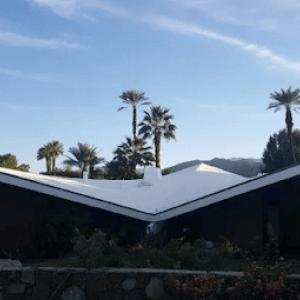
Dove Roofing & Construction
(760) 702-7633 doveroofing.com
Serving
4.5 from 29 reviews
Rise above the rest with Dove Roofing and Construction in California, proudly serving homeowners across Redlands, Indian Wells, Banning, Beaumont, Calimesa, Cathedral City, Indio, La Quinta, Palm Desert, Palm Springs, Rancho Mirage, Riverside, Joshua Tree, San Bernardino, Yucca Valley, and Twentynine Palms. 🕊️ Your go-to experts for all things roofing — from stunning tile roofs to durable shingles, sleek metal roofs, innovative spray foam systems, and meticulous roof repairs. With a commitment to excellence and top-notch customer service, we’re here to elevate your roofing experience. Trust Dove for quality craftsmanship and peace of mind. Fly high with Dove Roofing and Construction today!
Steep Flat Roofing
(888) 873-0518 steepflatroofing.com
Serving
5.0 from 91 reviews
Steep Flat Roofing, located at 34845 Yucaipa Blvd Unit C, Yucaipa CA 92399 is your top choice for all roofing needs, including roof repair, residential and commercial roofing, and roof replacement. With over 20 years of expertise, we serve Southern California with precision and safety using the highest quality materials. Our services include professional re-roofing, timely repairs for leaks and damage, and thorough inspections to extend your roof's life. For those searching "roofer near me" or "local roofers," trust Steep Flat Roofing for reliable, expert solutions that fit your budget. Call us for a free estimate today!
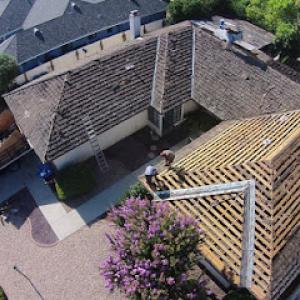
Weathertight Roofing
(951) 929-0557 weathertightroofing.com
Serving
4.8 from 107 reviews
Weathertight Roofing doesn't cut corners. We give our clients the best service we can. As a family-owned and operated business since 1983, we have four generations of knowledge and more than five decades of experience in the roofing industry. Major manufacturers certify all our professionals. Our customers keep coming back to us because we offer personalized, quality customer service. Licensed, General Liability and Workers Comp Insured... When you need it done right, Call Weathertight!
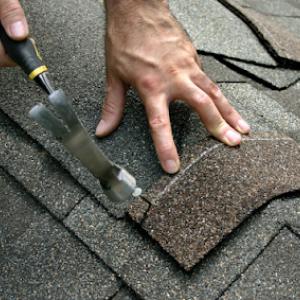
Triangle Roofing
(800) 360-6771 triangleroofingcontractor.com
Serving
4.9 from 66 reviews
Triangle Roofing is a family-owned, insured, licensed (CA #790599) roofing contractor serving Riverside County since 2001. Homeowners and businesses alike trust our team for roof repair, full replacements, new roof installations, and 24/7 emergency leak response. From asphalt shingles and tile to flat commercial membranes, we use premium materials, back every job with written warranties, and provide honest, up-front pricing. Request your free same-day roof inspection today and discover why local residents rate us a ⭐⭐⭐⭐⭐ “premium roofing contractor” online.
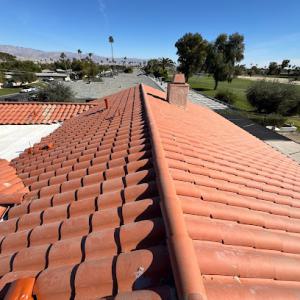
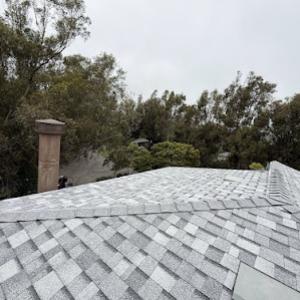
Envision Home Builders
(818) 864-0444 envisionhomebuilders.com
Serving
5.0 from 11 reviews
Envision Home Builders specializes in roofing and construction in Los Angeles County, California. As a family and locally owned company, we are dedicated to transforming homes with our top-tier services. Our offerings include kitchen and bathroom remodels, home remodels, and gutter services to protect your property. We provide HVAC solutions for comfort, stylish and durable pavers, efficient insulation, and meticulous interior and exterior painting. Enhance your outdoor space with custom barbecue installations and rely on us for roof inspections, repairs, and replacements. We offer free estimates and consultations. Discover the Envision difference—visit our website, book a service, or call us today!
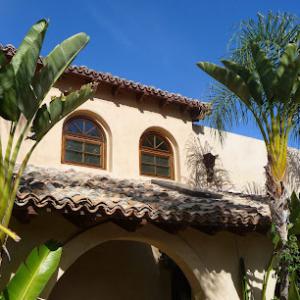
Gardner Roofing Company
(951) 654-2794 www.gardnerroofingcompany.com
Serving
4.3 from 43 reviews
Give Gardner Roofing Company a call for your roofing needs.
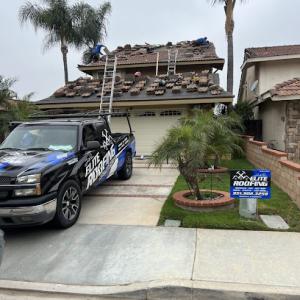
J & R Elite Roofing - Moreno Valley
(951) 902-3258 jnreliteroofing.com
Serving
5.0 from 52 reviews
At J & R Elite Roofing, located in Moreno Valley, we offer top-quality roofing services for residential and commercial clients. Our specialties include TPO/PVC, shingles, tile, torch, and hot mop roofing. We proudly serve all of the Inland Empire, Orange County, and Los Angeles County, providing quality repairs and complete reroofs. With a commitment to excellence, we aim to surpass client expectations with every project. Contact us today for a free roofing quote!
Foam Roofing Experts of The Desert - Best Foam Roofing Services in Palm Desert, Indian Wells, Palm Springs & Rancho Mirage
(760) 333-3556 thefoamexperts.net
Serving
5.0 from 130 reviews
Welcome to Foam Roofing Experts of The Desert, your top Roof Inspection Company in Palm Springs. We deliver premier foam roofing repair, reconditioning, and installation services for commercial and residential properties at the most affordable rates. Our foam roofing solutions provide excellent protection from heat during summer and moisture in the rainy seasons, enhancing your property’s aesthetic appeal. Also, we offer comprehensive solar panel cleaning and expert roofing certifications to ensure safer home buying and selling processes. Renowned for the best roof inspection services in Cathedral City, we are dedicated to ensuring the longevity and safety of your roof. Trust Foam Roofing Experts of The Desert for all your roofing needs.

Temecula Low Cost Roofing
Serving
4.7 from 110 reviews
This business is currently closed for the foreseeable future. We are a local family owned company specializing in residential and commercial roofing services. e are dedicated to providing customer service that is second to none. Whether you have a new construction project or need to replace an old or damaged roof, we offer roofing repair and replacement services at fair prices with incredible warranties and peace of mind.
AFFORDABLE ROOFING for all
(909) 272-4622 www.affordableroofing4all.com
Serving
5.0 from 37 reviews
RESIDENTIAL ROOF EXPERTS AND CERTIFIED COMMERCIAL ROOF COATINGS licence# 1134429 insured and bonded

Cloud Nine Roofing & Construction
(951) 385-8011 www.cloudnineroofing.com
Serving
5.0 from 46 reviews
At Cloud Nine Roofing and Construction, we specialize in top-tier residential and commercial roofing services across Southern California. Whether you need roof repairs, replacements, or installations, our skilled team delivers exceptional craftsmanship using high-quality materials. From asphalt shingles to tile roofs and flat commercial systems, we've got you covered. With decades of experience, prompt service, and a commitment to customer satisfaction, we ensure your roof is built to last. In addition to roofing, we offer expert painting, drywall, concrete, carpentry, and landscaping services to complete your project needs. Call today for a free estimate! Licensed, bonded, and insured.
Banning homeowners are affected by California's tightening insurance market, where wildfire exposure in Inland and foothill communities can influence roof-related underwriting and deductibles. In practice, this means insurers are quietly compiling a clearer record of risk year to year, and your roof sits at the center of that picture. When a carrier sits down to decide how much you pay to insure a home or where your deductible lands after a claim, they are weighing not just your roof's age, but the material type, prior claims tied to embers or heat damage, and any mitigation steps you have documented. In a town perched near brush and the San Gorgonio Pass, a single wildfire event can ripple into higher premiums or steeper deductibles for multiple renewal cycles. This is not hypothetical-it's a pattern you can observe in the way underwriting conversations shift after a brush fire season or a dry spell.
Insurers may ask for roof age, material type, prior claims, and mitigation documentation, which matters more in areas near brush, foothills, and wildfire-prone corridors around Banning. Your response to those questions matters as much as the roof you choose. If a roof carries a long track record of no fire-related claims and has a recent maintenance log, that can tilt an underwriter's risk assessment in a favorable direction. Conversely, roofs with aged shingles, cracked tiles, or signs of neglected gutter debris and vent openings can tilt the odds toward higher deductibles or even limited coverage on new peril events. For the homeowner, gathering a straightforward maintenance record-professional inspections, fire-rated coatings, ember-resistance upgrades, and prompt repair of any wind-driven damage-can translate into tangible insurability benefits when the market tightens.
Roofing choices that improve fire resistance and documented maintenance can materially affect insurability in this part of Riverside County. Consider materials with proven ember resistance, such as certain metal options or fire-rated tile assemblies, and document their installation specifics, including underlayment and vent protection. Pair any fire-resistance choice with a credible maintenance plan: annual inspections after wildfire season, timely replacement of weathered components, and keep records of contractor certificates or product certifications. In this climate, a proactive, documented approach to upkeep is not just about longevity; it's a practical shield against insurance volatility, helping keep your home protected and your coverage workable when the market moves.
Tearing off and replacing a roof in this region hinges on cadence that avoids the most punishing heat and the wettest days. Although the area experiences long dry spells, winter rain can interrupt tear-off schedules and expose roof decks to moisture if projects are not tightly sequenced. Plan the work so the major roof removal happens in a tight window with a clear start-to-finish sequence, and have contingencies for sudden showers. If a storm is forecast during a multi-day tear-off, be prepared to pause, cover exposed decking, and secure materials to prevent moisture intrusion.
The roofing season is often planned to avoid both peak summer heat and wetter winter periods, a timing issue specifically noted for local installation performance and lifespan. Target shoulder months when days are reliably dry but temperatures aren't extreme. Early spring and late fall can offer a more forgiving climate for underlayment and deck exposure, provided there is not a lingering wet spell. Use forecasts to lock in a start date with a consecutive work plan, minimizing gaps that leave underlayment exposed to drying winds and incidental moisture.
Spring humidity and winter wet periods can affect underlayment behavior on exposed decks, which is especially important during multi-day re-roof projects. On days with higher humidity, double-check that underlayment is properly staged and secured before roof boards are exposed to wind. For multi-day cycles, consider temporary enclosures or windbreaks where practical, and ensure fasteners are compatible with the deck's exposure to morning dew and afternoon humidity swings. If rain threatens, protect underlayment edges and flashing zones to prevent early absorption or distortion.
Coordinate with the crew to read the forecast at least a week out, then dial in a precise daily plan. If rain is likely, switch from deck exposure tasks to roof sheathing work that can be completed with tarps in place, then resume once conditions improve. Communicate clearly with the homeowner about potential weather delays and the impact on the project's timing, so expectations stay aligned. For neighborhoods with mixed exposure, prioritize sections that will be most vulnerable to moisture accumulation first, then complete the rest once the weather has settled.
Use these local ranges per square: Asphalt Shingles 350 to 600, Metal Roofing 700 to 1100, Clay Tile 1200 to 2300, Concrete Tile 900 to 1600, Wood Shingles/Shakes 800 to 1500, Synthetic/Composite Shingles 550 to 1000. In Banning, you'll notice these numbers shift with the San Gorgonio Pass's heat and wind. Metal and tile systems often sit toward the upper end when you're replacing like-for-like on larger homes or multi-story buildings, while synthetic or asphalt options can stay more economical for smaller houses or upgrades.
Costs in Banning can rise when windier pass conditions slow staging, material handling, and elevated work, especially for large panels and tile loads. Think of the staging time needed for a clay or concrete tile job and how wind can complicate hoisting and alignment. That extra logistics time translates into more labor hours and higher crew insurance exposure. If a roof is heavily tiled, you'll also see higher edge-detail and underlayment requirements to protect against heat exposure and blowing dust. In practice, that means a tile roof will run higher than a traditional shingle roof once you factor handling and wind mitigation.
Tile-heavy roof designs common in Inland Southern California can increase labor, underlayment, and edge-detail costs compared with simpler shingle roofs. The weight of tiles demands more structural assessment and, in some cases, reinforcement, which adds to the overall project total. When the roof profile features long run-outs or complex ridgelines, expect additional labor for precise edge finishes, flashing, and water damming.
If you're replacing an older roof, compare not just the per-square price but the total scope: panel size, roof slope, and the complexity of edges. For tile or metal options, set aside a contingency for wind-related staging delays and for elevated work. Synthetic or asphalt options can offer lower upfront costs but still require careful wind-safe staging and material handling planning to keep on budget.
A building permit is typically required in this jurisdiction for a full re-roof, not just major structural roof work. That means when you replace the entire roof deck and covering, you'll go through the local permit pathway so the project is reviewed for wind, fire resistance, and overall safety. This isn't a step to skip, especially in the San Gorgonio Pass where annual summer winds and high heat stress your system more than the average inland climate.
The local process includes plan review plus inspections during and after installation, with final clearance by the building department. You'll submit roof plans, material selections, and a schedule for the work. A reviewer will check that fasteners, underlayment, and venting align with code and with what your roof will endure over the long dry season and occasional winter rains. Expect at least one intermediate inspection during the work and a final inspection once the installation is complete and all penetrations are sealed.
Local review concentrates on wind uplift, ventilation, and underlayment requirements, which aligns with the pass winds and hot-dry climate. Proper nailing patterns and attachment methods are verified to resist gusts that can peel shingles or panels. Ventilation is assessed to prevent heat buildup in attic spaces, which helps extend roof life and reduce cooling loads. Underlayment type and installation quality are scrutinized to maintain a continuous barrier against dry air intrusion and wind-driven rain. These checks are not cosmetic-they directly affect performance during the most challenging days of the year.
Before you start, confirm you'll be working with a licensed contractor who understands local expectations and will pull the permit. Plan to have updated roof specifications, including underlayment brand and thickness, venting layout, and fastener schedule ready for plan review. During installation, keep the site accessible for inspections and be prepared to address any deficiencies promptly so you achieve the final clearance without delays. This ensures the finished roof stands up to Banning's pass winds and hot-season heat while meeting the city's safety standards.
In the San Gorgonio Pass, wind can expose weak edge metal, ridge details, and poorly secured tile or shingle courses faster than in calmer inland locations. When edges aren't properly secured, you may notice increased billowing during hot Santa Ana-style gusts, which can lift underlayment and loosen fasteners over time. Ridge caps that aren't sealed or fastened with the right pattern tend to crack or shed revealment quickly, inviting water intrusion at the most vulnerable seams. The practical safeguard is to routinely inspect roof edges after windy spells, confirming that edge metal lies flush, fasteners are corrosion-resistant and properly driven, and ridge caps maintain a tight contact along the full length of the ridge. If you spot loose shingles at the eave overhangs or any lift along the ridge line, address them promptly before a single gale compounds the damage.
Extreme summer heat can shorten the margin for proper adhesive sealing and can reveal ventilation deficiencies through accelerated aging and attic heat buildup. Shingles or tiles that rely on asphalt adhesives or seam sealants may start to show gaps or curling earlier, especially on south- and west-facing slopes subjected to prolonged sun. Poor attic ventilation compounds the problem, letting radiant heat linger and soften sealants longer than necessary, which can accelerate premature wear and reduce the roof's long-term effectiveness. You should verify that attic vents and soffit intake are unobstructed and sized correctly for the home, and that any roofing products with heat-sensitive seals are installed with manufacturer guidance under the hottest conditions. If you notice peeling adhesives or unusual warmth in the attic after hot days, plan a mid-season inspection to catch softening seals before leaks show up.
Winter moisture intrusion risk rises when underlayment is left exposed too long during re-roofing, especially if a project is caught by seasonal storms. Infrequent rain and blowing moisture can push into the roof deck if the underlayment isn't fully covered and protected, creating hidden rot or mold that only becomes visible after the first heavy rain. The practical response is to complete the underlayment installation before the next storm window closes and to keep exposed sections adequately protected with temporary cover until final roofing is secured. If a storm arrives during construction, ensure tarping or weatherproof barriers extend over vulnerable sections and verify that the roof deck remains dry prior to applying water-sensitive layers. Such diligence saves costly remediation down the line.
In Banning, the most favorable scheduling window is outside peak summer heat and outside the wetter winter period noted for local roof work delays. You'll find the work progresses more smoothly in the shoulder seasons when daytime temperatures are gentler and rain is less frequent. If you're planning a midseason project, aim for mild weeks with dry forecasts rather than the heat of July or the trickier months of December through February. This helps shingles, underlayment, and sealants set properly without heat-related or moisture-related setbacks.
Fall wind events in the pass can complicate crane work, tile staging, and safe material handling at height. When a strong afternoon gust rolls through the San Gorgonio Pass, crews may pause to secure ladders, tarps, and bundles, which extends project time. Tile installers should anticipate sudden gusts that make scaffolding and staging unstable. If tile or heavy roofing material is part of your plan, coordinate with your contractor for calm-weather windows and clear, elevated staging zones. Consider staging closer to the eave or using temporary fall protection strategies so material handling remains secure even as gusts pick up.
Homeowners in Banning benefit from locking in project dates before weather-driven demand spikes after winter storms or during the hottest part of summer. Start by confirming a firm start date and a realistic completion window, then build in a buffer for windy days or unseasonable heat. Ask the crew to pre-order common materials to reduce lead times, and designate a single, convenient drop point for deliveries to minimize on-site maneuvering. Clear communication about favorable windows helps you avoid last-minute rescheduling caused by seasonal crowding.
Banning sits in Riverside County at the San Gorgonio Pass, a crossroads where coastal, desert, and mountain influences collide. That mix creates a unique roofing environment: roofs bake in hot, dry exposure, drink sudden downpours in the winter, and take on strong pass winds that can strip or lift materials that aren't built for it. You'll notice that what works well for a coastal house or a high-country cabin isn't always the best choice here. The resulting reality is a system that has to resist heat, shed moisture efficiently, and stand up to gusty days without feeling brittle after a few seasons.
In this market you'll frequently see tile and metal being favored, along with other heat-tolerant assemblies. Clay and concrete tiles shrug off intense sun and long summer days, while metal roofs reflect a lot of radiant heat and keep attic temperatures closer to outside levels. Both types pair well with the dry winters and the wind-driven movement of air through exposed ridge lines. If you look at a typical Banning roof, you'll notice finishes and profiles chosen to minimize heat gain, resist wind-driven uplift, and maintain color stability under desert sun. The right combination often means a deeper, more secure fastener pattern and occasional specialized underlayment to manage quick shifts in moisture.
Because wind and heat are constant considerations, installation methods lean toward reinforcing edge protection, improved nailing patterns, and attention to flashing in vulnerable zones like chimneys and vent stacks. A roof plan in this area should consider ridge venting that doesn't compromise wind resistance, and color selections that stay cooler in the heat while avoiding excessive thermal expansion. In the end, the most resilient Banning roof aligns with the climate blend: heat-tolerant materials, careful fastening, and detailing that keeps rain from seeping into hidden spots during monsoon-season showers.