
Last updated: Apr 19, 2026
In this southern San Joaquin Valley climate, roofs endure heat loads far beyond what coastal California homes see. The sun bakes shingles, tiles, and underlayment from dawn to dusk, accelerating brittleness, granule loss, and the breakdown of sealants. You'll notice that even a seemingly sturdy roof can develop microcracks, curling edges, or flashing deterioration after a few hot seasons. Because summer heat dominates the calendar, the timing of a replacement becomes a safety and quality decision. If a roof is near the end of its expected life, the hottest months magnify the risk of loose or failed components during removal and installation. Planning a re-roof to avoid peak heat reduces exposure to heat-related handling hazards and helps workers set fasteners and sealants correctly while temperatures are within a more predictable range.
Spring and fall emerge as the most practical re-roof windows in this area. Static schedules that try to push work through mid-summer or deep winter invite two hazards: heat-induced material expansion and contraction that complicates install tolerances, and weather-driven delays from sudden heat spikes or unexpected rain. A window in mild temperatures allows shingles, tiles, and membranes to lay flat without warping. It also supports more reliable drying and sealing of underlayment and flashing, reducing the chance of heat-accelerated ridge or valley leaks after completion. If a roof is nearing the end of its life, locking in spring or fall can mean fewer call-backs and a longer post-install service window in the first year.
Agricultural surroundings around this valley town contribute a steady plume of dust and debris, especially during windy periods. That material loves to settle in gutters, valleys, and between shingles or tiles, creating hidden drainage and flashing challenges. A Wasco roof replacement should anticipate a thorough cleaning plan: pre-job protection for siding and openings, and on-site debris management to keep dust out of newly sealed seams. After removal, the clean-up must be meticulous to prevent abrasive grit from grinding against new rock or sealant as temperatures swing between day and night. Consider temporary containment for the work area and a final surface rinse to confirm that the finished roof sits on a clean, dry surface.
Low-slope roofs and tile or shingle profiles common in the area respond uniquely to the valley climate. Asphalt shingles can curl or lift under repeated sun exposure, while tiles may crack or shed granules more quickly if fasteners are installed during the hottest hours. Metal roofing handles heat well but expands and contracts with temperature shifts, which can stress fasteners and sealants if not properly sequenced. Concrete and clay tiles demand careful handling to prevent cracks from rapid temperature changes and to ensure proper underlayment compatibility. If a roof has lived through several hot seasons, choosing materials with proven UV resistance and robust sealing systems pays dividends in the long run.
Schedule replacement during the spring or fall shoulder seasons, and insist on a climate-informed installation plan that staggers work when daytime highs are mild. Request a thorough debris mitigation strategy tailored to dusty conditions, with gutter and valley cleanouts integrated into the project scope. Verify that your contractor uses compatible underlayment and flashing materials designed for high-heat environments, and that fasteners are rated for the expected expansion and contraction cycles. Finally, plan a post-install inspection within 60 days to catch any heat-related or wind-driven issues early, before small problems become costly repairs.
The dominant residential options in Wasco are asphalt shingles, metal roofing, clay tile, concrete tile, wood shingles or shakes, and fiber cement shingles. These choices cover a wide range of styles common to Central Valley homes, from low-slope urban houses to Spanish-influenced exteriors. When you're starting your replacement plan, map your current roof's layout, slope, and underlayment condition against these material families. A quick reality check: asphalt shingle roofs are common and easy to source locally, while tile options-especially clay and concrete-are well-suited to the regional aesthetic but demand attention to weight and structure. Wood shingles and shakes bring a distinct look, but their maintenance and fire considerations can differ from other options. Fiber cement shingles offer a middle ground in weight and durability, often appealing where you want a longer life without the heft of tile.
In this valley climate, the high summer heat and dusty air drive two practical realities. Darker roof colors and lower-reflectance products can intensify attic heat gain compared with lighter, more reflective choices. That heat translates into faster expansion and contraction cycles, quicker aging of underlayment, and higher roof deck temperatures that can affect insulation performance. If you expect long, hot summers with strong sun, lean toward lighter tones or reflective coatings when possible, and choose materials with demonstrated UV stability. For tile systems, solid-color finishes tend to perform better under direct sun than multi-tone or heavily textured surfaces that trap heat near the attic space. In metal roofs, consider a coating strategy that boosts reflectivity without compromising the panel lifespan. The goal is to reduce heat transfer to the attic while maintaining the visual and architectural character of the home.
Tile roofs fit common Central Valley and Spanish-influenced home styles seen in Wasco, but their weight and underlayment condition matter during replacement. Clay tiles are heavy, and the structural framing should be evaluated for the added load if the existing structure has seen years of heat cycling and wind exposure. Concrete tiles share similar considerations but can be heavier overall and behave differently in cold or windy days. Replacement underlayment should be chosen with attention to current moisture profiles and the potential for thermal movement. If the current roof has aged underlayment or prior penetrations, plan for a thorough retrofit of flashing details and edge closures. Tile systems perform well in wind when properly installed, but any misalignment or cracked tiles can create a rapid cascade of leaks in Wasco's weather pattern. The installation crew should verify tile alignment, wind-rated fasteners, and correct underlayment thickness to maximize life in valley conditions.
Given Wasco's extreme summer heat and valley weather, the safest replacement season centers on shoulder months when daytime temperatures are moderate and dew points are manageable. Late spring and early fall are typical windows to complete a full roof replacement while avoiding the peak heat of July and August. The key is to coordinate a replacement with predictable weather so you don't contend with sudden heat stress on materials or storm-driven moisture during installation. A well-timed project reduces thermal shock to new underlayment and gives you a stable, weather-tight roof sooner, helping the attic and living spaces stay cooler through the hottest days. If a replacement must occur in peak heat, ensure the contractor has shaded staging and access, and uses heat-rated sealants and deck underlayment products designed for high temperatures.
Once the new roof is in place, set a maintenance routine that matches Wasco's dust and wind exposure. Clear debris from ridge vents and valleys after high-wind events, inspect sealant integrity around penetrations, and watch for heat-induced hairline cracks in any tile or shingle edges. For lighter-reflective options, monitor color fading and re-apply reflective coatings as needed to sustain energy performance. A proactive approach reduces long-term heat-related wear and keeps the roof system performing through the valley's seasonal swings.
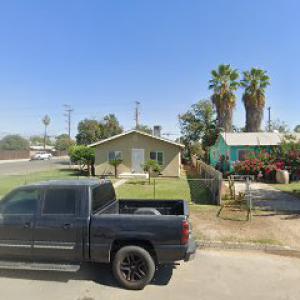
SW Roofing
(267) 310-3196 sw-roofing.ueniweb.com
Serving
5.0 from 8 reviews
SW Roofing offers high-quality roofing design and services in Delano. We are seasoned roofers who deliver top quality and budget-friendly roofing services. Get in touch with us on +12673103196. When you hire us, you know you’re getting skilled, passionate technicians you can trust to do the best job possible. And, as a bonus, we always feature competitive pricing on our services.
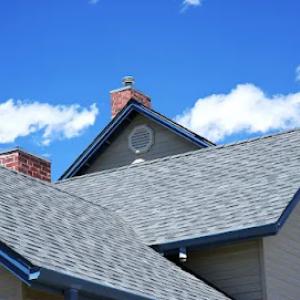
A.R.S. Roofing
(619) 341-3578 www.arsroofingco.com
Serving
4.5 from 46 reviews
A.R.S. Roofing, Inc has more than 36 years of hands-on roofing experience. Our highly-trained roofers can repair and replace an array of different roofing materials. We also offer a 6-month preventive maintenance plan for commercial roofs. Get a top-quality roof over your home or office by calling 619-341-3578 for a free estimate. We’ll come out to your property to make expert recommendations for roof repairs and replacements.
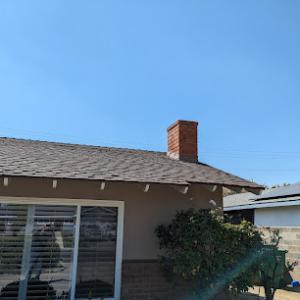
Kern County Roofing
(661) 282-0212 kernroofing.com
Serving
4.8 from 31 reviews
Complete Roofing Services- All Under One Roof!
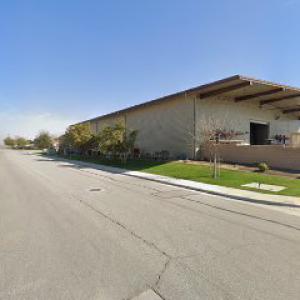
RoofLink USA - Roofing Contractor Bakersfield CA
(661) 502-3209 www.rooflinkca.com
Serving
5.0 from 4 reviews
Passionate about protecting Bakersfield homes, RoofLink USA is your trusted roofing expert. With 10+ years of experience, we specialize in top-quality roof installations and repairs. Committed to excellence, our skilled team ensures durable solutions, backed by unmatched craftsmanship. Your satisfaction and the integrity of your roof are our priorities. Choose RoofLink USA for reliable and professional roofing services in Bakersfield, CA and the surrounding areas.
Crespo Roofing
Serving
5.0 from 4 reviews
Crespo Roofing is a family-owned and operated business. We have been working in the roofing industry since 1994. So, our years in this industry have helped us accumulate useful information and valuable experience. We provide free roof estimates to a multitude of clients during consultations. Additionally, we guide them about the best roof coating and roof maintenance that suits their need.
Platinum Roofing
(661) 497-0627 website--5791096662148279775254-roofingcontractor.business.site
Serving
Family owned, Bakersfield grown business owner operated to ensure 100 percent quality. LIC#1031994
Prolonged UV exposure and rapid thermal cycling between scorching days and cooler nights take a toll on asphalt roofs in this valley climate. In Wasco, the sun's relentless rays bake the surface, causing shingles to become brittle and edges to curl or lift prematurely. The repeated expansion and contraction stress the underlayment and nail lines, often presenting as granule loss on the surface and accelerated degradation of the correlated flashing. You might notice phantom leaks after a heavy evening cooling period, even when rain hasn't recently occurred. This pattern isn't a single event but a progressive aging process you'll feel each hot season, especially on roofs with older asphalt layers or mismatched hip-and-ridge configurations.
Clay and concrete tile systems tend to outlive their underlayment, which shifts the diagnosis of leaks away from simple broken-tile repairs. In this area, tiles can crack or loosen not only from impact but from the cumulative weight of degraded underlayment and shifting substrate over time. A tile may appear intact while still failing to shed water effectively because the membrane beneath has failed or become brittle. When you inspect, focus on the underlayment condition under the visible tiles and pay attention to areas with heavy traffic or tree shading, where moisture retention can accelerate deterioration. Expect that a leak in a tile roof is not always a visible gap between tiles; it is often a quiet seepage through compromised seams or deteriorated valley flashings that only the interior reveals.
Fall wind events in the valley bring blowing debris, and those forces can crack exposed tiles, lift shingle edges, and load valleys with dirt and plant matter. In Wasco's wind-erosion environment, a single storm can transform a minor surface crack into a multi-directional leak path. Cracked tiles create narrow routes for water, while lifted edges expose fasteners to sun and weather wear, hastening nail head corrosion and lift-off risk. Debris in valleys accelerates gutter and downspout clogs, increasing the chance of water backing up and penetrating at the eave line or along ridge intersections. The cumulative effect is not immediately dramatic but steadily stressful, making timely inspection after storm events essential.
Because clay and concrete tiles may outlast their underlayment, routine inspections should extend beyond visible tile integrity to the condition of flashing, valley intersections, and the membrane beneath. In this climate, a cautious approach to replacement emphasizes addressing the weakest link first: the underlayment for tile roofs and the edge and valley sealants for shingle installations. If a tile roof presents widespread cracking, brittle underlayment, or moss and plant matter buildup in valleys, plan for a comprehensive assessment rather than piecemeal tile fixes. For asphalt roofs, expect more frequent checks for granule loss, surface puckering, and edge curling after peak summer months. A neighborly reminder: a small crack or lifted edge today can become a significant leak path next season if left unaddressed, especially when fall winds return with a fresh round of debris and dust.
December through February bring the highest risk of water intrusion during open-roof work. In Wasco, a blown-in dust storm can turn a minor leak into a cascade if crews are up on the roof without trusted temporary coverings. You must plan for rapid weather shifts: a sudden cold front or a light shower can saturate bare decking and set back replacement timelines. Schedule any open-roof tasks for windows of dry, forecast-stable weather, and arrange a quick-response tarp plan that allows immediate protection if a storm rolls in overnight or during a lull in winter wind. Have a dedicated crew member assigned to monitor the sky and secure edges the moment roof work pauses.
Autumn winds lift more than shingles when the air is dusty and dry. By late fall, a severe gust or sudden hail event can reveal weaknesses that heat and long exposure masked earlier in the season. After a storm, inspect gutters, eaves, and roof-to-wall transitions for micro-cracking, loose tiles, and lifted shingle tabs. In Wasco, hail damage may appear as pinpoint divots or granule loss that seems minimal at first but flags broader underlayment exposure. Do not rely on superficial fixes; a careful, area-by-area assessment is essential to prevent moisture migration into the attic during winter rains.
Homeowners often need photo documentation to separate fresh impact from heat wear. For Wasco, keep a dated, timestamped photo log after every significant event. Capture wide shots of entire roof planes, then close-ups of any pocked tiles, lifted shingles, or dented metal. Align photos with a simple written note describing location and suspected cause. When communicating with contractors or adjusters, you'll improve clarity about whether damage stems from a recent wind or hail event versus long-term heat exposure.
If a storm hits while work is underway, pause immediately and secure all open areas with tarps or temporary coverings. Never leave exposed decking unprotected when winter moisture is a possibility. For crews, establish a rapid retreat plan and ensure fall protection is ready to deploy at a moment's notice. In this climate, timely weather-awareness is not a luxury-it's a critical safety and quality control tool to protect investments and reduce rework after the first winter rains.
When planning a replacement, use these installed-cost ranges as a practical starting point: asphalt shingles about $350-$700 per square, metal $800-$1100, clay tile $1000-$1400, concrete tile $900-$1300, wood shingles or shakes $700-$1100, and fiber cement shingles $650-$1000 per square. These numbers reflect typical Wasco-area projects and account for the common mix of low-slope and pitched roofs found on local homes.
Extreme summer heat and dusty conditions drive several cost factors upward in Wasco. Crews often have to shorten daily production windows to avoid heat-related safety and handling issues, which can push labor hours higher or compress the work into hotter, less efficient parts of the day. In practice, that means your project may show a higher labor component than a cooler climate would produce, even if the material choice is the same. If you're replacing during peak summer, expect a tighter schedule and a small premium for heat management, shading, and water-supply planning on site.
Tile roofs, common in mature Wasco homes, often require tear-off and disposal of old layers before new materials go down. That step adds material and labor costs beyond basic replacement. Underlayment replacement can also be necessary, especially where older decks or underlayment have degraded from heat exposure and irrigation spray drift. Because many local homes use heavier roof systems than basic shingles, these additional steps can materially affect overall pricing. Plan for a broader spread in the budget if the roof is tile, concrete, or other heavy assemblies.
Start with a straight line estimate based on the material you choose, then add a contingency for heat-related scheduling and heavier-than-average tear-off or underlayment work. If you're comparing bids, ask how much of the price is tied to labor hours due to daily production limits in heat, and whether tile tear-off disposal is included. Materials handling in high temperatures can introduce minor losses if crews need to take extra precautions, so confirm whether those precautions are part of the quoted price or billed separately. A well-structured bid in this market should clearly separate material, labor, tear-off, underlayment, and disposal line items to avoid surprises once work starts.
A building permit is typically required for a full re-roof in Wasco. The process sits inside Kern County's permit framework, which means you'll coordinate with the building authority that administers Wasco projects. In this climate-where extreme summer heat, dusty exposure, and valley wind can stress roofing materials-having the formal permit helps ensure that the chosen system and installation meet the stricter regional standards for durability and fire resistance. Expect the permit to cover the overall roof scope, including subdivision of what constitutes a full replacement versus major repair work.
Before any carpentry or shingle or tile work begins, you'll submit a detailed roof scope to the Kern County or Wasco building authority. That submission should outline the existing roof's condition, the planned roof system, and the proposed materials. Because Wasco homes commonly feature low-slope or tile- and shingle-roof configurations, it's important that the plan clearly identifies any underlayment, ventilation, and flashing details to address heat buildup and valley exposure. The authority will review for compliance with local wind loads, fire codes, attic ventilation, and drainage considerations specific to the San Joaquin Valley environment.
Inspections are commonly scheduled at rough-in and final approval to verify installation and code compliance for the new roof system. Plan for a rough-in check that confirms deck integrity, underlayment, starter courses, and flashing are installed to code, especially in areas with high heat and wind. The final inspection typically verifies that the roofing material type, fasteners, venting, and perimeters meet the approved plan and that drainage paths function correctly after installation. Keep the project accessible for inspectors and have product installation data ready for review.
Given Wasco's heat-intense summers, align permit timing with the cooler shoulder seasons when possible to minimize heat-related workmanship delays and maximize material performance during installation. Have your contractor coordinate the scope and material choices with the local authority early, and ensure any deviations from the approved plan receive prompt re-approval to avoid hold-ups during critical phases of the replacement.
California's broader insurance tightening is visible in Wasco, where carriers have reduced appetite or increased scrutiny in higher-risk markets. Homeowners may feel the pinch as policies renew or new quotes arrive, especially for aged roofs or homes exposed to strong valley winds and heavy dust. Being aware of how carriers view risk in this area helps avoid surprises when a claim is filed after a storm or during a policy review.
For roof claims tied to wind, hail, or storm events in this region, carriers may ask for detailed existing-condition photos, crew notes, and date-specific damage records. Photos should show the roof from multiple angles, attic and interior indications of leakage, and any prior patches or repairs. Crew notes should include the date of the last documented inspection, observed wear patterns, and any temporary protections installed after events. Keeping a file with this information can streamline the process when a claim is considered.
Because heat aging is common in this climate, claim success can hinge on clearly separating sudden storm damage from long-term wear and deferred maintenance. A scorching summer can mimic wear, so documentation should clearly timestamp storm effects-shingle divots, granule loss after a wind event, or blown-in debris-versus gradual deterioration from heat exposure. Honest, precise records reduce ambiguity and support a focused review of the claim.
After a storm, take comprehensive photos before any temporary repairs, noting weather conditions and dates. Request concrete notes from any crew detailing observed damage and its location. Maintain organized digital and physical folders by date and event, and reference these in communications with the insurer to avoid gaps in the claim trail.