Last updated: Apr 19, 2026
Valencia's dominant roof mix includes asphalt shingles, metal, clay tile, concrete tile, wood shakes, and synthetic/composite products, but the area's planned subdivisions are especially associated with tile-heavy residential streetscapes. The long, dry, hot summers here accelerate UV-related aging, making surface cracking, color fade, and underlayment deterioration bigger planning issues than freeze-thaw damage. That combination directly shapes how you approach a re-roof decision: the roof must endure intense sun, resist wind effects, and respect the structural load of tile while preserving the neighborhood's aesthetic character. When you inspect a roof, note surface cracking on any asphalt or wood surfaces, fading on darker tones, and any brittle or chalky coating on concrete or clay tiles. These signs point to the need for a targeted plan rather than a quick, cosmetic fix.
In a tile-centric neighborhood, clay and concrete tiles are common, but asphalt, metal, wood shakes, and synthetic products still appear in many homes. The decision should balance durability, wind behavior, and how a given material ages under heat. Clay and concrete tiles have excellent longevity and color stability in sun-drenched ridgelines, but they add substantial weight and require careful framing checks. Metal performs well under heat and wind if the underlayment and flashing are properly integrated, yet it can nick or dent with hail or debris if not installed with appropriate edge protection. For asphalt shingles, choose an enhanced exposure or architectural profile that helps shed heat and resists wind uplift, and pair with a stout underlayment system. Wood shakes offer a traditional look but demand meticulous maintenance and a robust underlayment to handle UV exposure. Synthetic/composite shingles can balance weight and wind performance while offering better fade resistance in sun-drenched areas. The right choice depends on your home's structure, the local wind history, and the street's aesthetic expectations. A tile-heavy streetscape often benefits from a modern, high-durability underlayment and careful edge detailing to handle wind-driven debris.
Underlayment quality matters more here than in many other climates due to the relentless sun and Santa Ana wind cycles. A permeable, weather-resistant underlayment that resists UV degradation while providing a reliable barrier against wind-driven rain is essential. Flashing around chimneys, vents, and transitions must be continuous and corrosion-resistant, with extra attention to counter-flashing where tiles sit over wall junctions. In tile installations, ensure the underlayment is compatible with the chosen tile system and that fasteners do not compromise the barrier. The dry heat can cause substrates to expand and contract more markedly; flashing should be flexible enough to accommodate these movements without cracking. If a roof is re-tiled, specify closure details at rake edges and eave lines to prevent wind lift from even light gusts. A well-sealed edge and properly integrated drainage play a big role in minimizing heat-related edges that peel or crack over time.
Santa Ana wind periods matter locally because they can shift or break tile, lift vulnerable edges, and complicate tear-off scheduling and jobsite debris control. When planning a re-roof during windy seasons, schedule removal and installation for days with a calmer forecast to reduce the risk of tile damage and to keep fasteners secure. Edge fasteners, valley detailing, and hip-and-ridge connections require extra reinforcement to withstand gusts. Use temporary containment and tarping during work, and keep crews aware of wind forecasts so that tear-off and staging do not create a hazard for neighboring homes. If existing tiles show recurrent lift during wind storms, a re-roof should address improved edge restraint and ridge venting options that align with the home's weight class and the surrounding streetscape.
After an especially hot summer or a strong Santa Ana event, inspect for hairline cracks in tiles, lifted edges, and underlayment wear. In clay and concrete tile roofs, check for broken or displaced tiles that could channel water or allow wind-driven intrusion. For asphalt or synthetic shingles, look for accelerated granule loss or surface chalking. Regular cleaning of debris from valleys, gutters, and roof edges reduces moisture retention and heat buildup that can accelerate aging. On homes with mixed materials, coordinate a seamless transition between tile sections and other roof types so expanded or contracted sections don't create micro-leaks at trims or junctions. A proactive, neighborhood-aware approach keeps the roof performing well through Valencia's high-heat, windy realities.
Valencia's mild winters are the main wet season, so leak discovery, emergency tarping, and active repairs cluster around winter storms rather than summer thunderstorm events. That pattern means your roof needs to be checked not only after rain but in the days immediately following a storm when unseen leaks often reveal themselves. Santa Ana winds can whip through neighborhoods, driving blowing rain under edges and into vulnerable joints. In practice, you'll see the highest pressure on flashing, valleys, and ridge lines as soon as a windy, wet system passes. The window for noticing and fixing these problems is narrow, and delays compound damage quickly.
The combination of seasonal rainfall and wind means many Valencia roof problems show up first at flashings, valleys, ridge areas, and beneath displaced tile rather than from snow load or ice damming. Flashing where clay or concrete tile rests on penetrations, chimneys, and vents is especially vulnerable to wind-driven water. Valleys can trap grit and debris, corroding underlayment and letting water bypass tile seals. Ridge caps, if displaced or cracked, become direct channels for water into the deck. Under dislodged or loose tiles, decking can suffer rot or resin decay after repeated wet cycles. These symptoms often appear long before a noticeable colored stain hits the ceiling, so proactive inspection after every sizeable storm is essential.
When a leak is discovered, immediate containment matters. If rain is ongoing or forecasted, place a sturdy tarp over the affected area to buy time while a qualified roofer assesses and plans a proper fix. Delays in tarping or in rapid repairs increase deck exposure and accelerate substrate damage. Time your emergency response to the weather window: short, staged repairs that extend the life of underlayment and prevent further tile displacement are far better than waiting for perfect conditions. Keep ample tarps, heavy-duty pins, and rope ready in a sheltered spot, and know where the nearest roof access point is to minimize risk during an urgent call.
El Niño years raise local re-roof risk because heavier winter precipitation can interrupt tear-off windows and expose decking if schedules are too aggressive. If a full reroof is on the horizon, a staggered plan that respects wetter spells helps protect decking and underlayment. Communicate with the roofing team about contingencies for days with forecasted rain, and ensure crews allocate time for temporary protection between stages. The goal is to avoid a scenario where a rushed tear-off leaves decking exposed during a rain event, creating avoidable water intrusion and structural exposure.
Regular inspections should focus on flashing continuity, tile seating and bedding, and condition of underlayment beneath displaced tiles. After each significant storm, walk the roof if safely accessible and note any changes in tile alignment, abnormal movement, or new damp spots in attic spaces. Early detection reduces emergency scope and protects the roof's life, especially in a housing stock that relies heavily on clay and concrete tile. If a leak is suspected, err on the side of caution and arrange a prompt professional evaluation before more water seeps into the system.
When you can't wait, these contractors offer fast response times to stop leaks and prevent further damage.
A full re-roof in Valencia typically requires a permit through the City of Santa Clarita Building & Safety process rather than an unpermitted swap-out. Skipping the permit can trigger reviews, stop-work orders, and costly rework if inspectors find non-compliant decking, underlayment, or edge details after the job is underway. The permit path also signals that the project will be scrutinized for wind loads, material compatibility, and overall attachment stability, especially given the clash between heavy tile systems and existing roof framing. Plan for a formal intake, plan set submission, and timely follow-ups with the building department to avoid miscommunications that slow progress.
Local review commonly focuses on roof decking condition after tear-off, underlayment installation, and fastener and edge-flashing details before final sign-off. If the deck shows signs of water damage, rot, or insufficient nailing patterns, expect requests for decking repairs or replacements prior to re-covering. Underlayment choices matter here, particularly when replacing or upgrading to wind-rated products. Edge-flashing around parapets and chimneys must be continuous and securely sealed to prevent wind-driven moisture intrusion. Heavy tile assemblies heighten the need for a robust fastener plan and proper flashing integration, since the potential consequences of a mismatch are more visible during Santa Clarita's wind-prone days.
Valencia homeowners commonly face added scrutiny when replacing or changing heavy roof systems. Wind-rated underlayment and the structural weight of concrete or clay tile require careful evaluation of existing framing and fastening schedules. If the project involves upgrading to a heavier or differently engineered tile, the permit review will likely request structural confirmation that the trusses or rafters can support the new load. That can translate into required calculations, possible reinforcement, or staged installation methods to align with the inspector's wind and weight considerations. Expect questions about lateral bracing, hip and valley configurations, and the compatibility of old decking with new underlayments.
Delays during plan-check are common, especially for complex roof geometries or tile substitutions. Prepare to supply shop drawings, product data sheets, and a concise narrative describing how the chosen underlayment, fasteners, and edge details meet wind-resistance requirements. Communicate mantenimiento expectations to homeowners and confirm access routes for tear-off and material deliveries to minimize workmanship interruptions. In neighborhoods with stricter compliance, a thoughtful, proactive submission often reduces back-and-forth cycles and supports a smoother path to permit issuance and final inspection.
In this market, you will see asphalt shingles pricing around 400 to 800 per square, while metal roofing generally runs 700 to 1200 per square. Clay tile sits higher, at roughly 1000 to 1800 per square, and concrete tile falls in the 900 to 1500 per square range. Wood shingles or shakes typically land between 500 and 1200 per square, with synthetic or composite shingles closer to 450 to 900 per square. These ranges reflect how a high-heat climate, frequent sun exposure, and tile-heavy housing stock push material and labor costs in this area.
Visible tile is just part of the story. Costs in Valencia often rise when older tile roofs need new underlayment, broken-tile replacement, or a structural review because the visible tile may not be the only system being renewed. If the roof deck shows wear or moisture intrusion, expect the underlayment upgrade and possible deck repair to add to the base material price. A thorough inspection that uncovers hidden layers can shift a job from a straightforward re-cover to a full replacement or reinforcement, which changes both scope and budget.
Seasonal demand spikes after winter storms or during weather-compressed scheduling windows can affect labor availability, while summer heat can slow installation pace and staging logistics on exposed roofs. In practice, that means prices might firm up during peak season, and crews may need more time to manage heat-sensitive materials like clay or concrete tile. If a re-roof plan overlaps with Santa Ana wind periods, expect extra attention to fasteners, tile weight considerations, and wind-rated underlayment, which can nudge costs upward.
Tile-heavy stock requires evaluating structural support and flashing integration, especially on homes with older framing. The heavier the tile choice (clay or concrete) and the more complex the flashing system, the higher the installation cost. In Valencia, inspecting for proper underlayment compatibility with tile weights, and verifying that flashing transitions are up to current expectations, can add to the labor hours and material mix. When a project includes re-flashing or perimeter detailing, anticipate incremental increases beyond the material base.
Estimate with a cushion for underlayment and tile-specific work, particularly for clay or concrete tile roofs. If a roof is original and shows wear beyond the visible tile, plan for possible deck repair or reinforcement. Factor in potential scheduling delays during peak season and the impact of Santa Ana wind-focused detailing. With these drivers in mind, the cost picture stays grounded in the local material ranges while acknowledging the extra work that Valencia properties frequently require.
Don't let upfront costs delay a critical repair - these contractors offer payment plans to fit your budget.



Ferguson & Melvin Roofing
25574 Rye Canyon Rd UNIT H, Valencia, California
4.9 from 49 reviews
We’ve proudly served Santa Clarita and Los Angeles County since 1979, providing reliable roofing services for residential and commercial properties. Our experienced team specializes in roof repairs, re-roofing, maintenance, and restoration. Whether you need a new roof installation, a repair, or preventive maintenance, we deliver lasting results with quality craftsmanship. With decades of experience, we’re the trusted local roofing contractor homeowners and businesses count on for dependable, professional service.
Graziano Roofing
(661) 705-1225 www.grazianoroofing.com
28368 Constellation Rd #350, Valencia, California
3.7 from 3 reviews
Graziano Roofing is a full service roofing Contractor serving areas from Los Angeles to Santa Barbara. We have two loactions in CA, Santa Clairita and Newbury Park. Graziano Roofing is a Fully licensed and insured compay with over 20 full time employees. Established in 1984, Graziano Roofing has completed projects from a minimum fee of $380.00up to $5,000,000.00 Professional installations of all roof types, metal, slate, tile, composition, TPO, PVC and various roof coating applications. All commercial roofing is backed by manufactuer NDL warranties. We are open during the week and receive messagaes over the weekends.

GreatWay Roofing
(661) 200-9452 www.roofingcontractorcamarillo.com
Serving
5.0 from 114 reviews
Looking for a reliable and professional roofing contractor in Valencia, CA? Look no further than GreatWay Roofing. With more than 20 years of experience, we have been proudly serving the community since 1999. As a locally and family-owned business, we understand the importance of providing exceptional customer service and workmanship from start to finish and even after the job is done. Unlike many of our competitors who are one-man shows, we have a dedicated team committed to delivering quality results and ensuring your satisfaction. Don't waste your time with unreliable contractors; choose GreatWay Roofing for all of your roofing needs. Contact us today for a free estimate.

Statewide Roof Repair
Serving
5.0 from 5 reviews
Roof leaking in Santa Clarita? Statewide Roof Repair provides fast emergency repairs and permanent solutions. We handle wind damage, hail damage, worn shingles, flat roof issues, and more. Licensed roofing contractor offering same-day service, detailed estimates, and workmanship guarantees.

Perfect Roofing
(855) 866-4423 perfectroofingca.com
Serving
4.5 from 26 reviews
Perfect Roofing inc Company is your resource for top-notch for new roof installation services, replacement or repair. we services los Angeles county, venture county and orange county. our team member’s bring many years of experience to projects of all kinds. Our priority to provide the highest quality level of work and customer service. Our crew is trained to provide the first-class work material and good experience for all our customers Contact the Perfect Roofing inc today to schedule your no cost, no obligation, in-depth consultation. Free Onsite Inspection Best Price Guarantee 100% Satisfaction Guarantee Call Today.
Santa Clarita Roofing Experts
(661) 768-1026 santaclaritaroofingexperts.com
Serving
5.0 from 17 reviews
Transform your roofing needs with Santa Clarita Roofing Experts, your trusted partner for roofing solutions in Santa Clarita, CA. Our team is dedicated to bringing your roofing projects to life, whether it's a reliable residential roof replacement, a high-quality commercial roofing installation, roof repairs, or a custom roofing design, we can do it all. We combine expertise with the latest roofing materials and craftmanship to deliver lasting results. Santa Clarita Roofing Experts is committed to creating secure, energy-efficient, and visually pleasing roofing solutions whether that is residential roofing or commercial roofing. No one handles roofing projects better than us! Contact us today and let's turn your roofing vision into reality!

LA Roofing Masters
(888) 621-9378 www.roofinstallationlosangeles.com
Serving
5.0 from 13 reviews
To say you are the best roofing company in Santa Clarita CA doesn’t mean that you are really the best. Only years of experience, and countless amount of satisfied customers in Santa Clarita can prove that you are the best roofing contractor in Santa Clarita California. LA Roofing Masters can service, repair, install all types of roofs. From leaking roof repair, to complete new roof installation, we can help. Contact us for free estimate on you next roof or for same day roof repair in Los Angeles County.

Santa Clarita Roofing
(661) 446-8400 santaclaritaroofingpro.com
Serving
5.0 from 4 reviews
Welcome to Santa Clarita Roofing, your trusted local experts for all your roofing needs. With years of experience and a commitment to quality, we specialize in residential and commercial roofing services, including repairs, replacements, and new installations. Our skilled team uses the highest quality materials to ensure your roof is durable and long-lasting. We pride ourselves on our exceptional customer service and competitive pricing. Whether you're dealing with leaks, storm damage, or simply need a roof upgrade, Santa Clarita Roofing is here to provide reliable, professional solutions. Contact us today for a free estimate and experience the difference.
Golden Valley Roofing
Serving
5.0 from 6 reviews
Roofing services Santa Clarita | Golden Valley Roofing | Roof repair Santa Clarita | Roof replacement | Roof installation | Asphalt shingles | Metal roofing | Tile roofing | Flat roofs | TPO | EPDM | Storm damage | Emergency roof repair | Licensed roofer | Free estimates | Certified contractor | Residential roofing | Commercial roofing
United Roof Builders
(661) 977-7669 unitedroofbuilders.com
Serving
5.0 from 18 reviews
Install new shingle roof Install new tile roof Replace old roof shingles Install fascia boards Install new flat roof
All Weather Roofing
(818) 686-5852 roofingcanyoncountry.com
Serving
5.0 from 5 reviews
All Weather Roofing provides professional roofing services for residential and commercial properties in Santa Clarita, California, and surrounding areas. Our skilled team specializes in roof installation, roof replacement, roof repair, roof inspection, and roof maintenance. We also address roof leaks and repair damage caused by storms or high winds. Understanding Santa Clarita’s climate and roofing challenges, All Weather Roofing delivers durable, reliable solutions tailored to local homes and businesses, ensuring long-lasting protection and peace of mind for every property we serve.

Alpine Roofing Guys
(818) 446-3957 alpineroofingguys.com
Serving
5.0 from 324 reviews
Alpine Roofing Guys stands as a beacon of excellence in the roofing industry, boasting a rich legacy since its founding in 1994. With a steadfast commitment to unparalleled craftsmanship and unwavering dedication to customer satisfaction, we have earned the trust and admiration of countless clients over the years. Our team’s expertise, coupled with a passion for perfection, ensures that every project is executed with precision and care. From residential to commercial roofing solutions, we deliver unparalleled quality, durability, and reliability. With us, you can rest assured that your roofing needs are in the hands of seasoned professionals who prioritize excellence in every aspect of their work.
In this area, many tile roof problems stay hidden beneath the field tile, where aged underlayment can fail long before the roof's visible profile hints at trouble. The combination of intense summer UV and Santa Ana wind exposure accelerates deterioration of synthetic and traditional underlayment layers. As tiles age, stray granules and heat cycles push underlayment toward delamination or breakdown, and water can seep through small gaps long before a visible leak appears. When scheduling a roof check after a severe dry-wind spell, look for soft spots or a spongy feel along the roof plane, particularly where roof penetrations meet the underlayment. A careful inspection should advance beyond the tile surface and trace moisture toward the attic or crawlspace to confirm the condition of the waterproofing layer beneath.
Concrete and clay tiles give Valencia homes their characteristic look, but their performance depends on more than the tiles themselves. Slip or cracked pieces may draw attention, yet leak tracing often ends up pinpointing penetrations, valleys, and aged waterproofing layers rather than the tile alone. Valleys are especially vulnerable because accumulated debris and wind-driven dust can obscure micro-movements in the flashing, while penetrations for vents, chimneys, and skylights introduce complex junctions where moisture can migrate. If you notice staining, mildew in the attic, or irregular wet spots along ridge lines after a rain, prioritize an assessment that includes a thorough check of underlayment at corners, penetrations, and valley intersections. Timely attention to these zones can prevent cascading failures that appear as tile weight or appearance issues but originate from aging waterproofing.
Weight matters locally because changing from one roof type to another on tile-oriented homes may trigger closer review of how the structure handles heavier assemblies. Even a switch from a lighter composite or asphalt over existing tile can alter load distribution enough to merit a structural re-check of rafters, purlins, and fastener patterns. When contemplating a re-roof that involves heavier materials, expect tighter scrutiny of the framing, especially if the house sits within a wind-prone corridor or features a long, open rafter bay. An informed decision should include a structural perspective on how the new load integrates with the existing geometry, ensuring that the assembly remains compliant with local expectations for seismic and wind performance, and that the fastener layout accommodates potential tile shifts without compromising waterproofing.
For ongoing reliability, schedule annual or biannual inspections that focus on underlayment condition behind field tiles, especially after hail events or prolonged heatwaves. During inspections, remove a few loose or displaced tiles to visually confirm that underlayment remains intact and properly sealed at penetrations and valleys. Addressing small issues early-such as resealing flashing transitions, refastening loose tiles, or refreshing damaged underlayment-helps preserve the roof system's ability to shed water effectively, reducing the likelihood that hidden failures deteriorate into more extensive, visible damage.
Find contractors who specialize in clay and concrete tile roofs, known for their durability and curb appeal.

Ferguson & Melvin Roofing
25574 Rye Canyon Rd UNIT H, Valencia, California
4.9 from 49 reviews
Although this market relies on pitched roofs with clay, concrete, and tile, there is meaningful demand for flat-roof expertise for patio covers, additions, porch sections, and low-slope transitions on larger homes or mixed-use properties. In Valencia, those flat or nearly flat sections sit adjacent to high-slope tile roofs, so matching materials and detailing becomes a local performance issue rather than a cosmetic concern.
These low-slope areas are more vulnerable during Valencia's winter rain events because drainage and flashing details become critical when water sits longer than it does on steeper tile roofs. Plan for adequate slope within code-like expectations, and verify that scuppers, internal drains, and edge drainage paths stay clear after a storm. In practical terms, you should double-check that membrane transitions to adjacent pitched roofs are reinforced and that there is no ponding near door thresholds or deck connections.
Transitions between tile main roofs and low-slope sections are a local weak point because different materials, edge details, and penetrations must work together under wind and sun exposure. Pay particular attention to how flashing, termination meters, and fastener patterns align across the joint. Expect wind-driven spray to lift edging materials if the transition lacks continuous sealant or an integrated drip edge. When planning repairs or replacements, insist on a cohesive detail plan that spans from the tile roof edge through to the low-slope membrane.
During a walk-around after a rain or wind event, focus on low-slope joints and terminations where water stands or tracks toward doors and porches. Look for signs of edge delamination, lifted flashing, or pooled water at the intersection of materials. Have a local contractor confirm that the low-slope section has an appropriate overhang, drain clearance, and compatible underlayment that remains watertight under Santa Ana winds and summer UV exposure.
Find specialists in TPO, EPDM, and built-up flat roofing systems for residential and commercial properties.
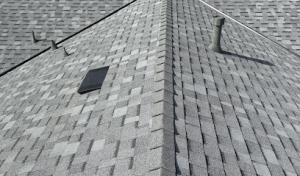
California's tightened underwriting environment is most visible in Valencia's high-UV summers and wind-prone days. Carriers increasingly scrutinize whether a tile-heavy roof stands up to Santa Ana gusts and sustained heat, and they weigh wildfire exposure as part of renewal decisions. In practice, this means fewer blanket approvals and more tailored risk assessments for homes with clay or concrete tile, and more emphasis on how underlayment, flashing, and the roof's overall integrity are documented.
When a roof claim is filed or an underwriting review occurs, insurers may request more than a contractor's note. Expect requests for roof age, material type, and a detailed set of photos showing current conditions. Documentation might include pre- and post-condition records, maintenance histories, and evidence of recent storm damage. The aim is to verify durability and proper installation, rather than rely on a single notation from a contractor.
Because some carriers have reduced availability in wildfire-affected zones across the region, maintaining a thorough paper trail matters. In practice, this means keeping dated photos from before and after any re-roofing, as well as receipts for maintenance and repair work. A well-documented history helps support both a timely claim and ongoing insurability, especially when a renewal period arrives and carriers reassess risk based on recent conditions and observed tile performance.
If a roof is aging or shows signs of wear, gather a consistent photo log that captures underlayment, flashing, and tile condition from multiple angles. After repairs or a re-roof, update the log with clear, timestamped evidence. When engaging insurers or submitting for reviews, align the narrative with the specifics of heat exposure, wind impact, and the tile-heavy stock that characterizes this market, so the documentation tells a coherent, policy-friendly story.
Connect with contractors who help homeowners navigate the claims process from damage assessment to final approval.
Ferguson & Melvin Roofing
25574 Rye Canyon Rd UNIT H, Valencia, California
4.9 from 49 reviews
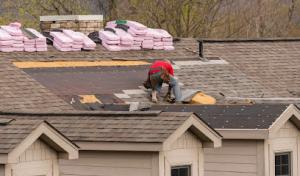

In this market, the heat, Santa Ana wind exposure, and a tile-heavy housing stock shape every re-roof decision. Homeowners expect crews that can keep sustained warm-weather work efficient without sacrificing precision on underlayment, flashing, and tile weight. Local patterns show Valencia families prioritize rapid response and thorough cleanup, reflecting a preference for occupied-home work over new-construction timelines. A crew that understands how tile interacts with heavy UV and wind will be more reliable when a rooftop storm window opens or a heat spike tests roof penetrations.
Valencia residents clearly value re-roof specialists who can handle repair complexity and weather interruptions, not just base price. When interviewing crews, probe for storm-response experience, tile-specific installation know-how, and a plan for protecting landscaping and outdoor living spaces during replacement. Ask about how the crew sequences tile removal, underlayment checks, and flashing reinstallation to minimize leaks between sunny spells and wind gusts. Reputable teams often distinguish themselves with attic insulation coordination and manufacturer-backed warranty positioning, so inquire about these options and how they tie into a long-term performance plan for clay or concrete tiles.
Start with established, licensed residential-focused contractors who list Valencia-area projects or local references. Request details about their approach to tile weight considerations on older structures, and how they address potential Sunday-turned-Mirdays if weather shifts occur. Confirm that the crew includes a dedicated cleanup crew and a method to protect driveways and entryways from debris. If drone inspections are offered, use them to assess roof condition before and after work and to document repairs for the warranty process. Finally, ensure the contractor provides clear communication on timeframes, contingency planning for wind delays, and a direct point of contact for daily updates.
Valencia's strong sun exposure makes solar-related roof work especially relevant, and penetrations need to be coordinated carefully on tile and shingle systems to avoid future leak paths. When planning any solar array or roof-mounted equipment, map every penetration against the roof's slope, direction, and surrounding flashing. In tile roofs, the weight and fragility of concrete and clay tiles mean each cut line and mounting point must be reinforced with proper underlayment transitions and compatible mounting hardware. On shingles, ensure polygonal or ridge-vent penetrations are sealed with flashings that resist UV degradation and wind-driven leaks. The aim is to keep heat out at the top and water out at every penetration without compromising tile integrity.
Skylights are a meaningful local service category, which matters because winter rain often reveals flashing failures around roof openings before field materials appear fully worn out. When installing or replacing skylights, prioritize continuous flashing around the curb or flange and a robust seal between the skylight and the surrounding deck. In Valencia's conditions, consider higher-performance underlayment beneath the skylight boot and a wind-resistant sealant at the flashing joints. If you're upgrading multiple openings, align flashing courses with tile or shingle rows so that no single penetration becomes a weak link during Santa Ana wind events.
On re-roof projects, penetrations and accessory details deserve extra attention because local inspections emphasize underlayment and flashing quality, not just the visible finish material. Inspect each existing vent, chimney, and pipe boot for brittleness or uplift potential. Re-roofing provides an opportunity to improve the connection between flashing and underlayment, ensuring a continuous, watertight layer beneath the finish. For tile roofs, select flashing that accommodates tile movement and uses corrosion-resistant materials to withstand heat and wind. For shingle roofs, verify step and counter-flashing are properly integrated around every penetrating item, with extra attention given to sealant durability in the Santa Clarita climate.
Find contractors who integrate solar panels or solar shingles into your roof for long-term energy savings.