
Last updated: Apr 19, 2026
Spring hail storms and gusty winds are a defining roofing risk in this area and often drive sudden inspection demand and schedule disruptions. When a storm hits, you can expect quick door-knocks from roofers and a scramble to book appointments before rain windows close. After a hail event, you should inspect the attic and exterior for moisture intrusion within 24-48 hours, because hidden damage can snowball quickly in the high-desert climate. If you spot day-lighting through shingles, lifted edges, or dented gutters, treat it as a red flag and arrange an on-site assessment as soon as possible. Delays can complicate claim timing and allow hidden damage to worsen, increasing the risk of interior staining and mold.
Colorado's hail-heavy insurance environment makes Grand Junction homeowners more likely to need detailed pre- and post-storm photo records and a line-item scope of work. Start gathering clear photos of the entire roof from multiple angles before any work begins, then photograph after the claim is filed and after repairs. Document matching conditions on exterior walls, vents, and flashings. A precise line-item scope of work helps avoid disputes about what was damaged versus what was worn from age or prior repairs. If you share these visuals with your adjuster and contractor early, you reduce back-and-forth and keep the claim moving through a tighter review pipeline. Be consistent about dates and weather conditions in your notes; adjusters in this market rely on a tight timeline to settle storm claims.
Because insurers may adjust coverage based on roof age and material, older asphalt roofs in this area can face tougher claim scrutiny after hail events. If your roof shows consistent granule loss, curled or cracked shingles, or compromised underlayment, present a clear, documented history that shows the current condition relative to when the policy was issued. Work with a local contractor who understands how wind-driven hail impacts common Grand Junction roof types-whether asphalt, metal, or composite-so the pre- and post-storm reports align with what the insurer expects. When gaps appear between weather events and observations, fill them with dated evidence and third-party assessments. Timely, transparent communication can prevent delays and help ensure your claim reflects the actual damage.
Keep a trusted local roofer on standby for emergency triage after a storm. In a market where storm repair and insurance documentation drive scheduling, a responsive partner can provide rapid inspection windows, decisive photo documentation, and a clear scope of work that aligns with insurer expectations. After a hail or wind event, prioritize a same-week assessment if possible, and insist on a written, itemized scope that covers the roof, vents, flashings, and drip edges. If you must navigate multiple contractors, request a unified scope and a single point of contact to limit conflicting assessments and reduce the risk of miscommunication during the claims process.
Find local contractors experienced in assessing and restoring roofs after hail, wind, and severe weather events.
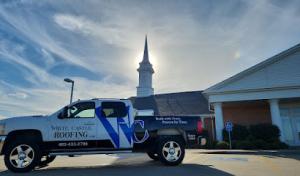
White Castle Roofing - Grand Junction
(970) 775-8136 whitecastleroofing.com
685 W Gunnison Ave, Grand Junction, Colorado
5.0 from 53 reviews
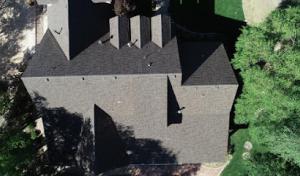
Bros Roofing
(970) 660-3990 brosroofingllc.com
2420 E Main St, Grand Junction, Colorado
4.8 from 147 reviews
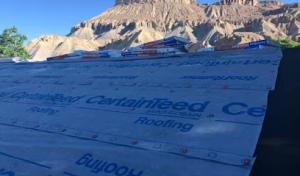
Full Curl Roofing Company
(970) 205-9876 www.fullcurlroofing.com
1621 Clymer Way, Grand Junction, Colorado
4.8 from 78 reviews
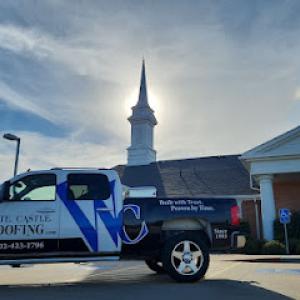
White Castle Roofing - Grand Junction
(970) 775-8136 whitecastleroofing.com
685 W Gunnison Ave, Grand Junction, Colorado
5.0 from 53 reviews
Top 100 Roofing Contractor in the USA. Over 35 years of experience. We specialize in roof replacements for both residential and commercial roofs.
Bros Roofing
(970) 660-3990 brosroofingllc.com
2420 E Main St, Grand Junction, Colorado
4.8 from 147 reviews
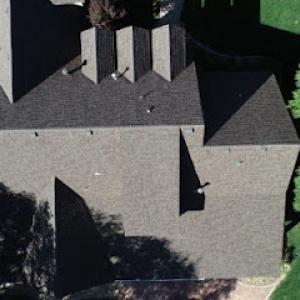
Bros Roofing is a roofing contractor in Grand Junction, CO serving Clifton, Fruita, Palisade, Whitewater and nearby areas. Our roofing company offers residential roofing and commercial roofing We also specialize in gutter installation. Customers love us because of our comprehensive roof warranties and affordable financing options. We also have industry affiliates Owen's Corning Preferred Contractor and Malarkey Certified. If you want to experience how your most trusted Grand Junction, CO roofing company embraces our motto "We've Got You Covered", call us now for a free estimate!
Full Curl Roofing Company
(970) 205-9876 www.fullcurlroofing.com
1621 Clymer Way, Grand Junction, Colorado
4.8 from 78 reviews
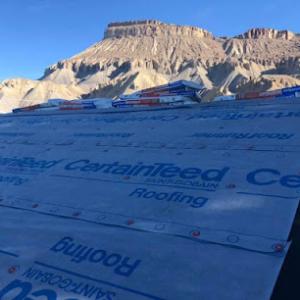
When you choose to work with Full Curl Roofing there are a few things you should know: we love our clients, we come from small towns where neighbors are practically family, and we treat our clients that way, too. When we work on your home, we want you to rest easy knowing that your home is our priority. Your roof is not just another number to us. We hate cutting corners. Damaging your house by not doing the job right, or by leaving a mess after the job is finished is unacceptable. While we are working on your home, we will take special precautions and use the right systems and tools to ensure your roof is installed correctly and safely. We stand behind our work. We prefer to solve problems before they arise.

Saenz Roofing
(970) 410-8387 www.saenzroofing.com
2103 N 7th St, Grand Junction, Colorado
4.4 from 100 reviews
Saenz Roofing is your premier destination for professional roofing services in Grand Junction, Mesa County, Garfield County, Montrose County, and surrounding areas. As a family-owned and operated business since 2005, we bring decades of combined experience to every project, ensuring quality craftsmanship and customer satisfaction. As a leading Grand Junction Roofing Company, we handle both residential and commercial roofing, including installations, repairs, inspections, certifications, and more. Partnered with industry leaders Owens Corning and Tamko Roofing Products, we offer a range of high-quality materials to suit your needs and budget. Contact us today to schedule a roofing consultation.
Vigilant Construction
(970) 623-5924 www.vigilantconstructionllc.com
Grand Junction, Colorado
4.7 from 24 reviews
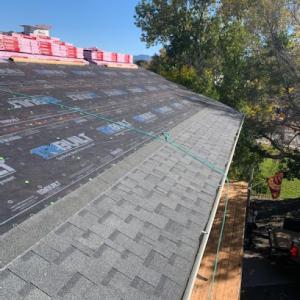
For over 12 years, Vigilant Construction has been the go-to choice for residents of Mesa County seeking top-notch roofing services. As a Grand Valley native, the business understands the unique needs of the area, offering free estimates to help you plan your project with confidence. Whether you're in Mack , Grand Junction or nearby cities like Palisade and Clifton, you can count on receiving personalized attention. Why settle for less when you can have the best?
Dj's Roofing
260 27 1/2 Rd, Grand Junction, Colorado
5.0 from 10 reviews
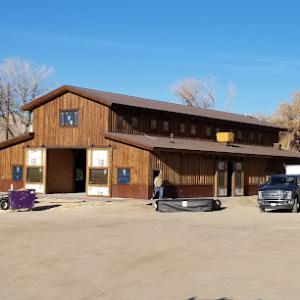
We are a small locally owned roofing company specializing in residential roof repairs, flat roofs, porch roofs, metal, asphalt shingle , or full roof replacement. We are committed to serving you with the best of quality workmanship and friendly service. Give us a call today for a free roof inspection or quote !
Aces Roofing
608 Round Table Rd, Grand Junction, Colorado
5.0 from 10 reviews
SPECIALIZING IN ALL TYPES OF ROOFING! RESIDENTIAL AND COMMERCIAL SERVICING THE WESTERN SLOPE FOR MORE THAN 16 YEARS SPECIALIZING IN ROOF REPLACEMEMNTS (NOT JOB TO BIG OR SMALL) CALL ME TODAY FOR A FREE ESTIMATE!
All Weather Roofing
(970) 216-2991 www.allweatherroofing.org
2148 M Rd, Grand Junction, Colorado
5.0 from 8 reviews
We are locally owned and operated with over 23 years of experience! We offer Senior discounts as well as military discounts. Our focus is our customers and providing worry free roof’s! We are licensed and insured! Customer satisfaction guaranteed! Let us provide you with a Free Estimate today!
Agile Roofing
2976 Emerald Cir, Grand Junction, Colorado
5.0 from 7 reviews
Servicing the western slope for 15+ years. We specialize in all types of roofs from flats, metal, concrete tiles, and shingles. We offer free estimates !
Linear Roofing & General Contractors
(888) 430-2118 linearroofing.com
571 25 Rd #1, Grand Junction, Colorado
4.5 from 8 reviews
Linear roofing offers residential, multi-family, commercial and roofing services. We specialize in roof replacement and general contracting in Grand Junction and surrounding areas. Our HAAG certified and trained team provides excellent service with quick project turnaround. Linear serves property management companies, commercial building owners and homeowners with a focus of combining quality roofing products and workmanship. We offer roof systems for both low-slope and steep-slope structures and are certified to install all Tier 1 roofing material brands. At Linear, we care about our customer's satisfaction and are dedicated to providing you with the best results possible for any size project. Your roof IS our passion.
Rottweiler Roofing & Remodeling
(970) 307-2996 rottweilerroofing.com
3099 Cedar Dr, Grand Junction, Colorado
5.0 from 4 reviews
Clean, Neat Fast and Efficient. Serving Mack, Loma, Fruita, Redlands, Appleton, Grand Junction, Orchard Mesa, Clifton, Palisade, Akin, De Beque, Parachute, Rulison, Rifle, Collbran, Molina, Mesa, whitewater, Cedaredge, Orchard City, Delta, Olathe, and Montrose. Also Mesa, Delta, and Montrose Counties. Insured and licensed Contractor in Colorado. For free quotes go to the website, scroll to the bottom and fill out a contact form and someone will contact you for an appointment to see your roof, and give you a free quote.
Able Roofing
(970) 858-8005 www.ableroofingllc.com
1327 21 Rd, Grand Junction, Colorado
5.0 from 4 reviews
We're not your average roofers at Able Roofing. We've proudly served the greater Grand Valley region since 1992, and we know that our signature craftsmanship and attention to detail make a difference. We do things the right way at Able Roofing so you can enjoy a solid roof that looks as great as it performs.
The semi-arid climate blends hot, sun-drenched summers with brisk winter swings, so roofing decisions must stand up to strong UV exposure and dramatic temperature changes. In this market, roofs endure hail and wind events that test surface integrity and fastener hold, all while aging from sun exposure. Material behavior in Grand Valley weather hinges less on coastal moisture or heavy annual snow and more on how well a roof resists impact, resists wind uplift, and sheds heat over decades. When surveying options, prioritize long-term performance under UV load and freeze-thaw cycles as the guiding metric.
Grand Junction's housing stock commonly features asphalt shingles, metal roofing, clay tile, wood shingles or shakes, synthetic or composite shingles, and fiber cement shingles. Each type brings a different balance of wind tolerance, impact resistance, and sun aging. Asphalt remains a practical, widely available choice with decent impact resistance when higher grades are selected and when installed with proper fasteners and underlayment. Metal roofs offer excellent wind and hail resilience but require attention to panel seams and valley details to avoid leaks during rapid temperature shifts. Clay tile delivers outstanding longevity and heat tolerance but can be more vulnerable to hail impact and brittle fracture in cold snaps; it also depends on a strong deck and precise layout. Wood shingles or shakes provide a classic look and good value, yet they demand regular maintenance to prevent surface drying and hail crack propagation. Synthetic or composite shingles and fiber cement shingles blend resilience with lighter weight and strong UV resistance, making them appealing for storm-prone seasons, especially when installed with compatible underlayment.
In this climate, the critical test for any material is how it handles hail, wind exposure, and sun-driven aging. For hail-prone periods, aim for products with proven impact resistance ratings and consider upgrading underlayment to a high-quality synthetic or elastomeric option that provides a secondary barrier during hail events. Wind resistance matters more here than in many other markets, so ensure roofing systems employ robust fasteners, sealed penetrations, and secure edge detailing. Sun-driven aging is more about maintaining color fastness and surface integrity; lighter colors reflect heat but can show wear sooner, while darker colors may heat up more; choose a finish that balances heat management with appearance and long-term durability.
Because Grand Junction roofs endure intense sun, regular inspections after spring hail storms and seasonal wind events pay off. Look for hairline cracks in shingles, lifted edges, or granule loss on asphalt, as these signal accelerated aging or mounting vulnerability. Metal roofs should be checked for loose fasteners and panel seam integrity after any severe gusts. Clay tile requires careful review of broken or displaced tiles following hail or heavy winds, and wood shingles or shakes benefit from treating against moisture and checking for surface checks that could worsen under freezing temperatures. Synthetic and fiber cement varieties typically require inspections for integrity around roof penetrations and flashing, where heat cycles can stress joints.
Choosing a compatible underlayment and ensuring correct venting and drainage are essential, regardless of material. Proper attic insulation helps reduce rapid temperature swings that can contribute to condensation and wood movement, while well-sealed penetrations improve wind resistance and water tightness. If the goal is resilience against hail and wind, plan for a roof system that pairs high-quality surface material with a robust, properly installed underlayment and flashing details. This approach keeps surface aging predictable and minimizes storm-related repair cycles, making years of service more reliable in a high-desert climate.
Explore specialists in steel, aluminum, and standing seam metal roofs built to last 50 years or more.
Full Curl Roofing Company
(970) 205-9876 www.fullcurlroofing.com
1621 Clymer Way, Grand Junction, Colorado
4.8 from 78 reviews
Vigilant Construction
(970) 623-5924 www.vigilantconstructionllc.com
Grand Junction, Colorado
4.7 from 24 reviews
A practical approach to reroofing in this high-desert climate centers on choosing windows that minimize weather-related delays and protect the roof during installation. The local pattern features a milder spring and fall, with intense sun and gusty days in summer and a dry but chilly winter that brings snow and ice. Planning around these patterns helps reduce tear-off interruptions and access issues while keeping crews productive.
In this market, the shoulder seasons provide the most reliable conditions for reroof projects. Aim for a mid-spring or early-fall start when temperatures are moderate and daily highs stay comfortably below heat stress levels for crews and materials. Spring storms can still roll through, but they're shorter and less intense than mid-summer heat, allowing for steady progress and cleaner teardown. Fall offers cooler days and longer days of workable sunlight, which helps finish under daylight before early evening freezes. Scheduling during these windows also aligns better with typical insurance documentation timelines after winter or summer hail events.
Snow and ice in winter can delay tear-off work and make roof access harder even though the area is drier than mountain communities. If a project must push into winter, look for persistent dry spells and ensure crews have safe, cleared access routes to the roof. Roofs can shed snow faster when panels are installed with proper debris control, but ice buildup at eaves or around penetrations remains a hazard. Short, targeted work sessions during cold snaps can keep the project moving without amplifying risk. Consider planning around freeze-thaw cycles that soften during the day and re-freeze at night, as repeated cycles can complicate adhesive and sealant performance. Keep a weather-informed plan in place, and be prepared to pause during active storms or when wind gusts exceed safe limits for roof work.
Summer thunderstorms and high daytime heat can interrupt installation and affect how some roofing materials are handled on the roof. Afternoon storms may reduce daily progress and require crews to secure materials promptly to prevent hail exposure or wind-driven debris damage. On hot days, exposure to direct sun can accelerate materials' handling challenges, such as sealant cure times and membrane behavior, so early-morning starts and mid-afternoon breaks are practical. If a project runs into peak heat, consider staggering larger sheets or shingles to minimize slip and heat-related handling issues. Ensure temporary shade or cooling measures are available for crews and that weather checks are part of the daily plan.
When choosing a start date, align with a forecasted stretch of mild days and minimal precipitation. Build a two-to-three week target window for typical projects, but keep a contingency buffer for sudden hail events or gusty fronts that can trigger access restrictions or insurance-related checks. Communicate clearly with the contractor about preferred arrival times and anticipated daily progress so the crew can optimize material staging and minimize on-roof time during peak heat. Having a flexible plan near the shoulder seasons helps balance reliable weather, daylight, and access while keeping the reroof project on track.
Get a clear picture of your project costs upfront - no commitment required.
Bros Roofing
(970) 660-3990 brosroofingllc.com
2420 E Main St, Grand Junction, Colorado
4.8 from 147 reviews
Vigilant Construction
(970) 623-5924 www.vigilantconstructionllc.com
Grand Junction, Colorado
4.7 from 24 reviews
In this high-desert setting, a reroof project typically starts with a permit issued through the local permitting portal managed by the city or county building department. You'll want to pull the permit before any material arrives or sawdust flies, because inspections and documentation are part of the work, especially after hail and wind events. The portal will guide you to the specific forms for reroofing, including any required declarations about attic ventilation and wind-resistance features. Be prepared to upload a simple plan or notes describing the roof type, underlayment, fastener choices, and venting strategy. The goal is to establish a traceable record that the reroof meets current code and is appropriate for the climate's freeze-thaw cycles.
Inspections are commonly scheduled as work progresses, usually after underlayment and decking installation and again after the final roof installation. The first inspection confirms that the roof deck is sound, the underlayment is correctly installed, and any required repairs to sheathing are completed before the more visible layers go on. The second inspection certifies the completed roof assembly, including shingles or other roofing material, flashings, vents, and penetrations. In the Grand Valley's weather pattern, inspectors look closely at how the roof handles sun exposure, wind uplift, and potential hail impact points. Having a neat, accessible work area and ready-to-view documentation helps keep the process moving smoothly and minimizes delays at the site.
Local reviewers may require wind-resistance details tailored to Colorado's wind zones, as well as confirmation that attic ventilation remains code-compliant after the reroof. Expect to show how the new vent layout preserves continuous intake and exhaust, avoiding stagnant air in the attic and reducing heat buildup that can affect shingle life. If the project alters roof geometry or vent placements, be prepared to discuss how flashing, edge details, and ridge venting maintain both wind uplift resistance and ventilation effectiveness. Clear drawings or notes from the contractor can help the reviewer see that the reroof not only meets code but also supports long-term energy efficiency and moisture control.
Typical local pricing runs about $360 to $700 per square for asphalt shingles, $700 to $1500 for metal, $900 to $1800 for clay tile, $650 to $1100 for wood shingles or shakes, $500 to $900 for synthetic or composite shingles, and $650 to $1100 for fiber cement shingles. In this high-desert climate, those ranges reflect a mix of durable materials that hold up to intense sun, spring hail, and winter freeze-thaw cycles. When homeowners compare bids, the material choice will drive most of the delta, but expect labor to be a meaningful portion of the total-especially if the roof is older or decking needs replacement after a hail event.
Storm-driven demand spikes after hail and wind events can tighten contractor availability and push reroof scheduling and pricing upward. In a market like this, it's common for crews to book out weeks or even months after a severe hail season. If a contractor has a tight backlog, you may see earlier in the season higher demand and later in the season more price pressure as crews try to finish projects before winter. It pays to plan ahead, have a clear start window, and confirm that the chosen crew can commit to the approximate timelines you need, especially if you're coordinating insurance timelines and weather-dependent work.
Costs can also rise when inspections require decking corrections, wind-resistance documentation, or ventilation upgrades during permit closeout. If the deck shows weathered or damaged sections, replacement of decking adds material and labor. Wind-resistance documentation, which helps with insurance evidence and code-driven expectations, can involve additional tests or upgraded fasteners and underlayment. Ventilation upgrades-such as improved attic intake or ridge venting-may be advised to optimize airflow under a new roof, and those upgrades add to the total. In practice, expect the biggest bumps to occur when hail has compromised decking, or when the project requires a longer wait for weather windows to avoid wind-driven debris during replacement.
Don't let upfront costs delay a critical repair - these contractors offer payment plans to fit your budget.
Bros Roofing
(970) 660-3990 brosroofingllc.com
2420 E Main St, Grand Junction, Colorado
4.8 from 147 reviews
Storms in this high-desert valley bring intense sun, hail, and fast-moving wind, and the insurance environment tends to reflect that: a higher frequency of storm-related roof losses means adjusters are more actively involved on a claim. The pattern can feel relentless after a hail event, with multiple roof lines checked and redrawn to fit a single damage narrative. The implications are practical: adjuster decisions can hinge on how thoroughly a roof was inspected at the scene and how clearly the damage was documented in the days immediately after the storm.
Homeowners here should expect insurers to want thorough storm-date documentation, close-up damage photos, and a detailed contractor scope before approving work. The storm date matters to prove a link between the event and the losses observed. Close-up photos of hail impact and wind-related attic or deck effects help the claim travel through the process without delays. A clear contractor scope-the specific work to be done, materials to be used, and a realistic sequence of repairs-becomes a key reference point when the insurer reviews the proposed plan.
Assignment-of-benefits issues can arise in Colorado roofing claims, making contract review especially important before signing storm-repair paperwork. If an assignment is pursued, ownership of the claim and the right to payment can shift, sometimes leaving homeowners with less direct control over the repair process. Reading any storm-repair contract with care, understanding who pays whom and when, and knowing the extent of the contractor's authority can prevent surprises later on. In practice, that review helps ensure that the scope, timelines, and material selections align with the verified damage and the insurer's approval.
In a town where storm impact and insurance documentation are daily concerns, the most reliable path is meticulous records, a precise repair plan, and a cautious stance on contract language. If a claim feels rushed or unclear, seek a second professional opinion on the scope and a clear explanation of how the damage maps to the insurer's adjuster report. This conserves time and preserves the integrity of the repair process after a damaging hail or wind event.
Connect with contractors who help homeowners navigate the claims process from damage assessment to final approval.
White Castle Roofing - Grand Junction
(970) 775-8136 whitecastleroofing.com
685 W Gunnison Ave, Grand Junction, Colorado
5.0 from 53 reviews
Bros Roofing
(970) 660-3990 brosroofingllc.com
2420 E Main St, Grand Junction, Colorado
4.8 from 147 reviews
Full Curl Roofing Company
(970) 205-9876 www.fullcurlroofing.com
1621 Clymer Way, Grand Junction, Colorado
4.8 from 78 reviews
In Grand Junction, summer thunderstorms and winter moisture events make flashing details around skylights and low-slope transitions a recurring leak concern. Hail can nick edges, wind can lift seals, and prolonged moisture exposure at joints compounds problems that aren't always obvious from the ground. A small drip under a skylight can become a quiet, stubborn headache.
The most vulnerable spots are where skylight curbs meet the roof surface, along sidewalls, and at the perimeters of flat or low-slope sections. Look for hairline cracks in sealant, loose fasteners, and deteriorated boot or curb flashing. In this market, specialized skylight and flat-roof crews routinely encounter these exact details, so know where to look and whom to call when sudden leaks appear after a storm.
After a hail or wind event, inspect the transitions around skylights and low-slope areas first, even if the main field appears intact. Inside ceilings and attic spaces, pay attention to warm seasons or rapid temperature changes that can reveal hidden moisture. Keep an eye on drywall seams near skylights, because moisture often travels along framing and insulation before showing up as a watermark.
Choose flashing materials and sealants rated for high-desert sun and freeze-thaw cycles, and ask a local roofer about boot and curb replacement options that align with your roof's slope and exposure. If a leak is suspected at a skylight, do a careful, daylight inspection from both attic and exterior to pinpoint whether the issue is flashing, sealant, or a shifting curb.
Find contractors experienced in skylight installation, flashing, and leak repairs to bring natural light into your home.
White Castle Roofing - Grand Junction
(970) 775-8136 whitecastleroofing.com
685 W Gunnison Ave, Grand Junction, Colorado
5.0 from 53 reviews
Bros Roofing
(970) 660-3990 brosroofingllc.com
2420 E Main St, Grand Junction, Colorado
4.8 from 147 reviews
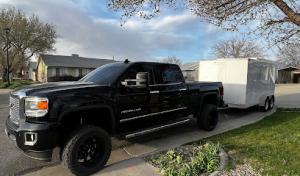
In this high-desert market, you want a roofer who can respond quickly and manage cleanup with the same discipline as the estimate. Grand Junction homeowners often weigh rapid on-site communication and fast debris removal nearly as heavily as the price. Look for a company that buffers storm surges with clear scheduling, a towing-to-job-site cleanup plan, and a dedicated point of contact who can troubleshoot issues as they arise during a repair or replacement.
Long-established, reroof-focused firms dominate the landscape here, and that matters. Homeowners tend to favor firms with tangible local experience and a documented history of neighborhood projects. When you call, ask for recent reroof projects in the same subdivision or nearby streets, and request storm documentation practices that show how weather events were recorded and resolved for homeowners and insurers alike.
Even though commercial roofing exists, residential work drives hiring signals. Seek a contractor with a robust residential portfolio and verifiable references from nearby streets. Ask specifically about coordination with insurance adjusters, as well as how they protect landscaping and outdoor living spaces during haul-away and material staging. A neighborly contractor will explain their process for securing vents, skylights, and chimneys so mortar, shingles, and metal flashings stay intact through spring hail and winter freeze-thaw cycles.
Before signing, verify a local office address and a response ethos-how quickly they return calls, how they handle after-hours wind events, and how they document work for the insurer. If a crew can reference recent local neighborhoods and bring storm documentation examples to the table, that signals readiness to navigate the specific demands of this market.
Roofing decisions here revolve around a high-desert sun, spring hail, and strong winds, with winter temperatures swinging enough to stress sealants and underlayment. The heat from the sun can accelerate aging of shingles and coatings, while hail can cause pitting and punctures on softer profiles. Seasonal freeze-thaw cycles add repetitive stress to roof edges, flashing, and gutters. In this climate, the roof system must stand up to sun exposure and rapid temperature changes as reliably as it resists impact and wind damage.
Unlike some smaller markets, the Grand Valley supports a surprisingly broad mix of roofing materials. Asphalt shingles are common for their balance of cost and value, but metal roofs, clay tile, wood shingles or shakes, synthetic or composite shingles, and fiber cement options all have active footprints. That variety means a homeowner can prioritize hail resistance, weight, or aesthetics without being boxed into a single category. Each material behaves differently under sun and wind, so choosing based on local durability and insurance considerations matters.
Contractors in this area tend to foreground storm repair and insurance documentation more prominently than specialty niches like solar roofing. Storm events drive scheduling, inspection routines, and documentation practices, so it's practical to expect guidance that aligns with insurance claim steps and damage verification. When a hail event hits, the most reliable project teams coordinate promptly with adjusters, provide thorough damage assessments, and keep records organized for your claim. This practical approach helps homeowners move from damage discovery to repair with clarity.
Sun exposure favors lighter colors or reflective coatings to reduce heat gain, while hail resistance weighs heavily toward robust underlayments and impact-resistant profiles. Wind resistance matters, too, so edge detailing, fastener selection, and proper installation become critical. In this market, a well-informed choice balances climate-driven performance with the flexibility to match the existing home aesthetic and the homeowner's long-term maintenance expectations.