
Last updated: Apr 19, 2026
Your roof sits at the crossroads of Delaware Bay and the Atlantic, meaning wind-driven rain and uplift are more than nuisance risks-they're daily realities after coastal storms. In this town, shingles lift, flashing fails, and debris from high-wind events can bury a roofline under salt-scented grit. Nor'easters and late-season tropical remnants don't just threaten the weekend; they define the failure timing for many Lewes homes. When a multi-day coastal wind event passes, you'll likely see shingles curled or missing, flashing pulled away from walls, and damp spots sneaking in around chimneys or vents. Plan for exposure, not comfort-your roof is the first line of defense against a storm calendar with real bite.
As soon as the wind dies and the streets clear, walk the roof safely or inspect from the ground with binoculars. Look for torn or missing shingles, exposed underlayment, and compromised flashing along the valleys and roof-to-wall transitions. In Lewes, salt air accelerates corrosion on metal flashings, so spots that look dull or pitted can fail soon after surge winds. Photograph everything within the first 24 to 48 hours-before temporary repairs or cleanup begin. These images become critical to establish the extent of damage in a coastal market where losses tend to be higher and insurers scrutinize storm timing. If you notice active leaks, document interior damage too: water trails down ceilings, staining, or peeling paint near roof lines.
Coastal debris is a real threat here. Shingles torn loose by gusts can hide impact damage on the deck or underlayment, while palm-sized granules gathered in gutters indicate wear that accelerates roof failure during the next Nor'easter. Look for telltale signs of uplift: curved or cupped shingles, loose ridges, and exposed nails along the eaves. In addition to surface checks, pay attention to the attic-condensation, musty odors, or dark stains around vents can signal hidden water intrusion that will worsen with wind-driven rain. Early detection helps prevent the more costly aftermath of moisture migration into insulation and framing.
Take wide, clear exterior photos from multiple angles, then close-ups of any damaged areas: flashing, step-flashing at joints, valley intersections, and around dormers or skylights. Keep a dated log of weather events and any temporary mitigation you perform-tarps, securing loose materials, or removing hazardous debris. This precise timeline helps when a claim moves through the system, especially in a coastal market where storm-related claims can be scrutinized for timing and severity. If you need to discuss next steps, gather your photos along with a simple map of affected elevations to show where the worst damage concentrates.
From a safety standpoint, avoid walking on damaged roofs during wet conditions. If you must enter the attic, wear respirators or masks if there's mold or persistent dampness. For immediate stabilization, consider temporary tarps or light sheathing only after you've documented the damage, ensuring you don't cover venting or cause further ingress. Remember: the goal is to prevent further water entry and wind uplift while you organize more permanent repairs.
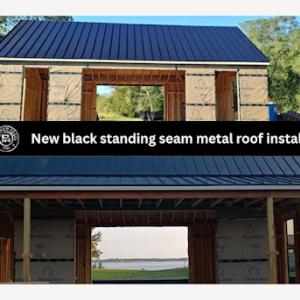
Platinum Roofs
(302) 550-2006 platinumroofs.com
29029 Lewes Georgetown Hwy, Lewes, Delaware
5.0 from 101 reviews
Platinum Roofs has stood the test of time. We are here when you need us for new roofing system installations, annual inspections and ongoing maintenance. Platinum Roofs, Inc. has a solid footing due to our consistency, determination and resolution to make informative and knowledgeable business decisions for the current marketplace. We remain flexible, allowing our company to expand so we are able to provide the latest technology and resources in green building and design custom solutions for our client's specific roofing requirements. • Qualified Technicians • Experienced Professionals • Certified Installers
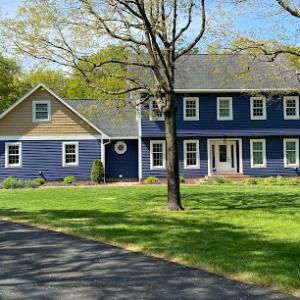
Spicer Bros. Construction
(410) 546-1190 www.spicerbros.com
34634 Bay Crossing Blvd Suite 1, Lewes, Delaware
4.8 from 132 reviews
Spicer Bros. Construction is a family-owned home improvement company proudly serving homeowners across the Delmarva Peninsula. We specialize in exterior remodeling services including roofing, siding, replacement windows and doors, gutters, and outdoor living solutions. Our team is committed to quality craftsmanship, clear communication, and dependable service from start to finish. With factory-trained installers and premium materials, we help protect and improve your home while delivering long-lasting value. From storm damage repairs to full exterior upgrades, Spicer Bros. Construction is trusted by local homeowners for honest guidance and results done right.
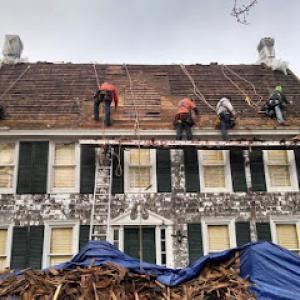
Bayside Exteriors
(302) 200-7663 www.baysideexteriors.net
32295 Nassau Rd, Lewes, Delaware
4.8 from 118 reviews
Whether it is for a repair, replacement, or new construction, we will transform your home into its better version using industry-standard products and services. With more than 20 years in the business, our company has earned the GAF Master Elite Contractor designation. We offer a lifetime protection warranty on your entire roof system.
G. Fedale Roofing & Siding
17298 Coastal Hwy #3, Lewes, Delaware
4.7 from 47 reviews
G. Fedale Roofing & Siding has been a competitive leader in the home improvement and commercial roofing industry since 2002. Gaining a major market share through the specialized talents of our employees, we pride ourselves on the success of our rapidly growing company. We are dedicated to the highest install and repair standards and our extended workmanship warranties guarantee coverage long after work is completed. Our mission at G. Fedale is to provide the best value and craftsmanship for our customers and the communities we serve through service, education and commitment.
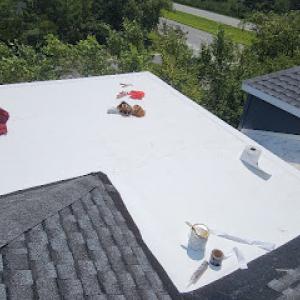
OceanSide Exteriors
(302) 727-2342 oceanside-exteriors.com
32026 Windjammer Dr, Lewes, Delaware
5.0 from 4 reviews
OceanSide exteriors is a all exterior improvement business from roofing to siding to windows and doors
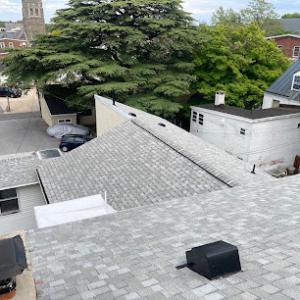
Cape Roofing & Exteriors
(302) 518-0129 www.caperoofing.net
23 Sandpiper Dr, Lewes, Delaware
5.0 from 1 review
Roofing & Exterior contractor from Lewes, Delaware
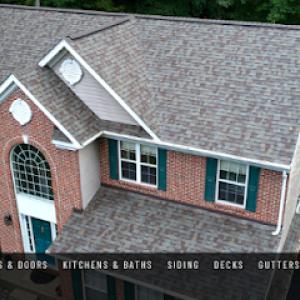
Ferris Home Improvements
(302) 260-5200 www.ferrishomeimprovements.com
Serving
4.7 from 65 reviews
Ferris Home Improvements, located in Rehoboth Beach, DE, is your trusted expert for all your home improvement needs. We specialize in roofing, siding, windows, and doors, kitchen and bath and outdoor living, delivering high-quality craftsmanship and exceptional customer service. Proudly serving Delaware and parts of Maryland and Pennsylvania our experienced team is dedicated to enhancing the beauty and functionality of your home. Whether you need a new roof to protect your home, energy-efficient windows, or stunning siding, we ensure that every project meets the highest standards.
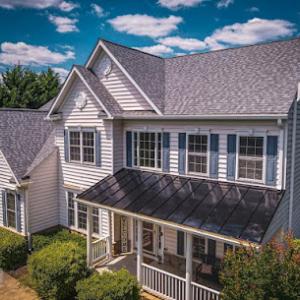
Valor Home Roofing
Serving
4.7 from 37 reviews
For over three decades, Valor Home has been transforming the exterior of homes in the greater Rehoboth Beach, DE area. Born from humble, veteran and family-owned beginnings, we've grown into a trusted leader in exterior remodeling. From complete roof replacements to beautiful window installations and energy-efficient siding solutions, Valor Home provides comprehensive services to enhance your home's beauty and value. We believe in delivering quality products and expert craftsmanship, ensuring your vision becomes a reality.

Roof Rite
(302) 514-7663 roofritellc.com
Serving
5.0 from 58 reviews
WELCOME TO ROOF RITE With a strong attention to detail, we will respond quickly and professionally to all your needs. The people you talk to are the same ones that are with you every step of the way, from your initial estimate to every contact to the final clean up. We use the best processes and practices to ensure your home is protected during and after your roof install. We use top notch materials and installation techniques to ensure the best possible experience for our customers. Whether your project is a new roofing installation, general home improvement, exterior repairs, or roof maintenance, we specialize in making it better, more efficient and long lasting.
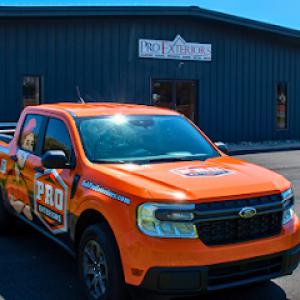
Pro Exteriors
(302) 664-1700 www.askproexteriors.com
Serving
4.9 from 291 reviews
Since 2005, we've made a name for ourselves by offering top-quality services, honest workmanship and lifetime guarantees. From patching your roof to installing a brand new deck, our team of expert builders are able to complete any project to help improve the curb appeal of your home. Born and raised in Delaware, our professional roofing and exterior team is well equipped to offer efficient outdoor solutions that stand up to both the cold winters and temperate summers of our beautiful state.
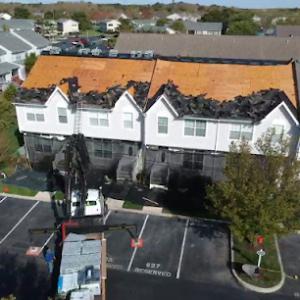
Bayview Roofing & Siding
(302) 493-2222 www.bayviewroofingsiding.com
Serving
5.0 from 41 reviews
Bayview Roofing and Siding is owned by Scott Geesey who has over 20 years experience in the home remodeling industry with over $10,000,000 in sales. When it comes to home improvement, Bayview Roofing and Siding provides all of the resources available to insure you are getting the highest quality products installed by experts.
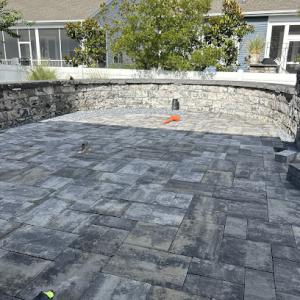
Hardscape & Landscaping Tecos
(302) 493-6800 hardscapelandscapingtecosllc.com
Serving
5.0 from 36 reviews
Hardscape & Landscaping Tecos specializes in landscaping services in Millsboro, DE. We also pavers and deck and roof and siding and stone removal and mulch and walkways etc We always strive to provide services where you will never have to bother about your lot and roadside again, ensuring complete customer satisfaction. Our main goal is to satisfy our clients by providing the most satisfactory customer service possible.
Asphalt shingles are common on many Lewes homes, but coastal humidity and wind exposure make seal strip performance, underlayment quality, and flashing details especially important. When you inspect your roof, prioritize shingles with robust granule adhesion and a weatherproof sealant system that holds tight in salt-laden air. Choose underlayment rated for high moisture environments and ensure the installation uses proper nailing patterns so wind-driven rain can't lift edges. In practice, work with a contractor who pays attention to step flashing at chimneys and dormers, and who seals around vent pipes with corrosion-resistant metal flanges. A careful coastal install reduces the risk of blow-off and water intrusion during Nor'easters.
Metal roofing is a strong local fit for coastal wind and long service life, but in Lewes the finish system and corrosion resistance matter because of salt-laden air. For a metal roof, verify a factory-applied coating system designed to resist salt exposure and do not overlook fasteners-stainless steel or coated screws with proper sealing are essential. Consider a standing-seam profile to minimize exposed fasteners and maximize wind resistance. Pay attention to edge details where the panel meets the eave and rake, and ensure the soffit and fascia transition is watertight to prevent salt-laden spray from entering the roof deck. In crowded historic districts, select a finish that complements the architecture while providing durable protection against coastal weather. A quality sealant around penetrations and vents helps retain performance over decades.
Clay tile, concrete tile, synthetic/composite shingles, and slate appear in the market partly because a Lewes mix includes older and architecturally distinctive homes where appearance and weight compatibility matter. Clay and concrete offer long life and a classic look, but weight and attic structure must be evaluated first; a structural assessment ensures the roof can carry the load, especially on historic frames. Synthetic or composite options can mimic the look of natural materials while delivering lighter weight and easier handling in salt air, but verify the composition tolerates humidity and frequent splash from coastal storms without chalking or color fade. Slate delivers timeless curb appeal and excellent durability, yet its weight and fastener requirements demand precise framing and professional installation. For all options, confirm gutters and downspouts are sized for heavier coastal rainfall and that fasteners are corrosion-resistant. In coastal neighborhoods with distinctive lines or historic textures, coordinate with a skilled installer who can match the profile and spacing to preserve the home's character.
Across these material families, the most practical steps are the same in this market: insist on quality underlayment, corrosion-resistant flashing, and an integrated drip edge that channels salt-laden rain away from the deck. For any option chosen, require thorough attic ventilation to manage humidity-excess moisture can compromise seals and degrade underlayment prematurely. During inspection, check that the roof-to-wall transition is watertight, and that the seal around roof penetrations-vents, skylights, and HVAC stacks-uses compatible, durable sealants. In Nor'easter weather windows, confirm temporary covers or staging are in place to protect fresh work, and ensure your contractor follows a meticulous fastening plan to resist the season's uplift and splash.
Older housing stock around the historic core carries decades of gentle salt air and Nor'easter exposure, and that shows up in your roof deck sooner rather than later. You may discover decking that's warped, undersized, or knotted with moisture damage once tiles or shingles are removed. In practice, this means repairs aren't a quick swap of shingles but a careful evaluation for plywood or OSB integrity, potential rot behind chimneys, and the need for ladder-safe access around dormers. When a replacement is contemplated, anticipate framing notes that require matching historically appropriate profiles, which can extend timelines and complicate material compatibility.
Historic homes often feature quirky flashing transitions where walls, chimneys, and dormers meet the slate or shingle plane. These intersections are notorious for slow leaks if not detailed precisely. The challenge isn't just sealing edges; it's ensuring that every valley, step, and chimney chase aligns with the original geometry while accommodating modern roof materials. Expect more meticulous ahead-of-time planning for flashing kits, flashings that suit irregular breakpoints, and potential custom fabrications. A small misstep here translates into recurring patch work that disrupts the integrity of both exterior and interior spaces.
Lewes neighborhoods often feature steep, cut-up rooflines that complicate every stage of replacement. The labor time climbs when crews must navigate multiple planes, hidden eaves, and narrow eave lines that limit scaffolding options. Waste factors rise as odd angles and reclaimed trim pieces require careful removal and disposal. The result is a project that is less predictable than a single-slope roof and more sensitive to weather windows. Scheduling around coastal storms becomes a real constraint, so plan for extended timelines during off-peak seasons when winds and rain aren't as likely to disrupt critical phases of work.
Preserving the look of older coastal homes remains a meaningful consideration for many Lewes residents. Slate, tile, and high-quality synthetic options are often selected to respect historic appearance while delivering modern performance. Each choice carries trade-offs: slate and certain tiles offer a period-appropriate presence but demand skilled installation and robust supportive framing; synthetics can reproduce the look with easier installation but must be vetted for long-term durability against salt spray and humidity. The goal is to balance curb appeal with enduring weather resistance, rather than chasing a quick cosmetic fix.
Even with top-tier materials, the coastal climate can test a roof's resilience. Expect more frequent inspections-especially after Nor'easters and tropical remnants-to catch wind-driven rain intrusion at flashing seams and around dormers while the home's historic fabric remains intact. A proactive maintenance habit saves more invasive repairs later and helps protect not only the roof but the delicate interior finishes that many old homes preserve with care.
Find contractors experienced in skylight installation, flashing, and leak repairs to bring natural light into your home.
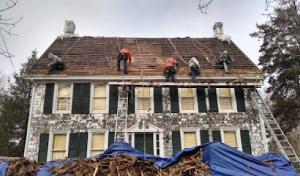
Bayside Exteriors
(302) 200-7663 www.baysideexteriors.net
32295 Nassau Rd, Lewes, Delaware
4.8 from 118 reviews
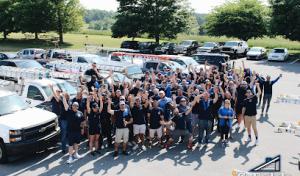
G. Fedale Roofing & Siding
17298 Coastal Hwy #3, Lewes, Delaware
4.7 from 47 reviews

In a town shaped by the bay, replacement projects avoid the peak coastal storm months to minimize weather delays and open-roof risk. A typical Lewes replacement plan leans toward the calmer shoulder seasons, when Nor'easters have cooled and the wind patterns are more predictable. If a roof is aging or showing signs of active leakage, the schedule should still aim for a window with fewer gusty wind events and rain days, so crews can wrap the job without repeated storm interruptions. Planning with the calendar in mind helps keep neighboring homes protected and reduces the probability of unplanned storm-driven redos after the first hard rain.
Winter freeze-thaw cycles and occasional snow can worsen underlayment damage and ice-dam-related leaks, especially on older roofs with ventilation issues. If a replacement is undertaken during colder months, pay particular attention to attic ventilation and insulation to minimize future ice dams. Look for signs of prior ice damming in eaves and gutters, and ensure the new underlayment is properly installed with adequate sealing at all eave and fascia transitions. In milder winters, crews may work with extended hours to keep pace, but the conditions can still produce brittle materials or delayed curing times for some roof assemblies. A well-ventilated attic and a continuous leak barrier in the eave-to-ridge path are prudent precautions regardless of the season.
Hot, humid summer conditions in coastal Sussex County can affect installation pace, material handling, and crew scheduling during busy storm-repair periods. Materials that expand with heat, fasteners that loosen under direct sun, and protective coverings that bake in the sun all demand careful planning. Scheduling early-morning shifts and mid-afternoon breaks helps prevent heat-related delays and keeps crew performance steady. Adequate staging of materials and shade for the job site reduces risk of warping or sun-induced damage to sensitive components. In storm-repair clusters, expect a compressed timeline, but maintain diligence on weatherproofing steps-especially at the hips, valleys, and any flashings where wind-driven rain can exploit even small gaps.
Coastal storms and wind-driven rain patterns elevate the importance of thorough documentation. Before work begins, ensure photos capture existing roof condition, rapid leak pathways, and any prior repairs. Maintain a log of weather events that coincide with observed damage, including dates and local storm reports. On completion, compile before-and-after visuals, test results for flashing and seals, and a written summary of changes to underlayment and ventilation. If a claim is anticipated, organize contractor assessments, material specifications, and installation notes in a single, accessible file to support the documentation package when submitting to the insurer. This preparation helps streamline approvals and reduces back-and-forth during the post-storm recovery period.
Get a clear picture of your project costs upfront - no commitment required.
G. Fedale Roofing & Siding
17298 Coastal Hwy #3, Lewes, Delaware
4.7 from 47 reviews
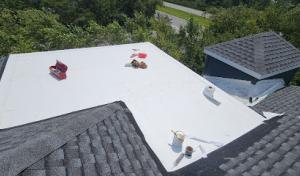
OceanSide Exteriors
(302) 727-2342 oceanside-exteriors.com
32026 Windjammer Dr, Lewes, Delaware
5.0 from 4 reviews
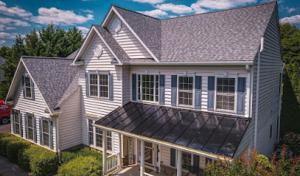
Coastal demand spikes after major storms are a real pattern here, and emergency work plus re-roofing queues can push prices upward quickly. When a Nor'easter or tropical remnant rattles the coast, crews move from routine installs to storm recovery mode, and supply chain hiccups show up as higher material and labor charges. The base per-square ranges reflect that, with asphalt shingles typically between 350 and 600 USD per square, synthetic or composite shingles from 350 to 650, and metal roofing from 600 to 1100. Clay and concrete tiles clock in higher still, roughly 1000 to 1800 for clay and 800 to 1500 for concrete, while slate can push well above 1500 up to 3000 per square. In Lewes, those figures don't sit in a vacuum: the same material can swing by the time storms are active and crews are lined up to respond.
Older, historic-area homes in Lewes often require more than a straightforward tear-off. When decking beneath the shingles is revealed, deterioration can show up where utility lines or dormers meet the roofline. Complex flashing around chimneys, eyebrow dormers, and decorative cornices adds to the labor time and waste disposal needs that aren't as common on newer tract homes. Because of these nuances, the bottom-line cost per square for the same material tends to rise once the project encounters reinforced decking or intricate detailing. In practice, expect the labor and waste portion to exceed the base per-square ranges in many historic settings, especially if a full tear-off is necessary to ensure long-term performance.
Steeper pitches, dormers, and chimneys are everyday features in Lewes's older neighborhoods, and they push both labor hours and material handling. The result is a noticeable lift in cost for the same material package. A roof with multiple dormers, ridge vents, and ornate flashing may translate into a few additional squares of waste, plus extended crane or ladder time for safe access. When planning, map out the roof geometry with photos and a quick sketch, then share it with a contractor to receive a more accurate adjustment to the base ranges you've seen.
In this market, most full re-roofs require a building permit from the City of Lewes Building Department rather than being handled informally. Before any nail is driven, verify that a permit is in place for the scope of work, including teardown, new sheathing, and roofing material installation. The permit process helps ensure that the project respects height and setback rules, historic district considerations, and neighborly impact in this tight-knit coastal rowhouse environment.
Lewes reviews submitted plans for general compliance, and inspections are scheduled at rough-in and final stages. Confirm the inspection sequence with the contractor before work starts, so you're not surprised by a missed step or a delayed approval. Rough-in inspections typically verify roof deck, fastener patterns, and underlayment installation, while the final inspection confirms the completed roof, proper flashing, and adherence to building code requirements. If you have older homes nearby, expect potential questions about ventilation, attic access, and historical materials that may affect the plan review.
The city expects proper licensing, disposal, and jobsite safety compliance. This matters in a compact coastal community with older lots and close neighboring homes. Ensure the contractor holds current licenses, and that disposal plans address local waste streams and storm debris rules. On-site safety should include containment to protect adjacent properties from debris, secure material storage to prevent windborne hazards, and a clear plan for protecting landscaping and impermeable surfaces during material delivery and removal.
Because storm calendars can bring Nor'easters and tropical remnants, coordinate permit approval timelines with anticipated weather windows. If intrusive work is required, discuss temporary protection measures for the roof line and interior spaces during rain events. Keep a copy of your permit and approved plan on-site during construction for quick reference during any city inspections or neighbor inquiries.
Lewes sits in a coastal insurance environment with above-average storm claim activity, especially after major wind events affecting Sussex County beach communities. The combination of salt air, humid summers, and Nor'easter-driven wind means roofs here weather more stress than inland counties. Insurance focus tends to sharpen after a big event, with adjusters looking for how wind-driven rain penetrates tight roof details and historical weaknesses in older housing stock. For homeowners, understanding that this market can be more vigilant helps set realistic expectations about claim handling and documentation.
Wind-related roof claims in this market may receive closer scrutiny, so you should keep date-stamped photos, contractor notes, and records of temporary protection work. Photographs taken at key moments-before a storm, immediately after, and during any temporary tarps or board-ups-provide a clear timeline. Contractor notes should document any observed damage, sealant failures, or shingle lift, plus the dates of any temporary repairs. Storing these items in a dedicated file or cloud folder makes it easier to present a coherent story to an adjuster if questions arise.
After major storms, adjusters and contractors often coordinate closely in Lewes-area claims because multiple nearby homes can be affected in the same event. Expect joint site visits and rapid scheduling of temporary protection work if the wind claims are widespread. Staying accessible for follow-up inspections and providing precise, organized records can help prevent delays. In this market, clear communication between homeowners, insurers, and reputable contractors is key to navigating the process without unnecessary friction.
Coastal rain in this area hits porch roofs, additions, and rear sections differently than the main house, especially when those sections sit on lower slopes. Even when the main roof is shingles or metal, the porch and low-slope areas gather water faster, shed less efficiently, and expose wall flashings to more salt-laden spray. In Lewes, wind-driven rain can push water under edge details where transitions meet, creating hidden rot that isn't obvious from ground level.
Porch roofs often act as their own little drainage system and may have multiple fascia lines, step-downs, or hidden gutters. Treat these areas as separate roof systems during planning: they need distinct drainage paths, flashing details, and fastener patterns that account for salt air and humid summers. When there are additions or older sections tied into newer builds, verify that the tie-ins use continuous weatherproofing, with enhanced sealants at all joints and proper slope grades to direct water toward scuppers or gutters. Remember that even small misalignments at a low-slope transition can become a chronic leak point after a Nor'easter or tropical remnants.
Low-slope sections benefit from materials chosen for coastal exposure and ease of maintenance. Consider options that handle wind-driven rain without sagging or pooling, and ensure a robust edge detailing where the porch roof meets walls. Drainage planning should include separate slopes or dedicated gutters for these sections, with sun- and salt-tolerant sealants and flashing that extend beyond the wall plane to keep moisture out of siding joints.
After a storm, inspect porch and rear sections first for telltale signs of water tracking behind trim, staining along wall penetrations, or loose fasteners. Document any flashing failures, edge cap separations, or joint vulnerabilities with dated photos. When filing insurance claims, focus on deteriorated transitions between original roofs and newer additions, and any wind-driven breaches at low-slope interfaces. Having clear, dated visuals helps verify damage patterns that are unique to these coastal, multi-phase sections.
Find specialists in TPO, EPDM, and built-up flat roofing systems for residential and commercial properties.
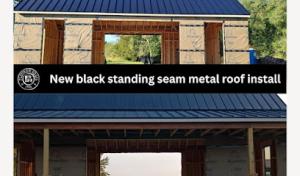
Platinum Roofs
(302) 550-2006 platinumroofs.com
29029 Lewes Georgetown Hwy, Lewes, Delaware
5.0 from 101 reviews
Skylights, chimneys, and other penetrations are common leak points after coastal wind events because flashing is stressed by repeated wind-driven rain. In this area, salty air and humid summers turn those flashing joints from sturdy to vulnerable a little faster than you'd expect. A roof that weathered last year's Nor'easter can show unseen wear around those edges, where any tiny gap becomes a channel for water during the next storm.
On older roofs, replacement projects are a key opportunity to correct long-standing flashing details around skylights rather than simply reshingle around them. If you've lived with a slow drip or damp ceiling around a skylight, it's often the flashing-not the shingles-that needs real attention. Replacing or properly integrating flashing with newly installed shingles creates a continuous, water-shedding path and reduces the chance of recurring leaks after the next coastal gust.
Humidity and salt exposure in the Lewes area make sealant-only fixes less reliable over time than properly integrated flashing repairs. Sealants can degrade, lift, or crack when salt-laden spray repeatedly hits the roofline. The result is a false sense of security that leads to creeping leaks behind the soffit or into attic timbers. Prioritize a flashing-centered fix that ties into step and counter-flashing along chimneys and skylight bases, with attention to ensuring proper slope and engagement with the chosen roofing material.
Look for staining along ceiling joists near skylights, or damp spots around chimney bases after a wind event. If you notice peeling interior paint near penetrations or peeling shingles in a ring around a skylight, don't wait for the next storm. Have a trusted roofer inspect the intersections where flashing meets shingles, and check for any corrosion on metal components exposed to salt air. A proactive approach saves more than just a leak path-it protects the roof deck from long-term damage.
Find contractors experienced in skylight installation, flashing, and leak repairs to bring natural light into your home.
Bayside Exteriors
(302) 200-7663 www.baysideexteriors.net
32295 Nassau Rd, Lewes, Delaware
4.8 from 118 reviews
G. Fedale Roofing & Siding
17298 Coastal Hwy #3, Lewes, Delaware
4.7 from 47 reviews