Last updated: Apr 19, 2026
Late-spring and early-summer derecho winds are a real regional roof-loss driver in the Washington-Baltimore corridor and can create sudden shingle blow-offs and flashing damage in Upper Marlboro. When the sky goes green and the wind snaps up, shingles peel back like loose shingles on a porch roof after a heavy rain. If roofing components break loose in a derecho, you are facing an urgent leak window and the risk of water intrusion within hours. Prepare for a rapid onslaught of damaged areas that can expand before a contractor can even reach you, especially in neighborhoods hit hardest by downed trees and windborne debris. Action is about triage: identify exposed areas, prevent further damage with temporary covers, and call for inspection as soon as the gusts subside.
Spring hail events in Prince George's County commonly create short bursts of replacement demand, which affects inspection scheduling, material lead times, and insurer response windows for homeowners. In tighter timelines, an insurance adjuster might be booked weeks out, and crews can be delayed by backlogs on popular profiles of shingles or metal options. You should document hail impact promptly with photos from multiple angles, note any creased or cracked shingles, and map suspect areas around valleys, vents, and edge details. Expect that an insurer may require an expedited inspection to validate damage; if a window opens for filing claims, act within that window and have your contractor lined up to mobilize as soon as approval comes through. The aim is to reduce the time your roof sits exposed after the event, so interior claims do not accumulate behind a developing leak.
Because this market has frequent rainfall after wind events, temporary dry-in speed matters in Upper Marlboro to prevent small storm openings from turning into interior moisture claims. Wind-driven rain can slip through even minor gaps around exhaust stacks, skylights, and chimney flashing if left unattended. A fast dry-in can mean the difference between a temporary, shielded attic and a soaked ceiling with stains. Your plan should include immediate temporary protection-tarps or sturdy waterproof temporary covers secured with weight and fasteners-while you await a licensed contractor. Have a clear path for crew arrival and a prioritization list for rooms on the top floor or near ceilings with prior signs of moisture. If possible, coordinate with your insurer for a rapid assessment and a prioritized claim review so that the actual replacement can begin without long delays. Communication with your adjuster should emphasize urgency after a wind event and the short lead times typical for the spring mold risk in living spaces.
Older subdivisions bear the brunt of older roof decks, compromised flashing, and complex gutter runs, while newer exurban pockets often present newer installations that still respond quickly to quick repairs. The timing pattern you face in this area is not uniform; it shifts with which storms hit hardest and how fast local crews can respond. Keep a written log of storm dates, roof sections affected, and the date of any temporary protections installed. In practice, the faster you move from discovery to dry-in and then to repair, the better your chance of minimizing interior damage and easing the insurance review process.
JSK Contracting,LLC
(240) 640-3301 www.jsk93contracting.com
7409 S Osborne Rd, Upper Marlboro, Maryland
5.0 from 13 reviews
Locally owned and operated with over 35 year of residential contracting experience, JSK Contracting specializes in Roofing, Gutter & D.S., and Siding installation. Your project will be completed on time and under budget. Our business model is based on the highest integrity, honesty and ethics, realizing JSK Contracting reputation is built one job at a time. We offer customized service, explaining all the details to ensure our customers have a full and clear understanding of the requested scope of their project before we start. We will work closely on your behalf with your insurance adjuster on your claims, so you will not have too. So, give us a call today for your free estimate.

Christian Exteriors
(240) 353-5045 www.christianexteriors.com
9701 Apollo Dr #100, Upper Marlboro, Maryland
4.3 from 6 reviews
CHRISTIAN EXTERIORS #1 OUR CUSTOMERS! A Certified Licensed, Insured and Bonded Company. We specialize in replacement of Roofing, Windows, Siding, Doors, Decks, Gutters, Garage Doors, Fences, Patio Replacements and Tree Removal. Our company is dedicated to maintaining our commitment to customer satisfaction and to the highest standards of professionalism. When you choose Christian Exteriors for your Home Improvement project, you are guaranteed the best name products, the finest workmanship and security of knowing your job will be done right. We take great pride in our work and stand behind it 100%.
Steves Home Services
Serving
5.0 from 58 reviews
General Contractor based out of Bowie Maryland MHIC:163185

Rapid Roofing & Remodeling
(301) 266-1393 www.rapidroofingandremodeling.com
Serving
4.9 from 161 reviews
Rapid Roofing & Remodeling is a family owned business specializing in Roofing, Gutters, Windows & Siding in the DMV area. We offer flexible financing and affordable pricing. Call Today for a FREE Roof Estimate. If you are looking for a roofing contractor you have come to the right place.
MARS Roofing
(240) 820-2483 mars-roofing.com
Serving
4.8 from 720 reviews
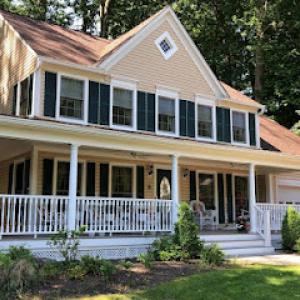
MARS Roofing, previously known as MARS Restoration, is a locally owned and operated Roofing and Siding Company specializing in weather-related damages, with a staff of trustworthy, experienced professionals with years of experience in the industry. We are located in Clinton, MD, taking pride in improving our neighborhoods and communities. We would love to make you a member of our rapidly growing family. Contact your leading Maryland roofing contractor today for a free estimate!
Neighborhood Restoration
(240) 502-0996 www.myrooflawyers.com
Serving
5.0 from 49 reviews
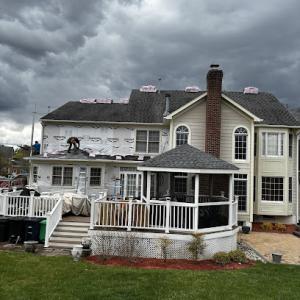
Neighborhood Restoration is a 5-star Roofing, Siding, and Gutter Contractor serving the DC, Maryland, and Virginia areas. We specialize in Home Roof Inspections and are a trusted local Roofing Contractor. Your trusted partner in preserving and enhancing your home. ⭐️Discover if you qualify for a no out-of-pocket cost roof replacement! 🏡 Call or Text anytime!
Legacy Built Exteriors ,LLC
(240) 320-2174 legacybuiltexteriors.com
Serving
5.0 from 93 reviews
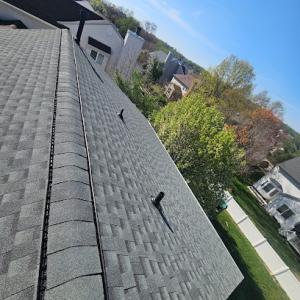
Getting your roof or siding replaced can be a daunting task. Let Legacy Built Exteriors manage the process for you. Our qualified and experienced team will make sure you get the best quality roof and siding for your home . legacy Built Exteriors where quality is our priority.
TC Dryer Vent & Air Duct Cleaning
Serving
4.9 from 47 reviews
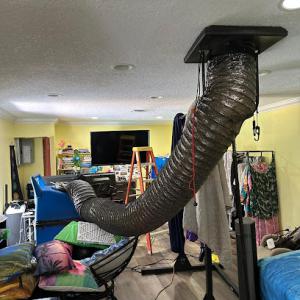
TC Dryer Vent & Air Duct Cleaning And Repair is a trusted and professional company offering comprehensive chimney sweep and repair services in the Clinton area. With a commitment to exceptional customer service and quality workmanship, we are the go-to experts for all your chimney needs. Our highly skilled team specializes in chimney sweep cleaning for residential and commercial properties. In addition to chimney sweep cleaning, we offer a wide range of chimney repair services. Our expertise covers chimney cap installation.
GRB Roofing
(443) 377-2094 www.grbroofing.com
Serving
4.9 from 179 reviews
We are a leading internal & external renovation company based in Bowie, MD! While our most popular and highest demand service is roofing installations and repairs, a large part of our business is external renovations. We replace and install siding, windows & skylights, decks, fencing projects and more. We offer 24hr emergency services for storm damage, water damage, tree damage and more. We will work with your insurance company to get your home back to 100% as quickly and painlessly as possible. Based in Maryland, we service Annapolis, Arnold, Bowie, Crofton, Davidsonville, Edgewater, Harwood, Millersville, and all surrounding areas.
DiPietri Contractors
(301) 855-2584 www.dipietricontractorsinc.com
Serving
3.9 from 14 reviews
DiPietri Contractors, Inc. is a full service residential and light commercial contracting company. We have been offering professional roofing, siding, windows, decks, additions, and more throughout the Southern Maryland area for 30 years. We service all of Southern Maryland, Baltimore County, Baltimore City, Howard County, Montgomery County, Anne Arundel County, Northern Virginia, and the entire Washington D.C. Metropolitan area.

Home Genius Exteriors
(301) 381-1768 homegeniusexteriors.com
Serving
4.8 from 1887 reviews
Elevate your home with Home Genius Exteriors, setting the standard in Maryland and Washington DC by offering full-service solutions for roofing, siding, windows, doors, gutters and insulation. We support our veterans and communities by supporting local and national charitable organizations through our Home Genius Cares initiative. With an Owens Corning® Platinum Preferred designation, we also offer flexible payment options, industry leading warranties and a wide range of premium products tailored for your home. It’s time for a different experience, entrust your next home project to a genius and schedule your free inspection today!
Mancia Roofing
(240) 665-0050 jmanciaroofing.com
Serving
5.0 from 81 reviews
Mancia Roofing specializes in top-notch roofing in Bowie MD. As a premier contractor, we are dedicated to providing residents and businesses in Bowie with high-quality roofing solutions. With years of expertise, our team ensures durability, aesthetics, and peace of mind for every project. Whether you need a simple repair or a complete roof overhaul, Mancia Roofing is your trusted partner. We use the best materials, innovative techniques, and offer unparalleled customer service. Proudly serving Bowie, our commitment to excellence has made us a household name. Choose Mancia Roofing – where your roof's integrity and your satisfaction are our top priorities.
After hail and derecho winds sweep through subdivisions and exurban pockets alike, carriers in Prince George's County often require photo documentation, inspection notes, and clear storm-date evidence before approving roof-related claims. Early documentation helps avoid gaps that can delay a claim from the initial assessment to project approval. In practice, that means start collecting concrete records the moment the storm passes, because the next steps hinge on timely, verifiable evidence.
Begin with date-stamped photos that show hail impact patterns on shingles, gutters, andflashings, plus close-ups of any visible penetrations or lifting. If the roof is accessible, take a sequence of shots from ground level and from a ladder, ensuring that the entire roof surface is visible in at least one frame. Note the direction of wind, any nearby tree damage, and the condition of exterior walls and siding that can signal debris impact. Keep inspection notes that describe felt underlayment integrity, any water staining inside the attic, and the speed of any observed leaks during a rain event. Storm-date evidence-such as meteorological data, local storm reports, or a manager's log from a neighborhood association-provides a backbone for the claim file and helps distinguish storm-caused damage from age-related wear on older asphalt systems.
For homes with aging asphalt, distinguishing recent impacts from long-term deterioration is essential. Document the progression: map areas with new granule loss, lifted shingles, or bruising that aligns with a reported hail event, versus patterns that show uniform aging or previous repairs. A dated contractor inspection or roofing professional's notes that correlate the areas of concern with the storm date strengthen the claim narrative. In practice, this means pairing photos with a concise, dated narrative from a qualified observer that connects the damage to the event rather than to general aging.
Adjuster timing can directly affect project start dates in Upper Marlboro because storm-driven claim volume rises seasonally after hail and derecho activity. Establish contact with the insurer soon after the event and provide the gathered documentation in a single, organized packet. If possible, request a preliminary inspection appointment that aligns with the most favorable window for scheduling in your area. Manage expectations for how the timeline shifts as the season peaks, and prepare to supply additional photos or notes if the adjuster requests clarifications or a second look.
When handing over documents, include a simple cover sheet that lists storm date, location, and a quick damage summary keyed to the photos. Attach the professional inspection notes if available, with clearly marked problem areas and suggested next steps. Keep a personal log of any communications with the insurer, including dates and names of representatives. This organized trail helps prevent miscommunication and supports a smoother transition from claim approval to actual roof work, particularly on homes with mixed-age shingles or concrete and clay tile features common in established and newer Prince George's neighborhoods alike. In Upper Marlboro, a well-documented claim often accelerates the path from assessment to repair.
Connect with contractors who help homeowners navigate the claims process from damage assessment to final approval.
JSK Contracting,LLC
(240) 640-3301 www.jsk93contracting.com
7409 S Osborne Rd, Upper Marlboro, Maryland
5.0 from 13 reviews
A full roof replacement in this area typically requires a building permit through Prince George's County Department of Permits, Inspections, and Enforcement. The process is designed to keep homes safe for the county's humid Mid-Atlantic climate, where freeze-thaw cycles and heavy rains can magnify vulnerabilities in roofing details. In practice, the roofing contractor commonly submits the permit application, and inspections are performed during and after the work rather than being treated as purely contractor-side paperwork. This means you should plan for some coordination time while the project is underway, rather than treating permitting as a one-and-done step.
Expect the permit to be tied to milestones in the project rather than a single approval at the outset. In Prince George's County, inspectors will track progress as the roof is installed, and this work continues to influence scheduling if any changes arise during the job. Since Upper Marlboro homes often sit on older subdivisions or newer exurban streets with varied rooflines, the inspector will verify that the installation aligns with the approved plan and current code interpretations. The timing of inspections can impact weather-driven schedules, so communication with the contractor about upcoming checks helps prevent unnecessary delays during rain events or wind lull periods.
Inspection emphasis centers on installation compliance details that affect long-term performance in this climate. Venting must be adequate to prevent attic moisture buildup and ice dam risk during cold snaps. Flashing around chimneys, skylights, and rooftop penetrations should be continuous and well-seated to resist wind-driven rain. Underlayment needs to be properly installed to provide a secondary barrier in case shingles are damaged by hail or debris. If tear-off occurs and scope changes are made to address hidden damage or to upgrade flashing and venting, those changes can affect both the schedule and the sign-off process. Proper detailing, including step-flashing on wall intersections and proper nailing patterns specified by the chosen roofing system, is essential for the final approval.
A frequent challenge is adjusting the plan after the original permit is issued. If the project scope shifts-whether due to discovering rotten sheathing, upgrading to a higher-performance underlayment, or accommodating new vent configurations-the permit may require amendments. This can slow downstream inspections, especially when county rules require re-endorsement of the revised plans. To minimize delays, keep the contractor that submitted the permit aware of any changes as early as possible, and ask for a written amendment trail. Additionally, because inspections occur during the work, scheduling around severe weather windows ensures that critical stages-deck rebuilds, starter courses, and flashing installation-are captured without weather-related rework.
Know your property's previous permits and any alterations that could affect the current project. A well-documented plan that reflects local climate considerations-venting adequacy for attic moisture control, robust flashing details, and a sound underlayment layer-helps inspectors corroborate that the roof will perform through successive storms, derecho winds, and the typical humidity cycle. Stay in touch with the contractor about upcoming inspection dates, and keep access clear to allow timely checks without delaying the project.
Asphalt shingles are the dominant practical choice for the area's suburban detached homes, where most roofs are replacement projects rather than new custom builds. The local market leans toward re-roofing, so builders and crews are familiar with standard 3-tab and architectural shingles that fit typical ceiling heights and attic layouts found in older and newer subdivisions alike. This option plays well with storm-driven cycles in Prince George's County, offering predictable installation timelines and a broad network of local crews who can handle hail and wind events efficiently. If a straightforward, proven track record matters, asphalt remains the most sensible baseline.
Metal roofing has a smaller but active niche locally, often attracting homeowners who want better wind performance and lower maintenance in a storm-prone Mid-Atlantic climate. Metal can shed heavy rain and hail more cleanly and tends to resist wind-driven uplift when installed on the right underlayment and fasteners. However, it's not a one-size-fits-all solution: sections of older homes with heavier overhangs or challenging roof geometry can complicate installs, and color choices matter for the look of established neighborhoods. If concerns about recurring storm-induced leaks and faster-than-average reroofs are a priority, metal is worth a closer look.
Tile, wood shake, and synthetic products exist in the market but are less common locally. They require careful evaluation against humidity, freeze-thaw exposure, and structural compatibility on homes not originally designed for heavier roof systems. Clay and concrete tiles bring longevity in theory, yet the weight load and potential for brittle failure in cold snaps can complicate repairs after hail. Wood shakes offer a traditional aesthetic but can struggle with humidity and insects. Synthetics may strike a balance, but performance depends on the specific product and installation quality. On many Upper Marlboro homes, these options demand a detailed structural and climate assessment before committing.
When choosing, look at the home's age and roof framing, attic ventilation, and the neighborhood's typical storm exposure. Consider past hail or derecho history and how quickly a leak appeared after storms. Weigh not just upfront appearance but long-term maintenance cycles and how easily local crews can source parts and replacements. In most cases, the tried-and-true asphalt path keeps you safer from a mid-Atlantic winter and derecho-heavy spring, with metal as a targeted upgrade for wind-prone corners or long-term durability goals.
In this market, the price bands are well defined but can shift with material selection and stock availability after big storm events. Asphalt shingles typically run about $350 to $650 per square, while metal roofs sit in the higher range at roughly $700 to $1,200 per square. If clay or concrete tiles are chosen, expect $900 to $1,800 or $900 to $1,600 per square, respectively. Wood shingles or shakes generally run $600 to $1,200 per square, and synthetic or composite shingles hover around $500 to $900 per square. These ranges reflect local supply dynamics and the tiered options commonly found in the county's older subdivisions and newer exurban neighborhoods.
Storm-season demand spikes in Prince George's County can push project pricing and scheduling upward after hail and derecho events, especially for fast-turn tear-off and dry-in work. When the weather turns rough, crews pivot to prioritize urgent leaks and damaged roof sections, which can compress timelines and raise crews' daily rates. If a hail season hits or a derecho leaves a line of damaged homes, you may see a tight window for scheduling, with lighting-fast inspections and a need for temporary protections while permits and dry-in are organized.
In this area, the replacement process often involves more than a simple repair. Besides the material costs, there are administrative steps that can add to the total, including coordination with the contractor to schedule multiple homes in the same neighborhood, adding overhead for weather holds, and ensuring the roof deck is sound before installation. This means lower-cost repair-only jobs tend to be outpaced by full replacements when storm damage is widespread. The overall experience tends to be a balance between material choice, labor intensity, and how quickly crews can complete tear-off, dry-in, and final inspections after a major wind event.
When evaluating bids, compare not only the per-square price but also what each contractor commits to in terms of tear-off speed, weather protection, and sequence of work after hail or derecho damage. Ask for a realistic schedule that accounts for potential backlogs after a storm and for how the crew will handle debris and waste on the job site. For timing, prioritize contractors who clearly spell out the fast-turn tear-off and dry-in plan, so you're not left waiting during peak storm windows.
Don't let upfront costs delay a critical repair - these contractors offer payment plans to fit your budget.
Rapid Roofing & Remodeling
(301) 266-1393 www.rapidroofingandremodeling.com
Serving
4.9 from 161 reviews

In this climate, shingle aging accelerates when attic moisture isn't properly vented, and older re-roofed homes with dense insulation can trap humidity. Hot, humid summers bake roof decks and push moisture toward the attic space, which can soften asphalt shingles and lead to premature granule loss. If attic vents are undersized or blocked by insulation, you'll notice tougher heat buildup, warped edges, and faster curling of edges after storms. Prioritize ensuring enough intake and exhaust ventilation, and keep soffit vents clear of debris so you don't feed attic moisture that can undermine roof lines over time.
Cold winters with repeated freeze-thaw cycles in this part of Maryland stress roof flashing, fasteners, and penetrations more than you might expect. When water seeps into gaps around vent pipes, chimneys, and skylights and then freezes, those gaps can widen, allowing more moisture intrusion and even small leaks to manifest after a thaw. Metal flashing corners and adhesive seams can separate, creating avenues for water to travel under shingles. The result is not just a damp attic-water damage can travel along rafters and into ceilings before a leak becomes obvious. Regular checks after strong cold snaps help catch small gaps before they become big problems.
Frequent rainfall means underlayment and drainage details are crucial in this region. A minor installation defect-too little slope, marginal sealant, or a pressed-down shingle edge-can show up quickly after a heavy rainstorm. In Upper Marlboro's mixed housing stock, older homes may have penetrations that weren't perfectly sealed during previous work, so you can't rely on appearance alone. Look for soft spots along rafters and within attic sheathing after storms, and pay attention to damp spots on ceilings following a downpour. Quick repair of small leaks can prevent widespread damage, especially around roof penetrations where water paths tend to converge.
In this market, leaks often trace to transitions rather than just field shingles. Local contractor signals show meaningful demand for skylight work, chimney-adjacent roofing, and flat or low-slope sections. When checking a replacement project, pay close attention to how flashing meets the skylight curb, how chimney flashing turns the corner of the roof, and how a low-slope transition edges into a steeper main plane. The combined effect of a mixed roofline can create a stack of vulnerable seams where water can collect and migrate.
Prince George's County inspection attention highlights flashing and venting as critical points. Ensure the roof-to-wall detail around chimneys, dormers, and skylights is integrated with proper kick-out flashing and continuous sealant lines. On a typical suburban home with porch or garage low-slope sections, verify that the edge metal, end caps, and any valley treatments are installed with correct overlap and drainage direction. Gutters and downspouts should be sized to handle heavy Atlantic rain, and downspout elbows should point away from the wall to reduce backflow risks during storms.
Many Upper Marlboro homes feature standard shingle planes combined with at-grade or slightly sloped additions. Treat each plane as its own drainage zone to prevent fast-moving leaks across transitions. For flat or low-slope areas, choose materials and detailing that tolerate standing water without excessive stripping or punctures. If a low-slope section backs up to an exterior wall or a porch, plan for a dedicated transition membrane and a robust flashing collar around any penetrations to minimize wind-driven water intrusion after hail and derecho events.
During inspection, walk the exterior edge where skylights meet shingles and where a chimney chase intersects the roof. Look for loose or missing sealant, gaps in flashing, and worn crease lines along valleys. In upgrades, consider layering additional protection at the most vulnerable seams and ensuring every penetrant has a clearly defined drainage path to prevent moisture from migrating behind siding or into attic spaces.
Find contractors experienced in skylight installation, flashing, and leak repairs to bring natural light into your home.
Rapid Roofing & Remodeling
(301) 266-1393 www.rapidroofingandremodeling.com
Serving
4.9 from 161 reviews