
Last updated: Apr 19, 2026
Large parts of the city's housing stock are attached rowhomes, which makes flat and very low-slope roof systems a central homeowner concern rather than a niche one. On a rowhome, a leak isn't isolated to a single unit; water can travel along the party wall and show up in a neighboring attic, ceiling, or closet. That means diagnosis requires looking at the entire line of homes, not just one roof edge. When a drip appears, start by inspecting the interior ceiling around the shared walls for staining, bulges, or damp patches that align with the drip line on the roof. If multiple units report similar symptoms, the source is likely at the shared junctions-flashing, parapet seals, or multipoint drainage connections. Treat the problem with a coordinated plan that involves the adjacent owner as well as any condo or co-op board, because a unilateral fix rarely stops water from finding another path.
Flat and low-slope roofs are particularly vulnerable where roof deck seams, penetrations, and terminations converge. Baltimores winters push cold air and meltwater against these joints, and freeze-thaw cycles expand and contract vulnerable materials. On aging systems, seams along the parapet, transitions to skylights, and around HVAC curbs are common failure points. Flashing must maintain a continuous, crease-free seal, and every penetration should be integrated with a compatible drainage solution. Pay special attention to drainage points, scuppers, and scupper-downspouts where blockages from leaves, silt, or ice can create standing water that seeps through any weak seam. In rowhomes, drainage directions can be tricky due to neighboring structures, so confirm that water is exiting toward a proper downspout rather than pooling near the party wall.
Baltimore's winter climate stresses aging low-slope roof seams and flashings. Elastomeric sealants can fail when exposed to repeated freeze-thaw cycles, allowing slow seepage that only becomes apparent after several storms. Regular inspection after heavy rains and after the first hard freeze adds a practical safeguard. Look for hairline cracks in sealant joints, lifted shingle edges near vents, or corrugated metal edges that no longer lay flat. When repairs are needed, choose materials that maintain flexibility at low temperatures and that pair well with surrounding deck materials to avoid differential movement. A well-done seal around every penetration, plus a maintained edge detail, can dramatically reduce hidden moisture intrusion in a rowhouse row.
With adjacent units sharing an envelope, prevention hinges on consistent maintenance across the line. Schedule seasonal inspections that cover parapet caps, edge metal, chimney or vent penetrations, and any skylights or roof-access hatches. Keep a clear drainage path by removing debris from gutters and scuppers and by testing downspouts for proper discharge away from the structure. Establish a simple, shared log for repairs so future owners understand where previous work occurred and what materials were used. In practice, a proactive, coordinated approach can minimize the chance that a small leak becomes a widespread interior issue within a connected block.
Look for damp spots along interior walls at the base of the shared boundary, sudden changes in attic humidity, or a musty odor after rain. If a leak is suspected, trace it to the roof area quickly, focusing on joints, penetrations, and the parapet line. Because water can migrate through the structure, a timely, well-documented assessment that includes both sides of the party wall increases the chances of a durable fix that holds up through the next season.
Spring in this city is no gentle transition. You get heavy spring storm rainfall that tests flat and low-slope roofs on dense rowhouse blocks, then late-summer to fall tropical-storm remnants that push water into the same weak points. Those two pressure systems can stack up quickly, turning a minor flashing seam into a steady indoor drip after a thunderstorm and then again after the next round of wind-driven rain. The mix of humid days and sudden downpours means a tiny leak today can become a soaked ceiling tomorrow if not addressed promptly. This is not about worrying potential-this is about knowing where the risk lives and acting fast when it shows up.
Flat and low-slope roofs on rowhouses concentrate water at hips, parapets, and the interior side of buildlings where ceilings meet walls. Flashings around chimneys, vent pipes, and roof-to-wall transitions are common breach points, especially after a freeze-thaw cycle and a heavy downpour. In humid summers, small flashing failures can stay quiet until a thunderstorm hits, then suddenly show themselves as interior moisture problems within hours. The worst timing targets you in quick succession: the first spring deluge, a dry spell, then a tropical remnant that pushes more water onto already-stressed joints. If your roof relies on a single layer or a shallow slope, think of every rain event as pressure testing the system. When those tests come from different directions-spring cells delivering heavy rain, tropical remnants bringing high humidity and wind-the weak links reveal themselves with urgency.
You need a plan that works when the rain won't wait for a convenient appointment. Start with a daily visual check after storms: are there new stains on ceilings, damp spots along walls, or damp patches at the attic knee walls? If a leak appears, prioritize rapid-response leak service. Local contractors that specialize in emergency repair are common and can stabilize a leak with temporary tarps, sealants, or fastened flashing repairs to keep water from migrating deeper into living spaces. If access is limited by rowhouse gaps, use temporary covers that fit snugly over suspected penetrations and secure them against the wind. For recurring leaks along low-slope sections, reinforce critical seams with exterior sealant or patch materials designed for flat roofs, but only as a stopgap until a full repair can be scheduled in a dry window.
Develop a seasonal rhythm: before spring storms, inspect exposed flashing at all penetrations and re-seal as needed with compatible materials. After a severe spring storm, conduct a quick roof walk to identify displaced granules, lifted edges, or cracked sealant at terminations. As summer fades into fall, anticipate the tropical remnant window by prioritizing rapid-response readiness: store contact information for emergency roofers, keep temporary water stops at the ready, and document leaks with photos for efficient triage. In this climate, the fastest way to reduce interior damage is to pair vigilant pre-storm checks with a reliable, ready-to-respond repair team that understands the behavior of flat and low-slope roofs under Baltimore's pressure-points. Your home's protection hinges on acting decisively when the first signs appear. If moisture shows up after a storm, treat it as an urgent signal, not a nuisance.
When you can't wait, these contractors offer fast response times to stop leaks and prevent further damage.
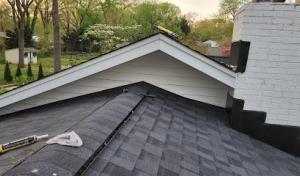
Lucas Home Improvement
(443) 628-9292 www.lucashomeimprovementllc.com
3844 8th St, Baltimore, Maryland
5.0 from 76 reviews
1st Amazon C.S.LLC/ Roofing & More
(443) 804-7105 1stamazonconstruction.com
7319 Kirtley Rd, Baltimore, Maryland
4.8 from 135 reviews
Kelbie Home Improvement Inc - Baltimore Flat Roof Services
(410) 766-3377 kelbie-roofing.com
145 W Ostend St Suite 600, Baltimore, Maryland
4.7 from 222 reviews
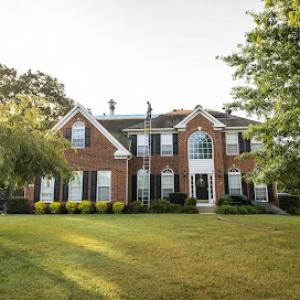
CRG Roofing & Siding
(410) 847-7663 chesapeakeremodelinggroup.com
2809 Boston St Suite 504, Baltimore, Maryland
5.0 from 507 reviews
Since 2000, Chesapeake Remodeling Group (now DBA as CRG Roofing and Siding) has been a reliable roofing company for Baltimore, Maryland residents and all surrounding areas. Whether your roof sustained damage in a recent storm or you are looking into a complete replacement as your roof nears the end of its lifespan, we’re the roofer to count on. We are a GAF Master Elite contractor affiliated with many top remodeling associations, including an A+ rating with the BBB, the National Roofing Contractors Association, and the National Association of the Remodeling Industry. We maintain our good standing with these esteemed organizations due to our commitment to always going above and beyond.
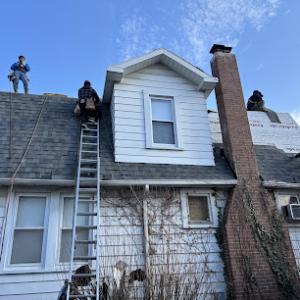
Blue Rise Baltimore Roofing
(410) 220-5559 blueriseroofing.com
4001 Clarks Ln, Baltimore, Maryland
5.0 from 132 reviews
Blue Rise Roofing is your go-to for residential and commercial roofing services. We pride ourselves in being dedicated to all things roofing. No job is too big or too small, from roof repairs or gutter repairs to a full roof replacement or gutter replacement. We offer durable quality products, and our low rates can’t be beaten, located right here in Maryland. If you have a leaky roof or wondering what condition your roof is currently in, Blue Rise Roofing provides free quotes and inspections.
Roland Slate Service
(410) 532-9037 rolandslate.com
325 W 23rd St, Baltimore, Maryland
4.9 from 311 reviews
Roland Slate Service, Inc. is a family-owned roofing contractor in Baltimore, Maryland, serving Baltimore, Annapolis, and nearby communities. They specialize in slate roofing, asphalt shingles, copper, metal, synthetic slate, cedar shake, tile, and historic roof restoration. In addition, they offer gutter installation, chimney repair, masonry, snow guards, and exterior renovations. Call Roland Slate today to schedule your free inspection and roof estimate.
Lucas Home Improvement
(443) 628-9292 www.lucashomeimprovementllc.com
3844 8th St, Baltimore, Maryland
5.0 from 76 reviews
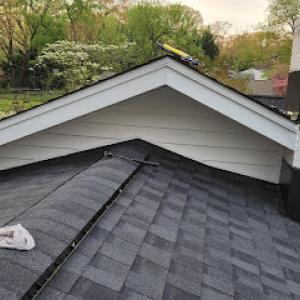
We are a small family oriented business providing quality roofing services that include expert repairs and inspections at competitive pricing. We also provide quality siding & gutter installation.
Phil DiBello Family Roofing
(410) 752-7663 www.phildibelloroofing.com
1440 E Clement St, Baltimore, Maryland
4.8 from 467 reviews
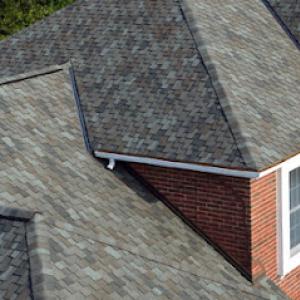
Since 1979, Phil DiBello Family Roofing has proudly delivered trusted roofing, siding, and home improvement services throughout Baltimore, Towson, Catonsville, Ellicott City, Glen Burnie, Dundalk, and surrounding areas. As a family-owned and operated business with over 500,000 satisfied customers, we’ve built our reputation on quality craftsmanship, dependable service, and unwavering commitment to excellence. From expert roof installations and repairs to durable siding and energy-efficient window solutions, our team is dedicated to protecting and enhancing your home. For homeowners across Greater Baltimore, Phil DiBello Family Roofing is the name you can trust for lasting value and peace of mind every single time.

Ruff Roofers
(410) 242-2400 www.ruffroofers.com
1420 Knecht Ave, Baltimore, Maryland
4.8 from 239 reviews
Ruff Roofers, established in 1939, has achieved a solid reputation as a skilled and experienced Maryland residential and commercial roofing contractor. We do every type of roofing both steep (shingle, slate, metal, cedar shake) and low slope (single ply and built-up). Using a philosophy provided by our founder Charles "Buck" Ruff of "creating the standard by which others are judged." Ruff Roofers is respected among the roofing industry by both colleagues and clients. You can be sure that quality workmanship, attention to detail, aesthetics and maximized efficiency balanced with safety are the focus on every one of your projects. Simply stated, we do more.
1st Amazon C.S.LLC/ Roofing & More
(443) 804-7105 1stamazonconstruction.com
7319 Kirtley Rd, Baltimore, Maryland
4.8 from 135 reviews
*FREE ESTIMATES* I am Licensed, Insured, Bonded, & Minority Certified with over (20) years of experience in this Industry. I offer the following services: -Roof Certifications -Roof Inspections -Roof Repairs (All Types of Roofing) -Roof Replacement (All Types of Roofing) -Siding -Gutters -Downspouts & more
Twins Home Improvement
(410) 256-3076 www.twinshomeimprovementllc.com
4424 Wynn Rd, Baltimore, Maryland
5.0 from 40 reviews
We are a local, family-owned business with over 25 years of experience in roofing, siding, and gutters. We serve Baltimore County, Harford County, and Howard County areas. Our goal is to provide excellent service for every customer. We strive for the best service in every aspect of our service process to deliver what we promise.

Four Twelve Roofing
(410) 989-7343 www.fourtwelvedev.com
320 E 25½ St, Baltimore, Maryland
4.7 from 521 reviews
Four Twelve Roofing has over 12 years of experience providing reliable roofing services in Baltimore, MD. As a trusted roofing company, we specialize in roof installation, repairs, and maintenance for both residential and commercial properties. In addition to roofing, we offer expert services in gutters, skylights, chimneys, siding, and deck installations. Our experienced team is dedicated to delivering quality craftsmanship, superior customer service, and long-lasting results. Whether you're in need of a new roof or home improvements, Four Twelve Roofing is your go-to roofing contractor in Baltimore, MD. Contact us today for a free consultation and estimate!
Bay Area Builders
(443) 695-6990 bayarea-builders.com
2968 Yorkway, Baltimore, Maryland
5.0 from 36 reviews
roofing and restoration
Alternative Roofing
(410) 489-9000 www.alternativeroofinginc.com
5511 Magie St, Baltimore, Maryland
4.8 from 122 reviews
Alternative Roofing, Inc. is a Maryland roofing contractor providing new replacement roofing and roofing repairs for over three decades. Prior to establishing Alternative Roofing, Inc., the two founders have had long and successful careers in commercial roofing and roofing product distribution. This mix of backgrounds allows us to provide end-to-end roofing solutions for our residential and commercial customers. We pride ourselves on being a local roofing company focused on quality and customer service. We take the time to get to know our customers without the hard-sell approach. The quality of our work speaks for itself: many of our new clients have been referred to us by their friends and family whom we helped in the past.
Kelbie Home Improvement Inc - Baltimore Flat Roof Services
(410) 766-3377 kelbie-roofing.com
145 W Ostend St Suite 600, Baltimore, Maryland
4.7 from 222 reviews
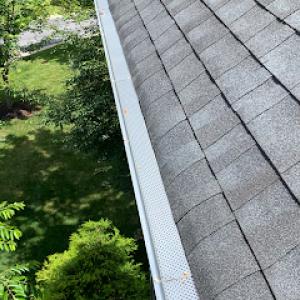
Flat roof and roof coating specialists serving Baltimore and Washington D.C., offering same-day repairs, financing, and lifetime warranties—licensed in MD, PA, and DC. VA
Baltimore's older neighborhoods still feature roofs that are more than color and trend; they are architectural statements built to last, but with quirks that asphalt simply doesn't face. Slate and clay or concrete tile behave very differently from modern shingles when the freeze-thaw cycle and heavy summer downpours keep turning moisture into a workout on every seam. If a rowhouse has a visible slate or tile roof, any repair or replacement needs careful planning-joints, flashings, underlayment, and the way the roof meets the brick or masonry are all critical. A standard asphalt approach won't move the needle in the same way, and trying to force a one-size-fits-all fix can tempt leak points that mimic a stubborn allergy to rain.
In historic or architecturally sensitive areas, even modest roof changes can trigger constraints that go beyond what a base building method might expect. The visible profile, the color and texture of slate, and the shape of tile lines carry weight in community review and building culture. It is not just about keeping water out; it's about preserving the skyline silhouette that neighbors recognize at a glance. When repairs or replacements touch the ridge line, valleys, or dormer detailing, plan for more discussion and more documented steps. Relying on quick fixes for a long-term problem often leads to recurring repairs that strain the roof structure and the ledger of the house.
Skylights in older rowhouses are a frequent source of trouble, precisely because many of these homes rely on penetrations to bring light into tight interiors. Over time, flashing hardware fails, sealants degrade, and the water follows any small weakness straight to ceiling corners or interior reveals. In Baltimore's climate, freeze-thaw cycles magnify the damage around each skylight curb. A careful, methodical approach to skylight removal or restoration should consider re-flashing with materials that tolerate thermal cycling and moisture without becoming brittle. When a skylight is part of a broader roof replacement, ensure the surrounding decking, insulation, and framing are examined for hidden rot or insect damage, not just the visible glass and frame. The result should be a durable seal that honors the scale of the home without inviting curb appeal regrets in the next storm.
Find contractors who specialize in clay and concrete tile roofs, known for their durability and curb appeal.
Roland Slate Service
(410) 532-9037 rolandslate.com
325 W 23rd St, Baltimore, Maryland
4.9 from 311 reviews
Sykes Restorations
(410) 371-8090 www.sykesrestorations.com
3109 Barclay St, Baltimore, Maryland
5.0 from 25 reviews
Fick Bros. Roofing & Exterior Remodeling Company
(410) 889-5525 www.fickbros.com
1200 E 25th St, Baltimore, Maryland
4.5 from 109 reviews
Spring and early fall are the sweet spots for full-replacement windows on rowhouse blocks with flat or low-slope roofs. Humid summers and cold, wet winters push trades to pace the work differently than in milder climates. In practical terms, plan for windows to come out of the frames as temperatures stay moderate, with drying times and sealant cures taking longer in high humidity. If you can align the project with a window vendor's spring or early fall schedule, you'll reduce the risk of heat-related delays and keep interior temperatures easier to manage during tear-out and install.
Baltimore's hot, humid summers can slow the crew's pace and affect material handling. Sealants cure faster in heat, but excessive humidity can compromise adhesive performance and wood components if moisture is high. Expect longer mornings and shorter work windows when heat or thunderstorms threaten. To minimize disruption, arrange for interior protection and ventilation planning ahead of the crew's arrival, and confirm that packaging, flashing, and insulation materials are kept in a shaded area to avoid heat-induced warping or premature setting.
Winter snow, ice, and freeze conditions can halt tear-off work and expose homes to added risk if weather shifts mid-project. When temperatures dip, glazing compound and sealants may lose elasticity, and the risk of condensation behind new units increases if interior spaces remain unheated during installation. If a cold snap is forecast, coordinate temporary interior climate control and plan for shorter, more frequent work sessions. Have a clear contingency window for weather-induced pauses and communicate a revised schedule early to reduce confusion.
The typical Baltimore block often features tight lot lines, shared walls, and limited staging space. On low-slope roofs, long runs of flashing and vent detailing may need special attention to prevent water intrusion during heavy spring rains. Ensure the crew has clear access to the exterior via sturdy ladders and a safe egress path for debris. Confirm that interior protection is in place for wallpapered or historic interiors, as older sash and trim may be particularly sensitive to dust and vibration.
Choose window products with proven performance in humid summers and freeze-thaw cycles. Look for tight, multi-point locking systems, thermal breaks, and coatings designed to resist high humidity and nighttime condensation. For homes with historic fabric or slate and tile accents nearby, select profiles that preserve sightlines and reflect the character of the block while delivering modern insulation and weather resistance.
Get a clear picture of your project costs upfront - no commitment required.
Blue Rise Baltimore Roofing
(410) 220-5559 blueriseroofing.com
4001 Clarks Ln, Baltimore, Maryland
5.0 from 132 reviews
Roland Slate Service
(410) 532-9037 rolandslate.com
325 W 23rd St, Baltimore, Maryland
4.9 from 311 reviews
1st Amazon C.S.LLC/ Roofing & More
(443) 804-7105 1stamazonconstruction.com
7319 Kirtley Rd, Baltimore, Maryland
4.8 from 135 reviews
Baltimore cost planning has to account for both standard asphalt reroofs and a meaningful share of premium slate, tile, metal, and composite projects in older and higher-end housing stock. On dense rows and porch-front homes, you'll see a wide spread: asphalt shingles often land in the low to mid range, while slate and premium composites push pricing well beyond simple per-square figures. The city's climate-humid summers with heavy downpours and winter freeze-thaw cycles-puts premium materials to the test, especially on low-slope sections and transitions.
Attached housing, tight urban access, and debris handling on dense city blocks can affect labor efficiency and cleanup logistics compared with suburban detached homes. Expect smaller crews, staged material drop zones, and careful protection of neighboring properties. Access constraints may also extend project timelines and drive small but meaningful surcharges for scaffold setup, debris containment, and transport around tight corners or narrow alleys. These factors can tilt the final price beyond the base per-square pricing you see in catalogs.
Historic roof details, low-slope sections, chimneys, and multiple roof transitions are common local complexity drivers that can push pricing beyond simple per-square comparisons. If your roof has a mix of flat or low-slope zones with standing water risk, or if it sits atop a taller rowhouse with limited eave clearance, expect higher labor time for sealing, flashing, and drainage detailing. Each transition-where slate or tile ends and asphalt begins-adds seams to seal and potential drip-edge work to complete, which must be factored into a realistic budget.
Asphalt shingles remain the most budget-friendly option, but the area also sees substantial investment in premium slate, tile, metal, and synthetic/shingle alternatives. The cost spectrum reflects not just material price but installation intricacies: slate and concrete tiles demand careful handling, ventilation considerations for older structures, and long-term performance under Baltimore's freeze-thaw stress. In practice, plan for a broader price range when choosing premium materials, especially for homes with historic detailing or multiple roof planes.
The most popular roofing material in the US. Find pros who install, repair, and replace asphalt shingles.
Roland Slate Service
(410) 532-9037 rolandslate.com
325 W 23rd St, Baltimore, Maryland
4.9 from 311 reviews
Kelbie Home Improvement Inc - Baltimore Flat Roof Services
(410) 766-3377 kelbie-roofing.com
145 W Ostend St Suite 600, Baltimore, Maryland
4.7 from 222 reviews
Sykes Restorations
(410) 371-8090 www.sykesrestorations.com
3109 Barclay St, Baltimore, Maryland
5.0 from 25 reviews
Reroof projects in the Baltimore region generally require a building permit from the City of Baltimore or the applicable surrounding county authority, so jurisdiction matters immediately. The permit process is designed to confirm that the roof assembly, venting, ice dam protection, and drainage meet local code and stormwater considerations. If the project sits inside a county line, the local county permitting office governs, but many rowhouse blocks still fall under city-adjacent oversight. Before any shovel meets shingle, verify which authority has jurisdiction for the address, and whether any historic designation or overlay exists that could shift responsibility to a preservation or planning review department.
Inspections are typically scheduled during and after the work to verify code compliance, and to ensure adequate attic ventilation and proper flashing details around parapets and dormers. In practice, you should plan for an inspection at key milestones: before materials are installed (to confirm structural suitability and roof deck condition), during mid-progress (to verify fastening, underlayment, and drainage adherences), and after completion (to confirm overall integration with gutters, downspouts, and roof-to-wall interfaces). Delays can occur if structural add-ons or significant slope changes are involved, so coordinate dates with the inspector in advance and have all required documentation ready.
Structural changes can trigger plan review rather than simple over-the-counter processing. If the project includes new load paths, changes to eave overhangs, or alterations that affect the roof frame, expect a more formal review. In tall, dense blocks, plan review helps ensure compatibility with neighboring structures and rainwater management, especially during heavy rains and freeze-thaw cycles. Prepare to submit details for decking, flashing transitions, and any retrofits to ventilation or insulation.
Some Baltimore-area neighborhoods and HOAs may impose additional approval requirements on top of the local permit process, especially where exterior appearance is regulated. Check covenants and architectural guidelines early, since color, material substitutions, or visible modifications could require approval from a neighborhood board or a preservation trust. Engaging early with the HOA can prevent work stoppages and ensure the project proceeds smoothly within the community design norms.
Insurance claims for roofs in this city market can feel like a scavenger hunt after a heavy storm. The mix of flat and low-slope rowhouse roofs, plus older homes with slate, tile, or mixed materials, means that each claim carries its own quirks. When a claim involves a storm that spikes moisture and flash flooding, adjusters will scrutinize the roof's age, its previous repairs, and the condition of eaves and parapet walls. That scrutiny is not meant to punish you, but to separate genuine recent damage from wear and long-term neglect.
Maryland carriers commonly want roof age documentation, photos, and a contractor estimate, which matters here because many homes have older roofs and mixed-material sections. A photo log showing shingles cupping, flashing gaps, or algae on low-slope areas can shift the conversation from a general complaint to a specific repair need. A detailed contractor estimate helps the adjuster quantify what it will take to restore the roof to weather-tight condition.
Adjusters may request added evidence of recent damage, especially when leaks appear after heavy rain events rather than from a single obvious catastrophic loss. In rowhouse blocks, a seemingly minor leak can reflect a broader failure at corners, joints, or transitions between materials. Gather weather dates, drip lines, and any interior staining to present a cohesive story that links rain exposure to exterior failure.
Underwriting has tightened in some lines, but there is not a broad state-wide insurer pullback specific to the region. Communicate clearly with your agent and document every step: roof age, photos from multiple angles, and an up-to-date contractor assessment to avoid delays when a storm test comes. Delays can swell costs and stress, so prepare early and keep records organized for the insurer's desk.
Connect with contractors who help homeowners navigate the claims process from damage assessment to final approval.
CRG Roofing & Siding
(410) 847-7663 chesapeakeremodelinggroup.com
2809 Boston St Suite 504, Baltimore, Maryland
5.0 from 507 reviews

Ruff Roofers
(410) 242-2400 www.ruffroofers.com
1420 Knecht Ave, Baltimore, Maryland
4.8 from 239 reviews

Twins Home Improvement
(410) 256-3076 www.twinshomeimprovementllc.com
4424 Wynn Rd, Baltimore, Maryland
5.0 from 40 reviews
On attached-rowhouse blocks, cleanup and neighbor impact matter more than on sprawling suburban lots. Fan-shaped debris or stray nails can end up in shared gutters or between tightly spaced alleys, so ask crews about their cleanup plan, waste containment, and worker etiquette. A solid crew will tarp edge exposure, contain debris at the source, and sweep thoroughly after each day's work to limit disruption for adjacent homes and passersby.
The market favors long-established firms with a track record of leak triage and steady performance under heavy rain and freeze-thaw cycles. Look for crews that can demonstrate recent work on similar rowhouses with flat or low-slope roofs, plus a reliable system for protecting interior spaces during storms. Inquire about experience with common Baltimore materials, like slate, clay, or synthetic shakes, and how those materials perform when a quick warm rain follows a cold night.
Because reroofing dominates the local scene, expect many contractors to emphasize replacement and repair rather than purely new-construction roofing. Vet whether the crew can handle both partial repairs and full roof swaps on tight properties without sacrificing ventilation, drainage, or weatherproofing. Ask for a phased plan that minimizes street-level interruptions and ensures a secure temporary cover if a multi-day job runs during a storm front.
Coordination matters more here than in more open locales. Confirm access plans for ladders, scissor lifts, and material storage that respect narrow sidewalks and shared driveways. Request a single point of contact for scheduling, site protection, and aftercare checks. A dependable crew will provide a clear timeline and keep you informed if weather delays any sequence of steps.
In this market, contractors with a reputation for rapid triage after a leak and transparent communication are highly valued. Ask for recent references from nearby blocks, and contact them about responsiveness during rain events, how they managed cleanups, and whether the work held up through freeze-thaw cycles.