Roofing in Delaware
Last updated: Feb 28, 2026
Delaware summers bake with heat and humidity, and our state still feels the bite of Atlantic storms. Coastal breezes bring salt spray that can corrode metal and wear fasteners, while rapid freeze–thaw cycles in winter push shingles and flashing to their limits. In neighborhoods from winding historic streets to newer developments, roofs here aren't one‑size‑fits‑all—they're a daily balance of wind resistance, moisture management, and cost that stands up to the seasonality of our climate. That local context is what makes roof maintenance here different from other places, and why practical, locally minded guidance matters.
This Delaware page is designed to be that neighborly, trustworthy resource. You'll get a practical read on how our climate shapes roof performance, plus material recommendations that hold up against humidity, salt air, and wind. We summarize the kinds of costs you'll see in Delaware's market, outline the permits and local regulations you're likely to encounter, and share common problems seen across our communities with straightforward fixes. You'll also find clear maintenance timelines, repair tips, and guidance on when to repair versus when replacement is the smarter choice—always with safety and long‑term value in mind.
All advice here is tailored to Delaware's conditions and backed by local resources—from code references and permitting guides to nearby suppliers and trusted contractors. Think of it as guidance from a knowledgeable neighbor who's spent years roofing in this area, offering plain‑spoken tips you can act on this season, no fluff, just what actually works here.
Let's start by looking at Delaware's climate and what it means for your roof.
Local Climate & Its Impact on Roofs
Climate Overview
Delaware's weather is influenced by its coastal location, yielding hot, humid summers and mild winters. Expect high humidity, frequent rainfall, and storms that can bring strong winds, hail in some years, and occasional snow. The Atlantic coast exposes homes to salt spray, which accelerates corrosion on certain roofing materials and fasteners. These factors shape durability, maintenance needs, and the best roof designs for the First State.
Seasonal Impacts on Delaware Roofs
- Summer heat, humidity, and UV exposure
- Asphalt shingles and sealants can deteriorate faster in hot, humid conditions. Look for granule loss, curling edges, or loose tabs after long heatwaves.
- Algae and staining (often from warm, damp summers) can affect appearance and may indicate moisture retention in shaded areas.
- Winter cold, thaw, and ice dams
- Freeze–thaw cycles can crack or delaminate roofing materials and flashing.
- Ice dams form when heat in the attic melts snowfall at the eaves, causing water to back up under shingles. Proper insulation and ventilation reduce this risk.
- Nor'easters, high winds, and tropical storms
- Delaware is susceptible to Nor'easters and tropical systems that bring gusty winds and flying debris, increasing the chance of shingle lift, flashing damage, and gutter detachment.
- Salt-laden air near the coast accelerates corrosion on metal components and fasteners if coatings are compromised.
- Coastal salt spray and corrosion
- Prolonged exposure to salt air can shorten the life of metal flashings, fasteners, and coastal‑facing surfaces. Regular inspection of metal edging, chimneys, vents, and skylines is particularly important.
Material & Design Considerations for Delaware Roofs
- Asphalt shingles
- A common choice that performs well with proper underlayment and ventilation. Ensure a quality sealant and adequate attic venting to minimize heat buildup and ice dam risk.
- Metal roofs
- Excellent wind resistance and coastal durability when coated and corrosion-protected. Check coatings periodically and inspect for hail impact or loose seams after storms.
- Clay and concrete tiles
- Durable in heat, but heavy and more prone to cracking in freeze–thaw cycles if roofing structure isn't reinforced. Not always cost-effective for typical Delaware homes.
- Underlayment, flashing, and ventilation
- A robust underlayment paired with well-sealed flashing around chimneys, vents, and skylines helps resist wind-driven water and salt intrusion.
- Sufficient attic ventilation reduces heat buildup, minimizes ice dam risk, and extends shingle life.
Maintenance & Mitigation Steps
1. Schedule a professional roof and attic inspection after major storms or every 2–3 years, whichever comes first.
2. Keep gutters and downspouts clear of leaves and debris to prevent backed water and ice dam formation.
3. Inspect and reseal flashing around chimneys, vents, and skylights; replace damaged sealant promptly.
4. Check for loose or damaged shingles after high-wind events; replace damaged tabs to prevent leaks.
5. Improve attic insulation and ventilation to reduce heat buildup and ice dam risk in winter.
Warnings & Official Resources
- Local risks to watch for
- Salt exposure near the coast can accelerate corrosion; monitor metal components and fasteners.
- Severe storms and hurricane-season remnants can cause wind uplift and water intrusion; ensure proper installation and flashing.
- Winter freeze–thaw cycles increase the chance of ice dams and shingle damage; proper insulation and ventilation mitigate the risk.
- Official resources
- NOAA/NWS Philadelphia (local weather forecasts and storm warnings):
- FEMA Flood Map Service Center (check flood zones and elevations for your property):
- Delaware Department of Natural Resources and Environmental Control (DNREC) – general information on coastal and environmental considerations:
- Delaware Weather/Coastal Resources overview (for state-specific climate guidance): https://dnrec.delaware.gov/Help/Pages/Coastal.aspx
Recommended Roofing Materials for Delaware
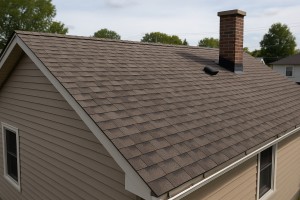
Delaware shooters a mix of humid summers, mild winters, and coastal exposure. Asphalt shingles remain the most practical choice for many homes, offering a solid balance of cost, availability, and performance. Modern architectural shingles elevate wind resistance and curb appeal without breaking the bank.
Pros:
- Affordable upfront cost and broad installer availability
- Wide color and texture options to match Delaware neighborhoods
- Good mid-range durability when installed with proper underlayment and ventilation
Cons:
- Lifespan generally 15–30 years; heavier weather exposure can shorten that
- Algae, mildew, or moss can develop in shaded coastal walls unless kept clean
- Performance hinges on proper nailing pattern, underlayment, and attic ventilation
Tips for best results:
- Choose shingles rated for higher wind speeds and ensure a quality ridge vent and air sealing
- Use algae-resistant granules and a reflective or lighter color to reduce heat buildup
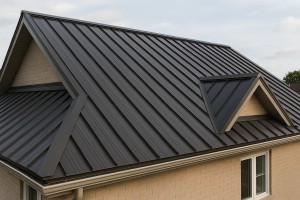
Metal options (standing-seam or slate- or shake-look profiles) are increasingly popular along Delaware's coast and inland communities. They excel in wind resistance, hail tolerance, and long-term value, and they reflect heat to reduce cooling costs.
Pros:
- Very long life (often 40–70 years) and excellent wind uplift resistance
- Lightweight and low maintenance; strong in heat and humidity
- Wide color choices and potential energy savings with reflective coatings
Cons:
- Higher upfront cost and sometimes a distinct look not suited to every home
- Dents from hail or debris can occur in certain coastal areas; coastal finishes help
- Installation quality matters more for long-term performance
Tips for best results:
- Consider a standing-seam profile for superior weatherproofing and fewer penetrations
- Use corrosion-resistant finishes suitable for salt air and coastal environments
Slate and Tile
If your Delaware home aims for a premium, long-lasting look, slate or clay/stone tile can be stunning and durable. Slate naturally resists fire and weather and can outlast many other options with proper care.
Pros:
- Exceptional longevity and timeless aesthetics
- Fire resistance and natural beauty
Cons:
- Very heavy; requires structural assessment and reinforcement
- High upfront cost and specialized installation
- Tile can crack in freeze–thaw cycles and coastal salt exposure may affect some finishes
Tips for best results:
- Ensure structural support is up to the weight; confirm appropriate underlayment and proper ventilation
- Use alternatives or synthetic slate for lighter weight and easier installation if needed
Synthetic Roofing Materials
Rubber, polymer, and composite products mimic the look of slate, shake, or tile while delivering modern performance. They're designed for durability with more forgiving installation requirements.
Pros:
- Lightweight and resilient; good impact resistance
- Often designed for long warranties and coastal exposure
- Versatile styling options to match historic or contemporary Delaware homes
Cons:
- Varied quality; warranty terms differ by brand
- Some products don't look as “authentic” as the real thing to certain buyers
Tips for best results:
- Read warranty specifics (hail resistance, color stability, and UV protection)
- Choose a reputable brand with documented performance in coastal environments
Flat Roof Options (EPDM, TPO, PVC)
If you have a flat or low-slope roof, flat-roof membranes are a common Delaware choice. They are straightforward to install and repair, especially on additions, sunrooms, or modern style homes.
Pros:
- Good water resistance when installed with proper drainage and flashing
- Generally lower material cost per square foot vs. high-slope options
- Easy to patch and sustain with routine maintenance
Cons:
- Lifespan typically shorter than pitched roof systems
- Seams and flashing require ongoing attention in humid, salty air
- Some membranes can be punctured by debris or standing water if not properly installed
Tips for best results:
- Ensure a well-planned drainage slope and regular gutter maintenance
- Select membranes with UV resistance and a proven coastal warranty
How to choose for Delaware homeowners
1) Assess exposure: wind, humidity, salt spray, and shade on the roof face
2) Check structural compatibility: weight, pitch, and underlayment needs
3) Set a budget against long-term value and maintenance expectations
4) Verify local codes, wind uplift requirements, and warranty terms
5) Hire a local pro experienced with Delaware weather and coastal environments, and request a written maintenance plan and inspection schedule
Popular Roof Styles & Architectural Trends in Delaware
Common roof styles in Delaware
- Gable roofs: The most common and cost-effective option. Simple lines mean easy repairs and good water shedding, but wind guidance matters—tie-downs and proper bracing improve performance in coastal breezes.
- Hip roofs: A favorite for seaside towns and newer suburbs because they offer better wind resistance and a balanced silhouette. They can be more complex to install and costlier, but they're often worth it in windy zones.
- Saltbox and Colonial-inspired designs: Seen in historic neighborhoods and некоторые new builds that nod to Delaware's colonial heritage. Long, low rear sections or symmetric front facades give classic curb appeal with practical water shedding.
- Gambrel and Dutch colonial touches: Found on some older homes and barn-inspired styles. They provide additional attic space and a distinctive look, but require careful flashing and maintenance to handle moisture.
Roofing materials favored in Delaware homes
- Asphalt shingles (architectural/dimensional): The workhorse of Delaware roofs. Great value, broad color choices, and modern wind and impact resistance when you select higher-rated shingles.
- Metal roofing: Standing-seam or corrugated steel/aluminum. Excellent wind resistance, long life, lighter weight on older structures, and good for low-slope sections common near the coast.
- Slate and synthetic slate: Durable, fire-resistant, and upscale. Heavy enough to demand structural assessment, but long-lasting with proper underlayment and support.
- Cedar shakes/shingles: Warm, natural look that suits historic districts and coastal cottages. Needs regular maintenance and moisture protection to prevent rot, especially in humid pockets.
- Composite/engineered shingles: A low-maintenance alternative that mimics slate or wood while offering better resistance to Delaware's moisture fluctuations.
Architectural trends shaping Delaware roofs
- Colonial revival and Cape Cod influence: Symmetry, dormers, and multi-pane accents continue to dominate in established towns, with modern upgrades like improved attic ventilation and energy-efficient underlayment.
- Coastal cottages and farmhouse blends: Wide eaves, shallow or mid-pitch roofs, and metal or dimensional shingles for durability near salt air and storms.
- Solar-ready and energy-conscious designs: More homeowners pair roofs with solar, use reflective or cool roofing colors, and choose underlayments that support long-term energy savings.
- Dormers and rooflines that maximize attic space: Cane the attic as living space or storage while maintaining proportion with the home's façade.
Climate-aware design considerations for Delaware roofs
- Wind and moisture resilience: Choose wind-rated shingles or metal options, heavy-duty underlayment, and proper flashing at hips, valleys, and chimneys.
- Ice dams and moisture management: In coastal and inland zones, ensure adequate attic insulation and ventilation to prevent ice damming and condensation.
- Proper drainage: Well-designed gutters and downspouts with secure hangers reduce overflow and splash-back on siding.
- Utilities and retrofit readiness: Plan for future solar or HVAC ducting with roof plan flexibility and accessible attic space.
Color, texture, and finish trends in Delaware
- Neutral palettes with coastal accents: Charcoal, charcoal-gray, taupe, and deep blues or greens paired with white trim are popular for a timeless look that hides weathering.
- Texture matters: Architectural shingles with dimensional texture are preferred over flat 3-tab for depth and modern curb appeal, especially on historic or newly built homes.
- Solar compatibility: Many homeowners favor low-profile solar racking and shingles that cooperate with solar panels to preserve roof integrity and appearance.
Maintenance basics for Delaware roofs
- Inspect after major storms and high-wind events to catch loose shingles or damaged flashing.
- Clean gutters 2–3 times per year to prevent water back-ups and fascia damage.
- Check flashing around chimneys, vents, and skylights for seal failures or corrosion.
- Look for curling, missing tabs, granule loss, or moss growth, and address promptly to prevent leaks.
Average Roofing Costs in Delaware
Material cost ranges in Delaware
- Asphalt shingles (standard 3-tab): $3.50–$7.00 per sq ft installed. Typical total for a 1,800–2,000 sq ft roof: roughly $6,300–$14,000.
- Architectural (dimensional) shingles: $4.50–$8.50 per sq ft installed. Expect a few thousand more than basic shingles if you opt for higher wind resistance and improved aesthetics.
- Metal roofing: $9.00–$14.00 per sq ft installed. Great for longevity and coastal exposure, with higher upfront costs but strong wind performance.
- Wood shingles/shakes: $6.00–$12.00 per sq ft installed. A traditional look with variable maintenance needs.
- Slate: $25.00–$50.00 per sq ft installed. High-end option with long life, substantial weight, and significant structural considerations.
- Clay or concrete tile: $10.00–$18.00 per sq ft installed. Durable and distinctive but heavier and more complex to install.
Note: these ranges typically assume a standard roof without extensive tear-off. If your roof requires old material removal, repairs, or significant flashing upgrades, add-ons can push costs higher.
Tear-off, disposal, and extras
- Tear-off and disposal of old roofing: $1.00–$2.50 per sq ft. If the existing roof has multiple layers or difficult access, expect the upper end of the range.
- Flashing, underlayment, and ventilation enhancements: commonly $0.50–$1.50 per sq ft extra, depending on roof complexity.
- Permits and inspections: many Delaware towns charge $200–$600 for a roof permit, with variations by municipality.
- Insulation and attic ventilation upgrades: $1.00–$2.50 per sq ft of added insulation or improved ventilation, if needed for energy performance.
Local Delaware considerations that shape cost
- Coastal exposure and salt spray: corrosion-resistant fasteners and coatings may be recommended for metal roofs; higher-grade components can affect price.
- Climate and wind: Delaware sees hot summers, nor'easters, and seasonal storms. Wind-rated shingles and robust flashing are prudent, often adding a modest premium.
- Style and historic districts: Colonial, Cape Cod, and other traditional designs are common. While asphalt remains popular, some historic homes may require specific materials or profiles to preserve curb appeal, potentially influencing choice and cost.
- Roof geometry: long spans, multiple dormers, or steep pitches increase labor time and safety measures, nudging total costs upward.
- Local crew availability: seasonal demand (spring/fall) can influence bidding and scheduling; experienced crews with coastal exposure expertise may command slightly higher rates.
Repair vs. replacement guidance
- Small repairs: minor leaks or damaged flashing typically run $150–$400, depending on accessibility and materials.
- Partial replacement: repairing localized sections can be $600–$1,200, plus any required upgrades to underlayment.
- Full replacement: aligns with the material cost ranges above, plus tear-off/disposal; expect totals in the broad ranges provided for asphalt, metal, wood, slate, or tile, depending on your choice.
Example scenarios to gauge affordability
- Scenario A: 1,800 sq ft ranch, asphalt shingles, standard removal and basic flashing. Roughly $6,000–$12,000 installed.
- Scenario B: 2,200 sq ft two-story, architectural shingles with upgraded underlayment and mid-range wind resistance. Roughly $9,000–$18,000 installed.
- Scenario C: Coastal home with metal roofing and premium corrosion-resistant fasteners. Roughly $20,000–$30,000 installed, depending on roof complexity and access.
Steps to plan your Delaware roof project (quick guide)
1. Assess roof area and pitch; estimate square footage with a contractor or by room measurements.
2. Pick a material that fits your style, climate needs, and budget; weigh wind resistance and maintenance expectations.
3. Gather at least 3 bids from licensed local roofers and verify their experience with coastal or historic homes.
4. Confirm scope: tear-off inclusion, disposal, flashing upgrades, underlayment, ventilation, and permit costs.
5. Check warranties (material and workmanship) and ensure nearby references, especially for coastal projects.
Permits & Local Regulations
Do you need a permit?
In Delaware, most residential roof replacements require a building permit from your city or county. Rules vary by jurisdiction, so it's essential to check with your local building department before you start. Some minor repairs or cosmetic updates may not need a permit, but any structural work, attic ventilation changes, or flashing alterations usually do. Treat roof work as a regulated project to stay compliant and avoid fines or rework.
Who issues permits in Delaware
Permits are issued by your local government's building department. If you live in an incorporated town or city, contact the municipal office. If you're in an unincorporated area, the county building department handles it. Because regulations vary, never assume a permit is unnecessary—verify with the right office.
What a permit typically covers
- Roof replacement with decking, underlayment, flashing, and shingles
- Structural changes to rafters or roof deck
- Ventilation, attic insulation, and ventilation changes
- Installation of skylights, chimneys, or solar equipment that affects the roof
- Any work that alters roof penetrations or drainage
Documents you may need
- Completed permit application and applicable fees
- Project description (materials, scope, dimensions)
- Contractor license number and proof of liability insurance; if you're the property owner doing the work, confirm owner-builder rules
- Plans or photos showing existing and proposed roof areas (some jurisdictions require drawings or schematic sketches)
- Evidence of property ownership (where required)
- Additional items for certain projects (e.g., structural calculations or wind-rated components)
Steps to get the permit
1. Contact your local building department to confirm permit requirements, fees, and accepted documents.
2. Prepare and submit the permit application with all requested materials.
3. Pay the permit fee and await plan review; some jurisdictions have a turnaround time of a few days to a few weeks.
4. Once approved, display or post the permit as required and coordinate with your contractor to begin work.
5. Schedule inspections at key milestones and after completion.
Inspections to expect
- Pre-inspection of roof structure or decking if required
- Framing/underlayment inspection (where applicable)
- Roofing installation inspection (flashings, roof vents, fasteners, and alignment)
- Final inspection to confirm everything is complete and compliant
Inspections ensure materials, fasteners, and ventilation meet code and that the installation will perform as designed.
- Energy code and insulation: Some Delaware jurisdictions enforce energy efficiency standards for roofing and attic spaces. Confirm requirements for insulation and ventilation.
- Asbestos awareness: If you're working on a very old roof with suspected asbestos materials, follow proper abatement procedures and permits.
- HOA or neighborhood covenants: Many associations require approval before you replace roofing materials, colors, or features visible from the exterior.
- Contractor licensing and insurance: Use a licensed contractor and verify insurance; some towns require the contractor's information on the permit.
- Owner-build allowances: If you're not hiring a contractor, verify owner-builder rules and any extra safeguards the jurisdiction requires.
After the permit is released
- Keep all permit documents and inspection reports in a safe place.
- Ensure workers display license numbers if required by your jurisdiction.
- If you need changes mid-project, obtain amendments to the permit before proceeding.
Common Roofing Problems in Delaware & Solutions
Wind Damage and Shingle Uplift
Delaware's coastal and inland storms bring strong winds that can lift shingles and loosen flashings. You may notice missing tabs, curling edges, or granules in gutters after a blow, with potential leaks at hips or ridges.
- Symptoms to look for
- Lifted or missing shingles
- Exposed underlayment or damaged flashing around vents, chimneys, and edges
- Granules accumulating in gutters
1) Schedule a prompt inspection after severe wind events and replace damaged shingles.
2) Upgrade to wind-rated shingles and follow the manufacturer's nailing pattern and local code.
3) Install edge metal and a quality underlayment to improve wind resistance.
4) Have flashing resealed or replaced where it's degraded.
Ice Dams & Winter Leaks
Ice dams can form in Delaware winters when warm attic air melts snow at the roof edge, which refreezes and traps water behind it.
- Symptoms to look for
- Icicles along eaves, damp spots on ceilings in upper rooms, or staining near walls
1) Improve attic insulation (typical targets: R-38 to R-60 by local code) and aim for a balanced ventilation system (soffit intake and ridge exhaust).
2) Seal air leaks around attic access, pipes, chimneys, and electrical penetrations.
3) Safely remove snow from the roof with a roof rake; avoid climbing on icy surfaces.
4) Consider heated roof cables only if necessary and installed by a pro.
Coastal Salt Air & Flashing Corrosion
Salt air near the coast accelerates corrosion of metal flashings, fasteners, and vents.
- Symptoms to look for
- Rust or white powder on flashings, loose sealant joints, or fasteners showing corrosion
1) Use corrosion-resistant materials (aluminum, stainless steel hardware, or copper where appropriate).
2) Re-seal and reflash problem joints and penetrations; ensure proper drainage away from the fascia.
3) Schedule regular inspections and timely replacements of vulnerable metal components.
Moss, Algae, and Roof Deterioration
Humid Delaware summers foster moss and algae on shaded sections, which can lift shingles and hold moisture.
1) Gently remove moss with a soft brush; avoid high-pressure washing that can damage shingles.
2) Install zinc or copper strips near the ridge to slow regrowth.
3) Trim tree branches to reduce shade and improve drying.
Attic Ventilation & Condensation
Poor attic ventilation leads to heat and moisture buildup, accelerating deck and shingle wear.
1) Balance intake soffit vents with ridge or exhaust vents; add baffles to keep airflow clear.
2) Ensure insulation does not block vents; aim for even coverage without gaps.
3) Periodically check for condensation on the underside of sheathing and address sources.
Clogged Gutters & Fascia Damage
Heavy rain and wind push leaves, pine needles, and dirt into gutters, causing overflows and fascia rot.
1) Clean gutters and downspouts at least twice a year; remove debris after storms.
2) Install gutter guards and ensure proper slope for quick drainage.
3) Repair or replace damaged fascia boards and sealers to prevent rot.
Pests & Animal Damage
Raccoons, squirrels, and birds can damage shingles, vents, and attic entry points.
1) Seal gaps around vents, chimneys, and roof lines; trim overhanging branches.
2) Install screens on vents and attic openings; consider professional exclusion if needed.
3) Regularly inspect for chew marks and nests and address promptly.
Wood Rot & Damaged Sheathing
Rot can develop from repeated leaks or improper drainage, compromising deck integrity.
1) Remove and replace rotted sheathing with compatible plywood/OSB; treat surrounding framing.
2) Dry out and cure the area before installing new shingles.
3) Reapply flashing and ensure a secure seal around penetrations.
Aging Roof Materials
As shingles age, granules shed, edges curl, and leaks become more likely.
1) Plan a replacement timeline based on material type and local climate.
2) Choose materials rated for Delaware wind and moisture exposure.
3) Schedule regular professional inspections to catch problems early.
Maintenance & Repair Tips for Delaware
Common Delaware Roofing Issues
- Storm and wind damage: nor'easters and tropical systems can lift shingles, loosen flashing, and bend vents.
- Heat and UV exposure: extended sun can cause asphalt granule loss and shingle aging.
- Humidity and moss/algae: coastal humidity encourages moss growth on shaded or north-facing slopes.
- Ice dams and ventilation: cold snaps plus poor attic ventilation can create ice dams and interior leaks.
- Flashing and gutters: corroded metal flashing and clogged gutters lead to water intrusion around chimneys, vents, and walls.
Seasonal Maintenance Checklist
- Spring
- Inspect for wind and hail damage; look for missing or curled shingles.
- Clean gutters and downspouts; ensure proper drainage away from the foundation.
- Check attic ventilation and insulation; restore any gaps.
- Summer
- Remove leaves, branches, and debris from the roof surface.
- Inspect seals around vents, skylights, and pipes; reseal if needed.
- Monitor for moss or algae in damp areas; treat with a mild algaecide if appropriate.
- Fall
- Re-inspect for curling, blistering, and loose nails; secure any loose shingles.
- Clean gutter debris again and ensure guards are functioning.
- Trim overhanging branches to prevent impact and moisture buildup.
- Winter
- Clear light snow carefully with a plastic roof rake; avoid walking on steep or delicate areas.
- If ice dams form, use protective stockings or heat cables only as directed and never on damaged shingles.
- Keep attic spaces sealed to minimize condensation and new ice dam risk.
Inspection and Leak Detection
- Inside the attic
- Look for dark stains, damp insulation, or dripping during rain.
- Check for musty smells that indicate hidden leaks.
- On the roof
- Inspect flashing around chimneys, vents, and skylights; reseal or replace corroded flashing.
- Look for lifted or missing shingles, granule loss, and dark streaks.
- Test downspouts and gutters for proper flow; ensure water drains away from the ledger and foundation.
- After storms
- Do a quick external check after heavy downpours or high winds; note any new gaps or bent components.
- If you see active leaks, place a temporary tarp or roofing cement patch only if you can do so safely from a ladder or ground level.
Quick Fixes You Can Do (for minor, non-structural issues)
- Loose shingle: secure with a roofing nail, driving only through the shingle into the underlying deck; cover with roof cement.
- Small crack or gap around a vent pipe: apply a liberal bead of roofing sealant and press flashing back into place.
- Flashing edge lift: reseal with self-leveling roof sealant and sealant tape; avoid permanent reliance on sealant alone.
- Gutter overflow: clear debris and verify slope; add gutter guards if debris buildup is persistent.
- Temporary tarping: for unavoidable delays in repairs, place a water-resistant tarp over the affected area, weighted down at the edges, until a professional can assess.
When to Call a Pro
- Multiple loose or missing shingles across a large area.
- Visible sagging decking or widespread leaks.
- Damaged flashing that cannot be resealed safely.
- Structural concerns in the attic, such as bowed trusses or significant moisture damage.
- Roof age exceeds its expected lifespan or specialized repairs (asphalt vs metal vs wood) are required.
Prolonging Roof Life in Delaware
- Trim trees to prevent branch damage and reduce shade that promotes moss growth.
- Keep gutters clear; ensure proper drainage away from the house.
- Maintain attic ventilation and insulation to prevent heat buildup and condensation.
- Use quality sealants and compatible materials when making repairs; follow manufacturer warranties.
- Schedule annual professional inspections to catch issues early before they become costly.
When to Repair vs. Replace
When a Repair Makes Sense in Delaware
- Small leaks, localized flashing issues, or a handful of damaged shingles are often worth repairing, especially if the rest of the roof is still in good shape.
- You've got a short horizon before the next big storm season or you're staying on a tight budget. A quick fix can buy you time until the weather cooperates for a full replacement.
- Age is favorable for repairs: if the roof is relatively young (under 12–15 years for asphalt, or near the end of a material's typical life but not past its best-before date), a targeted repair can be cost-effective.
- The problem is non-structural: failed flashing around vents or chimneys, sealant deterioration, moss or algae growth, or a few loose or missing shingles.
- Warranties and warranties alignment: if you're trying to preserve a manufacturer or workmanship warranty, targeted repairs that don't void terms can be preferable.
What to expect:
- A typical repair might involve replacing a dozen shingles, resealing a flashing vent boot, or fixing a small leak with proper flashing and sealants.
- Costs usually stay modest compared with a full roof replacement, but the right fix depends on the roof type, access, and labor in your area.
When a Replacement Is the Better Move in Delaware
- Widespread damage: extensive curling, granular loss, multiple leaks, or a sagging deck across large sections of the roof point to replacement being more economical and safer.
- Aging roof: asphalt shingles approaching 15–25 years (or more, depending on quality) in Delaware's climate are often past their prime; metal roofs near 40–70 years, tile or clay can last longer but may become unsuitable due to structural issues or expensive repairs.
- Structural concerns: signs of deck rot, warped decking, or compromised attic insulation/ventilation indicate replacement is a prudent, long-term fix.
- Energy efficiency and moisture control: replacing allows a modern underlayment, ventilation improvements, and insulation upgrades that reduce heating and cooling costs and prevent future moisture problems.
- Leaks multiply or threaten insulation: repeated leaks in multiple areas or leaks inside the attic after heavy rain or Nor'easters suggest a full roof overhaul is more reliable.
- Warranty and future protection: a new roof often restores warranty protection and can be engineered to withstand Delaware's coastal humidity, salt exposure, and wind loads better than a patched roof.
- Time and weather window: if your local weather pattern makes a proper installation window feasible, replacing now can avoid multiple repair cycles.
Delaware-Specific Factors to Consider
- Climate and exposure: coastal humidity, salt air, and Nor'easters increase wear on flashing, fasteners, and sealants; replacement with corrosion-resistant materials (like aluminum or coated steel) can be wise in coastal zones.
- Seasonal timing: aim for spring or early fall installations to avoid severe winter weather and to give sealants and underlayment time to cure properly.
- Wind and storm readiness: Delaware often experiences strong winds and occasional hail; a replacement can be designed with wind-rated shingles and reinforced underlayment for added protection.
- Code and warranty alignment: ensure materials and installation meet current IRC/IBC guidance and any local amendments, and verify that warranties remain valid after work is completed.
- Inspect and document: in coastal counties, have a thorough inspection for salt-related corrosion and deck integrity; document findings for insurance and contractor discussions.
Quick Decision Checklist
1. How old is the roof, and what material is it?
2. Is damage localized or widespread?
3. Are there signs of deck rot or attic moisture?
4. What do 2–3 contractor bids say about repair versus replacement?
5. Will a replacement improve energy efficiency or ventilation?
6. Are you near a weather window favorable for full replacement?
7. Do warranties require certain installation standards to stay valid?
Step-by-step: Decide and Proceed
1. Schedule a professional roof inspection to gauge damage, material, and deck condition.
2. Get 2–3 written repair/ replacement options with costs, timelines, and warranty details.
3. Compare immediate repair costs to projected replacement costs over the next 15–20 years, factoring in energy savings and maintenance.
4. Review your roof's age, condition, and exposure to Delaware's weather.
5. Choose the option that provides the best balance of safety, longevity, and value for your home.
When to Hire a Professional
Signs you need a pro now
- Active leaks or water staining inside your home after rain. A quick patch won't fix underlying damage, and delaying can lead to rot.
- Visible sagging, curling shingles, or significant granule loss. That's a red flag for structural issues or failed underlayment.
- Severe wind or hail damage, especially after storms common in Delaware's hurricane season (roughly June through November) or Nor'easters.
- Multiple layers of roofing or suspect asbestos-containing materials in older homes. Disturbing these without proper safety protocols is risky.
- Roof access is steep, involves complex penetrations (chimneys, skylights, vents), or you lack the proper safety equipment. Climbing on a steep, weathered roof is hazardous.
Delaware-specific weather and timing
- Best window: late spring to early fall when the weather is dry and temperatures are moderate. Wet winters and freeze-thaw cycles can complicate repairs and slow workmanship.
- Ice dam risk: winter damage can create hidden leaks or frame/attic damage. If you suspect ice damming, bring in a pro to assess insulation, ventilation, and roof integrity.
- Coastal exposure: homes near the coast face higher wind-driven rain and salt corrosion. Materials and installation details matter more here; a local pro will tailor methods for your microclimate.
- Post-storm work: after a major storm, you'll encounter more roofing scams or rushed bids. Take time to verify credentials, get written estimates, and avoid “storm chasers” who pressure you into quick decisions.
Repair vs. replacement: Delaware realities
- Minor leaks or localized damage sometimes warrant a repair, especially on newer roofs with good underlayment.
- If damage spans more than 30-50% of the roof or the underlayment/rafters show deterioration, replacement may be more cost-effective and long-lasting.
- Old roofs (over 20 years on asphalt shingles, or older if you have slate/wood with widespread wear) often justify replacement, particularly in high-wind or salt-prone areas.
Permits, codes, and insurance considerations
- Permits: most towns require a building permit for roof replacement. Check with your city or county building department (Wilmington, Dover, Newark, etc.) to confirm. A permit helps ensure proper installation and a final inspection.
- Insurance claims: if your roof damage is storm-related, you may file a claim. Your contractor should assist with documentation, but never sign an assignment before you understand the scope and costs.
- Asbestos and hazardous materials: homes built before the 1980s may contain asbestos or other hazardous materials in roofing components. Do not disturb suspected material; hire a specialized contractor for removal if needed.
How to evaluate a roofing contractor (Delaware-focused)
1. Research local reputation: read reviews from Delaware homeowners, and ask neighbors for referrals—local knowledge matters.
2. Verify licensing and permits: ask for license information (where applicable) and confirm the contractor is registered with the local building department; ensure they pull the necessary permits for your project.
3. Confirm insurance: obtain a current certificate of insurance that includes general liability and workers' compensation; list you as an additional insured if possible.
4. Get multiple written bids: detailed scope, materials, timeline, and payment schedule should be in each bid; beware vague or low-ball estimates.
5. Check references and projects: ask for recent Delaware installations similar in size and climate; visit or photograph completed work.
6. Review warranties: understand both material warranties from manufacturers and workmanship warranties from the contractor; ask for transferability and duration.
7. Read the contract carefully: include start and finish dates, cleanup expectations, debris disposal, lien waivers, and a clear change-order process.
8. Assess safety and site management: discuss roof protection, daily cleanup, and protection of landscaping and gutters; confirm that fall protection and proper anchors will be used.
9. Observe communication: a responsive contractor who explains options (underlayment, flashing details, ventilation) and materials will save headaches later.
10. After-work check-in: insist on a final walkthrough, moisture test, and a written punch list before you consider the job complete.
What to ask during an initial consult
- What ventilation and insulation improvements will accompany the roof installation?
- Do you provide a written timeline with weather contingency plans?
- How will you protect gutters, siding, and landscaping during the job?
- What are the exact material specs (shingle type, underlayment, flashing, ice/water shield) and why those choices for Delaware climactic conditions?
After the job
- Ensure you receive all warranty documents, final lien waivers, and a clean, debris-free property.
- Keep the contractor's contact information for any future warranty work or maintenance needs.
Putting A Lid On It: Roof Maintenance, Repair, and Replacement in Delaware
Delaware's coastal climate brings humidity, salty air, and a steady mix of storms that test every roof. Wind-driven rain, temperature swings, and occasional nor'easters can push wear into shingles, flashing, and underlayment. A well-maintained roof isn't just about keeping rain out—it protects your home's structure, helps with energy efficiency, and preserves your property's value. Regular attention now means fewer surprise leaks and longer life for whatever you've chosen to cover your home.
In our area, the best approach is practical, proactive care. A little seasonal checkups, attention to drainage, and prompt repair when something looks off can save big headaches later. Prioritize sealing against wind-driven rain, preventing ice dams in winter, and maintaining adequate attic ventilation to control moisture.
What to check annually or after big storms
- Shingles or panels: look for curling, cracking, or missing pieces; check granules in gutters.
- Flashing and vents: ensure step and base flashing around chimneys, skylights, and vents are intact and sealed.
- Gutters and downspouts: clear debris, ensure proper slope, and confirm downspouts direct water away from the foundation.
- Attic ventilation and insulation: verify soffit and ridge vents aren't blocked; ensure insulation isn't compressed or damp.
- Exterior cleanliness: trim branches that skim the roof and remove nearby moss or debris to prevent moisture buildup.
After severe weather
- Inspect for impact damage, lifted shingles, or dented metal.
- Look for leaks inside the attic or ceilings after heavy rain.
Materials and replacement timing
- Asphalt shingles: typical life 15–30 years depending on quality and exposure.
- Metal roofs: 40–70 years with proper maintenance.
- Tile or slate: 50+ years with good support and flashing.
If you notice frequent leaks, widespread shingle loss, or sagging, a professional evaluation is wise. Replacement decisions depend on age, damage extent, and the structure beneath (underlayment, decking, and ventilation).
Choosing a professional
- Look for licensed local roofers with solid references and insurance.
- Ask about their assessment process, warranties, and whether they address ventilation and flashing as part of the job.
- Get a written estimate and a clear project scope before any work begins.
End on a positive note
With steady, thoughtful care, your Delaware roof can stand up to our climate for many years to come. By staying engaged, asking the right questions, and partnering with trusted local pros when needed, you'll keep your home dry, energy-efficient, and beautifully protected—and you'll join a community that takes pride in long-lasting, well-tended roofs. Here's to a sturdy, beautiful roof that serves your family well for a long time.
