Last updated: Apr 19, 2026
In this coastal Maryland pocket, roofing events don't come as isolated surprises. Spring storms and fall Nor'easters are recurring roofing moments that shape your urgency and plan in Anne Arundel County's Baltimore weather corridor. The pattern here presses homeowners to act quickly after wind and hail, but also to synchronize any full replacement with milder windows when hot, humid summers and cold winters ease the process. When a storm rolls through, the clock starts ticking on protection, documentation, and the path to a proper repair or replacement.
Immediately after a storm, your first job is to stage temporary protection. Shingle wind damage often intrudes through gaps that allow water to follow the roof deck into living space. A sturdy tarp or roof cement patch can buy precious days, especially if the system is still holding but uncertain. The goal is to prevent further water intrusion while you sort next steps. Do not delay this step for a long weekend of "waiting for the weekend" when moisture can silently compound attic and ceiling damage. In Glen Burnie, the heat and humidity can accelerate interior deterioration, so protect promptly, then plan repairs during a calmer stretch.
Documentation is your strongest defense in storm- and wind-related claims. Take clear, dated photos of damaged shingles, flashing, water intrusion, and any interior signs of leakage. Photograph the entire roof from ground level and from multiple angles where safe. Keep a log of dates and weather conditions, and capture video if possible. If you have masthead vents or chimneys that show visible distress, zoom in on the metal fasteners, sealant failures, or any uplifted edges. This evidence helps insurers and contractors align expectations quickly and reduces back-and-forth in a market where contractor availability tightens after a major event.
Contractor timing is a critical local concern. After a storm, reputable crews can be snapped up fast, and arriving on short notice is not guaranteed. Expect a surge in calls and schedule pressure, but also beware of rushing into a hurried, low-budget fix. In this climate, your best path is to pre-screen a few local storm-response contractors who understand the terrain, insulation constraints, and the typical attic ventilation needs of homes in this coastal belt. Ask about how they stage repairs, the methods they use for temporary protection, and their plan to transition from temporary fixes to a full replacement when a milder window arrives. The availability of crews often hinges on nearby neighborhoods with similar storm histories, so maintain open lines of communication and document every agreement in writing.
Planning for a full replacement must consider the seasonal rhythm. June through September can feel oppressive, with heat, humidity, and daily wear that complicates long, invasive projects. Cold snaps in late fall or winter can stall material deliveries and curing times. The optimal path is to target a scheduled replacement during a window when temperatures are moderate, moisture is lower, and crews can work efficiently. Your choice of materials should account for this climate pattern: consider how shingles, metal, or tile respond to humidity and temperature swings, and align product warranties with the ability to complete the job without interruptions from extreme weather.
Finally, stay vigilant about ongoing weather forecasts. The Baltimore corridor tends to deliver back-to-back storms, and a second event can complicate an already fragile roof during the same season. If you suspect new or renewed damage after a follow-up storm, document anew and revisit contractor schedules quickly. Your best protection is action that moves from immediate containment to informed decision-making, all within the rhythm of Glen Burnie's seasonal climate.
A full roof replacement in Glen Burnie typically requires a building permit through the Anne Arundel County Department of Inspections and Permits. The permit can be pulled by either the contractor or the homeowner, which matters locally because homeowners should confirm who is responsible before work begins. If the contractor handles the permit, confirm that their license and coverage are current and that the project scope matches the permit application. If you pull it yourself, be prepared to provide details on the exact materials, roof geometry, and any add-ons like new vents or skylights. In this county, permits are not just a formality; they are the official record of a compliant installation.
Anne Arundel County inspections commonly include deck or underlayment, flashing, and final inspection stages. The deck or underlayment check verifies that the roof deck is sound, dry, and properly prepared for the chosen underlayment system. The flashing inspection focuses on transitions around chimneys, vents, skylights, and perimeters to ensure water will shed correctly. The final inspection confirms compliance after installation and ties all earlier steps together. Planning for these inspections means coordinating access for inspectors and allowing enough time between steps for any adjustments the inspector may require.
In this area, the climate and housing stock emphasize secure underlayment, solid flashing, and watertight penetrations. Nor'easter exposure, humid summers, and tidal-influenced moisture mean inspectors will scrutinize attic ventilation pathways, step flashing around dormers or rakes, and the integrity of exhaust and intake vent detailing. If the roof includes a deck above a conditioned space or a porch roof, expect a closer look at drainage details and flashing continuity. Communicate any known prior repairs or lingering leaks to the inspector ahead of time so the inspection can verify that those issues have been resolved.
Before pulling or approving the permit, conduct a simple pre-inspection checklist with your contractor: verify the roof deck condition, confirm underlayment type and coverage, map out all flashing details, and ensure attic ventilation is adequate for the chosen roof system. Have photos or notes of any previous leak areas and how they were addressed. Make sure access to the attic, crawlspace, and eaves is clear for the inspector, and keep a log of weather events that may have affected the roof recently. In Anne Arundel County, inspectors appreciate clarity about existing conditions and a transparent plan for addressing them.
Final approval marks the point at which the county recognizes the work as compliant with code requirements. Once the final inspection passes, keep the permit closure documents together with the warranty information and a record of the installed materials. If the final inspection flags issues, schedule quick follow-up work to address the concerns and arrange a re-inspection as soon as those repairs are complete. In a neighborhood where storm patterns and seasonal shifts can test a roof, securing timely inspections helps ensure the installation holds up under the next Nor'easter. The process matters as much as the workmanship, since proper permitting ties the project to local standards and future property records.
Asphalt shingles dominate the local market, which usually makes them the baseline option for homeowners comparing replacement bids. In Glen Burnie's climate, they deliver dependable performance during hot summers and Nor'easters, with straightforward installation that keeps labor costs reasonable. The typical cost range for asphalt shingles is about 350 to 650 USD per square, depending on shingle quality, underlayment, and any required ventilation work. When you're weighing bids, use asphalt as your reference point and compare premium felt, leak barriers, and nail-telemetry features to see how much value you're getting for the incremental price.
Material choice matters more locally because the market supports everything from standard asphalt to slate and tile, but heavier systems can trigger added structural and installation complexity on older area homes. Metal roofing, clay tile, concrete tile, wood shingles, and slate each push up per-square costs and can influence attic loads and required fasteners. The price ranges you'll see in bids are roughly 600 to 1200 USD per square for metal, 1200 to 2800 for clay tile, 900 to 1800 for concrete tile, 600 to 1100 for wood shingles or shakes, and 1500 to 3000 for slate. Heavy options often require reinforcing decking, improved attic ventilation, and specialized fasteners, which adds to both material and labor time.
Costs in this market can rise after regional storm events when demand surges across Anne Arundel County and the broader Baltimore metro labor pool tightens. If a storm hits and a large number of homes need roofs replaced or repaired, you may see shorter lead times but higher bids due to creaking supply chains and the need for skilled crews. If you're facing insurance-driven work after a leak or damage, expect a flurry of activity and some variability in material availability, which can affect both pricing and scheduling. It helps to gather multiple bids early and ask how each contractor handles surge pricing, lead time, and crew rotation.
For most homeowners, asphalt shingle stays the practical baseline, especially if cost and ease of replacement matter most. If a heavier system is considered, plan for possible structural upgrades and longer installation windows. In a post-storm window, confirm material availability, delivery timelines, and any added costs tied to expedited scheduling, then align choices with curb appeal, durability, and long-term maintenance needs.

Maryland Roofing Company
(410) 716-4414 marylandroofingco.com
Glen Burnie, Maryland
5.0 from 34 reviews
For trustworthy and professional roofers in Severna Park, rely on our team at Maryland Roofing Company. The roof of your home or business fulfills an important function and it's important to have confidence in the roofing company that you choose for the job. Maryland Roofing Company has been in the roofing business for over 40 years, providing customer-focused roofing service to each and every customer. Our roofers are true experts in metal and shingle roofing products. Roofing technology has advanced noticeably in recent years and our team is happy to walk you through the different materials, colors, and options you have at your disposal. Contact us today for all your professional roofing services in Severna Park and surrounding areas!
Blusky Roofing & Restoration
Glen Burnie, Maryland
5.0 from 33 reviews
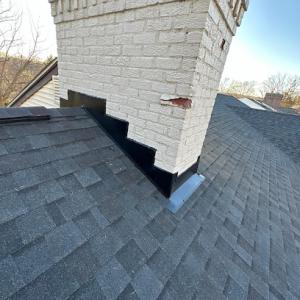
Blusky Roofing and Restoration is a versatile company specializing in Residential and Commercial roofing services. Our expertise extends to state and federal roofing and restoration projects, ensuring top-notch quality and compliance with regulatory standards. Trust us for comprehensive solutions in the roofing and restoration industry.
Glen Burnie Roofing
(410) 590-9006 www.glenburnieroofing.com
512 Crain Hwy Bay 30, Glen Burnie, Maryland
4.8 from 55 reviews
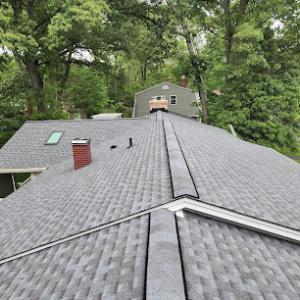
We are a "full service" roofing contractor and we will handle everything from a new roof installation, restoration and maintenance to re-roofs and repairs. All with the assurance that can solely come with years of experience.
Bob Tuttle Roofing
(443) 418-4067 www.bobtuttleroofingandgutters.com
12 Sumac Rd, Glen Burnie, Maryland
5.0 from 11 reviews
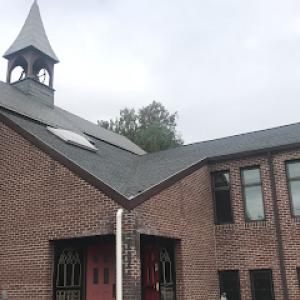
Bob Tuttle Roofing provides services for roofing repair, roofing installation, and gutter installation in the Glen Burnie, MD area.
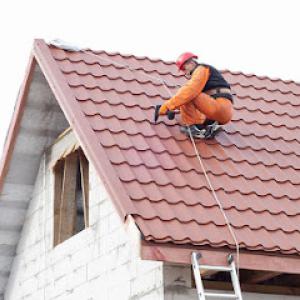
Stop Leak Roofing & Siding
7621 Baltimore Annapolis Blvd Unit A, Glen Burnie, Maryland
4.7 from 13 reviews
Stop Leak Roofing and Siding provides roofing, roofing replacement, roof repair, maintenance, commercial roofing, siding, gutter, windows & decks to the Glen Burnie, MD area. Specializing in all flat roofing systems such as rubber EPDM, TPO, torch downs, and roof coatings.
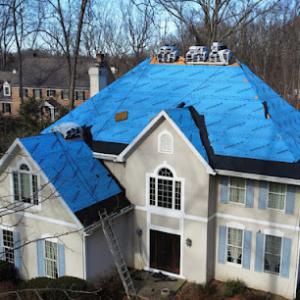
George & Sons Exterior
(443) 629-1674 georgeandsonsexteriors.com
325 Johnson Farm Ln, Glen Burnie, Maryland
4.7 from 12 reviews
George & Sons Exteriors is your go-to roofing contractor in Glen Burnie, Maryland. With over 25 years of experience, we offer homeowners peace of mind through our reliable services. Specializing in Glen Burnie roof replacement, we also handle roof repairs, siding, gutters, vinyl windows, skylights, and junk removal. As a family-owned business, we take pride in our work and our community. Whether you need a new roof or repairs, our dedicated team is here to help. We value our customers and their feedback, striving to provide excellent service every time. Start your project with George & Sons Exteriors today and see the difference we can make for your home.
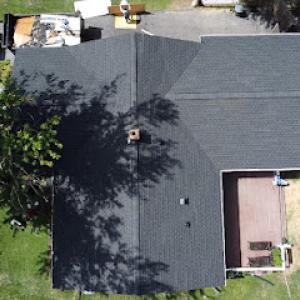
Paramount Roofing & Construction
(844) 779-7715 paramountroofingconstruction.com
Serving
5.0 from 68 reviews
Paramount Roofing & Construction is a trusted, family-owned business serving Anne Arundel, Howard, and Prince George’s County, Maryland, with over 20 years of experience. We specialize in all types of roofing, including shingles, metal, flat, and TPO, ensuring durable and high-quality results. Our services extend beyond roofing to include custom decks, home additions, remodeling, and exterior renovations. We are committed to providing exceptional craftsmanship, competitive pricing, and superior customer service. At Paramount, your satisfaction is our top priority.
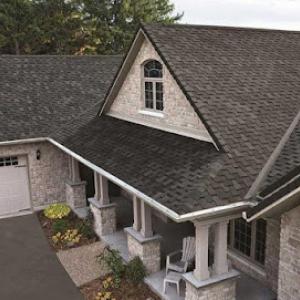
Booth Brothers Construction
(410) 647-0614 www.boothbrothersconstruction.com
Serving
4.7 from 68 reviews
Booth Brothers Construction (BBC) is a Licensed, Bonded and Insured Family Business with over 30 years experience in Roofing and Construction! We provide quality Roofing Repairs, Installation, Siding Installation even Decks, & more! (Residential & Commercial Customers throughout Anne Arundel & all surrounding areas!)

Kohn Contracting Corporation
(443) 833-4031 kohncontracting.com
Serving
5.0 from 22 reviews
Licensed in MD & D.C. | GAF-Certified | Field-Tested Pros At Kohn Contracting, we specialize in roof replacements, renovations, and proactive property care across Maryland and Washington, D.C. We're a new company — but we're field guys at heart with over 20 years of hands-on experience working for some of the region’s top firms. Now we’re doing it our way: smarter, leaner, and with service that actually shows up. Our commercial division, Property Rx™, supports property managers and building owners with preventative maintenance, leak response, and long-term capital planning. Whether it’s a full roof replacement or routine service, we help extend roof life, reduce emergency costs, and protect your bottom line.
Anne Arundel Exteriors
(410) 215-0443 annearundelexteriors.com
Serving
5.0 from 53 reviews
We offer an end-to-end client experience that includes seamless communication, budgeting, staffing, on-site organization, and solid, quality workmanship every time. We provide roof replacement, roofing replacement, roofing anne arundel county, residential roof repair, roofing repair, gutter cleaning, storm damage, insurance work,chimney repair, new decks, deck installer, siding repair, siding replacement, masonry, concrete repair, concrete driveway, concrete walkways, concrete foundation, stamped concrete and all other exterior services. MHIC Licensed and Insured. Licensed Roofing contractor, Owens Corning Roof contractor, Decking, Deck contractor
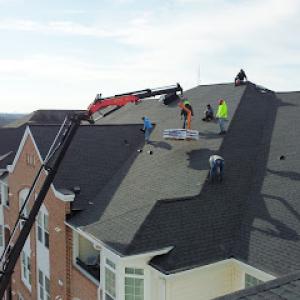
Alternative Roofing
(410) 489-9000 www.alternativeroofinginc.com
Serving
4.8 from 122 reviews
Alternative Roofing, Inc. is a Maryland roofing contractor providing new replacement roofing and roofing repairs for over three decades. Prior to establishing Alternative Roofing, Inc., the two founders have had long and successful careers in commercial roofing and roofing product distribution. This mix of backgrounds allows us to provide end-to-end roofing solutions for our residential and commercial customers. We pride ourselves on being a local roofing company focused on quality and customer service. We take the time to get to know our customers without the hard-sell approach. The quality of our work speaks for itself: many of our new clients have been referred to us by their friends and family whom we helped in the past.
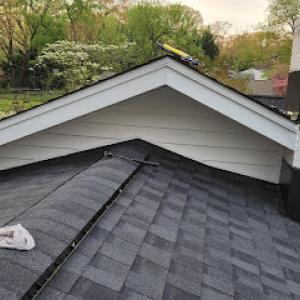
Lucas Home Improvement
(443) 628-9292 www.lucashomeimprovementllc.com
Serving
5.0 from 76 reviews
We are a small family oriented business providing quality roofing services that include expert repairs and inspections at competitive pricing. We also provide quality siding & gutter installation.
Baltimore-area humidity puts extra stress on attic ventilation strategy in Glen Burnie, especially during long summer heat spells. High humidity can drive warm, moist air into the attic, which condenses on cooler roof deck surfaces and underlayment. That condensation can accelerate plywood or OSB deterioration and invite mold growth in poorly vented spaces. A practical approach is to pair soffit intakes with ridge or turbine exhaust vents to promote continuous air exchange on hot days. In homes with vaulted ceilings or attic rooms, ensure there's an unobstructed path for air to move from eave to peak. Look for signs of inadequate ventilation: persistent humidity in the attic, musty odors, or dark staining on sheathing. If you notice those indicators after a heatwave, have a roofing pro check ridge vent integrity and soffit clearance, and consider adding baffles to keep insulation from blocking airflow.
Winter freeze-thaw cycles in this region can shorten the service life of underlayment and expose weaknesses in roof deck condition. Water that penetrates through small gaps or damaged flashing can freeze, expand, and widen those gaps with every cycle. Over time, that repeated expansion can loosen fasteners, curl shingles, or lift edges, creating pathways for water intrusion. In Glen Burnie, where winters bring mixed precipitation and fluctuating temperatures, it's wise to evaluate the underlayment and roof deck after severe snow events or rapid temperature drops. Look for granular loss on shingles, curling edges, or dark, damp spots on attic ceilings after a thaw. If the roof shows signs of moisture intrusion, address flashing around chimneys, valleys, and vent boots promptly to limit further deck exposure.
Replacement timing in Glen Burnie is often guided by avoiding both peak summer installation heat and winter cold-weather limitations. The hottest weeks of summer can compromise shingle adhesion and installer comfort, while the coldest periods impede material handling and adhesive performance. The ideal window tends to be in the shoulder seasons when days are moderate, humidity is manageable, and crews can work with steadier conditions. If a storm or leak event forces urgent roof work during summer or winter, plan for expedited ventilation and moisture management during installation, and schedule a follow-up inspection to confirm that deck and underlayment stayed dry during the process. This approach helps extend roof life and keeps attic spaces healthier between cycles. In a typical Glen Burnie home, proactive ventilation upgrades and a staged replacement plan aligned with seasonal weather patterns can make a durable difference.
In this area, the local material mix is unusually broad for a suburban market, with asphalt shingles most common but metal, slate, clay tile, concrete tile, and wood shakes all actively present. Because Glen Burnie includes a wide range of older and newer housing stock in the Baltimore suburbs, material selection often comes down to balancing storm resilience, weight, and budget rather than aesthetics alone. Homeowners should compare how each material handles humid summers, winter cycling, and wind-driven rain common to central Maryland.
Asphalt shingles remain a practical baseline choice for many homeowners in this city. They pair well with both older structures and newer builds, particularly when roof angles and attic ventilation are not extreme. In humid summers, asphalt performs reliably, and modern fiberglass options resist curling in heat. When Nor'easters or late-season storms hit, asphalt tends to be easier to repair temporarily and more forgiving to install on a tight schedule. For homes with limited attic insulation upgrades, dimensional or architectural shingles can offer a bit more durability against wind-driven rain without a heavy lift to structure or budget.
Metal stands out for storm resilience and long life. It sheds wind and rain efficiently, which matters during Nor'easter events and rapid temperature shifts. Metal's lighter weight relative to some tile options helps protect older roof structures without overburdening them. For homes in need of faster installation or where weight on the existing deck is a concern, metal can be a sensible option. The look varies from standing-seam to corrugated profiles, and color choices can influence heat absorption in peak summer. Maintenance is typically straightforward, with occasional panel seal checks and fastener inspections.
Clay tile excels in durability and fire resistance, but its heavy weight requires a reinforced underlying structure. In the Baltimore-area climate, clay tile handles heat well and can resist the humid season's wear when properly vented. For older homes with compatible framing, clay tile offers long service life and a distinctive profile. However, installation complexity and weight mean a careful assessment of the existing roof deck is essential, especially on mid- to late-era remodels.
Concrete tile combines resilience with a broad aesthetic range and heavier mass than asphalt. It holds up well against wind-driven rain and can be a robust option for mid-century and newer homes with the structural capacity, provided the supporting deck is rated for the additional weight. Concrete tiles resist moisture and temperature swings, but proper underlayment and ventilation remain crucial to prevent condensation and ice dam formation in colder periods.
Wood shakes bring a traditional look and solid insulating benefits when properly maintained, yet they require regular maintenance to prevent moisture traps and insect damage in humid summers. Slate offers outstanding durability and a premium feel, with excellent wind and moisture resistance when installed on a solid, well-sealed deck. Both options add weight and may demand a structural appraisal before installation, but they can deliver exceptional longevity when paired with appropriate flashing and attic ventilation.
Flat and low-slope roofing is a meaningful specialty in this market, where many homes balance cost, space, and aging structures. The combination of humid summers, Nor'easters, and tidal influences means seams, transitions, and penetrations bear extra stress. Your roof may look solid from the curb, but fast-moving rain can reveal soft spots, pooling, or edge failures quickly after a heavy shower. That reality makes a knowledgeable eye on flat systems essential, especially on older homes or those with multiple transitions.
Skylight repair is also a common contractor specialty locally, suggesting leak tracing around penetrations is a recurring homeowner issue. When a leak appears, the culprit isn't always the obvious daylight hole. Soldered joints, rubber seals, and curb flashing around skylights often deteriorate first, especially where shingles meet a low-slope curb or vent flashing. If water tracks along a ceiling line or finds a path around a skylight, look for deterioration at the flange, improper flashing transitions, and clogged drainage. A careful tracing effort-starting at the interior, then up to the penetration-often reveals the actual path and the best fix.
Heavy rain from Nor'easters can expose flashing and penetration failures quickly, especially on low-slope sections and roof transitions. A common pattern is water wicking under edge detailing where screens, vents, and skylight curbs meet the deck. Pay attention to ridge, corner, and fascia areas, where wind-driven spray can force moisture into seams that otherwise look intact. In these systems, the sequence of failure is rarely single-point; multiple nearby seals may be compromised, amplifying the leak path during a storm.
When you suspect a leak, document the observed gaps and moisture, and perform a cautious exterior inspection after a rain event to identify active pathways. Prioritize repairing compromised flashing, step flashing around penetrations, and any failed transitions before wrapping the issue into a larger roof replacement. Coordinating with a contractor who specializes in flat and low-slope roofs will help ensure the fix respects the unique local moisture regime and the aging components typical of homes in this area.
Find specialists in TPO, EPDM, and built-up flat roofing systems for residential and commercial properties.

Maryland Roofing Company
(410) 716-4414 marylandroofingco.com
Glen Burnie, Maryland
5.0 from 34 reviews
Stop Leak Roofing & Siding
7621 Baltimore Annapolis Blvd Unit A, Glen Burnie, Maryland
4.7 from 13 reviews
Paramount Roofing & Construction
(844) 779-7715 paramountroofingconstruction.com
Serving
5.0 from 68 reviews
Insurers serving this region commonly ask Glen Burnie homeowners for roof age, damage photos, prior claim history, quotes, and adjuster documentation before processing claims. In a coastal climate, this means answers to questions about wind-driven damage, hail marks, and any prior leaks. Have a concise timeline of events ready and identify exact areas most affected.
Because storm and wind claims are common in coastal Maryland, local homeowners often have to decide quickly whether to repair, tarp, or pursue full replacement. If you still have usable shingles, a temporary tarp can stop rain intrusion while you organize a professional assessment. Delays can complicate coverage and extend the claim cycle.
Documentation quality matters in this market because claim scrutiny can influence both payout timing and whether replacement is approved. Take time-stamped photos from multiple angles, close-ups of lifted tabs or granule loss, and a product description if you know the shingle type. Keep a simple, chronological log of weather events, contractor visits, and communications with the insurer.
Submit clear, dated estimates from licensed roofers who specialize in the local housing stock. Adjusters value independent quotes that include scope, materials, and a proposed timeline. If a claim is paused for additional information, respond with the requested documents promptly to avoid avoidable delays.
Once the claim is opened, designate a single point of contact with your insurer and your contractor. Schedule a dry weather window for an in-person inspection if the adjuster requests it, and be prepared to walk the roof with photos in hand to point out known trouble spots and prior repairs.
Connect with contractors who help homeowners navigate the claims process from damage assessment to final approval.
Maryland Roofing Company
(410) 716-4414 marylandroofingco.com
Glen Burnie, Maryland
5.0 from 34 reviews
Blusky Roofing & Restoration
Glen Burnie, Maryland
5.0 from 33 reviews
Glen Burnie Roofing
(410) 590-9006 www.glenburnieroofing.com
512 Crain Hwy Bay 30, Glen Burnie, Maryland
4.8 from 55 reviews
The local market has a strong concentration of re-roofing contractors, so you should expect many companies to focus more on replacement than niche new-construction work. That breadth means you'll see both large, seasoned outfits and smaller family-owned firms vying for your project. In practice, this translates to options that can differ in response, cleanup speed, and post-install support rather than only price. When you're evaluating bids, note how each company talks about a complete replacement plan versus a partial fix, and how they describe their cleanup process after tear-off.
Cleanup and quick response are especially prominent hiring priorities in Glen Burnie, reflecting homeowner concern about active leaks, debris, and disruption after storms. Ask each candidate to walk through their storm-day response: emergency tarping, debris containment, and how fast they can begin work after a diagnosis. Look for contractors who set clear expectations for daily cleanup, dumpster handling, and site protection for flower beds and vehicles. If a crew leaves behind loose debris or nails, that's a sign to press for tighter standards before you sign.
Long-established and family-owned firms are well represented locally, which means tenure and responsiveness are likely to matter as much as price when comparing bids. Ask about work history in the area, references from nearby neighborhoods, and how crews are dispatched to your street after a storm. Favor bidders with documented response times, a consistent supervisor on site, and a plan to minimize disruption during removal, installation, and street-facing cleanup. A contractor's willingness to explain the project timeline and to provide a single point of contact can save frustration if weather or access issues arise during the job.
Begin with a targeted list of two to four locally known firms, request a face-to-face evaluation, and insist on a written scope that covers material, roof deck preparation, teardown procedures, and cleanup details. Compare how each firm coordinates communication, storm-ready contingencies, and post-install follow-up. In Glen Burnie, you'll benefit from companies that align with community norms: reliable cleanup, prompt response, and a track record of steady, local service.
Get a clear picture of your project costs upfront - no commitment required.
Glen Burnie Roofing
(410) 590-9006 www.glenburnieroofing.com
512 Crain Hwy Bay 30, Glen Burnie, Maryland
4.8 from 55 reviews
Booth Brothers Construction
(410) 647-0614 www.boothbrothersconstruction.com
Serving
4.7 from 68 reviews