
Last updated: Apr 19, 2026
In rowhomes with tight spacing, water intrusion doesn't respect property lines. A small flashing failure on a shared or closely spaced roof can spread across multiple homes in a single storm, turning a minor dent into a quick-draw disaster. The risk is higher when neighboring roofs meet at tight angles or where gutters are blocked and water backs up onto membranes. This is not a generic attic drip issue-it's a neighborhood event waiting to happen. Look for signs of moisture along the overlapping joints where two walls meet the roof or where vertical walls butt against the roof deck. If a problem starts on one side, anticipate fast propagation to adjacent properties.
Older stock frequently features low-slope rear sections, porch roofs, and additions that were never built to the same performance standard as the main roof. These areas are culprits for ponding and premature membrane breakdown. In practice, that means a small pooled area on a rear section can undermine flashing at transitions, corners, and penetrations. Porch skirting, railing posts, and deck attachments can trap water and create hidden leaks that show up only after the first heavy rain or the spring thaw. Prioritize inspection of these zones after every significant storm, and treat any pooled water as a warning signal rather than a harmless quirk.
This climate's winter freeze-thaw cycles and spring rain events stress roof details around parapets, chimneys, and wall-to-roof transitions. Repeated temperature swings can push and pull at flashing, sealants, and counter-flashing, allowing water to bypass membranes over time. In rowhomes with shared walls, a single failed sealant bead or a loose step flashing can become a conduit for water that wicks into ceilings and shared hallways. Vulnerable transitions deserve proactive attention: re-seal around chimneys, refresh end-wall flashing where it meets parapets, and ensure counter-flashings are firmly embedded and properly integrated with the membrane.
When a leak is suspected, start with a rapid assessment: look for staining along interior walls near the ceiling line, check along penetrations (vents, flues, skylights), and inspect the most exposed parapet and edge details after a rain. If water appears at a wall-to-roof joint or around a chimney, treat it as a priority. Temporary measures-such as diverting water away from suspected seams with exterior-grade sealant on visible gaps and keeping drainage paths clear-can buy time, but do not delay a professional evaluation. In these urban roofs, small failures are not small problems; they often become widespread fast, affecting multiple units and common areas. Schedule a careful, targeted inspection of flashing, membranes, and edge details at the earliest opportunity after a storm cycle.
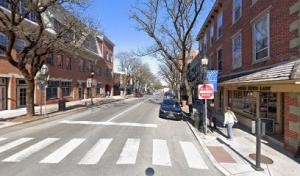
Some Wilmington re-roof projects need added review beyond a standard permit when the property is in a historic district, which can affect material choice, visible roof details, and project timing. The goal in these areas is to preserve the look and feel of the streetscape, so certain shingles, textures, or decorative elements may be restricted. You will encounter questions about slope, seam patterns, and edge details that influence what can be installed without visually altering the roof's historic character. Expect extra discussion with the review body if the roofline or dormers contribute to the district's historic value.
Historic Wilmington neighborhoods include older masonry homes where original slate, tile, or decorative roof elements may influence what replacements are acceptable or practical. A contemporary flat seam or modern, high-contrast color might clash with the courthouse steps, brickwork, or cornice lines that define these blocks. When planning, assess how the new roof will read from the street and across neighboring facades. If original materials or distinctive profiles exist, alternatives should mimic those appearances-shape, rhythm, and sheen matter as much as the retrofit's performance.
Homeowners in older city neighborhoods need to confirm approvals early because historic review can extend the timeline beyond the normal permit processing window. The clock often runs longer during the lining up of approvals, site visits, and potential changes to satisfy preservation standards. A delayed schedule can compress the remaining summer or shoulder seasons, so align your contractor's start window with anticipated clearance milestones. Delays aren't unusual, but they are predictable if the project touches approved colors, profiles, or decorative trim.
When space is tight on low-slope and rowhome roofs, coordination with neighbors and scaffold placement becomes more delicate in historic districts. Prioritize details that keep water away from masonry joints while preserving the roof's visible lines from the curb. If repairs are needed to flashing or parapets, remember that alterations to these elements can also trigger additional review, not just material substitutions. Clear documentation of the proposed roof appearance, including color choices and edge detailing, helps streamline the process and reduce back-and-forth.
Think through the approval path early: gather photos of existing details, record any distinctive cornice work, and note any previous alterations that might influence acceptability. A thoughtful package helps the review board see how the planned roof retains character while delivering reliable performance against wind, freeze-thaw cycles, and seasonal storms. In this city context, a careful, historically sensitive approach protects both the home and the neighborhood aesthetic, avoiding costly missteps and protracted timelines.
Find contractors who specialize in clay and concrete tile roofs, known for their durability and curb appeal.
N. Mallari General Contracting - New Castle, DE
(302) 516-7738 www.nmallarigc.com
Serving
4.8 from 23 reviews
A full re-roof in Wilmington normally requires a building permit issued by the City of Wilmington Department of Licenses & Inspections. That means before any tear-off or new roofing material goes on, you or your contractor must submit plans or a permit application and obtain approvals. In practice, this is not a formality: the city tracks structural changes, flashing details, and ventilation to ensure the roof will perform through freeze-thaw cycles and coastal winds. If you live in an older rowhome or a historic district property, the permit line can be a bit longer because the city wants to see that the project respects the architectural character and uses appropriate materials.
Wilmington roofing work is inspected at milestones and again at final completion rather than being treated as a purely informal replacement job. Common milestones include after deck and underlayment are in place, after primary flashing and penetrations are sealed, and after the finalized roof covering is installed. Your contractor should schedule inspections with the city as work progresses; skipping an inspection can delay the project and complicate permit closeout. The final inspection certifies that the roof system meets wind, waterproofing, and flashing standards, which is especially important for older, low-slope roofs where a small leak can become a big problem quickly in storms.
Processing can take several days to a couple of weeks in Wilmington, and projects in historic districts may need additional approvals before work can proceed. If your home is in a historic district or subject to local design review, you may face extra steps such as submitting details on flashing styles, color, and edging that align with district guidelines. Plan for this with your contractor so that scheduling accounts for potential review delays. Early coordination with the historic district commission (if applicable) can prevent rework and keep the project moving toward a timely permit path.
First, verify property eligibility and district status with the City of Wilmington L&I. Have your roof plan ready, including the scope (tear-off, type of underlayment, flashing details, venting, and drip edge) and any changes to attic insulation or ventilation. Your contractor should prepare roof details that demonstrate proper integration with existing masonry or wood frame structures, especially where parapets, step-flashings, or crown moldings exist on older buildings. If there are multiple structures on a lot, confirm whether each building requires separate permits or if a single permit covers all roofs.
Ask your contractor to provide a permit package that includes a site plan, material specifications, and flashing details tailored to low-slope, urban rooflines. Ensure the package calls out storm-resistant details-particularly in coastal-influenced areas where edge detailing and high-wind performance matter. The contractor should also outline a realistic inspection schedule and contact information for the city inspector so you know whom to reach if a milestone is approaching or if a required correction is identified.
Expect some back-and-forth between your contractor and city reviewers, especially in historic areas. Plan for a short delay after permit issuance to align scheduling with weather windows, permit inspection slots, and any required amendments. Once inspections are passed and the final is approved, retain the clearance documents with your home records. This documentation helps future work and can aid in weather-related claims or repairs years down the line.
In this market, documentation is a lot more than a photo album. Wilmington homeowners face a Delaware insurance environment where steady roof claims are tied to wind and hail events, and the paperwork can determine the outcome even when damage seems minor. Start with clear daylight photos from multiple angles, including elevated shots of the roof ridge, flashings, edge metal, and any visible hail impact marks on shingles or membranes. Note the date, time, and weather conditions when the damage was observed, and keep a simple record of any changes since the storm, such as new leaks or damp attic spots. This is not about sensational images; it's about a concise, timestamped trail that proves what you saw and when you saw it.
Insurers serving this market often want photo evidence, installation details, and proof of wind-rated underlayment and edge components when wind exposure is part of the claim. If estimating or repair begins, provide construction details: shingle type, roof slope, and any ice and water shield or underlayment used, plus the edge metal or drip edge material and how it is integrated with flashing. For older rowhomes or low-slope sections, show where the flashing seals meet masonry and where potential wind-driven water could exploit gaps. If you had recent resealing, re-nailing, or re-flashing, gather receipts or manufacturer data that confirm compatibility with your specific roof assembly. The more precise the installation notes, the stronger the claim narrative.
Claim outcomes in this area are strongly influenced by whether the roof was properly installed and whether materials carry clear warranty support. Inspectors will look for proper nailing patterns, appropriate fastener length, and continuity of wind-rated underlayment across transitions and hips. Edge components, including drip edges and rake trim, should be securely fastened and coordinated with the underlayment to prevent wind-driven water entry. If a claim hinges on the roof's wind resistance, having a documented, compliant installation and clearly transferable warranty information can be decisive. When repairs proceed, prioritize matching the existing system's wind performance and warranty coverage to protect future claims and the home's long-term resilience.
Connect with contractors who help homeowners navigate the claims process from damage assessment to final approval.
Tycos Roofing & Siding
(302) 478-9267 www.tycosgencon.com
412 Meco Dr, Wilmington, Delaware
4.9 from 362 reviews
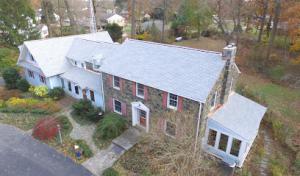
Hard Hatters Roofing Services
(302) 766-3611 www.hardhattersroofing.com
225 Maryland Ave, Wilmington, Delaware
5.0 from 93 reviews
Becker’s Roofing Siding & Chimney Contractors
(302) 205-1820 www.beckerschimneyandroofing.com
209 Main St, Wilmington, Delaware
4.9 from 302 reviews
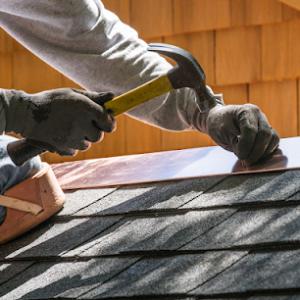
Tycos Roofing & Siding
(302) 478-9267 www.tycosgencon.com
412 Meco Dr, Wilmington, Delaware
4.9 from 362 reviews
At Tycos General Contractors, we're a full-service interior and exterior remodeling company, offering high-quality home improvement services for homeowners across South Jersey, Pennsylvania, Maryland, and Delaware. With over 100 years of experience on our team and over a decade of operating experience, we're trusted for our commitment to excellent workmanship.
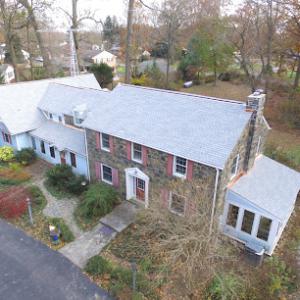
Hard Hatters Roofing Services
(302) 766-3611 www.hardhattersroofing.com
225 Maryland Ave, Wilmington, Delaware
5.0 from 93 reviews
Hard Hatters Roofing & Construction is your choice for the best licensed & insured Wilmington DE roofing contractor. Your roof is safe under our hard hats! Licensed and insured roofing and gutter contractor dedicated to providing high standard quality service for an affordable price in Northern Delaware and the surrounding areas.
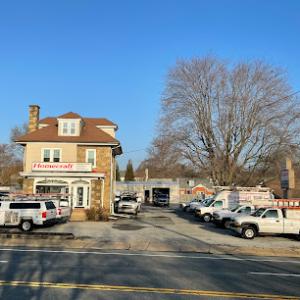
Homecraft
(302) 798-0302 www.homecraftinc.com
1407 Philadelphia Pike, Wilmington, Delaware
4.9 from 233 reviews
Since 1981, Homecraft has been helping homeowners in Delaware, southeastern Pennsylvania, Maryland and southern New Jersey transform their homes into beautiful, comfortable and energy‑efficient spaces. As a family‑owned business, we take pride in delivering craftsmanship rooted in integrity, honesty and reliability. Our services span vinyl siding, quality roofing installations, custom‑manufactured windows, stylish entry and patio doors, and expertly designed gutter systems. From the first consultation to the final inspection, we treat your home like our own, offering fair pricing, top‑tier materials and a smooth, professional experience every step of the way.

A Plus Roofing & Construction
(302) 765-7878 www.getaplusroof.com
337 Robinson Ln, Wilmington, Delaware
5.0 from 61 reviews
Looking for reliable, top-quality remodeling services in Wilmington, Delaware? You've come to the right place! At A Plus Roofing, we bring over 10 years of expertise in roofing, siding, gutters, and more. We’re proud to offer high-quality services at competitive prices, ensuring your satisfaction on every project, big or small. As a fully licensed and insured company, your protection and peace of mind are our top priorities. When you work with A Plus Roofing, you’ll communicate directly with the owner, who will oversee your project from start to finish, ensuring everything is done to the highest standards. Whether it's a minor repair or a major renovation, we’re here to help. Available 24/7, we’re always ready to meet your roofing needs.
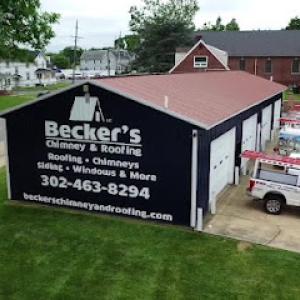
Becker’s Roofing Siding & Chimney Contractors
(302) 205-1820 www.beckerschimneyandroofing.com
209 Main St, Wilmington, Delaware
4.9 from 302 reviews
Becker’s is a full-service company offering residential and commercial roofing, siding, chimneys, windows, interior remodeling and more. Becker’s services all of Delaware along with parts of Maryland and southeastern Pennsylvania. Becker’s is truly a family-run company with owners/operators Brandon and Stefani Becker, along with Brandon's mother and father. Becker’s is rated A+ by the BBB and has received numerous accolades and awards, including GAF President’s Club, GAF Triple Excellence Award, GAF Master Elite, multiple Reader’s Choice Awards, and Pulse of the City. Take a look at the reviews, and see that Becker’s is a home improvement contractor that you can trust. Give us a call for your free estimate today.
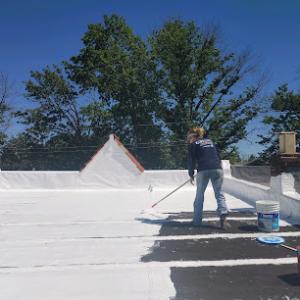
BluDog ROOFING
(302) 510-9356 www.bludogroofing.com
1704 W Newport Pike, Conrad dr 17 w, Wilmington, DE
4.9 from 114 reviews
BluDog ROOFING, LLC is a CERTIFIED SMALL, WOMAN VETERAN owned & operated business. We are PROUD to ANNOUNCE our FIVE YEAR MARKER!! Built on TENACITY, TRANSPARENCY & TRUST; BluDog ROOFING is one of the FIRST FEMALE Roofing Contractors in the State. With over 24 years experience in the DE roofing industry, owner Kimberley IS onsite for every roof install. There are NO sales gimmicks or overstayed appts listening to yet another “sales pitch”. TRUST & QUALITY WORKMANSHIP is what BluDog offers + guarantees. Competitive pricing LIFETIME WARRANTIES, we’re confident you’ll be glad you chose BDR. Check us out: FACEBOOK, BBB, Nextdoor Services: Roof replacements & Seamless Gutters LICENSED, INSURED & BONDED REFERENCES BBB Accredited A+
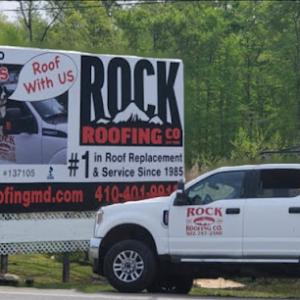
Rock Roof
(302) 757-2350 www.rockroofingde.com
109 N Dupont Rd, Wilmington, Delaware
4.9 from 107 reviews
Rock Roofing has been serving Delaware, Maryland and Pennsylvania with quality service since 1985. Contact us for roof replacement, roof repairs, storm damage or other exterior home repairs/improvement. We’re available for emergency service. We can replace or repair all roofs including asphalt shingles, cedar, slate, metal, rubber and flat.
Two Brothers Roofing
(302) 751-3455 2brothersroofingllc.com
26 Brookside Dr, Wilmington, Delaware
4.9 from 125 reviews
Two Brothers Roofing was founded with a mission to provide high-quality roofing services that are both reliable and affordable. With 14 years of experience serving the Wilmington, DE community, we have built a reputation for excellence and integrity. Our team is composed of seasoned professionals who bring a wealth of knowledge and expertise to every project. We believe that a well-crafted roof is more than just a structure; it’s a fundamental part of your home’s safety and aesthetic appeal.
J.W. Tull Contracting Services
1203 Philadelphia Pike, Wilmington, Delaware
4.8 from 230 reviews
Roofing and siding company offering new installations and repairs, along with financing.
Rain Drainz
11 Lewis Cir, Wilmington, Delaware
4.9 from 97 reviews
Rain Drainz is a family-owned and operated Wilmington, Delaware-based Roofing, Gutter, Siding, and Water Management company. Our comprehensive water management solutions to protect your property from water damage, including roofing, seamless gutters, gutter guards, gutter cleaning, and exterior French drain installation.
Thunderstruck Roofing & Restoration
(302) 298-1049 www.thunderstruckrr.com
6000 Stone Pine Rd, Wilmington, Delaware
4.9 from 82 reviews
Thunderstruck Roofing & Restoration is family-owned and serves Residential and Multi- Family clients throughout Delaware and Pennsylvania. Thunderstruck Roofing & Restoration is licensed and insured in both states. We also offer an unconditional guarantee on the work we do. We have an experienced and well-rounded team that can take on any job of any size. Our aim is to meet not only your roofing needs but ensure that the process is easy and enjoyable for you. Our company also specializes in assisting with insurance claims. When your roof is victim to a major weather event look no further than Thunderstruck! We have HAAG Certified inspectors on staff whom possess the knowledge and experience to effectively communicate with insurance.

C H Evans Roofing & Gutters Wilmington
(302) 291-1844 www.chevansroofingandguttersde.com
3524 Silverside Rd #2, Wilmington, Delaware
4.9 from 55 reviews
CH Evans Roofing and Gutters is a roofing commercial and residential company. We guarantee 100% satisfaction with the quality and aesthetic of our work. You will not only feel completely safe and protected by our expert craftsmanship, but you will also bring a whole look of life to the look and feel of your home. We customize every job we do to meet the needs of each client. Whether for a home or place of business, you will rest easy knowing that everyone under your roof is protected. We understand that using durable roofing materials that will withstand the test of time is more beneficial to everyone. We strive to help homeowners and architects alike make the best possible roofing choices with the best possible materials.
Asphalt shingles are common in this city and fit much of the pitched residential stock found on older rowhomes and more modest houses. However, the Delaware summer heat and humidity can accelerate granule wear and shorten service life if ventilation is poor. For fast, reliable protection against storm-driven leaks, prioritize a roofing system with adequate attic ventilation and a well-sealed starter course. Look for shingles with good solar reflectance or consider upgrading to architectural or impact-resistant varieties when the roof is due for replacement. In older portions of town with limited space for attic crawl spaces, be mindful of vent placement and exhaust routing to avoid creating pockets of heat that degrade the shingles and underlayment over time.
EPDM stands out for the low-slope sections and urban additions that are common in Wilmington. It handles flat or near-flat layouts where water tends to shed slowly, and it can be a practical choice when a quick, durable repair is needed after a storm. Seams, overlaps, and edge details are critical in wet seasons, so pay extra attention to fasteners, seam tapes, and proper drainage planning. In aging urban footprints, ensure the deck or substrate beneath EPDM is clean and dry before installation, and consider a reinforced or polyester facer if foot traffic or roof access is frequent. A well-sealed perimeter flashing and a deliberate crickets-and-drains approach help prevent ponding along the low-slope transitions.
Slate, clay tile, and concrete tile appear on older and higher-character homes in the area, lending distinct curb appeal. But their weight and repair complexity can raise structural and labor considerations on aging buildings. Before any replacement or major repair, verify structural capacity to carry heavy tile sets and ensure proper roof framing is in good condition. Repairs may require specialists for tile matching, broken-on replacement, and careful re-flashing around chimneys, dormers, and vent stacks. If a mid-century or historic roof uses clay or concrete tile, preserve the historic look while modernizing underlayment and drain details to improve storm resilience without compromising the architectural integrity.
In the event of a fast leak during a storm, focus on immediate ingress control: locate the source, protect valuables, and deploy temporary tarping if safe. For low-slope and EPDM areas, ensure the edge flashing is continuous and unblocked, and check for ponding that could push water toward seams. In rowhome configurations, inspect shared walls and valley areas where transitions between roof planes meet, as these points commonly become leak pathways after heavy rains or freeze-thaw cycles. Regular inspections after heavy storms help detect hairline adhesion failures and flashing gaps before they progress into larger problems.
Roofing costs in this market reflect a blend of simple suburban roofs and tighter urban rowhome projects. Access can be tight behind narrow sidewalks, and staging space may be limited when neighboring structures loom close to the eaves. Debris handling often requires careful disposal routes to side streets or alleys. In practice, that means labor prices include extra attention to maneuvering materials and protecting adjacent homes, which can raise the bottom line compared to more open sites.
Material choices drive cost differently in older parts of town. Asphalt shingles remain the most affordable, but variations in roof pitch and total square footage influence final pricing. Metal roofs, clay or concrete tiles, and even slate carry premium per square, with freight and handling sometimes adding to the bill when crews pull from urban stockrooms or limited-access yards. EPDM rubber is a viable low-slope option but still scales with roof area and edge work in dense neighborhoods.
Historic-area expectations and the presence of slate or tile on some older Wilmington homes push many projects toward specialized crews. Slates and tiles require careful removal, temporary supports, and precise flashing. Material handling elevates waste disposal and staging costs, and some jobs demand extra protection for nearby cornices, brickwork, or ornamental detailing that can complicate even routine replacements.
Storm-driven demand spikes in northern Delaware tighten scheduling and labor availability after windy spring or fall weather events, affecting pricing and lead times. If a replacement is needed after a storm, expect concurrent demand across the region and plan early to lock in crews and avoid delays during peak weeks.
Asphalt Shingles 350-700 per square, Metal 600-1200, Clay 1200-2400, Concrete 1000-2000, Slate 1800-3800, EPDM Rubber 4-8 per square foot. For budgeting, account for urban staging and, in historic or specialty installs, contingency for extra handling and skilled labor.
Get a clear picture of your project costs upfront - no commitment required.
Becker’s Roofing Siding & Chimney Contractors
(302) 205-1820 www.beckerschimneyandroofing.com
209 Main St, Wilmington, Delaware
4.9 from 302 reviews
All Roofing Solutions
(302) 725-7663 allroofingsolutionsde.com
215 N Maryland Ave, Wilmington, Delaware
4.8 from 74 reviews
Best Choice Roofing
(302) 256-0649 bestchoiceroofing.com
1604 Newport Gap Pike, Wilmington, Delaware
4.8 from 133 reviews
Winter in this market brings freeze-thaw cycles that stress flashing and make tear-off or sealing work less predictable. If a roof project must happen in cold snaps, plan for temporary heat sources and extended drying times after any sealant work. Choose a crew experienced with low-slope joints common on older rowhomes, and insist on reinforcing valleys and edge details to resist ice dams. When a freeze-thaw pattern is forecast, avoid late-season work that could leave vulnerable penetrations exposed during freeze-thaw spikes. If potential leaks appear during a cold spell, prioritize rapid temporary protection-tarps or rigid boards-to buy time until temperatures stabilize.
Spring storms in northern Delaware often bring wind and rain that interrupt schedules and expose open roof decks to weather delays. Expect delays and build a weather contingency into any project plan. For flat or low-slope roofs, ensure that parapet flashings are fully secured before heavy rains begin, and verify that penetrations like vent pipes are re-sealed promptly after any minor moving of decking. Lightweight crews should not rush critical flashing work; insist on a thorough sealant cure window and a documented process for wind-driven rain events. On exposed decks, temporary windbreaks or covering can help keep debris out while work progresses.
Hot, humid summers can affect asphalt shingle handling and installation conditions. If a tear-off or reseal coincides with sustained heat, plan for mid-day pauses and shade or misting to protect installers and materials. High humidity also limits adhesive performance, so confirm product compatibility with the ambient conditions and allow for longer cure times in the shade. For taller or multi-story rowhomes, coordinate staging carefully to minimize deck exposure and wind-driven debris.
Fall wind events can slow replacement work and complicate debris control. Schedule critical flashing revisions before peak wind periods, and keep temporary covers ready for sudden gusts. In this season, plan frequent inspections of ridge and hip lines as gusts can loosen fasteners. Build in a buffer for weather-related interruptions so a timely finish can still occur before winter.
In Wilmington, older masonry homes commonly create leak-prone intersections at chimneys and parapet walls, especially where flashing has been layered over multiple past repairs. When a chimney joint or parapet cap has multiple histories, the underlying membrane can be uneven, and each added layer can trap moisture behind corners and setbacks. The result is slow, creeping leaks that show up well after a heavy rain or during freeze-thaw cycles. If you notice damp spots near a chimney, inspect the base flashing and the transition where brickwork meets the roofline. Hidden rust on metal drip edges or loose fasteners are red flags that warrant careful resealing rather than quick patchwork. Delays in addressing these vulnerabilities often translate to more extensive masonry damage and interior stains.
Attached-city-house roof geometry often concentrates leak risk at wall transitions, rear additions, and penetrations rather than across broad open roof fields. Parapets and wall-ups can create narrow, hard-to-flash zones where water can pool and wings of flashing fail to shed it effectively. In these configurations, even small shifts from seasonal movement or nearby structural settling can open tiny gaps that let water migrate into attic joints, ceiling joints, or into the cavity behind a parapet wall. Regular checks should focus on sealant integrity where siding meets flashing, corner joints, and the top edge of parapets. If you observe efflorescence, mineral staining, or soft masonry near flashings, treat it as a warning sign that water has penetrated and needs controlled repair before broader damage spreads.
Skylights on older roof systems in this climate need careful curb and flashing integration because winter movement and spring rain can quickly expose weak detailing. A skylight sits at a critical intersection of deck, curb, and roof, where any misalignment between curb height and shingle or membrane edge invites leak paths. Ensure the curb is securely fastened, that flashing laps over the curb and seals against the roof deck, and that a weatherproof boot or collar accommodates seasonal contraction. Check for dried or cracked sealant around the skylight flange after winter and after heavy downpours. If condensation or water streaks appear on the skylight interior glass, pursue a professional assessment to verify curb integrity, flashing continuity, and the condition of any interior drip pans.
Find contractors experienced in skylight installation, flashing, and leak repairs to bring natural light into your home.
Tycos Roofing & Siding
(302) 478-9267 www.tycosgencon.com
412 Meco Dr, Wilmington, Delaware
4.9 from 362 reviews
Hard Hatters Roofing Services
(302) 766-3611 www.hardhattersroofing.com
225 Maryland Ave, Wilmington, Delaware
5.0 from 93 reviews
R C Roofing & More by Ruiz Construction
(302) 218-3582 www.ruizconstructionde.com
3405 Cranston Ave, Wilmington, Delaware
4.9 from 51 reviews
In Wilmington, the insurance environment can hinge on documentation almost as much as what the warranty promises. A solid warranty is only as good as the installer's record-keeping: material specifications, product model numbers, batch codes, and clear notes on how each piece was installed. When vendors and insurers see a complete package-spec sheets, installation guides followed, and photos tied to dates-the claim review moves smoother, especially after a storm.
Because wind-related claims are common enough in Delaware, homeowners benefit from contractors who can document underlayment choices, edge metal details, and final installation photos. Ensure the contract and final project binder include explicit notes on underlayment type, fastener patterns, color-matched edge metal, and sealant brands. Take and organize high-resolution photos from multiple angles: roof deck, valleys, vents, and perimeters during completion, and after any storm event. This tangible record helps if a leak appears near a transition or along a low-slope seam.
On Wilmington's mixed housing stock, workmanship quality at transitions and low-slope details often determines whether a roof performs as promised under warranty. Pay particular attention to how shingles or panels meet dormers, chimneys, skylights, and wrap-around porches. Insist on close-up shots of edge metal laps and flashing courses, plus notes on any deviations from the manufacturer's installation guidelines. A well-documented transition reduces ambiguity if a claim goes to warranty review, and it improves long-term leak resistance in our freeze-thaw and coastal-storm environment.
Ask for a written pre-installation plan that maps product specs to the exact roof geometry, including low-slope areas. Require a post-installation kit with the same product details, installation notes, and labeled photos tied to dates. Confirm who holds primary responsibility for warranty administration and how service calls are prioritized after a storm. This clarity keeps you protected when the weather knocks and a repair is needed fast.