
Last updated: Apr 19, 2026
In dense rowhouse blocks, your rear and main roof sections sit flat or with a shallow slope, meaning water wants to linger. The most vulnerable spots aren't the middle of the field; they're where water funnels toward hidden problems: parapet edges, internal drains, and the transitions where wall flashing meets masonry. Leaks often show up only after a hard freeze or a heavy rain when water has found tiny paths through aging materials. In Philadelphia's aging stock, you'll notice that ponding water near the parapet, clogged internal drains, and wear along the membrane at wall interfaces quickly compound into bigger leaks if not addressed promptly. If you've got a rowhouse with a shared interior wall, any movement or flashing deterioration on one side can quietly pressure the other side, creating a domino effect along the line of sight from the street.
Parapets are a bread-and-butter feature on these blocks, but they're also a prime entry point for moisture. Flashing that ties the parapet to the masonry often bears the brunt of movement and weather, and leaks frequently originate where flashing meets brick rather than in the broad expanse of the roof. Shared party-wall transitions amplify the risk: if one side's flashing is compromised, water can track along the joint and find a path into the attic or ceiling on the other side. In practice, that means you should treat the parapet and counterflashing as critical interfaces, not decorative borders. Look for cracked mortar joints at the base, rusted or loose metal flashings, and signs of efflorescence or damp along the interior edges-clear signals that moisture is sneaking in at the wall-plane.
Flat and very low-slope sections rely on a functioning drainage plan and a resilient membrane system. A clogged internal drain is a quiet killer, allowing standing water to rest against seams and field joints longer than it should. Over time, ponding accelerates membrane wear, and small breaches grow into stubborn leaks. The freeze-thaw cycle in this climate aggravates those failures at the joints, especially where counterflashing meets the wall. When temperatures swing below freezing, any water trapped near a seam expands, prying apart flashing and mortar and widening the leak path. Older roofs adjacent to brick and chimney stacks are especially susceptible, because water migrates along the wall surface and finds new cracks where mortar has degraded.
Many rowhouses sit right beside brickwork, with mortar joints that have aged decades. Freeze-thaw movement at masonry joints can open leak paths at counterflashing and wall intersections. In practice, that means even a well-sealed field membrane may fail if the perimeter details aren't kept tight. Look for gaps where the counterflashing meets the brick, loose or missing mortar between bricks at the parapet line, and signs of spalling or chipped brick near the roofline. These are not cosmetic issues; they're indicators that the wall-roof interface is letting moisture into the attic or ceiling space, which can mean insulation degradation, brief interior leaks, and higher energy losses during winter.
Inspect parapet caps and flashing at least twice a year, before winter and after heavy storms. If you notice rust, lifting, or gaps where metal meets masonry, address them promptly with a qualified roofer who understands rowhouse configurations and shared-wall dynamics. Run a simple monthly gutter and interior drain check-clear any debris from interior downspouts and confirm that internal lines drain freely, especially after heavy rain. Pay attention to interior signs: damp spots on ceilings, musty odors near party walls, or new staining that follows the line of a wall instead of a center of a room. If a leak is suspected at a wall joint, don't wait for it to worsen-arrange for a targeted inspection of parapet flashing, counterflashing, and the wall-mortar interface. In these blocks, careful attention to these edge details can prevent cascading failures that baffle even seasoned contractors.
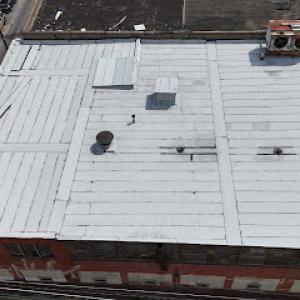
AP Roofing PA
(267) 810-7723 aproofingpa.com
2710 Devereaux Ave, Philadelphia, Pennsylvania
5.0 from 259 reviews
Welcome to Ap Roofing
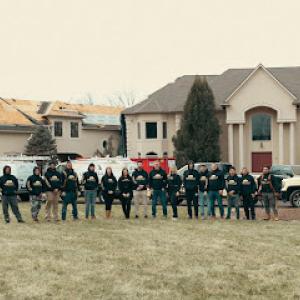
Umbrella Roofing
(215) 774-2950 www.umbrellaroof.com
13420 Damar Dr # K, Philadelphia, Pennsylvania
5.0 from 186 reviews
Umbrella Roof - Philadelphia Roofing specialists! We Service Philadelphia Roofing needs and all surrounding counties! We offer residential roofing services including: Free Estimate New Roofing Installations Insurance Claims & Restoration New Shingle Roofing New Flat Roof Roof Repair Roof Coatings Skylight Install & Repair Emergency Roofing Repairs Siding Install & Repair Gutters Install & Repair Roof and Gutter Cleanings Roofing Certifications and Diagnosis 24 point Roof Checkup 10 Year Warranty We have been in the roofing business for over 15 years. We take customer oriented approach by recommending only the services you need that will fix your issues and give the customer the most value to improve your most valuable asset - your home!
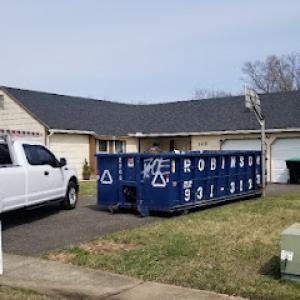
Discounted Roofing
(215) 431-2343 www.discountedroofingllc.com
2737 E Indiana Ave, Philadelphia, Pennsylvania
4.9 from 372 reviews
Trusted & Serving Philadelphia For Over A Decade, We Are Philly's Certified Premier Roofing Team,Offering All Types of Roofing, Rubber Roofs Roof Leak Repair, Roof maintenance Resealing, & Fiberized UV Aluminum/Silver Coatings, Gutters, And downspouts Skylights & More No Job is Too Big or Too Small Call Today For A Free Estimate! Fully licensed, Insured, & Certified.

Pace Roofing
(267) 548-4147 www.paceroofingphilly.com
4330 Pearce St, Philadelphia, Pennsylvania
4.9 from 242 reviews
Pace Roofing is a trusted, family-owned company serving Philadelphia, Bucks County, and nearby areas with expert roof repairs, installations, and certified roof inspections. We handle both residential and commercial projects, including new construction, using the latest technology to ensure precision and quality. Need emergency service? We offer FREE 24/7 storm damage and urgent roof repairs to keep your property protected. With free estimates and dependable service, we make it easy to know what to expect and get the job done right. We offer straightforward pricing, so you know exactly what to expect for slate tile roofing, skylight repairs, metal roofing (metal capping), and all services. Give us a call when you need help with your roof!
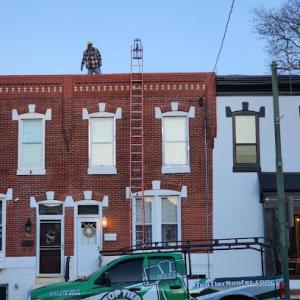
Top Tier Roofing
(215) 330-2664 toptierphilly.com
200 Jackson St, Philadelphia, Pennsylvania
4.9 from 143 reviews
Top Tier Roofing is a local professional roofing company with over 30 years of union experience. We are owner operated, based out of South Philadelphia. In addition to South Philadelphia, we also provide services to the remainder of Philadelphia and the surrounding suburbs. We pride ourselves on affordability and professionalism. Call us today for your free estimate. Whether you have a leaky roof in need of repair, or would like a quote to replace your aging roof, call Top Tier Roofing and trust our professional team to get the job done right.
Perrone Roofing
(267) 896-0711 perrone-roofing.com
Philadelphia, Pennsylvania
4.9 from 64 reviews
“At Perrone Roofing, Our expert team is dedicated to providing reliable services for Roof Replacement, Gutter installs, Roofing Repairs on Residential and Commercial properties that enhance durability and aesthetics! As an owner-operated business, we guarantee integrity, quality, and professionalism are upheld on every job, from the initial estimate to the moment our trucks leave your property! Contact us today for a FREE Roof inspection and discover why we are the preferred Roofing contractor in Philadelphia, Lafayette Hill, Plymouth Meeting, Conshohocken, Glenside, Blue Bell, Flourtown, Fort Washington, Villanova, and beyond. Let us help you safeguard your home with a roof that combines style, durability, and last
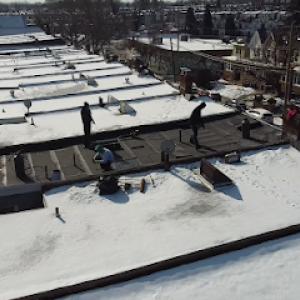
Philly Roofing & Exterior Services
(215) 799-3618 phillyroofingpros.com
1525 Cherry St, Philadelphia, Pennsylvania
5.0 from 42 reviews
With over 10 Years of experience, Philly Roofing has been serving the Philadelphia community with reliable & affordable roofing solutions. Our team is committed to quality craftsmanship & superior costumer service
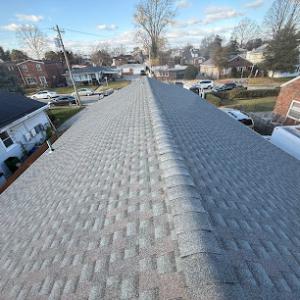
Xpert Xterior
(267) 251-4900 www.xpertxterior.com
12043 Farwell Rd, Philadelphia, Pennsylvania
5.0 from 41 reviews
Serving the greater Philadelphia, PA area, Xpert Xterior offers residential and commercial roofing solutions, including asphalt shingle and rubber roofing expertise. With siding and gutter installation services, they elevate the exteriors of properties, ensuring resilience against the elements and enhancing aesthetics. Their commitment to delivering a superior customer experience shines through in their quality materials, skilled craftsmanship, and attention to detail at every stage of their clients' projects.
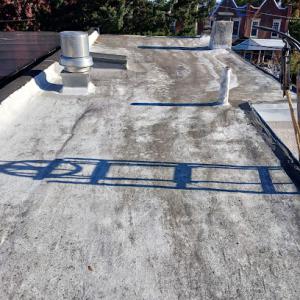
Hybrid Roofing & Renovations
(215) 807-9195 www.hybridroofingpa.com
2613 Frankford Ave, Philadelphia, Pennsylvania
4.9 from 93 reviews
Hybrid Roofing & Renovations is a local, family-owned roofing and exterior remodeling company serving Philadelphia, Bucks County, Montgomery County, Delaware County, and surrounding Pennsylvania communities. We provide reliable roof repairs, roof replacements, new roof installations, leak detection, and preventative maintenance for residential and commercial properties. Our team works with asphalt shingles, metal roofing, flat roofs, siding, gutters, stucco remediation, fiberglass, roof decks and exterior renovations. 🚨 24-Hour Emergency Roofing Service Available Contact Hybrid Roofing & Renovations today for a free inspection or estimate.
Metal Roofing Philadelphia
(267) 214-7286 www.metalroofingphiladelphia.com
2000 Market St, Philadelphia, Pennsylvania
4.9 from 55 reviews
Metal Roofing Philadelphia offers exceptional roofing services. We provide roof installation and replacement services to both commercial and residential properties in Philadelphia and surrounding areas. We work on this metal roofing types: aluminum, copper, corrugated, galvalume, galvanized, metal shake, metal shingle, metal tile, sheet metal, standing seam, steel, tin, zinc, and so on. Aside from metal roofs, we also work on other types of roofing: asphalt single, flat roofs (EPDM, TPO, PVC, etc), slate, tile, composite, cedar shake, and many more. In short, we offer ALL types of roofing services. And we're here to meet all your requirements to your satisfaction - within budget and within timeframe. Call us now for your FREE estimate!
Primo Roofing & Siding
(215) 370-0861 primoroofingandsiding.com
5918 Tulip St, Philadelphia, Pennsylvania
4.9 from 86 reviews
Primo is a top-tier roofing contractor in Philadelphia, delivering high-quality services at affordable prices with a team of trained and certified professionals. We are a licensed and insured company that has served the Philly area for over a decade. Our extensive range of services includes Free roofing estimates, installing and servicing residential and commercial roofing, using a variety of roofing materials such as asphalt shingles, metal, tile, slate, wood shingles, flat roofing, tar roofing, eco-friendly roofing, and rubber roofing. We also provide roof repairs, shingle replacements, leak fixes, and waterproofing. Additionally, we offer gutter installation and cleaning, skylight and attic venting installation, and siding services.
Rafferty Roofing
Philadelphia, Pennsylvania
4.9 from 80 reviews
Servicing the Philadelphia area for over 20 years, this is a family-owned and operated business. Here at Rafferty Roofing, we take pride in the quality of work performed in our family name. We look forward to satisfying our customers needs in a timely and efficient manner.
In Philadelphia, hot summers and cold winters drive rapid expansion and contraction of flashing, sealants, and older roof penetrations. This cycle shortens their life and raises the risk of leaks around parapets, drains, and shared-wall flashing details. Most full replacements are scheduled from spring through fall because winter freezes and snow can delay tear-off, dry-in, and inspection timing in the city. Begin planning with this window in mind, aligning weather forecasts, attic ventilation checks, and crew availability to minimize the chance of weather-driven delays.
Flat and low-slope roofs in dense rowhouse blocks rely heavily on parapet and party-wall flashing. In a climate with repeated freeze-thaw cycles, those metal welds, sealants, and joint sleeves become stress points. Expect that sealants near parapets may fail first, followed by minor leaks that creep along the wall line before dripping. A practical mitigation is to schedule a targeted inspection of flashing during mild spring weather, before heavy storms, to identify hairline failures that can worsen with the next freeze cycle. If blocks share a wall, confirm that the flashing overlaps and termination bars extend properly onto each side to prevent transfer of moisture between units.
Drains on flat roofs demand careful attention where the parapet meets the roof surface. In Philadelphia, clogged scuppers or slow-draining systems paired with temperature swings can push water onto the parapet seams and into wall flashings. During replacement planning, verify that drain assemblies are sized for seasonal rainfall and that backwater valves or expansion joints are properly installed where the roof meets the parapet. Shared-wall flashing requires precise kneewall and corbel detailing to avoid moisture migration between units. Contractors should demonstrate a drainage plan that includes temporary measures to keep water away from vulnerable seams during teardown and dry-in.
Spring storm periods and humid summer conditions can interrupt installation schedules and make attic ventilation performance more important during replacement planning. A roof project that runs into hot, humid days will stress attic vents and ridge exhaust, potentially trapping moisture under a new roof layer. Ensure attic ventilation is evaluated as part of the plan, with balance between soffit intake and ridge exhaust so that moisture does not condense under the deck during the dry-in phase. If there is significant attic moisture, consider a staged approach: dry-in first, then insulation and vent balancing once the roof is sealed.
Coordinate replacement timing to avoid the peak heat of midsummer and the wettest spring weeks. If spring rain is forecast, talk through contingency timelines with the contractor to keep the dry-in window intact. For parapet-heavy blocks, request a pre-installation walkthrough focused on flashing details, joint integrity, and wall-term bracket placement. A mid-project check-in during the first warm spell helps catch sealant or flashing failures before they expand into larger leaks. Finally, confirm that the crew understands the risk of temperature-sensitive sealants and that scheduling includes afternoons with milder afternoon temperatures to accommodate proper curing.
Find local contractors experienced in assessing and restoring roofs after hail, wind, and severe weather events.
AP Roofing PA
(267) 810-7723 aproofingpa.com
2710 Devereaux Ave, Philadelphia, Pennsylvania
5.0 from 259 reviews
Pace Roofing
(267) 548-4147 www.paceroofingphilly.com
4330 Pearce St, Philadelphia, Pennsylvania
4.9 from 242 reviews
When a storm hits, you want to move fast. Philadelphia homeowners routinely find that photo documentation, roof-age records, and professional estimates make the claim process smoother and closer to a fair settlement. Start by photographing all exposed roof surfaces, flashing details around parapets, and any visible interior leaks traced to roof penetrations. Keep a dated log of prior repairs and the age of each roof component. Gather contractor or licensed roofer estimates for the same scope of work, so your insurer sees a clear, apples-to-apples comparison.
Spring hail and gusty wind events are a key local trigger for shingle loss, flashing damage, and leak calls, especially on older roofs already weakened by winter weather. In rowhouse blocks, shared-wall flashing and parapet junctions bear the heaviest stress, and even small wind gusts can peel shingle tabs or expose underlayment. After a storm, walk the attic if access exists to spot daylight, moisture stains, or crushed decking. If you notice a handful of curled shingles or lifted flashing, treat it as a warning sign rather than a cosmetic issue.
Because carriers scrutinize older roofs and some legacy materials more closely, Philadelphia owners benefit from documenting pre-storm condition before severe weather season. If you have photos or notes from pre-storm inspections, share them with your adjuster alongside the claim. This can help establish baseline condition and may reduce disputes about pre-existing problems. Consider a quick professional check before spring storms-failing flashing around a parapet or a compromised drip edge can dramatically change a claim outcome once the wind starts.
If you suspect damage, limit further exposure by covering compromised areas with a sturdy, temporary tarp or plywood, then contact a local, reputable roofer for an inspection within 48 to 72 hours if possible. Provide the insurer with a concise damage summary, including dates, locations of leaks, and a prioritized repair plan. Keep every receipt, note any weather delays, and store all correspondence in a dedicated claim file. A prompt, well-documented response reduces back-and-forth and helps ensure the claim reflects the true scope of storm-related damage.
Find local contractors experienced in assessing and restoring roofs after hail, wind, and severe weather events.
AP Roofing PA
(267) 810-7723 aproofingpa.com
2710 Devereaux Ave, Philadelphia, Pennsylvania
5.0 from 259 reviews
Pace Roofing
(267) 548-4147 www.paceroofingphilly.com
4330 Pearce St, Philadelphia, Pennsylvania
4.9 from 242 reviews
Asphalt Shingles 350 to 550 USD per square, Metal Roofing 700 to 1100 USD per square, Clay Tile 900 to 1500 USD per square, Concrete Tile 800 to 1300 USD per square, Wood Shingles or Shakes 450 to 900 USD per square, Slate 1200 to 2500 USD per square. These figures reflect typical Philadelphia-area bids and account for the tight urban sites, abundant parapets, and the need to stage materials carefully on narrow rows. When you compare options, match the material to your roof's slope, parapet details, and long-term maintenance needs, not just the upfront price.
Costs often rise on attached homes where tight urban access complicates tear-off, debris handling, and protection of neighboring properties. In a rowhouse, crews must carefully haul away debris through limited access points, and most work must be staged on small roofs with limited swing room. Parapet and party-wall flashing details require extra attention to prevent leaks at transitions, and multiple roof levels add labor time. The bigger the complexity of the roof interface-chimneys, masonry interfaces, and offset parapets-the more labor and safety measures impact the overall price. Expect longer project windows and more protective equipment, which translates into higher daily rates.
Older rowhouses and historic-era homes tend to push costs up because crews navigate irregular roof shapes, parapets, and historic flashings. That means more hand-access, custom flashings, and careful re-sealing around masonry. When estimating, ask for itemized line items for parapet flashing, masonry interfaces, and any re-flashing required on party walls. If your roof would otherwise be a straightforward deck and drain replacement, the urban reality adds variables that commonly elevate both time and material handling expenses.
Get three local bids and verify who will handle tear-off, debris containment, and neighbor-friendly staging. Confirm warranty coverage on flashing details and around masonry interfaces, not just the visible roof surface. If you face tight access, request a staged plan that prioritizes critical areas like parapet drains and shared-wall flashing first, then progresses to other sections. Budget a contingency for unexpected masonry flashing work, especially on older homes where original details may resist modern waterproofing approaches.
A full re-roof in Philadelphia typically requires a building permit processed through the Department of Licenses and Inspections. Flat and very low-slope rowhouse roofs with parapets and party-wall flashing present special challenges, and the permit review helps ensure flashing details, drainage, and ventilation meet current code expectations. The process also clarifies how parapet cap flashing ties into masonry, which is crucial in a freeze-thaw climate that can stress those joints over time. Treat the permit as part of the project timeline, not an afterthought, because schedule slips can morph into cost and liability headaches.
Philadelphia inspections occur during and after the work to verify installation details such as flashing, ventilation, and overall code compliance. Expect inspectors to check how shared-wall flashing is integrated with the parapet, how drains are connected, and whether attic or roof-ventilation provisions are adequate for long-term performance. The inspections address both the roofer's workmanship and the compatibility of materials with adjoining masonry, which matters for moisture management and ice dam risks on low-slope surfaces. Keeping the roof deck, underlayment, and flashing layers aligned with the ordinance reduces the chance of leaks around the most vulnerable spots.
Because permit review and inspection scheduling run through L&I, homeowners should confirm who is pulling the permit before work starts and not assume a contractor can skip the process on a full replacement. If the contractor handles the permit, obtain documentation and the permit number in writing. If the homeowner takes the lead, ensure the paperwork accurately reflects the scope-especially around parapet and party-wall flashing work. Missing or misidentified scope can trigger delays or require costly rework later on.
Failing to coordinate permits and inspections can result in stop-work orders, fines, or the need to undo or redo imperfect flashing details around parapets and shared walls. That risk is compounded on dense block rows, where a single stray leak can affect neighboring properties through party-wall connections. Build inspection timing into project planning, and communicate any changes promptly to avoid surprises when the L&I schedule lands on the calendar.
Asphalt shingles remain a practical fit for many sloped roofs, but they are less relevant on the city's many flat and low-slope rowhouse sections where membrane performance and drainage details dominate. When a roof encounters frequent freezes and thaws, even a sturdy shingle layer needs reliable edge details and proper slope to keep water from pooling near party walls and parapets. In sloped portions, ensure you choose a shingle with good nail-holding performance and an integrated underlayment that resists wind-driven moisture, since gusts can ride along those tight rowhouse formations.
Slate is especially important in Philadelphia because older neighborhoods include historic housing stock where original slate roofs or partial slate systems are still in service. If you inherit a rowhouse with slate, the key decisions center on compatibility with existing collar ties, leadheads, and the surrounding masonry. When slate needs replacement, you may recover with matched material from the same era, or opt for modern equivalents that preserve the look while offering improved flashing compatibility around parapets and shared walls. Any retrofit of slate should account for the city's freeze-thaw cycles that stress the mortar joints adjacent to the roof.
Clay tile, concrete tile, wood shakes, and metal appear in the market, but material choice in Philadelphia is often constrained by existing structure, attached-home detailing, and compatibility with older masonry surroundings. Clay and concrete tiles require careful ridge and parapet detailing to manage drainage and keep moisture from wicking into wall flashings. Wood shakes bring warmth but need solid ventilation and moisture barriers to resist rot near party walls. Metal options can excel where seamless flashing around parapets matters, yet compatibility with the house's masonry layout and the shared-wall flashing is essential.
Low-slope sections around parapets demand precise drainage plane integration and robust flashing where walls meet roof decks. You'll prioritize continuous membranes, proper termination at shared walls, and regular inspection of drain clamping rings and scuppers. In many rowhomes, a well-sealed transition from roof to parapet saves more trouble than chasing water with patch repairs. A practical approach is to verify that every material choice aligns with existing detailing and historically informed repairs in your block.
The most popular roofing material in the US. Find pros who install, repair, and replace asphalt shingles.
Xpert Xterior
(267) 251-4900 www.xpertxterior.com
12043 Farwell Rd, Philadelphia, Pennsylvania
5.0 from 41 reviews
Hybrid Roofing & Renovations
(215) 807-9195 www.hybridroofingpa.com
2613 Frankford Ave, Philadelphia, Pennsylvania
4.9 from 93 reviews
Metal Roofing Philadelphia
(267) 214-7286 www.metalroofingphiladelphia.com
2000 Market St, Philadelphia, Pennsylvania
4.9 from 55 reviews
Flat and low-slope roofs over rowhouses often butt up against brick chimneys and tall parapet walls. Flashing at these transitions carries more risk than open roof fields, because brick itself moves with the seasons and mortar can spall from freeze-thaw cycles. If flashing is inferior or damaged, water follows the brickline into the interior where you notice it first near the chimney chase or along parapet joints. You'll want to test these areas after heavy rain or rapid temperature swings and plan a careful rebuild of the transition with continuous counterflashing and proper sealant details.
Skylight work in this city rarely lives in isolation. The skylight curb sits on a roof that likely ties into brick walls and parapets, so replacing a skylight without addressing surrounding masonry and counterflashing invites recurrent leaks. When repairs are needed, installation should consider a seamless integration with the existing brickwork, mortar joints, and flashing sleeves. If the skylight sits near a party wall, ensure the flashing details extend onto the wall face and are sealed against mortar joints that have begun to crumble.
On an older city home, a drip around a chimney or along a wall line is not automatically a roof issue. Deteriorated masonry or failed counterflashing at chimney and wall lines can mimic roof leaks and lead to misguided repairs. A thorough inspection should trace water paths to their source, inspecting mortar joints, chase caps, and the line where brick meets the roof deck. If in doubt, test alternative leak paths before replacing a roof component that isn't the true culprit.
After a harsh winter or heavy rain, look for dampness along brick faces and at the chimney chase. Check for loose flashing, missing mortar, or cracks at the base of the parapet. When planning repairs, insist on detailing that ties the brick to the roof with continuous counters flashing, properly terminated transitions, and seals that accommodate brick movement. Small failures at these masonry transitions often become larger headaches if ignored.
Find contractors experienced in skylight installation, flashing, and leak repairs to bring natural light into your home.
Umbrella Roofing
(215) 774-2950 www.umbrellaroof.com
13420 Damar Dr # K, Philadelphia, Pennsylvania
5.0 from 186 reviews
Discounted Roofing
(215) 431-2343 www.discountedroofingllc.com
2737 E Indiana Ave, Philadelphia, Pennsylvania
4.9 from 372 reviews
Pace Roofing
(267) 548-4147 www.paceroofingphilly.com
4330 Pearce St, Philadelphia, Pennsylvania
4.9 from 242 reviews
In this historic rowhouse scene, insurers generally still write roof claims, but they often look closely at roof age and visible condition before approving a full replacement scope. If the roof has reached or surpassed its expected service life, adjusters may suggest repair rather than replace, or step down the payout accordingly. For older masonry-adjacent roofs, hidden damage around parapets, drains, and party-wall flashing can complicate the assessment. Expect questions about whether a leak originated from a storm event or long-term deterioration, especially after frequent freeze-thaw cycles.
Owners should keep dated photos, prior invoices, and maintenance records because adjusters may ask for proof that damage is storm-related rather than long-term wear. Start with a pre-loss photo log that shows condition before the incident, then capture the after images from multiple angles of the parapet flashing, drains, and shared walls. Save service reports from inspections or tuckpointing, and retain any contractors' notes about drainage flow, flashing replacements, or membrane repairs. When contacting the insurer, present a concise timeline tying the event to the observed damage, not to preexisting issues.
Material type matters locally because older slate and other legacy roof systems can draw more scrutiny on repairability, matching, and remaining service life. If slate or concrete tile is involved, insurers will want to know whether the damaged area can be matched without a wholesale replacement, and whether emergency shoring or temporary weatherproofing is feasible without disturbing fragile neighboring flashings. For flat or low-slope roofs, emphasize the condition of parapet coping, drain flashing, and the flash across a party wall. A clearly documented plan for repairability, with an independent contractor's assessment, helps the claim move toward a practical restoration rather than a contentious overbuild.
Connect with contractors who help homeowners navigate the claims process from damage assessment to final approval.
AP Roofing PA
(267) 810-7723 aproofingpa.com
2710 Devereaux Ave, Philadelphia, Pennsylvania
5.0 from 259 reviews
Umbrella Roofing
(215) 774-2950 www.umbrellaroof.com
13420 Damar Dr # K, Philadelphia, Pennsylvania
5.0 from 186 reviews
Hybrid Roofing & Renovations
(215) 807-9195 www.hybridroofingpa.com
2613 Frankford Ave, Philadelphia, Pennsylvania
4.9 from 93 reviews