
Last updated: Apr 19, 2026
This inland-coastal nook in eastern Sussex County feels the storm clock differently than inland towns. Autumn Nor'easters and tropical-storm remnants drift into your weather pattern, bringing gusts, driving rain, and sudden temperature swings that test roof edges, flashing, and underlayment. Even though the town isn't on the oceanfront, those coastal influences mean wind-driven debris, elevated moisture, and rapid shifts in pressure show up in your shingles and gutters. The risk isn't just a single event; it is a sequence of weather quirks that compound over a season, demanding a plan you can act on when the sky starts to change.
In this environment, timing matters as much as the material you choose. Typical replacement timing avoids the peak hurricane-season uncertainty and the coldest winter stretch, making spring and fall the preferred windows for full reroofs. Spring offers warmer days with plenty of daylight, yet you still contend with heavy April rain and the tail end of winter moisture that can saturate decking and slow adhesive or sealant cycles. Fall presents cooler conditions but can bring late-season storms; choosing a fall schedule means finishing before the first hard frost while still letting crews complete underlayment and ventilation work with comfortable temperatures. The goal is a dry, stable roof system before the next round of coastal-weather surprises.
Spring heavy rain and wind can test temporary tarps, staging, and roof vent sealing as crews strip old material and bring in new underlayment. You'll want to coordinate with a contractor who tracks daily forecasts and has a contingency plan for back-to-back storm days, not just ideal weather windows. Summer humidity matters because it can slow curing times for certain sealants and reduce the effectiveness of some coatings if applied during peak heat and humidity. If a crew is aiming for spring completion, that means a compressed schedule-confirm your material delivery windows, ensure attic ventilation isn't blocked during installation, and verify that decking has had adequate time to dry after any prior moisture events. Winter moisture in decking demands vigilance: look for pre-installation inspections that confirm the plywood or OSB is dry and free of soft spots, cupping, or delamination. In fall, coastal storm systems can send wind-driven debris your way at short notice; you'll want a project buffer that allows crew to secure openings quickly if a storm warning hits mid-install.
Start with a pre-season roof evaluation that emphasizes wind uplift risk, flashing integrity around chimneys and skylights, and the condition of vent boots. Prioritize durable underlayment and wind-resistant fasteners that suit coastal winds. If you suspect decking moisture, request a moisture read or drying plan so decking replacement isn't rushed or undermined by hidden rot. When planning, align with installers who 1) schedule in the preferred spring or fall blocks, 2) communicate clearly about weather contingencies, and 3) can stagger work so interior spaces aren't exposed longer than necessary. In this market, a well-timed reroof is as much about reading the forecast and seasonal rhythm as it is about the shingles you choose.
Hernandez Contractor
(302) 265-7873 hernandezcontractor.net
24922 Gravel Hill Rd, Millsboro, Delaware
4.9 from 195 reviews
Hernandez is your locally established and family operated company. We set out to serve our community with their roofing needs. Providing solutions for those in need of repair, full replacement, and general inspections. Projects big or small, our goal is to inform, educate, and solve your roofing needs. Give us a call & we look forward to helping you. We specialize in all things roofing. Need an estimate? Repair? Or an entire roof installed? We have you covered. Call us today! (302) 265-7873
USA Roofing
(302) 864-8181 usaroofingde.com
440 Wilson Hwy, Millsboro, Delaware
4.8 from 47 reviews
At USA Roofing, we deliver reliable roofing solutions designed to protect your home while enhancing its value. Our customer-focused approach ensures every project receives tailored attention, combining quality service with professional expertise.

TC Backer Construction
(302) 200-4902 321gutterdone.com
29856 John J. Williams Hwy Suite 1 & 2, Millsboro, Delaware
4.3 from 13 reviews
We’re not just in the business of building roofs, siding, windows, gutters, and solar shingle roof systems. We’re in the business of inspiring people to do what inspires them. We want to help you achieve your dreams and make your home the best.
Heathman II Roofing
(302) 344-2080 heathmanroofing.com
Serving
5.0 from 36 reviews
Heathman Roofing (license #19900629) is an established (37 years) roofing contractor rated A+ by the Better Business Bureau & servicing the Delaware community in Sussex County. You can reach Gordon Heathman by calling 302-344-2080. Estimates are free. Gordy is well experienced as a roofer and partnered with Chester Wright. You can reach Chester at 302-344-1418. With Heathman Roofing one owner is on the job at all times. Licensed, bonded, and insured. Authorized GAF roofing contractor.
Morse Roofing & Siding
(302) 663-0042 www.morsehomeimprovement.com
Serving
5.0 from 343 reviews
If you are looking for a trustworthy dependable local roofer for your home or business in Sussex County, DE, you've found the right company. Morse Roofing & Siding can provide you with the experience and expertise you need. The experts at Morse Roofing & Siding have been proudly serving Sussex County and providing our customers with: Long-lasting dependable roofs, roof repairs, their storm damage expertise, and complete roof replacements. Morse Roofing & Siding is your choice when it comes to roofing. When you hire Morse Roofing & Siding, you are hiring a trustworthy dependable local roofing contractor.
Anthony Construction Roofing & Siding
(302) 321-3553 anthonyconstructions.com
Serving
4.8 from 63 reviews
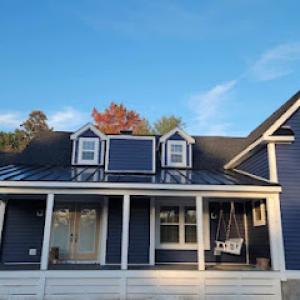
With over 18 years of experience in the construction industry, Anthony Construction Roofing & Siding is your trusted roofing contractor in Sussex County, Delaware. Specializing in roof repair and replacements, we’re proud to be the answer to your search for reliable roofing companies near me. Our team brings unmatched expertise, attention to detail, and a commitment to quality to every project. Fully licensed, bonded, and insured (License #22970125), we prioritize your peace of mind and satisfaction. Whether it’s a small repair or a complete overhaul, we deliver customized solutions and exceptional customer service every time.
Delmarva Exteriors
(302) 924-8075 www.delexteriors.com
Serving
5.0 from 16 reviews
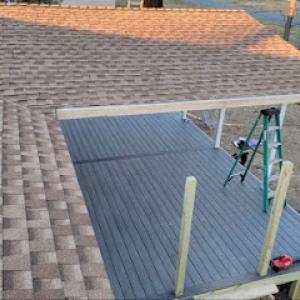
Founded in 2014, Delmarva Exteriors has quickly grown as the trusted name in Bridgeville, DE, offering a comprehensive range of services including roofing, decks, paver patios, solar, and fencing. We stand out not just as roofing contractors but as a company known for high-quality care, effective communication, and unmatched dependability. Serving both residential and light commercial clients, our decade-long legacy is a testament to our commitment to excellence.
G. Fedale Roofing & Siding
(302) 279-5281 www.gfedale.com
Serving
4.9 from 98 reviews
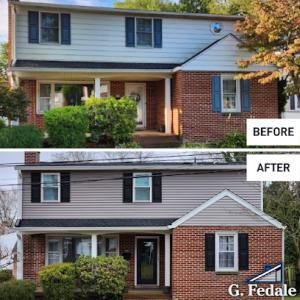
G. Fedale Roofing & Siding has been a competitive leader in the home improvement and commercial roofing industry since 2002. Gaining a major market share through the specialized talents of our employees, we pride ourselves on the success of our rapidly growing company. We are dedicated to the highest install and repair standards and our extended workmanship warranties guarantee coverage long after work is completed. Our mission at G. Fedale is to provide the best value and craftsmanship for our customers and the communities we serve through service, education and commitment.
Economy Roofing & Restoration
(302) 587-7085 economyrestoration.com
Serving
5.0 from 120 reviews
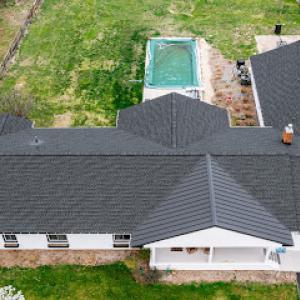
Are you in need of a roofing contractor in Selbyville, DE, who delivers top-notch craftsmanship and places your needs at the forefront of every project? Look no further than Economy Roofing & Restoration, your trusted partner for residential and commercial roofing solutions since 2017. As a licensed and insured company, we are committed to providing you with hassle-free, high-quality services that stand out in the industry. At Economy Roofing & Restoration, we understand the challenges that homeowners and businesses face with roof maintenance and repairs. From storm damage repair to roofing installation and everything in between, our skilled team specializes in a wide range of services to meet your roofing needs.
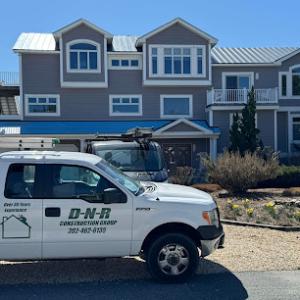
D-N-R Construction Group
(302) 462-6135 dnrroofinginc.com
Serving
4.9 from 15 reviews
D-N-R Roofing is your residential and commercial roofing specialist! Serving Lewes De to Ocean City Maryland
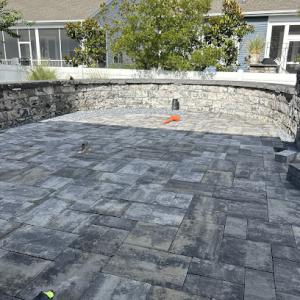
Hardscape & Landscaping Tecos
(302) 493-6800 hardscapelandscapingtecosllc.com
Serving
5.0 from 36 reviews
Hardscape & Landscaping Tecos specializes in landscaping services in Millsboro, DE. We also pavers and deck and roof and siding and stone removal and mulch and walkways etc We always strive to provide services where you will never have to bother about your lot and roadside again, ensuring complete customer satisfaction. Our main goal is to satisfy our clients by providing the most satisfactory customer service possible.
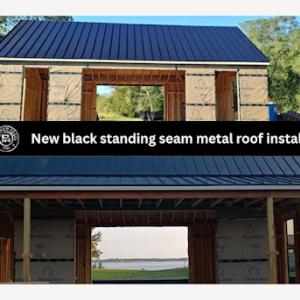
Platinum Roofs
(302) 550-2006 platinumroofs.com
Serving
5.0 from 101 reviews
Platinum Roofs has stood the test of time. We are here when you need us for new roofing system installations, annual inspections and ongoing maintenance. Platinum Roofs, Inc. has a solid footing due to our consistency, determination and resolution to make informative and knowledgeable business decisions for the current marketplace. We remain flexible, allowing our company to expand so we are able to provide the latest technology and resources in green building and design custom solutions for our client's specific roofing requirements. • Qualified Technicians • Experienced Professionals • Certified Installers
Asphalt shingles and metal roofing are the dominant practical choices in Millsboro, while tile and wood products appear less commonly because they require closer attention to structure, moisture, and maintenance in this climate. Shingles remain the go-to for many repairs and replacements due to familiarity of the deck, ease of installation, and solid performance when paired with proper underlayment. Metal roofing-especially standing-seam or lock-seamed panels-offers notable resilience to wind, salt spray, and humidity, but requires precise flashing and a solid substrate to maximize its long-term life. Clay and concrete tiles can be durable in dry settings, yet in this coastal-influenced climate they demand extra attention to underlayment, roof deck condition, and ventilation to avoid moisture buildup that shortens life. Wood shingles or shakes add a traditional look but demand meticulous maintenance against humidity-related warping and mold. For most homes in this area, matching the roof choice to the existing structure and ensuring proper installation details will pay off when storm season and humidity spikes arrive.
Hot, humid summers in this area can affect shingle adhesive behavior and material handling during installation, which makes crew timing and storage practices more important than in drier inland markets. Plan roof work for cooler parts of the day when adhesives set correctly and humidity levels won't prematurely soften or distort materials. Storage on site should be shaded and elevated to avoid direct sun damage and resin bleed, which can compromise premature sealing or bonding. For metal roofs, brief exposure to hot surfaces is less of a concern, but corrosion protection and proper sealant selection must be matched to the coastal humidity. Ensure crews bring compatible fasteners and sealants rated for high-moisture environments to prevent future leaks around penetrations and edging.
Cold, damp winters increase the importance of underlayment, flashing, and deck condition because trapped moisture can shorten roof life in Sussex County homes. Prior to any replacement, inspect the deck for rot, warp, or previous poor repairs, and replace damaged sections to maintain a solid base. Underlayment should be moisture- and vapor-permeable where appropriate, with extra attention given to valleys, chimneys, and skylights to minimize condensation-related issues. Flashing around vents, stacks, and penetrations must be continuous and corrosion-resistant; in this climate, small failures become large leaks quickly once temperatures swing and humidity drops and then rises again.
Storm-driven damage can progress quickly under humidity and wind exposure. If a leak appears after a Nor'easter or tropical-storm event, assess whether the damage is localized or has compromised the deck and underlayment across a wider area. Short-term patching may buy time, but a full replacement plan should consider the roof's age, material type, and the ease of re-covering over existing decks. In coastal-influenced weather, selecting a roof with robust edge protection, wind-resistant fasteners, and sealed penetrations helps reduce repeated storm-related repairs. When planning a replacement, align the project with anticipated wind seasons and humidity peaks to reduce the risk of repeated exposure and inconsistent adhesive performance.
Coordinate timing to avoid peak heat when possible, and ensure crews store materials out of direct sun until installation resumes. For asphalt shingles, verify packaging and adhesives are rated for humid environments and that the installation sequence follows manufacturer guidelines for sealing and wind uplift resistance. For metal roofs, confirm deck flatness and clean, corrosion-resistant fasteners are used, with proper flashing at all edges and around penetrations. Regular inspections after heavy rain or wind events can catch early signs of moisture intrusion, enabling targeted maintenance before it becomes a larger problem. Keep gutters and downspouts clear to reduce water backing onto the roof edge, especially where tree debris and humidity contribute to moisture retention on the deck.
After a storm, check for lifted or missing shingles, damaged flashing, and any signs of moisture intrusion in the attic. Document visible damage with photos and note areas with concentrated wind exposure. If detectors or sensors indicate moisture in the interior, contact a local professional promptly to assess decking and underlayment integrity before committing to a full replacement. In Millsboro, proactive maintenance and timely replacement planning-prior to the next storm cycle-help maintain performance and minimize disruption.
For full reroofs, the permit is typically handled through Sussex County rather than a separate city roofing department. The county's online system is the practical starting point for local reroof projects. Access the county portal, search for the building or mechanical permit section, and follow the step-by-step instructions to initiate a reroof filing. Have the project details ready: roof type, square footage, existing structural considerations, and a basic project timeline. This approach keeps everything centralized and reduces the chance of mixed messages from different agencies.
The county permit process covers the scope of work, required notices, and the sequence of activity from tear-off to reinstallation. Submittals typically include a roof plan, material type, and schedule of inspections. Expect review to verify compliance with local wind and flood-related provisions, and to confirm that the roof replacement aligns with the existing decking and ventilation needs. If a contractor is handling the filing, confirm they will post the permit card on-site and provide a copy of the approval decision before work begins.
Inspections occur at project milestones and after completion, and the timing is designed to track the reroof from start to finish. Common milestones include an initial inspection after tear-off and before underlayment installation, a mid-project check to confirm underlayment and flashing details, and a final inspection once the new roof is in place and edging, venting, and flashing are secured. In this coastal-influenced climate, inspections can coincide with concrete or cold-weather work windows, so coordinate with the county inspector to align scheduling with weather forecasts. Any required corrections should be addressed promptly to avoid delaying the project.
Weather delays can push inspection timing during stormy or winter periods. Nor'easter activity, tropical-storm remnants, and extended damp spells can compress the typical inspection timeline. Build in a mechanical buffer in the project calendar and communicate anticipated delays to the inspector in advance whenever possible. If a storm is forecast near an inspection date, consider delaying that milestone if safety or access is compromised, and request a reschedule through the online system rather than letting the window lapse. Keeping the contractor and the county updated helps prevent permit lapses or rework caused by moisture intrusion or improper sequencing.
Have the permit number handy on-site and accessible to the crew for inspections. Maintain a clear log of all inspection dates, any required corrections, and the dates those corrections were completed. If questions arise about whether a modification to the plan is necessary-such as an unexpected vent relocation or changes to eaves-use the online portal to request guidance or an amendment before proceeding. This local permitting flow emphasizes keeping the project compliant with county standards while navigating Millsboro's coastal climate with fewer delays.
In this coastal-influenced climate, the insurance landscape for roof damage reflects higher wind and hail risk. Millsboro homeowners should expect underwriting to price in the likelihood of Nor'easters and tropical-storm events, with carriers periodically reassessing risk after severe storms. That means coverage terms can tighten or shift over time, and what was once a straightforward claim may become more scrutinized if a roof has existing wear or is nearing typical replacement ages. The practical effect is that the way a roof is described, documented, and presented after a storm can influence both speed of settlement and scope of coverage.
Carriers may require thorough before-and-after photo documentation for roof replacements, especially after major storm events. You should capture clear images of the entire roof, including all sides, vent locations, flashing, and any visible damage. Note the surrounding yard debris, downed branches, and any adjacent structures that show impact or wind-related effects. A dated, professional survey or inspection report can provide a baseline for comparison if a claim is filed. When a storm hits, prompt, organized documentation helps avoid disputes later and supports a smoother adjustment process.
Coverage terms can shift after significant regional storms, so verify deductible structures, exclusions, and any roof-age limitations before authorizing replacement. Some policies impose higher deductibles for wind or hail damage, or limit coverage if the roof is older than a specified age. Automatic depreciation or replacement-with-actual-cash-value language can alter what you receive for a damaged roof. Understanding whether endorsements or rider options are available for high-wind neighborhoods is essential. Do not assume that a standard patch or partial repair will align with your policy's intent; confirm whether full replacement is required or permitted by your carrier in the wake of a canopy-wide event.
Before committing to a new roof, confirm that the scope aligns with your insurer's interpretation of covered damage. If you can, obtain independent assessments that separate storm-caused damage from wear-and-tear, and document any preexisting issues that could influence claim decisions. In a coastal county setting, a robust, weather-appropriate roof with resilient underlayment and suitable flashing becomes more than a matter of comfort-it can affect claim outcomes and the overall durability of your home. When in doubt, engage with a local roofer who understands how insurers in this area view coastal storm damage and the expectations for post-storm documentation.
Connect with contractors who help homeowners navigate the claims process from damage assessment to final approval.
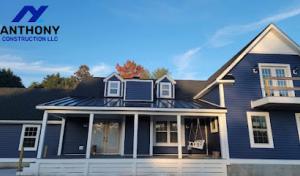
Anthony Construction Roofing & Siding
(302) 321-3553 anthonyconstructions.com
Serving
4.8 from 63 reviews
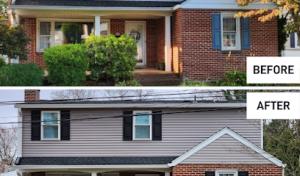
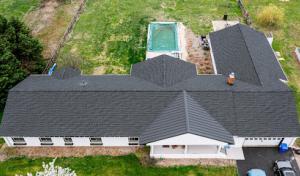
In a coastal-influenced backdrop like this, you'll see typical Millsboro material pricing run about $350-$650 per square for asphalt shingles, $700-$1100 for metal, $900-$1700 for clay tile, $900-$1500 for concrete tile, $650-$1100 for wood shingles or shakes, and $500-$900 for synthetic or composite shingles. Those ranges reflect the mix of aging homes and newer builds common around town, plus the shorter lifespans some coastal climates demand from lower-cost options. When you start with a base per-square cost, you'll still face variation from roof pitch, complexity, and the contractor's access needs.
Storm activity across Sussex County can push demand up quickly after a Nor'easter or tropical-event period. When a stretch of weather drives multiple homeowners into reroof mode, scheduling becomes the bigger cost driver-especially if your project needs to be in a window between wind-prone days or during a busy contractor cycle. In practice, that means even if the material choice is straightforward, you may see your final price creep due to higher labor demand, expedited material sourcing, and tight crew calendars. If your home has higher exposure or a steep pitch, expect an incremental impact on both price and calendar.
A common local factor is moisture-damaged decking discovered during tear-off. If rotted or warped boards are found, replacement may be required before or during the new roof installation, driving final pricing above the base material range. This issue is more likely in homes with older decks or where humidity and contractor-access constraints slowed earlier maintenance. Budget for this possibility by reserving a contingency-often a few hundred to several thousand dollars depending on deck size and extent of damage-and plan for a longer timeline if structural repairs are needed.
Beyond shingles, the choice of underlayment, ventilation upgrades, and flashing details can nudge costs in this market. Higher-end underlayment or extra ventilation for attic moisture management can shift the total per-square price upward, especially on older or timber-framed roofs with complex eave configurations. If attic space is prone to condensation or has prior signs of moisture intrusion, expect the installer to include more comprehensive moisture-management measures, which translates to higher initial quotes but better long-term performance.
Get a clear picture of your project costs upfront - no commitment required.
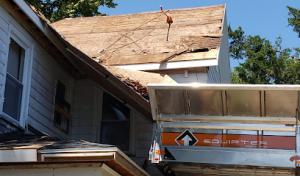
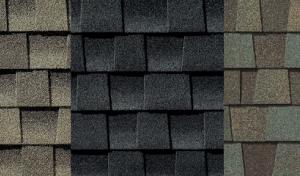
Wind-driven rain from Nor'easters and tropical-storm remnants makes flashing details and edge vulnerability especially important in Millsboro. Seams at valleys, chimneys, and skylines can fail when exposed edges lift or where fasteners back out after a heavy gust. Regularly inspect drip edges and verify sealant continuity around boundaries, especially after seasonal storms.
In storms that push rain laterally, any misbonded flashing around gutters, soffits, and rake edges becomes a failure hotspot. A loose or improperly dressed edge allows water to wick underneath shingles and into underlayment oats. Homeowners should pay close attention to fastener patterns near eaves and transitions, and seek timely resealing if you see lift or curl.
Winter freeze periods combined with damp decking conditions can expose hidden substrate problems during tear-off on older Sussex County homes. If boards are swollen or soft behind the shingles, removal can reveal rot or delamination that compromises the new roof's long-term performance. Detect soft spots early and address framing or deck repairs before covering with new material.
High summer humidity increases the risk that ventilation and moisture-management issues will show up as premature aging rather than a single obvious storm failure. Poor attic air flow can lead to condensed moisture, mold growth, and accelerated shingle deterioration. Ensure attic baffles, vents, and soffit intake support consistent moisture evacuation through peak humidity months.
If staining, musty odors, or granular loss appear after a storm, look beyond surface damage. Hidden substrate issues-rotted decking, warped sheathing, or compromised underlayment-can undermine a new roof's performance. Conduct a careful inspection of the roof deck during tear-off and replace compromised areas to avoid recurring leaks.
Find contractors experienced in skylight installation, flashing, and leak repairs to bring natural light into your home.
Hernandez Contractor
(302) 265-7873 hernandezcontractor.net
24922 Gravel Hill Rd, Millsboro, Delaware
4.9 from 195 reviews
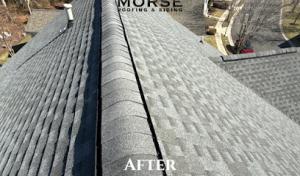
The Millsboro market strongly favors re-roofing over niche specialty work, so homeowners are often comparing crews on response speed, cleanup, and price rather than on rare custom systems. That means when you reach out, you're assessing who can show up quickly after a storm, who can protect your property during debris removal, and who can complete the job with minimal disruption to your daily routine. In this coastal-influenced climate, storm-driven damage is a common trigger for replacements, making reliability and finish quality top priorities over specialty installs.
Quick response is a major local hiring factor because many Sussex County roof calls follow storms and leak events rather than planned luxury upgrades. When assessing bids, ask about their typical response window for leaks and wind damage, and how they manage on-site logistics after a weather event. A contractor's ability to secure your home, tarping exposed areas, and coordinating debris cleanup can make a substantial difference in whether the project preserves interior comfort through a tough month.
Manufacturer-certified and warranty-offering contractors are present in this market but are not the majority, so warranty terms should be checked carefully rather than assumed. Look beyond the brochure and ask for written coverage details: what is covered, for how long, and what the process is for filing a claim if something isn't right after installation. For common roofing systems in this area, ensure the crew can substantiate their warranty with model names, batch numbers, and proof of ongoing manufacturer qualifications. A transparent contractor should provide you with copies of their coverage and align with reputable product lines that match your chosen roofing material.
When interviewing contractors, prioritize those who document a clear cleanup plan, protect your landscaping and driveways, and schedule a realistic sequence that minimizes exposure to weather during removal. Request a site-specific outline: how they will isolate sections, handle ventilation, and protect interiors during tarping and material staging. In this market, the best choice blends prompt communication, dependable site management, and trustworthy warranty practices that align with the expected coastal-wind and storm exposure you face at home.