
Last updated: Apr 19, 2026
Spring storms and high winds drive shingle uplift and rapid leak onset, which means a roof can go from unseen danger to a costly repair quickly. In the weeks after a storm, the risk of hidden damage climbs as wind-blown debris settles and moisture penetrates weaker areas. A neighborly heads-up: if a shingle edge is curled, a tab is loose, or a gritty sheen on the underside of gutters is visible, those are signals that storm-driven damage may be present. Post-storm checks should be non-negotiable, especially when the backdrop includes Maryland's spring freeze-thaw cycles that can stress shingles and sealants.
Maryland insurers commonly scrutinize wind and hail roof claims, and the adjustment process hinges on solid documentation. Prepare a clear photo log that covers before-and-after views of the roof, attic signs of moisture, and any interior staining that aligns with exterior events. Include close-ups of lifted tabs, missing granules, and damaged flashing. Write condition notes that tie specific photos to dates and storm events, and clearly differentiate new damage from pre-existing wear. When presenting the claim, organize the file so an adjuster can follow the sequence: storm occurrence, observed exterior damage, interior indicators, and steps taken to mitigate further harm.
Heavy tree cover across many neighborhoods raises the odds of branch impact, debris accumulation, and blocked roof drainage after storms. In the wake of a wind event, tarps can become temporary shields, but they also require careful placement to avoid further damage or moisture intrusion. After the storm, inspect for torn shingles near peaks, valleys, and vent penetrations where branches are most likely to strike. Clean gutters and downspouts promptly to prevent backup that can force water under vulnerable flashing. If large branches remain on the roof or in contact with the structure, note their position and contact a professional to assess risk before they cause additional damage during another wind event.
Start with safety: avoid areas with exposed sheathing or sagging sections, and don't stand on a wet or damaged roof. Document everything with time-stamped photos taken from multiple angles, including interior ceilings and attic spaces where leaks may first show. Create a concise damage summary that links each visual cue to a potential roof area-shingle rows, flashings around chimneys and vents, and edge protection along eaves. When you file a claim, provide the insurer with the organized photo log, the condition notes, and a narrative that differentiates new storm damage from any existing wear. If a contractor recommends temporary repairs to prevent further water intrusion, obtain written authorization for the mitigation work and keep receipts, as these can be eligible for later claim consideration.
Choose a local roofer with experience in Columbia's tree-dense neighborhoods and known wind patterns. A responsive contractor can perform a careful inspection, flag obvious damage, and help compile the evidence package insurers expect. Request a detailed written assessment that maps damaged areas, potential hidden issues, and mitigation steps. If an adjuster visit is scheduled, ensure the contractor is available to accompany the adjuster to point out affected sections and confirm any pre-existing wear that is not the result of the storm. Timely coordination between homeowner, contractor, and insurer is essential to avoid delays and to confirm that remediation targets the actual storm-driven damage rather than unrelated aging.
Find local contractors experienced in assessing and restoring roofs after hail, wind, and severe weather events.

Kangaroof
(240) 262-3757 www.kangaroof.com
9570 Berger Rd Unit - C, Columbia, Maryland
5.0 from 52 reviews
One Day Roofing
(202) 978-6872 www.onedayroofing.com
10440 Little Patuxent Pkwy suite 700, Columbia, Maryland
4.7 from 615 reviews
Beltway Roofing
(443) 420-3350 beltwayroofing.com
9861 Broken Land Pkwy Suite #100, Columbia, Maryland
5.0 from 34 reviews

Kangaroof
(240) 262-3757 www.kangaroof.com
9570 Berger Rd Unit - C, Columbia, Maryland
5.0 from 52 reviews
A1 Roofing's Kangaroof is one of the top-tier Maryland Roofing Companies serving the Columbia Md, Ellicott City Md, and Elkridge Md markets. Our roofers specialize in asphalt architectural shingles for pitched roofs, natural white single ply PVC membrane for metal and flat roofs. We are a roofing contractor that is proficient at dealing with storm damage, roof repair, and roof replacements as well as installing or upgrading gutters and downspouts. We also provide services for various kinds of siding projects. We are A Veteran -Owned and operated roofing company with high standards and dedication to the roofing industry. We are members of the Better Business Bureau, Roofers Success Intl, and Roofing Insights.
One Day Roofing
(202) 978-6872 www.onedayroofing.com
10440 Little Patuxent Pkwy suite 700, Columbia, Maryland
4.7 from 615 reviews
One Day Roofing is a Maryland-based residential roofing contractor specializing in roof replacement and new roof installation. Headquartered in Maryland and serving homeowners across multiple states, our team is known for clear communication, quality workmanship, and a streamlined, homeowner-first process. From start to finish, we focus on dependable service and lasting protection you can trust.
Beltway Roofing
(443) 420-3350 beltwayroofing.com
9861 Broken Land Pkwy Suite #100, Columbia, Maryland
5.0 from 34 reviews
Roofing and siding contractor serving Maryland, Virginia, Pennsylvania, and DC
Nu Look Roofing, Siding, & Windows
(443) 806-8086 nulookhomedesign.com
8894 Stanford Blvd STE 301, Columbia, Maryland
4.6 from 586 reviews
Nu Look Roofing, Siding, and Windows provides dependable roof replacement in Columbia. For over 20 years, we’ve helped more than 50,000 homeowners with roofing projects, offering free estimates, 3D renderings, and clear, upfront pricing. Our 13-step production process ensures every job meets your expectations, and our lifetime transferable warranty gives you lasting peace of mind. You won’t pay until the work is finished to your satisfaction—guaranteed. From personalized product options to flexible financing, we’re here to make your roofing project straightforward. Call us today to get started with professional roof replacement in Columbia for your home.

The Trusted Roofer
10440 Little Patuxent Pkwy Suite 200, Columbia, Maryland
4.9 from 41 reviews
Your one stop shop to find the best, most reliable roofer in your area. Our team will vet each company making sure they are licensed, bonded and insured. You will get 3 estimates in less than 30 minutes in most cases.
Columbia Roofing
(410) 379-6100 columbiaroofing.com
6935-A Oakland Mills Rd, Columbia, Maryland
4.6 from 91 reviews
Beginning in 1977, Mike Christopolis Sr. and his wife, Kathy, partnered with HOCO builders and residents developing relationships that remain strong today. Named after the flourishing town, Columbia Roofing was incorporated in 1981. In 2023, their son, Mike Jr., took over as the second-generation owner to continue his parents’ legacy, and provide the same dedicated service to the community he grew up in. When searching for a local contractor for your exterior home improvement needs, you can trust in our 42+ years of experience and our team of passionate experts. Give us a call or stop by our showroom located right in the heart of Columbia! -Roofing Installation -Siding Installation -Gutters and Downspouts -Skylights and Sun Tunnels

Rebuild
(410) 381-4380 www.rebuildinc.com
9520 Berger Rd STE 201, Columbia, Maryland
4.7 from 38 reviews
Roofing & Siding experts

AmeriPro Roofing
(410) 989-4481 www.ameriproroofing.com
7142 Columbia Gateway Dr Suite 150, Columbia, Maryland
4.4 from 117 reviews
At AmeriPro Roofing, we help you cover what matters most -- your family. As an Owens Corning Platinum Preferred Contractor specializing in storm repair & restoration, we're the experts in your backyard with standards through the roof.
Southern National Roofing
(240) 763-3091 southernnationalroofing.com
6700 Alexander Bell Dr Suite 226, Columbia, Maryland
4.2 from 219 reviews
We are a contractor specializing in Energy Efficient Residential Roofing Replacement, with a focus on building products and installation methods geared to the unique climate and building challenges in the Southern United States.

Allstate Roofing & More
(443) 968-7663 www.400roof.com
10440 Little Patuxent Pkwy #300a, Columbia, Maryland
5.0 from 9 reviews
Allstate Roofing & More is a home improvement company serving the Greater Columbia Area and beyond. We have satisfied the needs of thousands of home owners over the years by putting a new roof over their heads. We have earned the status of being a GAF Certified Roofing Contractor. This is an accomplishment only achieved by the best roofing contractors in the business. GAF Materials Corporation manufactures the number one selling architectural shingle in North America. By obtaining the GAF Certified status, Allstate Roofing & More has earned the privilege to offer a true 50 year warranty on the materials we install.
Odyssey Home Remodeling
(410) 401-4192 www.odysseyhomeremodeling.com
9250 Rumsey Rd Suite 202, Columbia, Maryland
4.3 from 32 reviews
Odyssey Home Remodeling provides expert roof replacement and installation, siding replacement and installation, and window replacement and installation to homeowners in Columbia, Hanover, Laurel, and surrounding Maryland and Virginia areas. With over 10,000 homes served, we are proud to be a CertainTeed Select Shingle Master and Alside Preferred Contractor, offering premium materials and skilled craftsmanship. Our services are backed by a workmanship warranty and a 50-year parts and labor warranty, ensuring peace of mind for every project. Get an estimate today!

Remodel Rx
Serving
4.8 from 60 reviews
Five-Star rated roofing, window, door, and siding contractor. Offering Owens-Corning roofing products and Provia windows, siding and doors. We're a third-generation, family-owned business located in Columbia, Maryland, and serving most of Maryland with quality exterior home improvements. We are Quild Quality Masters and proud of our no hassle friendly and honest approach. We will treat you like family. We offer free no-obligation exact price quotes. Our industry-leading lifetime warranty will ensure your satisfaction for years to come.
Asphalt shingles dominate the local roofscape, so performance is closely tied to how well they survive hot summers followed by brutal winter freeze-thaw cycles. In this climate pattern, granule loss accelerates, seal-strip fatigue sets in, and cracking becomes more common on aging shingles after repeated temperature swings. Those effects show up year after year on Columbia homes with long-standing exposure to sun, humidity, and wind-driven storms. Spring and fall remain the safer seasons for any replacement work, because summer heat and humidity complicate installation and winter cold can hinder sealing and raise ice dam risk.
After a stretch of hot days followed by a sharp cold snap, shingles may begin to curl at the edges, or average tiles may show increased granule shedding in gutters and downspouts. In older roofs, sealant strips around joints or overlaps can look worn or brittle, making shingles more prone to lifting during windy events. In neighborhoods with mature trees, repetitive wind-driven debris can create noticeable surface scuffs, punctures, or small cracks that expand with each freeze-thaw cycle. For a homeowner, a visual check after a windy storm is a good habit: inspect ridge lines, transitions around exhaust vents, and areas where branches brush the roof.
Begin with a safe, daylight-only assessment from ground level, using binoculars if needed to spot lifted or missing shingles. If climbing is safe and permitted, use a sturdy ladder and a non-slip footing to inspect the most wind-exposed sections: hips, ridges, and edges. Look for curling, buckling, or edge distortion; identify granule loss that shows up as dark, bare patches or a sandy deposit in gutters and on the ground nearby. Pay attention to damaged flashing around chimneys and vent stacks, since compromised seals amplify water intrusion risks during spring storms. If you can safely access the roof, note any visible uplift where shingles are curling or where adhesive strips no longer lay flat. Document every concern with dated photos from multiple angles.
Prepare a clear, chronological record of the event and the damage observed. Capture the date of the storm, wind speeds if available from local weather reports, and the specific sections of the roof affected. Take close-up photos of damaged areas, then wide shots showing the roof's overall condition and neighboring homes for comparison. Keep a notebook with dates of visual checks, action taken, and any temporary measures (such as tarping a vulnerable area) to mitigate further damage. When contacting the insurer, present the documentation in a concise bundle: a summary of the wind event, a detailed list of damaged areas, and the photographs that correspond to each listed area. If an adjuster visits, guide them to the most affected sections first and share the seasonal wear pattern typical of Columbia roofs to set expectations about how age and climate interact with the latest storm damage.
To slow wear, address minor issues before a storm compounds them: reseal flashing joints that show age, replace missing or heavily curled shingles promptly, and ensure gutters are clear so granules aren't concentrated in one spot. After the next severe wind episode, re-check vulnerable roof zones with a careful eye toward edges and near protrusions. Consider a professional roof inspection after winter to assess freeze-thaw impact on sealant integrity and shingle adhesion, especially for roofs with older granules or visible wear. When planning repairs, align the work with seasonal windows that favor cooler, drier weather to optimize shingles' sealing and long-term performance.
The most popular roofing material in the US. Find pros who install, repair, and replace asphalt shingles.
Kangaroof
(240) 262-3757 www.kangaroof.com
9570 Berger Rd Unit - C, Columbia, Maryland
5.0 from 52 reviews
Beltway Roofing
(443) 420-3350 beltwayroofing.com
9861 Broken Land Pkwy Suite #100, Columbia, Maryland
5.0 from 34 reviews
Columbia Roofing
(410) 379-6100 columbiaroofing.com
6935-A Oakland Mills Rd, Columbia, Maryland
4.6 from 91 reviews
A full roof replacement in Columbia typically requires a building permit through the Howard County Department of Permits, Licenses, and Inspections. Before any shingle, tile, or membrane work begins, you should verify that your project is categorized correctly and that the chosen contractor has the appropriate credentials. The permit process helps ensure that the replacement adheres to current codes, especially important in a district that faces freeze-thaw cycles and wind-driven storms. Start by contacting the county permits office to confirm whether your project is considered a full replacement or a repair, and to obtain the exact list of documents needed. Typical documents include project scope, planned materials, and a basic layout of the roof after replacement. Having these ready can streamline the review and reduce the chance of delays.
Permit applicants are generally required to submit project details and pay a fee before work begins on a full replacement. In practice, this means your contractor or a designated permit agent will provide a detailed scope of work, including the roof sheathing condition, underlayment type, ventilation plan, and any attic modifications. In Columbia's tree-heavy neighborhoods, it is common to see contingencies for fascia, gutters, and potential damage to nearby structures when the permit documents are prepared. Ensure the plan clearly identifies airflow and venting strategy, as proper ventilation is critical in our climate to prevent moisture buildup during the cold months. If a storm-related repair is part of the project, be transparent about the extent of replacement versus repair to avoid surprises during inspections.
Howard County uses staged inspections during and after installation, ending with a final inspection to confirm proper installation and code compliance. Typical stages include an interim inspection during important milestones, such as after roof deck replacement and before covering with underlayment, then another when the roof is fully installed but before final finishing touches. In this jurisdiction, inspectors will look for correct nailing patterns, adequate underlayment under the chosen roofing material, and appropriate flashing around chimneys, skylights, and vents. Weather considerations matter; plan around forecasted wind events or heavy rain to minimize delays. If any deviations from the approved plan are needed, notify the inspector and obtain an amendment to avoid noncompliance issues.
Before submitting, gather your contractor's license details, a material list, and a simplified roof layout. Keep copies of all permit applications, approved plans, and inspection notices in a dedicated folder, either digital or physical, so you can reference them quickly if questions arise from county staff or your HOA. After project completion, verify that the final inspection record is filed and that the certificate of completion appears in your property file. If an issue arises during inspections, address it promptly with your contractor and request a re-inspection as soon as the corrective work is finished. A well-documented permit path not only smooths the process but also supports a durable, code-compliant roof that stands up to Columbia's spring storm activity.
In this market, asphalt shingles are a common first choice for many homeowners, reflecting a broad price spread driven by local labor costs and debris handling needs after wind events. Expect a typical cost per square in the range of 350 to 750 USD, depending on shingle quality and bundle availability. In Columbia, tree-lined lots often require extra cleanup and protective measures during installation, which can nudge the price upward on larger or harder-to-access homes.
Slate offers long-term durability but comes with a higher upfront price. In practice, slate projects in this area push toward the upper end of the spectrum, commonly landing between 1200 and 2300 USD per square. Local challenges-tight yards, mature trees, and the need for careful debris containment during springtime storms-mean crews may allocate more time and protective equipment, further influencing overall costs.
Wood shakes deliver a textured look favored in certain Columbia neighborhoods, yet they can demand more maintenance after wind-driven damage. Costs typically run from 650 to 1100 USD per square, with premium grades or thicker installations pushing toward the top end. Debris removal and wind-damage repairs in tree-dense streets add to labor hours, especially when specialty coatings or fire-retardant treatments are requested.
Clay tile roofs suit specific architectural styles and can withstand seasonal stresses, but labor intensity remains a factor. Expect 900 to 1700 USD per square in this local market, with higher figures for complex rooflines or accent features. The combination of storm debris and careful handling of fragile tile pieces often extends job duration and material waste, impacting the bottom line.
Concrete tile tends to balance weight and durability, with costs commonly ranging from 850 to 1500 USD per square. In Columbia, larger roof footprints and frequent tree-related cleanup can add to installation time and disposal fees, particularly where access is limited by landscaping or shared driveways.
Synthetic or composite options provide a mid-range alternative, typically 450 to 900 USD per square. In wind-prone seasons, these sheets offer good impact resistance with easier replacement, which can streamline cleanup and scheduling. Tree cover and debris management still influence crew access and project pacing, shaping final quotes.
Don't let upfront costs delay a critical repair - these contractors offer payment plans to fit your budget.
One Day Roofing
(202) 978-6872 www.onedayroofing.com
10440 Little Patuxent Pkwy suite 700, Columbia, Maryland
4.7 from 615 reviews
Nu Look Roofing, Siding, & Windows
(443) 806-8086 nulookhomedesign.com
8894 Stanford Blvd STE 301, Columbia, Maryland
4.6 from 586 reviews

The Trusted Roofer
10440 Little Patuxent Pkwy Suite 200, Columbia, Maryland
4.9 from 41 reviews
In this market, skylight flashing and curb details are a recurring homeowner concern because local crews see the same failures again and again after wind events. If a skylight isn't properly flashed to the roof deck and sealed around the curb, even small wind-driven gaps can let moisture creep in behind shingles and underlayment. A trustworthy repair or retrofit should address not just the visible leak, but the entire transition from skylight to roofing surface. When you're evaluating a contractor, ask for a close look at the curb flashing, fastener pattern, and the step-flash integration with surrounding shingles. You'll want a solution that stands up to Howard County's freeze-thaw cycles and those sudden bursts of wind that scatter grit and lifting edges.
Mature trees surrounding many homes in this area shed leaves, needles, and pine cones that like to collect uphill of skylights and in roof valleys. When debris nests in those spots, trapped moisture can sit against flashing, valley metal, and under shingle edges, accelerating rot and loosening fasteners. A proactive approach is to schedule a mid-season sweep before winter-clear debris from around penetrations, inspect valleys for damp rot, and confirm backer-rod and sealant conditions around skylight flanges. This is not cosmetic maintenance; it directly influences how quickly a small leak turns into a sagging ceiling or dark stains along interior ceilings.
Heavy autumn storms leave roofs coated with lingering grit and loose detritus, and inspectors will find it harder to move around penetrations without stepping on vulnerable areas. Before winter, walk the roof after a storm with a trained eye or bring in a contractor for a targeted inspection of skylights, vent stacks, and any flashings that show signs of aging. If access becomes restricted by debris during the inspection, delay isn't ideal-treat it as a warning that moisture can hide where you can't see it. Document conditions now so when spring storms arrive, the first look at the roof doesn't turn into a rushed, high-pressure fix.
Columbia's storm-driven cycles mean insurers want clear photos of flashing, curb repairs, and evidence of prior moisture intrusion. If a leak gathers near a skylight, gather before-and-after images that show the flashing integrity, valley condition, and any interior damp spots. Keep a simple timeline of wind events, debris buildup, and maintenance steps, because solid documentation can streamline claims if wind-driven damage appears after a storm. A careful, staged approach to skylight care now reduces the risk of a messy, delayed claim later.
Find contractors experienced in skylight installation, flashing, and leak repairs to bring natural light into your home.
Kangaroof
(240) 262-3757 www.kangaroof.com
9570 Berger Rd Unit - C, Columbia, Maryland
5.0 from 52 reviews
Beltway Roofing
(443) 420-3350 beltwayroofing.com
9861 Broken Land Pkwy Suite #100, Columbia, Maryland
5.0 from 34 reviews
Marshall's Roofing & Contracting
(410) 799-5889 marshalls-roofing.com
Columbia, Maryland
5.0 from 24 reviews
While asphalt shingles dominate Columbia, the local market also supports premium materials like slate and tile, which matters for homeowners matching existing neighborhood aesthetics or replacing older high-end roofs. This mix reflects the area's mid-Atlantic climate, where a familiar look can blend with mature tree canopies and varied rooflines.
For homeowners balancing appearance with durability, slate and clay or concrete tile offer distinctive profiles that pair well with traditional and modern architecture alike. In neighborhoods with established styling cues, choosing premium materials can help maintain street-wide harmony while delivering extended service life and wind resistance.
Wood shingles and shakes remain part of Columbia's material mix, but local humidity and seasonal moisture make maintenance expectations an important part of material selection. Expect more chewing insects, moss growth, and faster granule loss if moisture sits on the surface; durable sealants and periodic treatments become part of the plan.
Synthetic/composite shingles are relevant here because they can mimic slate or shake looks while avoiding some of the weight and upkeep concerns of natural materials. They often offer improved install flexibility in diverse roof geometries and can help address wind-driven weather cycles without the higher maintenance burden of authentic stone or wood.
When choosing materials, consider historical or ongoing architectural themes in the surrounding blocks. A roof that aligns with neighborly expectations can streamline replacements after major wind events, and may also influence insurance documentation and post-storm repairs in the area.
Find contractors who specialize in clay and concrete tile roofs, known for their durability and curb appeal.
Beltway Roofing
(443) 420-3350 beltwayroofing.com
9861 Broken Land Pkwy Suite #100, Columbia, Maryland
5.0 from 34 reviews
Lemus Brothers Construction
(703) 856-7741 www.lemusbrothersconstructionllc.com
Serving
5.0 from 83 reviews
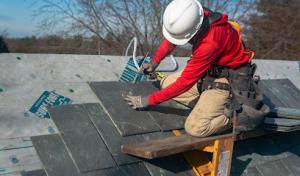
Late fall and early winter snow events can complicate tear-offs and dry-in scheduling for active roof replacements. In neighborhoods with mature trees, snow often coats exposed decking, slows progress, and increases the chance of weather-related delays. When work pauses, unsealed edges are vulnerable to moisture intrusion if a storm arrives before the roof is fully resealed. The planning window should factor in typical Columbia precipitation patterns and the reality that a clear stretch between freezes and bitter cold doesn't always line up with a calendar. Expect occasional delays after a snowfall or a sudden drop in temperature, and build flexibility into the schedule so crews can protect exposed areas without compromising safety.
Freeze-thaw conditions raise the risk of ice dam formation at eaves when drainage is slowed by snow, refreezing, or debris. Ice dams push water up under shingles and into attic areas if flashing or underlayment aren't performing as designed, especially on homes with longer eave runs and older insulation. If a tear-off starts late in the season, gutter lines should stay clear, and temporary measures to manage meltwater may be needed. A careful contractor will assess attic insulation, venting, and the potential for debris buildup on the roof line, because poor drainage paired with stubborn ice can quickly create interior icing pathways that are hard to dry out once work resumes.
Mid- to late summer humidity in Columbia can also affect underlayment and fastener conditions, which is one reason many local replacements are better timed outside peak summer and winter extremes. During hot, humid weeks, underlayment can swell, and fasteners may not seat consistently, complicating installation sequences. That makes spring and early fall particularly favorable for persistent projects, when temperatures are moderate, winds are often steadier, and the risk of time-sensitive weather disruptions is lower. Plan around multi-day dry spells and avoid the heart of heat waves or deep freezes to keep the deck and roof components drying evenly and reduce the chance of later warranty concerns.
Because Maryland roof claims often hinge on whether damage is sudden storm loss or long-term deterioration, you benefit from keeping date-stamped roof photos before and after major storms. Take wide exterior shots that show the roof footprint and any distinctive features, then zoom in on shingle edges, corners, and any existing wind-mmitigation features like hip-and-ridge vents or secured flashing. Store images with clear dates in a dedicated cloud folder and label them by storm event.
Adjusters in this market may request close-up photos, inspection notes, and documentation of wind-mitigation features before approving roof-related claims. Immediately after a wind event, photograph damage from ground level and ascents if safe, focusing on lifted shingles, granule loss, punctures, and exposed underlayment. Capture timestamps from weather alerts, and record any on-site observations such as accompanying tree debris or nearby property impact. Maintain a concise log linking photos to the storm date.
In a community with frequent wind-event concerns, prompt documentation after storms can be as important as the repair itself for preserving claim options. Assemble an impact packet: the storm date, location, weather conditions, and a brief narrative of observed damage. Include photos that show the same angles over time, and note any changes in the roof's appearance during the week following the event. If possible, collect notes from neighbors with similar damage to corroborate the event's severity.
Document wind-mitigation features like reinforced drip edge, fastener patterns, and venting details before repair approval. Include any contractor estimates or inspection notes that address storm-driven damage versus prior deterioration. This city-specific pattern of windy springs and fall storms means early submissions help maintain coverage options, so organize the materials promptly and keep them accessible for follow-up requests.
Although the community landscape in this area is dominated by steep-slope roofs, a noticeable subset of contractors handles flat and low-slope work with the same meticulous approach. In practice, some Columbia properties feature transitions where low-slope sections meet traditional pitches, and those transitions require careful detailing to avoid ponding and wind-driven edge windup. Local crews often bring experience from multi-family and commercial repairs, which translates into durable solutions for the occasional low-slope patch on a single-family home.
Low-slope sections respond differently to seasonal swings and wind events. Synthetic or composite shingles can provide better hail resistance and lighter weight for retrofit projects, while traditional asphalt remains a flexible option for modest angles. Clay or concrete tiles are less common on low-slope areas but may be used in specialty situations where a raised parapet or decorative feature exists. For restoration-minded homeowners, roof coating services appear locally, offering a preservation route for eligible sections without full replacement. Coatings can extend life and help manage reflective properties in summer heat, though they work best when underlying decking is sound and drainage paths are clear.
Columbia's storm-prone cycles bring humidity and yard debris onto low-slope surfaces. Debris buildup can clog outlets and impair drainage, increasing the risk of standing water and ice dam formation during freeze-thaw transitions. The best practice is to establish clear, unobstructed drainage paths and to inspect scuppers or edge drains after storms. Regular cleaning and a careful evaluation of flashing around penetrations are essential, since wind gusts can loosen sealants and small joints over time. A well-maintained low-slope roof benefits from a proactive plan that combines periodic inspection with targeted cleaning, especially after heavy winds or seasonal leaf fall.
When a wind event occurs, documenting any observed edge damage, lifted flashing, or granule loss becomes critical. Take photos from multiple angles and keep a dated log of repairs or temporary measures. For restoration-oriented paths, consider a coating evaluation only if the surface is structurally sound and the decking shows no signs of moisture intrusion. Talk with a local contractor about a phased approach that prioritizes drainage integrity and edge detailing, ensuring the low-slope portions complement the overall roof system rather than becoming a recurring weak point during storms.
Find specialists in TPO, EPDM, and built-up flat roofing systems for residential and commercial properties.
Kangaroof
(240) 262-3757 www.kangaroof.com
9570 Berger Rd Unit - C, Columbia, Maryland
5.0 from 52 reviews
Beltway Roofing
(443) 420-3350 beltwayroofing.com
9861 Broken Land Pkwy Suite #100, Columbia, Maryland
5.0 from 34 reviews

Columbia sits within Howard County, so county-level permitting and inspection procedures directly shape local roofing projects. That means timelines, inspection steps, and required documentation tend to follow a predictable pattern that homeowners can plan for in advance. The city's planned, heavily landscaped residential setting creates recurring roof concerns tied to trees, debris, and neighborhood appearance expectations. Keeping gutters clear, choosing shingle colors that blend with surrounding homes, and coordinating with HOA guidelines (when applicable) help prevent neighbor disputes and maintenance delays.
The tree canopy common to many Columbia neighborhoods means roofs contend with seasonal debris, leaf litter, and moss that can accelerate wear if not managed. Regular inspections after storms should focus on shingle edges, flashing around chimneys and vents, and the integrity of ridge lines where debris tends to accumulate. If a tree limb winds up on the roof, or if pine needles blanket your surface, address it promptly to minimize water infiltration and surface lift. Practical steps include scheduling debris-clearing sessions, trimming overhanging branches away from the ridge, and keeping a clear 3- to 6-foot perimeter around the house to reduce debris buildup during storms.
Columbia's roofing decisions are driven less by coastal exposure and more by inland wind events, freeze-thaw stress, and seasonal installation timing. Spring and fall often provide the milder, drier conditions best suited for installation and repairs, with attention to forecasts that anticipate wind-driven days. When choosing materials, consider shingle profiles and underlayment that handle freeze-thaw cycles and wind uplift in this inland climate. Planning around a window of favorable weather reduces the likelihood of multi-day delays and helps ensure a longer, more resilient roof life.
Storm-driven shingle damage is a common recurrence after windy Columbia events. Maintain organized records: photographs before and after repairs, contractor receipts, and a clear timeline of any storm-related impacts. A simple, consistent approach to documenting damage supports smoother communication with insurers and can expedite claim reviews. If hail or wind events impact multiple homes on your street, your neighborhood records can help establish patterns that support your case for targeted repairs rather than patchwork fixes.