Last updated: Apr 19, 2026
You are living in a Maryland storm corridor where severe thunderstorms, remnants of tropical systems, and derecho-style wind events are a recurring source of roof claims. In suburban neighborhoods with mature trees, a single gust can strip shingles, loosen flashing, or crack a vent pipe, leaving you vulnerable to leaks before a fix can be arranged. The risk is not abstract-wind-born debris, lifting shingles, and hidden granule loss turn a routine storm into a damage sprint. Being prepared means recognizing the most common failure points: lifted edges along eaves, blown-off ridge caps, loose chimney and vent flashing, and hail-induced bruising that may not show until a rainstorm tests the seal.
Because Maryland insurers often want detailed pre- and post-work evidence, photo documentation immediately after storms before temporary repairs or cleanup change the damage record. Start a quick post-storm checklist: take wide exterior photos of the entire roof from multiple angles, close-ups of any missing granules or damaged shingles, flashing around chimneys and vent pipes, and any dents on metal edges or gutters. Capture the attic space if possible-look for moisture staining, dark streaks, or growing mold lines that indicate a hidden leak. Do not rely on memory; timestamped photos taken within hours of the event prevent questions about when damage occurred. If a tree limb or debris is resting on the roof, photograph it from the ground and from an elevated angle if safe, then document the surrounding yard and where debris lies relative to downspouts and vents.
After a storm, the first priority is safety. Do not climb onto a roof during or immediately after a wind event. If a frightened animal or a visible structural concern is present, call a professional to evaluate before any deck or ladder work. While waiting for a contractor, perform non-invasive checks from the ground: note any shingles with edges curled upward, granule loss in gutters and downspouts, and any new damp spots in the attic ceiling. If you can safely access the attic, search for fresh moisture trails, ice dam-like ridges, or sunlight piercing through the roof deck-these signal areas where rain can infiltrate. Remain vigilant for continued windstorms that may loosen already compromised areas; every subsequent gust can compound damage.
Insurance documentation benefits from a clearly organized record. Maintain a dated folder with storm photos, a written damage log (what you saw, where, and when), and a list of any temporary losses such as interior staining or ceiling soft spots. If temporary repairs are undertaken, photograph the repair steps and keep receipts, but avoid permanent fixes that could obscure the true extent of the initial damage. When scheduling a contractor, provide the insurer with a precise timeline and a detailed scope of work. A transparent, thorough record streamlines evaluation and reduces the chance of disputes later.
Choose a local roofer who understands the common neighborhood configurations: mid-sized lots, mature trees with canopy shifts during storms, and the way siding and gutters interact with roof edge flashing in this climate. Ask for before-and-after photo sets, a written inspection report, and a clear plan for temporary protection if a storm is forecasted during repair work. In tight, HOA-dense communities, timely communication with the HOA and street-facing notes on temporary tarping can prevent miscommunications and keep the project moving when time matters most.
Residential reroofs in Bowie typically require permits through the Prince George's County Department of Permits and Inspections rather than a separate city roofing office. The county system is the gatekeeper for exterior work that alters the roof structure, ventilation, or waterproofing system. Before any shingle lift or metal panel reveal, you should confirm the permit path with the county office and ensure your contractor understands the filing requirements. The permit package usually includes project plans, material specifications, and a description of work. If the home sits in a neighborhood with a homeowners association (HOA), coordinate early with the HOA because approvals may be layered on top of county permission.
The county inspection process commonly includes staged inspections during installation and a final inspection at completion, so scheduling can affect project timing. Expect at least one inspection while the roof deck is exposed, another after underlayment and flashing are in place, and a final inspection once the roof is complete and all penetrations are sealed. Weather events and material lead times can push between stages, so plan a realistic window that accounts for potential delays. Your contractor should reserve inspection appointments promptly and keep you informed about any required adjustments to meet county standards.
Bowie homeowners in HOA-governed communities may face an additional approval layer for color, profile, or material changes even after county permit requirements are met. HOA boards often weigh aesthetics against performance when approving shingle color palettes, asphalt laminate choices, or the visibility of metal or tile profiles from street view. Start the HOA approval conversation early, ideally before purchases are made or orders are placed. If the HOA requires architectural review, provide the committee with product samples, warranty documentation, and a brief note on how your planned reroof meets durability and wind resistance expectations for the mid-Atlantic climate.
As soon as scheduling begins, gather documentation that accelerates the permit review and inspection process. Have a recent site plan or a framing overview, a product data sheet for the chosen roofing system, and a wind uplift installation diagram if applicable. If the project involves ventilation changes or attic insulation updates, include those details as part of the permit submission. When the HOA process is involved, maintain a packet of HOA-approved color swatches, profile samples, and a grid showing where each material choice will be used on the roof. Keeping organized copies of approvals, permits, and inspection notes helps prevent delays during a county inspection or HOA re-approval.
Choose a contractor who routinely works with Prince George's County inspections and is accustomed to the staged process. Confirm how they will choreograph the sequence: permit submission, material staging, deck preparation, underlayment application, flashing details, and final penetrations. A local pro will anticipate weather-induced setbacks common to the Mid-Atlantic, such as sudden wind gusts or brief rain bands, and will have contingency plans that preserve warranty coverage while meeting inspection milestones. Maintain open channels for real-time updates on inspection scheduling, any required corrections, and the HOA review timeline so that the project stays on track rather than stalling at critical points.
For homeowners facing a standard re-roof, asphalt shingles are the most common starting point in this market. Typical sizing in the local context is about 350 to 650 USD per square, depending on the exact shingle grade and underlayment chosen. In practice, most Bowie's homes with mid-range HOA expectations settle near the middle of that range if the deck is sound and the roof line is straightforward. If you live in a neighborhood with tighter HOA matching requirements, you can see prices press toward the higher end as your contractor sources a closer color and profile to meet aesthetics. The main cost drivers here are the shingle warranty tier, any required underlayment upgrades, and the potential for minor decking repairs uncovered during tear-off.
If performance or look nudges you toward alternatives, metal roofing sits higher, about 800 to 1,200 USD per square. Clay tile runs even higher, roughly 1,200 to 2,600 USD per square, with concrete tile trailing at about 1,000 to 1,800 USD per square. In practice, Clay Tile and Concrete Tile are more common in certain Bowies styles where the homeowner desires long life and a distinct aesthetic, but they demand extra structural consideration and careful layout planning. These materials also require precise matching to the HOA's palette and architectural guidelines, which can lengthen the selection phase and influence final cost. You'll want to anticipate higher labor costs for tile roofs due to weight, fragility during removal, and the need for careful flashing details around chimneys and vents.
Costs in Bowie can rise when HOA-driven material matching, decking repairs discovered during tear-off, or county permit and inspection coordination add labor and administrative time. When an HOA requires a specific shingle color or profile, contractors may need to stock exact product lines, potentially delaying scheduling and narrowing available crews during peak seasons. If the existing deck is compromised, expect repairs or replacement to factor into the total. A thorough inspection that identifies soft or water-damaged decking can multiply the square-foot pricing, particularly on larger homes or roofs with intricate shapes. In these cases, the per-square cost might skew higher than the baseline figures for the same material.
Regional wind and storm events in the Washington-Baltimore suburbs create spikes in demand that ripple into Bowie. After a damaging event, contractor availability can tighten, and scheduling can shift to accommodate insurance-documented work and expedited timelines. That pressure tends to push pricing upward during peak claim periods, especially for premium materials or complex rafter and decking work. If you're navigating a storm damage scenario, build in a buffer for both material lead times and the possibility of expedited project windows. Working with a contractor who can provide a clear chronology, staged milestones, and contingency budgets helps prevent surprises when the weather shifts and windows close.
Begin with a transparent comparison: asphalt at the baseline, and estimated premiums for alternatives that suit your house and HOA constraints. Let the project scope include a standard tear-off, underlayment upgrade, venting adjustments, and flashing refresh, with a separate line item for decking repairs if needed. If HOA approvals are part of the process, request an upfront confirmation of acceptable materials and a preliminary approval timeline to avoid mid-project hold-ups. Finally, when storm season looms, request a prioritized schedule and a staged payment plan that aligns with lien-free milestones and insurance documentation needs.
Capitol Improvements - Roofing Company & Siding Contractor
(301) 690-8187 www.improveitmd.com
12606 Hillmeade Station Dr, Bowie, Maryland
5.0 from 222 reviews
The family owned and family run team of roofing and siding experts that are consistently rated as the best in our class for replacement roofing, siding, windows, gutters, trim, decks, and door replacements. We provide quality products, expert installation, and lifetime manufacturer backed warranties. All for a fair price.
Mancia Roofing
(240) 665-0050 jmanciaroofing.com
12409 Sarah Ln, Bowie, Maryland
5.0 from 81 reviews
Mancia Roofing specializes in top-notch roofing in Bowie MD. As a premier contractor, we are dedicated to providing residents and businesses in Bowie with high-quality roofing solutions. With years of expertise, our team ensures durability, aesthetics, and peace of mind for every project. Whether you need a simple repair or a complete roof overhaul, Mancia Roofing is your trusted partner. We use the best materials, innovative techniques, and offer unparalleled customer service. Proudly serving Bowie, our commitment to excellence has made us a household name. Choose Mancia Roofing – where your roof's integrity and your satisfaction are our top priorities.
Legacy Built Exteriors ,LLC
(240) 320-2174 legacybuiltexteriors.com
16701 Melford Blvd, Bowie, Maryland
5.0 from 93 reviews
Getting your roof or siding replaced can be a daunting task. Let Legacy Built Exteriors manage the process for you. Our qualified and experienced team will make sure you get the best quality roof and siding for your home . legacy Built Exteriors where quality is our priority.
Steves Home Services
Bowie, MD
5.0 from 58 reviews
General Contractor based out of Bowie Maryland MHIC:163185

GRB Roofing
(443) 377-2094 www.grbroofing.com
16701 Melford Dr Suite 400, Bowie, Maryland
4.9 from 179 reviews
We are a leading internal & external renovation company based in Bowie, MD! While our most popular and highest demand service is roofing installations and repairs, a large part of our business is external renovations. We replace and install siding, windows & skylights, decks, fencing projects and more. We offer 24hr emergency services for storm damage, water damage, tree damage and more. We will work with your insurance company to get your home back to 100% as quickly and painlessly as possible. Based in Maryland, we service Annapolis, Arnold, Bowie, Crofton, Davidsonville, Edgewater, Harwood, Millersville, and all surrounding areas.
FM Home Company
(301) 720-2567 www.fmhomecompanyllc.com
Bowie, Maryland
4.9 from 59 reviews
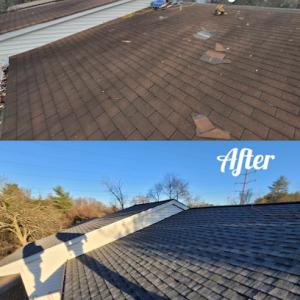
We are a family business with more than 15 years of experience in the roofing, chimney, and siding industries. Our priority is with our customers, and the quality of our work is our commitment. We treat our customers home like our own with all the responsibility and quality they deserve.
Snap Roofing Siding & Windows
(301) 464-0049 snaproofing.com
13422 Yorktown Dr, Bowie, Maryland
4.8 from 35 reviews
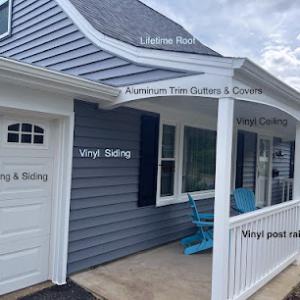
SNAP Roofing Siding & Windows was founded in 1975.We are celebrating our 50 Yr anniversary this year Originally, William Levitt built Bowie; Cape Cods, Colonials, Ranchers and Country-Clubbers made up the majority of our work. The original 1960's, 20 year roofs were first replaced in the 1980's.The second replacement were done in the 2000's, we are now doing the 3rd replacements. The roofs we install today look better and last longer 50 yrs.(130mph wind compared to 70mph) with LIFETIME warranties. Our vinyl siding, trim and windows do not need paint and will not rot. As Bowie grew, so did we, now we work all over Maryland! SNAP installs, Roofing, Siding & Windows . Get answers to your questions today 301-464-0049 or roofingsnap@gmail.com.
Bowie Siding & Roofing
(301) 262-7855 bowiesidingroofingandwindows.net
Bowie, Maryland
4.5 from 41 reviews
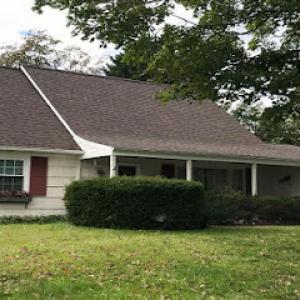
Bowie Siding and Roofing is a family-owned and operated Christian business. We are a licensed and insured Home Improvement Contractor with over 45 years of experience in Maryland and Virginia. Bowie Siding and Roofing has thousands of satisfied customers and was the first to offer a 15 year warranty on their workmanship. Whether you need a new roof, a siding repair, energy-saving windows or one of our many other services you can feel confident that Bowie Siding and Roofing is the best choice for all of your remodeling needs. We use quality, long-lasting roofing materials, and the finest siding, windows, and building materials available and we specialize in making homes beautiful and energy efficient. Call our Bowie roofing company today!
ABM Roofing Group
(240) 733-2964 abmroofinggroup.com
3208 Moylan Dr, Bowie, Maryland
4.7 from 3 reviews
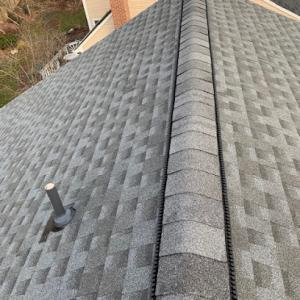
ABM Roofing Group is local, family owned Maryland roofing company serving Bowie MD, Severn MD, Annapolis MD markets and surrounding areas. We are roofing experts who specialize in residential home roof repairs and replacement services. We are roofing contractors that is Maryland licensed and insured and are experts in determining and dealing with hail, wind and/or storm damage. We want to be your trusted roofer who you can depend on for quality and great customer service every shingle time.
MARS Roofing
(240) 820-2483 mars-roofing.com
Serving
4.8 from 720 reviews
MARS Roofing, previously known as MARS Restoration, is a locally owned and operated Roofing and Siding Company specializing in weather-related damages, with a staff of trustworthy, experienced professionals with years of experience in the industry. We are located in Clinton, MD, taking pride in improving our neighborhoods and communities. We would love to make you a member of our rapidly growing family. Contact your leading Maryland roofing contractor today for a free estimate!
Prime Roofing & Siding
(443) 232-1776 primeroofingandsiding.com
Serving
5.0 from 71 reviews
Prime can handle it all. No need to call multiple contractors to discuss roofing, siding, windows, soffits, attic fans etc... Don't go though the hassle of coordinating so many contractors. Just call us!!
Potomac Custom Remodeling
(443) 212-3280 potomaccustomremodeling.com
Serving
4.8 from 116 reviews
Transform your property with expert remodeling services from Potomac Custom Remodeling Specializing in roofing, windows, siding, and solar solutions, we’re committed to enhancing your home's value and functionality. Whether you need a roof replacement, new windows, or energy-efficient solar installation, our team ensures top-quality craftsmanship and excellent customer service. Trust us to handle your renovation project with care and professionalism. Contact us today for a free consultation!
Bowie's humid subtropical conditions put steady moisture stress on roofing systems, making algae staining, underlayment aging, and ventilation performance more important than in drier regions. That means you'll want materials and assemblies that tolerate humidity without losing effectiveness in summer heat and winter wet cycles. In this climate, attic ventilation and an appropriately rated underlayment can make a bigger difference in long-term performance than flashy color or a glossy warranty. If your home sits in shading or near mature trees, plan for algae control strategies and regular cleaning to keep your system from losing its reflective properties and moisture management benefits.
Asphalt shingles dominate the suburban housing stock, and they align well with Bowie's typical roof pitches and reroof timelines. In a neighborhood with seasonal swings and wind events, a high-quality, algae-resistant shingle with good granule retention helps maintain color and protection through multiple summers. The combination of decent fire resistance, ease of installation, and widespread contractor familiarity makes asphalt a predictable choice for many homeowners. For a longer service life in this climate, pair asphalt with a robust underlayment, proper attic ventilation, and strategic overhangs to shed moisture and reduce heat buildup at the eaves.
Clay and concrete tile offer strong durability and a distinct curb appeal, but they require attention to structural support and repair logistics after storms or heavy wind events. In Bowie's neighborhoods, where homes may bear varied roof framing, confirm that the existing structure can safely carry the added weight and that fasteners and flashing are sized for local wind loads. Repair access and the potential need for reinforcing trusses should a tile system be chosen, especially in reroof scenarios where existing framing may not be up to modern specs. These materials also demand careful integration with attic ventilation and moisture management to prevent premature tile deterioration and joint failures.
Metal roofing appeals to owners prioritizing wind resistance and longevity in this climate. Standing-seam or impact-resistant profiles can provide robust performance during the season's gusty storms while offering improved shedding of rain and snow. Metal systems should be paired with a well-sealed deck, proper underlayment, and attention to thermal expansion details to avoid panel buckling or seam failure after temperature swings. If you anticipate long-term durability with lower maintenance in mind, metal can be a fitting match for homes facing persistent wind stress, provided professional installation and accurate attic ventilation accompany the selection.
In Bowie, late spring through early fall is generally the preferred reroof window because Maryland weather is more workable for tear-off, drying, and shingle sealing than winter conditions. The stretch avoids the harshest winter cold, and it gives you a longer, consistent rhythm for a clean, dry installation. Start planning for a window that avoids peak heat of midsummer and the shoulder seasons when school calendars and HOA review cycles can complicate scheduling.
Spring thaw and heavy rainfall can delay start dates and expose open roof areas to sudden weather interruptions. A realistic plan accounts for possible rain days, plus the risk of late-season downpours in early summer. If a storm system lingers, expect temporary pauses and be ready to adjust the crew's sequence so that deck protection and interior tarping stay effective. Build a buffer of a few days around likely wet spells so work can resume quickly once skies clear.
Summer humidity and heat can slow crews and affect material handling. High heat drives faster drying times for sealant and faster aging of exposed underlayment if it's left uncovered for too long. Schedule the most labor-intensive steps for cooler parts of the day when possible, and coordinate deliveries for early morning or late afternoon to reduce heat exposure on bundle stock and shingles. Clear access paths and shade stops near the work site help maintain steady progress.
Fall wind events can create debris and abrupt schedule changes before winter cold sets in. If a replacement extends into autumn, factor in potential wind-driven debris, gusts that complicate staging, and the need for secure cleanup after each day. Establish a plan for wind or storm days, including a quick-start checklist for securing felled branches, tarping vulnerable areas, and communicating any rescheduling impacts with the HOA if applicable.
Set clear milestones with the contractor: confirmation of start date, anticipated duration, and any weather-based contingencies. Maintain open lines for weather updates and access changes to the job site. A well-timed project that respects the local climate realities minimizes disruption and keeps the crew moving toward a solid, durable roof finish.
Maryland's mix of thunderstorm, wind, and derecho-related roof claims means you'll often need more documentation than a simple leak report. Gather clear, dated evidence that connects the damage to a specific weather event, including weather data from local stations or the National Weather Service when possible. For a newer roof or wind-rated materials, preserve product labels, installation dates, and any builder or contractor notes that indicate wind resistance or underlayment quality. In a typical Bowes-area roof, the goal is to show the adjustment team that damage aligns with a storm surge rather than wear or age. Keep a detailed file with inspection notes, note dates of every observed issue, and photograph transitions from undisturbed to damaged states as your roof evolves through the claim process.
Insurers may look for wind-rated materials, code-compliant underlayment, and clear photo evidence tying visible damage to a recent weather event. Take wide-angle shots of the affected area and close-ups of shingle tabs, fasteners, and flashing where damage is most evident. If there are multiple impact points, map them on a simple diagram with dates. Retain invoices or notes from any temporary repairs and record the exact dates of high-wind events that correlate with the first signs of trouble. In neighborhoods with HOA expectations, ensure you have project documentation that shows the roof's baseline condition before any storm-related work, should the claim require a comparison.
Adjusters may request both pre-installation and post-installation documentation, so keep inspection notes, permit records, and completion photos together. In Maryland, timely communication matters: report damage promptly, but avoid making repairs that could obscure evidence without guidance from the insurer. When a claim feels delayed or contested, reference the storm calendar and the sequence of observed damage from your notes to help your case. Remember that clear linkage between a weather event and the observed roof condition helps prevent a drawn-out dispute and supports a smoother recovery process for your home.
Connect with contractors who help homeowners navigate the claims process from damage assessment to final approval.
Mancia Roofing
(240) 665-0050 jmanciaroofing.com
12409 Sarah Ln, Bowie, Maryland
5.0 from 81 reviews
Legacy Built Exteriors ,LLC
(240) 320-2174 legacybuiltexteriors.com
16701 Melford Blvd, Bowie, Maryland
5.0 from 93 reviews
GRB Roofing
(443) 377-2094 www.grbroofing.com
16701 Melford Dr Suite 400, Bowie, Maryland
4.9 from 179 reviews
The local contractor market shows meaningful demand for skylight and chimney-related roof work, indicating these penetrations are common leak investigation points in Bowie homes. When a storm rolls through, these spots often reveal themselves first as drips or damp spots in the attic. A thorough inspection should treat skylights and chimneys not as afterthoughts but as front-line indicators of roof health. Look for cracked flashing, loose seals, or degraded counter-flashing around the base of the chimney, and scrutinize skylight flashing where it meets the shingles. If you notice moisture near these penetrations after a heavy rain, don't assume the roof is otherwise solid-penetrations can be the weak link even when surrounding shingles look fine.
In Bowie's older suburban neighborhoods, flashing transitions around chimneys and roof penetrations can become the deciding factor between a repair and a full reroof recommendation. A reroof may be warranted when flashing has deteriorated to the point that patching would be temporary at best, or when multiple penetrations share compromised sealing conditions. Poor transitions can create hidden water paths that only reveal themselves with heavy Mid-Atlantic rain, which means an expert eye is essential. If the flashing shows corrosion, bending, or improper flashing lay, expect a broader assessment beyond a single leak source.
Leak tracing in Bowie often needs to separate storm-created shingle damage from water entry at penetrations that only shows up during heavy Mid-Atlantic rain. Shingle blow-off or granule loss can masquerade as a penetration leak, masking the real source. A careful diagnostic should map water intrusion path from the point of entry to the interior ceiling or attic to confirm whether the culprit is a damaged shingle course or compromised flashing. Delaying decisive action on penetrations can allow leaks to worsen, especially after an extended storm season.
Start with a targeted roof inspection after a major downpour, focusing on the chimney and skylight seals, surrounding shingles, and any discoloration or staining in the attic. Capture clear photos from multiple angles to share with contractors, and ask for a diagnostic that differentiates between surface shingle damage and flashing-related leaks. If a repair path is chosen, insist on durable flashing materials and properly integrated transitions that address the full perimeter of each penetration. In some cases, a reroof with correctly integrated chimney and skylight detailing delivers a longer-term solution and better wind resistance than piecemeal fixes.
Find contractors experienced in skylight installation, flashing, and leak repairs to bring natural light into your home.
Mancia Roofing
(240) 665-0050 jmanciaroofing.com
12409 Sarah Ln, Bowie, Maryland
5.0 from 81 reviews
GRB Roofing
(443) 377-2094 www.grbroofing.com
16701 Melford Dr Suite 400, Bowie, Maryland
4.9 from 179 reviews
Bowie Siding & Roofing
(301) 262-7855 bowiesidingroofingandwindows.net
Bowie, Maryland
4.5 from 41 reviews
Even where the main roof is pitched, Bowie homes commonly include low-slope sections over additions, porches, garages, or transitions that age differently from the primary shingle field. Those areas collect water differently, and their exposure to Durham-like humidity and heavy summer rains can push minor issues into recurring leaks if drainage isn't designed for shallow slopes. The key is to plan for a distinct approach to these zones rather than treating them as seamless extensions of the main roof.
Low-slope sections need dedicated drainage attention. In practice, that means ensuring proper deck drainage, not just surface grading, and verifying that gutters and downspouts align with the flow from these areas. Valleys, transitions to membranes, and edge detailing should be executed with materials compatible for low-slope performance, so standing water doesn't ride into the living space during a downpour. On porches and additions, flashing should extend well onto the main roof and be integrated with a continuous membrane system where appropriate, to avoid bidirectional leaks from joint movement.
When replacing or upgrading low-slope areas, choose membranes and flashing materials rated for elevated humidity and rapid, intense storms. Ensure color and texture transitions from steeper fields to flatter zones read as intentional design rather than a patchwork. For transitions around dormers, skylights, or grid-like deck framing, confirm that fasteners and sealants maintain their integrity under repeated thermal cycling and moisture exposure characteristic of midsummer downpours.
Bowie's storm swings drive a higher callback rate for low-slope sections if they aren't inspected after heavy rain events. Establish a post-storm inspection habit focused on edge seams, membrane seams, and curb penetrations. If a warranty path is involved, document transitions comprehensively, including photos of edging details and flashing changes, so the homeowner has clear evidence of proper integration between the flat and pitched portions.
Find specialists in TPO, EPDM, and built-up flat roofing systems for residential and commercial properties.