Last updated: Apr 19, 2026
Steam and downpours push water across hillside roofs with unusual urgency in this watershed framework tied to the Tiber-Hudson and Patapsco systems. Heavy rain arrives with a quick, concentrated shove to eaves and gutters, so every angle, valley, and seam is tested. Snowmelt and ice can lock gutters in place, then a sudden thaw unloads a torrent that floods the roof line and pushes against flashing. In these neighborhoods, runoff moves downslope faster than you might expect, turning a routine rain into a flood risk for roofs that aren't fully prepared. The result is not just a leak, but a cascade of pressure where leaking flashing, overflowing gutters, and undermined foundation drainage become interconnected failures.
Older, steeply pitched homes on sloped lots can concentrate flow toward the most vulnerable zones: eaves, valances, and the connections where roof water meets the ground. The city's historic blocks often feature irregular roof lines, recessed valleys, and aging metal or shingle profiles that misdirect water under pressure. When water finds its way behind gutters or over edges, it seeks the path of least resistance-often into soffits, into fascia, and along the wall line toward foundation openings. In storms, the combined effect of wind-driven rain and rapid runoff can push water through small gaps that would normally stay dry, turning minor deficiencies into urgent repairs.
Gutters in hillside neighborhoods must handle steep drain angles and fast-moving water. A limited capacity gutter system or clogged downspouts acts like a dam at the top of a slope, forcing water to back up under shingles and into soffit spaces. Flashing around chimneys, vents, and roof-to-wall transitions bears extra stress when driven by wind and flood pressures. Prioritize continuous, properly sealed flashing that accommodates expansion and contraction with temperature swings. Ensure that valley and ridge areas are free of debris and that flashing is integrated with the ridge cap in a way that prevents backflow during intense rain events.
The hillside setting means that water does not just fall away from the roof; it moves toward your grading and footing. Crumbling or poorly graded soil near foundations invites water to pool close to critical interface points. Proactive grading and diversion measures, paired with well-sealed eave lines, keep water from chasing walls and basements during flood-prone deluges. Look for signs of shifting soil, yard depressions, or porch and deck edges where water concentrates and redirects toward the house.
When forecasts show intense rain and potential flash flood, perform a pre-storm check that covers gutter clearance, downspout extensions, and any visible flashing gaps. Remove debris that can block flow, and ensure downspouts discharge at least several feet from the foundation. After a storm, inspect for hidden leaks around eaves and along roof-to-wall transitions, and don't delay in addressing moisture that threatens interior walls or basements. In hillside neighborhoods, time is a critical ally-small, timely corrections can prevent large-scale water intrusion and costly damage.
You live in hillside neighborhoods where heavy spring downpours, summer thunderstorm winds, and regional derecho events can slam roofs with sudden shingle loss and flashing damage. When storms pile up on top of each other, water can race from upper slopes and overwhelm gutters, scuppers, and valleys that aren't built to run full. A missing shingle on a steep pitch becomes a wedge for leaks that work their way under underlayment and into attic spaces. Acting fast-before water finds a path around your flashing-keeps losses from mushrooming into interior damage, warped decking, or mold. Inspect after every significant wind event and after every major rain burst, prioritizing the valleys, hips, and transitions where water concentrates.
Maryland insurers commonly require detailed documentation, so prepare a concise, date-stamped record of your roof's condition before and after the storm season. Start with a current, high-resolution photo set showing the entire roof from multiple angles, plus close-ups of damaged flashing, ridge caps, and any missing or loose shingles. After a wind or derecho event, photograph the exposed areas again within 24 hours if possible, then again a week later to capture any progression. Store copy-safe backups in the cloud and on a USB drive. Mark photos with dates, weather notes, and a short description of observed damage. When submitting a claim, include a simple annotated map of any affected zones on the roof and a timeline of the storm sequence. This is especially valuable as regional wind events can cause sudden, widespread damage across Howard County, triggering heightened scrutiny of work scopes.
When many homes are hit at once, scheduling can compress and scrutinize your scope of work. In such moments, be prepared with a clear, itemized description of what your roof needs-areas of flashing replacement, shingle tab repair, vent boot reinforcements, and drainage fixes on steep sections. Have your contractor provide a staged plan that prioritizes the most vulnerable sections first, such as valleys and ridge lines, so you aren't left waiting during peak demand. Keep records of communications with insurers and contractors, including dates of phone calls, emails, and arranged inspection windows. If a wind event arrives in waves, don't delay minor repairs that can prevent water intrusion; a small fix now can avert a larger claim and more invasive repair later. In tight windows, ask for temporary protections-tarps or weighted coverings-over exposed areas to minimize rain intrusion while you secure a longer-term solution. These steps help you maintain control when storms arrive with little warning on a flood-prone hillside.
Connect with contractors who help homeowners navigate the claims process from damage assessment to final approval.
Alpha Design Services
(410) 390-0300 www.alphadesignservices.com
8480 Baltimore National Pike, Ellicott City, Maryland
4.9 from 111 reviews
Elvis General Construction
(410) 694-1731 www.elvisgeneralconstructionllc.com
Ellicott City, Maryland
4.8 from 39 reviews

Edwards Home Pro Services
(410) 718-3906 edwardshomepro.com
4836 Lee Hollow Pl, Ellicott City, Maryland
5.0 from 50 reviews
For over two decades, families in the Ellicott city , Columbia and surrounding communities have trusted the Edwards Home Pro Services team for all of their residential home improvement needs . Our services include Roofing - Roof repairs, Flat roofing, Flat roof coatings Flat roof repairs, Interior - Exterior Painting, Gutter Guards Gutters installs and repairs, Power and soft wash services, Carpentry and wood trim repairs , Deck Staining, Deck Painting, Deck Sealing ,Paver Patio service, Siding Repairs and more. No job to small. Click or call today you wont be sorry .edwardshomepro.com
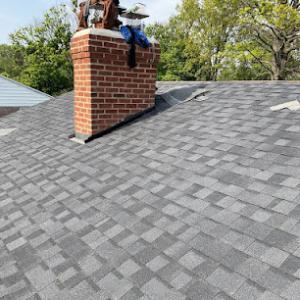
Alpha Design Services
(410) 390-0300 www.alphadesignservices.com
8480 Baltimore National Pike, Ellicott City, Maryland
4.9 from 111 reviews
Alpha Design Services is a top-rated roofing company in Maryland with over 20 years of trusted experience in roofing and home improvement services. We specialize in roof repair, roof replacement, window installation, siding installation, skylight installation, and full-service home remodeling solutions. Proudly serving Howard County, Baltimore County, Frederick County, Montgomery County, and surrounding areas, our experienced team is dedicated to delivering high-quality craftsmanship, clear communication, and on-time project completion—7 days a week, from 7:00 AM to 7:00 PM
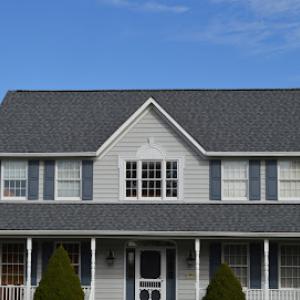
The Home Wise Pros
(443) 364-3215 www.thehomewisepros.com
3290 Pine Orchard Ln a5, Ellicott City, Maryland
5.0 from 25 reviews
Roof replacement contractor in Maryland
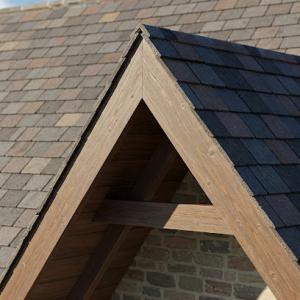
Elvis General Construction
(410) 694-1731 www.elvisgeneralconstructionllc.com
Ellicott City, Maryland
4.8 from 39 reviews
At Elvis General Construction, our dedication lies in delivering top-notch roofing services that stand the test of time. As a locally owned and family-operated enterprise with all in house crews, we boast an impressive collective experience of over 70 years in the roofing industry. Our unwavering commitment to excellence ensures that we never outsource any of our work. Every task is handled by our proficient in-house team, allowing us to maintain the highest standards of service. To demonstrate our confidence in our craftsmanship, we provide a comprehensive 10-year workmanship warranty for all our projects.
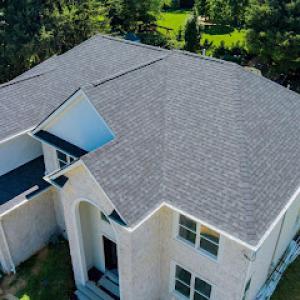
Semper Roofing Ellicott City
Serving
4.9 from 65 reviews
At Semper Roofing Ellicott City, we have been providing homeowners, with high-quality roof installation and repair services for years. Our team of experienced professionals is certified to inspect, diagnose, and repair both residential and commercial roofs. We are trusted by many homeowners and businesses for our prompt service and expertise in getting the job done right the first time. We understand that with any renovation project, there is always some degree of stress in the home or business. That is why our priority is to complete the job as quickly and with as little inconvenience as possible. If you are looking for reliable, efficient, and high-quality roofing services to satisfy your needs and expectations, call us today.
Odyssey Home Remodeling
(410) 401-4192 www.odysseyhomeremodeling.com
Serving
4.3 from 32 reviews
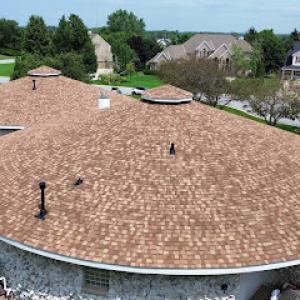
Odyssey Home Remodeling provides expert roof replacement and installation, siding replacement and installation, and window replacement and installation to homeowners in Columbia, Hanover, Laurel, and surrounding Maryland and Virginia areas. With over 10,000 homes served, we are proud to be a CertainTeed Select Shingle Master and Alside Preferred Contractor, offering premium materials and skilled craftsmanship. Our services are backed by a workmanship warranty and a 50-year parts and labor warranty, ensuring peace of mind for every project. Get an estimate today!
Westview Roofing
(410) 744-3771 www.westviewroofing.com
Serving
5.0 from 133 reviews
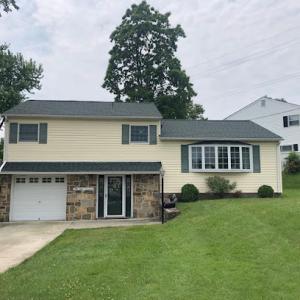
Westview Roofing is a family-owned and operated business since 1962 serving Catonsville and counties surrounding Baltimore, Maryland. We are highly skilled at roof repair and roof replacement, gutters, windows, siding, doors, and much more to make your home beautiful. Customer service excellence and quality craftsmanship at reasonable prices is what we constantly strive for. We will not stop until the job is done!

EC Roofing & Home Services Direct
(410) 442-6513 ecroofinginc.com
Serving
4.9 from 191 reviews
Founded in 1992, EC Roofing & Home Services is the go-to home improvement company for Howard County residents and those in the surrounding areas. We provide a variety of home improvement services for homeowners with our major focus being on roofing. We also provide our customers with siding, window, and seamless gutter options for their homes. When you turn to EC Roofing in Maryland, you’re turning to a team with a passion for what they do. Our team offers years of experience and training with a welcoming office staff that’s ready to help in any way that we can
One Day Roofing
(202) 978-6872 www.onedayroofing.com
Serving
4.7 from 615 reviews
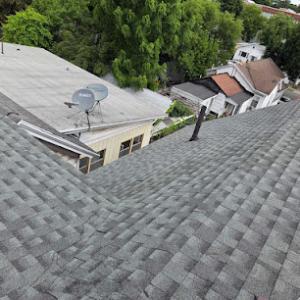
One Day Roofing is a Maryland-based residential roofing contractor specializing in roof replacement and new roof installation. Headquartered in Maryland and serving homeowners across multiple states, our team is known for clear communication, quality workmanship, and a streamlined, homeowner-first process. From start to finish, we focus on dependable service and lasting protection you can trust.

The Trusted Roofer
Serving
4.9 from 41 reviews
Your one stop shop to find the best, most reliable roofer in your area. Our team will vet each company making sure they are licensed, bonded and insured. You will get 3 estimates in less than 30 minutes in most cases.
East Coast Roofing Systems
(410) 973-6456 eastcoastroofingsystems.com
Serving
5.0 from 20 reviews
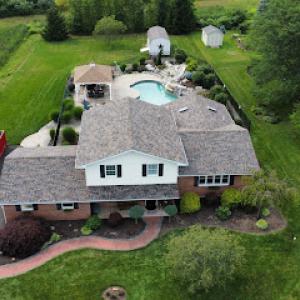
East Coast Roofing Systems is a premier residential roof repair and replacement company serving Central Maryland. Since our inception, we have strived to give the homeowner a breath of fresh air in the construction space. Providing seamless communication, service and an overall experience that trumps all others. Roofing as an Industry has become antiquated due to lack of technology, customer service and quality. Our mission at East Coast Roofing Systems is to provide a modern approach, with the ultimate goal of providing an exceptional roof inspection, repair, or replacement experience unmatched by anyone. Contact your reliable Southeastern Pennsylvania roofing, siding, window, and gutter contractor for a free estimate!
Nu Look Roofing, Siding, & Windows
(443) 806-8086 nulookhomedesign.com
Serving
4.6 from 586 reviews
Nu Look Roofing, Siding, and Windows provides dependable roof replacement in Columbia. For over 20 years, we’ve helped more than 50,000 homeowners with roofing projects, offering free estimates, 3D renderings, and clear, upfront pricing. Our 13-step production process ensures every job meets your expectations, and our lifetime transferable warranty gives you lasting peace of mind. You won’t pay until the work is finished to your satisfaction—guaranteed. From personalized product options to flexible financing, we’re here to make your roofing project straightforward. Call us today to get started with professional roof replacement in Columbia for your home.
Ellicott City sits on hillside neighborhoods above watershed guts where heavy summer rain, winter freeze-thaw, and sudden wind events test every seam, flashing, and gutter. On a steep roof, storm-driven water can overwhelm underlayment and downspouts if drainage isn't deliberately planned. The goal is to keep water moving freely toward proper outlets while staying resilient to wind-driven rain and ice dam risk. This section lays out practical choices and installation basics that fit local housing stock.
Ellicott City housing ranges from historic-core homes to newer suburban neighborhoods, so material decisions often balance appearance, structural load, and moisture performance rather than price alone. Asphalt remains a common broad option for affordability and ease of maintenance, but ventilation, underlayment, and flashing details deserve extra attention with this climate. For higher-end or historic-friendly looks, slate and tile are especially relevant because older and higher-end homes may already carry heavier systems; replacement planning should respect existing framing, ridge lines, and weather exposure. Metal roofing can pair well with modern drainage strategies on steeper pitches, and clay or concrete tile offer a long service life if the roof sits within a compatible load rating and proper substructure. The practical takeaway is to pick a system that matches the roof's slope, local wind exposure, and the ability to integrate a robust ventilation and underlayment plan.
Moisture performance cannot be an afterthought on steep Ellicott City roofs. Ventilation must be sized to handle humid summers and consistent winter moisture without creating a stagnant attic, which invites ice-related issues along rakes and flashings. Underlayment should be a high-quality, breathable type that still acts as a water barrier during driving rain. In colder months, a second line of defense is crucial: a properly sealed flashing kit around chimneys, vents, and roof-to-wall transitions, plus drip edges and corner boots that shed water away from vulnerable joints. When choosing materials, verify that the deck can support the chosen system's weight and that the fasteners and sealants are rated for freeze-thaw cycles common to the area.
Storm-driven water management hinges on reliable flashing detail where the roof meets walls, chimneys, skylights, and dormers. On the hillsides, wind can lift edge flashing or push water into marginal gaps. Use continuous metal flashing with high-quality sealant and backer rod at joints, and ensure drip edges direct water into properly sized gutters with secure hangers and downspouts that divert flow away from foundations. Pay special attention to scuppers and overflow paths on flat or near-flat roof sections, if present, to prevent water pooling during heavy downpours. In sum, flashing must be integrated with a drainage plan that prioritizes quick removal of water from the roof surface.
Where historic cores or high-end properties exist, anticipate heavier roof systems or existing substrates that require careful assessment before replacement. If a roof currently carries slate or tile, plan for compatible underlayment, a suitable substructure, and a static load review to ensure safety and durability. Even when matching a new appearance, maintain the emphasis on moisture barriers and wind-driven rain protection. For newer homes, use a balanced approach: contemporary underlayment and ventilation paired with a roof color and profile that complements the neighborhood while delivering solid moisture performance and long-term resilience.
Winter in the hillside neighborhoods above the Patapsco and Tiber-Hudson valleys brings a familiar threat: ice dams that form where heat escapes unevenly and melts snow against a cold eave. In Ellicott City winters are cold enough for ice dam formation, especially on shaded roof sections and homes with uneven attic temperatures.
Complex rooflines with dormers, valleys, and multiple penetrations concentrate water flow and stress flashing. When freeze-thaw cycles hit, small gaps become leaks you notice only after a few heavy storms. Those issues don't just drip; they back up and lift shingles, create mushy attic insulation pockets, and invite rot along rakes and overhangs.
Ventilation and flashing are the first line of defense. In homes with steep pitches and tight roof-to-wall transitions, attic baffles, soffit vents, and ridge vents must work in concert. A clogged or uneven ventilation scene invites warm pockets that melt snow in place, then refreeze at the eave.
During inspections for a full re-roof in this climate, county practices routinely verify that ventilation and flashing meet the realities of freeze-thaw. That means inspecting the underlayment, the integrity of valley flashing, dormer step flashing, and booted penetrations for chimneys and vents. If any of these fail, ice dam damage can escalate quickly.
Practical steps you can take now include keeping attic temperatures as uniform as possible, sealing interior air leaks near attic access, and prioritizing robust all-weather flashing where valleys meet dormers. When snow accumulates, remove it safely from the roof edge with a roof rake, avoiding walking on slick surfaces that can deform shingles.
If a leak appears after a storm, address it promptly and get both flashing and ventilation evaluated. In this terrain, a leak is often a signal that a larger issue sits just beyond the gutter line, hidden under shingles or in the attic.
Neighborhood crews map drainage paths across steep roofs, watching for ice near valleys after icing. If icicles form far from the gutter or damp patches appear along the eave in a spell, treat it as a warning and schedule a flashing and insulation check.
In Howard County, a full re-roof typically requires a building permit, especially when the project spans the entire roof surface. For homes perched on steep hillside patches above the Patapsco and Tiber-Hudson streams, a full re-roof is the norm rather than a small patch repair. The permit application is generally submitted by the contractor and should clearly state the project scope, including the roof area to be covered and the proposed material. Expect questions about drainage plan, attic ventilation, and any structural considerations tied to the roof's slope and weight. If the scope changes mid-project, the permit may need to be amended in writing before the change is installed.
After installation, inspections typically verify flashing around vents, chimneys, and walls, along with proper ventilation and overall weatherproofing. The inspector will look for adequate eave and ridge venting, proper drip edge installation, and flashing that stands up to heavy rains and winter icing. In hillside settings, flashing integrity and secure fasteners are critical where wind and runoff can focus on seam connections. Weatherproofing must address potential ice dam scenarios common to this climate, so attic hatch seals, insulation continuity, and vapor barriers are part of the evaluation. Plan for at least one follow-up check if any issues are found during the initial pass.
Because the roof faces steep grade and variable shade on many Ellicott City homes, ensure the contractor coordinates material delivery and waste containment to minimize runoff and debris migration downslope. Confirm that the permit package includes a clear scope of work, roof area measurements, and any required drainage details. For the inspections, have a designate ready to meet the inspector at a convenient time and be prepared to address flashing around dormers or skylights, if present. A smooth permit-to-completion path hinges on transparent documentation and proactive communication with the county plan reviewers.
Costs in Ellicott City can rise on steep lots and complex rooflines common in older hillside neighborhoods, where access, staging, and debris handling are harder than on flat suburban lots. When negotiating replacement on a slope, expect higher labor time for safe material handling, equipment setup, and waste removal, which translates to larger overall bids even for mid-range materials. Shingle and metal options still lead the market, but the premium for crews that can work efficiently on incline sites is real.
Material choice matters sharply here because the local market includes everything from standard asphalt to slate and tile, with heavy systems requiring more labor and sometimes structural consideration. Asphalt shingles remain the most budget-friendly starting point, but if you're upgrading for long-term durability and wind resistance, metal and higher-end tile options can be cost-effective over the life of the roof. Slate and concrete tile bring distinct aesthetics and excellent longevity, yet they demand structural assessment and robust staging, which can push installed costs higher than typical suburban projects.
Regional storm surges can tighten contractor availability in Howard County and nearby Baltimore-Washington suburbs, affecting timing and pricing after major weather events. After a major rainfall event, expect a backlog of bids and limited crews, which can push both the start date and the per-square rate upward. If your roof is on a steep, difficult-to-access section, ethics of scheduling become more pronounced-timelines stretch and contingency budgets should account for potential delays.
The typical cost bands reflect the local mix: asphalt shingles range roughly from 450 to 750 USD per square; metal roofing from 700 to 1200 USD per square; clay tile from 1200 to 2100 USD per square; concrete tile from 1000 to 1800 USD per square; wood shingles or shakes from 600 to 1200 USD per square; slate from 1500 to 3200 USD per square. For steep hillside homes, these figures can skew higher due to access, staging, and additional safety measures.
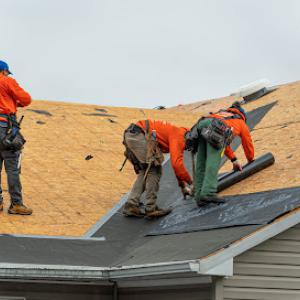
Start by surveying the roof with a contractor who understands the neighborhood's drainage and flashing demands, especially where steep grades meet heavy rain. Validate that the bid accounts for debris handling on a hillside and the potential need for enhanced underlayments and tie-downs. Compare multiple bids, focusing on crew safety plans for incline work and any anticipated structural updates needed to support heavier assemblies.
Get a clear picture of your project costs upfront - no commitment required.
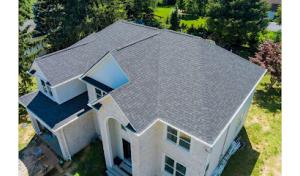
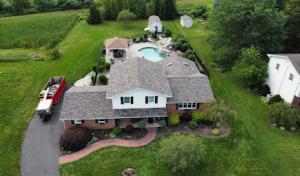
When a heavy rain or wind event sweeps through the Patapsco hillside neighborhoods, Maryland insurers often rely on thorough adjuster reviews to verify damage, which matters for hillside homes perched above flood-prone basins. The combination of steep roofs, old flashing, and concentrated drainage challenges means a claim can hinge on precise workmanship and clear evidence of how water moved across the roof and into eaves or valleys. Understanding that process helps homeowners avoid surprises when the adjuster calls or when a replacement is considered. If damage appears localized but water has tracked along fast-moving routes, the claim may be shaped by how well the evidence supports a cause-and-effect link between the storm and the leak.
Homeowners here should keep pre-work and post-work photos plus a detailed scope of work because documentation standards are often strict. Take wide-angle shots of the entire roof line, then close-ups of flashing, seam intersections, and any prior repairs. Time-stamped images from multiple angles during daylight minimize ambiguity. A written scope that notes observed issues before the storm, plus the sequence of repairs and material types used, helps the adjuster evaluate the legitimacy and scope of the claimed damage. In a hillside setting, show drainage changes, debris buildup, and gutter condition to illustrate how stormwater management failed to keep pace.
Large storm years can affect underwriting and premiums, so roof age, condition records, and repair history can influence future insurance conversations. Maintain an ongoing file of professional assessments and maintenance notes, including any weather-related incidents that touched the roof, to demonstrate a proactive approach. This record helps when insurers recalibrate risk after heavy seasonal events and can support reasonable expectations for future coverage discussions.
Connect with contractors who help homeowners navigate the claims process from damage assessment to final approval.
Alpha Design Services
(410) 390-0300 www.alphadesignservices.com
8480 Baltimore National Pike, Ellicott City, Maryland
4.9 from 111 reviews
Elvis General Construction
(410) 694-1731 www.elvisgeneralconstructionllc.com
Ellicott City, Maryland
4.8 from 39 reviews
Older hillside homes with architectural complexity common in central Maryland suburbs bring more leak-prone transitions. Chimneys are a frequent sight of visible roof work, and masonry-to-roof flashing details recur as a homeowner concern. Heavy spring rain tends to expose failures first at skylights, valleys, step flashing, and roof-to-wall intersections rather than across open field shingles.
Pay particular attention to valley pans where two roof planes meet, and to the intersection where the roof meets the chimney or dormers. Skylights in steep sections can trap condensation and ice, stressing fasteners and sealant. Step flashing along the chimney chase and at roof edges often deteriorates first under continuous wet-warm cycles.
During a dry day, start at the chimney and work outward along the flashing. Check for hairline cracks in masonry joints and any shifting or corrosion of metal flashing. Inspect skylight curb seals and curb-to-roof fasteners. At valleys, look for lifted shingles, loose nails, or stained drywall interior near the affected wall.
Seasonal resealing around skylights with compatible, UV-stable sealant can extend life in shady, high-wind zones. Reflash valley intersections with a continuous metal flu, and ensure sealant bead length and depth match the roof pitch. Repoint or repair masonry at the chimney base to prevent moisture migration into the roof plane.
Walk the roof after a heavy rain and note any damp interior spots near skylights, walls, or chimneys. If a leak is suspected, document with photos at multiple angles and intervals, then schedule targeted flashing and flashing-to-murface repairs before next heavy season.
Find contractors experienced in skylight installation, flashing, and leak repairs to bring natural light into your home.
Alpha Design Services
(410) 390-0300 www.alphadesignservices.com
8480 Baltimore National Pike, Ellicott City, Maryland
4.9 from 111 reviews
The Home Wise Pros
(443) 364-3215 www.thehomewisepros.com
3290 Pine Orchard Ln a5, Ellicott City, Maryland
5.0 from 25 reviews
Elvis General Construction
(410) 694-1731 www.elvisgeneralconstructionllc.com
Ellicott City, Maryland
4.8 from 39 reviews
Although pitched roofs dominate in Ellicott City, many homes have low-slope sections over additions, porches, garages, or rear extensions that fail differently from the main roof. In the city's wet climate, these low-slope areas are more vulnerable to standing water, seam failure, and drainage backups during prolonged rain. A conspiracy of clogged gutters, sagging flashing, and misaligned drains can turn a quiet shower into a soaked morning after a heavy storm.
Start with a thorough inspection of all low-slope sections: note any ponding, warped or lifted flashing, and seam or crimp failures. Look for cracked seals around penetrations, misaligned step flashing where the low-slope meets a steeper roof, and evidence of ice damming in winter. Check gutters and downspouts for debris and ensure water is evacuating away from the foundation. In mixed-roof homes, identify where the transition from steep to low slope occurs, so that both conditions are addressed in one plan.
For low-slope waterproofing, think beyond standard shingles. A high-quality, reinforced membrane or self-adhered sheet underlayment with properly integrated terminations at all edges is essential. Seam details should be welded or heat-seamed, with solid termination bars at edge junctures. Overhangs and drip edges must be continuous to direct water toward drainage paths. When a porched or addition roof adjoins a main steep roof, ensure the interface includes a dedicated water dam or transitional flashing that resists infiltration during wind-driven rain.
Mixed-roof homes require contractors who can address both steep-slope replacement and low-slope waterproofing in one project. Coordinate with the same crew to align flashing, drainage, and membrane systems across both roof types to avoid weak seams. Clear communication about drainage routes and accessibility for future maintenance saves time and reduces the chance of recurring leaks.
Find specialists in TPO, EPDM, and built-up flat roofing systems for residential and commercial properties.
Edwards Home Pro Services
(410) 718-3906 edwardshomepro.com
4836 Lee Hollow Pl, Ellicott City, Maryland
5.0 from 50 reviews