
Last updated: Apr 19, 2026
Thunderstorms roll through the Chattahoochee Valley with real force, and the spring-to-summer window brings a steady cycle of wind, hail, and sudden leaks. The local contractor market is tuned to storm damage, emergency repair, and insurance-claim work, so you're not dealing with smoke-and-mirrors-you're facing a surge of urgent roof issues that demand fast, decisive action. Offshore or coastal worries drift away here; inland Columbus sees wind-driven loss, tree strikes, and rapid water intrusion as the main threats. That difference shapes every decision you make after a storm: what to fix first, how to work with your insurer, and who to call for trusted repairs.
Weathered shingles don't always show their damage at a glance. Return to your attic and look for wet spots, puckered decking, or dark stains that extend beyond the obvious hole. If you hear rain inside or discover active leaks, treat it as an emergency. Place a bucket under the drip, cover the most vulnerable area with a sturdy tarp, and avoid partial repairs that leave the rest of the roof exposed to renewed gusts. In Columbus, high thunderstorm volume means wind-driven debris is common; do not assume a clean patch job will hold through the next gust. The goal is to protect interior spaces and limit further water damage while you arrange professional help.
Look for local teams that explicitly advertise storm damage response, emergency repair, and insurance-claim assistance. These contractors understand how insurer schedules tighten after a major storm, how to document damage for claims, and how temporary fixes transition to long-term repairs. Expect a rapid on-site assessment, a triage plan for tarps and temporary shingle replacements, and a clear explanation of what must be done now versus what can wait. A trustworthy crew should walk you through wind-and-impact patterns typical in inland Georgia, explaining how tree contact and ladder-load stress map to your roof's vulnerable seams, valleys, and edges.
Your top priority is stopping the water intrusion and preventing further interior damage. The second priority is restoring critical weatherproofing around valleys, flashing, and penetrations, because those sites commonly fail in spring storms. Third, address loose or missing shingles that wind can easily lift again before a permanent fix is installed. If your roof is older or shows widespread damage, insist on a thorough evaluation of the decking's condition and flashing integrity. Insurance-driven decisions should be guided by a contractor who can provide a clear scope, a phased repair plan, and realistic timelines-without diluting the urgency of securing your home.
Keep a weather eye on the forecast during peak storm season. Even mild-looking days can deliver brief, high-wind events that strip loose shingles or rip flashing free. After a storm, inspect the roof with caution from the ground using binoculars or a ladder under safe conditions; look for lifted edges, distracted flashing, or loose gutters that signal bigger issues beneath. When in doubt, call a storm-focused contractor for a rapid assessment. A swift, informed response can limit interior damage and keep a small problem from turning into a costly, long-term repair. Columbus knows storms don't wait-neither should you.

Superior Roofing Columbus
(706) 505-0067 www.superiorroofingcompany.net
2206 Camille Dr Ste B, Columbus, Georgia
4.9 from 148 reviews
Superior Roofing Company is a family-owned and operated business that has served Columbus and surrounding communities with the best customer service and roofing expertise since 1982. Our roofing experts are more than qualified to take care of your roof not just because of our certification and years of experience, but also because we are committed to doing our absolute best work for every one of our customers. We are recognized as GAF Master Elite Residential Certified Contractors, GAF Gold and Platinum Elite Commercial Certified Contractors, and we are Mule-Hide certified. We provide honest, high-quality Residential and Commercial roofing with integrity, excellence, and care that honors God and serves our neighbors well.
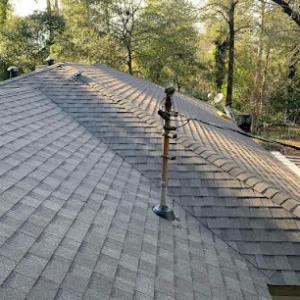
A.D Roofing & Siding
(706) 536-4529 adroofingga.com
Columbus, Georgia
5.0 from 70 reviews
A.D Roofing & Siding is a roofing company that provides quality roofing services to residents in GA, and surrounding areas. We are dedicated to ensuring that our clients are satisfied with the work we do, and we always go the extra mile to make sure we are happy with the finished product.
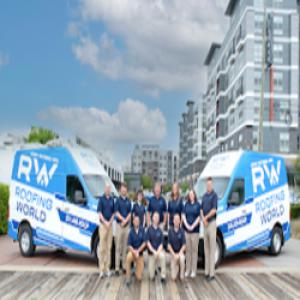
Roofing World
(706) 709-0250 roofingworldal.com
2920 Edgewood Rd, Columbus, Georgia
4.9 from 114 reviews
Looking for exceptional roofing services in Columbus, GA? Roofing World is here for you. Family-owned with 25+ years of experience, we’re one of Georgia's fastest-growing roofing companies, offering unbeatable financing options. We specialize in residential, metal, and asphalt roofing, providing top-quality replacement, installation, and repair services. With over 1000 completed projects, we ensure expert craftsmanship. Enjoy low monthly payments and lifetime warranties on select products. From emergency repairs to new installations, our local contractors are ready to help. For metal roofing, roof replacement, or any roofing services near you, call Roofing World at (800) ROOF-PRO.
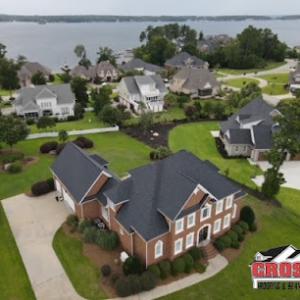
Crosby Roofing & Seamless Gutters Columbus
(706) 780-3945 www.crosbyroofing.com
1350 15th Ave, Columbus, Georgia
5.0 from 39 reviews
At Crosby Roofing, we’re a family-owned and operated roofing company proudly serving Columbus, GA, since 1989. With over three decades of experience, we’ve built a reputation for quality craftsmanship, integrity, and reliable service. Whether you need residential roof replacement, storm damage repair, or a full commercial roofing project, our skilled team delivers dependable results that stand the test of time. As a locally rooted roofing company in Columbus, GA, we treat every customer like family and stand behind every roof we install—because that’s the Crosby way.

Bald Eagle Roofs & Exteriors
(706) 803-2253 www.baldeagleroofs.com
6524 Buena Vista Rd Suite B, Columbus, Georgia
5.0 from 36 reviews
Customer satisfaction is our number one priority at Bald Eagle Roofs & Exteriors. As a locally owned and operated roofing business, we are dedicated to quality craftsmanship and outstanding customer service. Our integrity and thoroughness will make your roofing experience a rewarding one. Whether you are looking for a small repair or a large overhaul, you will benefit from our personalized attention throughout the duration of your project. We stand by our work by offering a 100% satisfaction guarantee on all our services. We also offer online free estimates, full warranty, financing, and parts and labor guaranteed.
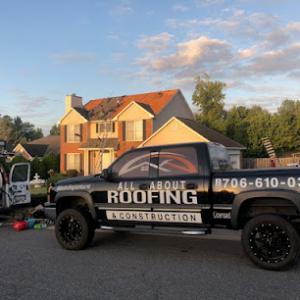
All About Roofing & Construction
(706) 610-0339 allaboutroofingcolumbus.com
3217 2nd Ave, Columbus, Georgia
4.9 from 52 reviews
All About Roofing & Construction is fully licensed, bonded, and insured contractor based in Columbus, Georgia. We are a family-owned-and-operated company. With 24 years of experience, countless home and business owners have relied on the quality of our work. We take pride in the excellence in craftsmanship we provide with every customer and strive for 100% satisfaction guaranteed. Call All About Roofing & Construction today and we will be there in your time of need.
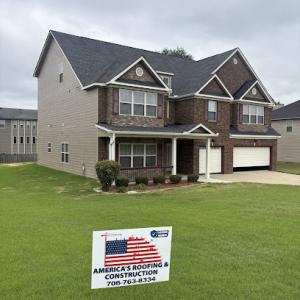
America's Roofing & Construction
(706) 763-8334 americasroofingco.com
1639 Bradley Park Dr Ste 500, Columbus, Georgia
4.9 from 90 reviews
all types of roofing & construction
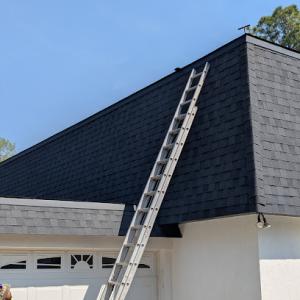
Gary Kent Associates | Roofing in Columbus, GA.
(706) 577-4925 www.garykentassociates.com
3124 Bellanca St, Columbus, Georgia
4.9 from 46 reviews
Gary Kent Associates has proudly served Columbus, GA and surrounding areas with high-quality roofing services since 1989. We are also known locally as Roofing by Gary Kent, providing dependable roofing solutions. --- Our services include full roof replacements, roof leak repairs, metal roofing, slate and tile roofing, storm damage inspections, insurance claim support, gutter installation and repairs, and preventative maintenance to help extend the life of your roof. --- Our experienced team is known for quality workmanship, clear communication, fair pricing, and prompt service. Whether you’re dealing with missing shingles, wind damage, or planning a roof replacement, we deliver long-term solutions. Call us today for a free estimate.
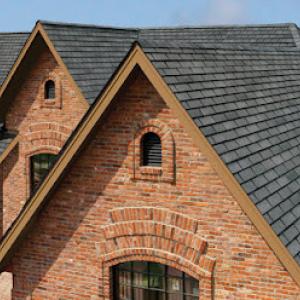
Expert Roofers Columbus
(706) 917-2768 www.expertrooferscolumbus.com
1751 44th St Suite A, Columbus, Georgia
4.7 from 79 reviews
Discover Expert Roofers Columbus GA from repairs to replacements, our skilled team delivers outstanding results. Trust us for reliable, durable roofs using top-quality materials. With attention to detail and on-time completion, we ensure a leak-free environment. As a local business, we offer fair pricing, transparent practices, and exceptional customer service. Contact us for a free consultation and experience our unparalleled craftsmanship. Your satisfaction is our priority.
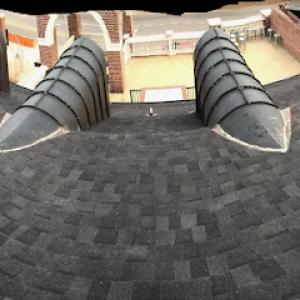
One Stop Roofing
(706) 593-3028 www.onestoproofing.us
3075 Edgewood Ct, Columbus, Georgia
5.0 from 21 reviews
One Stop Roofing has been serving the community for over 10 years! We are licensed and insured for commercial and residential roofs, installed or replaced, we have you covered! Call us today for a free estimate and see how we compare with others!
Liberty Roofing Professionals
(706) 389-9637 www.libertyroofingprofessionals.com
1955 Northside Industrial Blvd Suite B, Columbus, Georgia
4.7 from 65 reviews
We are a full-service roofing replacement and repair company! We're the best at what we do because we provide top-notch service and our products are the best in the business. We offer FREE consultations and FINANCING, something our competitors don't offer! Call us for all of your roofing needs today!
Baseline Coatings
(706) 562-4656 baselinecoatings.com
6318 Moon Rd, Columbus, Georgia
5.0 from 15 reviews
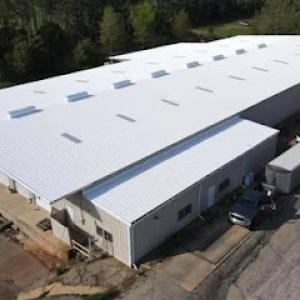
Commercial, Industrial, Residential Roof Coatings, Spray Foam Roofing, Metal Roof Restoration, TPO, PVC using Conklin Products. Family and Veteran owned. FREE ESTIMATES, Seamless, Cost Effective, Energy Star Efficient, 85% Reflectivity, 10 to 25 year Labor and Materials Warranty.
In this area, asphalt shingles remain the go-to for many homes thanks to compatibility with the typical roof shapes seen in the city and a balanced mix of cost and reliability. Look for architectural (laminated) shingles that deliver better impact resistance and a thicker profile, which helps with both heat retention and wear from daily sun. In hot, humid summers, choosing shingles with better albedo (lighter colors) or algae-resistant formulations matters because heat load and moisture-related wear affect the ridge lines and shingle edges more than any freeze-thaw concern. When you install asphalt, make sure the underlayment is breathable and that there's a solid attic ventilation plan so the heat climbs out rather than warps the decking. Flashings around vents, chimneys, and skylights should be heavy-duty and well-sealed; in Columbus, heavy rain and storm debris are common, so you want fast water shedding and secure seals.
Metal is a strong choice for people who want a long service life and quick, reliable water shedding after a storm. Standing-seam metal panels resist thermal movement better than some other materials, which matters in long, hot summers with high humidity. Metal's reflective surface helps reduce heat gain, especially if you opt for a lighter color or a reflective coating. In practice, metal roofs in this market are often installed with battens or integrated underlayment to handle the attic's moisture dynamics and to allow venting beneath the panels. Secure flashing is non-negotiable in Columbus's storm pattern-any seam or transition is a potential entry point during heavy rain or debris-laden winds. If you have solar or attic insulation upgrades in mind, metal pairs well with those, but verify compatibility with any existing roof penetrations and edge details.
Tile, where you find it, can offer excellent heat endurance and a long life, though it's less common on lighter-frame homes due to weight and plumbing-like support needs. When tile is an option, choose designs with good ventilation under the tiles and a robust underlayment to manage humidity. Flat-roof systems (including single-ply or built-up membranes) are present but require careful attention to drainage and edge detailing. In Columbus, flat roofs can suffer from standing water and wind-driven debris if not installed with proper slope and secure flashing. If you pursue tile or flat options, ensure the flashing at perimeters, penetrations, and transitions is purpose-built for high rain events and heavy wind loads. A well-sealed parapet and reliable drain outlets reduce recurring leak risks after storms.
Any roof type benefits from a thoughtful ventilation strategy. Attic ventilation reduces heat buildup that accelerates shingle and wood deck wear and helps manage moisture during the humid months. Underlayment quality matters the most when storm-driven debris is common, because it's the first line of defense against leaks. For Columbus homes, pairing a vapor-permeable breathable deck underlayment with proper attic venting creates a more resilient system against heat and humidity.
Water shedding performance is prioritized here due to frequent heavy rain. Secure flashing around chimneys, skylights, vents, and transitions; ensure fastener patterns resist wind uplift and debris impact. Edge details, eaves, and drip edges should be robust, as improper drainage can elevate leak risk after a major storm. For any roof type, these details determine long-term performance once the sun and storms start their back-and-forth cycle.
Columbus operates under a consolidated city-county government, so roofing permits and inspections are centralized rather than split between a separate city and county system. This means the building inspections function handles permit issuance, plan review, and final inspections in one place. As a homeowner, you'll interact with the same office regardless of where you live in the consolidated area, which can streamline or pile onto scheduling depending on storm activity and staff availability. The key takeaway: permit decisions and inspections are not handled by a municipal utility or a utility contractor, but through the centralized permitting channel.
For reroof projects, start by contacting Columbus's building inspections function to confirm whether a reroof requires a permit in your exact circumstance. Some minor repairs may fall outside the permit scope, but most full or partial reroofs do require one, especially if decking or structural components are involved. Because enforcement is centralized, you'll submit through the same process and portal used for other building permits in the consolidated government system. If you have a weather-related claim, keep a record of any correspondence with your insurer and the permitting office, since timelines can collide when storm-response workloads spike.
Begin with a clear project scope: note materials, underlayment, venting, flashing, and any decking work. Prepare typical documents like site plans or sketches and any required contractor licenses. Submit the permit application through the Columbus building inspections function and pay any applicable fees. Plan for a plan review period that reflects the local office's workload; after severe thunderstorms, review queues can lengthen. Once approved, pick up the permit and post it on-site where it's visible. Some projects may require contractor compliance forms or additional notes for wind or insulation standards-verify these early to avoid backtracking.
Inspection timing is a practical concern after major storm events because a surge of reroof activity can compress the schedule in a single local permitting system. Coordinate early with the inspector's office to secure preferred windows, especially for critical milestones like roof decking, underlayment installation, and final inspection. Delays can occur if inspections lag and work sits under a permit longer than anticipated. If weather-related setbacks push a phase, contact the inspections function promptly to adjust the appointment. Having a clear communication line helps keep the project on track when demand is high.
A frequent pitfall is assuming post-storm urgency guarantees immediate inspection slots; instead, verify current wait times and book slots as soon as the permit is active. Keep all approvals, notices, and inspection confirmations accessible in one place. If a permit is not properly closed after completion, it can complicate future renovations or insurance adjustments. Finally, since enforcement and scheduling are centralized, building a cooperative relationship with the manufacturing and roofing contractor you hire can smooth the process when the system is strained by weather events.
Columbus faces a steady stream of storm-driven claims, and the prevalence of insurance-claim specialists reflects a locally active roof-claim environment tied to severe weather losses. This means conversations about a roof's condition often come with someone offering rapid steps, rapid signatures, and guarantees tied to a quick settlement. The risk is not the storm alone, but how the ensuing discussions can steer a homeowner toward decisions that are not fully aligned with what an adjuster will consider fair after their review. The result can be a mismatch between initial impressions and what the insurance company considers reasonable for repairs.
Georgia homeowners in Columbus should document storm timing, fallen limbs, interior leaks, and visible shingle or metal damage immediately because fast-moving thunderstorm losses can be disputed later. A clear timeline helps when the adjuster arrives, especially after multi-day storms that blanket the area and create competing narratives about when damage occurred. Take dated photos of the roof from multiple angles, capture any interior leaks with captions that note the room and ceiling texture, and keep a log of all related storm events. If a limb or debris caused a puncture or loosening, photograph it on the day it happens and again after debris removal.
In a market with frequent storm-response marketing, Columbus homeowners need to separate legitimate claim documentation help from pressure to sign contracts before adjuster review. It is common to encounter contractors who push rapid-start agreements or "as-is" waivers in the name of expedience. Those documents can complicate later negotiations or even reduce the scope of covered repairs. Before any signature, request a written estimate based on a professional assessment, and insist on a pause that allows the adjuster to inspect the roof without a rushed commitment. If a contractor asks for access to the insurance information or to sign over control of the claim, pause and verify the legitimacy of the request, ideally with independent advice.
When the adjuster finally reviews the claim, bring the documentation you've gathered: storm timing notes, photos of damage, evidence of leaks, and a list of observed issues tied to specific weather events. Keep a separate folder for any correspondence with the insurer and any contractor communications. If an issue seems unclear or inconsistent with the adjuster's assessment, request an inspection follow-up or a second opinion before the claim moves toward settlement. This approach provides a grounded, city-specific path through the storm-season claiming process.
Connect with contractors who help homeowners navigate the claims process from damage assessment to final approval.
Crosby Roofing & Seamless Gutters Columbus
(706) 780-3945 www.crosbyroofing.com
1350 15th Ave, Columbus, Georgia
5.0 from 39 reviews

Bald Eagle Roofs & Exteriors
(706) 803-2253 www.baldeagleroofs.com
6524 Buena Vista Rd Suite B, Columbus, Georgia
5.0 from 36 reviews
All About Roofing & Construction
(706) 610-0339 allaboutroofingcolumbus.com
3217 2nd Ave, Columbus, Georgia
4.9 from 52 reviews
No city-specific average cost range was provided, so pricing in this guide is explained through local realities rather than a flat number. In Columbus, the roof is part of a storm-prone fabric that often drives demand for quick responses, repairs, and sometimes full replacements. When a major thunderstorm hits, the surge in requests for tarping, temporary fixes, and rapid replacements can push prices up briefly. Homeowners should plan for a few weeks of higher availability costs if a large storm event hits.
Storm surges in reroof demand are typical after severe weather. When a cluster of homeowners seeks emergency tarps, leak stops, and expedited replacements at once, contractors reallocate crews and materials. That temporary bandwidth strain can lift labor charges and shipping costs for a short period. If your roof is near the end of its life or has multiple problem areas, this cycle can trigger faster decision timelines and higher quoted prices as crews prioritize urgent work. Expect your project to swing with the storm calendar, not with a single static quote.
Material choice in this market commonly centers on asphalt shingles versus metal. Asphalt remains the most common, balancing cost and performance for the local climate. Metal roofs are valued for longevity and resilience against heavy rains and hail, but come with higher upfront costs and specialized installation needs. Specialty tile, flat-roof systems, and skylight work add layers of complexity and labor cost. If you're choosing a premium option, you'll see a more pronounced spread between bids because crews must manage longer lead times, more intricate detailing, and specialized installation sequences.
Labor costs reflect crew availability, travel distance to your home, and the typical Columbus housing stock, which includes a mix of older structures and newer builds. Proximity matters: nearby crews can offer faster response and lower mobilization fees, while out-of-area teams may add travel time and supervision costs. When storm work is heavy, you may encounter higher scheduling premiums or weekend/after-hours labor charges to accommodate urgent leaks before rain events.
Begin with a rapid assessment and two or three contractor quotes that account for tarping, repair scope, and potential full replacement. If you're in a surge window, ask how each bid handles expedited ordering, material lead times, and staging on your property. Favor bids that itemize tarping, leak mitigation, and shingle or metal replacement costs separately so you can compare like-for-like. In the end, duration and reliability of the crew often matter as much as price, especially after a big storm when quick protection and solid warranty terms protect your investment.
Get a clear picture of your project costs upfront - no commitment required.
Superior Roofing Columbus
(706) 505-0067 www.superiorroofingcompany.net
2206 Camille Dr Ste B, Columbus, Georgia
4.9 from 148 reviews
Bald Eagle Roofs & Exteriors
(706) 803-2253 www.baldeagleroofs.com
6524 Buena Vista Rd Suite B, Columbus, Georgia
5.0 from 36 reviews
America's Roofing & Construction
(706) 763-8334 americasroofingco.com
1639 Bradley Park Dr Ste 500, Columbus, Georgia
4.9 from 90 reviews
In this market, reroofing dominates over niche repair firms, so you are choosing among replacement-focused crews rather than specialists who only patch leaks. That means clarity on what's included in a full removal, how the new shingles handle storm hail, and how waste is managed matters more than abstract promises. Look for crews with recent full roof installs similar to your home style.
Cleanup is a major local hiring priority, so you should expect a tidy job site every day. Ask for the post-work debris haul and a clean-up plan, including nail removal and tarp usage to protect landscaping and driveways. A crew that takes pride in site condition reduces the risk of nails in the yard and damage to sprinkler heads or siding after a February storm.
This market includes many affordable, family-owned, and long-established companies, so tenure and responsiveness are meaningful differentiators. Short response times after a storm, clear communication on schedule shifts, and a straightforward warranty posture reflect experience in our weather patterns. Verify who will be on site for the project and who handles aftercare questions.
Ask for solid references from recent Columbus-area roofs, not distant projects. See how crews document progress with photos and a written punch list. If a contractor's plan relies heavily on subcontractors, ensure you have a single point of contact and a clear chain for issue resolution. Storm-season demand can strain crews-choose reliability over speed.
Weather realities and debris-heavy lots can affect finish quality and cleanup timelines. After rain, inspect the yard for muddy ruts and stray nails before you sign, and expect daily cleanup with a clear written warranty.