
Last updated: Apr 19, 2026
Spring in this region commonly brings hail, strong winds, and thunderstorm damage that trigger many residential roof claims across the city. Those bursts of weather can leave granules in gutters, dents in shingles, and soft spots where moisture hides. The immediate risk after a hail event is not just a leaky roof, but accelerated wear that weakens decking and underlayment. When storms roll through, urgency matters: the longer damage sits, the higher the chance of interior damage and advanced rot. If a hail event occurs, plan for a rapid initial assessment and a careful map of affected areas, because insurers will scrutinize the extent and cause of the damage when you file.
Hot, humid summers with frequent thunderstorms often interrupt tear-off and installation schedules, making spring and fall the preferred replacement windows in Atlanta. Heat can warp underlayment and slow adhesive-based products, while sudden downpours can stall work and complicate safety. Homeowners should align project expectations with the seasonal rhythm: anticipate tighter schedules in peak summer and allow extra lead time if a quick tear-off is needed after a severe event. When the weather cooperates, crews can complete installations more efficiently, reducing exposure to mid-summer heat and storm gaps. Planning around these windows reduces the risk of extended exposure to weather while a roof is partially off.
Georgia insurers commonly require detailed photo documentation and may send independent adjusters on hail and wind claims, which directly affects how homeowners should document roof damage. Start with a clear, timestamped record of every issue: hail dents, wind uplift on ridge lines, broken shingles, and any interior signs of moisture. Photograph both the overall roof and close-ups from multiple angles, plus interior spots like ceilings and attic insulation that show staining or mold. When an adjuster visits, provide clean accessibility to attic spaces, vents, and attic ventilation components to help establish the cause and scope. A thorough, organized set of photos can expedite the claim and clarify exactly what the roof needs. If there's a gap between your memory of the event and what the adjuster documents, your photos will anchor the claim and support a quicker resolution.
Immediately after a storm, walk the perimeter with a flashlight at dusk to spot raised shingles, torn flashing, or dented gutters. If any damage is visible, call a local, reputable contractor who can provide a preliminary inspection and a written, non-obligatory assessment tailored to storm damage. Request a digital copy of the contractor's assessment to attach to your insurance claim, and organize receipts for any temporary protective measures you install, such as tarping or boarding. When your claim is submitted, follow up regularly with the insurer and the adjuster to keep the process moving, especially during the busier spring and fall windows when claims spike. Coordination between your contractor and the insurer is crucial to avoid delays caused by missing documentation or misidentified damage.
Avoid delaying documentation or waiting for the "perfect" weather window to start an inspection. Storm damage can deteriorate quickly, and insurers may scrutinize any gaps in the timeline. Do not discard damaged materials before the adjuster visits; retain samples or photos. Finally, beware of contractors who push fast, low-quality tear-offs to beat weather constraints-quality and proper underlayment choice matter as much as speed in this climate. A cautious, proactive approach keeps you on track through Atlanta's spring-to-summer pattern and reduces the risk of costly fixes down the line.
Atlanta's residential roofs run a broad spectrum: asphalt shingles, metal, clay tile, concrete tile, wood shakes, and synthetic/composite shingles. That mix means a wide local price spread by material. If you're comparing bids, you'll see asphalt shingles clustering on the low to mid end, while metal can hit the high side but offer longer life and fewer mid-life maintenance events. Clay and concrete tiles sit in the upper tier, with clay skewing a bit higher on installation complexity. Wood shakes bring a distinctive look and a higher cost, and synthetic or composite shingles try to bridge performance with a more forgiving price. In practical terms, expect asphalt shingles to land in the low-to-mid range, roughly 360 to 700 per square, while metal shores into 700 to 1100 per square. Clay tile tends to run 900 to 1600, concrete tile 800 to 1400, wood shakes 900 to 1500, and synthetic/composite shingles 600 to 1100 per square. Your exact price will swing with Roof size, pitch, attic ventilation needs, and the current material market.
Spring through early summer is when hail and high-wind events commonly stress the local roof stock. After a severe storm, contractor availability can tighten quickly, and pricing can shift upward as crews get booked up. You may experience longer lead times for material delivery and for crew scheduling, especially if the project requires specialty products like clay or concrete tile or a metal system with color-matched accessories. If your roof needed significant repairs, or if a full replacement is on the table, plan for potential bidding windows that widen after the first week of April and stay tight through early July. In practice, have a few backup start dates and confirm crew arrival windows in writing. When storms are fresh in memory, it helps to begin communication with preferred contractors within a few days of inspection so you're not competing with other homeowners facing the same delays.
Considering long-term performance in this humid Piedmont climate, your material choice should align with typical weather patterns and maintenance expectations. Asphalt shingles are affordable and easy to repair, but may require more frequent replacements than metal or tile in a storm-heavy environment. Metal roofing offers durable performance and quicker installation but comes with a premium upfront. Clay and concrete tiles offer excellent longevity and resistance to wind uplift but demand careful installation and greater roof weight considerations. Wood shakes deliver a distinct aesthetic but require regular maintenance to resist moisture and pests. Synthetic/composite shingles provide a middle ground, often with better hail resistance than some organic options and a more manageable weight. When estimating, match the material's installed square price to your roof size and pitch, and factor in potential surge pricing after a storm. Ultimately, the choice balances initial cost, anticipated lifespan, local weather resilience, and your home's architectural style.
A full roof replacement in Atlanta typically requires a permit obtained through the City of Atlanta permit portal, usually by the contractor. Before any tearing or lifting shingles begins, confirm with the roofing team which entity is pulling the permit and whether they will handle the application on your behalf. In practice, know that the permit is more than a formality: it flags the project for city oversight and helps ensure code-compliant installation, especially important when storm damage has accelerated work. Expect the contractor to submit plan details, including material type and roof scope, and to respond quickly to any city requests for additional information.
The permit must be posted on site in Atlanta, clearly visible for city inspectors and for neighbors who may notice a temporary uptick in activity. The posted permit acts as a notice to the street that work is authorized and under review. The signage should stay up for the duration of the project, which helps prevent workarounds or misunderstandings about boundaries and timelines. If the permit board fades or is obscured, coordinate with the contractor to replace it promptly. Keeping the posted permit current is a practical step toward avoiding delays or denials during inspections.
Atlanta roofing jobs commonly involve inspections during and after installation, often including a rough inspection and a final inspection. The rough inspection typically occurs after the roof deck and underlayment are in place but before shafting, flashing, and final coverings are completed. This early check helps catch issues with structure, ventilation, or decking, minimizing rework later. The final inspection occurs after the entire roof system is installed, including vents, flashing, penetrations, and any storm-damage repairs. If a problem is found, the city expects a corrective path and a follow-up inspection to verify all corrections are completed. Scheduling these inspections promptly keeps the project on track.
The city process can add 1-2 weeks before work is fully cleared to proceed. Weather patterns in spring and early summer, with gusty storms and sudden hail risk, can interact with inspection schedules. It's common for inspections to be affected by rain delays or temporary holdbacks if conditions impede safe work or if documentation isn't ready. Have a contingency plan with your contractor for inspection windows, including potential rescheduling around rainouts. Proper coordination with both the permit office and the roofing crew reduces the chance of cooldowns or stoppages that extend the project timeline.
Ask upfront which permits are required and who will sponsor the application. Verify the contractor's license and insurance in the permit portal and confirm that the posted permit will reflect the actual scope of work. Maintain open lines of communication with the contractor about inspection dates and what documents will be needed for each stage. After inspections, keep a simple record of the inspector's notes and any required corrections, and ensure those corrections are completed before the final sign-off. This approach helps a roof replacement move smoothly through Atlanta's permit and inspection process.
In a city with hot, humid summers and frequent thunderstorm activity, the heat and moisture cycle takes a toll on many roof systems. The continuous rise-and-cool swing from summer heat to sudden storms accelerates aging for common choices, especially where frequent hail and high wind are involved. Shingles and tiles must withstand expansion, contraction, and repeated wetting from afternoon downpours. The result is a shorter service life for some materials if the roof faces back-to-back storm seasons without timely maintenance or reinforcement. For homeowners, understanding how humidity and storm exposure interact with an initial installation helps reduce future surprises after the first heavy season.
Asphalt shingles remain the dominant practical choice in this market, balancing ease of installation with tolerance to heat and humidity. However, hail impacts, wind uplift, and accelerated aging from heat mean reviews after severe storms are important. Look for a shingle that features good granule adhesion and a robust warranty, and consider a protective underlayment or upgraded underlayment system to improve wind resistance. In regions with strong storm cycles, periodic inspections after hail events can help catch loose granules or lifted edges before leaks develop.
Tile, metal, wood shake, and synthetic roofs all appear in the Atlanta market. Their suitability hinges on how they handle humidity, storm cycles, and hail. Clay and concrete tiles provide excellent durability when properly installed, but their weight and fastening must account for clay's and cement's response to rapid temperature changes. Metal roofs can resist wind uplift and hail, yet thermal movement and paint or coating wear demand careful flashing detail and periodic coating checks. Wood shakes offer a handsome look but are more sensitive to humidity, mold growth, and hail impacts, requiring regular maintenance and protective treatments. Synthetic products often strive to balance weight, hail resistance, and color stability, yet exposure to heat and moisture can influence flexibility and edge wear over time.
Choosing a roof that speaks to the city's storm patterns and heat profile means prioritizing wind resistance, hail performance, and moisture management in every layer-from underlayment to fasteners to sealants. Consider how each material behaves under repeated storm cycles, and pair the chosen system with a maintenance plan that emphasizes post-storm inspections and timely repairs. In this climate, the best-suited options combine resilience with thoughtful installation details that address humidity-driven degradation and the likelihood of hail exposure.
Hail, wind, and storm events shape the insurance terrain in this city enough to influence how contractors schedule work and which materials are favored for replacements. When a thunderstorm pack hits, the damage can be uneven-peaks, ridges, and gutters may suffer while interior rooms stay dry for a while, or vice versa. That unevenness makes prompt, honest documentation crucial, because adjusters often rely on photos and records to verify what actually occurred and what needs replacement rather than what simply sounds reasonable on a phone call.
Because adjuster review is common on storm claims, you should expect a process that includes on-site visits, policy interpretation, and sometimes second opinions. Georgia underwriting can tilt toward certain materials or warranty profiles, which can sway approvals and affect the renewal outlook for a roof replacement. If a claim hinges on the hail pattern or wind-driven damage, the insurer may request additional seasons' data or prior claim history to justify a full replacement versus repairs. Understanding that dynamic helps you avoid surprises when the claim moves from initial contact to a decision letter.
Because several steps can hinge on date-stamped evidence, gather photos that capture the roof edge, skylights, vents, and any metal flashing, taken with a clear date visible. Interior leak evidence-stains, ceiling texture changes, or warped drywall-should be documented with room locations and dates of any staining observed. Contractor inspection records, including notes about fasteners, shingle lift, or suspected underlying deck damage, should accompany the photos. Do not rely on memory for when the storm happened or when you first noticed a leak; preserve an objective timeline with dated records. If temporary repairs were made, keep receipts and note the time and reason; once temporary fixes are in place, some adjusters will want to see what the conditions were before those repairs obscured the damage.
As soon as possible after a storm, schedule a contractor inspection and obtain an itemized assessment that aligns with the photos and interior evidence. When you can, organize the documents so the adjuster can read the sequence: storm event, observed damage, temporary repair, contractor evaluation, and the final replacement plan. Delays in documentation can give a claim an impression of ambiguity, which may invite more questions or more skepticism about the severity of the damage. In a city where spring into summer weather patterns can be unpredictable, timely, accurate records can define whether a full replacement is supported or if a targeted repair is appropriate.
The Roof Leak Detective
(678) 223-5724 theroofleakdetective.com
Atlanta, Georgia
5.0 from 259 reviews
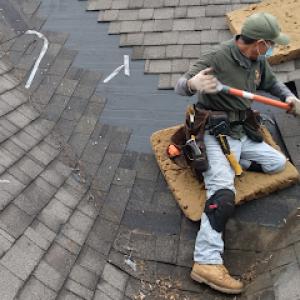
The Roof Leak Detective specializes in fast, reliable roof repair services in Lawrenceville, GA and surrounding areas. From pinpointing hidden roof leaks to replacing worn-out exhaust vent pipes, we focus on solving your roofing problems with precision and care. Whether it’s minor roof repairs or urgent roof leak detection, you can count on us for honest service, quality work, and long-lasting solutions.
Roofing Done Wright
(678) 722-5050 www.roofingdonewright.com
800 Battery Ave SE Suite 300, Atlanta, Georgia
5.0 from 477 reviews
Roofing Done Wright was founded to bring local homeowners exceptional roofing services. We are dedicated to quality and doing things the “Wright” way on every project. If your roof is in trouble, don’t fret. Simply give us a call and experience why we’re one of the most trusted roofing companies serving the Metro Atlanta area. Contact us today!
Tom & Jerry's Roofing
(770) 374-4423 www.tomandjerrysroofing.com
Atlanta, Georgia
5.0 from 121 reviews
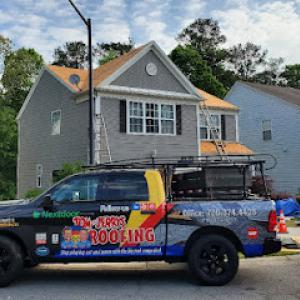
Tom and Jerry's Roofing, recently awarded "2024 Best in Woodstock" for Professional Roofing, is the trusted roofing company serving Woodstock, Canton, Cherokee County, and Metro Atlanta. We specialize in roof repairs, full roof replacements, and new roof installations, providing expert craftsmanship and top-tier service for residential and commercial roofing projects. Our experienced team works with all roofing systems and materials, ensuring long-lasting solutions tailored to your needs. Whether you're dealing with storm damage or it's time for a full roof replacement, Tom and Jerry's Roofing is the professional roofing company Woodstock homeowners and businesses trust. Don't play cat and mouse with the big roofing companies. Call Today!
Bumble Roofing of North Atlanta
(470) 354-3188 bumbleroofing.com
915 W Peachtree St NW Suite 10110, Atlanta, Georgia
5.0 from 109 reviews
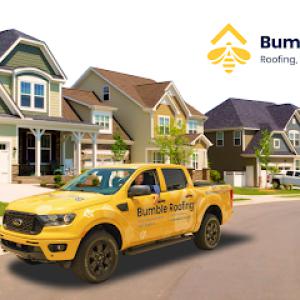
Bumble Roofing of North Atlanta makes roofing easy with expert solutions tailored for both homeowners and businesses. Our trusted roof contractors are committed to delivering quality workmanship with honesty and transparency. With over 60 years of combined experience and more than 2,700 successful roof installations, repairs, and replacements, we’ve built a reputation you can count on. We offer one clear, upfront price and a full, detailed roof report—no haggling, no hidden fees, no gimmicks. Whether you need a simple repair or a full roof replacement, we’re here to make the process smooth, reliable, and stress-free. Visit us today and experience the Bumble Roofing difference.
Colony Roofers
(470) 465-9624 www.colonyroofers.com
260 Peachtree St NW Suite 2200, Atlanta, Georgia
4.9 from 412 reviews
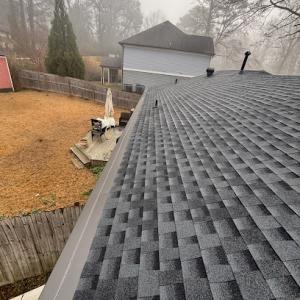
As a locally owned and operated business in Atlanta, GA, Colony Roofers provides affordable roofing solutions and excellent customer service. We specialize in residential and commercial roofing systems, ensuring quality and value for our customers. Our attention to detail sets us apart from other Atlanta roofers, and we stand by our work with workmanship and long-term product warranties. Whether you need roof repair, roofing replacement in Atlanta, or storm restoration, we have you covered. With standardized pricing, you get our price upfront, with no haggling or negotiating. We are fully licensed and insured. Call us today to learn more and receive a free roofing estimate!
EWILLINSURE Roofing & Exteriors
(678) 467-0815 www.ewillinsure.com
5 Concourse Pkwy Ste 3035, Atlanta, Georgia
5.0 from 101 reviews
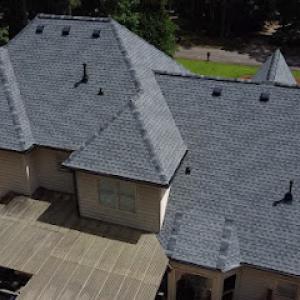
We help homeowners get approved for roofing, interior, and exterior claims—especially when they've been denied or underpaid. With deep roots in insurance, EWILLINSURE also offers life coverage, employee benefits, and full-service claim assistance. From inspections to approvals, we’re with you every step of the way.
StormROOF Systems
(470) 387-9997 www.stormroofsystems.com
14 Jackson St SE, Atlanta, Georgia
4.9 from 370 reviews
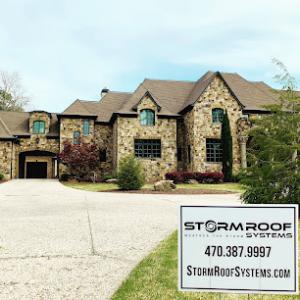
StormROOF Systems provides roofs, siding, gutters, and interior repairs for homes across Metro Atlanta and surrounding counties. From insurance claims and full replacements to minor repairs, our installations come fully warranted and built to last. Our team are trained experts in navigating insurance claims, and we carry licensing and certifications with all major manufacturers. Residential, Commercial, and Designer Roofing Systems are all our specialty. StormROOF Actively participates in the community, and seeks to ensure that homeowners and property owners have peace of mind through professional communication and timely appointments. We are experts in minimizing out of pocket costs through insurance or creative financing.
Radiant Roofing Solutions Atlanta
(404) 538-1700 www.radiantroofingatlanta.com
Atlanta, Georgia
5.0 from 161 reviews
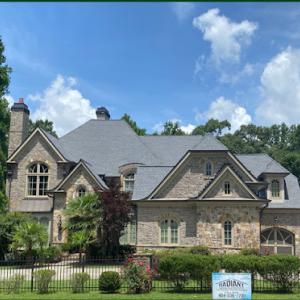
Looking to save energy for your home? Our team at Radiant Roofing Solutions Atlanta offers professional services for making your rooftop more energy-efficient. From professional roof replacement to radiant barrier installation, we help Georgia locals save every day! To learn more about our services or to schedule a consultation for your home, call our friendly team at Radiant Roofing.
King Roofing Pros
(404) 913-6830 kingroofingpros.com
Atlanta, Georgia
4.9 from 157 reviews
Your trusted roofing experts serving NC and GA since 2008. As a family-owned business, we take pride in our unwavering commitment to quality, integrity, and customer satisfaction. With over 2000 projects completed and providing the highest quality building services to meet NC building code. We've become the go-to choice for residential and commercial roofing needs. Our experienced team uses cutting-edge techniques and premium materials to ensure every project meets the highest industry standards. When you choose King Roofing Pros, you're choosing a roofing partner that combines a decade of expertise with family values, delivering results you can trust. Contact us today to experience the King Roofing Pros difference today!
The New Roof
800 Battery Ave SE Suite 100-2008, Atlanta, Georgia
5.0 from 77 reviews
Welcome to The New Roof, your trusted roofing contractor serving Atlanta, GA, and nearby areas. We provide expert roofing services for both residential and commercial properties, including roof repair, roof replacement, and new roof installation. Our team handles everything from asphalt shingle roofing and metal roof installation to flat roof repair, roof inspections, and emergency storm damage repair. We also offer gutter installation, roof waterproofing, and roof maintenance. Whether it’s a small leak or a full roof upgrade, we deliver reliable, long-lasting results. Call us today for professional roofing solutions you can count on!
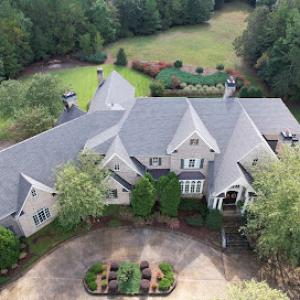
Preferred Roofing & Exteriors
(706) 346-9577 www.preferredexteriorsllc.com
3101 Cobb Pkwy SE Suite 124, Atlanta, Georgia
5.0 from 115 reviews
Preferred Roofing & Exteriors, LLC is a trusted roofing contractor based in Atlanta, GA with over 10 years of experience. We provide roof inspections, new roof installations, roof repairs, replacements, gutter installation, siding repair, storm damage restoration and insurance claims assistance for residential and commercial clients across the Metro Atlanta area. Our certified professionals deliver quality workmanship, durable materials, honest communication and financing options. Contact us for a free estimate or emergency roof repair.
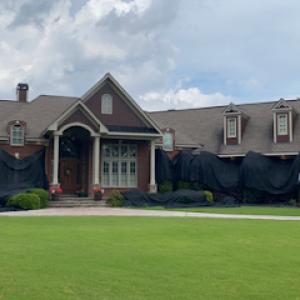
Luxe Roofing
(706) 223-0724 www.luxeroofpros.com
Atlanta, Georgia
4.9 from 140 reviews
Luxe Roofing is a premier provider of luxury, low-maintenance roofing systems for discerning homeowners. At Luxe Roofing, we offer premier roofing services in Atlanta, specializing in synthetic shake roofing, synthetic slate roofing, and synthetic tile roofing that preserve the architectural beauty of your home while providing lasting protection. Whether you need roof repair in Atlanta, roof installation, or roof replacement, we deliver estate-grade roofs engineered for permanence. Our expertise extends to storm damage roof replacement and synthetic shake roofing designed to withstand the toughest weather conditions. Trusted by families and historic estates, Luxe Roofing ensures your home’s legacy remains intact with a lifetime protection.
Atlanta's frequent summer thunderstorms create a recurring need for rapid tarping and leak stabilization between the initial damage event and full replacement scheduling. When a storm hits, water can travel fast through a compromised roof, attic, and ceiling, turning a small leak into widespread interior damage in a matter of hours. Quick tarps and temporary bracing limit further intrusion while you organize the next steps with your insurer and a local contractor who understands the rhythm of Atlanta's storm season.
Once a leak is identified, focus on stopping the worst influx and protecting valuables. Place buckets under active drips, move furniture away from water paths, and take photos for the claim file. If safe access is possible, cover interior gaps with plastic sheeting to reduce secondary damage until a pro can secure a better seal. In humid heat, mold can begin sprouting within 24 hours, so prioritize ventilation and drying behind walls as soon as a licensed roofer approves access.
Temporary dry-in measures become essential because full replacement start dates may drift with scheduling realities. A skilled emergency crew will seal penetrations, secure loose flashing, and lay down a durable tarp system that withstands wind uplift typical of spring fronts. Coordinate a clear plan for prioritizing weather windows, especially after a burst of activity that stressed the roof during a storm. Stay in close contact with the contractor to align on staged repairs that keep your home protected between events.
The local contractor market shows unusually strong emphasis on quick response and emergency repair, reflecting how often homeowners need immediate post-storm help. When selecting help, prioritize crews with proven board-certified storm damage experience, reliable towing and debris removal, and a clear, written time frame for the dry-in and subsequent replacement work. Quick action now reduces risk later and keeps the project moving when the weather finally cooperates.
When you can't wait, these contractors offer fast response times to stop leaks and prevent further damage.
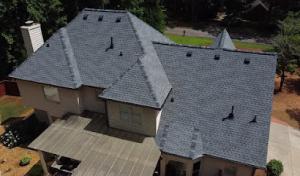
EWILLINSURE Roofing & Exteriors
(678) 467-0815 www.ewillinsure.com
5 Concourse Pkwy Ste 3035, Atlanta, Georgia
5.0 from 101 reviews
The New Roof
800 Battery Ave SE Suite 100-2008, Atlanta, Georgia
5.0 from 77 reviews
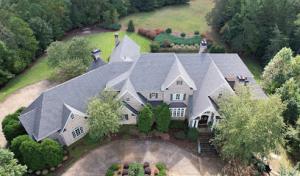
Preferred Roofing & Exteriors
(706) 346-9577 www.preferredexteriorsllc.com
3101 Cobb Pkwy SE Suite 124, Atlanta, Georgia
5.0 from 115 reviews