
Last updated: Apr 19, 2026
Thunderstorms in this part of the valley move fast, and hail plus high winds have a higher-than-average chance of rattling roofs during spring and autumn. If a storm hits while a roof project is ongoing, the risk isn't just leaks-it's compromised structural decking and accelerated shingle wear from flying debris. The moment you detect water intrusion or see sunlight through missing shingles, act with urgency. You need to seal the worst leaks to buy time, then stage temporary tarping or tar paper over exposed sections to keep interior damage from spreading before the weather shifts or crews can resume work the next day. In practice, that means a sturdy tarp anchored along the edges with battens, plus a bucket or containment plan under active drips to protect ceilings and finished spaces. Quick containment matters to prevent mold growth and interior damage that can complicate insurance documentation.
Alabama insurers commonly request pre-loss photos, a detailed contractor scope, and material-specific documentation. In a storm event, adjusters may scrutinize installation details closely before approving roof-related claims. Gather and preserve clear, time-stamped images of the roof condition before the storm, immediately after, and during any temporary repairs. Keep a written log of all weather events, dates of leaks, and any correspondence with the insurer, a contractor, or a roofing supplier. When you sit down to file, have a written scope that specifies the exact materials, underlayment, and shingle type used or proposed, plus the roof area involved. The clearer the documentation, the faster the adjuster can validate the claim and authorize repairs, especially if mismatches or replacements appear in the claim package. If a contractor provides drawings or product data, ensure those documents are included with the claim package and labeled against the actual installation. In Phenix City, where storm damage patterns can vary block by block, a material-specific ledger helps the adjuster see whether the proposed fix matches the existing roof's composition and performance expectations.
If spring or early fall storms interrupt active work, keep the site secured. A wind-driven shingle pop or a sudden leak can halt progress and threaten interior spaces. Assign a dedicated crew member or neighbor to monitor the site during storms, ready to re-secure tarps and cover any exposed openings quickly. Communicate clearly with the homeowner about the temporary nature of these measures and arrange for follow-up muscled-by-millwork repairs as soon as the weather eases. Remember, a credible, promptly executed temporary leak-control plan not only protects the interior but also reinforces the claim narrative: it demonstrates responsible mitigation and reduces the insurer's need for further immediate investigation.
Insurance representatives in this region want to see that a proper evaluation is underway, not a rushed rush-job. Report the claim promptly, and reference the storm's timeline, the observed leak pathways, and any prior roof condition that might influence the scope. Be prepared for questions about wind directions, hail impacts, and whether a temporary tarping solution was deployed. Be ready to share photos, the contractor scope, and product notes that align with the claim. If an adjuster schedules a visit, ensure the roof is accessible, the temporary containment is evident, and the crew can walk the roof to verify the extent of damage and the compatibility of proposed materials with the existing system. In Phenix City, collaboration between homeowner, contractor, and insurer yields the most reliable restoration path and minimizes delays caused by interpretive disputes or missing documentation.

Superior Roofing Phenix City
(334) 298-5253 www.superiorroofingcompany.net
31 Lakeside Dr, Phenix City, Alabama
5.0 from 15 reviews
Superior Roofing Company is a family-owned and operated business that has served Phenix City and surrounding communities with the best customer service and roofing expertise since 1982. Our roofing experts are more than qualified to take care of your roof not just because of our certification and years of experience, but also because we are committed to doing our absolute best work for every one of our customers. We are recognized as GAF Master Elite Residential Certified Contractors, GAF Gold and Platinum Elite Commercial Certified Contractors, and we are Mule-Hide certified. We provide honest, high-quality Residential and Commercial roofing with integrity, excellence, and care that honors God and serves our neighbors well.
Vicente Roofing Painting
2909 21st Ave, Phenix City, Alabama
5.0 from 5 reviews
Vicente Roofing & Painting is an excellent Roofing Contractor service provider in Phenix City, AL that has more than years of experience. For more information, call us now!
All About Roofing & Construction
(706) 610-0339 allaboutroofingcolumbus.com
Serving
4.9 from 52 reviews
All About Roofing & Construction is fully licensed, bonded, and insured contractor based in Columbus, Georgia. We are a family-owned-and-operated company. With 24 years of experience, countless home and business owners have relied on the quality of our work. We take pride in the excellence in craftsmanship we provide with every customer and strive for 100% satisfaction guaranteed. Call All About Roofing & Construction today and we will be there in your time of need.
Supreme Roofing Columbus GA
(706) 222-2060 www.supremeroofingcolumbusga.com
Serving
4.7 from 54 reviews
At Supreme Roofing Columbus GA, we specialize in storm damage roof inspections, repairs, and full replacements with a focus on insurance claims. Our team understands all the ins and outs of the claims process and will guide you every step of the way to make sure your roof damage is properly documented and covered. Before calling your insurance company, reach out to a trusted Columbus, GA roofing contractor first. We provide free roof inspections, detailed photos, and expert advice to help protect your investment. Whether your home has been hit by hail, wind, or severe storms, our licensed and insured roofers have the experience to restore your roof and give you peace of mind. Call today for honest, professional roofing service in Columbus
Crosby Roofing & Seamless Gutters Columbus
(706) 780-3945 www.crosbyroofing.com
Serving
5.0 from 39 reviews
At Crosby Roofing, we’re a family-owned and operated roofing company proudly serving Columbus, GA, since 1989. With over three decades of experience, we’ve built a reputation for quality craftsmanship, integrity, and reliable service. Whether you need residential roof replacement, storm damage repair, or a full commercial roofing project, our skilled team delivers dependable results that stand the test of time. As a locally rooted roofing company in Columbus, GA, we treat every customer like family and stand behind every roof we install—because that’s the Crosby way.
Alan Townsend Roofer
(706) 322-4335 www.alantownsendrooferga.com
Serving
4.4 from 137 reviews
Alan Townsend Roofer is a Roofing Contractor located in Columbus, GA. We specialize in Roofing Contractors, Roof Repair, Roof Installation, Roof Leak Repair, Emergency Roof Repair, Residential Roof Repair, New Roof Installation, Roof Replacement, Metal Roof Installation, and Local Roofing Contractors. We love what we do, and it shows. We've been in the roofing business for more than 40 years, helping people solve their roof issues quickly and professionally. All of our roofing contractors are professionals who take pride in what they do. We're available for all your roof repair and replacement needs, from an irritating leak that can be solved with a quick repair. Contact us today for more information and services!
Great Roof
(706) 575-7945 greatroofusa.com
Serving
5.0 from 121 reviews
Since 2020, Great Roof has been a premier roofing contractor across East Alabama and West Georgia. Specializing in high-quality installations, diverse repairs, and comprehensive inspections, we pride ourselves on exceptional craftsmanship and top-tier materials. Our locally owned business is dedicated to serving communities, including Auburn, Phenix City, and Columbus, with transparent communication and lasting results. We expertly handle new roofs, insurance claims, and emergency services, ensuring every project is completed to the highest standards. Trust Great Roof for reliable and durable solutions for your home.
Expert Roofers Columbus
(706) 917-2768 www.expertrooferscolumbus.com
Serving
4.7 from 79 reviews
Discover Expert Roofers Columbus GA from repairs to replacements, our skilled team delivers outstanding results. Trust us for reliable, durable roofs using top-quality materials. With attention to detail and on-time completion, we ensure a leak-free environment. As a local business, we offer fair pricing, transparent practices, and exceptional customer service. Contact us for a free consultation and experience our unparalleled craftsmanship. Your satisfaction is our priority.

GRC Roofing
Serving
5.0 from 9 reviews
Locally owned and operated roofing company. in Columbus GA. GRC Roofing provides years of experience, reliability and unparalleled roofing solutions. We are dedicated to our craft and committed to making our customers happy.
Roofing World
(706) 709-0250 roofingworldal.com
Serving
4.9 from 114 reviews
Looking for exceptional roofing services in Columbus, GA? Roofing World is here for you. Family-owned with 25+ years of experience, we’re one of Georgia's fastest-growing roofing companies, offering unbeatable financing options. We specialize in residential, metal, and asphalt roofing, providing top-quality replacement, installation, and repair services. With over 1000 completed projects, we ensure expert craftsmanship. Enjoy low monthly payments and lifetime warranties on select products. From emergency repairs to new installations, our local contractors are ready to help. For metal roofing, roof replacement, or any roofing services near you, call Roofing World at (800) ROOF-PRO.
America's Roofing & Construction
(706) 763-8334 americasroofingco.com
Serving
4.9 from 90 reviews
all types of roofing & construction
One Stop Roofing
(706) 593-3028 www.onestoproofing.us
Serving
5.0 from 21 reviews
One Stop Roofing has been serving the community for over 10 years! We are licensed and insured for commercial and residential roofs, installed or replaced, we have you covered! Call us today for a free estimate and see how we compare with others!
Replacement timing in this area is typically pushed into the shoulder seasons. Hot, humid summers slow crews and increase heat exposure on the roof deck, which can extend tear-off and installation times. Plan for a window in late spring or early fall when your attic and living spaces are less likely to overheat, and when crews can work more steadily without the peak sun baking the shingles. If a storm-related teardown is needed, aim to schedule a couple of weeks ahead of the next weather pattern to lock in crew availability and minimize the chance of back-to-back delays.
Spring scheduling can be disrupted by thunderstorms and hail, which raises the risk of weather delays and temporary water intrusion if tear-off is underway. In this season, paths to a smooth installation hinge on proactive weather tracking and clear contingency planning. Before work begins, have a short rain contingency plan in place-such as a tarp-ready area for unloading materials and a temporary patch for any active leaks. If a severe storm is forecast, consider delaying non-urgent steps like full tear-off until you have a definite forecast window with several dry days in a row. Communicate with the crew about expected storm days and confirm that they will secure the roof and protect interior spaces if rain returns mid-project.
Winter is usually workable in this part of Alabama, but occasional cold snaps can affect shingle sealing and other adhesive-dependent roofing components. When temperatures dip, sealing compounds and certain fasteners may require warming or adjusted application times. Coordinate with the crew to identify a target stretch when nightly temperatures are above freezing and daytime highs are reliably moderate. If a cold snap coincides with a critical sealing step, expect a brief pause or schedule adjustment. Keep interior spaces ready for a brief period of higher humidity during installation, and plan for a few extra drying days if the atmosphere is persistently damp.
On the day of work, establish a clear staging area that minimizes foot traffic across the edge of the roof and keeps debris out of gutters. Verify ladder safety and access points so that materials can be moved efficiently without repeated climbs. If you have a chimney, vent, or valley intersection, map out the sequence to protect vulnerable joints as the crews progress. Ensure a reliable power source for nail guns and a clear plan to manage waste and disposal, especially in neighborhoods with tighter street access. Finally, document the work thoroughly-take photos before, during, and after, and keep notes on any weather-related delays or temporary leak protection installed during the project.
Get a clear picture of your project costs upfront - no commitment required.
Superior Roofing Columbus
(706) 505-0067 www.superiorroofingcompany.net
Serving
4.9 from 148 reviews
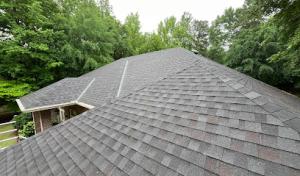
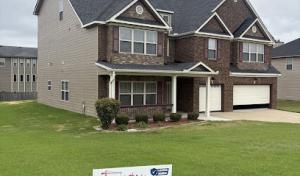
Asphalt shingles remain a common fit for Phenix City, but repeated heat, humidity, and storm exposure make ventilation, nailing accuracy, and seal integrity especially important. In this climate, the heat can soften asphalt and stress the adhesive seams, so a properly vented attic helps keep the deck cooler and the shingles from curling early. When choosing an install approach, look for a solid nailing pattern that anchors through the underlayment into solid framing, not just into sheathing. Consider higher-quality shingles with good algae resistance and wind rating to resist the humidity-driven cycles of dampness and drying that are typical after summer storms. A well-sealed roof edge, drip edge, and starter course are small details that make a big difference when severe weather rolls through. In practice, a Phenix City home benefits from a roof system that accounts for both the daily sun and the sudden rain bursts, so ventilation, attic insulation, and attic access for maintenance should be planned alongside the shingles themselves.
Metal roofing has strong local relevance in this market and is often considered by homeowners looking for better performance in a region with frequent rain, hail, and wind events. Metal panels can shed rain quickly and resist impact better than many other options, which helps during hail seasons. In this area, it is especially important to verify solid panel seams, proper underlayment, and a robust fastening pattern that resists uplift in high winds. Look for exposed-fastener systems with quality seals or concealed-fastener designs that still provide easy inspection access. A metal roof can also reflect radiant heat, which helps reduce cooling loads in the heat-intensive months. For best results, pairing metal with a well-designed eave overhang and adequate attic ventilation keeps condensation and ice dam risk low, even if occasional winter moisture arrives with spring storms.
Tile, wood, and synthetic roofs appear in the market but may trigger closer review when materials are less standard for the jurisdiction or when roof structure and detailing need extra scrutiny. Clay and concrete tiles offer durability and a distinct aesthetic, but their weight demands a sound structural assessment and appropriate fasteners to handle routine wind-driven events. Wood shakes and certain synthetics can deliver a unique look, yet exposure to humidity and rapid temperature shifts in this area can lead to faster degradation if maintenance is skipped or installation gaps are left unaddressed. When selecting these materials, confirm compatibility with existing roof geometry, ventilation pathways, and flashing transitions around chimneys, vents, and skylights. Detailed submittals from the installer, including seismic and wind considerations, help ensure the roof performs under heavy downpours and hail episodes. In a market where storm damage response and documentation matter, choose products with established warranty coverage and local service support for inspections after severe weather.
In this market, local pricing follows the per-square ranges you see in the area: asphalt shingles sit toward the lower end, while tile systems sit at the upper end. Asphalt shingles typically run around 350-750 USD per square, giving homeowners a practical option for standard storm damage repairs or replacements after hail and high winds. If you're considering metal, expect 600-1100 USD per square, which reflects stronger impact resistance and longer service life. Clay tile can push 800-1500 USD per square, and concrete tile 700-1200 USD per square, with tile systems generally commanding the premium due to weight, installation complexity, and long-term durability. Wood shingles or shakes fall between 550-1100 USD, and synthetic or composite shingles range from 450-900 USD per square. Use these ranges to set expectations for budgeting and insurance discussions after a storm.
Storm-driven demand spikes after hail or strong winds can tighten labor availability and push scheduling later than usual. In Phenix City and the surrounding east Alabama market, that can translate to tighter crews, potential short-notice rescheduling, and, in some cases, higher temporary costs for expedited work or late-season weather windows. If a roof upgrade includes non-standard materials or a heavier system, the impact on total project cost can rise accordingly. Plan for potential delays and a buffer in the calendar if a severe weather event has recently affected the area.
Costs can rise when a project involves non-standard materials, added ventilation corrections, or inspection-related adjustments tied to underlayment and nailing compliance. For example, heavier tile systems require careful structural checks and possible reinforcement, which adds labor and materials beyond the basic roof replacement. Insulation and ventilation corrections, along with ensuring proper underlayment for the chosen material, can add to both material and labor totals. When talking with contractors, ask for a line-by-line breakdown that highlights these adjustments so you can compare apples to apples.
Don't let upfront costs delay a critical repair - these contractors offer payment plans to fit your budget.
Liberty Roofing Professionals
(706) 389-9637 www.libertyroofingprofessionals.com
Serving
4.7 from 65 reviews

A full re-roof in Phenix City typically requires a building permit filed through the Phenix City/Russell County Building Department by the contractor or homeowner. This process is not optional when you are replacing the entire roof deck and covering; it ensures that the work follows local safety and construction standards that are tuned to the area's storm exposure and housing stock. Because inspections hinge on the permit, starting with the correct paperwork early helps prevent delays if a storm season hits or a hail claim is involved. The permit aligns your project with city code expectations and creates a formal record for any future maintenance or claims.
From the moment a permit is pulled, the timeline is intertwined with material choices and the scope of work. Diligence in submitting complete, accurate plans speeds review. If the project uses common asphalt shingles, the review tends to be straightforward, but any deviation into non-standard materials can trigger additional scrutiny. Expect the review to consider not only the roof's appearance but also structural concerns, attic ventilation, and moisture control as part of a sound, code-compliant reroof. If you are handling the permit yourself, keep a copy of everything submitted and note any city or county conditions that surface during the review.
After installation, an inspection is conducted to verify that underlayment, nailing patterns, and ventilation meet local code expectations for the reroof. In practice, that means the inspector will look at the type and placement of underlayment, whether the nails penetrate through to solid sheathing in the correct pattern, and whether vents and exhausts are appropriately sized and positioned to prevent condensation and heat buildup. In severe-weather climates, correct ventilation is especially important to minimize wind-driven leaks and ice dam risk, so pay attention to ridge and soffit ventilation during both planning and execution. If the inspector finds discrepancies, expect a noted path to compliance, with possible temporary repairs allowed under a re-inspection deadline.
Projects using non-standard roofing materials may face additional review beyond a routine asphalt re-roof, making material choice part of the permitting timeline. This is particularly true when selecting metal, clay tile, concrete tile, or synthetic options that alter weight, wind resistance, or fastener requirements. Work with the roofer to ensure the chosen material's installation method and wind-load calculations are clearly documented in the permit submission. That proactive alignment helps avoid delays during inspection and keeps your reroof moving smoothly through the Phenix City/Russell County Building Department process.
Phenix City sits in an Alabama insurance environment with elevated roof claim activity tied to hail and high-wind weather, which directly affects how quickly homeowners need to document damage. When a storm hits, insurers expect clear photo evidence of the prior condition and the current condition, not a quick snapshot or a generic estimate. A detailed contractor scope that outlines materials, installation specifics, and a logical sequence of repairs helps avoid back-and-forth delays. In practice, a photo log that shows close-ups of hail impacts, missing shingles, and fastener corrosion alongside a dated, professional inspection report can shorten the initial claim review.
Material specifications and installation details can become claim issues locally, especially when adjusters are evaluating whether storm damage or installation quality is the primary cause of failure. If shingles or underlayment show patterns that resemble wear-and-tear or improper installation, the adjuster may limit coverage or request independent verification. The safest approach is to have a licensed local contractor provide a detailed scope of work that matches the installed materials and the roof's actual dimensions. Aligning documentation with what the adjuster expects reduces the risk of coverage disputes later in the process.
Communicate promptly with the carrier and keep an orderly file of all correspondence, photos, and contractor reports. Avoid making temporary repairs that could be viewed as evidence of repair rather than damage, unless safety requires immediate action. When possible, schedule a single, coordinated inspection with your contractor and the adjuster to review the roof together, ensuring the scope reflects both the damage and the installed system. In a market with elevated claim activity, clear, consistent documentation helps anchor the claim to verifiable conditions rather than memory or assumption. This discipline matters most when storms leave mixed signals about what caused a roof to fail and what portion of the work should be covered.
In Phenix City's humid, storm-prone conditions, an interrupted dry-in can leave underlayment exposed just long enough for a stray thunderstorm to roll in. When rain comes before the roof deck is fully sealed, shingles that haven't yet been fastened securely can begin to peel, blister, or wick moisture into the attic. That exposure doesn't just slow down a project; it creates a vulnerability that can lead to hidden leaks days later when skies clear. The practical warning is simple: protect exposed underlayment as if a storm could show up any hour, and schedule dry-in with the most weather-aware planning you can manage.
Prolonged summer heat and humidity can accelerate shingle stresses and trap moisture in attic assemblies when ventilation is poor. Locally, warm air that can't escape effectively compounds the risk of warped decking, condensate on the underside of the roof, and faster deterioration of ventilation components. If attic vents look obstructed by insulation or if soffit and ridge channels aren't balanced, moisture lingers where it shouldn't. The consequence is a cycle of faster aging, more frequent maintenance, and heightened risk of wind-driven leaks during sudden storms.
Inspection emphasis on nailing patterns reflects a real local concern: wind performance depends heavily on installation quality in this part of Alabama. Incorrect nail spacing, nailing into the wrong substrate, or missed starter and edge nails can allow shingles to lift with a stiff afternoon gust or a quick thunderstorm outflow. Over time, repeated uplift stresses can create small breaches that invite rain, especially along the eaves and gable ends. A careful, code-aligned nail pattern is not cosmetic; it's a front-line defense against recurring wind damage.
Moisture hiding in attic spaces can silently compromise the roof system. When insulation leaves gaps or baffles shift, warm, humid air condenses on cooler roof surfaces, feeding mold and deck rot that undermine structural integrity. In storm season, this moisture becomes a vulnerability multiplier-condensation can appear as slowly weeping along rafters or penetrate through penetrations around vents and chimneys. Addressing insulation continuity and vent balance helps curb hidden deterioration long after a storm passes.
Leaking ceilings after a storm aren't just an inconvenience; they signal a path toward more extensive damage if ignored. Look for dark stains on sheathing, musty attic odor, or a persistent drip that changes with wind direction. In these conditions, acting quickly to locate ingress points, cover exposed areas temporarily, and document damage for insurance purposes can prevent minor leaks from becoming major failures. Staying proactive with threshold checks after volatile weather is a practical habit for homeowners here.
Find contractors experienced in skylight installation, flashing, and leak repairs to bring natural light into your home.
Weather Shielders Roofing Siding & Gutters
(706) 405-8869 www.weathershielders.com
Serving
4.3 from 99 reviews
The local market is dominated by re-roofing and residential work rather than niche roof types. When evaluating contractors, focus on storm-response experience and cleanup practices. A roofer with a documented track record of rapid response to hail and wind events, plus a clear process for hauling away debris and safeguarding your property, is a strong sign of practical reliability in this climate.
After a severe storm, quick triage matters. Look for a contractor who can arrive promptly, secure the job site, and start temporary protections (tarps, plywood) to limit interior leaks. Ask about their method for protecting landscaping, gutters, and fragile finishes during work. Confirm that crews use clean, organized cleanup practices so a yard or driveway isn't left with scattered debris or stray nails.
A practical Phenix City roofer should clearly outline who handles insurance claims, documentation, and any required notices. The best candidates provide a simple, written plan for documenting hail and wind damage, taking measurements, and coordinating with the insurer. This reduces the risk of missing paperwork or miscommunication during the claim process and ensures a smoother recovery.
Many active companies emphasize long-established, family-owned or locally positioned labels. Distinguish true local capacity from marketing by checking local references, a verifiable street presence, and actual crews based in the area. Ask for references from nearby neighborhoods with similar homes and weather exposure, and verify that field teams work from a consistent local base rather than rotating out-of-area crews.
When interviewing, request a written outline of storm-response timelines, a clear cleanup protocol, and the names of the project supervisor and the responsible insurer liaison. Confirm that the contractor can handle all phases-from initial assessment and temporary protections to full re-roofing and final documentation for the claim.