
Last updated: Apr 19, 2026
Thunderstorm traffic through the south-m metro Atlanta corridor means you face regular wind-driven rain, lifted shingles, and sudden leaks that can ruin decking, insulation, and ceilings fast. The June to November tropical storm season compounds that risk, with humid days and repeated downpours that can turn a small roof opening into a full-blown interior problem before a full replacement is scheduled. If a storm hits, respond with brisk, decisive action: assess from below if safe, but do not ignore signs of active leakage or missing shingles. In Riverdale, a revealed rafters-and-attic smell, damp insulation, or water streaks on ceilings should trigger immediate protective steps and a tight documentation trail.
You must create a protective barrier the moment damage is suspected. Place a heavy-duty tarp over the affected area, anchoring along secure edges and avoiding sharp contact with neighbors' property. If attic access is available, cover exposed decking and bulkhead openings to slow further infiltration. Keep pets and children away from climbing or loose shingles. If a ladder is necessary, have a helper and use a stabilizing point on the ground, never pressing onto compromised sheathing. In humid Riverdale weather, moisture can seep quickly, so aim to seal the largest visible opening first, then address secondary leaks as access becomes possible.
In the local market, storm damage, emergency repair, and insurance-claims services are common, so a thorough record matters. Photograph the entire roof line, focusing on wind-stripped shingles, lifted tabs, missing flashing, and any interior signs of water intrusion such as stains, bulging ceilings, or warped drywall. Take dated photos from multiple angles and note the time of the storm and any subsequent rain events. Keep a written log of all protective measures taken, including tarp placement, temporary fasteners, and who performed the work. Save any receipts for materials used in temporary repairs and for the contractor visits to assess the damage. This documentation will streamline the claim review and reduce back-and-forth with an insurer.
In this market, the signal mix leans heavily toward storm-focused emergency repair and insurance-support services. Look for a contractor with demonstrated fast-response turnaround, licensed credentials, and a history of collaborating with insurers. Ask for a written assessment within 24 to 48 hours after reporting damage, a clear plan for temporary repairs, and a proposed timeline for a full mitigation and replacement if needed. Verify references in the neighborhood and request copies of insurance certificates and lien waivers. Clear communication is essential when rapid weather shifts threaten progress and scheduling.
Contact your insurer promptly to initiate a claim and request guidance on preferred storm-damage procedures. Provide the photos, logs, and the contractor's preliminary assessment to establish a baseline for repairs. If a field adjuster cannot be scheduled quickly, keep the temporary repair receipts and date-stamped photos ready to support the claim later. Maintain ongoing updates with the insurer, noting any changes to the scope of work or additional leakage observed after each rain event.
Once the immediate danger is stabilized, develop a plan for a full roof replacement or repair that fits the seasonality and weather window. Coordinate with the contractor to finalize a scope that addresses flashing, underlayment, and any decking that may have sustained water damage. In Riverdale, the humid pattern means prioritizing moisture-control steps during replacement to prevent future leaks, while aligning the schedule with favorable dry spells so the work can proceed without interruption.
Find local contractors experienced in assessing and restoring roofs after hail, wind, and severe weather events.

Home Right Solutions
(678) 410-8108 homerightsolutions.net
Riverdale, GA
4.9 from 41 reviews
Transform your home with our unique and captivating roof replacement services in McDonough. At Home Right Solutions, LLC, we specialize in creating roofing solutions that stand out, providing both functionality and aesthetic appeal. Our experienced team ensures a seamless process, from consultation to installation, tailored to your specific needs. Elevate the curb appeal and durability of your home with our unparalleled craftsmanship. Ready for a roofing upgrade? Contact Home Right Solutions, LLC today for a free estimate. Let us bring a touch of uniqueness to your home with our top-notch roof replacement services in McDonough. Your dream roof is just a call away!
Wilson's Contractor - Affordable & Professional Shingle Roof Installation, Repair & Replacement
Riverdale, Georgia
3.7 from 3 reviews
Wilson's Contractor is a professional roofing contractor located in Riverdale, GA. Don’t waste your time and call us now!
The Best Remodeling & Painting
1033 Hele Ct, Riverdale, Georgia
5.0 from 1 review
General construccion

Inya Perfect Construction
(678) 254-8444 www.inyaperfect.com
Serving
5.0 from 88 reviews
We are currently working in your area replacing roofs damaged by wind and hail due to the last wind storm that caused damage to GA state as well as your community. we work with all insurance companies. We are here to help; call today to schedule an appointment, we have a good deal for you!
ExP Contractors
(404) 974-4969 exproofingcontractors.com
Serving
4.9 from 171 reviews
ExP Contractors and Roofing, the trusted roofing contractor in Forest Park, GA, brings over 9 years of expertise in delivering exceptional roofing solutions. As a licensed and bonded full-service firm, we specialize in roof repair, asphalt shingle replacement, storm damage repair, hail damage repair, and roof inspections for both residential and commercial properties. Our commitment to excellence is backed by an A+ BBB rating, 5-star Google reviews, and GAF Certification, ensuring quality and customer satisfaction every time. Discover why we’re the go-to choice for roofing in Forest Park, GA. Visit our website for more information or call us today to experience the ExP Contractors and Roofing difference!
Smart Choice Construction & Roofing
(404) 985-2413 www.asc-roof.com
Serving
4.9 from 72 reviews
Smart Choice Construction and Roofing is a roofing contractor in Fayetteville, serving Peachtree City, Tyrone, Newnan, and nearby areas. We specialize in roofing services and siding replacement like vinyl, wood, and fiber cement (Hardie plank & and other brands). Customers love us because of our comprehensive roof warranties. We also have industry affiliations and certifications such as GAF Certified. If you want to experience how your most trusted Fayetteville and Peachtree City roofing company embraces our motto “One Stop Shop for All Your Exterior Needs", call us now for a free estimate!
Mid-South Roof Systems
Serving
4.6 from 33 reviews
Mid-South Roof Systems delivers large-scale flat roofing solutions for commercial applications such as big-box retail, distribution centers, and manufacturing facilities nationwide. We are one of the top 10 commercial roofing contractors in the U.S., and work alongside world-class clients. Call us today!
Lynn's Home Improvement
(404) 710-9760 www.lynnshomeimprovement.com
Serving
4.7 from 75 reviews
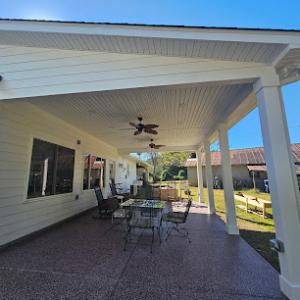
Lynn's Home Improvement is your trusted local contractor serving Atlanta, Fayetteville, and surrounding areas. We specialize in roof replacement, roof repairs, siding, windows, gutter installation, and deck and patio construction to enhance your home’s durability and curb appeal. Whether you need a new roof, reliable roof repair, or a full roof replacement, Lynn's Home Improvement has the expertise to handle any project with care. Our team is committed to providing high-quality, affordable services that meet your needs and exceed expectations. As a leading roofing contractor in Atlanta, we pride ourselves on delivering tailored solutions and top-quality work, from small repairs to major replacements.
Roof Bullies
(404) 383-2424 www.roofbullies.com
Serving
4.8 from 25 reviews
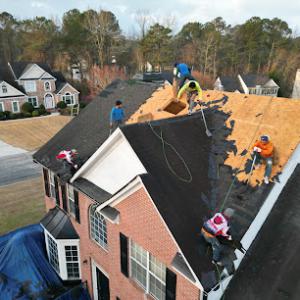
Roof Bullies is a certified full-service commercial and residential roof repair service in Houston, TX and Atlanta, GA. We also Service many restoration services. Water, fire and mold restoration.
F&D Roofing & Interiors
Serving
4.8 from 17 reviews
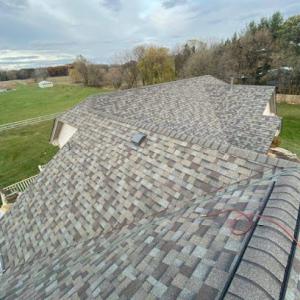
WE ARE A PREMIUM ROOFING AND REMODELING CONSTRUCTION COMPANY SERVING THE ATLANTA AREA.
Morrow Roofing & Seamless Gutters
(404) 366-3303 www.morrowroofingandsiding.com
Serving
4.0 from 54 reviews
Morrow Roofing & Seamless Gutters provides residential roofing, repairs, and gutters in the South Metro Atlanta area. Operated and family owned by the original owner.
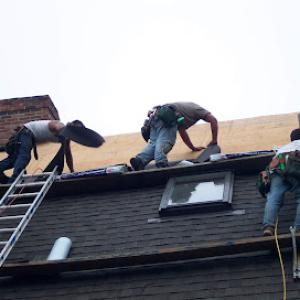
AEC King Construction
(404) 671-4350 aeckingconstruction.com
Serving
4.7 from 27 reviews
A provider of professional roofing services, AEC King Construction, Inc. is your source for quality roofing services in Riverdale, GA. We have 17 years of experience and offer roof repair and roof replacement services including flat foam installation and siding installation. At our company, our focus is on ensuring your roofing system has the strength and structure it needs. If you are interested in a new roof, we have a wide selection of materials and will help you select the best option for your needs and budget. Founded in 2015, AEC King Construction, Inc. serves the community of Riverdale, GA, and neighboring areas. We have the expertise and experience to provide you with quality customer care.
In Georgia, roof claims commonly center on wind and hail, and Riverdale homeowners should expect carriers to review roof age, prior repairs, and photo documentation closely after severe weather. This neighborhood-specific pattern reflects the storm-prone nature of the metro Atlanta area, where quick storms can whip up shingles, fascia, and flashing problems that aren't always obvious from ground level. Understanding how a claim will be evaluated helps you respond calmly, avoid missteps, and put you in a stronger position with your insurer.
After a thunderstorm, the first critical move is a prompt, careful assessment of the roof and immediate surroundings. If safe, perform a quick top-side check or have a trusted, licensed roofer conduct a roof-only inspection within 24 to 48 hours. Insurers in this market often rely on the timeline of inspection notes to establish a claim's legitimacy, so early documentation matters. If any damage appears, note it with precise dates and locations on the roof, attic, and exterior walls. The goal is to create a comprehensive picture of what happened and when it happened, not to guess at causes.
When documenting, photo records should capture multiple angles of affected areas, including close-ups of shingles, granule loss, lifted or missing flashing, dented vents, and dented gutters. Take contextual shots to show the roof's overall condition, and include timestamped images where possible. For attic evidence, photograph any signs of leaks, staining, or damp insulation, and record the date of those observations. In a storm-forward environment like this, carriers will scrutinize whether damage aligns with a single event or with long-term wear, so dated photos tied to a storm event give the claim credibility.
In the negotiation phase, expect a line-by-line review of what is considered storm-created damage versus pre-existing wear. Local homeowners often need professional estimates that clearly separate storm-created damage from older wear because insurers may challenge claims on aging roofs. Obtain independent, written estimates from licensed contractors that itemize each damaged component (shingles, underlayment, flashing, vent boots) and clearly indicate whether issues are newly caused by the storm. An estimate that screens out pre-existing conditions can help prevent disputes later in the process.
Communication with the insurer should be timely and purposeful. Report the claim promptly and provide a concise summary of storm timing, observed damages, and any temporary mitigations performed to reduce further damage (such as tarping a damaged area if safe to do so). Keep all correspondence organized-emails, letters, and notes from phone calls-with dates and names of any representatives you speak with. If the insurer requests a designated contractor for inspection, consider sharing your own preferred roofing professional who can provide independent, detailed documentation. A proactive, organized approach reduces back-and-forth, especially when the storm season brings a surge of claims around the region.
As the claims process unfolds, be prepared for a contractor visit that verifies storm-specific damage and assesses whether slow leaks or hidden defects contributed to the issue. If you notice moisture in the attic following a storm, document when that moisture was first observed and when the roof was inspected. In many cases, the most persuasive evidence ties together weather history, on-roof findings, attic conditions, and independent estimates that distinguish newly created damage from aging wear. By maintaining disciplined records and leveraging local inspection norms, you align expectations with how claims are evaluated in this market, and you safeguard the recoveries needed to restore the roof effectively.
Connect with contractors who help homeowners navigate the claims process from damage assessment to final approval.
Asphalt shingles dominate the market, fitting the area's affordability-driven contractor landscape. In a hot, humid summer, those shingles bear more heat and faster aging than glossy, premium options. You'll often see standard 3-tab or architectural styles that are quick to install and easy to match during repairs. The key benefit is familiarity: local crews know how these shingles respond to heavy summer afternoons and quick spring storms. When evaluating durability, look for UV resistant granules, proper attic ventilation, and an underlayment that supports moisture management.
Metal roofing is present but less common locally, making it a more specialized option for homeowners focused on long-term performance during heavy rain and wind events. If you consider metal, expect panels or standing-seam systems that shed water efficiently and resist wind uplift better than many shingles. In this market, metal can reduce heat transfer somewhat and provide a quieter roof when installed with proper insulation and padding. Availability and skilled installation matter, as color-matching fasteners and flashing detail are important for a clean, lasting look after frequent thunderstorms.
Tile, wood shake, and synthetic options exist in the market but are far less prevalent than asphalt. Availability, crew familiarity, and repair matching can vary more than on standard shingle jobs. Clay and concrete tiles offer robust weather resistance, but weight, installation requirements, and local roof geometry influence how well they perform during rapid summer downpours. Wood shakes bring a traditional appearance, yet swelling and deterioration under humidity demand proactive maintenance and timely sealing. Synthetic composites mimic stone or wood with typically easier handling, but color fading and joining details still require careful matching with neighboring sections.
After a thunderstorm, inspect for wind-driven flaws, gutter blockages, and flashing gaps around chimneys and vents. Keep a simple storm-response kit handy: a ladder, flashlight, sealant tape, and a roll of metallic flashing if you notice minor leaks when rain stops. When you suspect damage, document with clear photos, note dates, and track any subsequent leaks. Insurance documentation becomes more straightforward when you have a dated sequence of events and visible storm signatures on the roof. A quick follow-up from a professional can prevent small issues from turning into costly leaks.
In this area, re-roofing is a frequent project, and pricing isn't driven by material choice alone. Tear-off volume, debris disposal, and how quickly crews can be booked after regional storms all push the job cost up or down. A shingle changeout that requires removing two layers will look very different from a straight overlay, and the mix of materials your home can support matters too. When you're comparing bids, ask not just for the per-square price, but for the breakdown: tear-off, disposal, new underlayment, and any difference in crew size or equipment needs. The typical square cost range in this market follows the material you choose, but the actual bill often reflects the storm surge and the pace of local supply chains after a round of heavy weather.
Spring and fall are the sweet spots for scheduling because they dodge the worst heat of summer and the peak thunderstorm risk that can stall work or force shorter daily shifts. If a storm cleanup was recent, crews may still be catching up in late spring, which can push your start date or extend the timeline. In practice, that means you might see tight calendars after a big rain event, and a bid that looks good on paper could slip if crews are tied up on back-to-back jobs. Planning for a window outside the peak storm season gives you more predictable timing and fewer weather-induced delays.
Affordable contractors are common in this market, but low bids deserve careful scrutiny. A cheaper quote can hide longer wait times, undersized vents, or corners cut on flashing and roof deck ventilation. Verify that the bid accounts for proper ventilation corrections, flashing replacement where needed, and thorough cleanup at the end of the job. If one bid lands significantly lower than the others, ask how they achieve that price and what they'll actually do differently. A solid bid should spell out material type, scope (tear-off vs. overlay), disposal plan, and the exact inclusions for site protection and debris removal, so you can compare apples to apples when the project moves from the paper to the per-day schedule.
Get a clear picture of your project costs upfront - no commitment required.
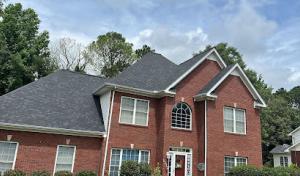
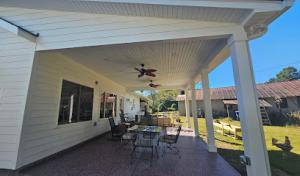
A full re-roof in Riverdale commonly requires a permit under Clayton County-area practice, but the exact process can vary depending on the city jurisdiction handling the property. That means the paperwork and who signs off can feel different from one street to the next even within the same neighborhood. The prudent move is to treat the permit as a needed step early, not an afterthought, so a project doesn't stall mid-progress when inspectors show up.
Applications are typically submitted by the contractor or homeowner with project details, so Riverdale residents should confirm early who is responsible for filing and scheduling inspections. If the contractor handles the submission, verify they intend to pull both the permit and the required inspections before any materials come off the truck. If you're filing yourself, keep a copy of the plan, the notice of permit, and the inspection calendar in a place you can access during the project. Deadlines and test dates can shift after a thunderstorm season, so a clear point of contact helps.
Inspectors commonly review ventilation, flashing, and installation quality after completion, and some projects may also receive an in-process inspection depending on the jurisdiction. South metro Atlanta climates demand proper attic ventilation to avoid heat and moisture damage, so expect questions about vent placement and airflow during a final review. Flashing around chimneys, skylights, and vent pipes should be tight and with no gaps that allow leaking water to back up under shingles or under the underlayment.
If an in-process inspection is required, plan for a mid-project checkpoint. This is not just a formality; it's a chance to catch issues with alignment, nailing patterns, and underlayment exposure before the roof covering goes on. A hiccup here can save headaches later, especially after a sequence of late-spring storms that stress existing roof lines.
Keep all permit cards, inspection notices, and contractor credentials in a dedicated folder. If local rules change mid-project, your file should reflect the latest approved plan. Remember that skipping a required inspection can lead to fines, forced rework, or rejection of the final certificate of occupancy-consequences that add time and stress after a damaging storm. In Riverdale, staying on top of the permit and inspection calendar helps ensure the project progresses smoothly through Clayton County's framework.
Riverdale's hot, humid summers make attic ventilation and moisture control especially important because trapped heat can shorten asphalt roof life and worsen indoor comfort. When the attic run is cramped or vents are blocked, heat radiates down into living spaces, pushing air conditioning to work harder. A common pitfall is overlooking soffit and ridge vent balance during or after a storm cleanup. If ventilation is neglected, not only does the roof deck dry-out rate fall, but condensation loops can form on colder nights, inviting mold growth in ceilings and walls. Prioritize a quick check of insulation gaps and vent paths before temperatures spiking, and confirm there is clear, unobstructed airflow from soffits to ridge.
Frequent rain and humidity mean flashing details around penetrations and wall transitions are a common local weak point when workmanship is rushed during storm-season demand surges. In Riverdale, rain can exploit minor misfits at chimneys, vent pipes, skylights, and where the roof meets exterior walls. Inspectors often find sealant fails, nail holes weeping, and improper counterflashing where water can track along trim or into decking. If a storm forces rapid shingle replacement or temporary patches, resist the urge to seal with quick-dry goop alone. Revisit all flashing laps and ensure proper step-flashing at wall transitions for lasting performance.
Post-job inspections in this area specifically checking ventilation and flashing reflect how important those details are to long-term roof performance in Riverdale conditions. After workers depart, walk the attic with a flashlight to confirm vents aren't blocked by insulation and that combustion or bathroom exhaust lines aren't venting moisture into the attic space. From the exterior, verify that every penetration has clean, continuous flashing and that roof-to-wall terminations carry a tight seal. This is the moment to catch overlooked gaps before they become stubborn leaks during the next downpour. Stay vigilant, and schedule a targeted follow-up if signs of moisture or heat buildup appear.
Skylights in this market show up as more than an occasional nuisance-they're a recognizable leak hotspot for many homes after the thunderstorm cycles that hit south-metro Atlanta. When you inspect a roof in Riverdale, start at the skylight flashing and seals rather than chasing shingles that look dry from the ground. Look for lifted boot flashings, worn sealant around the curb, and any stucco or soffit gaps that could channel water toward the skylight well. If you can access the attic, check for condensation, staining, or damp insulation directly under the skylight-these are early clues of a failed seal. In practice, leaks often appear where the skylight's base meets the roof deck, or where the curb flashing has pulled away from the surface during a heavy rain. Treat skylight work as a specialty task: plan to reseal or replace flashing with the same slope and ensure a proper shingle-to-flashing transition to shed water effectively.
Chimneys are a visible signal in this market because repeated storms stress flashing around masonry penetrations. Begin with the chimney head flashing and step flashing along the sides where it meets the roof. Look for cracked or missing mortar joints, and for rust stains that travel down the brick from sliding water. In older reroofs, the point of failure is often not the visible shingles but the intersection of brick, metal flashing, and roof deck. Check the area where the chimney cap meets the masonry as well as any vent stacks nearby that share flashing with the chimney. When leaks are suspected, tracing water flow from the interior is essential: a small drip near the chimney during a driving rain can indicate flashing failure or a deck penetration that needs resealing.
On Riverdale homes with years of weather exposure, leak tracing starts where water prefers to hide-transitions and penetrations. Begin with skylight and chimney zones, then move outward to the adjoining ridge and valley intersections if the attic shows dampness. Storm-driven rain can travel along a soffit edge or up a wall line, so don't assume an intact-looking shingle line means dryness. Pay attention to daylight through flashing gaps or cracked sealant around curb mounts. Document each suspect area with photos and notes, especially around skylights and chimneys, where repeated thunderstorm cycles make failures more common.
Find contractors experienced in skylight installation, flashing, and leak repairs to bring natural light into your home.

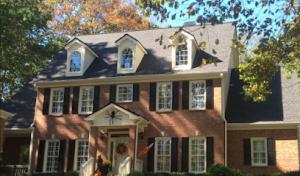
In Riverdale, homeowners hire in a market where quick response and affordability are common selling points, so a contractor that returns calls promptly and provides a clear, written scope stands out. Look for a detailed damage assessment, a defined sequence of repair steps, and a written timeline with milestones. When storms strike, avoid contractors who pressure you for decisions on the spot; instead, favor firms that schedule a thorough inspection, document findings with photos, and present a transparent plan you can review at home.
Storm damage requests added pressure, but the best local crews offer explicit workmanship protections. Seek a contract that spells out shingle or panel warranty, roof deck protection, and how they handle hidden damage behind fascia or vents. Confirm that the proposal includes a responsible debris plan, a dedicated crew lead, and a policy for addressing any punch-list items after the roof goes on. In a market where fast is common, a written warranty clause and a fair change-order process matter more than glossy marketing.
Cleanup is a strong local priority signal, critical on re-roof projects in established neighborhoods where tear-off debris, nails, and driveway protection affect satisfaction. Ask how debris will be contained during removal, what materials will be swept and double-checked at the end, and how driveway and landscaping will be protected. Confirm the crew will perform a final walk-around with you to confirm all nails are picked, shingles properly secured, and gutters and downspouts returned to service.
Long-established, family-owned firms are well represented locally, offering a useful basis to compare stability against newer storm-chasing operators after severe weather. Check how long the company has operated in the area, request local project references, and verify ongoing service capacity for future leaks or warranty work. Prioritize firms with consistent neighborhood ties and visible, repeat customers over flashy, episodic crews.
Spring in this area can bring quick rain bursts that leave roofs slick and underlayment damp. That means projects need tighter weather-window planning than in drier climates, with contingency built around how storms move through Clayton County and neighboring suburbs. You'll want to schedule critical tasks for the first dry stretches, and have tarps ready to cover exposed sections if a shower pops up. A careful crew rotation helps keep surfaces safe when moisture lingers, and communication with a contractor about expected rain gaps minimizes surprises on the schedule. Properly staged drying times between wet spells prevents backtracking on underlayment and flashing work.
Summer installation is complicated locally by high heat and humidity, which can affect crew productivity and make roof work more punishing on dark shingle surfaces. Plan for earlier starts to dodge peak sun and keep hydration and shading top of mind for workers. Heat can also affect sealants and fasteners, so expect a slightly slower rhythm during the hottest weeks and stronger emphasis on material handling to prevent warping or overheated products. Keeping temporary shade over the work area and scheduling critical tasks during cooler mornings helps maintain quality and safety. Regular inspections after daily heat cycles catch hidden glare damage or soft spots before they set.
Winter is milder than in northern markets, but cold fronts and occasional freezing temperatures can still delay work and affect material handling on certain days. Freezing mornings can slow adhesive cure times and complicate condensate control around attic vents. Temporary temperature guidelines may govern when certain products are installed or sealed, and overnight freezing can affect steep-slope work visibility. Having a plan for rapid response after a cold snap-checking for ice buildup, re-securing loose flashing, and coordinating with crews for resumed work when conditions improve-minimizes long pauses and keeps projects moving toward completion.
Riverdale sits in Clayton County's south-metro Atlanta weather pattern, where heat, humidity, and thunderstorms shape roof wear more than snow load or prolonged freeze conditions. In summer, shingles and underlaymentface relentless heat and sun exposure, while sudden afternoon storms can drive rapid temperature swings and wind-driven debris. The result is a roof that ages from UV exposure and moisture cycling more than from frigid cycles, so asphalt shingles often show cupping or granule loss sooner than in milder climates.
The roofing demand in this area is centered on residential re-roofing rather than new construction, mirroring the local contractor signal profile. Homes tend to feature a mix of traditional asphalt on older structures and metal or tile options on midcentury to newer builds. Deterioration from high humidity can reveal itself first as leaks near flashings, chimney transitions, or vent pipes, rather than as widespread roof failure. When a repair path isn't enough, homeowners frequently pursue a full roof replacement to restore performance and curb appeal.
Thunderstorm seasons bring sudden rain and wind that expose vulnerable roof edges and penetrations. A fast response plan helps minimize interior damage: identify actively leaking areas, collect interior water with buckets, and cover damaged sections with a temporary tarp if safe to do so. Focus on vulnerable spots like around dormers, valleys, and pipe penetrations, where rainfall can pool or funnel into the attic. Drying ceilings and walls quickly reduces secondary damage and buys time for a proper repair assessment.
After a major storm, document the scene thoroughly: take clear photos of exterior damage, note any loose or missing shingles, and record dates of rainfall or wind events. Inside, photograph affected ceilings and any mold-prone areas. Maintain a simple timeline of observed leaks, days without rain, and any temporary fixes that were applied. This information supports a smoother recovery process when coordinating with roofing professionals and insurance adjusters.
In the heat of summer, ensure attic ventilation is balanced with insulation to minimize heat buildup that can accelerate shingle aging. Regularly inspect roof edges after storms for loose granules, and keep gutters clear to prevent water from backing up under edges. For rapid response, keep a contact list of local reputable roofers and a basic weather plan so a quick assessment can begin the moment the skies clear.