Last updated: Apr 19, 2026
Montgomery's spring and summer storm pattern brings repeated thunderstorm exposure that commonly drives shingle bruising, lifted tabs, flashing damage, and leak calls. In the days after a heavy storm, inspect the attic for fresh water marks, listen for drips that appear with wind-driven rain, and check for any shingle edges that look blown out of alignment. If you spot granule loss on the ground or driveway, that's a warning sign the roof surface is no longer performing as it did before the storm. Do not delay addressing active leaks; even a small seepage can compromise sheathing and joints, inviting rot and more extensive repair.
Occasional hail in the area makes cosmetic-versus-functional damage documentation important before deciding on repair or replacement. Take clear, dated photos of every side of the roof from ground level and with a ladder if safe. Capture close-ups of bruised or pitted shingles, lifted tabs, bent flashing, and damaged vent boots. Include rain-soaked attic photos showing any dark streaks or soot-like staining around vents or chimney areas. Create a simple diary of each storm event: date, approximate wind speed if known, hail size, and what you observed inside the home (like new leaks after rain). When presenting evidence to an insurer, your record should tell the full story: what existed before, what changed after each storm, and how quickly leaks appeared after the event.
A roof can bend under pressure from back-to-back storms, especially when aging shingles already show wear. If the damage is localized to a few shingles, flashing, or vent boot areas, a repair might suffice-but only if the underlying deck remains solid and the roof has enough remaining life. If bruising is widespread, tabs are lifting across large sections, or flashing is repeatedly compromised, replacement becomes more prudent, particularly if leaks recur after each rainfall. The decision hinges on roof age, the extent of visible damage, and how well the roof would perform the next round of storms. An insurance-accepted assessment that ties visible damage to water intrusion across a season is particularly persuasive when considering replacement versus repair.
Fall tropical remnants can delay roof work and create second-loss risk when already-weakened roofs are left exposed between estimate, approval, and installation. In this window, a damaged roof is more vulnerable to wind-driven rain and debris, and a postponed project often sees new shingles or flashing suffer additional micro-damage. If a completion date slips, prioritize temporary measures: secure loose flashing with weather-rated tape, cover exposed areas with a tarp, and minimize attic exposure by mitigating heat and moisture buildup. The goal is to prevent a minor delay from becoming a costly, larger-scale problem once the storm season returns.
If you suspect damage, act fast but safely. Photograph and diary any new leaks, bruising, or lifting. Call a trusted local roofer for a rapid inspection and an itemized assessment of repair versus replacement needs. Keep trees trimmed away from the roof to reduce future impact, and arrange temporary protection for any exposed roof sections if a long wait for installation is anticipated. Acting promptly reduces secondary losses and keeps recovery on track when the next storm front rolls in.
SolarpROOFit
(877) 991-0991 www.solarproofit.com
Montgomery, Alabama
5.0 from 67 reviews
SolarPROOFit provides roofing and solar services in Southwest Florida and Montgomery, AL. With over 10 years of experience, we specialize as a commercial roofing contractor and roof repair contractors. We are also trusted roofing contractors for all your roofing needs, including installation and storm damage repair. We look forward to serving you.
Guyette Roofing & Construction
(334) 279-8326 www.guyetteroofing.com
1849 Upper Wetumpka Rd, Montgomery, Alabama
4.9 from 235 reviews
A family owned and operated roofing company serving the Montgomery Tri-County area. We specialize in all commercial and residential roof applications. Since, 1982 Bill Guyette Sr. has been doing construction work in the Montgomery, AL area. Quality control and customer service are the life blood of our business. Call or contact us through our website for a free roof estimate.
DND Roofing
(334) 489-1821 dndroofingllc.com
Montgomery, Alabama
5.0 from 55 reviews
At DND Roofing, LLC, we pride ourselves on delivering professional roofing services to the Prattville community and beyond. Our team focuses on providing high-quality roof installation in Prattville, ensuring your home or business is well-protected against the elements. Whether you're constructing a new home or looking to replace an old roof, we offer reliable solutions tailored to meet your needs. We understand the local climate and use this knowledge to enhance the durability and longevity of your roof. Choose DND Roofing, LLC for your roofing projects, and experience the dedication and craftsmanship that sets us apart. Reach out today to discuss your roofing needs!
RoofTeck
Montgomery, Alabama
4.9 from 95 reviews
Now proudly serving Alabama and West Georgia.
Roofing World
(334) 468-5381 roofingworldal.com
60 Commerce St STE 720, Montgomery, Alabama
4.8 from 131 reviews
Your trusted local roofing contractor in Montgomery, AL. Family-owned with 25+ years of experience, we offer the best financing options in Alabama. Specializing in residential, metal, and asphalt roofing, we provide quality replacement, installation, and repair services. With 1000+ completed projects, we ensure expert craftsmanship. Enjoy unbeatable financing with low monthly payments and lifetime warranties on select products. Our local contractors handle emergency repairs and new installations. For roofing services near you, including metal roofing and roof replacement, call Roofing World at (800) ROOF-PRO. Experience the difference of a company treating every customer with integrity.

Capitol City Roofing
(334) 277-3311 www.capitolcityroofing.com
918 Plantation Way, Montgomery, Alabama
4.7 from 221 reviews
Capitol City Roofing, LLC offers a wide range of residential and commercial roofing services in the Montgomery, AL area. Our roofing contractor has the team, tools and experience needed to install shingle, metal and all flat roofing systems. We have been in buisness since 2003 with a tried and true record. We can offer financing for most jobs and have a awesome showroom at our location.
Alabama Signature Homes
(334) 292-8821 www.alabamasignaturehomes.com
Montgomery, Alabama
4.9 from 51 reviews
Alabama Signature Homes is a reputable and multifaceted company based in the heart of central Alabama. With our extensive expertise in construction, handyman services, new construction, roofing, remodeling, painting, flooring, granite countertops, cabinet refacing, and comprehensive home remodeling, we provide an all-encompassing solution to cater to your unique needs. Our dedicated team of skilled professionals is committed to delivering exceptional craftsmanship and ensuring your vision becomes a reality. Trust us to transform your home into a stunning masterpiece that reflects your style and exceeds your expectations.

Innovative Roofing Pros
(855) 529-7663 iconstructionpros.com
615 Oliver Rd, Montgomery, Alabama
4.8 from 85 reviews
Innovative Construction Pros, based in Montgomery, AL, but also serving all of Florida and Georgia, is your trusted expert in Residential and Commercial Roofing and Repairs. Recognized for our comprehensive services, we handle everything from installation to repair, trusted even by insurance carriers for our reliability. Specializing in commercial roofing, we offer thorough inspections, accurate quotes, and effective solutions for all roofing challenges. Choose us for top-notch service and expertise in roofing and pressure washing, enhancing the integrity and appearance of your property.
Erie Home
895 Lagoon Commercial Blvd, Montgomery, Alabama
4.7 from 65 reviews
Since 1976, Erie Home has manufactured, supplied, and installed the best-performing roofing on the market. By providing ironclad warranties and convenient financing, we ensure that every homeowner we work with receives top quality service and value for their homes and properties. Erie Home professionals are the roofing company of choice in the greater Montgomery, AL area. Whether you need roof inspections or roof damage repair services, Erie Home has been the go-to roofing contractor for nearly 50 years because of our attention to detail and dedication to making sure our customers are satisfied with their results. Contact us today for a quote and see why we're the trusted roofing company Montgomery counts on.
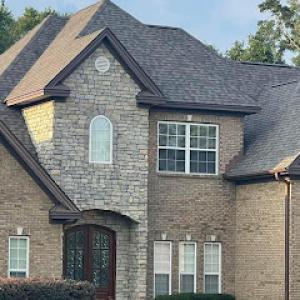
Wright's Roofing & Contracting
(334) 657-4475 wrightsroofingandcontracting.com
2055 Cong W L Dickinson Dr, Montgomery, Alabama
4.8 from 56 reviews
With 24 years in business, Wright's Roofing & Contracting proudly serves Montgomery, Millbrook, Prattville, Wetumpka, and surrounding areas. The owner brings over 39 years of roofing industry experience. Our company has grown due to our commitment to quality and customer satisfaction. At Wright's Roofing, we focus on being the best rather than the biggest, aiming to do the job right the first time. We work with all insurance companies and are licensed, bonded, and fully insured for your protection.
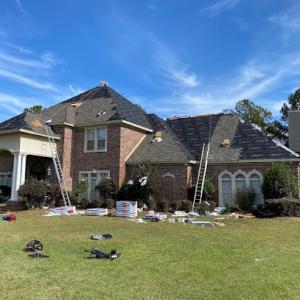
IG Construction
(334) 452-1121 www.igconstructionllc.net
4100 Wetumpka Hwy, Montgomery, Alabama
4.8 from 33 reviews
IG Construction, a locally owned and operated company since 2004, provides comprehensive residential and commercial roofing solutions to Montgomery, Alabama, and surrounding areas. Their experienced professionals are dedicated to delivering superior workmanship, ensuring your property's protection, aesthetics, and longevity. With a commitment to exceptional customer service, they strive to make every roofing project a seamless and satisfying experience for their valued clients.
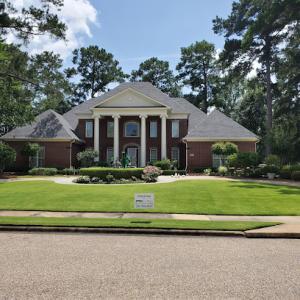
River Region Contracting
(334) 356-8635 www.riverregioncontracting.com
12489 Atlanta Hwy, Montgomery, Alabama
4.8 from 48 reviews
River Region Contracting, LLC, located at 12489 Atlanta Hwy, is your go-to roofing contractor, specializing in comprehensive roofing solutions in Montgomery, AL, and beyond. As trusted experts in roof installation, repair, and maintenance, we handle everything from residential roofing needs to emergency roof repairs with precision and care. Whether it's roof leak repair, replacement, or routine roof maintenance, our team ensures top-notch service with unmatched craftsmanship. Count on us for free roof inspections to keep your home safe and secure. Choose River Region Contracting, LLC for reliable roofing services that stand the test of time.
In this area, asphalt shingles and metal roofing have become the standard for practical, long-lasting protection. Asphalt shingles align with the most common contractor expertise in town and fit the typical homes in the region, making repairs and replacements more straightforward when a storm hits. Metal roofing has gained traction for its durability against hail and wind-driven rain, and it often carries a longer service life under Montgomery's hot-season demands. Homeowners should expect a robust local pool of installers for both options, which translates to quicker scheduling and predictable workmanship. Tile and wood products do exist, but they are far less common, so expect a narrower pool of installers and longer lead times if choosing those materials.
The long, hot-humid summers in this city push roofing systems to the limit. Granule loss on shingles tends to accelerate, and sealants age faster in attic spaces that feel like a furnace during peak sun. Aluminum- and copper-related components survive well, but the underlayment and flashing must be chosen with heat and humidity in mind to avoid premature failure. Algae staining is a recurring concern on many roofs, especially where shade is limited by mature trees or neighboring structures. A practical strategy is to pair a durable surface with reflective or lighter-color options that reduce heat absorption, combined with proper attic insulation and ventilation to minimize interior heat build-up. When a storm rolls through, metal roofing can shed wind-driven debris more cleanly, whereas asphalt shingles often show more impact damage in the same event. Your selection should weigh how well the system handles heat retention, vented attic space, and the potential for staining that can affect curb appeal over time.
While asphalt shingles remain the most accessible in terms of contractor availability, metal roofing has carved out a reliable niche with experienced crews who understand cold-wall shrinkage, expansion, and clipped-seam details that stand up to high humidity. Tile and wood products are present but represent a small share of the market; the installers who handle these materials tend to be specialty teams that may require longer scheduling and more precise roof framing. If choosing tile or wood, anticipate a tighter appointment window and a need for detailed inspection of deck quality, substrate readiness, and fastener compatibility to prevent issues caused by heat cycling and moisture.
When assessing a storm-damaged roof, start by confirming which materials align with the home's existing structure and the neighborhood's typical exposure to hail and wind. For homes with shallow pitches or limited attic ventilation, asphalt or metal can offer a smoother path to restoration, with better resistance to heat-related wear and easier maintenance over the life of the system. For homeowners weighing long-term performance, factor in algaecide and cleaning considerations for lighter color options, as well as the potential for reflective coatings to offset heat absorption. Finally, ensure the chosen product and installation approach preserve the roof deck's integrity, since a well-preserved substrate performs as the true foundation for any roofing system in this climate.
When severe weather whips through town, you'll notice pricing shifts almost overnight. Local replacement pricing is strongly affected by storm-driven demand spikes after severe weather, when scheduling pressure can raise labor and material coordination costs. That means even a straightforward re-roof job can push past the typical brochure ranges if rain, hail, or high-wind events hit in the days surrounding your project. Plan for a window where crews are more available and prices are steadier, which often means waiting for a few calm days after a major event rather than leaping at the first announced opening.
Montgomery's common re-roofing workload means asphalt and metal usually have the deepest local labor availability, while tile and specialty systems can carry higher install complexity and sourcing friction. Asphalt shingles remain the practical backbone for many homes because crews know the rhythm of the work, and material turns are quicker when the weather is cooperative. Metal roofs are favored for durability and wind resistance, and you'll typically see solid crew availability there as well. By contrast, clay or concrete tile, and synthetic or composite systems, may require more specialized crews and longer lead times for materials, especially after a storm when supply chains tighten.
The typical cost spectrum, by material, reflects both cradle-to-grave installation time and the local supply chain realities. Asphalt Shingles often occupy the most flexible price tier, with labor and material coordination forming the bulk of the charge in many Montgomery neighborhoods. Metal roofing sits a notch higher in both price and scheduling reliability, but can offer longer service life and better performance in storm conditions. Clay Tile and Concrete Tile sit at the upper end of the spectrum because of heavier weight, engineering considerations, and longer installation windows. Wood Shingles or Shakes carry their own niche costs due to specialty cutting and maintenance expectations, while Synthetic or Composite Shingles blend mid-range pricing with varying durability characteristics. Remember, the numbers can crest during storm recoveries, so expect temporary pressure on both pricing and availability after big weather events.
Your bid won't come from a factory line-it's a response to a local market that shifts quickly after storms. In practice, this means two things: first, a price you're quoted in a calm week isn't a guarantee you'll see the same number in the aftermath of another round of hail; and second, some reputable contractors will front-load a buffer for material lead times and crew availability, which shows up as a higher contingency line on your estimate. You should expect longer wait times for tile or specialty systems if weather has just hammered the area, so factor that into your decision window.
Focus on solid documentation and clear scope before you commit to a replacement plan. Photographs of damage, a detailed assessment, and a written scope help prevent scope creep when crews are racing to fit backlogged schedules. When storm demand spikes hit, ask about phased work or prioritized items that can be completed quickly to restore function while upgrades or higher-end finishes are staged for later. If you're weighing full replacement versus targeted repairs, use a cost-projection that includes potential scheduling delays and the higher coordination costs that come with storm recovery cycles.
Don't let upfront costs delay a critical repair - these contractors offer payment plans to fit your budget.
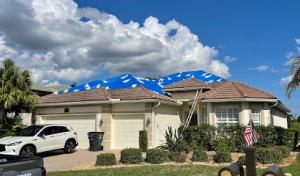
Roofing World
(334) 468-5381 roofingworldal.com
60 Commerce St STE 720, Montgomery, Alabama
4.8 from 131 reviews
Capitol City Roofing
(334) 277-3311 www.capitolcityroofing.com
918 Plantation Way, Montgomery, Alabama
4.7 from 221 reviews
In this city, a full roof replacement is treated as more than a simple exterior update. The permit process is central to ensuring that the work meets local standards for weather resistance, wind loads, and fire safety. That means if you're planning to replace the entire roof rather than cap or patch, you'll go through formal channels rather than handling it as a casual DIY project. Understanding this distinction up front helps you avoid delays and potential code issues after the storm repair work begins.
The process runs through the City of Montgomery Building Department, and plan review happens before any shingles start to fly. During plan review, you'll typically submit drawings or diagrams of the proposed roof system, including underlayment, flashing details, and any changes to ventilation. If your house has complex features-such as a tall ridge, multiple penetrations, or historic elements-be prepared for closer scrutiny. Plan review is a safeguard to ensure the replacement will perform well under Montgomery's hot, humid summers and thunderstorm cycles.
Inspections are scheduled during and after installation to verify that the work proceeds according to approved plans and code. Expect a rough-in inspection during framing or underlayment installation, followed by a prior to insulation check, and a final inspection after all roofing, flashing, and venting are in place. The final inspection is essential to close the permit and to certify that the roof is correctly installed for long-term performance during severe weather. If a problem is found, a re-inspection may be required, which is typically scheduled through the same Building Department system.
To keep the process smooth, begin by contacting the Building Department early in the project and pull the required permit application package for a full replacement. Gather documentation of the existing roof and the proposed system, including any storm-damage assessments from your insurer, contractor plans, and material specifications. Coordinate with your contractor to align the project timeline with permit milestones and inspection windows. Finally, maintain open lines of communication with the inspector and the permit office, so any weather-related delays or changes to the plan can be documented and approved promptly.
After a hail or wind event, the neighborhood rhythm shifts from routine to rapid documentation. Montgom ery-area insurers commonly ask for current roof-age records and storm documentation after severe weather events. That means your project may hinge on how neatly your files reflect the roof's condition leading up to the claim. If the storm was recent, expect a backlog and a slower path to a decision on whether a patch will suffice or a full replacement is needed.
You are advised to gather and preserve detailed records, including photos taken before and after the storm, dates of any prior repairs, and notes on observed damage and conditions. Insurers will scrutinize whether damage matches the storm's timing and severity, so a clear narrative supported by dated evidence helps prevent disputes later in the process. In many cases, wind-related damage to decking or underlayment emerges only after closer inspection, making documentary quality particularly critical.
Wind mitigation or similar roof-condition information may influence underwriting or claim review in this market. If your roof contains features that reduce wind uplift risk-such as upgraded fasteners, underlayment choices, or shaped shingles-be prepared to present documentation or certificates. Even if a retrofit occurred years ago, provide any available records that demonstrate improved resilience. A well-organized packet can shorten evaluative back-and-forth, but the absence of such details can stall the claim at underwriting.
Post-storm claims in Montgomery can involve multiple adjuster visits and documentation reviews, which can slow the decision between patching and full replacement. The process may unfold as a series of checkpoints: initial inspection, supplemental reviews, and possibly expert input on structural components. Resist the impulse to rush the reporting. Timely, accurate submissions help avoid back-and-forth delays that extend the timeline and complicate decisions.
Create a chronological file with storm dates, repair invoices, and contractor correspondence. If an adjuster schedules a visit, secure a written summary of what will be evaluated and what evidence to bring. When possible, accompany the adjuster during the inspection to point out pre-existing conditions and storm-related changes. Finally, keep your contractor's notes organized, because the review often hinges on a clear link between observed damage and the claimed events.
Connect with contractors who help homeowners navigate the claims process from damage assessment to final approval.
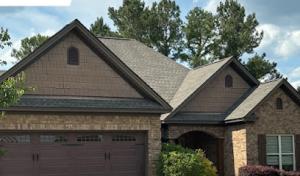
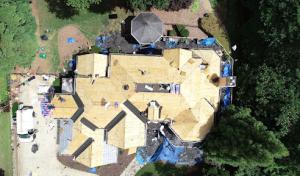
Mild winters in Montgomery extend workable exterior roofing windows compared with colder inland markets, especially into late winter and early spring. That means more days you can safely bring materials up and begin removal or new installation without fighting ice or extreme cold. The flip side is that those same months can surprise you with sudden temperature swings, so plan for a conservative schedule and protect exposed sheathing from unexpected cold snaps or late-season rain.
Summer heat and humidity can affect material handling and crew pace, making early-day scheduling and weather monitoring more important locally. Start work as near to dawn as feasible to keep materials from softening or warping in the sun and to reduce the risk of heat-related pauses. Expect a slower pace when humidity spikes, and coordinate with crews to minimize heat exposure without sacrificing quality. Have a plan for midday pauses and dew point changes that can affect adhesive sets or shingle alignment.
Spring thunderstorm season and fall tropical activity can interrupt tear-off and dry-in schedules even when temperatures are otherwise favorable. Build in buffer days for rain delays and sudden wind gusts that can push back exposed decking or tarping. If a storm warning is issued, secure materials and temporary covers immediately to prevent water intrusion. After heavy rain, inspect for hidden moisture damage before sealing up, and allocate time for resealing fascia and drip edges if needed.
When deciding between patch repair and full replacement, use structural and moisture indicators observed after these seasonal windows. If multiple components show substantial wear or recurrent leaks after storms, plan a longer, uninterrupted dry-in period rather than piecemeal fixes. In Montgomery, coordinating a steady, weather-aware schedule is the practical edge that protects the roof and the home through the most variable parts of your year.
Because Montgomery sees repeated storm exposure, you should expect to encounter leak-prone details like flashing and penetrations that rely on workmanship as much as on material quality. Do not assume that a warranty covers both components automatically. Make a habit of separating manufacturer material coverage from workmanship coverage when you review any claim. If you see a gap in responsibility for flashing, step back and ask the contractor to spell out who covers what, and request written clarification on how installers address wind-driven leaks around penetrations that tend to fail first after a hail event.
The local market includes a meaningful but not dominant share of contractors advertising warranties, so warranty terms should be compared carefully rather than assumed. Read the fine print with a trusted neighbor or a roofing-savvy friend, and verify what conditions could void coverage-such as improper installation, inadequate attic ventilation, or insufficient underlayment. In practice, a warranty that looks generous on the surface can become a headache if it relies on routine inspections or premium maintenance that isn't clearly feasible for busy homeowners. Favor terms that specify clear service timelines, accessible claim procedures, and defined remedies rather than vague promises.
For storm-related replacements, homeowners should keep permit closeout records, photos, and final invoices together in case insurers later ask for proof of compliant installation. In the wake of a severe weather event, insurers may request a coherent trail showing that the job met recognized standards and that any repairs addressed all leak-prone details. Store digital copies in a cloud folder and carry a compact physical binder on home repairs. Keeping this documentation organized now can simplify claims and reduce back-and-forth once a claim is opened.
In this storm-heavy environment, leak investigations zero in on flashing transitions where the roof meets walls, along ridge lines, and where metal systems show exposed fasteners. A single compromised step flashing or a loose rib cap can funnel wind-driven rain into attic spaces. If shingles over the ridge edge have begun to curl or lift, wind pressure can pry them up just enough to channel water under them. Inspect every flashing corner after a thunderstorm surge, and check for dull or dark streaks along ridge caps that indicate slow moisture intrusion. When metal roofs show loose screws or missing washers, the entire panel can shift under gusts, inviting leaks that creep downward to ceilings or walls.
Chimneys and skylights deserve extra scrutiny after thunderstorm cycles because repeated wetting and wind can expose small seal failures. Look for cracked sealant, rusted flashing pans, and gaps around boot flashing where moss or debris hides. Water can track along the flue or skylight frame and reveal itself as damp spots far from the actual opening. Treat any staining as a warning sign, not a cosmetic issue. If you notice persistent condensation or dampness in the ceiling near these penetrations, prompt resealing and flashing replacement are essential to stop a growing interior problem.
Fast post-storm response matters locally because high humidity can turn minor water entry into interior staining and moisture problems quickly. Dry out compromised spaces, document every affected area, and photograph evidence before a repair crew arrives. Tiny leaks can hide behind soffits or in attic corners, ready to bloom into mold if left unchecked. Schedule timely inspections after the next round of storms and address even the smallest wet spots with a targeted sealant or flashing adjustment.
Find contractors experienced in skylight installation, flashing, and leak repairs to bring natural light into your home.
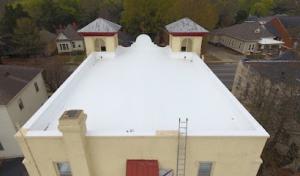
Guyette Roofing & Construction
(334) 279-8326 www.guyetteroofing.com
1849 Upper Wetumpka Rd, Montgomery, Alabama
4.9 from 235 reviews