
Last updated: Apr 19, 2026
Spring in Jonesboro brings the city's highest hail and wind-storm risk, making storm-related shingle loss and leak calls a leading homeowner concern. The combination of hot, humid summers and fast-moving storms means roofs face repeated stress from hail pings and sudden gusts. When a storm hits, the first sign is often a spiked appetite for leaks and interior spots near ceilings and walls, especially along rafter lines and around flashing. Knowing that this is a frequent pattern helps you act quickly instead of letting damage compound.
Because Jonesboro sits in Clayton County's south-metro Atlanta storm path, roof issues often involve wind-lifted asphalt shingles, ridge damage, flashing displacement, and water entry after fast-moving thunderstorms. Shingle lift can leave vulnerable underlayment exposed, while damaged ridges create pathways for water to seep toward the attic. Flashing around chimneys, vents, and skylights is a frequent weak spot when sustained winds push against the roof edge. A practical tell is a wind-driven edge that peels back, revealing dark underlayers and a potential for sudden drip lines after a rain.
Local contractor signals show unusually strong overlap in emergency repair, storm damage, and insurance-claims work, indicating homeowners here often need tarping, documentation, and claim support after severe weather. When a storm passes, prioritize securing the area with a sturdy tarp over any exposed roof sections within the first 24 hours if access is safe. This buys critical time to reduce further water intrusion and limits secondary damage to ceilings and insulation. Keep the tarp well-secured with roofing nails or fasteners, avoiding wind catch that could tear it loose during a gust.
In this market, thorough documentation is essential. Take high-resolution photos from multiple angles of every affected area: visible shingles, lifted edges, ridge lines, flashing, vents, and any interior water intrusion spots. Create a dated sequence showing the storm's impact and the progression of damage as it appears over days. Maintain a simple log of storm timing, observed wind speeds if available, and any immediate mitigation actions taken. This record supports an insurance review and accelerates the claim process, especially in a climate where rapid inspection and accurate decking assessment are frequently emphasized during Clayton County's re-roof checks. If a contractor is called, request a written scope that distinguishes emergency tarping, temporary repairs, and permanent replacement work to prevent miscommunication later in the claims cycle.
Find local contractors experienced in assessing and restoring roofs after hail, wind, and severe weather events.

Inya Perfect Construction
(678) 254-8444 www.inyaperfect.com
216 N McDonough St, Jonesboro, Georgia
5.0 from 88 reviews

Do Right Roofing
(404) 796-5937 www.dorightroofingatl.com
3210 Bay View Dr, Jonesboro, Georgia
4.9 from 40 reviews
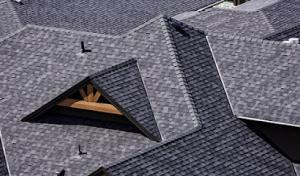
B & W Roofing & Gutters
(678) 565-7420 www.bandwroofingandgutters.com
7379 Fielder Rd, Jonesboro, Georgia
4.3 from 51 reviews

Inya Perfect Construction
(678) 254-8444 www.inyaperfect.com
216 N McDonough St, Jonesboro, Georgia
5.0 from 88 reviews
We are currently working in your area replacing roofs damaged by wind and hail due to the last wind storm that caused damage to GA state as well as your community. we work with all insurance companies. We are here to help; call today to schedule an appointment, we have a good deal for you!

Do Right Roofing
(404) 796-5937 www.dorightroofingatl.com
3210 Bay View Dr, Jonesboro, Georgia
4.9 from 40 reviews
At Do Right Roofing, we focus on quality customer service and premier craftsmanship. Your home is your most precious asset. We understand that and help you protect your home with the best roofing available. We also do siding work, paint jobs (interior and exterior), roof repairs, and complete gutter replacements. We're as transparent as possible with each and every client so they know the complete process. We offer the best prices and can back that up by beating any competitor's written estimates by 10%. Our owner, Josh, received a formal education and graduated from Georgia State University with a BA in Economics and a minor in Political Science. We'll treat your roof as if it were our own. See why we're the most trusted roofing company!
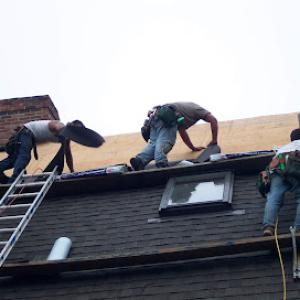
AEC King Construction
(404) 671-4350 aeckingconstruction.com
Jonesboro, GA
4.7 from 27 reviews
A provider of professional roofing services, AEC King Construction, Inc. is your source for quality roofing services in Riverdale, GA. We have 17 years of experience and offer roof repair and roof replacement services including flat foam installation and siding installation. At our company, our focus is on ensuring your roofing system has the strength and structure it needs. If you are interested in a new roof, we have a wide selection of materials and will help you select the best option for your needs and budget. Founded in 2015, AEC King Construction, Inc. serves the community of Riverdale, GA, and neighboring areas. We have the expertise and experience to provide you with quality customer care.
B & W Roofing & Gutters
(678) 565-7420 www.bandwroofingandgutters.com
7379 Fielder Rd, Jonesboro, Georgia
4.3 from 51 reviews
B & W Roofing and Gutters provides roofing and construction services to the Atlanta, GA area. We specialize in commercial and residential roofing, gutters, siding, exterior renovations, and more.
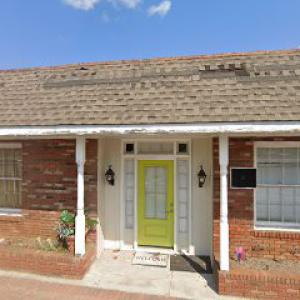
Detail Building Services
(866) 751-0841 detailbuildingservices.com
120 N McDonough St, Jonesboro, Georgia
5.0 from 3 reviews
We are a group of professionals who pay attention to detail! Detail Building Service is a family-owned and operated company that has been serving thousands of satisfied customers for over a decade. We have been honored for our quality craftsmanship and first-class customer service. Our company always hires the best and certified workers, uses the best quality tools and materials, and always provides top-rated customer service. Detail Building Service provides roofing, basements, decking, gutter insulation, and other home improvement services to metro Atlanta areas. After starting the company, our management team hired experienced and certified experts to provide the best services to its clients.
The Cowboy Roofer Jonesboro
Serving
5.0 from 7 reviews
The Cowboy Roofer is here to help you with any Roofing concern. We offer a Free Estimates and Evaluations about Roofing, Siding, Gutters and much more. We are experts on a roof leak repairs, chimney leaks, Metal roof Repairs, Siding Repairs and Gutter Repairs. We also offer whole Roof Replacements, Siding Replacements, Gutter Replacements and Roof Maintenance Program.
Top Choice Roofing & Home Improvements
Jonesboro, Georgia
5.0 from 1 review
Georgia's Top Choice for Roofing and Home Improvements
Smart Choice Construction & Roofing
(404) 985-2413 www.asc-roof.com
Serving
4.9 from 72 reviews
Smart Choice Construction and Roofing is a roofing contractor in Fayetteville, serving Peachtree City, Tyrone, Newnan, and nearby areas. We specialize in roofing services and siding replacement like vinyl, wood, and fiber cement (Hardie plank & and other brands). Customers love us because of our comprehensive roof warranties. We also have industry affiliations and certifications such as GAF Certified. If you want to experience how your most trusted Fayetteville and Peachtree City roofing company embraces our motto “One Stop Shop for All Your Exterior Needs", call us now for a free estimate!
Lynn's Home Improvement
(404) 710-9760 www.lynnshomeimprovement.com
Serving
4.7 from 75 reviews
Lynn's Home Improvement is your trusted local contractor serving Atlanta, Fayetteville, and surrounding areas. We specialize in roof replacement, roof repairs, siding, windows, gutter installation, and deck and patio construction to enhance your home’s durability and curb appeal. Whether you need a new roof, reliable roof repair, or a full roof replacement, Lynn's Home Improvement has the expertise to handle any project with care. Our team is committed to providing high-quality, affordable services that meet your needs and exceed expectations. As a leading roofing contractor in Atlanta, we pride ourselves on delivering tailored solutions and top-quality work, from small repairs to major replacements.
Rooftops Unlimited
(678) 340-9170 www.rooftopsunlimited.com
Serving
4.9 from 110 reviews
Rooftops Unlimited is your one-stop-shop for all your roofing, siding, gutter, and window replacement needs in the Atlanta metro area. If you need to fix or replace any of these important components for your home’s protection and beauty, we’re ready to help you. If you are searching for a quality roofer in the Atlanta area or need a gutter installer, siding installer, or home sidings – then we are the experts to call. From asphalt shingles to metal roofs, we do it all! We have over 15 years of experience providing expert roofing services in Atlanta, Peachtree City, Coweta, Fulton, Henry, Troup, Newton County, and beyond. Call today when looking for a roofer in Newnan, GA
Home Right Solutions
(678) 410-8108 homerightsolutions.net
Serving
4.9 from 41 reviews
Transform your home with our unique and captivating roof replacement services in McDonough. At Home Right Solutions, LLC, we specialize in creating roofing solutions that stand out, providing both functionality and aesthetic appeal. Our experienced team ensures a seamless process, from consultation to installation, tailored to your specific needs. Elevate the curb appeal and durability of your home with our unparalleled craftsmanship. Ready for a roofing upgrade? Contact Home Right Solutions, LLC today for a free estimate. Let us bring a touch of uniqueness to your home with our top-notch roof replacement services in McDonough. Your dream roof is just a call away!
ExP Contractors
(404) 974-4969 exproofingcontractors.com
Serving
4.9 from 171 reviews
ExP Contractors and Roofing, the trusted roofing contractor in Forest Park, GA, brings over 9 years of expertise in delivering exceptional roofing solutions. As a licensed and bonded full-service firm, we specialize in roof repair, asphalt shingle replacement, storm damage repair, hail damage repair, and roof inspections for both residential and commercial properties. Our commitment to excellence is backed by an A+ BBB rating, 5-star Google reviews, and GAF Certification, ensuring quality and customer satisfaction every time. Discover why we’re the go-to choice for roofing in Forest Park, GA. Visit our website for more information or call us today to experience the ExP Contractors and Roofing difference!
Jonesboro's spring wind and hail events set the tone for how storms can impact roofing projects. The hot, humid summers drive heat load on roofing materials and can slow installation pace during peak afternoon conditions. UV exposure and thermal cycling are the key local lifespan drivers, which means choosing materials with solid heat resistance and allowance for expansion and contraction helps prevent premature failures. This section focuses on practical timing and tactics to align with those realities.
Spring and fall emerge as the most reliable windows for a roof replacement, thanks to milder temperatures and more predictable weather. In spring, the threat of sudden thunderstorms exists, but around mid-season the sun isn't as punishing, allowing crews to weld, seal, and set under better conditions. In fall, cooler air helps materials cure properly and reduces heat-related challenges for crews. The key is to avoid the peak of the afternoon heat in late spring and early fall and to plan several daylight hours with forecasted dry spells to maximize working time while keeping materials at a stable temperature.
During Jonesboro's hot, humid summers, heat load on roofing materials accelerates UV degradation and can shorten work windows. Plan for early-morning starts and end-of-day wrap-ups to avoid the hottest hours. If a project must run into the afternoon, expect slower progress and more frequent breaks for crew safety. While summer can still be workable, communication with the crew about queueing tasks that are more heat-sensitive-such as membrane or underlayment work-helps keep the project on track without sacrificing quality.
Fall work can still face rain-related scheduling delays. Afternoon showers or residual moisture after a storm can stall tear-off or installation, so keep a flexible schedule buffer. Having a plan to cover exposed decking quickly during a passing shower helps protect the exposure and reduce rework. In Jonesboro, storms can roll in quickly, so the ability to shift tasks indoors or into sheltered periods becomes a practical advantage in autumn.
Winter cold snaps and brief freezing rain can pause tear-off or installation. When temperatures hover near or below freezing, adhesives and sealants may not cure properly, and certain underlayment materials can lose performance. If a project runs into winter, anticipate shorter daily windows and increased risk of weather-related pauses. Plan for a staggered sequence that uses milder days for critical fastener work and sealing tasks, preserving the quality of ventilation detailing and the deck's protection. This approach minimizes the likelihood of weather-induced delays and keeps the project moving when a cold snap ends.
Asphalt shingles are the dominant practical choice in Jonesboro, aligning with the local contractor base and the area's large volume of re-roofing work. They strike a reliable balance between cost, availability, and performance that matches the region's spring wind and hail patterns. When a shingle roof sustains hail strikes or wind uplift, the familiarity of local crews with asphalt systems means faster, more predictable repairs and inspections, which matters in Clayton County's thorough decking and ventilation reviews. In practical terms, the typical shingle installation in this market emphasizes proper surface preparation, a solid underlayment, and adequate attic ventilation to minimize heat buildup and moisture at the decking-key factors for long-term success after a storm.
In Jonesboro, you'll want to work with a contractor who understands how to address the local weather cycle: hot, humid summers feed expansion and contraction, while sudden storms can drive moisture toward the attic if ventilation isn't adequate. The asphalt option supports a robust repair path after wind-driven debris or hail damage, with a wide range of profiles to match older homes and newer layouts. A careful choices process should consider not only the shingle color and texture but also the system components-underlayment,nailing pattern, and edge detailing-to meet the inspection expectations that can accompany a re-roof in this area.
Metal roofing is present but less common locally, often chosen by homeowners prioritizing heat performance and long-term durability in Jonesboro's sun and thunderstorm climate. If heat resistance and solar reflectivity are top concerns, metal can reduce attic temperatures and potentially lower cooling loads in a humid Georgia summer. However, the market here is more selective, so alignment with a contractor who can manage flashing details, penetrations, and the coordination with existing roof decks matters more than elsewhere. For storm events, metal's rapid shedding of water and resilience to hail can be attractive, but careful assessment of fastener choices and coating longevity is essential to prevent denting or corrosion in exposed areas. The neighborhood's typical homes may require additional structural checks when choosing metal, especially if there are existing upgrades to consider or if a retrofit over an older deck is planned.
Clay and concrete tile appear in the market but can trigger added review or upgrades in Clayton County on more complex roof layouts, making structure and detailing more consequential here than on a simple shingle re-roof. Tile systems bring distinctive longevity and curb appeal, yet they demand a sturdy, well-framed roof and precise tile layout to avoid cracking and water intrusion. In Jonesboro's climate, the weight of tile roofs means a structural evaluation is prudent, and in storm-prone periods, the impact of broken tiles on ventilation and decking checks during inspections becomes a focal point. When tile is considered, expect conversations around extra decking, reinforced rafter spacing, and meticulous sealing around penetrations to address the area's heavy exposure to wind-driven rain. Clayton County's inspection-heavy approach translates into a careful assessment of gypsum or plywood decking integrity and the compatibility of fasteners and underlayment with tile systems.
After spring wind and hail events, the material choice influences not only immediate repair steps but also the documentation you'll need for insurance and follow-up inspections. Asphalt shingles typically offer straightforward repair paths and familiar documentation trails, while metal, tile, and composite options require attention to how damage reports map to decking, ventilation, and finish details. In practice, you'll want to map any storm-related damage to deck condition, attic ventilation adequacy, and flashing integrity, then communicate clearly with your insurer and title the inspection notes to reflect the actual roof assembly and its compatibility with the chosen material.
A full re-roof in Jonesboro typically requires a permit through the local building department in Clayton County. Before any shingles come off or new underlayment goes on, you must file for the permit and align with the county's inspection schedule. The permit process is not a mere formality; it sets the expectations for material choices, deck condition, and ventilation that downstream crews must meet. If the project begins without proper approval, you risk delay, fines, and a potential requirement to undo work already completed.
Inspections are required during and after the job, with local review focused on deck integrity, nail patterns, and ventilation rather than just final appearance. That means inspectors will examine how the deck is prepared, whether the roof deck boards are sound, and whether the nail pattern aligns with Clayton County standards for your roof type. Ventilation isn't a cosmetic detail here; proper intake and exhaust ventilation can prevent heat buildup, ice damming, and premature shingle wear. Plan for access and temporary shoring if the inspector flags any decking concerns during the live trade work.
More complex roof designs and some tile projects in Jonesboro can trigger additional review or required upgrades before approval. If your roof includes unusual slopes, numerous penetrations, or dormers, the county may request structural reinforcement or revised flashing details. Tile systems, in particular, often demand careful assessment of deck framing, underlayment, and venting compatibility. Expect possible clarifications on fastener schedules and moisture barriers. The additional review can mean longer timelines between permit submission and project start, so coordinate with your contractor to align material ordering and inspection windows.
Communication matters. Your contractor should anticipate the permit fingerprint-inspection checkpoints, documentation, and a clear schedule. Have the permit number and project scope on-site so inspectors can verify compliance without repeated trips. If a requirement arises to upgrade decking, framing, or ventilation, address it promptly to avoid rework delays. In tight spring windows, when wind and hail pressure tests the roof line, staying ahead of permit-related hoops helps prevent cascading setbacks that leave you exposed to weather.
Know that permit approval is your shield against later enforcement actions or insurance hiccups. Expect inspections to verify structural readiness and proper ventilation patterns, not just a clean appearance from the street. If the project involves unusual geometry or tile work, anticipate additional review steps and potential upgrades before the permit lands in hand. In the end, staying proactive with the Clayton County process helps protect your investment and reduces the chance of abrupt hold-ups when storm season hits.
In this area, Jonesboro homeowners commonly compare asphalt shingle pricing first because it is the dominant material and fits the area's affordability-focused contractor market. When you start planning a full re-roof, the baseline for an asphalt shingle replacement sits around 350 to 700 USD per square, installed. That range reflects typical labor, underlayment, and the shingle material you choose, and it helps you frame bids without getting drawn into higher-end options prematurely.
Asphalt shingles remain the practical starting point for most homes in this market, especially for mid-slope roofs with standard decking. Beyond asphalt, metal roofing and concrete or clay tiles exist, but they pull a noticeable premium. Metal generally lands from about 700 to 1100 USD per square, while concrete tile runs roughly 800 to 1400 USD per square, and clay tile sits in the upper tier. Synthetic or composite shingles offer a middle ground, typically 550 to 900 USD per square. If your home has older decking or unusual layout needs, these figures can shift, so expect some adjustment when bids come in.
Storm-driven demand spikes in the Jonesboro area can push scheduling pressure and pricing upward after spring hail or wind events. When clear weather finally returns, crews often book out weeks or even months in peak season, and a few storm-affected homes nearby can raise material costs due to tight supply. If your project lands in the post-storm window, expect tighter calendars and potentially a premium on expedited starts or quicker material procurement. Building a plan that anticipates a longer lead time for materials and a flexible start date can help you avoid rushed decisions.
Costs can rise locally when Clayton County inspection requirements uncover decking, ventilation, or layout-related corrections during a full re-roof. If decking shows signs of water damage, rot, or insufficient nailing space, replacement or repairs will be needed before the new roof goes on, which adds to the total. Likewise, if the attic ventilation needs upgrading to meet heating and cooling performance goals, those adjustments add labor and material costs. Factor in a contingency of about 10 to 20 percent for these unexpected findings when you're budgeting after the initial inspection results come back.
To make an apples-to-apples comparison, ask for a per-square price that includes underlayment, drip edge, starter strip, and a full shingle replacement, plus a clear note on any decking repairs and ventilation upgrades. In many Jonesboro projects, the decision hinges on balancing upfront cost with long-term durability, especially when the home relies on confidence-inspiring protection against hot, humid summers and sudden spring storms. Getting multiple certified bids helps you spot installers who understand the local storm patterns and the Clayton County expectations, so you're not caught off-guard by mid-project changes.
Get a clear picture of your project costs upfront - no commitment required.
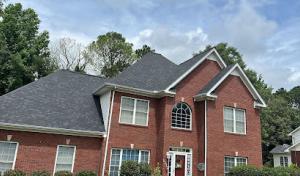
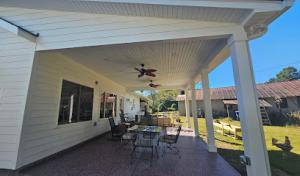
Georgia insurers generally scrutinize roof claims closely, so after storms you should expect photo documentation, adjuster review, and detailed damage records. In this market, the deck, shingles, and flashing are all under the microscope, and a thorough photo trail can slow down or accelerate an adjustment depending on what's shown. In Jonesboro, a sudden spring wind or hail event can reveal issues that aren't obvious from ground level, so take wide, dated shots of every angle, plus close-ups of any lifting, cracking, or dark staining. If you've got attic or ceiling signs of water intrusion, record those as well with timestamps and room locations.
Because storm-response contractors are so prevalent in this area, it's easy to be swept along by rapid timelines. You should keep dated photos, interior leak evidence, and contractor inspection notes before repairs progress too far. The goal is to demonstrate a clear chain of events: when damage appeared, what conditions caused it, and how the claim was assessed. Store copies of any written communications from the insurer and the adjuster, and organize repair estimates in a single folder you can share if questions arise. This avoids "he said, she said" confusion when scopes change or questions about decking and ventilation surface.
High-wind and hail events in the Jonesboro area can affect premiums and renewal terms even without a statewide insurer pullback pattern. If a claim is opened or multiple consecutive events occur, expect a targeted review of prior claims, roof age, and observed damage. Keep a careful, orderly record of all correspondence and inspection notes so you're not left guessing at renewal time, and you'll have a clearer path if the insurer raises a flag or adjusts terms during the next policy cycle.
Skylight repairs appear often enough in the local contractor market to merit dedicated attention, suggesting flashing and curb details are a recurring local service need. After a storm, check the skylight curb and surrounding flashing first, since wind-driven rain can lift seals even when the field shingles still look sound. Look for any gaps where the flashing meets the curb, and inspect the seam between the skylight frame and the roof deck. If you see frost-clear condensation on the interior panes after a storm, that can signal a compromised seal. On the exterior, run a bead of sealant along any granule-filled gaps, but do not mask deeper flashing weaknesses-those require professional resealing or curb replacement. When planning repairs, prioritize skylights with metal flashing that extends properly over the curb and into the shingle line, as short or poorly folded flashing invites leaks on the next thunderstorm.
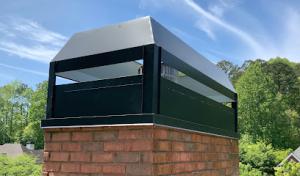
Chimney-related work is also common in the local market, making chimney flashing and masonry-to-roof transitions a practical leak checkpoint for homes. Inspect the junction where the chimney base meets the roof for loosecounterflashing, torn step flashing, or mortar cracks that can trap water. After storms, wind-driven rain tends to exploit these weak points first. Look for staining along the brick or stone veneer, and check the caulk joint around the chimney chase-the sealant may degrade quickly in hot, humid summers. If flashing shows any lift, corrosion, or gaps, prioritize a professional re-flashing with proper integration into the shingles to prevent water intrusion at the most vulnerable edge.
After Jonesboro thunderstorms, these penetrations are often the first places where wind-driven rain exposes flashing weaknesses even when the field shingles still look serviceable. Perform a quick exterior inspection from ground level, using binoculars to spot lifted flashing, missing granules, or dark streaks near skylights and chimneys. Inside, monitor ceilings near these penetrations for new damp spots or staining that aligns with the attic vents. For quick-at-home action, remove debris from the skylight curb and chimney chase, and note any changes in sealant or caulk, so you can discuss specific trouble spots with a contractor.
Find contractors experienced in skylight installation, flashing, and leak repairs to bring natural light into your home.
B & W Roofing & Gutters
(678) 565-7420 www.bandwroofingandgutters.com
7379 Fielder Rd, Jonesboro, Georgia
4.3 from 51 reviews
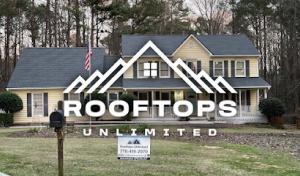
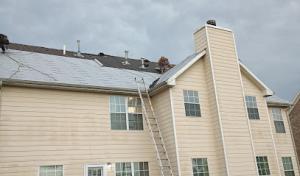
Flat-roof specialization exists in Jonesboro but is not dominant, which suggests this issue is more common on additions, porches, and mixed-roof homes than across the whole housing stock. That means you may encounter low-slope sections that were added later or use a different roofing assembly than the main house. Those joints are where the risk concentrates, especially when storm activity spikes in spring and summer. Be mindful that the drainage pattern on a low-slope rear addition can be less forgiving than a steeper main roof, so downspouts and scuppers need careful attention and regular cleaning.
Low-slope sections in this area are especially vulnerable during heavy thunderstorm downpours when drainage and seam details are stressed quickly. In Jonesboro's climate, routine maintenance becomes a two-step process: keep the drainage paths clear and verify seam integrity after every major rain event. Look for signs of water backup at transitions between the main roof and the low-slope addition, where carpentry and flashing are most likely to degrade first. A simple biannual check of seals around penetrations, edge metal, and parapets can prevent small leaks from turning into attic moisture and decking concerns.
When a home has both steep-slope shingles and a low-slope rear section, permit and inspection coordination can become more important because different assemblies may be reviewed differently. This is not about doing more work but about documenting the exact construction in those junctions. For a homeowner, that means keeping a clear record of the roofing materials, fastening methods, flashing details, and any retrofits used on the addition. If a storm damages both areas, your insurance claims and contractor scope should reference the two distinct assemblies to avoid gaps in coverage or misinterpretation by the adjuster.
In this climate, prioritize proactive seam and flashing checks at least twice a year, plus after any major wind event. Keep the roof membrane clean of debris, ensure no ponding develops on the low-slope section, and confirm that new penetrations through the addition were properly flashed to the main roof. When planning repairs, engage contractors who understand transitions between slope types and who can document the exact assembly details for both the original structure and the addition. This approach reduces surprises during storm season and speeds up any necessary insurance documentation after a wind or hail event.
Find specialists in TPO, EPDM, and built-up flat roofing systems for residential and commercial properties.
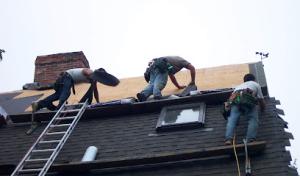
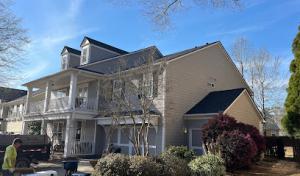
In this market, you first separate crews by how quickly they respond after a spring wind or hail event and whether cleanup is included. Quick responders minimize exposure time for attic leaks and interior damage, which matters with hot humid summers driving condensation. Make sure the contractor commits to debris removal and shingle recycling on site, not just a quick tarp.
Long-established and family-owned firms have a visible street presence and predictable follow-through in Jonesboro. You want a contractor who returns calls, honors warranty items, and follows up after the crew leaves. Locals often rely on word-of-mouth from neighbors who faced the same storms and know who stood behind repairs.
Manufacturer-certified and warranty-offering contractors exist locally but are less prevalent than emergency and claims-focused firms, so verify who will actually manage permits, inspections, and punch-list items. Ensure the project manager stays on point from start to finish and documents every step, especially for interior protection and ventilation checks.
Ask for a written storm-response timeline, a cleanup plan, and a detailed punch-list with responsible parties and dates. Check that the crew is experienced with Clayton County inspection expectations, decking inspection, nailing patterns, and attic ventilation. A clear point of contact matters when weather shifts and quick decisions are needed.
In Jonesboro, a written plan that outlines how storm damage will be prioritized roof deck, attic, and interior helps prevent miscommunication when crews are juggling multiple houses after a big event. Ask for regular progress updates and contact information for the on-site supervisor, and follow-up.