
Last updated: Apr 19, 2026
This area mixes a cold, snowy winter with hot, dry summers in a tight annual cycle. Snow piles up, then sits through bitter cold nights, then thaws and refreezes, year after year. That cycle isn't just uncomfortable for you; it's a direct stress test for roofs. The serious risk is moisture finding its way beneath shingles, flashing, or underlayment, where freeze-thaw cycles can widen gaps, push seams apart, and deteriorate the decking. If water sneaks in even a little, it accelerates wear on your roof's core components and shortens its working life in ways you'll notice as leaks or attic heat loss.
Heavy snow loads aren't just about weight; they're about how snow behaves on a slope as temps swing. When meltwater runs under shingles or into flashing, it can refreeze, creating ice dams that back up water toward the eaves and soffits. In a semi-arid climate with strong sun in summer, heat can bake the roof deck after a thaw, then the next winter's freeze-thaw cycle can crack and loosen fasteners and sealants. Moisture underlayment and flashing are especially vulnerable near valleys, chimneys, and vent penetrations. If those areas start to seep, you'll see stains, musty odors, or damp attic insulation, even if the visible surface looks fine.
The practical replacement window in this climate runs from late spring through early fall. Winter weather makes access hazardous and unreliable for safe, thorough work. Shoulder-season freezes can complicate repairs if you're chasing rising meltwater or wind-driven snow, which means you'll pay extra in labor for slower progress. Planning ahead to target the warm, dry months helps ensure materials cure properly, sealants set, and flashing systems integrate without the rush that a snowstorm can trigger. In other words, don't push a major replacement into deep winter if you can avoid it; aim for a solid stretch of dry days where crews can work unimpeded by ice or gusty winds.
Begin with a targeted inspection focusing on vulnerable seams, fasteners, and underlayment edges. If moisture is detected in the attic, address it promptly rather than chasing a temporary patch on the surface. Ensure proper ventilation in the attic to reduce condensation and temperature swings that worsen freeze-thaw damage. When planning repairs or a full replacement, coordinate with a roofer who understands how Brigham City's snow cycles interact with your chosen material. For most homes, selecting a durable underlayment and correctly sealed flashing is as important as the surface shingles themselves, since it's these layers that bear the brunt of repeated freeze-thaw exposure.
Spring hail and wind events are a defined seasonal risk in Brigham City and can create sudden surges in roof demand after storms. Frost-heavy nights followed by thawing days put extra stress on aging shingles and underlayment, and wind gusts from the Wellsville foothills can lift edges or drive debris into vulnerable seams. The combination of heavy snowpack melting with spring winds means roofs that look fine in late winter may reveal leaks or concealed damage after a single hailstorm or wind event. Stay prepared: inspect the roof edge, valleys, and flashings promptly after any storm, and monitor for new water stains inside.
After a hail or wind event, act quickly to mitigate further damage. If you notice missing shingles, cracked tabs, dented metal, or broken gutters, cordon off the affected area to prevent foot traffic or added debris from worsening the issue. Clear debris from the roof safely from the ground or hire a local contractor with experience in Brigham City's climate to perform a temporary seal or tarping if a leak is present. Strong winds can drive moisture into attic spaces via soffits and vents, so check attic insulation and vent openings for wind-driven intrusion. Document any obvious damage with photos from multiple angles and keep a dated log of observed problems.
Utah's regular hail and wind claim activity affects Brigham City homeowners through stricter insurer scrutiny, especially on older homes. Insurers will expect timely reporting, complete evidence, and clear records of the pre-storm condition and post-storm changes. Preserve all notes, dates, and observations, including neighborhood context like nearby trees or previous repairs. If lifts or ladders are used for roof access, ensure safety and record the method of access. When fast-tracking a claim, having both exterior and interior photos showing water intrusion, ceiling stains, and attic moisture will streamline the process and reduce back-and-forth requests.
Adjusters in this market commonly want photos, measurements, and documentation of pre- and post-roof conditions when storm damage is reported. Have a current, legible roof measurement and an up-to-date square footage tally ready. Hire a local contractor who understands the unique stress from freeze-thaw cycles and spring hail. Ask for a detailed, itemized scope that addresses both immediate leaks and underlying materials that may fail in recurring freeze-thaw cycles. Coordinate scheduling with weather windows to minimize exposure and ensure that temporary protections stay in place until permanent repairs can begin.
Find local contractors experienced in assessing and restoring roofs after hail, wind, and severe weather events.
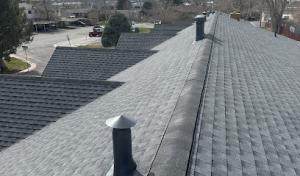
High North Roofing
(385) 246-5928 highnorthroofing.com
3150 W Forest St, Brigham City, Utah
5.0 from 51 reviews
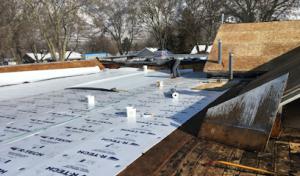
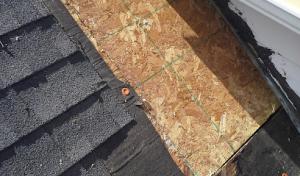
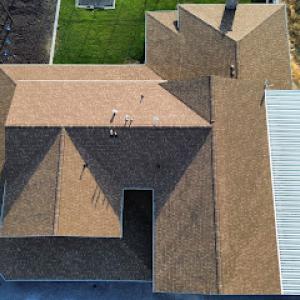
K&K Construction & Roofing
(435) 999-8100 www.kandkconstructionandroofing.com
35 E 700 N, Brigham City, Utah
5.0 from 69 reviews
Working with a Roofing contractor may be overwhelming and sometimes disappointing. We are family-owned and do everything within our power to help you have a fantastic experience with our services! The services we provide are asphalt roofing, metal roofing, flat roofing, gutters, siding, soffit and facia, additions, decks, awnings, and more We would love to help you out on your upcoming construction projects! Call us at 435-999-8100 for a free consultation or with any questions you may have!
High North Roofing
(385) 246-5928 highnorthroofing.com
3150 W Forest St, Brigham City, Utah
5.0 from 51 reviews
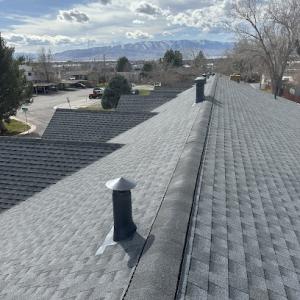
High North Roofing provides professional roof repair, roof replacement, shingle roofing, metal roofing, TPO roofing, leak repair, storm damage repair, and full residential and commercial roofing services all over Northern Utah — from Provo to Logan. We proudly serve Brigham City, Ogden, North Ogden, Tremonton, Perry, Cache Valley, Weber County, Davis County, and Utah County. As a GAF Certified and locally-owned roofing contractor, we stand behind our work with parts and labor guarantees, high-quality workmanship, honest pricing, and financing options. Whether you need a small roof leak fixed or a full reroof with shingles, metal, or TPO, we deliver reliable, professional service every time.

Legacy Roofing
(385) 247-0534 legacyroofingutah.com
76 S Main St #1, Brigham City, Utah
5.0 from 12 reviews
Legacy Roofing in Brigham City is the most popular roofing repair and new roof company serving customers in Box Elder County and throughout the Wasatch Front. Legacy has more than 400 Google reviews and has the most and highest customer satisfaction of all roofing companies in Brigham City and Box Elder county. Legacy provides a free roof inspection and estimate. Legacy provides the best guaranty and service to its customers. Legacy also is Utah's first Tesla roof authorized installer and sales and Tesla battery power walls. Call Legacy Roofing today to schedule your free inspection and estimate.
SRD Roofing
(801) 919-6700 www.srdroofing.com
430 N Main St, Brigham City, Utah
4.6 from 28 reviews
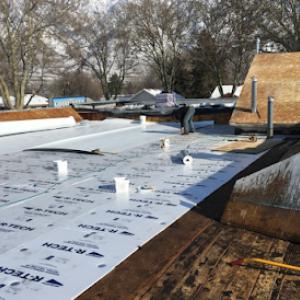
SRD Roofing is your go-to solution for all roofing needs in Brigham City, Utah with over 20 years of experience. Our team of highly skilled and professional roofing contractors is dedicated to providing top-notch services for both residential and commercial properties. With our extensive experience in the industry, we have mastered the art of roof repair, roofing, and gutter repair services, ensuring the longevity and durability of your roofs. We also specialize in handling roof insurance claims, providing you with a hassle-free experience. Choose SRD Roofing for all your roofing needs and get peace of mind with our reliable services.
Power House Roofing Siding & Rain Gutter
182 S 500 W, Brigham City, Utah
5.0 from 2 reviews
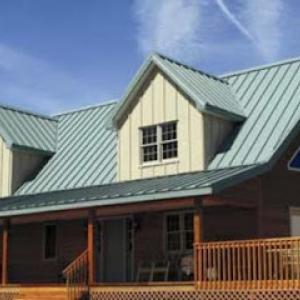
Complete New Roof System, Roof Repairs, Metal, Asphalt Shingles, TPO, PVC. Also all types of siding, sofit, facia, upgrade Windows, & new construction window and door placement. Seamless 5 inch Rain Gutter
Casey Roofing
Serving
4.8 from 55 reviews
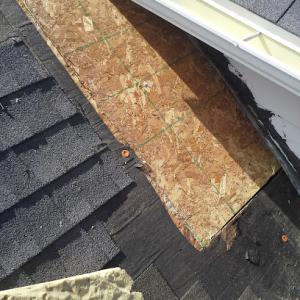
Casey Roofing offers all sorts of roofing services to residential home owners. Casey Roofing provides the following services: New roof installation, Roofing recovers, tear offs, roof repairs, wind damaged roofs, roof leaks, roof top mounted cooler removals, roof inspections and certifications, heat cable installations. Family owned and operated. Owners on every job to ensure roof quality and satisfaction. Over 50 years of roofing experience.

Ashco Roofing Construction
(801) 305-4095 ashcoroofingexperts.com
Serving
4.8 from 239 reviews
Ashco Roofing Construction is a top roofing contractor in Northern Utah offering roof repair, replacement, and new installations for homes and businesses. We are roofing experts with 20+ years of experience, we use premium materials and expert craftsmanship for durable, beautiful roofs. Trusted as a leading roofer in Northern Utah, we deliver unmatched service and stress-free solutions. Contact us today for reliable roofing in Northern Utah that protects and enhances your property!

Logan Roofing
(435) 681-2211 www.loganroofers.com
Serving
5.0 from 97 reviews
Logan Roofing is a trusted roofing company in Logan, UT, providing top-quality residential and commercial roofing services. Our experienced roofers in Logan, Utah specialize in roof repair, roof replacement, metal roofing, and shingle roofing. As one of the best roofers in Utah, we ensure durable, high-quality results for every project. From roof repair Logan to full metal roofing Logan Utah installations, we deliver expert craftsmanship. Looking for reliable roofing contractors? Our team of skilled Logan Utah contractors is here to help. Whether you need Utah roofing repair or a new metal roof, trust Logan Roofing—one of the top roofing companies Logan Utah—for superior service. Call today.

Cook Roofing
(801) 726-8820 www.cookroofinginc.com
Serving
4.7 from 24 reviews
We have been in business for over 40 years. You can trust us with all of your roofing needs.
Homer Roofing
(435) 787-0910 homerroofing.net
Serving
4.9 from 264 reviews
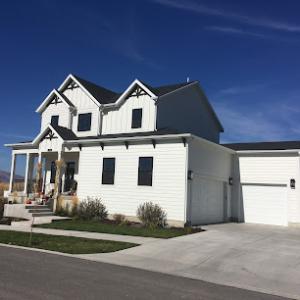
Since 2003, Homer Roofing has proudly served Logan and surrounding communities as a trusted roofing contractor. Specializing in both residential and commercial projects, they offer a comprehensive range of services including asphalt shingle, metal, and flat roofing, alongside expert repairs and replacements. As a GAF Master Elite Certified company, Homer Roofing is dedicated to delivering superior craftsmanship and lasting peace of mind, truly embodying their commitment to a "Worry Free Roof."
Utah Roof Consulting
(801) 200-8379 www.utahroofconsulting.com
Serving
5.0 from 64 reviews
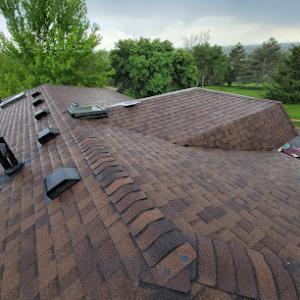
Since 2015, Utah Roof Consulting has been the trusted name in comprehensive roofing solutions and home inspections. Our team of skilled professionals specializes in a wide range of services, including roof replacements and repairs, with a particular focus on addressing storm, hail, wind, and snow damage. We also offer expert siding, asphalt, and metal work, as well as essential gutter cleaning and waterproofing services. Whether you need a full replacement or routine maintenance, our consultants and roof technicians are dedicated to providing top-quality workmanship and lasting results for your home.
Roof Rescue
(435) 999-4268 roofrescueusa.com
Serving
4.9 from 135 reviews
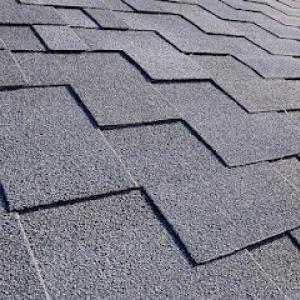
Roof Rescue is your trusted local roofing contractor in Logan, UT, providing high-quality roof repairs, replacements, and inspections. Whether you need help after storm damage or want to upgrade to a more durable roofing system, our experienced team is here to help. We specialize in asphalt shingles, metal roofing, and leak repairs for both residential and commercial properties. With fast response times, honest pricing, and reliable workmanship, we’re committed to protecting your home or business. Contact us today for a free inspection and let us rescue your roof!
In Brigham City, snow load and freeze-thaw cycles dominate how a roof wears. The material choice must tolerate freezing nights followed by warm days that cause repeating expansion and contraction. Ice dam risk matters when gutters aren't sized or sloped to shed meltwater quickly. Hail in spring can chip or dent surfaces, especially in exposed eaves and solar-ready areas. When planning replacement, evaluate how each option handles snow accumulation, ice movement, and the seasonal swings that are common in this valley setting.
The dominant roofing materials in Brigham City are asphalt shingles, metal roofing, clay tile, concrete tile, wood shingles/shakes, and synthetic/composite shingles. Asphalt shingles are easy to install and perform well with snow loads when installed with proper nailing patterns and underlayment. Metal roofing excels at shedding snow and withstanding freeze-thaw stress, but design matters for edge detailing and fastener sealant to prevent ice infiltration. Clay and concrete tiles bring long life and strong hail resistance, yet their weight and brittle response to ground movement mean structural readiness and careful installation are essential. Wood shingles or shakes offer charm and decent performance, but need attention to drying potential and surface coatings that resist freeze-thaw cycling. Synthetic/composite shingles provide controlled expansion, improved hail resistance, and often lighter weight, which can reduce structural demands.
When selecting a roof type, consider heat during summer installation windows. Brigham City summers can push asphalt and composite products to install at higher temperatures, which influences adhesive and sealant performance. For metal roofs, choose coatings that minimize heat absorption and reduce thermal expansion stress. Tile systems benefit from accurate substrate preparation and ventilated attic spaces to prevent heat buildup that otherwise accelerates wear in melt cycles. Wood shingles require moisture management and treated finishes that tolerate repeated freeze-thaw exposure.
Durability against wind uplift, thermal movement, and hail impact should guide material choice as much as snow load. If the roof site experiences strong spring winds, prioritize systems with proven wind resistance and robust edge detailing. For any option, ensure the substrate and underlayment are rated for cold climates and can tolerate freeze-thaw events without allowing moisture intrusion. In areas with heavy snowfall, prioritize products with strong warranties on ice-damming resistance and secure fastening systems that perform under freeze-thaw cycling.
If prioritizing lowest maintenance under snow and ice: consider metal or high-quality asphalt with upgraded underlayment. For classic aesthetics with solid durability: clay or concrete tiles, provided the structure handles the weight and correct installation is observed. If a lighter option is preferred with good hail resistance: synthetic/composite shingles offer balanced performance. Each path benefits from precise wind uplift calculations and material specifications defined by the chosen roofing system.
Typical local pricing runs about $350-$700 per square for asphalt shingles, $700-$1400 for metal, $1000-$1900 for clay tile, $900-$1500 for concrete tile, $600-$950 for wood shingles/shakes, and $500-$800 for synthetic/composite shingles. In Brigham City, those ranges reflect the mix of older homes with varied roof pitches and the newer houses that use more metal or concrete tile. When budgeting, think in terms of a "per square" price, but confirm the exact scope with the contractor-two roofs that look similar can land in different bands if underlayment, ventilation, or concealed repairs differ.
Costs in Brigham City can rise after spring hail and wind events when demand spikes and scheduling tightens across the local re-roofing market. Spring weather can hammer crews with unexpected repairs, pushing prices up as tradespeople juggle tighter calendars. If a hailstorm hits, you may see a temporary tilt in material availability as suppliers scramble to restock. Plan for a tighter window between choosing materials and starting work, and expect price fluctuations to reflect the rapid pace of local demand.
Material choice remains the biggest driver of cost variability. Asphalt shingles stay the most budget-friendly option, while clay and concrete tiles push up the price noticeably due to weight, installation complexity, and the need for structural assessment. In a city at the base of the Wellsville Mountains, where freeze-thaw cycles stress roofs, a more robust option like metal or concrete tile often yields longer service life and better performance in wind and ice, at the expense of a higher initial outlay. For homes with existing tiled systems, evaluating matching or upgrading underlayment, insulation, and ventilation can improve long-term resilience and prevent premature failure.
Start with a clear scope: roof area in quotes, included underlayment, ice barrier placement, and attic ventilation upgrades. Ask for a detailed materials list and an itemized labor breakdown so you can compare apples-to-apples. If spring weather is ahead, budget a buffer for possible price bumps and shorter lead times, especially for popular shingle profiles or premium metal options. Finally, corroborate that the chosen material matches the home's pitch and exposure to Brigham City's winter and spring conditions.
Don't let upfront costs delay a critical repair - these contractors offer payment plans to fit your budget.
High North Roofing
(385) 246-5928 highnorthroofing.com
3150 W Forest St, Brigham City, Utah
5.0 from 51 reviews
Legacy Roofing
(385) 247-0534 legacyroofingutah.com
76 S Main St #1, Brigham City, Utah
5.0 from 12 reviews
A full roof replacement in Brigham City typically requires a permit submitted to the Brigham City Building Department. Before work begins, your contractor should file the permit application and set up any required pre-inspection meetings. The department expects you to provide project details such as roofing material type, square footage, and any structural alterations. Because Brigham City experiences heavy snow loads and freeze-thaw cycles, the permit review commonly emphasizes roof system compatibility with high snow retention and wind conditions. Expect the reviewer to verify that underlayment, flashing, and decking align with local standards and the chosen roofing system's performance characteristics. If the plan includes attic ventilation or ice-dam mitigation measures, have those specifics documented to support a smoother approval.
Inspections are scheduled during and after the project to verify underlayment, flashing, decking, and final roof work. Early inspections often focus on the sheathing condition, fastener patterns, and proper installation of underlayment to guard against moisture intrusion during melt-freeze cycles. A mid-project inspection may confirm flashing continuity around chimneys, vents, skylights, and transitions to walls, ensuring a continuous barrier against wind-driven snow and ice. In Brigham City, where spring hail and wind can strain the roof edge, expect the inspector to check edge metal and drip edges, as well as proper sealant usage at penetrations. Timely scheduling and access to the attic or crawlspace for decking checks help prevent delays, especially when cold temperatures complicate sealing procedures.
Depending on the roofing system, the department may ask for wind uplift calculations or manufacturer material specifications before approval. Some systems in this climate rely on stronger fastener schedules and precise nailing patterns to resist wind uplift and freeze-thaw movement. When clay or concrete tiles, metal, or synthetic products are proposed, have the latest engineering data, installation manuals, and any required third-party endorsements ready for review. If the project includes venting changes or attic insulation updates, ensure the drawings show compatibility with the chosen product's installation tolerances. After final inspection, you should receive sign-off that confirms the roof meets structural and moisture-control requirements, allowing occupants to resume full use of the home with confidence against Brigham City's unique winter-spring conditions.
Brigham City sits in a regular hail and wind claim environment, and that mix shapes how insurers approach roof work here. When cold-season snow loads and spring storm cycles stress a roof, carriers often tighten review criteria for older homes. Expect tighter scrutiny of replacement scope, and be prepared for requests for measurements and detailed photos to accompany a claim. Honest documentation helps prevent delays when a storm hits and the check is needed quickly.
Prevent surprises by building a simple photo log of your roof's condition in the months between storms. A clear before shot of ridge lines, vents, and any existing damage makes a big difference if hail or wind arrives. After a hail or wind event, capture wide-angle views and close-ups of dented metal, broken shingles, lifted edges, and attic signs of moisture. Insurers value precise dates, weather notes, and matching gaps in the attic to roof performance.
Old homes often trigger closer insurer inspection, with claimed scope compared against what exists on-site. You may be asked for measurements, layout, and materials used in the last replacement. Keeping your records organized-photos, notes, and contractor communications-reduces back-and-forth and helps align expectations with the adjuster.
Have a trusted local roofer who understands the area's wind-borne debris and freeze-thaw cycles inspect the roof and provide neutral measurements. Maintain a dated folder of storm alerts and damage reports, and note any temporary fixes you implement to protect the interior. Clear, accurate documentation minimizes disputes and speeds the path from assessment to recovery.
Connect with contractors who help homeowners navigate the claims process from damage assessment to final approval.

Late spring to early fall is the preferred local replacement season because winter snow and ice can restrict tear-off, delivery, and safe roof access. You want dry, stable conditions to move materials and cabinets up ladders, and to keep crews from fighting lingering ice pockets that hide weak decking. Plan for a window where days are reliably above freezing and overnight temps aren't flirting with freezing, so adhesives and underlayment can cure without setbacks. In Brigham City, that means aiming for a stretch after the last major snow event and before late fall storms creep in.
Hot summer conditions in Brigham City can affect installation timing and adhesive performance, so crews often need to manage work hours carefully. Expect earlier starts to beat the heat, frequent water breaks for crews, and careful protection for exposed surfaces to prevent premature drying or warping of underlayment. If a project falls during peak heat, scheduling around the hottest parts of the day or choosing a lighter color or reflective roofing option can help maintain consistent performance and comfort on the jobsite.
Freeze-thaw cycles in the shoulder seasons can worsen existing decking and shingle problems if replacement is delayed. If moisture has penetrated, ice can expand and stress the deck, accelerating potential failures. In these transitions, a quick timing decision matters: a small delay with a dry, mild spell can save larger repairs later. In Brigham City, keeping a close eye on the long-range forecast during late spring and early fall helps prevent snow or cold snaps from derailing a scheduling window.
Coordinate with your contractor to secure a solid block of dry days, and confirm material arrivals align with the start of the project. Have a contingency plan for unexpected weather, and keep access paths clear to minimize delays. If you're replacing after a harsher winter, consider adding extra inspection time for the decking to catch any hidden damage before shingles go on. In Brigham City, thoughtful planning around snow, heat, and freeze-thaw cycles keeps the project moving smoothly.
When you can't wait, these contractors offer fast response times to stop leaks and prevent further damage.
K&K Construction & Roofing
(435) 999-8100 www.kandkconstructionandroofing.com
35 E 700 N, Brigham City, Utah
5.0 from 69 reviews
Snow accumulation and freeze-thaw cycles on low-slope and flat sections create unique stress patterns that impact drainage details. In this area, a small misalignment in roof planes can become a standing-ice trap or a slow-drain hotspot after a storm. Plan for a deliberate slope and a clear path for meltwater to reach scuppers or edge drains. Ensure roof drains and scuppers are sized for the seasonal snowpack and that drainage paths stay unobstructed through the winter by keeping debris out of gutters and flashing terms.
On low-slope roofs, transitions between membranes and adjacent roof areas are common failure points if not detailed properly. Pay close attention to where the flat or low-slope section meets steeper, conventional roofing. In Brigham City, temperature swings can cause membranes to lift at these joints, so use a continuous, compatible flashing approach and verify that fasteners are corrosion-resistant and properly seated. A tight, well-adhered seam around penetrations and perimeters reduces the chance of leaks after spring thaw and hail events.
Inspection attention to underlayment, flashing, and decking is particularly relevant where low-slope sections meet conventional roof areas. Check that the underlayment is continuous and free of punctures, that flashing around vents, curbs, and transitions remains mechanically secure, and that decking shows no signs of moisture damage or rot. In Brigham City, where freeze-thaw cycles amplify minor flaws, schedule targeted checks after heavy snows and thaws and before the spring hail season to catch issues early.
Find specialists in TPO, EPDM, and built-up flat roofing systems for residential and commercial properties.
K&K Construction & Roofing
(435) 999-8100 www.kandkconstructionandroofing.com
35 E 700 N, Brigham City, Utah
5.0 from 69 reviews
High North Roofing
(385) 246-5928 highnorthroofing.com
3150 W Forest St, Brigham City, Utah
5.0 from 51 reviews
Power House Roofing Siding & Rain Gutter
182 S 500 W, Brigham City, Utah
5.0 from 2 reviews