
Last updated: Apr 19, 2026
Logan sits in Cache Valley, where cold air pools in the valley floor and keeps roofs colder for longer during winter storms than many Wasatch Front locations. That persistent chill means the attic and roof deck stay near freezing more often, which slows melt and keeps ice closer to the eave. When a storm rolls in, the roof holds a stiff edge of frost that doesn't thaw quickly, creating a hidden crunch point as snow sits stubbornly and weight grows with every new layer. The consequence is not just heavier snow loads, but a daily rhythm of freezing and thawing that stresses shingles, underlayment, and flashing. This is the kind of environment where small problems become big ones inside weeks rather than months.
The city's winter pattern combines snow accumulation with repeated daytime melt and nighttime refreeze, which raises the risk of ice at eaves, around valleys, and near roof penetrations. When heat leaks from the attic, even in a well-insulated home, meltwater travels to the colder edges where it refreezes, forming ice dams that push water under shingles. Over time, that push can cause fascia and insulation damage, and ultimately interior staining and rot in the attic. Shingle failure becomes more common if the edge ice can't shed moisture away from the roof edge fast enough. Around roof penetrations-chimneys, vent stacks, skylights-ice dams are particularly aggressive because water has nowhere to drain without backing up into the deck and underlayment. Each freeze-thaw cycle tightens the noose, turning a routine storm into a gradual progression of leaks and accelerated wear on gutters and drip edges.
Homes near the Logan bench and canyon-influenced areas can see different snow and wind exposure than lower valley neighborhoods, affecting how evenly roofs shed snow. Cantilevered or shaded sections hold snow longer; wind-scoured ridges dump more in others, creating uneven loads across the roof. In canyon-adjacent neighborhoods, wind funnels can push snow into clusters that crystallize into thick ridges, while sheltered spots under eaves and along valleys can see faster melt that refreezes into stubborn ice patches. This uneven loading means the most vulnerable roofs are often the ones with complex shapes, many penetrations, and partial sun exposure-areas that will develop ice dams sooner if not managed.
Start by validating attic ventilation and insulation against the current seasonal reality: ensure soffit vents are clear, ridge vents are unobstructed, and insulation is dense enough to keep heat from driving up into the attic. If there's a history of ice dams, consider an interior or exterior heat-trace approach to critical eave lines, paired with a disciplined roof snow management plan during storm cycles. Inspect flashings around chimneys and vents for gaps, since those are popular ice dam entry points. Don't wait for the first melt to test drainage; proactively remove excessive snow from the lower third of the roof after a major storm, especially near eaves, valleys, and penetrations. Track winter storms, noting whether wind patterns are piling snow unevenly, and plan targeted shingle and flashing checks after each heavy event. In tight-valley setups, prioritize a professional inspection that focuses on insulation performance, drainage pathways, and the integrity of ice barriers in vulnerable zones.
Spring hailstorms in northern Utah don't work like a single punch to every home. In Cache Valley, highly localized damage paths mean one neighborhood can have claim-worthy impacts while a nearby street looks untouched. That pattern forces you to treat every roof inspection as a potential windfall or a total miss, depending on where the hail struck your slope or how the wind whipped across the ridgeline. The timing matters: hail can crush shingles on a few elevations and leave others relatively unscathed. This is not a uniform event; it's patchwork, and that patchwork drives adjuster expectations and claim decisions. Act like you're mapping a weather-driven mosaic on your own roof.
Fall wind events in Cache Valley can lift aging shingles, expose underlayment, and push late-season reroof plans to the edge of winter. If a wind storm hits after a roof has already begun to fail, the damage can escalate quickly, complicating both repairs and the insurance timeline. The work window shrinks as temperatures drop, precipitation rises, and contractors pull back to winterizing projects. The practical consequence is simple: don't gamble on waiting for a clean, calm stretch. Secure temporary protection where needed, document damage now, and establish a reroof plan that aligns with the soon-to-close work window before winter weather locks in negotiations and schedules.
Logan roofs are routinely re-evaluated after hail and wind events, so documentation becomes a critical part of the claim process. Before any adjuster arrives, you must have thorough photo documentation organized by slope and elevation. Capture wide shots of the entire roof, then zoom in on damaged shingles, seals, flashing, and any uneven granule loss. Include ground-level and rooftop perspectives to show the full scope. Note the exact location of damage on each slope, using street-facing landmarks or compass directions if possible. Create a simple inventory: which elevations are affected, which shingles or materials show impact, and any signs of moisture intrusion around vents, chimneys, or skylights. If you have prior photos from before the event, keep them handy for side-by-side comparisons. This targeted, elevation-by-elevation record makes adjuster inspections faster and reduces back-and-forth questions that delay claims during a season when time matters.
Start with a rapid damage scan as soon as weather clears. Schedule a professional roof inspection to verify hail or wind impact and to identify any underlying vulnerabilities that could fail after freeze-thaw cycles. Prepare your slope-by-slope photo log now and keep it updated as you review notes with your contractor. When the adjuster appointment is set, have the photo log ready to accompany the report, organized by elevation, to streamline the inspection and avoid back-and-forth disputes. If damage appears concentrated on specific elevations, request targeted evaluations of those areas, since insurers often respond to the most visible, high-contrast damage first. Fast, precise documentation is your best defense against postponed repairs and winter delays.

Homer Roofing
(435) 787-0910 homerroofing.net
865 W 1455 N, Logan, Utah
4.9 from 264 reviews
Since 2003, Homer Roofing has proudly served Logan and surrounding communities as a trusted roofing contractor. Specializing in both residential and commercial projects, they offer a comprehensive range of services including asphalt shingle, metal, and flat roofing, alongside expert repairs and replacements. As a GAF Master Elite Certified company, Homer Roofing is dedicated to delivering superior craftsmanship and lasting peace of mind, truly embodying their commitment to a "Worry Free Roof."
Roof Rescue
(435) 999-4268 roofrescueusa.com
708 W 1800 N Suite 2B, Logan, Utah
4.9 from 135 reviews
Roof Rescue is your trusted local roofing contractor in Logan, UT, providing high-quality roof repairs, replacements, and inspections. Whether you need help after storm damage or want to upgrade to a more durable roofing system, our experienced team is here to help. We specialize in asphalt shingles, metal roofing, and leak repairs for both residential and commercial properties. With fast response times, honest pricing, and reliable workmanship, we’re committed to protecting your home or business. Contact us today for a free inspection and let us rescue your roof!
The Crew Roofing &
(435) 554-6714 thecrewroofingandco.com
160 Main St, Logan, Utah
5.0 from 15 reviews
Local, quality roofing contractor serving greater Northern Utah, Southern Idaho, and Wyoming. The Crew Roofing specializes in the installation and removal of metal, wood shakes, asphalt shingles, and membrane style of roofing.
Mt. Peak Roofing
(435) 787-4174 mtpeakroofing.com
135 S 700 W, Logan, Utah
4.5 from 16 reviews
Roofing contractor servicing commercial and residential customers. Specializes in shingles, metal, and membrane applications.

Ashco Roofing Construction
(385) 469-2040 ashcoroofingexperts.com
Serving
5.0 from 7 reviews
Ashco Roofing is a top roofing contractor in Northern, Utah offering roof repair, replacement, and new installations for homes and businesses. With 20+ years of experience, we use premium materials and expert craftsmanship for durable, beautiful roofs. Trusted as a leading roofer in Northern Utah we deliver unmatched service and stress-free solutions. Contact us today for reliable roofing in Northern Utah that protects and enhances your property!

Logan Roofing
(435) 681-2211 www.loganroofers.com
Serving
5.0 from 97 reviews
Logan Roofing is a trusted roofing company in Logan, UT, providing top-quality residential and commercial roofing services. Our experienced roofers in Logan, Utah specialize in roof repair, roof replacement, metal roofing, and shingle roofing. As one of the best roofers in Utah, we ensure durable, high-quality results for every project. From roof repair Logan to full metal roofing Logan Utah installations, we deliver expert craftsmanship. Looking for reliable roofing contractors? Our team of skilled Logan Utah contractors is here to help. Whether you need Utah roofing repair or a new metal roof, trust Logan Roofing—one of the top roofing companies Logan Utah—for superior service. Call today.

Skabelund Roofing
(435) 753-8315 www.skabelundroofingut.com
Serving
4.0 from 111 reviews
With over 40 years of experience, Skabelund continues to provide Cache Valley with high-quality roofs and excellent customer service. Skabelund Roofing is proud to have taken quality to new heights for over 25 years. Providing countless residents of Cache Valley with a roof over their heads, Skabelund Roofing continues to show why some have called him " The best roofer in the valley. Skabelund Roofing has also been recognized by the Better Business Bureau with an A+ Rating. Skabelund Roofing does all types of residential and commercial roofing including, tear-offs, re-roofs, new roofs, repairs, metal roofs, and many more.
K&K Construction & Roofing
(435) 999-8100 www.kandkconstructionandroofing.com
Serving
5.0 from 69 reviews
Working with a Roofing contractor may be overwhelming and sometimes disappointing. We are family-owned and do everything within our power to help you have a fantastic experience with our services! The services we provide are asphalt roofing, metal roofing, flat roofing, gutters, siding, soffit and facia, additions, decks, awnings, and more We would love to help you out on your upcoming construction projects! Call us at 435-999-8100 for a free consultation or with any questions you may have!
Island Heights Construction
(435) 753-7403 islandheightsroofing.com
Serving
5.0 from 1 review
Island Heights Construction, Inc., a family-owned and operated business since 1983, specializes in the repair and installation of flat roofs with a focus on quality and precision. With over 30 years of expertise in both sloped and flat roof projects, our experienced installers are dedicated to providing top-notch sheet metal work for commercial and residential properties alike. We pride ourselves on delivering exceptional service that combines technical skill and personal attention to detail, ensuring lasting results for every client. Offering free quotes and consultations, Island Height Construction, Inc. is committed to meeting the unique roofing needs of our community while maintaining the highest standards of craftsmanship.
High North Roofing
(385) 246-5928 highnorthroofing.com
Serving
5.0 from 51 reviews
High North Roofing provides professional roof repair, roof replacement, shingle roofing, metal roofing, TPO roofing, leak repair, storm damage repair, and full residential and commercial roofing services all over Northern Utah — from Provo to Logan. We proudly serve Brigham City, Ogden, North Ogden, Tremonton, Perry, Cache Valley, Weber County, Davis County, and Utah County. As a GAF Certified and locally-owned roofing contractor, we stand behind our work with parts and labor guarantees, high-quality workmanship, honest pricing, and financing options. Whether you need a small roof leak fixed or a full reroof with shingles, metal, or TPO, we deliver reliable, professional service every time.

Legacy Roofing
(385) 247-0534 legacyroofingutah.com
Serving
5.0 from 12 reviews
Legacy Roofing in Brigham City is the most popular roofing repair and new roof company serving customers in Box Elder County and throughout the Wasatch Front. Legacy has more than 400 Google reviews and has the most and highest customer satisfaction of all roofing companies in Brigham City and Box Elder county. Legacy provides a free roof inspection and estimate. Legacy provides the best guaranty and service to its customers. Legacy also is Utah's first Tesla roof authorized installer and sales and Tesla battery power walls. Call Legacy Roofing today to schedule your free inspection and estimate.
SRD Roofing
(801) 919-6700 www.srdroofing.com
Serving
4.6 from 28 reviews
SRD Roofing is your go-to solution for all roofing needs in Brigham City, Utah with over 20 years of experience. Our team of highly skilled and professional roofing contractors is dedicated to providing top-notch services for both residential and commercial properties. With our extensive experience in the industry, we have mastered the art of roof repair, roofing, and gutter repair services, ensuring the longevity and durability of your roofs. We also specialize in handling roof insurance claims, providing you with a hassle-free experience. Choose SRD Roofing for all your roofing needs and get peace of mind with our reliable services.
Late spring to early summer is typically the best replacement window in Logan because crews avoid winter snow conditions and the hottest part of the dry summer season. That window aligns with Cache Valley's heavy snow load cycles and sharp freeze-thaw swings, giving crews a longer, safer stretch to install under dry-day conditions and to test the roof system after work is complete. If the goal is to minimize the chance of ice dam formation during the process, this timing also helps keep scaffolding and work platforms stable during snowmelt and rapid temperature shifts. Planning around this period reduces the risk of misaligned shingles or improper flashing that could arise when winter weather intrudes.
Scheduling can tighten after spring hail because storm-driven demand competes with planned reroofs across Cache Valley. Hail events in the western portion of the valley often push crews to the roofline for days at a stretch, but the best results come from avoiding those peak hours when crews are juggling multiple high-priority jobs. If a hail storm hits your block, secure a firm start date as soon as the weather stabilizes and the crew can commit to a steady pace. In Logan, where a single strong storm can ripple through neighborhoods, having your project lined up promptly after the hail season reduces compression on materials, allows for proper attic ventilation checks, and gives you a window to confirm ice and water shield long enough to mitigate freeze-thaw risks.
Late fall projects in Logan face a higher risk of weather delays from wind, early snow, and colder installation conditions. The hardware and sealants become more sensitive as temperatures drop toward freezing, and wind gusts can complicate shingle seating or metal panel alignment. If fall work cannot be avoided, aim for the earliest feasible start in a dry spell and request shorter, more frequent check-ins with the crew to catch issues like improper nail spacing or flashing gaps before temperatures dip. The goal is to finish the reroof before real cold sets in, so the attic remains ventilated and the roof deck dries thoroughly for lasting performance.
For a roof in Cache Valley, the best reroof window includes a thorough review of attic ventilation and sleeve flashing around dormers, skylights, and valleys. In Logan's climate, improper ventilation accelerates ice dam risk, especially where snow tends to linger along the eave lines. Ensure the project scope includes sealing deck seams, reinstalling baffles if needed, and inspecting soffit vents. After installation, confirm that the ridge and soffit balance is appropriate for winter, with airflow capable of pulling warm air away from roof surfaces to slow melt and re-freeze cycles.
Finally, the window replacement plan should incorporate snow management strategies for Cache Valley winters. Temporary barriers and clear access routes help prevent snow from piling against newly installed flashing. The crew should also verify that snow guards and edge detailing integrate with the new roof profile to reduce the risk of ice dams forming at the overhangs. A successful reroof window in Logan blends careful timing, disciplined scheduling, solid ventilation checks, and proactive weatherproofing to ride out the fickle valley winter.
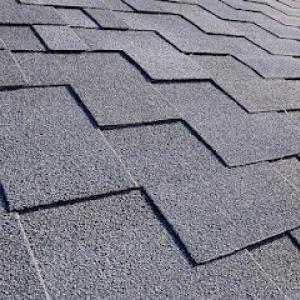
Asphalt shingles are common in Logan, and they fit the region's mix of cold snaps and seasonal snowfall. However, the heavy inversion days in Cache Valley and winter freeze-thaw cycles can expose weaknesses in older roofs, accelerating granule loss and aging. When you spot granules accumulating in gutters after a thaw or on the driveway after a storm, consider upgrading to asphalt that features higher wind resistance and better moisture management. Regular inspections after heavy snowfalls help catch edge lift or shingle cracking before moisture reaches the decking. If your roof is nearing two decades or more, a careful assessment of substrate and underlayment becomes especially important to prevent ice dams from forming along eaves.
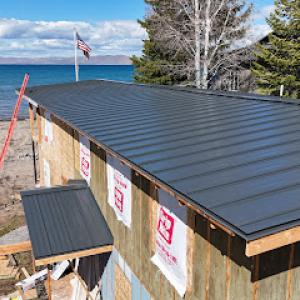
Metal roofing is well suited to the snow conditions here because it sheds snow efficiently, reducing long snow loads on the roof surface. That efficiency, though, can shift risk: you may need to plan for more careful management of sliding snow above entries, walkways, and lower roof sections. A solid metal system with properly integrated snow guards and clear eave overhangs helps keep walking paths safe and reduces the chance of ice buildup at transitions. In areas with strong sun exposure followed by sudden freezes, metal edges can experience thermal cycling, so look for panels with corrosion-resistant coatings and adequate overhangs to protect vulnerable fascia.
Tile and heavier systems require attention to structural suitability because Logan roofs must handle winter snow loads, not just summer heat. Clay and concrete tiles carry excellent hail resistance, but their weight and fragility during freeze-thaw cycles demand accurate structural confirmation and proper anchoring. If you have an older structure, a retrofit to reinforce deck framing and rafter spacing may be warranted to avert sagging or tile cracks under heavy snow. Winter snow load calculations should accompany any tile installation, ensuring that the roof can sustain typical Cache Valley winters without compromising living spaces below.
Wood shingles and shakes face added durability concerns in Logan because repeated snow wetting and refreezing can shorten service life if maintenance is inconsistent. Moisture trapped in wood accelerates rot and can invite ice dam formation at fastener points. Regular treatment with appropriate sealants and timely replacement of any warped or cupped shingles are essential. If your roof shoulders long periods of snow accumulation, consider inspecting for surface splits and checking for signs of mold or mildew after seasonal thaws.
Synthetic and composite shingles appeal in Cache Valley where homeowners want impact resistance for hail exposure without the weight of tile. They balance durability with lighter installation compared to heavy options, and many products offer good cold-weather performance. Still, verify that the chosen composite layer holds up to freeze-thaw cycles and that the warranty covers UV exposure and gradual granule loss. In colder stretches, ensure there is adequate ventilation and proper attic sealing to minimize warm-air escape that can drive ice dam development.
Typical Logan material ranges are about $350 to $600 per square for asphalt shingles, $700 to $1200 for metal, $1100 to $2100 for clay tile, $900 to $1800 for concrete tile, $700 to $1300 for wood shingles or shakes, and $550 to $1100 for synthetic or composite shingles. In practice, that means asphalt remains the entry point for most homes, but a few higher-end options are common on steeper lots or newer builds with integrated snow-shedding details. When you're budgeting, expect the lowest figures on simple layouts and the higher end where heavy products or premium finishes are chosen.
Costs in Logan can rise after hail or wind events when regional demand spikes and contractor schedules tighten across Cache County. Snow and ice seasons tighten crews and can push scheduling into late spring, which can in turn raise labor hours and staging fees. If your roof has unusual geometry, vaulted areas, or limited access for equipment, expect additional labor surcharges that show up as the project progresses. Heavier products often require a structural review or reinforcement, driving up both material and installation costs.
Steeper rooflines common on snow-shedding homes can increase labor and staging costs compared with simpler low-slope residential designs. In Cache Valley winters, extra care during shingle installation and ice-dam mitigation can add to labor time. If you're choosing a heavier or premium panel, factor in potential additional costs for improved underlayment, fasteners, and flashing to handle freeze-thaw cycles.
Material choice matters more in Logan because heavier products may require added structural review for snow conditions, while metal and premium impact-resistant products can carry higher upfront pricing. Season affects pricing and availability because the preferred late spring to early summer work window is also when many homeowners in Logan try to schedule replacements. Plan for a broader timeline if you're balancing weather, logistics, and contractor availability.
If you're aiming for predictability, lock in a material that balances weight, durability, and local snow expectations. Factor in possible price bumps from storm-driven demand, and schedule with a window that avoids peak contractor bottlenecks when possible.
In Logan City and Cache County, a full reroof typically requires a roofing permit rather than being treated as a no-paperwork maintenance item. Start by submitting a permit application with a clear scope, material type, and expected timeline. The city understands winter-driven schedules, so plan for reviews to align with snow season conditions and possible weather-related delays.
The local process commonly includes plan review if the scope goes beyond like-for-like replacement. If you're changing roof assembly details or adding venting or insulation upgrades, expect closer scrutiny. Have your roof plan ready showing fastener patterns, underlayment choices, and any structural changes. This helps the plan reviewer verify compatibility with Cache Valley's freeze-thaw cycles and snow load expectations.
Verification of flashing and ventilation compliance is a routine milestone. Ensure roof edge metal, valley flashings, and chimney/vent connections meet current code and local best practices for cold climates. Attic ventilation should be sized to reduce ice dam risk and manage condensation during inversion events. Bring any product data sheets and installation guides to the site for inspector reference.
Milestone inspections are common, especially when the project touches structural members or roof deck integrity. Expect a mid-project check if the scope includes new sheathing or structural reinforcement. A final inspection confirms everything is watertight and compliant with the local climate demands. Track inspection windows closely-winter weather can tighten schedules.
Projects that change roof assembly details or involve structural concerns are more likely to draw closer review than straightforward tear-off and replacement work. If your plan stays within standard materials and existing framing, you'll still follow the permit and inspection sequence, but with smoother approvals. Keep a detailed file of materials and installation notes for Inspector reference.
Logan is a hail-and-wind claim environment, so insurers commonly send adjusters to inspect roofs after spring and fall storm events. In practice that means a roof can look fine to a homeowner after a storm, but an adjuster may find hidden damage in valleys, around penetrations, or under snow weight that isn't obvious from the ground. Because heavy snow and freeze-thaw cycles drive sudden shifts, an insurer's assessment often hinges on visible indicators and documented history from the prior winters. A careful, punctual reporting habit helps avoid misinterpretation when the adjuster arrives.
Because roof age and material affect depreciation and coverage decisions, older asphalt roofs in Logan may face tougher claim outcomes than newer or more impact-resistant systems. A long-lived metal, synthetic, or interlocking shingle can shift the evaluation, especially if there is concentrated damage from hail or repeated ice dam pressure. If a claim is approved, the depreciation clock and replacement scope may be weighed against current code practices and the roof's remaining useful life. Understanding how those factors interact helps homeowners avoid surprises when a settlement lands.
Homeowners should document each slope, soft-metal impacts, interior leaks, and the full replacement scope because insurers often want evidence tying storm damage to the proposed work. Photos from multiple angles, dated notes after storms, and a clear record of any interior staining or attic moisture support the claim. Keeping a consistent, thorough log makes it easier to justify the necessary upgrades, rather than fighting retroactive questions about what was damaged and when. That record should extend through the full replacement process, including any temporary repairs, so the claim remains coherent if the weather turns again before work starts. Stay proactive and coordinate next steps with your adjuster through the process.
Cache Valley's winter inversions keep outside air cold and can prolong snow cover, making balanced attic ventilation especially important for reducing uneven roof temperatures. When snow sits heavy on the roof, cold outside air at the eaves and warmer air rising from the living spaces can create temperature gradients that stress roofing materials and flashing. A well-ventilated attic helps keep the roof deck closer to outdoor temperatures, slowing the melt-freeze cycles that drive ice dam risks. The goal is steady, two-way airflow: cool air entering at the eaves and exiting at the ridge, with enough capacity to handle long cold spells without drying out insulation or encouraging condensation.
Poor ventilation in Logan can worsen ice dam formation by allowing warm attic air to melt roof snow from below during long cold spells. When attic temperatures rise above the roof line, melted water refreezes at the eaves, creating ice dams that trap runoff and can force water under shingles. The key response is to ensure insulation meets or exceeds local expectations and to pair it with continuous, unobstructed ventilation paths. Baffles at soffits, properly spaced soffit vents, and a clear ridge or high-side exhaust path help maintain a stable roof surface temperature. Blocked or insufficient vents are a common hidden cause of ice dam trouble after a heavy snowfall.
Ventilation and flashing details receive local attention during reroof permitting and inspection because they directly affect winter performance. On a typical Logan reroof, prioritize a balanced intake-exhaust setup and verify that attic vents remain unobstructed after installation. Consider adding continuous soffit ventilation paired with a ridge or high-cap exhaust, and verify flashing around chimneys and skylights is integrated with the venting plan to avoid warm pockets that can melt snow from below. Regular inspections should check for vent blockages from insulation, dust, or nesting materials, especially after heavy snows or wind events.