
Last updated: Apr 19, 2026
Spring hail and wind events here can hit quickly and then linger in signaling delays. After a severe storm, crews and roofing crews across the region flood the market, and scheduling slots fill up fast. In your neighborhood, this often means a noticeable backlog before the main summer replacement season swings into full gear. The practical impact is that you might secure a quick temporary fix, but a complete roof replacement can spill into late spring, through the summer, and into early fall when crews and materials are more reliably available. Be prepared for a phased process: stabilize now, then replace when conditions and scheduling align.
Insurers in this area commonly handle hail and wind claims with a standardized set of expectations. You should plan to provide clear photo documentation of all affected areas, a detailed scope of work, and concrete project timing details. Take high-resolution photos from multiple angles, including the attic if there are signs of interior moisture or decking issues. Capture close-ups of hail dents, lifted shingles, granule loss, and any visible flashing or vent damage. Include a rough, practical timeline showing when temporary stabilizations can be implemented and when a full replacement could realistically begin. Having these elements ready helps the claim move more smoothly through the process and reduces back-and-forth with the adjuster.
Cold, snowy winters mean many storm-damaged roofs can't be replaced immediately. Instead, aim for temporary stabilization to protect the home from water intrusion and further damage. This might be tarping or quick patchwork to cover vulnerable areas, paired with prompt interior moisture mitigation if needed. The goal is to prevent secondary damage while you wait for the market to open up. In practice, schedule stabilization as soon as damage is documented and approved, even if a full replacement won't occur until temperatures rise and crews are readily available.
In this climate, the most reliable replacement windows cluster from late spring through early fall. That stretch aligns with better weather, longer daylight, and a steadier supply of materials and crews. Because of the backlog created by early-season hail and wind events, anticipate some wait times getting on a preferred crew roster. If your insurer approves a full replacement, confirm a target start date and build in buffers for weather delays, material lead times, and access to necessary equipment. If a temporary fix is in place, maintain regular check-ins with the contractor to reassess when conditions are optimal for a complete installation.
Begin with a thorough exterior inspection after any storm, focusing on shingle integrity, flashing around chimneys and vents, gutter and downspout connections, and signs of interior moisture in ceilings or walls. Photograph and document, noting dates and specific locations of damage. Gather and organize your documentation into a cohesive package for the insurer: photos, a simple scope of work, and a proposed timeline. Reach out to a trusted local roofer early to get a professional assessment and a realistic replacement timeline that respects the spring backlog. When the adjuster visits, accompany them if possible to point out all affected areas and reassure them about the stabilization work and the anticipated full replacement plan. Maintain contact with the insurer and the contractor throughout to keep the project on track as weather and logistics permit.
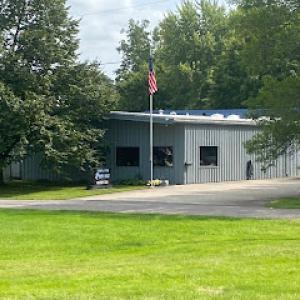
Templeton Roofing
(309) 342-2195 www.templetonroofing.com
1126 E Grove St, Galesburg, Illinois
5.0 from 23 reviews
Templeton Roofing Company provides residential and commercial installation, repair, steep and low slope roofing services to Galesburg, IL and surrounding areas for over 90 years
Voorhees Siding & Windows
(309) 344-1716 www.voorheesforyourhome.com
1931 Grand Ave, Galesburg, Illinois
4.0 from 38 reviews
When it comes to home improvement in Central Illinois, Voorhees Siding & Windows, established in 1982, has cemented its legacy with over 40 years of superior service. From intricate roofing to seamless siding and elegant windows, their team is equipped with the expertise to transform a house into a dream home. Committed to quality, they are licensed, bonded, insured, ensuring projects meet the highest standards while delivering exceptional results. Voorhees Siding & Windows will exceed your expectations by adding a touch of excellence to your home's exterior.
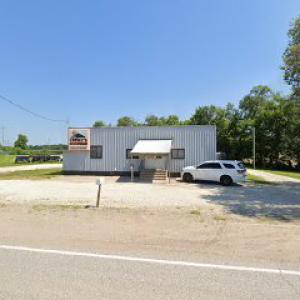
Locke's Roofing & Siding
2575 Grand Ave, Galesburg, Illinois
3.9 from 25 reviews
Locke's Roofing & Siding, Inc provides roofing and siding services to the Galesburg, IL area.
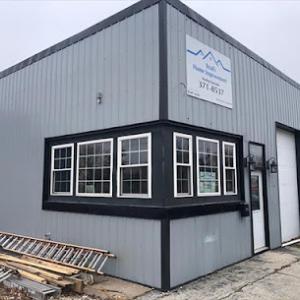
Brads Home Improvement
(309) 371-8537 bradhomeimprovement.com
Serving
4.5 from 62 reviews
We’re Brad’s Home Improvement and we’re a premier roofing company serving Knoxville, IL, since 2006. We specialize in residential and commercial roofing, remodeling, pressure washing, siding, gutter guards, and more. We’re looking forward to partnering with Peoria County, Fulton County, Henry County, Warren County, Mercer County, and the surrounding areas to continue offering roofing installation and repair services. For all your roofing needs, contact Brad’s Home Improvement in Knoxville!
Muir Roofing & Construction
(608) 345-4783 muirroofing.com
Serving
3.3 from 31 reviews
Commercial & Residential Installs Whether it's your home or business, your exterior is the main defense against the elements. Let us walk you through the best options to fit your needs, and once you feel comfortable with your choice, we'll handle the complete project from advising you on materials and pros and cons to product samples and installation. Reliable Upgrades If you're looking to update or upgrade your roofing, gutters, siding, or any part of the exterior of your home or business, we've got you covered. Book a free consultation to discuss your roofing and exterior options! Upkeep & Repair Age and environmental factors can wreak havoc on your roof. Ignoring problems for too long can cause headaches down the road.
The practical replacement window in Galesburg is usually late spring through early fall because winter snow, ice, and freeze-thaw conditions complicate tear-off and installation. That period generally offers the most reliable temperatures for shingle adhesion and for the crew to work safely on a roof deck without the constant risk of sudden ice events. If a storm pack or insurance-driven timeline pushes a project into the shoulder months, expect tighter schedules and more meticulous weather planning to keep the job on track. For homes with mature trees and deep overhangs, the longer days and clearer weather of late spring and early summer often yield the cleanest tear-off and the most efficient ventilation setup.
Hot summer temperatures in west-central Illinois can affect asphalt shingle handling and adhesive performance, so installation timing matters even during peak season. When heat climbs, shingles can become pliable and may sag into a workable but slower installation pace, with sealant patches taking extra time to cure. Windy afternoons also impose safety checks for fasteners and rollouts, especially on steeper pitches or third-story access. Heavy thunderstorms-common in late spring-can interrupt a day and require temporary coverings to protect underlayment and newly exposed decking. A well-timed window construction plan minimizes heat exposure and reduces the risk of compromised adhesive seals, which matter for long-term wind resistance.
Autumn leaf drop and damp conditions in Galesburg can slow tear-off, cleanup, and ventilation work on older homes with mature tree cover. Leaf accumulation on the roof complicates debris removal and can hide damaged decking or vent gaps that need attention before covering. Damp, cool air toward late fall slows drying times for underlayment and sealants, making it prudent to avoid the last window of the season if a dry, calm spell is not forecast. For homes with historical features or older ventilation setups, ensure ventilation baffles and attic gaps are addressed during the tear-off phase to prevent moisture buildup once the new materials go down. A careful staggered approach, aligning clean-up, venting improvements, and drip-edge work with favorable early-fall days, helps keep crews productive without sacrificing coverage or roof longevity.
Asphalt shingles remain a dominant choice because they fit the local housing stock and replacement budgets, offering familiarity for most homeowners in this prairie-and-wine country area. In spring, hail bruising is a real concern, and wind lift during strong gusts can expose underlying decking if the shingles are already aged. Thermal aging matters too, since winters are cold and summers can surprise with heat. When selecting asphalt, focus on architectures that provide robust impact resistance and a thicker granule surface to help resist both hail and UV degradation. Familiarize yourself with wind-resistant wind ratings, and anticipate the need for careful alignment of the shingles over ridges and eaves to reduce micro-blistering after freeze-thaw cycles.
Metal roofing is well suited to snow shedding and long-term durability in this climate, especially on homes facing persistent winter drift or exposed elevations. The material resists many of the fatigue points that plague asphalt after repeated freeze-thaw events, and it tends to hold color and performance over decades. However, detailing around fasteners, trim, and expansion matters in a climate with strong seasonal temperature swings. In particular, ensure that fasteners are rated for temperature fluctuations and that flashing around chimneys, vents, and transitions is continuous and well-sealed. You can achieve quiet performance and reduced thermal glare by selecting matte finishes or darker tones that absorb less heat in summer while still shedding snow effectively in winter.
Clay tile, concrete tile, wood shakes, and synthetic/composite products appear less often and require careful evaluation. Freeze-thaw exposure in west-central Illinois can be unforgiving on tile systems, where cracked tiles invite leaks between fasteners and underlayment. Wood shakes bring character but can suffer from splitting and moss growth in shaded corners, affecting insulation and air movement in colder seasons. Synthetic/composite shingles offer varied performance, but keep an eye on long-term color stability and edge detailing in regions with high hail probability. In general, these options demand a more intensive assessment of roof structure capacity, attic ventilation, and repair-part availability should a component fail after a harsh winter.
In the Galesburg environment, a staged approach makes sense: start with the current roof's structural capacity and attic ventilation, then match material properties to local weather demands. Consider the ease of patching after hail-damaged sections and the likelihood of timely replacements given the area's typical repair-part supply. For first-time installations or major overhauls, request a detailed plan that highlights fastener patterns, snow leadership, and wind uplift resistance. When in doubt, consult with a local roofer who has firsthand experience with spring hail events, seasonal temperature swings, and the practical realities of the midwest's freeze-thaw rhythm.
A full re-roof in this town typically requires a building permit through the City of Galesburg Building Department. The permit step is a practical part of protecting your home from spring hail and wind exposure, since Galesburg's climate tests roofs with freeze-thaw cycles and high wind events. Before any shingle removal or new roof installation begins, verify that a permit is in place and that the work scope matches what the department will approve. If the project expands beyond a straightforward re-roof, expect a permit update or an additional review.
Inspections are commonly scheduled while the work is underway and once more after completion. The goal is to confirm that ventilation, underlayment, and fastener patterns meet local standards, and that any lingering moisture or wind-related damage is addressed. The inspector will look at roof decking, flashing around chimneys and vents, and edge details to ensure the system will perform through Galesburg's spring hail and gusty winds. Plan for potential adjustments if the inspector notes deficiencies or material changes.
The permit is not fully closed until the final inspection is completed and approved. This step is a formal part of the local process, not an optional administrative action. If any issues are found during the final inspection, schedule the corrective work promptly and arrange a re-inspection for the area in question. Closure confirms that the project meets code requirements and can help prevent future insurance or resale hassles.
Homeowners should confirm who is pulling the permit and who is responsible for calling inspections at each stage. In many cases, the contractor handles permit procurement, but the responsibility for scheduling inspections can fall to either party or be shared. Clarify roles up front to ensure inspections occur on time and the permit can be closed without delay, especially after a wind-damaged or hail-impacted roof.
Typical Galesburg material ranges are about $350 to $800 per square for asphalt shingles. In practice, you'll see costs clustered around the lower end on newer builds with straightforward decks and minimal ventilation upgrades, and higher when tear-off, underlayment, or plywood replacement is needed. It's common for spring storm years to push prices up as local crews get booked up and suppliers run low on stock. If you're replacing after a hail event, expect a tighter window for scheduling, which can nudge totals higher even for the same shingle class. In older homes with deeper fascia, additional decking repair or insulation updates can add to the square footage price, so plan for possible extra charges beyond a basic reroof.
Metal typically runs from $600 to $1200 per square. It pays to compare profiles-standing seam often lands toward the upper end, while corrugated panels can sit closer to the mid range. In Galesburg, a metal roof can handle freeze-thaw cycles better than some other materials, but the longer-term value hinges on proper installation and attic ventilation. Spring wind events can drive up labor demand and shorten the available installation slots, so timing your project to avoid peak storm periods helps keep costs steadier. If the home has an older roof deck or conflicting venting, those challenges can push the price toward the higher side.
Clay tile tends to run from $900 to $2800 per square. In this market, weight is a major factor: many clay tile installations require structural reinforcement or a stronger decking, which raises labor and materials beyond the tile itself. Expect higher costs if the home already has an older roof with compromised support or if tile cutting and custom fitting are needed around chimneys and vents. After spring storms, shortages in specialty tiles or ballast materials can briefly lift prices as crews adjust to demand. Homes with existing high-thermal loads or venting upgrades also influence the final price.
Concrete tile ranges from $800 to $2000 per square. It shares some weight-related challenges with clay and often needs extra bracing or stronger sheathing. In neighborhoods with mixed-era construction, you may encounter decking repair or reinforcement required to meet local wind-driven load expectations, which adds to the project. Spring storm periods can tighten scheduling, shifting costs higher as crews book out weeks in advance. If the attic is poorly vented, that deficiency may drive additional venting equipment and labor into the bid.
Wood shingles or shakes run about $500 to $1400 per square. The character and curb appeal are strong, but the material is susceptible to hail damage and moisture issues, so beveling and nailing patterns matter more here. Aging houses with deeper overhangs or complicated ridge lines can add to trim, underlayment, and ventilation work. Spring weather can complicate installation timing, and shortages of skilled shingle crews may push up prices during storm-driven demand spikes. In homes with previous cedar or pine rot, expect decking repairs that push costs into the higher portion of the range.
Synthetic or composite shingles typically cost $550 to $1100 per square. These blends aim to mimic natural products while offering improved hail resistance and lighter weight. In Galesburg, you may see favorable pricing if local suppliers stock a preferred brand and the roof is a straightforward deck. After spring storms, the availability of certain MVDF-core or other composite options can tighten, nudging costs up briefly as markets readjust. If the roof requires extensive underlayment upgrades or if an old roof needs full tear-off, those factors push you toward the higher end of the range.
In markets like Galesburg, Illinois insurers routinely scrutinize hail and wind claims because storm-related roof losses are a common part of the replacement cycle. If hail or wind impacts your roof, expect adjusters to look closely at the evidence of damage, the roof's age, and the remaining life of the current system. Having clear documentation from the storm-photos, notes from a contractor, and any immediate temporary repairs-can help the claim move forward without delays.
Roof age can materially affect claim outcomes, so you should keep prior invoices, installation dates, inspection notes, and photos before any storm occurs. Store these records in a place you can access quickly after a storm, and consider digital backups. When a storm hits, the insurer will compare the current condition to the original installation and to known maintenance or repairs. Detailed records help establish whether the roof has already reached the end of its expected life or if hail damage is a new, eligible trigger for replacement.
When replacing a roof after a claim, the chosen material can affect both insurer approval and future premiums, especially when moving from standard asphalt to higher-cost systems. If you anticipate hail or wind activity in the months ahead, discuss with the insurer how different materials might influence coverage and renewal terms. Certain upgrades may be viewed favorably if they demonstrably improve wind resistance or impact resistance, while others could prompt additional scrutiny or premium adjustments. Align your selection with proven performance under local conditions and document why a particular system offers better long-term resilience.
After a claim is approved, assemble a comparison of three viable options, including installation timelines and expected lifespan. Share this with the insurer to confirm which choices meet both structural and coverage expectations. Coordinate with a contractor who understands how to document hail-related damage and how replacement timing interacts with your policy's conditions, so the project proceeds smoothly through the weather-tight season.