
Last updated: Apr 19, 2026
Storms bringing hail and high winds in this part of the state can leave deceptively quiet damage on a roof. In Bloomington, the risk isn't only a dented surface; wind-driven hail can compromise shingles, underlayment, and flashing before you notice leaks. If you see lifted shingles, granule loss, or a pale matte patch where pigment is gone, treat it as active damage. Don't wait for a drip to appear to call a contractor. A quick, professional inspection can catch hidden failures that worsen with freeze-thaw cycles.
Insurance activity spikes after big storms because adjusters compare what happened to local code expectations for flashing, ventilation, underlayment, and nailing. In Bloomington, that means the way the roof was originally detailed and fastened matters just as much as visible dents. Expect questions about attic ventilation balance, the integrity of drip edge and step flashing around chimneys, and whether the underlayment remained intact under the existing shingles. Prepare a clear timeline of the storm, including wind gusts and hail size, and keep any prior repair notes handy.
Storm-related scheduling surges can compress contractor availability after regional weather events. That pressure doesn't just affect cost timing; it can influence material stock, crew rotation, and your ability to secure a timely replacement window. If your roof is showing signs of moisture intrusion or if you've documented hail damage with photos, move toward a coordinated plan quickly. The window between finding damage and door-to-door contractor visits can close fast, so have your documentation ready and be ready to respond to follow-up requests from insurance carriers.
Take high-resolution photos from multiple angles - including the areas around any vent pipes, chimneys, and dormers - both before and after storms. Note dates, weather conditions, and any nearby damage to gutters, siding, or fascia that might be tied to the same event. Create a simple map of affected zones on the roof, so a contractor can quote with precise scope. When meeting an adjuster, provide a written record of roof sections affected by hail marks, missing granules, and any interior signs of water intrusion. The goal is to align your documentation with the adjuster's expectations for flashing, ventilation, underlayment, and nailing to avoid delays.
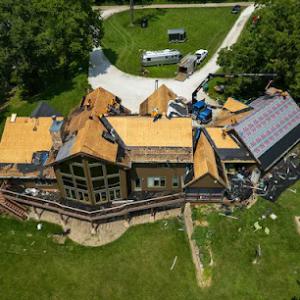
Messing Roofing & Construction - Bloomington Normal
1 Auto Row Dr Unit 3, Suite 200, Bloomington, Illinois
5.0 from 93 reviews
As a second-generation, family-owned business serving Bloomington-Normal for over 40 years, we're the area's most trusted roofing contractor! We specialize in residential and commercial roofing, including asphalt shingles, metal roofing, flat roofs, roof repairs, and roof replacements. We also offer siding, seamless gutters, and architectural sheet metal services.

Yorkpublicadjuster.com
Bloomington, Illinois
4.9 from 180 reviews
Full service Public adjusting firm. Helping you recover from insurance related claims. Our goal is to help you recover what the insurance cover owe based on your policy agreement.

Central Roofing of Bloomington
(309) 434-5770 www.centralroofingllc.net
7 Westport Ct, Bloomington, Illinois
5.0 from 21 reviews
Central Roofing is a veteran operated roofing company in Mattoon, Springfield and Bloomington, IL. We provide premium residential and commercial roofing systems, including shingle, metal, PVC, TPO, and EPDM. Our licensed and insured roofing contractors can easily address any of your roofing needs and provide the best customized roofing solutions. We always put our customers first and go above and beyond expectations on every job. Request your free estimate today!
All Seasons Roofing
(309) 585-1439 allseasonsroofing-il.com
1312 N Main St, Bloomington, Illinois
4.5 from 172 reviews
All Season’s Roofing is a business built on beautiful exterior design. Our services include roofing, siding, gutter repair and window replacement. Our main office is located in Bloomington, IL and we encourage our clients to come view our showroom of products. In the last couple of years, we have expanded to Western Iowa and Southern Wisconsin. We take pride in educating our customers about the process of repairs and roof replacement – we want to ensure that you know our procedure every step of the way so that we advise only what is necessary for your project. Since 2006 we have served the Midwest area homeowners and commercial clients. We love what we do and will only lead clients in a direction that is worth pursuing.

JW Cleary Construction
(309) 826-8536 jwclearyconstructionroofing.com
201 W Chestnut St, Bloomington, Illinois
5.0 from 17 reviews
Based out of Bloomington and Chenoa, IL JW Cleary Construction and Roofing specializes in residential and commercial roofing. With 30 years of experience quality is our number one priority. Financing is also available so you can keep your money in the bank for a rainy day! Call for a free estimate today!
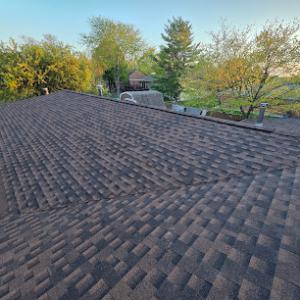
Casey Roofing
1111 Woodbury Pl, Bloomington, Illinois
5.0 from 14 reviews
We're a family owned residential / commercial roofing company where no job is too big or too small. Give us a call for a free estimate.

Aloha Construction
(309) 573-5806 www.alohaconstructioninc.net
7 Westport Ct Suite A, Bloomington, Illinois
4.0 from 165 reviews
Aloha Construction, Inc. is a family-owned and operated general contractor specializing in residential and commercial roofing & exterior services. With a dedicated location in Bloomington, IL, we proudly serve homeowners and businesses throughout Northern and Central Illinois, as well as Southern Wisconsin. Our expert team provides top-quality roofing, siding, gutter, and window solutions—backed by free inspections, 10-year craftsmanship warranties, and 24/7 emergency services. Licensed, bonded, and insured, Aloha Construction has earned the BBB Torch Award for Ethics for our commitment to honesty and excellence. Trust the Bloomington team at Aloha Construction for dependable, high-quality exterior work.
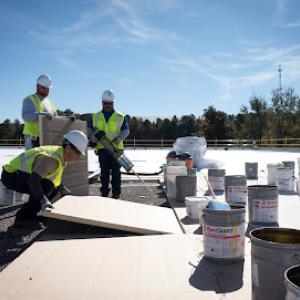
CentiMark Corporation
(331) 465-3000 www.centimark.com
1524 Lafayette Park Dr Unit 1, Bloomington, Illinois
5.0 from 1 review
CentiMark is North America's largest commercial roofing contractor and is known for delivering focused and value-driven roofing solutions. We are a dedicated team of commercial roofing contractors offering a wide array of roofing systems and services to meet the diverse needs of our customers. Our location in Bloomington serves businesses in the cities of Champaign, Decatur, Peoria, Springfield and beyond! We understand the unique challenges presented by the Illinois climate. Therefore, we offer specialized services tailored to these challenges, such as rooftop snow removal. CentiMark is more than just a roofing company, it is a commitment to quality, customer satisfaction and assurance.

Carlson Exteriors
(309) 661-9001 www.carlsonexteriors.com
Serving
4.7 from 147 reviews
We're the contractors who actually call you back. The results are in! Our clients have voted and said their favorite thing about us is that we actually call them back. It’s a small thing; but when communication is missing you, the customer, are left wondering if you were forgotten. We service repairs and full jobs for both new construction and residential remodel.
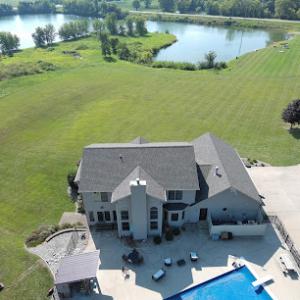
Casey & Sons Roofing
(309) 846-6967 www.caseyandsonsroofings.com
Serving
4.2 from 19 reviews
We have roofers with over 40 years of experience that have serviced Bloomington/Normal and the surrounding areas. Roofing has been in our family for over 80 years, We take much pride in our work, we're not finished until your satisfied. We are dedicated to delivering outstanding quality at competitive prices. Our goal is to create long-term value by building trusting relationships with our customers. Our roofing specialists are certified to attend to any roofing, gutter, or siding repair you need. Our team is the best choice for any project you have. Our relationship does not end when your project is completed, it begins! Give us a call today for your free estimate (309)846-6967
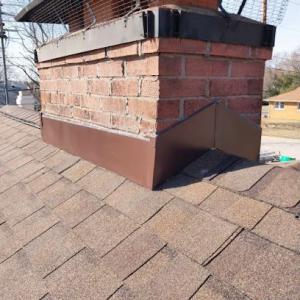
Prime Roofing & Exteriors
(309) 718-2308 www.primeroofingexteriorsllc.com
Serving
5.0 from 9 reviews
Prime Roofing & Exteriors is a roofing and home exterior contractor. Exterior home specialist that provide a wide range of services and products. We can offer many different products and services for roofing, siding, windows, exterior doors, gutters, fascia and soffit installation along with expert repair for all. We are committed to providing the highest level of quality and professionalism. Honest and dependable service that you can trust. Prime Roofing & Exteriors can help you transform your home and protect it from the elements for years to come.
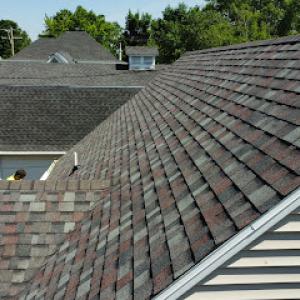
Eagle Eye Roofing & Construction
Serving
5.0 from 4 reviews
Roofing contractors - We Are Here When You Need Us Reliable Roofing Professionals As specialists in residential and commercial roofing services, we are dedicated to providing customer service that is second to none. Whether you have a new construction project or it is time for repairs, we offer the roofing services you need.
Central Illinois experiences repeated expansion and contraction of roofing materials as hot summers swing into freezing winters. That cycle puts extra stress on shingles, underlayment, and flashing, especially on homes with older decks and fasteners. In practice, this means timing repairs and replacements to accommodate material fatigue is essential. The most effective approach is planning around the shoulder seasons when temperatures are moderate enough to minimize thermal cycling during installation and cure periods. Because Raleigh-level heat and January freezes aren't the same throughout the year, a careful eye on daily highs and nightly lows matters. When the air swings from hot days to cool nights, existing shingles and seals can work more quickly into a compromised state, accelerating wear on wind-impacted edges and along valleys.
Fall and late spring are the windows that consistently yield smoother projects. In fall, the lingering warmth in daytime hours helps keep adhesive and sealants within their ideal curing range while nights stay cool enough to prevent rapid material expansion during installation. Late spring offers a similar balance, with milder days and less chance of summer storms interrupting work. Plan around a sequence that allows a full tear-off, then a controlled re-nailing pattern and proper ventilation checks, without the risk of sudden temperature swings. This approach reduces the chance of interior condensation issues and helps the new underlayment lie flat against the roof deck. For homes with attic vents or knee walls, ensure ventilation remains continuous throughout the project so the indoor spaces don't trap moisture as the roof breathes anew.
Winter ice and persistent cold temperatures in Bloomington can delay tear-off and installation. When frost is present or there is snow on the roof, crews face slippery working conditions, and adhesives or mastics lose tensile strength. Even short cold snaps can stall work until temperatures rise. If a replacement is already underway as winter tightens its grip, expect occasional pauses and schedule adjustments to avoid compromising the quality of installation. Freeze-thaw cycles also stress newly installed seals if the roof is not allowed to settle in a controlled manner. The practical takeaway is to target winter avoidance for major replacements whenever possible, and to schedule more tolerant tasks-such as minor repairs or flashing reseals-when outdoor conditions are at the margin of workability.
On hot summer days, handling shingles and other broad-surface materials becomes more challenging. High daytime temperatures can shorten the work window for safe lifting and placement, while shingles can soften and scuff if handled too aggressively. Adhesives and sealants may cure too quickly in the sun, leading to suboptimal bonding at critical joints. A practical strategy is to stage materials for the morning hours and shield them from direct sun as much as possible when temperatures climb. If a project must overlap hot weather, plan for longer, more frequent breaks and ensure crews have shade and water to maintain steady workmanship. Matching the rhythm of the season with a careful sequence-tearing off damaged layers first, then installing and sealing in cooler periods of the day-helps preserve the integrity of the roof while the project proceeds.
During periods of uncertain weather, maintain a clear log of daily conditions, including temperature ranges, wind, and precipitation. This record helps homeowners understand how weather interacts with tear-off progression and adhesive performance. In the aftermath of a hail event or wind damage, use the seasonal timing guidance to coordinate with insurance-driven timelines, ensuring that replacement work aligns with the most favorable conditions for long-term performance.
Asphalt shingles are a dominant choice in Bloomington because they align well with the local re-roofing market and the broad residential housing stock found around town. They balance ease of installation, familiarity with local contractors, and a dependable track record against the central Illinois climate. When evaluating asphalt, pay attention to the granule pattern and shingle profile, as hail impact can vary by product. A hail event often reveals itself first as dimpling or granule loss on the surface, signaling the need for documentation for insurance discussions and potential replacement timing.
Metal roofing is locally relevant for homeowners seeking long-term resilience against hail, wind, and repeated freeze-thaw cycles. In our climate, metal panels excel at shedding ice and water and can contribute to improved attic ventilation performance when paired with appropriate underlayment and careful flashing details. If choosing metal, consider panel thickness, coating durability, and fastener design, especially in exposed ridge lines and near oak-hinged eaves where wind-driven debris can be a factor. Proper installation matters here, as even small gaps can become pathways for wind-driven moisture and heat transfer during harsh winters.
Clay tile and concrete tile exist in the market, but they require careful evaluation for weight, impact exposure, and winter performance in central Illinois. Clay and concrete offer excellent longevity and a distinctive curb appeal, yet they demand a solid structural assessment and sometimes an upgraded roof deck. In the context of hail-prone seasons, tile provides good impact resistance when thickness and composition are appropriate, but brittle sections can fail under concentrated hail strikes. In winter, the weight of saturated tiles can become a concern if snow loads accumulate unevenly, so a professional assessment of attic support and drainage is essential.
Wood shakes and synthetic/composite products populate the market as a mix of traditional aesthetics and modern performance. Wood shakes bring a warm, textured look but require diligent maintenance against moisture, rot, and wind-driven debris in exposed areas. Synthetic or composite options can offer improved resistance to cracking and faster installation, yet exposure to hail and cold cycles should be evaluated for long-term performance. If choosing these materials, verify warranty coverage for impact resistance, freeze-thaw cycling, and compatibility with flashing and underlayment systems used on your home.
When comparing options, focus on how each material handles hail documentation and insurance-driven replacement timing. Local weather patterns, including rapid temperature swings and frequent storm activity, influence not only the immediate post-storm assessment but also how a roof ages over a decade. Effective candidates should integrate solid flashing, ventilation, and underlayment strategies to avoid trapped moisture and ice dam formation. In all cases, align the material choice with the home's architectural style, structural capacity, and the long-term goals for energy efficiency and aesthetics, ensuring a roof that stands up to central Illinois winters while maintaining curb appeal.
When planning a full roof replacement, the pricing framework uses per-square ranges for each material. Asphalt shingles sit at the entry point for Bloomington projects, with a typical spread that mirrors general residential demand. Metal roofing climbs higher in price, while clay tile and concrete tile push toward the top end of the spectrum. Wood shingles and synthetic/composite shingles fill the middle ground. In practice, a full replacement tends to scale with the chosen system, but the starting point and ceiling are anchored by these per-square ranges, not by a single final figure.
Local costs can spike after hail and wind events, as demand climbs across Bloomington and nearby central Illinois communities. If a severe storm hits, you should anticipate shorter lead times and tighter scheduling, which can push material and labor charges upward. This is especially true for high-demand periods when crews are booked to capacity and suppliers experience fresh demand for damaged roofs. In those windows, the same per-square ranges still apply, but the final tally may bend upward due to expedited work and material pushback.
Asphalt generally remains the most cost-effective option for a complete replacement, especially for typical residential roof footprints. If the project calls for metal, clay tile, or concrete tile, the price range shifts toward the upper end, with tile systems contributing substantially to total cost once underlayment, flashing, and specialty fasteners are included. Wood shingles and synthetic/composite shingles offer a middle path, balancing aesthetic options with practical performance. Material selection should align with long-term goals, local climate demands, and anticipated maintenance cycles, while sticking to the outlined per-square ranges as the budgeting backbone.
Labor costs in Bloomington reflect not only the material choice but also the labor demands of steep residential re-roofing and the coordination of inspections during replacement. Steep pitches, additional roof penetrations, and underlayment or flashing upgrades all contribute to the final figure within the established per-square bands. Permit fees and inspection coordination, while separate topics, are noted here as factors that can nudge the total price within the same material category. In the end, your project cost will weave together the chosen system, storm-driven timing, and the practical realities of a steep, fully replaced roof.
Get a clear picture of your project costs upfront - no commitment required.
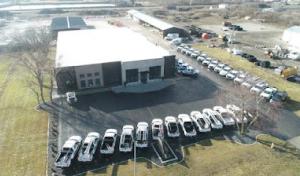
Central Roofing of Bloomington
(309) 434-5770 www.centralroofingllc.net
7 Westport Ct, Bloomington, Illinois
5.0 from 21 reviews

JW Cleary Construction
(309) 826-8536 jwclearyconstructionroofing.com
201 W Chestnut St, Bloomington, Illinois
5.0 from 17 reviews
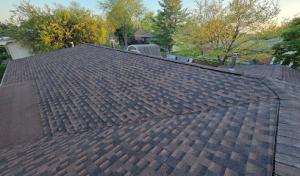
The City generally requires a building permit whenever a full roof replacement is planned. This isn't just a formality-the permit ensures that the work meets local code standards for ventilation, underlayment, flashing, and nailing. In a neighborhood with a mix of mid-century bungalows and newer homes, a properly permitted replacement helps prevent future leaks and wind damage issues that can arise from improper installation.
The Bloomington Building and Zoning Department handles the permit process, and the timeline commonly ranges from a few days to a couple of weeks depending on workload. During peak storm seasons, expect a longer wait, especially if documentation needs clarification. Beginning the process promptly after a hail event can help keep the project on track, but do not proceed with significant roof work without an active permit in hand.
Inspections typically occur at rough-in and final stages. The rough inspection focuses on framing access and preparation details, while the final inspection verifies that underlayment is properly installed, ventilation is adequate, flashing details are correct, and fasteners and nailing patterns meet code requirements. In Bloomington, inspectors will want to see that penetrations around vents, chimneys, and skylights are sealed correctly and that the overall roof assembly aligns with the approved plans.
Storm damage documentation matters for insurance-driven timing. Gather dated photos of hail impact, curb-appeal gutters, and attic vent conditions before, during, and after the work. A clear narrative paired with the photos helps support the permit application and any subsequent insurance claims. If hail-driven decisions influence the replacement window, communicate with the contractor and the inspector early to align on sequencing and inspection dates.
Coordinate with the contractor to ensure the permit package includes stamped drawings or engineering letters as required, and designate a clear worksite access plan for inspectors. Keep the permit card visible on the job site and maintain up-to-date contact information with the Building and Zoning Department. Promptly address any correction notices; rapid responses reduce delays and help the project stay on the approved schedule.
Avoid starting significant roof work before a permit is issued, even in urgent storm scenarios. Delays often occur when documentation is incomplete or when inspection rescheduling happens due to weather or contractor availability. Planning for a realistic inspection window, and having ready access to the attic and roof lines, minimizes re-inspection costs and keeps the project moving toward a timely completion.
This city sits in a central Illinois hail and wind claim environment where roof losses are common enough that documentation quality matters. When a storm hits, the reality is that many homes show some degree of damage, even if it isn't immediately obvious. Adjusters compare findings to standard local code and permit practices, so the way damage is documented can tilt outcomes.
Insurers serving this market often expect photo evidence, detailed professional estimates, and clear storm-date documentation before settling roof claims. If a shingle is curled or granules are missing, snap close-ups and show the surrounding roof edge for context. Include images of attic signs of leaks and any interior staining that lines up with the storm timeline. Consistency in dates, angles, and scales helps avoid gaps in the file.
Because adjusters compare damage findings to standard local code and permit practices, Bloomington homeowners benefit from documenting both visible damage and any code-triggered replacement items. Take daylight shots from multiple angles, especially around hips, valleys, and flashing. Note any vent or chimney flashing that appears lifted or corroded. If a roof replacement is likely due to code updates, gather evidence that those items meet current practice and were part of the storm's impact.
Before you file, assemble a simple storm timeline with dates and summaries of outward damage. Keep all contractor estimates organized with a dated signature. If you have prior claims on file, reference those findings for continuity. In tight-won disputes, a concise, well-documented case often makes the difference between a quick resolution and a protracted process.
When a re-roof hits town, the perimeter around skylights and the transitions where a low-slope section meets a steeper plane are where water first complains. Inspectors in this area focus heavily on flashing details, and that means skylight perimeters and low-slope transitions become the most scrutinized leak points. If your roof plan includes any skylights or a flat-to-slope transition, anticipate extra effort to seal around those penetrations. A common pitfall is assuming the rest of the roof can outpace a poor flashing job at these points; in practice, a small failure here can lead to widespread interior moisture and repeated calls after each storm.
Central Illinois winters are relentless on penetrations and transitions. Freeze-thaw cycling can expose weaknesses at skylight flanges and the edges where low-slope areas meet the main roof plane long before the surrounding roof shows obvious wear. The ice sheath that forms along those edges can pry apart flashing joints and underlayment, creating slow leaks that creep behind trim or into attic spaces. If you notice condensation or damp spots near skylights after a thaw, treat it as a red flag and have a pro recheck the flashing and sealants specifically around those points.
Signals from local contractors show that skylights and flat-roof specialties are not rare exceptions but common service needs in this market. If a roof replacement is on the horizon, plan for an experienced crew that can assess and reinforce skylight flashings, curb connections, and the transition to any low-slope sections. It's not just about shedding water today; it's about preventing a slow drip that becomes a winter guest for years. Look for technicians who document stripe-by-stripe reviews of flashing integrity, not just a broad, one-size-fits-all approach.
Find contractors experienced in skylight installation, flashing, and leak repairs to bring natural light into your home.
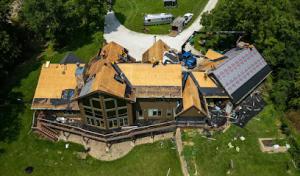
Messing Roofing & Construction - Bloomington Normal
1 Auto Row Dr Unit 3, Suite 200, Bloomington, Illinois
5.0 from 93 reviews
All Seasons Roofing
(309) 585-1439 allseasonsroofing-il.com
1312 N Main St, Bloomington, Illinois
4.5 from 172 reviews
JW Cleary Construction
(309) 826-8536 jwclearyconstructionroofing.com
201 W Chestnut St, Bloomington, Illinois
5.0 from 17 reviews
When storm damage hits, you want a crew that can deliver a solid tear-off, thorough cleanup, and a residential-focused approach. Bloomington homeowners consistently prioritize affordable re-roofing, cleanup, and residential experience when hiring. Look for crews that can document damage, communicate clearly about replacement timing driven by insurance, and provide a realistic plan for handling lingering winter leaks and wind-driven shingle lift.
The local market includes a notable share of long-established and family-owned companies, which matters in a city where storm follow-up and warranty responsiveness are important. Ask for recent references from nearby neighborhoods with similar homes and climate exposure. Inquire about how quickly the crew can respond after hail events, how they handle temporary protection, and how they coordinate with insurance adjusters to keep the project moving.
Focus on crews that perform a full scope review: ventilation, flashing, underlayment, and nailing on full replacements. Ensure the contractor carries appropriate insurance and has a solid track record with homes of your style and age. Request a written warranty that covers both materials and labor, and confirm they provide a detailed site-specific plan, including how they protect landscaping, driveways, and exterior finishes during cleanup.
Begin with an on-site assessment to verify roof condition and ventilation needs. Require clear documentation of hail impact and a written replacement schedule that aligns with your insurance timeline. Get a detailed scope of work and a line-by-line estimate, and check that the crew uses a disciplined cleanup protocol to leave the property as clean as it was found. Finally, confirm their ability to respond quickly if a leak or wind-damage issue arises during or after installation.