
Last updated: Apr 19, 2026
Central Illinois weather dumps a lot on a Springfield roof. Spring hail and wind events arrive with little warning, hammering shingles, loosening flashing, and pushing water into the smallest gaps. Then the season shifts to winter, and those exact same rooftops face relentless freeze-thaw cycles. That cycle doesn't just crack shingles; it widens small leak paths and stresses sealants, making even minor hit damage a long-term conduit for water intrusion. The result is a roof that looks fine after a storm but carries hidden vulnerabilities that can escalate quickly when temperatures swing back and forth.
Replacement timing in Springfield is strongly affected by winter conditions because cold-weather installation windows are narrower and freeze-thaw damage can worsen while homeowners wait. If you've had hail or high winds, the clock starts ticking the moment your roof is damaged. A fast assessment is essential: small breaches can become large leaks in a matter of days once moisture finds those widened pathways. Waiting through a harsh winter often means more extensive sections require attention later, and the longer you delay, the more a single storm can compound the damage. Planning a repair window that prioritizes a dry, moderate day helps crews work efficiently and reduces the chance of new problems forming during installation.
Autumn wind events in the Springfield area can accelerate failure on older roofs that already took hail or summer heat stress earlier in the year. As temperatures dip and gusts rise, imperfect seals and fatigued shingles are pushed to their limit. If an older roof bears hail scars or heat-weakened shingles, autumn winds can loosen tabs, lift edges, and drive moisture into compromised layers that were previously silent. The consequence is not just a more audible roof movement during windy days; it's a higher likelihood of accelerated water intrusion into the attic and ceiling. In practice, this means you should treat any hail or heat stress evidence from the summer as a prelude to a heightened risk come fall.
Start with a targeted inspection after any significant hail or wind event, focusing on visual cues: missing shingle tabs, lifted edges, darkened streaks indicating moisture, and stray granules in gutters. If flashing around chimneys, dormers, and valleys shows any movement or corrosion, address it promptly because that's where leaks often begin. When a roof has visible damage or a slew of hairline cracks from freeze-thaw cycles, plan repairs as soon as weather and crew availability align, rather than deferring until spring. For older roofs, consider preventive reinforcement in key vulnerable areas-valleys, ridge lines, and around penetrations-before autumn winds intensify the risk. If you're still unsure, an experienced local roofer can provide a focused evaluation that distinguishes cosmetic hail marks from structural concerns and maps out a repair sequence that minimizes exposure to cold snaps during the work window.
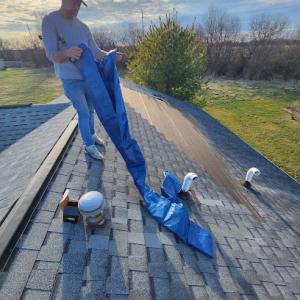
Acosta Angeli Roofing
(217) 993-2748 www.acostaangeliroofing.com
2144 S MacArthur Blvd suite 204, Springfield, Illinois
4.9 from 283 reviews
Acosta Angeli Roofing is a trusted roofing contractor in Springfield, IL, serving Springfield, Decatur, and surrounding areas. We specialize in commercial roofing, residential roofing, metal roofing, roof replacement, roof repair, and storm damage restoration. Our services also include gutters, soffit, and fascia installation and repair, as well as 24/7 emergency roof repairs. At Acosta Angeli Roofing, we are committed to providing high-quality roofing solutions at competitive prices. Our expert team delivers durable, reliable, and long-lasting roofing systems for homes and businesses. Customer satisfaction is our top priority, and we take pride in our craftsmanship and service. For expert roofing services, give us a call today!
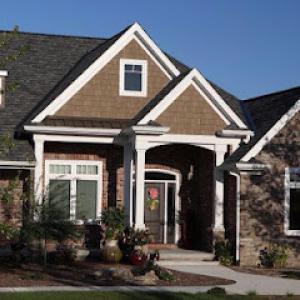
Sutton's
(217) 528-3911 www.suttonsinc.com
1926 N Peoria Rd, Springfield, Illinois
4.8 from 533 reviews
Sutton’s has been a trusted name in home improvement since 1946, specializing in roofing, siding, windows, doors, decks, sunrooms, and bath and kitchen remodeling. As one of the leading roofing and siding companies in Central Illinois, we are committed to using the highest quality materials and expert craftsmanship. Whether you need a durable new roof, energy-efficient windows, or a stylish, secure entry door, Sutton’s delivers superior results backed by industry-leading warranties. Family-owned and operated for generations, we take pride in our customer-focused approach and dedication to excellence. "Our focus isn’t to be the biggest; it’s to be the best.”
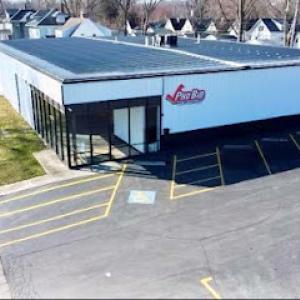
Pro Bid
(217) 971-7555 www.probidconstruction.com
223 N MacArthur Blvd, Springfield, Illinois
4.9 from 65 reviews
Since 2021, Pro Bid has been a cornerstone in construction and restoration throughout Springfield and Central Illinois. As a locally owned company, we provide a complete solution for roofing, remodeling, water damage restoration, and full home construction needs. By keeping all essential trades under one roof, we make the building and renovation process easier and far less stressful for our clients. Our team handles projects of any size, from the foundation up, with clear communication, reliable workmanship, and consistent results. General construction, roofing, plumbing, HVAC, and electrical — all trades under one roof.
Frontline Adjusters
(217) 859-8085 frontlineadjusters.com
920 S Spring St, Springfield, Illinois
5.0 from 37 reviews
Frontline Adjusters is the premier storm restoration contractor in Central Illinois! We have restored over 5000 home since 2018, primarily in the Central IL area! We are a local roofing company.

Blackhawk Roofing
(217) 741-6251 www.blackhawkroofing.us
4208 Southwoods Rd, Springfield, Illinois
4.9 from 81 reviews
We are experts at building roofs. Blackhawk Roofing has specialized in commercial and residential roofing since 1995. Over the years, we've built new and replacement roofs for thousands of customers in Central Illinois. Our experienced workforce and state-of-the-art equipment lets us complete your project with quality and efficiency. We have the expertise to deal with the most complex roofing issues, including Storm Damage and Hail Damage. We offer a Free Estimate, competitive pricing, and outstanding customer service. Strike up a conversation! LICENSE: #104.016564 INSURANCE: TROXELL
Cleeton Construction
(217) 638-3339 cleetonconstructioninc.com
2122 N Grand Ave E, Springfield, Illinois
4.9 from 57 reviews
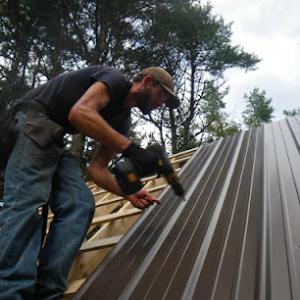
Top rated roofing contractor in Springfield IL. Specializing in residential & commercial roofing, metal roof installation, vinyl siding installation, window installation, custom fencing & deck building. A fully licensed, bonded and insured Springfield IL construction & roofing company. Since 2010 Jeff Cleeton and his highly trained crew of skilled tradesman have been impressing the central Illinois area with craftsmanship that is second to none, regardless of what your building project entails. We are a 5-Star rated construction & roofing contractor on Google & Facebook and are A-rated by the Better Business Bureau, giving you peace of mind that your project is in good, qualified hands.
Westside Construction
(217) 588-1720 westsideroofingpros.com
450 S Durkin Dr Suite D, Springfield, Illinois
5.0 from 15 reviews
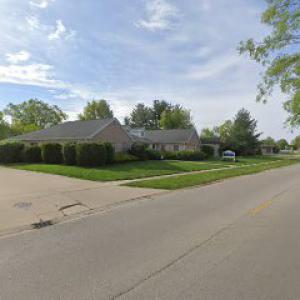
At Westside Construction, we are a professional roofing and construction company in Springfield, IL specializing in providing a trusted hand with your roofing, siding, gutters, and insurance restoration needs. With each residential and commercial roofing job we complete, we make sure all our work is held to the highest standard possible. That way, you can rest easy knowing that your home or commercial building is in the hands of specialists who care about their craft. For your next roof repair, replacement, or installation, give us a call. We work in Springfield, IL and the surrounding areas. We'll schedule a time for an inspection and help your roof stay protected.
Roof Maxx of Springfield, IL
Springfield, Illinois
4.8 from 13 reviews
Roof Maxx® is a scientifically formulated and 100% safe, plant-based roof rejuvenating spray treatment that was developed by renowned scientists from the world’s largest private research and development company.
Quality Metal Roofing
(217) 670-6362 www.qualitymetalroofingil.com
Springfield, IL
5.0 from 11 reviews
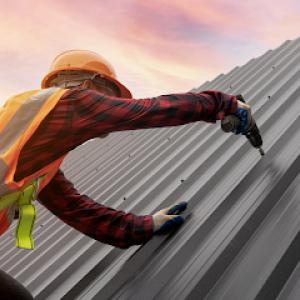
Quality Metal Roofing is your trusted provider of premium metal roofing installation and repair services in Springfield, IL. Specializing in durable, energy-efficient metal roofs, we ensure your home is protected from the elements while enhancing its aesthetic appeal. Our expert team is dedicated to delivering top-notch craftsmanship and exceptional customer service. Whether you need a new metal roof or repairs on an existing one, we use high-quality materials that stand the test of time. Choose Quality Metal Roofing for reliable solutions tailored to your needs. Contact us today for a free estimate and experience the difference of superior metal roofing services!
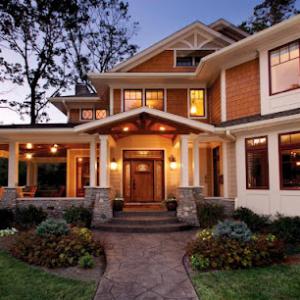
Tedrick's Home Renovations
2110 N Republic St, Springfield, Illinois
4.5 from 19 reviews
HIRE A ROOFING COMPANY WITH MORE THAN 17 YEARS OF EXPERIENCE Renovating your home is exciting, but it often requires help from a professional contractor. Tedrick's Home Renovations can assist with your home improvement project in Sherman, Chatham or Springfield, Illinois. As a roofing company and general contractor, we will work with you to design a plan for your home and implement it with a focus on quality. You can trust us to handle your interior and exterior home renovations, including roof replacements and full remodeling projects.
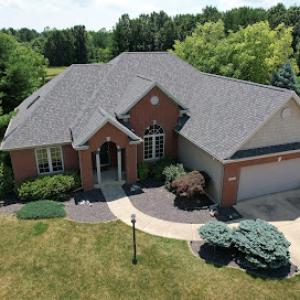
Route 66 Roofs
(217) 986-8340 route66roofs.com
217 E Monroe St Suite 96, Springfield, Illinois
4.6 from 11 reviews
At Route 66 Roofs, we are more than just a local, family-owned roofing company – we're your neighbors, committed to serving the Springfield community with excellence, integrity, and personalized service. With deep roots in the community, we understand the unique challenges posed by local weather conditions, building codes, and the diverse needs of our fellow residents. Our mission is to deliver top-notch roofing solutions that exceed your expectations, ensuring the longevity and beauty of your home. What sets us apart at Route 66 Roofs is our unwavering commitment to quality craftsmanship and customer satisfaction. As a family-owned business, we take pride in treating every project as if it were for our own home.
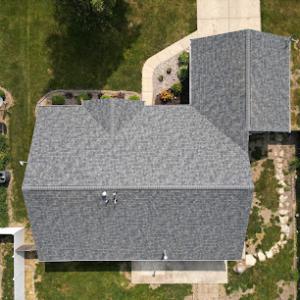
Hale Construction
(217) 891-4645 www.haleconstruction217.com
1154 N Bradfordton Rd, Springfield, Illinois
4.3 from 12 reviews
Hale Construction is well known as an experienced and professional Illinois-based General Contractor Company. We provide clients with top-of-the-line services that cater to their specific project needs and management requirements, all at the most competitive rates. Contact us today and find out how we can help.
Central Illinois is a high hail- and wind-claim environment, so Springfield homeowners often need detailed photo documentation and professional estimates when filing roof claims. When a storm clears, there is a narrow window to capture the full scope of damage before weather, temporary repairs, or busy contractor schedules begin to blur the record. That urgency isn't about drama; it's about making sure the claim reflects the reality on the roof and not what the roof looked like after a wind gust or a few days of sun. If a storm hits hard, the first 24 to 72 hours create the most accurate baseline for the damage that may be eligible for replacement or repair.
Adjusters serving this region may request photos of existing roofing conditions and may support full replacement when storm damage is widespread enough under the policy language. To avoid back-and-forth, compile a concise set of images that tell a complete story: close-up shots of impacted areas, angling shots that reveal edge and seam failures, and wide shots that show the roof's overall condition from multiple vantage points. Include penetrations around chimneys and vents, along with gutters and downspouts where debris and impact marks accumulate. If shingles show hail pitting, curling, or granule loss, document those details with scale references (a ruler or a common object in the photo for scale). Gather a dated record if possible, and keep a simple written note of what each photo shows and when it was taken. A professional estimate from a licensed local roofer further strengthens the claim, particularly if the estimator can describe how the damage affects structural components or the roof deck.
Because claim volume rises after regional storms, Springfield homeowners benefit from documenting damage quickly before temporary repairs, weathering, or contractor demand surges complicate the record. Start with a call to your insurer to understand their preferred method for submission-many prefer a digital gallery with organized folders: exterior roof, interior attic signs, and any visible interior leakage. Take notes of the storm date, wind direction, and hail intensity as you review your roof, since insurers often correlate meteorological data with damage timing. If you already have prior photos from a previous storm, keep them handy for comparison. When temporary repairs are necessary to prevent interior damage, photograph the repairs in place before the crew leaves, and request a written summary of any temporary measures from the contractor for your file.
Protect your claim by maintaining a calm, record-driven approach. Avoid delaying documentation in hopes that the storm damage will be minor or fade with time. If there is broad damage across multiple sections of the roof, a full replacement may be considered, so having a clear, professional assessment helps the insurer apply the right coverage. When in doubt, ask your insurance adjuster for a detailed checklist and a recommended sequence for submitting photos. A well-documented claim often travels more smoothly through the Springfield area's busy post-storm period and supports a fair resolution aligned with the actual roof condition.
Connect with contractors who help homeowners navigate the claims process from damage assessment to final approval.
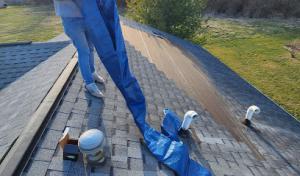
Acosta Angeli Roofing
(217) 993-2748 www.acostaangeliroofing.com
2144 S MacArthur Blvd suite 204, Springfield, Illinois
4.9 from 283 reviews
Sutton's
(217) 528-3911 www.suttonsinc.com
1926 N Peoria Rd, Springfield, Illinois
4.8 from 533 reviews
Pro Bid
(217) 971-7555 www.probidconstruction.com
223 N MacArthur Blvd, Springfield, Illinois
4.9 from 65 reviews
In Springfield, a full re-roof typically requires a permit through the City of Springfield Building Department before work begins. The permit ensures that the tear-off, material choice, and installation meet local codes and weather considerations that come with Central Illinois winters and hail seasons. A clear plan for waste disposal, temporary protection of landscaping, and safety precautions should be part of your permit package. Before any roofing crew lifts a shingle, confirm that the permit is active and that all required notices are posted on the job site.
The permit process starts with a project description, roof size, and the proposed roofing material. Expect the Building Department to request details on attic ventilation, roof deck condition, and flashing around chimneys and vent stacks. In Springfield, the timing of approvals can hinge on plan reviews and any needed replacement decking or structural adaptations. Your contractor should coordinate submitting the plans, organizing required inspections, and keeping you informed about anticipated inspection windows. If the project involves a significant tear-off, the city may require a debris containment plan and weather protection measures to minimize nuisance and runoff.
City inspections commonly review underlayment, flashing, ventilation, and final installation for code compliance during the re-roof process. The underlayment must be continuous and properly sealed at eaves and rakes; flashing around penetrations should be integrated with the chosen material and sealed to resist wind-driven moisture. Ventilation checks ensure adequate intake and exhaust to manage freeze-thaw cycles that Missouri Valley weather can impose. Final installation inspection confirms that all components-drip edge, fasteners, shingles or panels, and ridge cap-meet code and manufacturer specifications. A knowledgeable inspector will also look for consistent nailing patterns and proper alignment to avoid premature failure from hail or wind.
Because the city coordinates inspections, scheduling and passing those checkpoints can affect how quickly a Springfield roof replacement moves from tear-off to final approval. The process tends to flow best when the contractor requests inspections proactively and completes interim corrections promptly. Expect at least one tear-off inspection after the old material is removed and a second to verify proper installation and ventilation before the final sign-off. If bad weather or a supply delay interrupts progress, discuss interim inspection timing with the Building Department to keep the project moving without penalties or delays.
Coordinate with the contractor to prepare a detailed inspection calendar that accounts for weather windows typical to this climate. Ensure temporary barriers and debris containment are in place to protect neighbors and pedestrians during the tear-off. Confirm that all roof penetrations are properly sealed and that the attic is ventilated to prevent moisture buildup, which can complicate inspection results after a freeze-thaw cycle. Finally, keep a diligent line of communication with the Building Department and the contractor to confirm each inspection date and any required corrections before proceeding to the next stage.
Springfield homeowners commonly choose among asphalt shingles, metal roofing, clay tile, concrete tile, wood shingles or shakes, and synthetic or composite shingles. The local price landscape typically runs from 350 to 2500 USD per square depending on material, with asphalt shingles on the lower end and heavier, more specialized products on the higher end. In practice, asphalt shingles commonly fall in the 350 to 700 range per square, while metal roofing often sits between 700 and 1200 per square. Clay tile tends to land higher, roughly 1200 to 2500 per square, and concrete tile generally moves from about 1000 to 1800 per square. Wood shingles or shakes usually range from 450 to 900 per square, and synthetic or composite shingles sit in the 350 to 750 per square band. For Springfield homes, the choice often hinges on long-term performance under Central Illinois' freeze-thaw cycles, hail exposure, and wind conditions, balanced against initial install cost and available roof pitch.
Central Illinois experiences pronounced storm-driven demand spikes after hail and high-wind events. When a hail season hits, inspections, tarpings, and replacements can surge project activity across neighborhoods. That surge can push material and labor costs upward in the short term, particularly if several local crews are tied up on multiple roofs at once. If a roof is slated for complete replacement after a damaging storm, expect the scheduling window to stretch as crews coordinate deliveries, inspections, and city approvals, even without diving into permit specifics. In practical terms, a homeowner can mitigate timing headaches by coordinating early communication with a nearby contractor soon after a hail event, so material choices and sequencing can be set before peak demand starts.
Winter weather windows in Springfield can constrain when full roof replacements realistically occur. Cold temps slow asphalt shingle curing and can affect ventilation and underlayment performance, while heavier tiles or metal installations may demand more careful scheduling to avoid winter damage or frost-related delays. If choosing heavier materials like clay or concrete tile, consider roof structure readiness and potential additional framing assessments that influence both cost and timing. For homes experiencing recurring weather challenges, synthetic or composite shingles offer a lighter, often quicker install option with favorable performance in freeze-thaw cycles, though these can carry a mid-to-high price premium depending on the product line. In all cases, aligning material choice with local weather patterns and expected storm activity helps balance upfront cost with long-term reliability.
Asphalt shingles are a dominant choice in this market, but their performance under Central Illinois conditions matters. Hail bruising can leave cosmetic marks that reduce curb appeal and, over time, may encourage moisture intrusion if bruising is deep enough. Wind can peel tabs and lift edges, especially on older roofs that have endured multiple seasons of freeze-thaw cycles. Freeze-thaw wear accelerates granule loss and edge damage, which shortens service life if the roof endures repeated temperature swings. When you evaluate asphalt in this climate, look for architectural or multi-tab designs with thick, laminated granules and a solid underlayment. A well-sealed roof deck and proper attic ventilation help minimize frost-related issues and ice dams during harsher winters. For homes with limited attic insulation, consider upgrading ventilation and insulation to slow temperature-driven stresses on shingles. Regular inspections after hail storms and strong winds are prudent, focusing on shingle edges, exposed fasteners, and any signs of granular loss on the surface.
Metal roofing is a meaningful specialty in this area and appeals to homeowners seeking durability through hail, snow-shedding, and seasonal temperature swings. Modern metal panels can resist hail better than most other materials when installed with proper panel overlap and correct fasteners. Snow and ice shed more efficiently, reducing weight buildup on the structure and helping reduce ice dam risks at eaves. Metal also handles freeze-thaw cycles well, provided the system is sealed where panels meet and ridges are properly flashed. Choose alloys and coatings rated for low-temperature performance, and ensure the installation accounts for expansion and contraction with temperature changes. In a market with frequent storm activity, you'll also want a system designed to channel wind-driven debris away from fasteners and to maintain integrity after repeated impacts. If replacing an existing roof, discuss color and coating options that minimize heat absorption in summer and maximize protective reflectivity for longer service life.
Tile, wood, and synthetic roofs appear in the Springfield market but need evaluation for how they handle local freeze-thaw exposure, weight, and storm repair complexity. Clay and concrete tiles bring a distinctive look but are heavier and can crack under hail or severe temperature shifts; repairs require experienced crews and careful matching of profiles. Wood shingles or shakes offer natural insulation but are susceptible to moisture-related deterioration and wind blow-off in stormier seasons; regular maintenance and treatment help, but replacement may be needed sooner in this climate. Synthetic shingles mimic many benefits of higher-end options while often delivering better hail resistance and lighter weight, yet they still require careful assessment of how the material responds to freeze-thaw cycles and the ease of field repairs after a major storm. In all three categories, ensure installation follows best-possible flashing detail at penetrations, along eaves, and at transitions to reduce storm-related leaks and wind uplift risks.
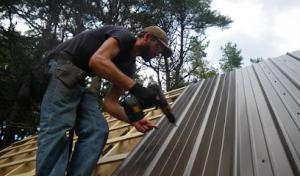
Explore specialists in steel, aluminum, and standing seam metal roofs built to last 50 years or more.
Acosta Angeli Roofing
(217) 993-2748 www.acostaangeliroofing.com
2144 S MacArthur Blvd suite 204, Springfield, Illinois
4.9 from 283 reviews
Cleeton Construction
(217) 638-3339 cleetonconstructioninc.com
2122 N Grand Ave E, Springfield, Illinois
4.9 from 57 reviews

Quality Metal Roofing
(217) 670-6362 www.qualitymetalroofingil.com
Springfield, IL
5.0 from 11 reviews
In this climate, freeze-thaw cycling commonly turns minor flashing and shingle defects into active leaks by repeatedly expanding trapped moisture. When water sneaks under shingles, the alternating freeze push can pry flashing loose or widen tiny gaps around vents and corners. Over a season, what starts as a small seep becomes a steady drip, especially after a spell of cold nights followed by sun and a wet day.
City inspections emphasize flashing and ventilation as two make-or-break points for a re-roof's long-term performance through hot summers and cold winters. If flashing around chimneys, dormers, and vent pipes isn't properly integrated with the roof plane, heat and humidity can push water into seams. Poor attic ventilation compounds the problem by trapping warm, moist air that accelerates condensation and masonry-style staining along roof lines.
Post-storm leak calls often involve wind-lifted shingles, flashing damage, and water entry that may not be obvious until after the next rain. Hail damage can create hidden fractures in the protective layer, while gusts can peel tabs and loosen edges just enough to channel moisture toward underlayment and fastener zones. A subtle attic drip may appear days later, aligning with a fresh rain event rather than the storm itself.
You'll want to inspect along eaves and overhangs for lifted edges, and examine visible flashing from ground level after a storm. In the attic, look for damp spots, dark staining, or soft spots on decking near seams. If any of these appear, pay special attention to the intersections where vent pipes and chimneys meet the roof plane, and consider a quick professional check before the next thaw or thaw-freeze cycle.
Skylight work stands out among local contractors because skylight perimeters are especially sensitive to flashing failure during freeze-thaw cycles. In this climate, a small crack in metal or sealant over the skylight edge can become a leak path after a harsh thaw or a night with rapid cooling. The visible nature of skylight repairs also means the finish work, flashing, and crowning pieces must look right not just until rain, but through several winters of Springfield weather.
In the storm pattern you see here, hail and wind can dent surrounding roofing material first, which then exposes the skylight details to follow-on leaks. That means a roof with hail impact often reveals flashing or edge seal issues only after the initial damage is addressed. Plan for the flashing to be evaluated after the roof deck is ready for any final surface treatment. A careful sequence helps avoid rework when the final inspection checks for detail integrity.
Flashing around a skylight is the most common jump point for leaks in freeze-thaw cycles. Metal transitions, sealant beds, and step flashing where the skylight meets the roof deck are the areas to scrutinize first. If a contractor spots a small wrinkle or crease in a metal leg, treat it as a red flag. The goal is a continuous, watertight plane that can flex with temperature shifts without tearing or lifting.
Begin with a focused inspection of the skylight perimeter after a storm, paying attention to any lifted shingles near the skylight, chipped sealant, or loose flashing strips. If a leak is evident, dry the area completely, reseal with compatible flashing and sealant, and replace any damaged shingles adjacent to the skylight. Document all visible flaws and plan staged work to minimize disruption and ensure final detail work passes the inspection.
Find contractors experienced in skylight installation, flashing, and leak repairs to bring natural light into your home.
Acosta Angeli Roofing
(217) 993-2748 www.acostaangeliroofing.com
2144 S MacArthur Blvd suite 204, Springfield, Illinois
4.9 from 283 reviews
Blackhawk Roofing
(217) 741-6251 www.blackhawkroofing.us
4208 Southwoods Rd, Springfield, Illinois
4.9 from 81 reviews
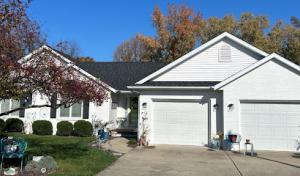
Low-slope roofing is a smaller niche in Springfield than residential steep-slope re-roofing, but it remains relevant for some homes, additions, and mixed residential-commercial properties. In this climate, standing moisture on flat or near-flat sections can trap heat and accelerate wear. The best results come from choosing proven materials and coordinating with professionals who understand local freeze-thaw cycles.
The local freeze-thaw pattern makes drainage and seam integrity especially important on low-slope sections where standing moisture can worsen winter damage. Ensure slopes are adequate for gravity drainage, with reliable edge details and proper matching of field seams. Regular inspections after winter storms help catch loose flashings, clogged drains, or micro-cracks in membranes before leaks develop.
Synthetic membranes and bituminous systems cover the broad spectrum for these roofs. In colder months, closed-cell insulation below a membrane can reduce heat loss and protect from condensation. Choose membranes with good puncture resistance and UV stability, and consider reflective surfaces to mitigate heat buildup on sunny days. For additions or conversions, specify compatibility with existing roofing so that transitions stay watertight for the long term.
Only a limited share of local contractors market flat-roof or coating specialties, so homeowners with these roof types may face a narrower contractor pool in Springfield. If selecting a low-slope contractor, verify experience with drainage detailing, seam testing, and wind uplift resistance. Establish a clear maintenance plan that includes periodic cap sheet or membrane inspections, prompt repair of penetrations, and timely re-coating or resealing as needed.
In this market, planning ahead around winter storms helps prevent surprises. Work with a contractor who can provide a warranty that covers both membrane integrity and fastener performance through multiple freeze-thaw cycles. Discuss expected life spans for seams, flashings, and edge seals, and set a maintenance cadence that aligns with the local seasonal weather shifts. A written plan with inspection milestones gives you a clear roadmap for protecting low-slope sections during rough winters and hot summers. Stay vigilant for signs of trouble.
Find specialists in TPO, EPDM, and built-up flat roofing systems for residential and commercial properties.
Blackhawk Roofing
(217) 741-6251 www.blackhawkroofing.us
4208 Southwoods Rd, Springfield, Illinois
4.9 from 81 reviews
Springfield Roofing
(217) 215-4552 www.springfieldilroofer.com
Springfield, Illinois
5.0 from 1 review