
Last updated: Apr 19, 2026
Hail and wind drive most roofing claims in this market, and the reality is immediate documentation matters more here than almost anywhere else. When spring storms hit, you're not just dealing with dented shingles or torn flashing - you're navigating a claims process that hinges on proving the damage, the timeline, and how quickly the roof was restored. In this climate, a single storm can trigger a flood of inspections, estimates, and replacements across neighborhoods, all competing for scarce contractor slots and insurer attention. The risk isn't only the damage itself; it's the potential mismatch between what was actually damaged and what the claim records show later on.
Spring hailstorms in this market don't arrive softly. They arrive in waves, rattling gutters, snapping branches, and leaving granules in odd places. The consequence for homeowners is a scheduling backlog that can stretch weeks as dozens of roofs are inspected in a narrow window. This means you must act fast to secure an inspection window, document preexisting conditions, and preserve fast, verifiable proof of loss. Delays aren't just inconvenient; they can affect how an insurer interprets the urgency of your claim and, in turn, how aggressively contractors prioritize your project. Planning ahead for that surge helps you avoid getting stuck in the queue after the weather settles.
Insurers in this market often request pre- and post-installation photo documentation, and they may scrutinize how quickly the roof was replaced after the loss. Start with high-resolution photos of the entire roof line, the attic, and any interior signs of moisture as soon as you can safely access them. Keep a dated photo log from the moment the storm passes through, noting visible damage from the ground and any shingles that appear blistered, cracked, or missing granules. After a replacement is underway, photograph the finished work from multiple angles, the new flashing, and any penetrations around chimneys or vents. A clear before-and-after comparison, with matching lighting and angles, makes it easier for an adjuster to see the scope of damage and the quality of the repair.
In Topeka, the insurer's adjuster may request a rapid, decisive assessment and may push toward a quick replacement if the damage is significant. That pressure isn't a trick; it reflects the market's tight scheduling and the back-and-forth common to spring claims. Expect multiple parties to review the file: the initial adjuster, any supplemental adjusters, the contractor's project manager, and possibly an engineer if the roof has complex components or mixed materials. The fastest path to a smooth outcome is an organized file: a well-timed sequence of photos, a dated log of communications, and a written record of every step from inspection through final installation.
Create a storm photo timeline as soon as it's safe to do so, capturing the roof, gutters, and any interior signs of leakage. Keep all communications in one place, noting dates, times, and who spoke with whom. If you're coordinating with a contractor, request a written inspection window and a staged project timeline, so you're not left guessing when crews will arrive or how quickly the roof will be replaced. During the back-and-forth with the insurer, reference the storm's impact on the neighborhood, the backlog effect, and the need for a consistent, verifiable before-and-after record. In a market where weather and paperwork collide, your best defense is disciplined documentation and a prompt, coordinated response.
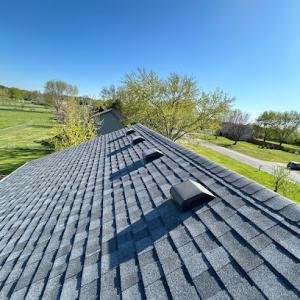
Eaton Roofing & Exteriors
(785) 266-6060 www.eatonroofing.com
3216 SW Van Buren St Suite A, Topeka, Kansas
4.9 from 433 reviews
***If you have storm damage, give us a call*** Eaton Roofing & Exteriors is celebrating 30 years in business and enjoys a reputation as one of Kansas's largest residential re-roofing contractors. Since 1993, we have repaired and installed thousands of roofs across Kansas. Our exteriors business is focused on window, doors, siding & decks. We have offices in Wichita, Topeka, Salina and Hutchinson and are proud to work in numerous communities throughout the state. We are Here For The Life of Your Home. We're fully licensed and insured- State Registration #19-007451.
Dultmeier Roofing
(785) 379-9747 dultmeierroofing.com
Topeka, Kansas
5.0 from 53 reviews
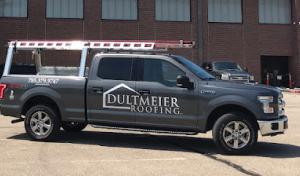
We are a family owned roofing company since 1983. Dultmeier Roofing is fully licensed and insured. We offer the area's best 10-year workmanship warranty and personal service because we treat our neighbors just like we want to be treated. We install asphalt shingles, wood shingles, standing seam metal, flat metal roofs, composite, hail resistant shingles and more! We are your one stop shop for roofing, guttering, and gutter screens. The best process is to install a new roof, then gutters and screens. We install 5-inch and 6-inch seamless gutters. Visit our website to see colors, reviews, and more information. Voted best in Topeka in the top 3 roofing companies in Topeka in 2022 and won Best of Topeka in roofing in 2023 and 2024.
Assurance Roofing & Exteriors
(785) 231-8838 assuranceexteriors.com
4011 SW 29th St PMB 324, Topeka, Kansas
4.8 from 49 reviews
At Assurance Roofing and Exteriors, we are dedicated to providing comprehensive roofing and exterior services that cater to both residential roofs and commercial roofs. Our extensive experience since 2013 enables us to assist homeowners in making informed decisions about their roofing, siding, and guttering requirements. With a focus on quality, durability, and aesthetics, our services include everything from roof installation and maintenance to roof repairs. We pride ourselves on using first-rate roofing materials and techniques to ensure your home is well-protected from the elements. No matter the reason if you need a full or partial roof replacement, our expert team is here to serve you with professionalism and excellence.
Veterans Exteriors Of Kansas
(785) 433-5020 www.vetsexteriorsks.com
303 SE 53rd St Ste D, Topeka, Kansas
5.0 from 23 reviews
Veteran-owned business trying to help our communities, one home at a time. We will work with your insurance company to get you the new roof, guttering, and downspouts your home deserves. Plus any interior damage caused by your leaky roof. We will represent you when the adjuster comes to inspect, we deal with all the paperwork, all the headache. Siding, roof, gutters, garage or attic conversions, interior and exterior painting. One call does does it all. Veterans Siding & Exteriors Of Kansas is the company to call. With over 30 years in the industry combined with extensive training and a commitment to delivering top quality workmanship, you can expect nothing less than exceptional from our team.
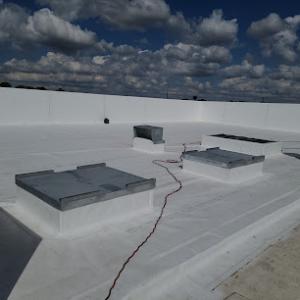
Matrix commercial roofing & sheet metal
802 SE Eastgate Dr, Topeka, Kansas
5.0 from 11 reviews
Commercial roofing at your service, we can help with epdm, torch down, tpo, cap metal, standing seam metal and corrugated metal
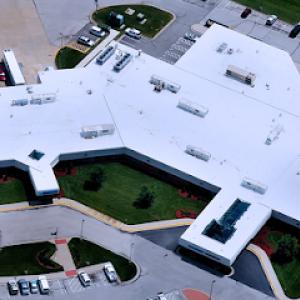
Midwest Coating
(785) 262-5147 midwestcoating.us
3830 NW 16th St, Topeka, Kansas
4.6 from 10 reviews
Midwest Coating provides commercial roofing replacement, service and repairs, new construction roofing, and free estimates to the Topeka, KS area.
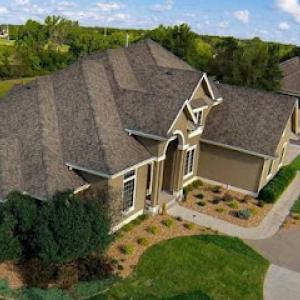
Dovetail Roofing
(785) 286-1511 www.dovetailroofing.com
111 NW Lyman Rd, Topeka, Kansas
3.6 from 29 reviews
Dovetail Roofing was established in 2005 and is owned and operated Aaron Becker. Aaron is a lifetime Topekan from North Topeka (shawnee county) and has chosen to keep his families in the area. He takes pride in being a part of the community.
Trak Roofing & Construction
3113 SW Van Buren St, Topeka, Kansas
5.0 from 3 reviews
We do it all! We are licensed and insured Commercial and Residential General Contractors. We do everything from new home construction to additions and remodels as well as exterior work including roofing, siding, doors and windows, and decks. 90% of our work is word of mouth referrals, which is the way we like it. You can trust TRAK with your home or business with all of your construction and roofing needs.

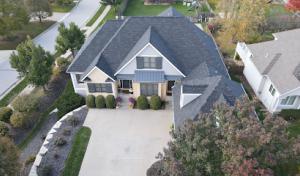
Roofs by Brian
(785) 845-1906 roofsbybrianks.com
Topeka, Kansas
4.3 from 7 reviews
Roofs By Brian, owned by Brian Dultmeier, is a locally owned, 4th generation family contractor and roofing company. Located in Silver Lake, we have covered most of Northeast Kansas, Topeka, and Lawrence areas for many years building relationships and trust with our customers. We take pride in repeat customers and customer satisfaction is always our #1 goal. Both licensed and insured, we offer free estimates up front and have a proven track record of success. Our proven process is designed to be hassle free for our customers while getting the job done right. In addition to roofing, we also specialize in seamless gutters, siding, windows, and doors. No job is too small or too large.
Hooper Roofing & Repairs
3719 SE Powell Ct, Topeka, Kansas
5.0 from 2 reviews
Hooper Roofing has been family owned and operated for 57 years. Residential and commercial repairs and total replacement. Free estimates and coordinating with insurance company if applicable.
Shawnee County Roofing Services
(785) 669-8111 topekaroofrepair.com
4001 SW Drury Ln, Topeka, Kansas
4.5 from 4 reviews
Shawnee County Roofing Services stands out as the top roofing contractor in Topeka, KS, offering unmatched quality and service in the roofing industry. Specializing in both residential and commercial roofing projects, our dedicated professionals combine innovative methods with superior materials to ensure your roof is both beautiful and resilient. Our commitment to excellence and attention to detail guarantees customer satisfaction for every job undertaken. Choose Shawnee County Roofing Services for a dependable, high-quality roofing experience that sets new standards in the field.
Trinity Contracting
(785) 224-5704 trinitycontractingcompany.com
Topeka, Kansas
5.0 from 1 review
You need a new roof, but you don't want to deal with pushy salesmen. And you definitely don't want to feel forced into a decision. Don't stress-turn to the professionals at Trinity Contracting, LLC. We're a roofing contractor in Meriden, KS that has a hassle-free process. You can look to us for extensive roofing services. We'll get an understanding of your needs to help you find an excellent fit.
When spring storms roll through, expect a mix of hail and gusty winds that can ding shingles and loosen edge details. In this climate, a fast assessment after a hail event is essential: look for dimpling on asphalt shingles, loose granules in gutters, and lifted flashing where wind can grab edges. If damage is visible or if a storm coincides with an insurance claim, documenting with photos from multiple angles and noting the date helps when you file. Repairs that aren't immediate should be scheduled with a contractor who can work around spring rainfall, but don't delay evaluating ventilation and attic condensation, which can worsen after mature winter exposure. In light of the plasticity of northeast Kansas weather, you want a plan that accommodates quick weather windows without leaving a roof vulnerable to a late-season freeze.
Topeka summers heat the roof quickly, shorten the ideal replacement window compared with milder climates. Roofing materials expand and contract with heat, so wind-driven debris during July and August can pry loose shingles at vulnerable seams. If a reroof is planned mid-summer, coordinate material deliveries for cooler mornings and schedule higher-risk work for calmer afternoons to reduce wind-related setbacks. Pay special attention to attic ventilation; heat buildup can accelerate deterioration around vents, chimney areas, and the roof-to-wall transition. For metal or synthetic shingles, the heat cycle can affect installation tolerances, so ensure crews have shaded staging or breaks to maintain seal integrity. A practical yearly checklist: verify ridge vent operation, confirm drip edge is secure, and inspect fascia for wind-damaged fasteners after the peak storms.
Autumn deliverables in this region involve temperature swings that disrupt shingle sealing, particularly on hot days followed by cool nights. If installation overlaps with windy days, sealants may take longer to cure, delaying full wind uplift resistance. Schedule critical sealing tasks (adhesives, underlayment, and starter courses) during periods of moderate weather and low wind where possible. Autumn winds can expose exposed edges and rafter tails, so plan safety nets and temporary protective coverings for exposed sections during the mid-season peak gusts. Plan for a conservative sequencing: complete nailing patterns and flashing installation before the area experiences sustained cool nights, and avoid pushing full curing on sealants when temperatures are dipping toward freezing in late fall.
Winter brings freezing temperatures and snowfall that can slow underlayment work and roof installation. Snow cover complicates measurements, material handling, and access to the roof deck, so align expectations with your contractor about weather buffers and anticipated delays. Ice barriers and flashing installation may require slightly warmer days, so you should target mid-mate months for critical details if possible. Frost and freeze-thaw cycles pressurize vulnerable joints around chimneys, skylights, and vents, making early inspection after a winter storm worthwhile. If a repair or reroof is underway during cold weather, ensure crews check sealant compatibility with low temps and guard against cold-induced brittleness. In all cases, you want a plan that keeps exposed decking dry and mitigates the risk of moisture intrusion during the first thaw.
When you can't wait, these contractors offer fast response times to stop leaks and prevent further damage.
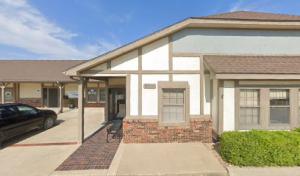
Eaton Roofing & Exteriors
(785) 266-6060 www.eatonroofing.com
3216 SW Van Buren St Suite A, Topeka, Kansas
4.9 from 433 reviews
Asphalt shingles are the backbone of many homes in this area. They're familiar, kids' chalk lines on the driveway still visible after a spring hail event, and they fit a wide range of roof pitches common on older Topeka houses. The reality is that asphalt shingles endure repeated stress from hail impacts, scorching summer heat that can accelerate granule loss, brisk winds that tug at edges, and winter freeze-thaw cycles that stress fasteners and seals. When a roof uses asphalt, you'll want a higher-than-average shingle density and a granule-shedding resistant product to better ride out Kansas storms. Look for architectural or multi-tab styles with good wind resistance ratings and a reinforced underlayment system, because a robust secondary barrier matters when hail knocks granules loose and exposes the felt to moisture cycling.
Metal roofing has a meaningful local presence and is often considered by homeowners looking for a more storm-resilient upgrade. In Topeka's wind-prone springs and summer downpours, metal panels can offer excellent resistance to hail and impact, especially when installed with properly sealed seams and a concealed fastener or closely spaced exposed-fastener system. The lightweight nature relative to tile or concrete can reduce structural strain, which matters on older homes. However, metal does conduct heat, so a reflective coating or cool-seaming option can help temper attic temperatures in the hot season. Consider color choices that minimize heat absorption, and ensure proper attic venting to prevent ice damming in the winter. A metal roof can also produce a longer service life with fewer roof-line maintenance surprises after spring storms, provided installation quality is high and flashing details are thorough around chimneys, dormers, and skylights.
Tile products-clay or concrete-look distinctive and can perform well in hot summers, but their weight and brittle edges mean impact resistance and installation quality are critical in this market. Tile roofs tend to require precise structural support and careful fastening to withstand wind uplift, making professional assessment essential if the home's framing is older or bond beams are marginal. Wood shingles or shakes bring a traditional appearance but face moisture swell, faster degradation in freeze-thaw cycles, and higher maintenance in storm-prone seasons. Synthetic or composite shingles attempt to fuse the visual appeal of natural materials with enhanced durability and lower weight, yet their performance hinges on the specific formulation and the quality of the underlayment and edge detailing. In this market, the suitability of these options depends heavily on how they handle Kansas storm exposure and seasonal temperature swings; durability in hail and wind is the primary concern, followed by long-term resistance to heat-induced cupping or curling.
When evaluating roof types for storm-prone seasons, prioritize systems that combine solid impact resistance, wind uplift performance, and good moisture management. In Topeka, a roof's ability to shed heat in the hot months and endure freeze-thaw cycles during winter matters as much as its ability to resist hail damage right after a storm. Inspect existing eaves, soffits, and gutters, and ensure the roof deck beneath any choice has a robust, continuous underlayment. If a plan leans toward a material with specialized maintenance needs, set aside a proactive upkeep schedule that includes seasonal inspections after major hail events and mid-winter checks for any loose flashing or compromised seals. The right roof type for your home balances hail tolerance, wind resistance, and the structural compatibility with the house's age and design, delivering dependable performance through Topeka's dynamic weather.
When you price a reroof in this market, you'll notice a clear spread by material. In this area, asphalt shingles run roughly from $350 to $650 per square, which keeps repairs and replacements practical after spring hail. Metal roofs sit higher, typically $700 to $1200 per square, reflecting the better hail resistance and longer service life that Topeka weather often demands. Clay tile comes in strong at $1200 to $1800 per square, with concrete tile close behind at $1000 to $1600. Wood shingles or shakes usually land between $550 and $900 per square, and synthetic or composite shingles sit around $450 to $900 per square. Those ranges reflect how local storm exposure stacks up against the varied housing stock around town, from ranches to two-story homes along wooded streets.
Storm-driven demand spikes after hail events can tighten contractor availability and push reroof scheduling later into less ideal weather windows. In Topeka, that means you might face longer lead times or shorter windows for safe, dry work once spring storms roll through. Plan for potential delays and be prepared to adjust timing to when crews can safely work, even if that means waiting a bit for favorable weather or a bigger open roofer calendar after a hail event.
Hail can expose weaknesses in decking, flashing, and venting that aren't obvious from the ground. If inspection reveals rotted sheathing or compromised ventilation, the project climbs beyond a straightforward replacement. Costs can rise when a reroof requires structural or venting changes, because the scope expands beyond laying new shingles and flashing. In practice, that means a simple shingle swap might become a more complex job to restore the roof's performance and airflow, which in turn nudges the price upward within the local ranges listed above.
Get a clear picture of your project costs upfront - no commitment required.
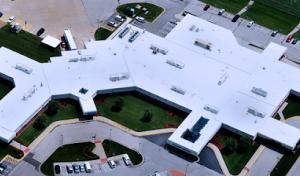
Midwest Coating
(785) 262-5147 midwestcoating.us
3830 NW 16th St, Topeka, Kansas
4.6 from 10 reviews
Reroof projects in this region are almost always tied to the City of Topeka Building Department process. If you're navigating spring storms and insurance schedules, secure the permit early and keep it visible on site. Missing a permit or rushing to cover the roof without the proper paperwork can trigger delays that drag your project into the summer heat or winter freeze, when exposure and weather shifts strain materials and crews alike. The permit isn't just a box to check-it sets the timeline and the inspection cadence that protect your home and your investment.
Topeka uses inspections at key milestones, and a final inspection verifies proper installation before the project is closed out. Expect an inspection after roofing deck work begins, another after underlayment and flashing are in place, and a final walk-through once shingles or panels are installed and all venting and penetrations are sealed. The inspector's eyes catch misaligned edge lines, improper batten spacing, and ventilation issues that can bite you later with leaks or ice damming. Schedule around weather windows and lender or insurer timelines so a snag doesn't stall the process when you're counting on a timely reopen of the claim.
If the project includes structural modifications or venting changes, Topeka may require additional permits beyond the base roofing permit. That means more scheduling, more fees, and more coordination with the contractor. Before any wall or rafter adjustments are made, confirm what approvals are needed and who signs off. In some cases, a structural or mechanical permit adds a layer of review that can shift the sequence of inspections and push back final clearance.
Storm-damaged roofs often ride the intersection of insurance claims and city approvals. Keep copies of all permit numbers, inspection dates, and approvals in a dedicated project folder. Communicate clearly with the insurer about the staged milestones so payments line up with concrete approvals rather than promises. If a claim requires quick debris removal or temporary tarping, document the change orders to preserve the permit's validity and avoid a denial due to an unapproved alteration.
On the job, post the permit card where it's visible and print a simple milestone checklist tied to inspections. Notify the contractor immediately if weather forecasts threaten the planned inspection window. When final inspection passes, retain the clearance notice for your records and for any future work or resale questions. This is the safeguard that keeps a weather-beaten roof from becoming a legal or warranty knot you must untie years later.
Hail and wind storms common to this area can stress roof penetrations quickly, turning a small leak into a bigger problem during rapid freeze-thaw cycles. Local contractor signals show active demand for skylight-related roof work, meaning leak-prone transitions are a real homeowner concern. When storms hit, even well-sealed skylights can reveal weak seals or improper flashing that wasn't obvious on sunny days. Pay attention to any signs of moisture around skylight edges, especially after hail events or high-wind days.
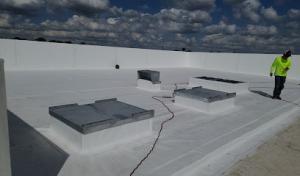
Though pitched roofs dominate, flat and low-slope roofing appears in many Topeka homes and additions. Drainage matters here: standing water during spring showers can push water into poorly secured edges, and membrane detailing must be tight at transitions to attic spaces or between roof sections. On low-slope areas, ensure that edge metal, flashing at skylights, and any penetrations line up with the membrane's slope to avoid capillary wicking. In homes with flat portions, verify the continuity of the membrane over fasteners and repairs, since gaps in these areas often become leak paths after spring storms.
Any penetration-vent pipes, chimney flashing, or skylight curbs-becomes a critical weak spot when temperatures swing from hot summers to freezing winters. Freeze-thaw can push shingles and sealants away from edges just enough to let moisture creep in. Look for hairline cracks around flashing, dark staining along seams, or damp spots on the interior ceiling near penetrations after heavy rain or hail. Regular checks after storm events help catch problems before they escalate.
Start with a visual walk along the roof edge, noting loose flashing or displaced shingles near skylights and low-slope panels. Tap around skylight curbs to listen for delamination or hollow spots under the surface. On flat or low-slope sections, check drainage paths and verify that the membrane shows no signs of punctures or lifting at seams. If a leak is suspected, address it promptly-delays are costly when freeze-thaw cycles resume. Consider a professional roof evaluation after the heaviest spring storms to map weak points and plan targeted repairs.
Find specialists in TPO, EPDM, and built-up flat roofing systems for residential and commercial properties.
Matrix commercial roofing & sheet metal
802 SE Eastgate Dr, Topeka, Kansas
5.0 from 11 reviews
Shamrock Roofing & Construction Lawrence
(913) 850-6556 shamrockroofer.com
Serving
5.0 from 4 reviews
After a severe hail or wind event, the first contractor on the scene sets expectations for the whole process. In this market, quick inspections, temporary dry-in, and prompt claim documentation are strong signals of a serious, local-focused operation. Expect crews that prioritize minimizing exposure to further weather while the claim is being settled.
Topeka homeowners commonly hire for reroofing rather than niche new-construction work, reflecting a market centered on replacement after wear and storm loss. Look for firms with a track record of assessing shingles, underlayment, and roofline integrity on mid-size homes. A contractor who understands how aging neighborhoods and tree cover influence storm damage will perform more reliable follow-ups.
Cleanup is not an afterthought; it is part of the project from day one. Contractors should organize debris removal and material staging with attention to street safety and neighborhood traffic. Residential focus matters: a true storm roofer treats every house as a home with kids, pets, and vehicles nearby, and communicates a clear plan for access, disruption, and finish.
Verify that the contractor carries current, reputable insurance and appropriate licensing, and that their staff are trained to handle shingle and underlayment specifics common to Topeka's climate. Get a written scope of work, a phased timeline, and a detailed cleanup plan. Request a lien-release policy and a line-by-line change order process to prevent surprises.
Ask for local references who endured spring storms and insurance claims. Confirm the crew's ability to perform a thorough attic and interior inspection for secondary damage, plus a documented dry-in plan that protects interior spaces during weather gaps. Be wary of contractors who pressure rapid decisions or avoid written contracts and clear warranties.